Things to do
Rivière Bleue Park: Hiking, Kauri Trees and Kagus in the Grand Sud
We may earn a commission when you book through links on this page, at no extra cost to you. We don't visit or try the places we cover: we summarize published sources. How we work
In short
- The park is in the municipality of Yaté, about one hour by road from Nouméa; a full day lets you combine one or two trails, a picnic and time by the water.
- It is one of the best places to try to spot the kagu, an endemic flightless bird: go early in the morning and walk quietly.
- There are no shops inside the park: fill up on fuel and bring water and food. Check access conditions before your visit.
- The cool, drier season, roughly May to October, is the most comfortable for walking; carry a windbreaker all year.
In the south of Grande Terre, far from the beaches of Nouméa, Rivière Bleue Provincial Park shows a very different face of New Caledonia: red lateritic soil, dense forest, dark-watered rivers and ancient trees. It is one of the island’s best-known nature outings, reachable in a day from the capital.
The park protects remarkable endemic vegetation and is home to the kagu, the country’s emblematic bird. This guide covers access, the main sites, the walks you can do and the precautions to take before setting out.
Why visit the Rivière Bleue
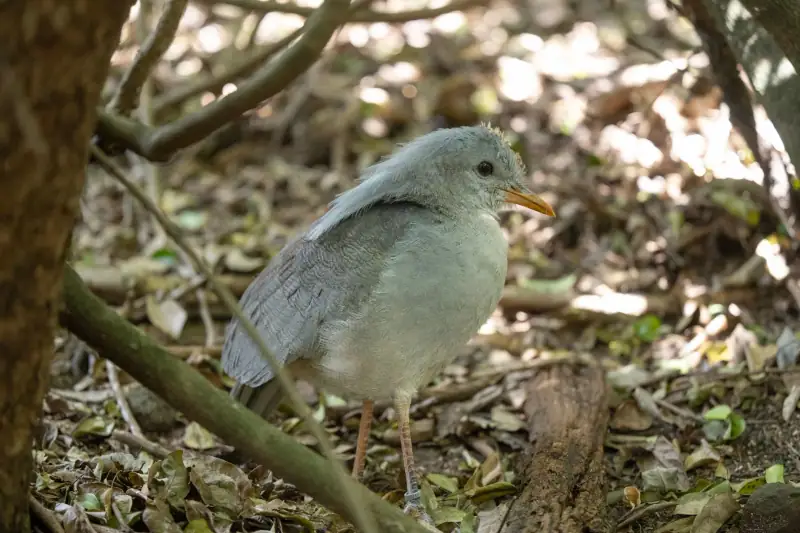
New Caledonia is known for its lagoon, but its interior is just as singular. The Grand Sud is a land of ultramafic rock, where the soil turns a deep red and where grows a flora found almost nowhere else. Rivière Bleue Park is its showcase.
Here is what makes it worth the trip:
- A preserved rainforest, with many endemic species.
- Kauri trees, majestic conifers, some of them several centuries old.
- A chance to see the kagu, a shy bird that does not fly.
- Trails for all levels, from a short walk to a full-day hike.
- A very quiet setting, away from traffic and crowds.
It is also a good option to vary a trip centered on the sea. If you are planning your trip, see our guide What to do in Nouméa to round out your program.
Getting to the park from Nouméa
The park is in the municipality of Yaté, in the Grand Sud. Allow about an hour’s drive from Nouméa, depending on traffic leaving the city and on road condition. The last stretch crosses a landscape of red-tinted mining scrub, already very exotic.
You have three options:
- A rental car, the most flexible solution, letting you leave early and stay until late afternoon.
- An organized excursion, handy if you do not want to drive and would like a guide with you.
- A stay nearby, if you want to enjoy the park at dawn, when wildlife is most active.
Public transport is limited in this area, and there are no shops inside the park: fill up on fuel, water and provisions before leaving Nouméa. Also check access and opening conditions before your visit, as they can vary with weather and season.
Kauri trees: extraordinary giants
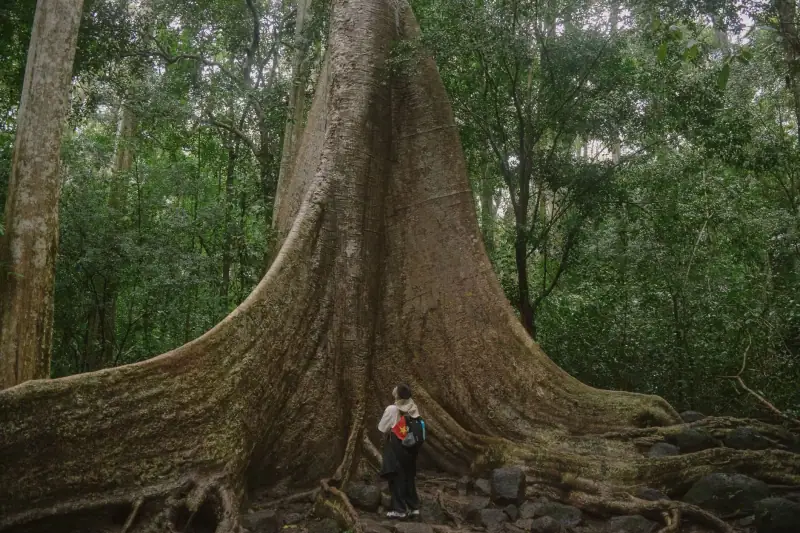
The kauri (Agathis) is a tall conifer that dominates the forest with its straight outline and massive trunk. The park is known for its old specimens, some estimated to be several centuries old. The most famous, often called the “great kauri,” draws many visitors and is reached by a marked trail.
In front of a tree this size, you realize how little this forest has changed over a long time. The contrast between the height of the kauri, the light filtered by the canopy and the surrounding silence makes the walk memorable, even for those not used to hiking.
To make the most of this stop:
- Stay on the trails so as not to damage the roots.
- Do not touch the trunk and take nothing, neither bark nor seeds.
- Take time to look up: the canopy is a spectacle in itself.
Looking for the kagu
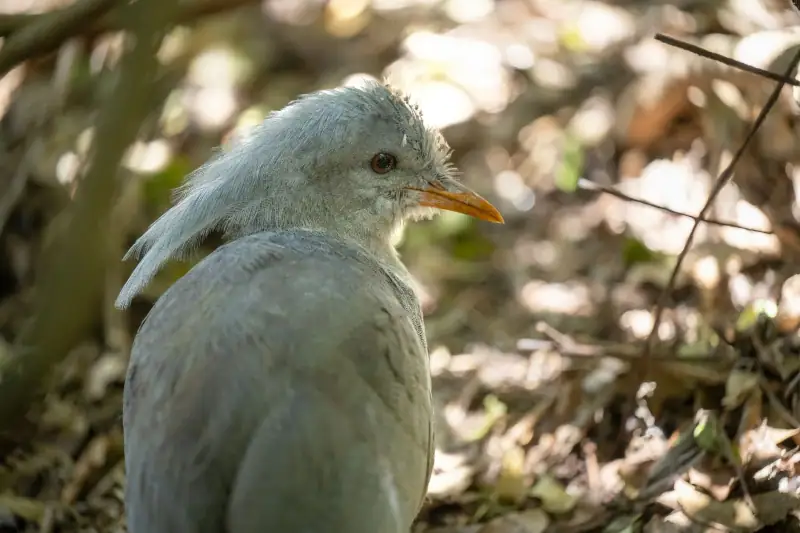
The kagu is a bird endemic to New Caledonia, with light gray plumage and a distinctive crest. It does not fly, which makes it vulnerable, and it has become one of the country’s symbols. Rivière Bleue Park is among the sites where you have the best chance of seeing it, although there is always an element of luck.
A few tips to maximize your chances:
- Arrive early in the morning, when the bird is most active.
- Walk slowly and quietly, without sudden movements.
- Keep your distance: never try to feed or touch it.
- Ask the rangers: they know the areas where it is regularly seen.
A kagu seen in the wild is a strong memory, but do not turn the visit into a photo hunt: the animal must be left in peace.
Nature excursions in New Caledonia
Guided hikes, visits and nature outings: compare the activities you can book before you leave.
Hikes and walks in the park
The park has a network of trails of varying difficulty. Exact information (lengths, durations, waymarking) should be confirmed at the reception, as it changes with trail maintenance and weather.
There are three types of outings:
- Short walks, suited to families, which let you discover the forest, the rivers and a kauri without much effort.
- Half-day hikes, which go deeper into the forest and offer more chances of seeing wildlife.
- Long routes, reserved for fit, well-equipped hikers, which require checking conditions before setting out.
Whatever your level, a few rules apply: tell someone your route, carry plenty of water and remember that night falls quickly in the tropics. Clay soils become slippery after rain, and rivers can rise fast: do not cross a flooded stream.
Yaté Lake and the Grand Sud landscapes
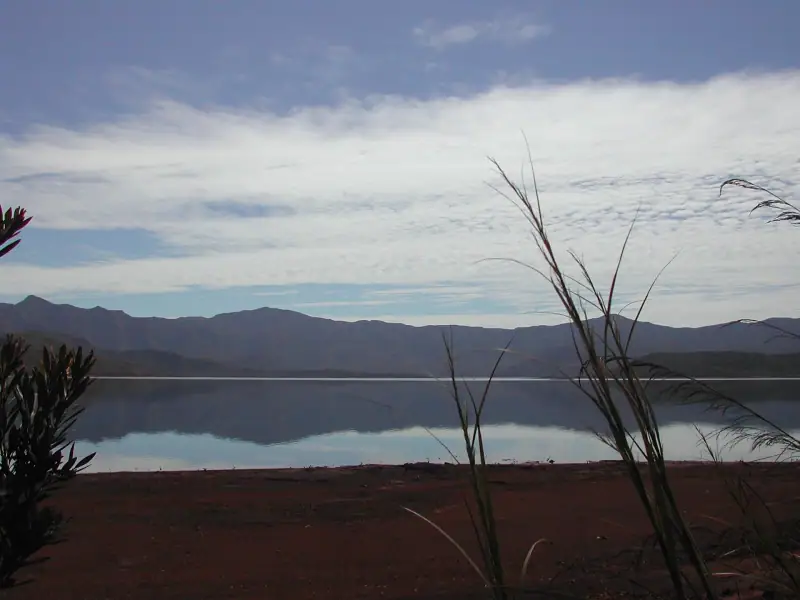
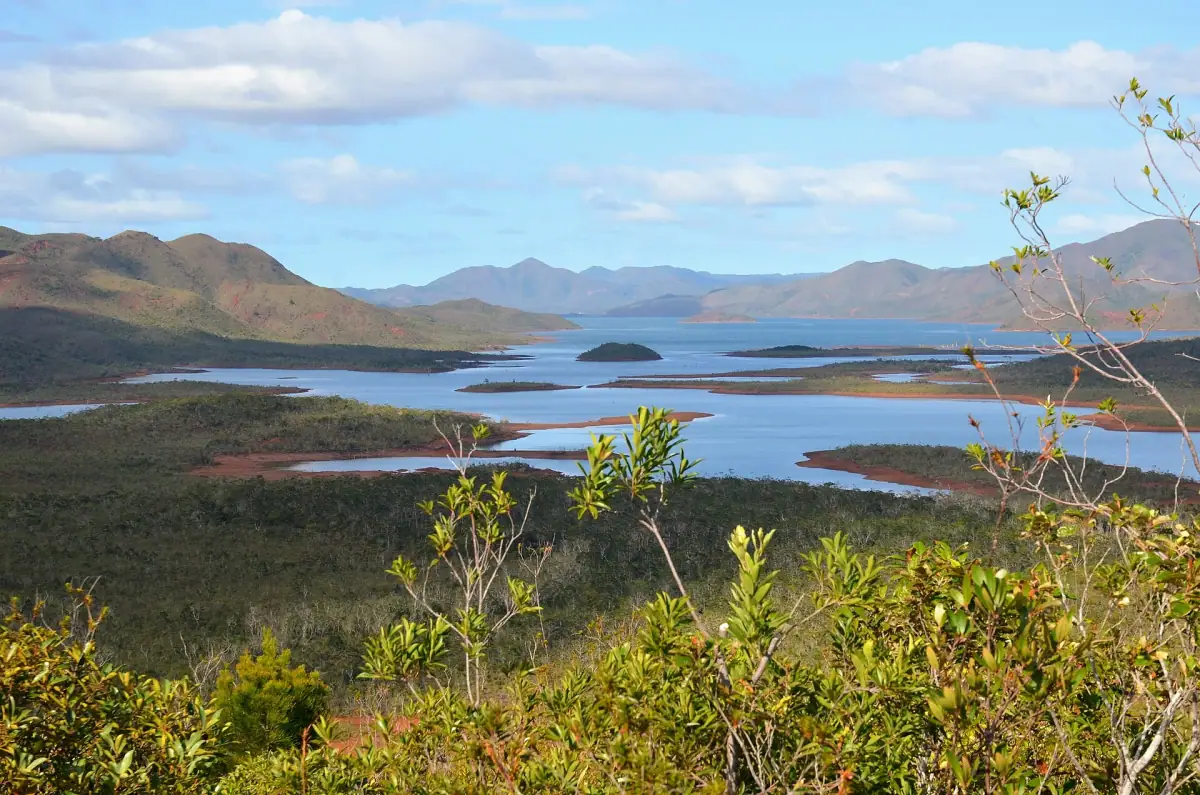
Near the park, Yaté Lake, an artificial reservoir with calm water, offers a striking contrast with the forest: reflections of the sky, reddish hills and open horizons. A stop on the way back lets you enjoy the late-afternoon light and a few viewpoints.
The Grand Sud is also a region marked by mining, visible in the color of the earth and in the shape of the hills. Keep in mind that this red earth stains: bring clothes and shoes you do not mind getting dirty, and a bag to put them in for the car.
Where to stay in Nouméa before the hike
To leave early for the Grand Sud, choose a well-located place to stay in Nouméa. Compare offers for your dates.
Swimming and picnics by the water
The park’s rivers invite relaxation, but swimming depends on current conditions and the signs posted there. Ask at the reception before getting in the water, especially after heavy rain, when the current can change quickly.
For picnics, bring everything you need, including a bag to take your trash away. The rule is simple: leave nothing behind. In such a fragile environment, a single forgotten wrapper has a real impact on wildlife and plants.
When to go and what to bring
The park can be visited all year, but the cool, drier season, from about May to October, is the most pleasant for walking. The austral summer is hotter and more humid, and may be disrupted by rainy or cyclonic spells. To choose your dates, read our guide When to go to New Caledonia.
Gear checklist:
- Good walking shoes that can get dirty.
- A light windbreaker: showers are frequent in the Grand Sud.
- Plenty of water and energy snacks.
- A hat, sunscreen and mosquito repellent.
- A change of clothes for the drive back.
Combining with other stops
The park lends itself well to a full day from Nouméa, but it can also fit into a wider trip mixing city, lagoon and nature. After the forest, the sea: the Isle of Pines offers an ideal contrast, with its beaches and lagoon. This alternation between red earth and turquoise water sums up the diversity of the archipelago well.
Practical tips for your visit
- Start early: you will have a better chance of seeing wildlife and will avoid the heat.
- Fill up before leaving Nouméa and carry provisions and water.
- Check access conditions before you go, especially after heavy rain.
- Respect nature: stay on the trails, pick nothing and take your trash with you.
- Bring cash in Pacific francs (XPF) for small expenses.
- Tell someone your route if you are setting out on a long hike.
With a little preparation and patience, a day at the Rivière Bleue leaves a memory very different from the beaches: that of a wild, calm and deeply ancient New Caledonia.
Frequently asked questions
How long do you need to visit Rivière Bleue Park?
A full day is ideal: it lets you combine one or two trails, a picnic and time by the water. A longer stay, with a night nearby, leaves more time to watch wildlife.
How do you get to Rivière Bleue Park from Nouméa?
The park is in the Grand Sud, about an hour by car from Nouméa. Public transport is limited: a rental car, or an organized excursion, remains the most practical option.
Can you see kagus in the park?
The park is one of the best places to try to see the kagu, an endemic bird and the emblem of New Caledonia. It stays discreet: favor early morning, walk calmly and follow the rangers' instructions.
Do you need to be an experienced hiker?
No, several walks are accessible to most hikers. The longer trails, however, call for good fitness, plenty of water and good shoes.
What is the best time to go?
The cool, drier season, from about May to October, is the most comfortable for walking. The Grand Sud nevertheless gets fairly regular rain all year: always bring a windbreaker.
More New Caledonia guides
Keep reading
Wildlife Watching in New Caledonia: Whales, Turtles, Kagu and Dugongs
Humpback whales, green turtles, dugongs, kagu: where and when to watch New Caledonia's wildlife, with the rules to follow so as not to disturb it.
Diving and Snorkeling in New Caledonia: Where to Get in the Water
Snorkeling at Canard Islet, turtles at Amédée Islet, Oro's natural pool, the Loyalty Islands: tips for exploring the New Caledonian lagoon.
Is Hienghène Worth the Detour? Poule Couveuse, Lindéralique and Tao Falls
Is Hienghène worth the detour? Poule couveuse, Lindéralique, Tao Falls, Ouaïème ferry, getting there from Nouméa, where to sleep and how long to stay.
Ready-made
New Caledonia itineraries
10 days
New Caledonia in 10 Days: An Itinerary Through Nouméa, the Bush and the Islands
A 10-day New Caledonia itinerary: Nouméa, Grand Sud, West Coast, Hienghène, then the Isle of Pines or Lifou, with pacing and budget tips.
7 days
New Caledonia in 7 Days Without a Car: A Realistic Itinerary
NouméaIsle of Pines
3 days
New Caledonia's Grand Sud in 3 Days: Yaté, Rivière Bleue and Port-Boisé
3-day Grand Sud itinerary from Nouméa: Rivière Bleue, Yaté Lake, Madeleine Falls, Port-Boisé, with practical tips.