Where to stay
Where to Stay in Pokhara: Lakeside, Damside or Sarangkot, Which Area to Choose?
We may earn a commission when you book through links on this page, at no extra cost to you. We don't visit or try the places we cover: we summarize published sources. How we work
In short
- Lakeside (Baidam) is the most practical choice for a first stay: restaurants, trek agencies, shops and the lakefront are all on foot.
- Damside is calmer and a few minutes from Lakeside; Sarangkot suits one or two nights facing the Annapurnas, but needs a taxi to go up and down.
- In autumn and spring, book at least the first night and the night you return from a trek. Two to three nights are enough for the lake and viewpoints.
- Check the exact location on the map: a room advertised with a lake view can be a block or two from the water.
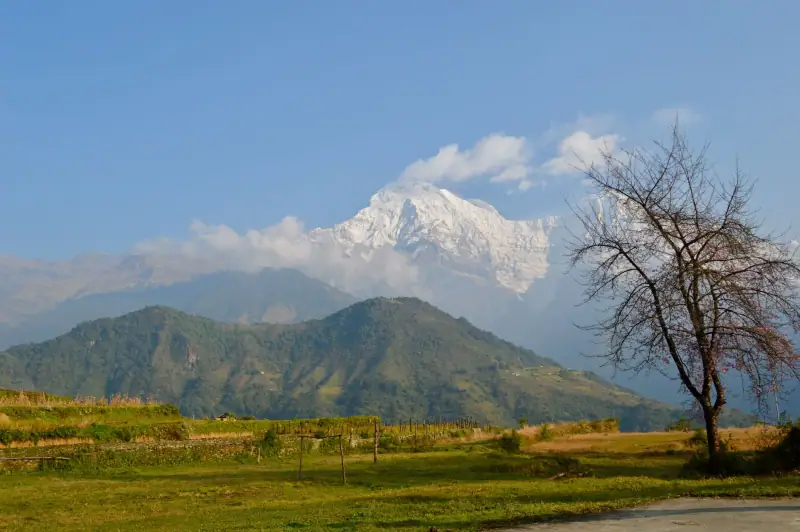
Pokhara is the ideal base before or after a trek in the Annapurnas: a peaceful lake, green hills and, in clear weather, the silhouette of Machapuchare and the neighboring summits as a backdrop. But the city stretches over several very different areas, and the neighborhood where you sleep changes your days: outings on foot, noise, view, distance to trek departures.
Here is an overview of the main areas, types of lodging and a few practical tips for booking without bad surprises.
Lakeside (Baidam): the reference neighborhood
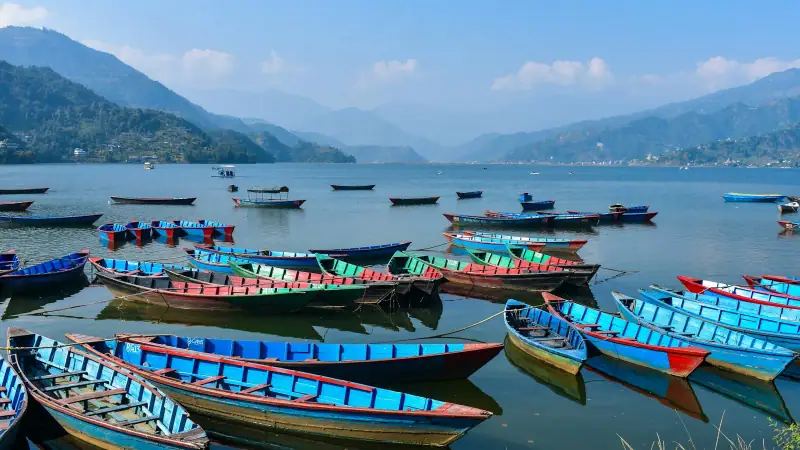
Along the shore of Phewa Lake, Lakeside is the most touristy area of Pokhara. A long avenue parallel to the lake concentrates guesthouses, hotels, restaurants, cafes, bike and boat rental, trek agencies and gear shops. This is where most travelers prepare their departure for the Annapurnas: permits, guide, porter and gear rental are settled within a few streets.
The advantages: everything is done on foot, the range of lodging covers every budget, and you meet other walkers ready to share tips and routes. In the evening, the lakefront is pleasant for a stroll, with golden light on the water.
The drawbacks: the area is strongly oriented toward visitors, with a sometimes commercial atmosphere, and a few streets remain noisy in the evening because of bars. Being right next to the lake is not guaranteed: depending on the street, there may be a block or two between your room and the water. Check the location on the map rather than relying on the mention “lake view”.
Lakeside suits first visits, short stays and travelers who follow on with a trek. To see what to do there, see our guide what to do in Pokhara, or the one on paragliding in Pokhara if you want to fly from Sarangkot.
Hotels in Lakeside
Compare the lakefront guesthouses and hotels, their reviews and exact location, before booking.
Damside: calm a few minutes from Lakeside
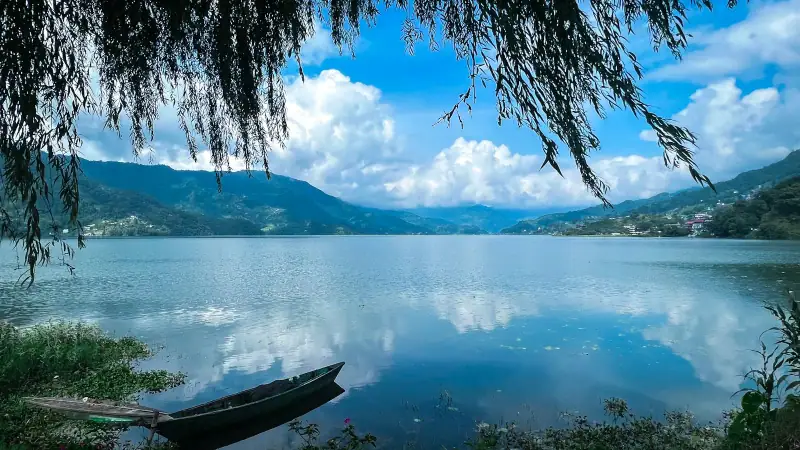
South of Lakeside, Damside, the area near the dam that holds back the lake’s waters, offers a clearly quieter atmosphere. The streets are more rural, rice fields and gardens are still present, and traffic is lighter. The guesthouses are generally small, often run by families.
It is a good option for travelers who want to stay close to Lakeside’s services, reachable on foot or in a few minutes by taxi, while sleeping in a calmer environment. The view of the mountain range is often clearer than from the streets in the middle of Lakeside.
The flip side: fewer restaurants and shops at the door, and more limited street lighting in the evening. Bring a flashlight or something to find your way if you come back late.
Sarangkot: sleeping high up facing the Annapurnas
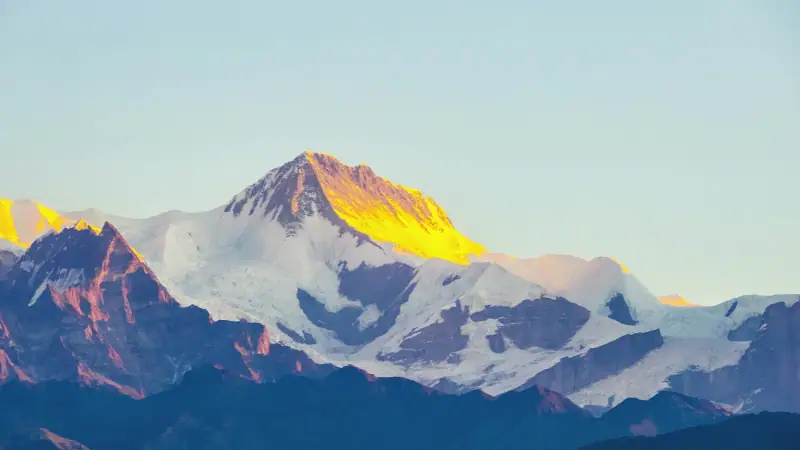
Above the city, Sarangkot hill is famous for its sunrises over the Himalaya. Several hotels and lodges have set up there, some with a terrace or rooms facing the summits. Sleeping there lets you watch the day break without getting up in the middle of the night to taxi up, and enjoy the view before the day’s visitors arrive.
The atmosphere is calm and rural, with cooler air in the evening. In return, the place is isolated: restaurants are limited to the hill’s establishments, and every trip to Lakeside requires a vehicle. The roads are steep, and the climb can be slower than the distance on the map suggests.
Sarangkot suits travelers who want one or two nights of change of scene, photography lovers and those who want to rest after a trek. Paragliders who take off from the hill also like to stay there to take advantage of the morning conditions.
Paragliding and activities in Pokhara
Paraglider flights, boat rides, excursions: discover the activities offered from Pokhara before choosing your neighborhood.
Other areas: downtown, Phulbari and surroundings
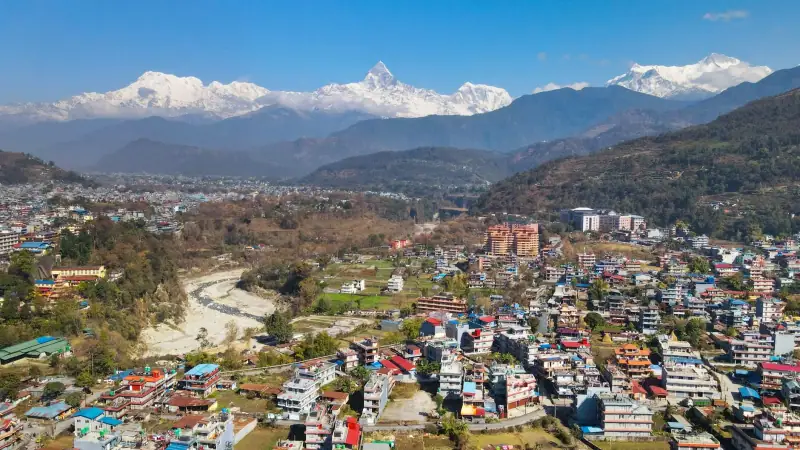
Downtown Pokhara, around the bazaar, is mostly frequented by locals. It offers few tourist lodgings and more local shops, but is a good spot to watch daily life. Those who sleep there gain authenticity and lose traveler conveniences.
Away from the lake, toward the east and north of the city, there are a few larger hotels and residences, calmer but far from the lakefront. The opposite shore of Phewa, reachable by boat or on footpaths, has isolated lodges, perfect for a getaway into nature, provided you accept having neither a direct road nor evening activity.
Finally, some travelers choose to sleep in the hill villages around Pokhara for a stay in the countryside. In that case, find out about access, electricity reliability and whether a meal is available there before booking.
Which type of lodging to choose?
Pokhara offers a full range, from dorm to grand hotel.
- Hostels and dorms: mostly in Lakeside, handy for meeting other travelers and finding trek partners. Check the reviews for noise and cleanliness.
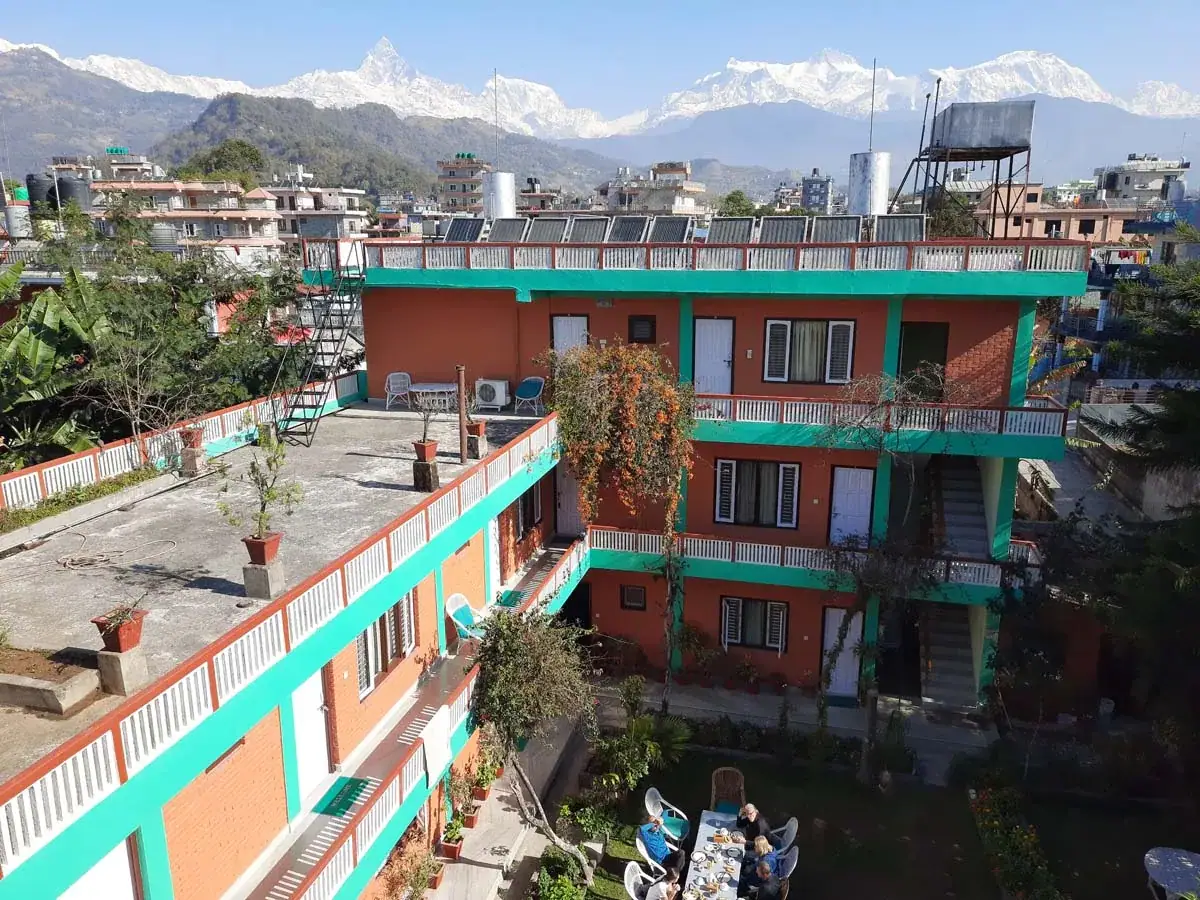
- Family guesthouses: the classic choice, with simple rooms, often a garden or rooftop terrace. Value for money is often very good.
- Mid-range hotels: more comfortable rooms, breakfast, sometimes a pool or shuttle. A good option for resting after a trek.
- High-end hotels and resorts: offer a garden, spa and restaurants, sometimes on the lakeshore or on the hills. They suit family or couples trips.
- Isolated lodges and guesthouses: on the heights or on the opposite shore of the lake, for an experience closer to nature.
Whatever the choice, a few points deserve attention: hot water, which is not always guaranteed or sometimes supplied by solar heaters that depend on the weather, power outages that force some places to use a generator or batteries, and wifi quality if you work remotely. Read recent reviews.
Pokhara before and after a trek
Pokhara is the start or end point of many treks, notably the Annapurna Circuit and the hike to Poon Hill. Our articles Annapurna treks: which circuit to choose and 10 days in Nepal with Poon Hill detail these routes.
A few organizing tips for lodging:
- Sleep in Lakeside the night before departure: permits, guide and gear are easier to settle on foot. Book a place close to the agency or the transport meeting point.
- Leave your unneeded luggage at the hotel and confirm the fee and conditions before leaving.
- Book the return night ahead in high season: at the end of a trek, a good bed and a hot shower count for a lot.
- Keep a margin before a flight or bus: weather and roads can delay mountain returns.
Staying in Kathmandu, before or after Pokhara, is detailed in our guide where to stay in Kathmandu.
Flights to Nepal
Flights to Kathmandu generally involve one or more stopovers: compare durations and schedules before planning your first night in Pokhara.
When to book and what to check before paying
The autumn and spring months, which offer the best visibility on the mountains, are also those when rooms are in highest demand. Our guide when to go to Nepal details the periods. In the monsoon, the sky is often overcast and Himalayan views rarer, but prices are generally gentler and vegetation very green.
Before confirming a booking, check:
- The exact location on the map: “near the lake” can mean several minutes’ walk.
- Recent reviews, notably on noise, hot water and cleanliness.
- The cancellation policy, useful if a flight or trek is postponed.
- The transfer from the airport or bus station, often offered by the property.
- Access for luggage, especially on the heights where the last stretch of road can be narrow.
If you hesitate, a good compromise is to book a first night in Lakeside, then adjust once there as you like: move closer to Damside’s calm, or go up to Sarangkot for a panoramic night.
Our selection by profile
- First stay, trek to prepare: Lakeside, for the proximity of agencies and restaurants.
- Couple seeking calm: Damside or a guesthouse on the heights, with a clear view.
- Photographers and sunrise lovers: Sarangkot, for one or two nights.
- Small budget: family guesthouses and dorms in Lakeside or Damside.
- Family: mid-range hotel with a garden or pool, a bit back from the main street.
- Back from a trek: Lakeside, to find varied restaurants, massages and shops on foot.
Whatever your choice, Pokhara remains a city where you quickly feel at ease: small, turned toward the lake, and suited to a pause before or after the efforts of the mountains.
Frequently asked questions
What is the best neighborhood to stay in Pokhara?
Lakeside (Baidam) is the most practical choice for a first stay: restaurants, trek agencies, shops and the lakeshore are on foot. Damside is calmer, and Sarangkot suits those who want to sleep high up, facing the Annapurna range.
Do you need to book accommodation in Pokhara in advance?
In autumn and spring, the trekking and clear-sky seasons, the good places fill up quickly, especially in Lakeside. Book at least the first night and the night you return from your trek. The rest of the year, you can generally find space on arrival.
How many nights should you plan in Pokhara?
Two to three nights are enough to enjoy the lake and viewpoints. If you leave on a trek, plan one night before departure to arrange permits and gear, and one or two on return to rest.
Can you leave your luggage at the hotel during a trek?
It is a common practice: many hotels and guesthouses keep unneeded belongings for the length of the trek, sometimes free if you come back to sleep there. Ask before booking and confirm on arrival.
Is Pokhara noisy at night?
Less than Kathmandu, but some Lakeside streets stay lively in the evening with bars and music. Ask for a room on the garden side or on an upper floor, or choose Damside or the heights if you are a light sleeper.
Is Sarangkot practical to sleep in without a vehicle?
Sarangkot lodgings are far from Lakeside and sit on a mountain road: plan a taxi to go up and down. It is an excellent choice for one or two nights, less so for a whole stay if you want to move around town.
More Nepal guides
Keep reading
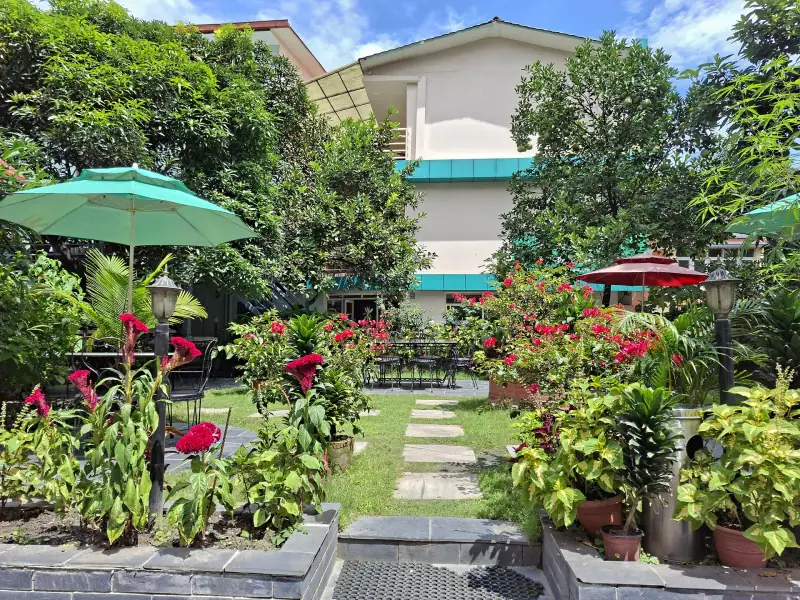
Where to Stay in Kathmandu: Which Neighborhood to Choose for Your Trip
Where to stay in Kathmandu? Thamel, Boudhanath, Patan, Lazimpat or Bhaktapur: neighborhoods compared, types of lodging and tips to choose your base.
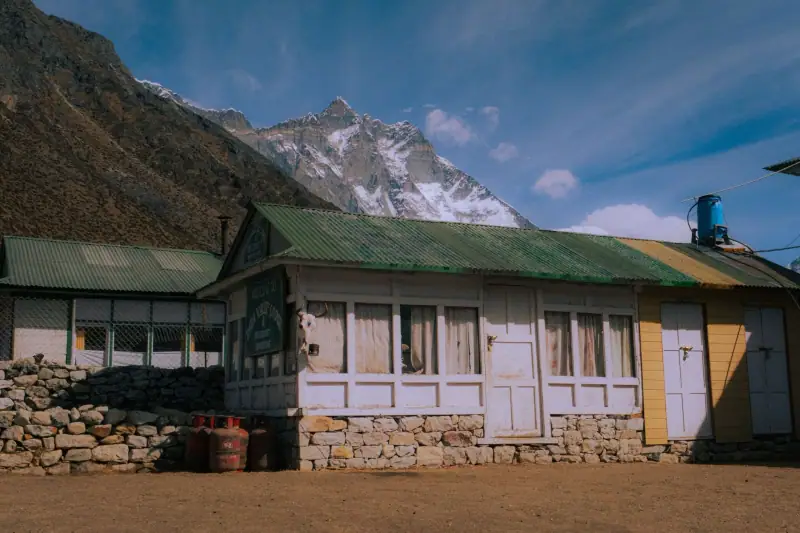
Sleeping in Teahouses in Nepal: Trek Lodges, Comfort, Rules and Tips
How to sleep in a teahouse on a Nepal trek: rooms, meals, showers, charging, cold, sleeping bag and booking. A guide to prepare well.
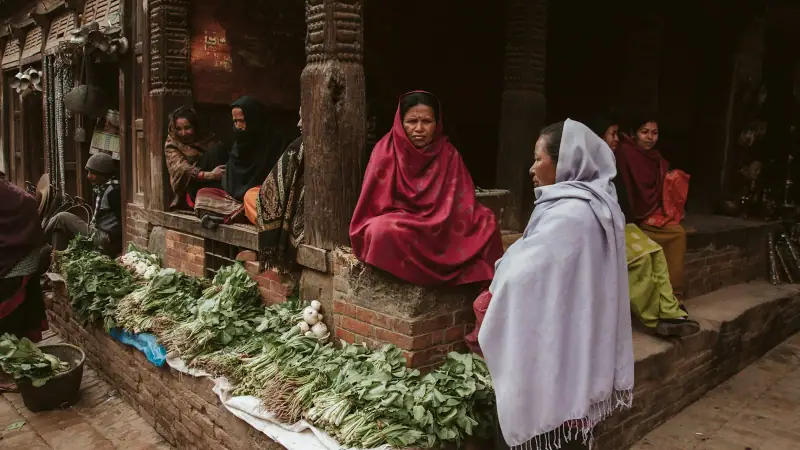
Nepal Travel Budget: Real Costs, 3 Profiles and Ways to Save
What budget for Nepal? Costs by item (lodging, transport, food, activities, permits), three budget profiles and tips to spend less.
Ready-made
Nepal itineraries
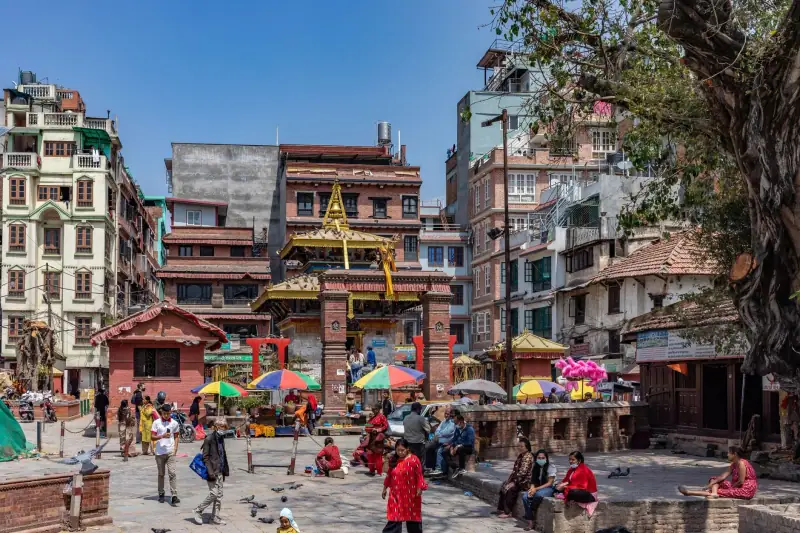
3 days
Kathmandu in 3 Days: Day-by-Day Itinerary, Temples, Newar Cities and Tips
A 3-day itinerary for Kathmandu and its valley: Durbar Square, Swayambhunath, Pashupatinath, Boudhanath, Patan and Bhaktapur, with transport and tips.
10 days
Nepal in 10 Days: Kathmandu, Pokhara and the Poon Hill Trek
A 10-day Nepal itinerary: Kathmandu temples, Pokhara's lake and a short 4-day Poon Hill trek, with tips, permits and a rough budget.
12 days
Nepal with Kids: A 12-Day Family Itinerary with Gentle Stages and Tips
KathmanduPokharaBandipurChitwan