Where to stay
Where to Stay in Kathmandu: Which Neighborhood to Choose for Your Trip
We may earn a commission when you book through links on this page, at no extra cost to you. We don't visit or try the places we cover: we summarize published sources. How we work
In short
- Thamel is the most practical choice for a first visit: restaurants, trek agencies, gear shops and money exchange are all there, though it is noisy.
- For calm, choose Boudhanath (Tibetan atmosphere), Patan (artisans, restored houses) or Lazimpat in the north (more comfort, higher rates).
- In autumn and spring, the trekking seasons, book at least the first night ahead.
- Two to three nights are enough for the main valley sites; check the exact location on the map before paying.
Kathmandu is a dense, noisy and fascinating city, and the neighborhood where you drop your bags completely changes the experience. Sleeping in the middle of the bustle, at the foot of a stupa or in an old brick house makes for very different days. The right choice depends mostly on your pace, the length of your stay and what you plan to do next: trek, cultural circuit or simple stopover.
Here is an overview of the main neighborhoods, types of lodging and a few tips for booking without bad surprises.
Thamel: the travelers’ district
Thamel is the starting point for most visitors. This maze of narrow lanes concentrates hundreds of hotels, guesthouses, restaurants, cafes, bookshops and mountain gear shops. There are also many agencies that arrange permits, guides and porters for treks.
The advantages are obvious: everything is done on foot, the range of lodging is very wide, from budget dorms to comfortable hotels, and you meet many other travelers, which makes it easy to swap information on treks. It is also a practical area to prepare or complete your gear before heading into the mountains.
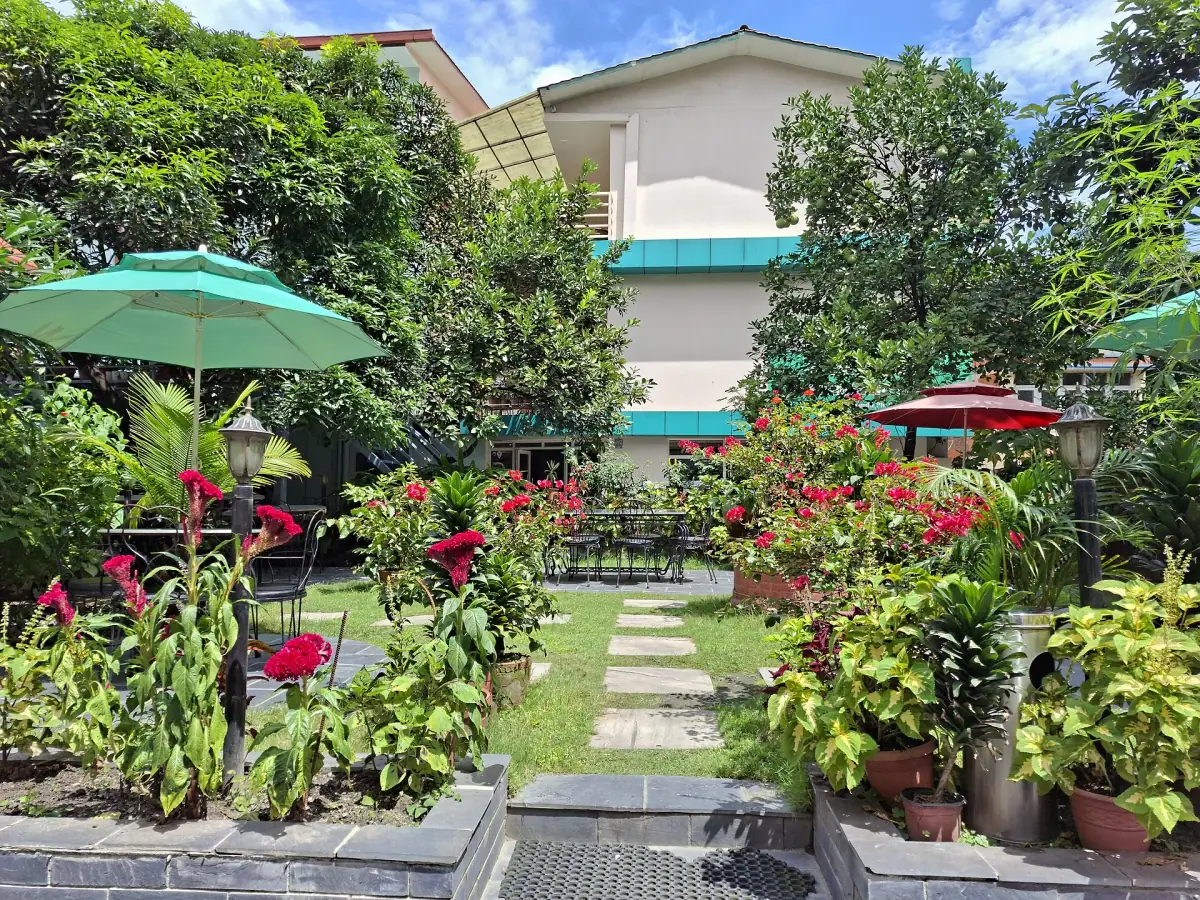
The drawbacks: noise, motorbike traffic in the narrow lanes, dust and a very touristy side. Approaches from vendors are frequent, though they generally stay good-natured. A few tips: ask for a room away from the main street, check that the windows close well, and favor a place with a courtyard or garden to sit in the evening.
Thamel suits short stays, first arrivals in Nepal and travelers who follow on with a trek. For the sites to visit from this starting point, see our guide what to do in Kathmandu.
Hotels in Thamel
Compare the district's guesthouses and hotels, their reviews and location, before booking.
Boudhanath: the Tibetan atmosphere
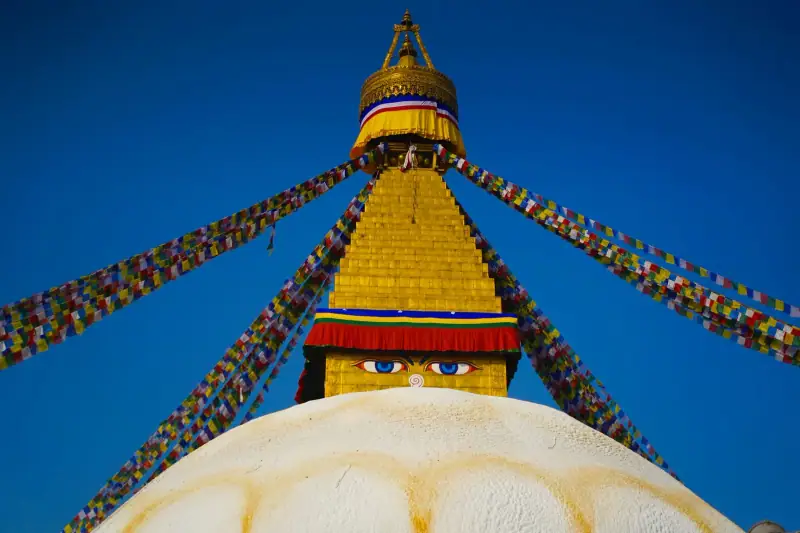
East of the city, Boudhanath is organized around one of the largest stupas in the world. The district is home to a large Tibetan community, many monasteries and shops selling crafts, thangkas and incense. Early in the morning and at the end of the day, pilgrims perform the kora, the walk around the stupa, in a very particular atmosphere.
Sleeping here means enjoying the site before and after the day’s groups of visitors, when the place regains its calm and the butter lamps are lit. Lodgings are often small: guesthouses, family hotels, some with a terrace overlooking the stupa. Several monasteries also offer retreats and meditation classes, to be booked directly with them.
The main drawback is the distance from Thamel and the other sites: plan a taxi ride, longer or shorter depending on traffic. On the other hand, the airport is relatively close, which makes the district practical for a first or last night. The Tibetan restaurants are excellent; for the specialties to try, see our guide to Nepali cuisine.
Boudhanath suits travelers looking for calm, spirituality and a slower pace, who accept taking a taxi for the rest of the visit.
Patan (Lalitpur): calm and crafts
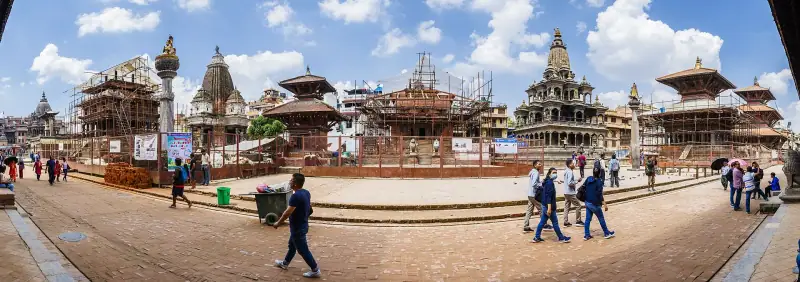
Separated from Kathmandu by the Bagmati River, Patan is a city in its own right, known for its Newar architecture, inner courtyards, metal and wood-carving workshops and its Durbar Square. There are many lodgings set in restored old houses, with a charm rarely found in Thamel.
The areas a little away from the square, such as Jhamsikhel and Pulchowk, are popular with expats: trendy cafes, varied restaurants, airier streets. You sleep in a more residential setting, with a quieter neighborhood life and slightly less polluted air than in central Kathmandu.
The drawback is the distance: to go to Thamel or Swayambhunath, you have to take a taxi, and traffic can be dense at rush hour. But for travelers who want to see Patan thoroughly, notably early in the morning or at sunset, it is an ideal base. To organize the visit, see our article on Bhaktapur and Patan.
Lazimpat and the north of the city: comfort and quiet
North of Thamel, the Lazimpat and Baluwatar districts host embassies, higher-end hotels and calmer restaurants. Streets are wider, gardens more frequent and noise less constant.
This area suits travelers seeking more comfort, for example for a recovery stay after a trek or a family trip. Thamel remains reachable on foot or in a few minutes by taxi, which lets you use the tourist district’s services without suffering its tumult.
The flip side: less street atmosphere, generally higher rates and little choice for small budgets. In return, the quality of rooms, service and breakfasts is often higher.
Guided tours around Kathmandu
To discover temples, stupas and old neighborhoods with a local guide, look at the excursions available from your district.
Bhaktapur and Nagarkot: sleeping outside the city
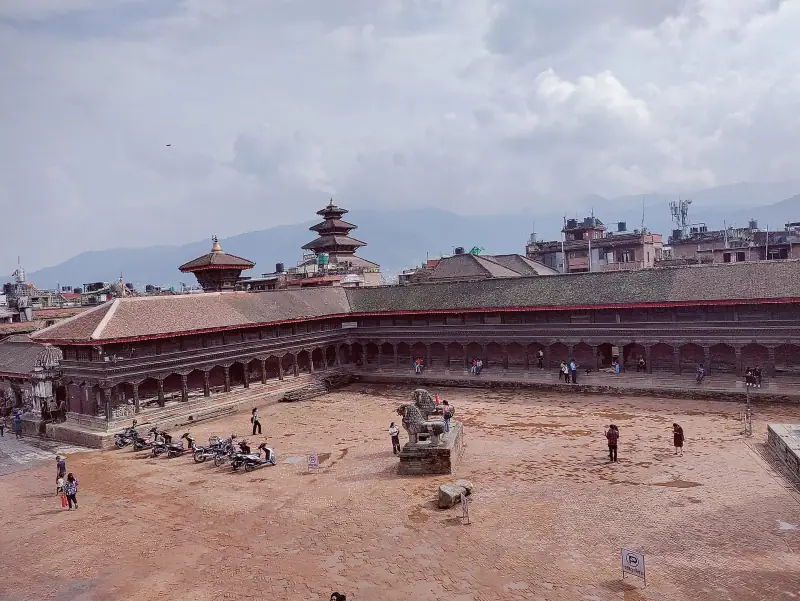
If you have more time, spending one or two nights outside Kathmandu radically changes the stay. Bhaktapur, a medieval city in the east of the valley, offers guesthouses in traditional buildings, car-free lanes in the old center and a peaceful atmosphere once the day visitors have left. Access to the historic center generally costs an entrance fee, a point to check before coming, because ticketing and conditions change.
Nagarkot, a ridge village about 30 kilometers (19 mi) east of Kathmandu, remains one of the best known for sunrises over the Himalaya in clear weather. It has hotels and lodges with terraces, sometimes with views of the summits. Allow more than an hour by road, sometimes much more depending on traffic and the state of the road. To compare it with Dhulikhel, see our guide Nagarkot or Dhulikhel for a sunrise.
These options suit those who want to breathe, see the mountains without going on a trek and enjoy the valley at a gentler pace. They do require good organization of transport, though: allow a margin before a flight or an early departure.
Which type of lodging to choose?
Kathmandu offers a very wide range, at every level of comfort.
- Dorms and hostels: mostly in Thamel, handy for meeting other travelers and finding trek partners. Check the reviews for cleanliness and noise.
- Family guesthouses: the classic choice, with simple rooms, sometimes a garden or rooftop terrace. Value for money is often excellent.
- Mid-range hotels: more comfortable rooms, breakfast, sometimes an airport shuttle. A good option for a first night after a long flight.
- High-end hotels and heritage houses: mostly around Lazimpat, Patan and Bhaktapur, with gardens, spas and restaurants. Some are set in historic buildings.
- Monasteries and retreat centers: mostly around Boudhanath, for a longer spiritual stay, to be booked directly.
Whatever the choice, a few points deserve attention: hot water, which is not always guaranteed, heating in winter, since few places are equipped with it, and the power supply, subject to outages that force some hotels to use a generator or batteries. If you work remotely, check the quality of the wifi in recent reviews.
When to book and what to check before paying
Trekking seasons, especially autumn and spring, are also when rooms fill up fastest. Our guide when to go to Nepal details the periods to help you plan. In high season, book at least the first night and the last one before the flight home. The rest of the year, there is more flexibility and prices are gentler.
Before confirming a booking, check:
- The exact location on the map: “near Thamel” can mean ten minutes by taxi.
- Recent reviews, especially on noise, hot water and cleanliness.
- The cancellation policy, useful if a flight or trek is postponed.
- The airport transfer, often offered by the hotel: it saves negotiating on arrival after a long trip.
- The option to leave luggage: very handy if you go on a trek and come back to sleep in town on your return.
Flights to Kathmandu
Flights to Nepal generally involve one or more stopovers: compare durations and schedules before choosing your first night.
Suggestions by profile
- First visit, 2 to 3 nights: Thamel, for practicality, or Lazimpat if you prefer calm with Thamel nearby.
- Before or after a trek: Thamel for gear and agencies, with a quiet room to recover.
- Travelers seeking calm and culture: Patan or Boudhanath.
- Couples and lovers of charm: a guesthouse in Bhaktapur or Patan.
- Families: a mid-range or upper-category hotel in the north of the city, with a garden and a transfer service.
- Small budgets: guesthouses or dorms in Thamel, comparing reviews carefully.
Kathmandu is not just one neighborhood. Many travelers combine two addresses: a practical base in Thamel for preparations, then a more peaceful night in Patan, Bhaktapur or Boudhanath to savor the valley. Whatever you choose, keep a little margin in your schedule: in Kathmandu, traffic often sets the pace of the day.
Frequently asked questions
What is the best neighborhood to stay in Kathmandu?
Thamel is the most practical choice for a first visit: restaurants, trek agencies, gear shops and money exchange are concentrated there. If you prefer calm, Boudhanath, Patan or the residential areas in the north of the city are good alternatives.
Do you need to book accommodation in Kathmandu in advance?
In autumn and spring, the trekking seasons, the good places fill up quickly: it is wise to book at least the first night ahead. The rest of the year, you can often find a room on arrival, but comparing online lets you choose more calmly.
How many nights should you plan in Kathmandu?
Two to three nights are enough for the main valley sites. Many travelers add a night at the start of the stay to recover from the journey, and one before the flight home if a trek ends with a domestic flight, which can be delayed by weather.
Is Thamel noisy at night?
Yes, some Thamel streets stay lively in the evening, with music and foot traffic. Ask for a room on the courtyard side or on a high floor, or choose a small place on the edge of the district if you are a light sleeper.
Can you sleep in Bhaktapur or Patan instead of Kathmandu?
Yes. These two historic cities offer guesthouses set in old Newar houses and a much calmer atmosphere. They are reachable by taxi or local transport from Kathmandu, but traffic can lengthen the trips.
More Nepal guides
Keep reading
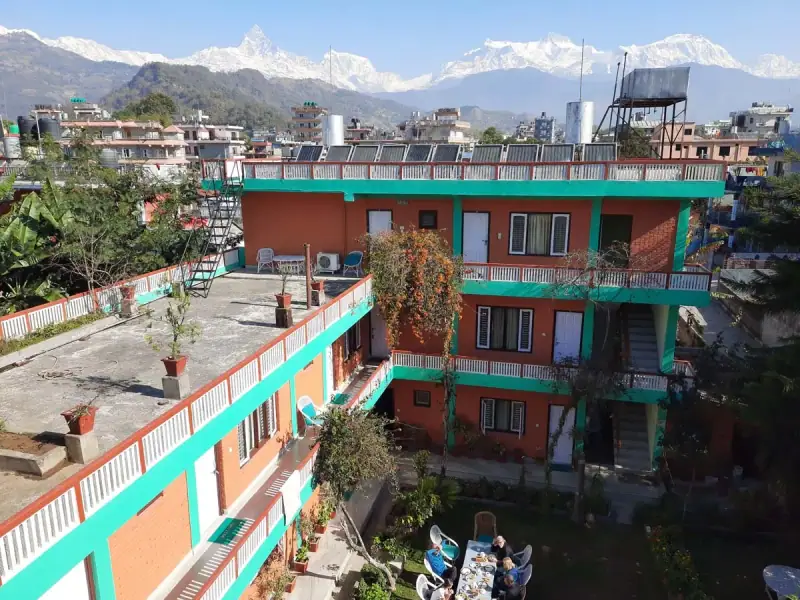
Where to Stay in Pokhara: Lakeside, Damside or Sarangkot, Which Area to Choose?
Where to stay in Pokhara? Lakeside, Damside, Sarangkot and the Phewa Lake surroundings compared: atmosphere, budget, Himalayan views and booking tips.
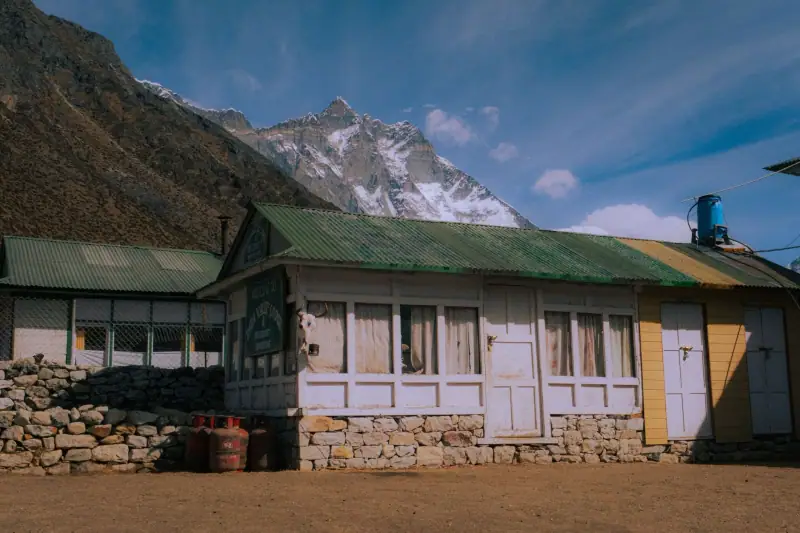
Sleeping in Teahouses in Nepal: Trek Lodges, Comfort, Rules and Tips
How to sleep in a teahouse on a Nepal trek: rooms, meals, showers, charging, cold, sleeping bag and booking. A guide to prepare well.
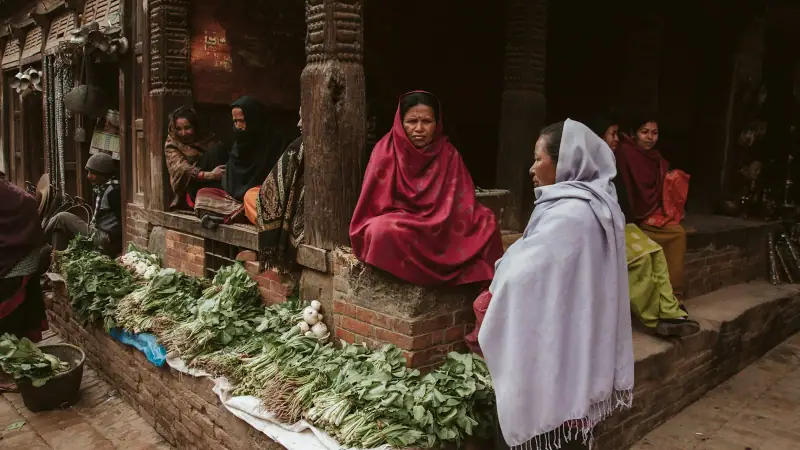
Nepal Travel Budget: Real Costs, 3 Profiles and Ways to Save
What budget for Nepal? Costs by item (lodging, transport, food, activities, permits), three budget profiles and tips to spend less.
Ready-made
Nepal itineraries
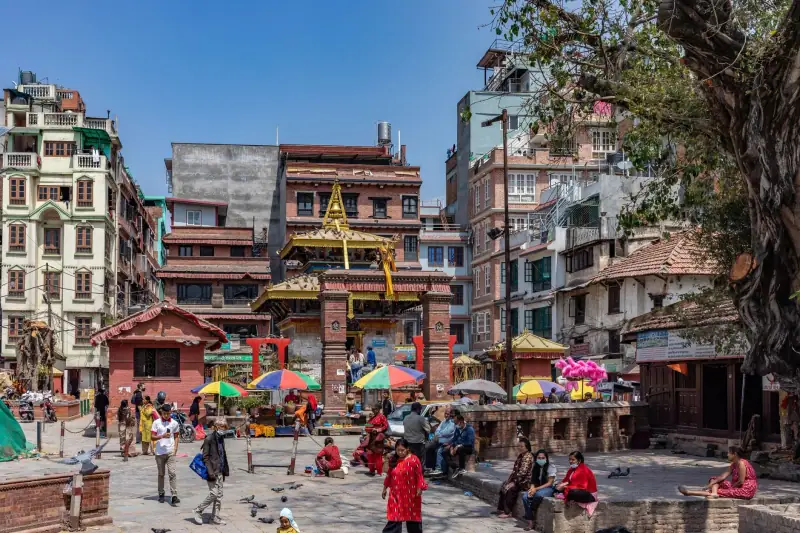
3 days
Kathmandu in 3 Days: Day-by-Day Itinerary, Temples, Newar Cities and Tips
A 3-day itinerary for Kathmandu and its valley: Durbar Square, Swayambhunath, Pashupatinath, Boudhanath, Patan and Bhaktapur, with transport and tips.
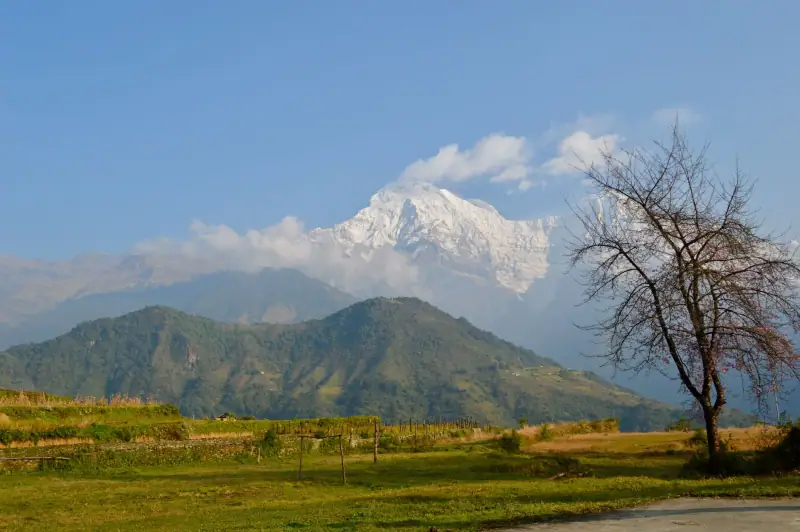
10 days
Nepal in 10 Days: Kathmandu, Pokhara and the Poon Hill Trek
A 10-day Nepal itinerary: Kathmandu temples, Pokhara's lake and a short 4-day Poon Hill trek, with tips, permits and a rough budget.
12 days
Nepal with Kids: A 12-Day Family Itinerary with Gentle Stages and Tips
KathmanduPokharaBandipurChitwan