Things to do
Things to Do in Pokhara: Lake, Peace Pagoda and Himalayan Views
We may earn a commission when you book through links on this page, at no extra cost to you. We don't visit or try the places we cover: we summarize published sources. How we work
In short
- Two to three days cover Phewa Lake, the World Peace Pagoda, the Sarangkot viewpoint and a few curiosities such as caves or the Mountain Museum.
- Kathmandu to Pokhara is about 200 km (125 mi) by road, usually 6 to 8 hours, or about 30 minutes by domestic flight.
- Autumn (October-November) and spring (March-April) generally give the clearest skies; in the monsoon, mountains are often hidden by cloud.
- Paragliding is tandem with a professional pilot and depends on weather and wind: keep a margin in your schedule.
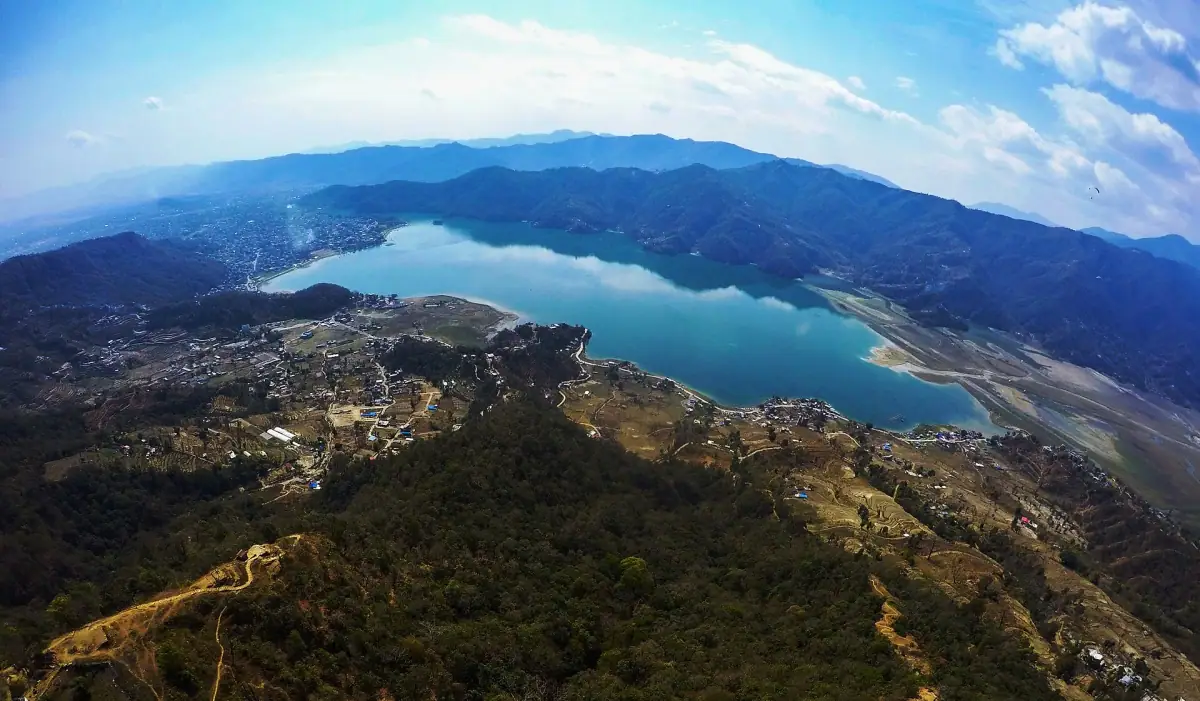
Pokhara is the city for travelers who want to catch their breath. Set on the shore of Phewa Lake, at the foot of the Annapurna range, it offers a far more relaxed atmosphere than Kathmandu: cafes with a view, colorful boats, wooded hills and, in fine weather, summits that seem to float above the water. It is both a relaxation destination and the gateway to the region’s great treks.
Here are the visits and activities worth the detour, with a few benchmarks for organizing your days.
Phewa Lake: the heart of Pokhara
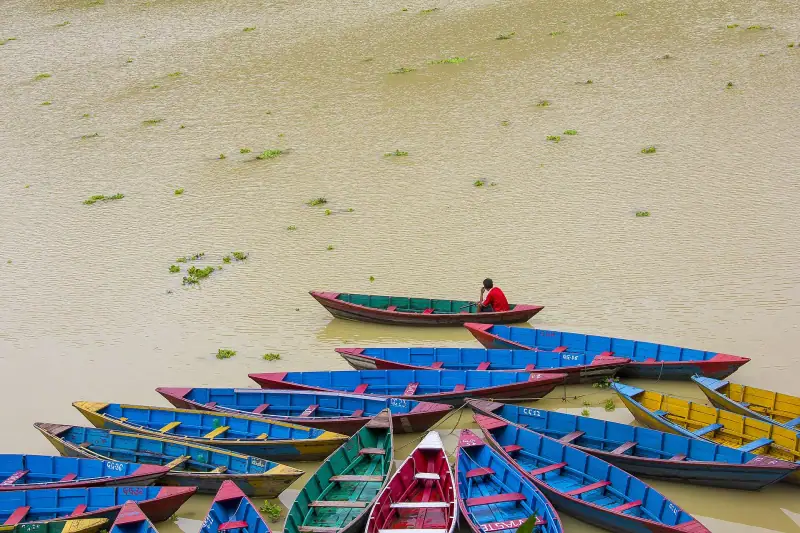
Phewa Lake is the city’s great asset. The shores of the Lakeside district concentrate hotels, restaurants, shops and agencies, and it is from here that the traditional flat-bottomed boats leave, rented by the hour, with or without a boatman.
The classic outing is to row to the small island where the Tal Barahi temple stands, a Hindu shrine dedicated to a form of the mother goddess. The atmosphere there is simple, with offerings of flowers and fruit, and the crossing is worth as much as the visit itself.
The best time is early morning, when the water is calm and the summits are reflected on the surface, before haze or clouds rise during the day. In the evening, a walk along the shore is pleasant for dinner facing the sunset. For those who like quiet, paths also run along the south shore, on the forest side.
Many travelers rent a bike or a small pedal boat, but the rowboat remains the most pleasant option to enjoy the landscape in silence.
Where to stay in Pokhara
Lakeside for atmosphere and lake views, calmer districts on the heights: compare lodgings and reviews before booking.
The Peace Pagoda: a viewpoint over the lake and mountains
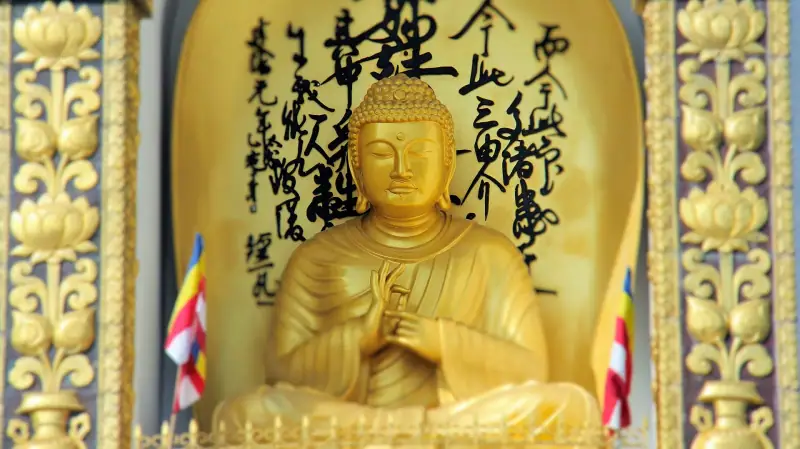
Perched on a hill on the other side of the lake, the World Peace Pagoda (Shanti Stupa) is a large white stupa built by Japanese Buddhist monks. It overlooks Phewa Lake and offers one of the finest viewpoints in the region, with the city on one side and the Annapurna range on the other.
You can get there by crossing the lake by boat and then climbing on foot along a forest path, which takes a bit of time and calls for a good pair of shoes. You can also arrive by vehicle on the road, faster but less picturesque.
Sunrise and late afternoon are the most sought-after moments. There, a small cafe lets you linger, and the atmosphere stays peaceful, far from the bustle of Lakeside. The visit is free, but respect for the place remains in order: proper dress and silence near the stupa.
Sarangkot: sunrise over the Himalaya
Sarangkot is Pokhara’s best-known hill for admiring the summits. From its viewpoint, you can make out, in clear weather, several giants of the Annapurna range as well as Machapuchare, the famous “fish-tail peak”, whose ascent is forbidden to climbers.
Many visitors set off at night by taxi to arrive before dawn. The show is splendid when the sky is clear, but the weather remains uncertain: if the sky is overcast, you will see nothing. It is therefore better not to limit yourself to a single attempt if your schedule allows, and to favor autumn or spring.
Bring a warm jacket, because it is cool in the early morning, even when the day promises to be mild in town. After sunrise, you can walk back down by paths, or extend with breakfast in one of the cafes at the top.
Paragliding and excursions in Pokhara
Tandem paragliding flights, boat rides, guided hikes: discover the activities offered around Pokhara.
Paragliding: flying over the lake
Pokhara is one of the most renowned places in South Asia for paragliding. Flights are tandem with a professional pilot: you take off from the heights overlooking the city, catch the thermals above the valley, then land on the shore of Phewa Lake. No experience is needed. For prices, booking and season, see our guide to paragliding in Pokhara.
The view is exceptional, with the lake below and the mountains as a backdrop. Flights depend on weather conditions and wind, and can be postponed or canceled; so allow a margin in your schedule rather than booking for the last day.
Choose a serious operator, check recent reviews, the insurance included and the state of the equipment, and do not be swayed by price alone. The most favorable hours are generally late morning and early afternoon, when thermals are most active.
Waterfalls and caves: natural curiosities
South of the city, several sites are easily visited in half a day. At Devi’s Falls (Davis Falls, or Patale Chhango), a river disappears into an underground chasm. The place is very busy, but the atmosphere remains pleasant, especially outside the monsoon, when the flow is lower and the visit more comfortable.
Nearby, the Gupteshwor Mahadev Cave houses a shrine dedicated to Shiva. You reach it by a staircase going down into the rock; passages are narrow and damp, so bring good shoes. Foreign visitors are charged an entrance fee, and the amount may change.
You can also look at the Seti Gorge, a deeply cut river that crosses the city and that you glimpse from several bridges. The contrast between these narrow canyons and the wide shores of the lake surprises those discovering Pokhara for the first time.
The International Mountain Museum
To understand the world of the summits before setting off on a trek, the International Mountain Museum is an interesting stop. It presents the history of mountaineering in the Himalaya, the geology of the range, the fauna and flora, and the cultures of mountain peoples.
Outside, there are replicas of summits and open-air spaces, while inside are expedition gear, photographs and accounts of famous ascents. Allow one to one and a half hours for the visit. It is a good rainy-day idea, or a first morning before heading into the Annapurnas.
Begnas and Rupa lakes: a quiet escape
If Phewa seems too busy, the Begnas and Rupa lakes, east of Pokhara, offer a more rural atmosphere. They are surrounded by hills, rice fields and small villages, with boat rides, picnics and clear views of the mountains when the weather is clear.
The visit takes half a day or a day, by taxi or motorbike, depending on your comfort. It is also a pleasant way to see the Nepali countryside without committing to a long journey. Several small lodgings offer calmer stays than Lakeside for those who want to get away from tourism.
Pokhara, base for the Annapurna treks
Pokhara is the starting point of many treks in the Annapurna region. Some last barely two or three days, others several weeks. The city has everything needed: agencies, guides, gear rental shops (sleeping bags, jackets, poles), maps and stores.
Even if you are not going on a trek, a short day hike in the hills around the city lets you get a taste of the mountains. For longer circuits, permits are required and it is important to find out about conditions. Our article on the best time to go to Nepal will help you choose the right season.
Flights to Nepal
Flights to Kathmandu generally involve a stopover: compare routes and durations before booking, then reach Pokhara by road or domestic flight.
How to get to Pokhara
Pokhara is about 145 km (90 mi) west of Kathmandu as the crow flies, but the winding road is about 200 km (125 mi) and generally takes 6 to 8 hours. Three options:
- By plane: a domestic flight links Kathmandu to Pokhara in around thirty minutes. It is the fastest, with fine views of the range, but flights can be delayed by weather.
- Tourist bus or private vehicle: several hours on the road depending on traffic, roadworks and weather. The road crosses valleys and villages, and lets you stop at Bandipur, a preserved Newar village.
- A halfway stop: if you have time, a night on the way makes the trip more comfortable.
Once there, taxi, bike or walking are enough to get around. The city is easily explored on foot, especially along the lake.
Practical tips
- Season: autumn and spring offer the clearest views. During the monsoon, clouds often hide the summits and rain is frequent.
- Altitude: Pokhara lies below 1,000 m (3,300 ft). It is a good place to rest before or after a trek.
- Money: bring cash for small expenses and boats; ATMs are plentiful in Lakeside.
- Respect: in temples and stupas, wear covered clothing and take off your shoes when asked.
- Planning: keep a spare day for the weather, especially if you want to see the sunrise or paraglide.
- Fees and hours: entrance fees and hours change; it is wise to check them locally.
Pokhara is to be savored without hurrying: a sunrise, a boat on the lake, a coffee while watching the summits, and already the rhythm of the trip changes. Two to three days are enough to enjoy it before heading back to the mountains or to the Terai.
Frequently asked questions
How many days should you plan in Pokhara?
Two to three days are enough to see the main sites: Phewa Lake, the Peace Pagoda, the Sarangkot viewpoint and a few curiosities such as the caves or the Mountain Museum. Add a day or two if you want to paraglide or go on a short hike.
How do you get from Kathmandu to Pokhara?
Three main options: a domestic flight of about half an hour, a tourist bus or a private vehicle by road, which generally takes several hours depending on traffic and the state of the road. The plane is the fastest; the road lets you stop in villages such as Bandipur.
What is the best time to visit Pokhara?
Autumn (October-November) and spring (March-April) generally offer the clearest sky to admire the summits. During the monsoon, the city is very wet and the mountains are often hidden by clouds. See our guide to choose the season according to your wishes.
Can you paraglide in Pokhara without experience?
Yes, paragliding is done in tandem with a professional pilot, with no prior experience. Takeoff is from the heights above the city and landing is on the lakeshore. Flights depend on the weather and can be canceled.
Is Pokhara a good base for trekking?
Yes, it is the classic starting point for several treks in the Annapurna region, from short hikes of a few days to longer circuits. The city has agencies, gear rental shops and lodges, and lets you rest on arrival.
More Nepal guides
Keep reading
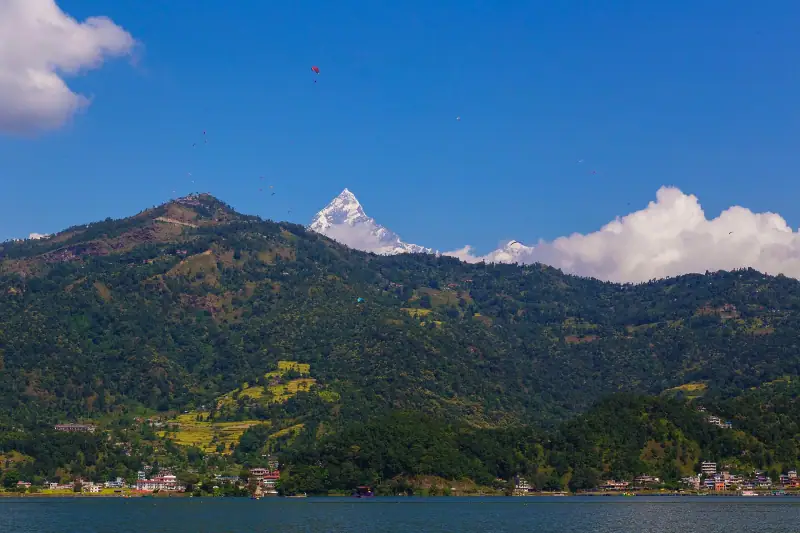
Paragliding in Pokhara: Prices, Booking Ahead or on Site, Season and Requirements
Tandem paragliding in Pokhara: rough budget, booking the day before or online, best months, Sarangkot takeoff, age, weight and insurance to check.
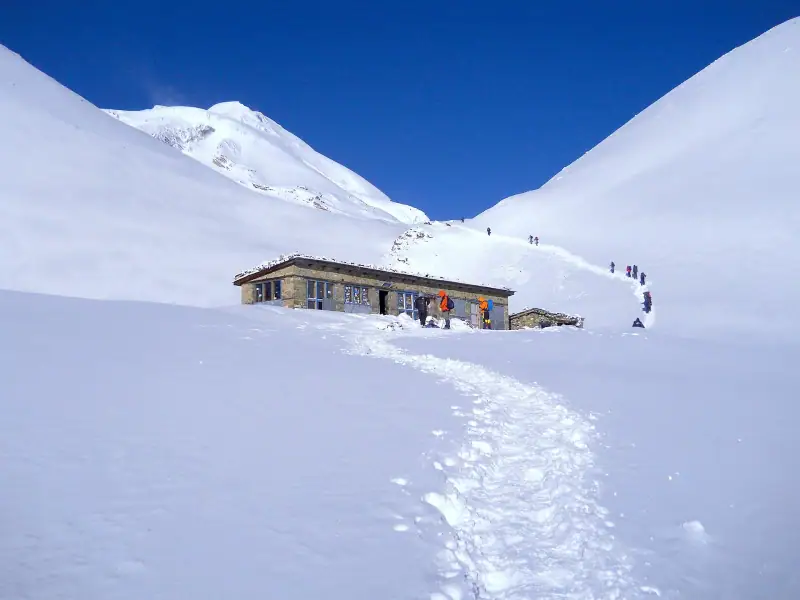
Annapurna Treks: Which Circuit to Choose (Poon Hill, Sanctuary, Circuit)
Annapurna treks: compare Poon Hill, Annapurna Base Camp and the Annapurna Circuit. Length, difficulty, altitude, season and permits to choose well.
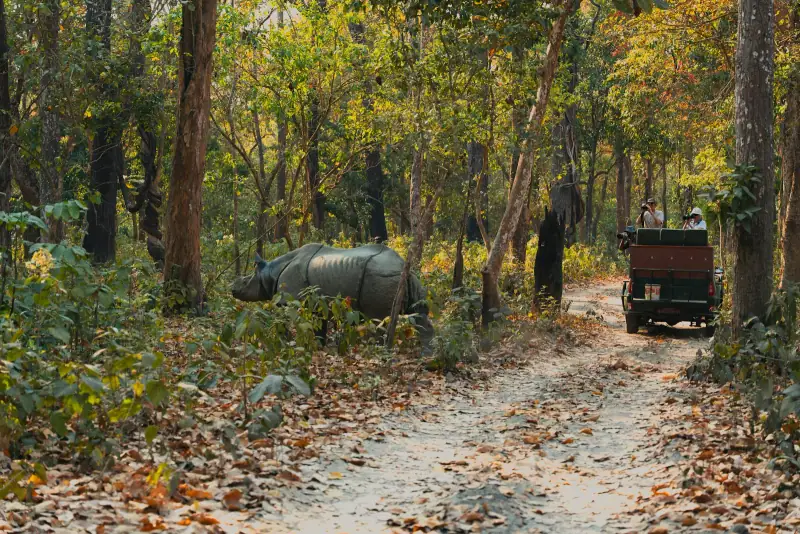
Chitwan Safari: A Guide to the National Park, from Sauraha to the Rhinos
Planning a safari in Chitwan National Park: rhinos, gharials, jeep, forest walk, canoe, best season and access from Kathmandu or Pokhara.
Ready-made
Nepal itineraries
3 days
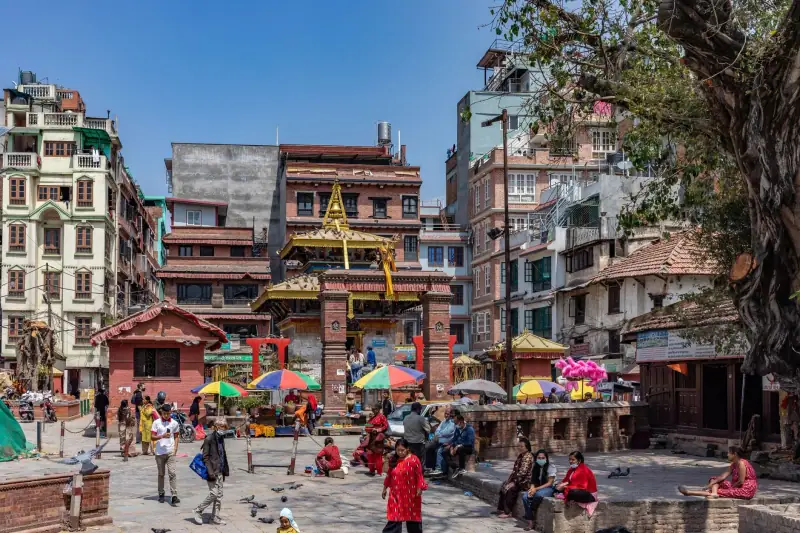
Kathmandu in 3 Days: Day-by-Day Itinerary, Temples, Newar Cities and Tips
A 3-day itinerary for Kathmandu and its valley: Durbar Square, Swayambhunath, Pashupatinath, Boudhanath, Patan and Bhaktapur, with transport and tips.
10 days
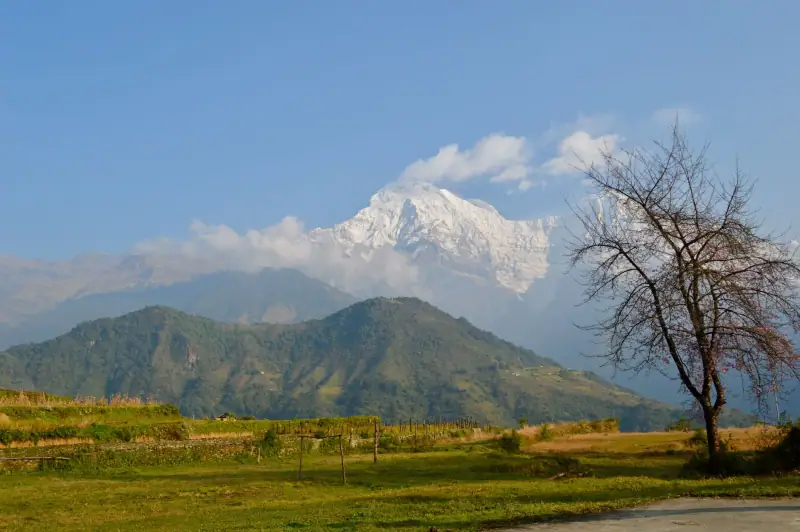
Nepal in 10 Days: Kathmandu, Pokhara and the Poon Hill Trek
A 10-day Nepal itinerary: Kathmandu temples, Pokhara's lake and a short 4-day Poon Hill trek, with tips, permits and a rough budget.
12 days
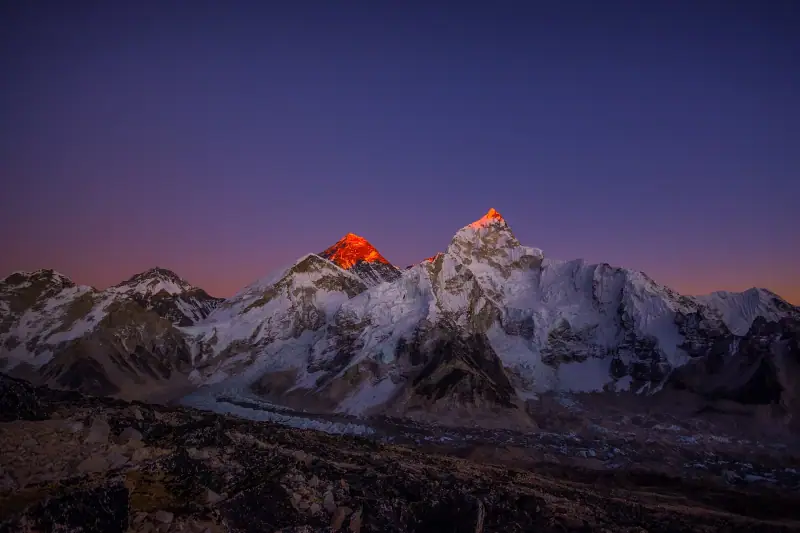
Nepal with Kids: A 12-Day Family Itinerary with Gentle Stages and Tips
KathmanduPokharaBandipurChitwan