Things to do
Annapurna Treks: Which Circuit to Choose (Poon Hill, Sanctuary, Circuit)
We may earn a commission when you book through links on this page, at no extra cost to you. We don't visit or try the places we cover: we summarize published sources. How we work
In short
- Poon Hill: 4 to 5 days, 3,200 m. Sanctuary: 7 to 12 days, 4,100 m. Circuit: 10 to 20 days, up to 5,400 m (17,700 ft).
- October-November and March-April are the two recommended windows; the monsoon makes trails muddy and views rare.
- An entry permit for the Annapurna conservation area is required, plus local formalities whose details have changed recently: check current rules and fees.
- Insurance should cover trekking at your altitude and evacuation.
The Annapurnas are Nepal’s most visited trekking region, and for good reasons: marked trails, lodges every few hours of walking, panoramas of peaks above 8,000 meters (26,250 ft) and a starting point very accessible from Pokhara. But “Annapurna trek” does not mean a single route: depending on your fitness, your time and your taste for altitude, the right choice can be radically different.
Here are the three great classics compared, then tips on season, preparation and logistics.
Three treks, three levels: the comparison
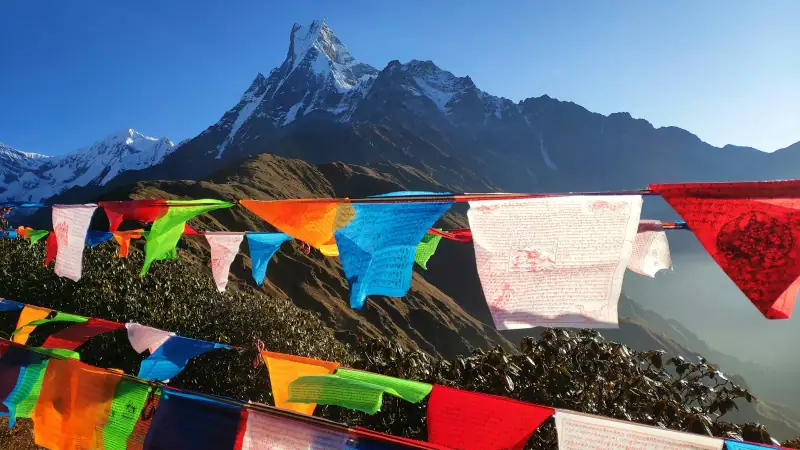
Before detailing each route, here are the essentials to place the options.
| Circuit | Indicative length | Max altitude (approx.) | Level |
|---|---|---|---|
| Poon Hill (Ghorepani) | 4 to 5 days | 3,200 m (10,500 ft) | Easy to moderate |
| Sanctuary / Annapurna Base Camp | 7 to 12 days | 4,100 m (13,450 ft) | Moderate to sustained |
| Annapurna Circuit | 10 to 20 days depending on variants | 5,400 m (17,700 ft) (Thorong La pass) | Demanding |
These lengths are orders of magnitude: they depend on your pace, any extra rest days and, for the Circuit, how much of the route you do by vehicle. Roads have in fact greatly changed the shape of the loop in recent years.
Poon Hill: the ideal first trek
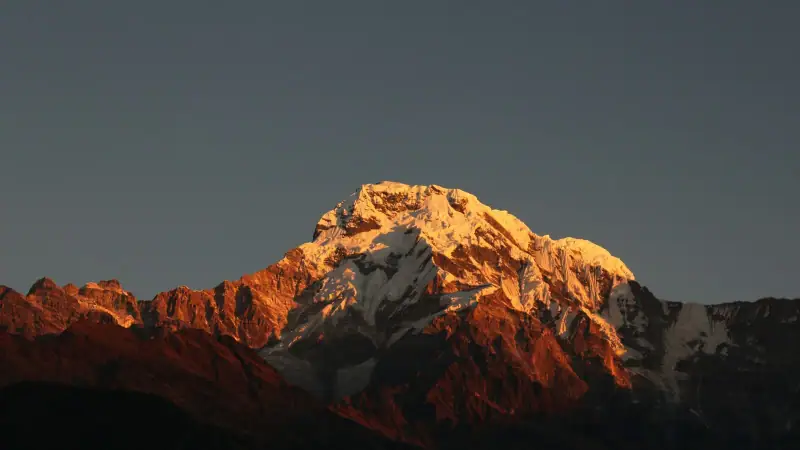
If you have never hiked at altitude, start here. The classic route starts from a place reachable by road from Pokhara (allow about two hours of travel), then climbs toward the village of Ghorepani, whose lodges serve as a base for the Poon Hill climb at sunrise.
The highlight is of course the dawn panorama. From the hill, at about 3,200 m (10,500 ft), the sun gradually lights up Dhaulagiri and the Annapurna range. You need to get up very early, walk about an hour with a headlamp and dress warmly: the wait is cool, but the reward is just as great.
The other assets of this circuit:
- Rhododendron forests, spectacular in spring, which make the climb very pleasant.
- Gurung and Magar villages where you see daily life: terraced fields, stone houses, homestay welcome.
- Simple logistics: no high pass, a moderate maximum altitude, short stages and the option to adjust the length.
This trek also suits families with athletic teenagers and those who have only a week, travel included.
Sleep in Pokhara before and after the trek
Pokhara is the ideal base: rest before departure, leave bulky belongings at the hotel and enjoy the lake on your return.
Annapurna Base Camp: into the heart of the Sanctuary
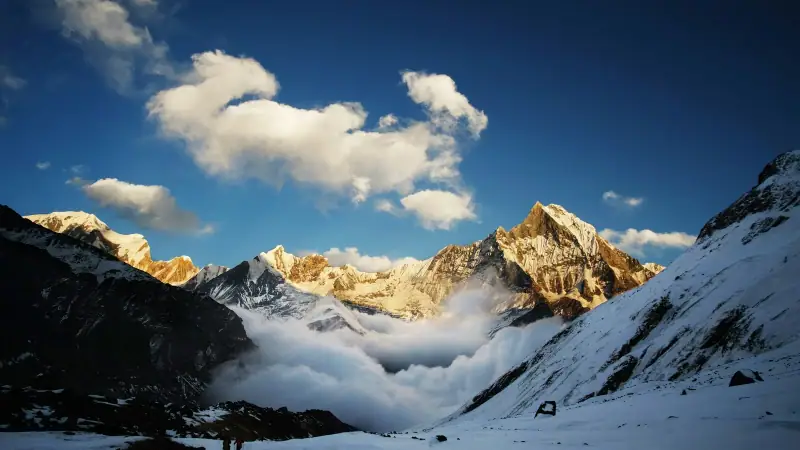
This trek leads into the heart of a vast amphitheater of mountains, the Annapurna Sanctuary, surrounded by peaks well above 7,000 m (23,000 ft). Base camp sits at about 4,100 m (13,450 ft) altitude: you are clearly higher than at Poon Hill.
The route is characterized by significant cumulative elevation change: trails alternate long descents and steep climbs, with many stone steps. You cross mid-mountain villages, then bamboo and rhododendron forests, before the landscape becomes mineral and glacial in the last part.
A few tips specific to this itinerary:
- Plan spare days: a rest day saves you from pushing and gives you flexibility if the weather is capricious.
- Start early in the morning: the sky is generally clearer before noon, and clouds often rise in the afternoon.
- Protect yourself from the cold: nights at base camp are very cool, even in the favorable season.
Many hikers combine this trek with Poon Hill for a longer loop, but it takes more time and endurance. A local guide can help you build a variant suited to your level.
The Annapurna Circuit: the great classic
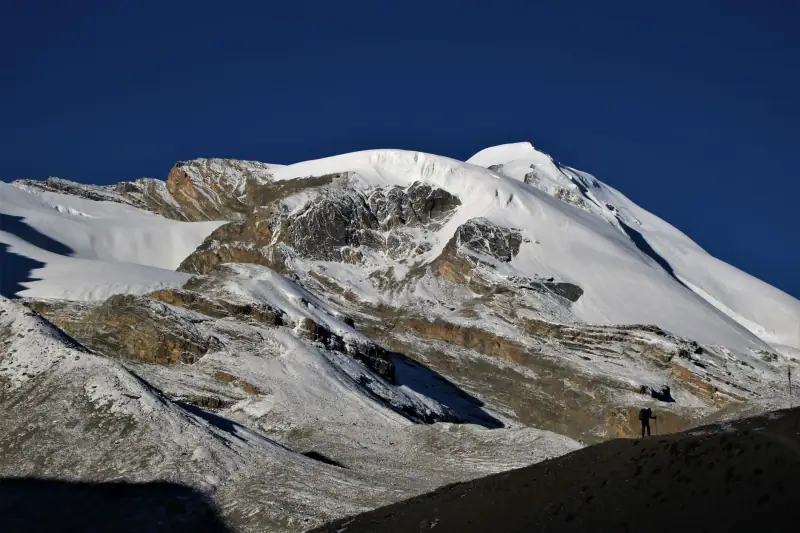
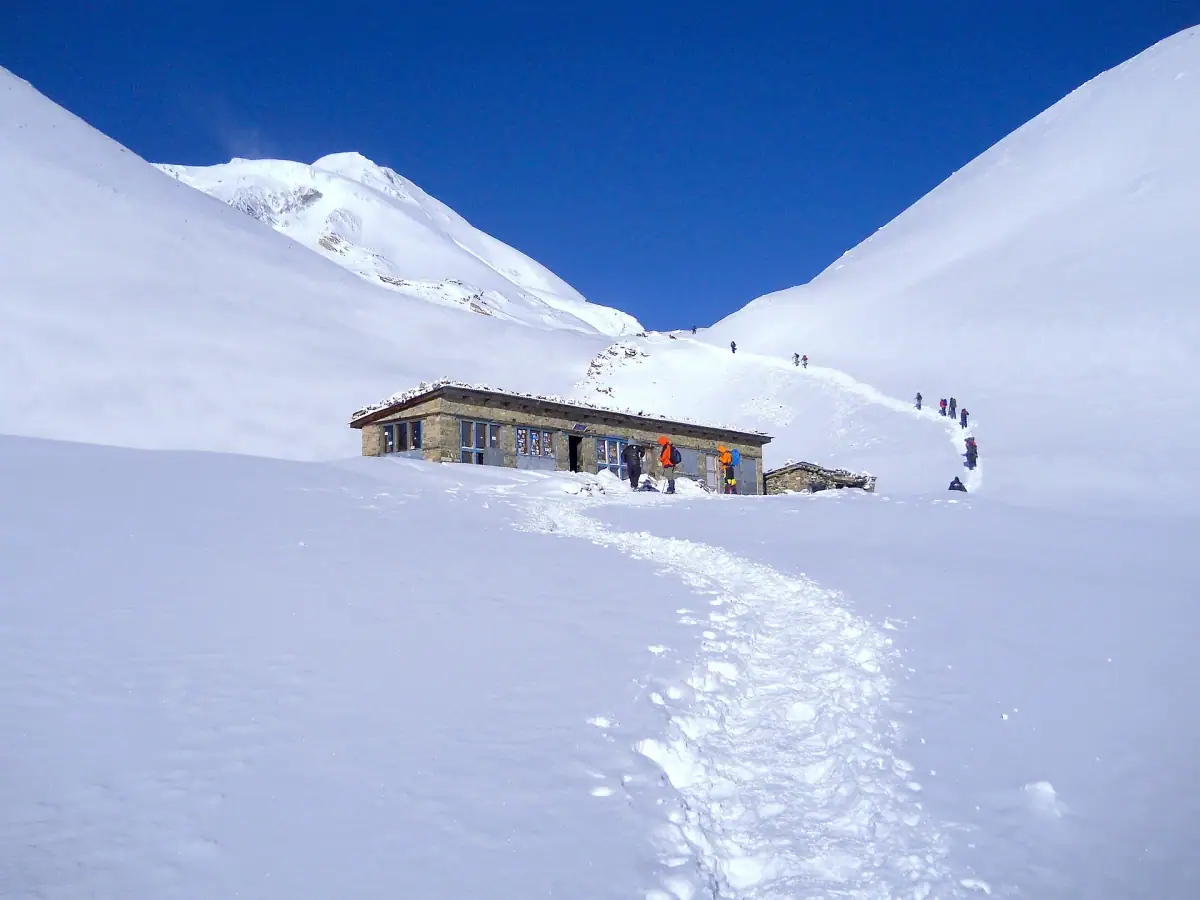
This is the legendary trek of the region: a loop around the massif crossing landscapes of rare diversity, from subtropical rice fields and forests to arid high plateaus, with the crossing of the Thorong La pass, at about 5,400 m (17,700 ft). On the eastern side, vegetation is dense and humid; on the Kali Gandaki valley side, the atmosphere turns dry, arid, almost Tibetan.
The Circuit is a commitment: it demands good physical condition and serious preparation, because the pass is crossed after several days at altitude. Pass day is long and cold, and is prepared with care: departure before dawn, warm clothes, water, snacks, and the ability to turn back in bad weather.
An important point to know: motor roads have been built on several sections of the valley. They have changed the experience: some stretches are shared with vehicles, and many hikers choose to shorten the route by taking transport on the least interesting sections, or to use alternative trails. Find out about the current state of the sections before leaving.
The trek generally ends around Muktinath, a Hindu and Buddhist pilgrimage site, then Jomsom, from where you reach Pokhara by road or, depending on season and weather, by a short flight. Flights in this valley depend on weather conditions: allow a margin in your schedule.
Treks and excursions around Pokhara
Guided hike, day excursion or cultural visit: discover the activities offered from Pokhara.
When to go and how to choose your season
The two big windows are October-November and March-April. Autumn generally offers the clearest air and clear views, but trails are very busy. In spring, rhododendrons bloom at mid-altitude, but heat haze can veil the summits late in the day.
Winter remains possible for low and mid-altitude treks like Poon Hill, but cold and snow can complicate, even prevent, high passages. The monsoon is the least favorable period: muddy trails, leeches, landslides and hidden summits. For a fuller picture, see our guide on when to go to Nepal.
Permits, guide and formalities
To trek in this region, an entry permit for the conservation area is required, and additional local formalities apply. Their name and amount have changed recently: check the current rules and fees with a licensed agency or the official services, in Kathmandu or Pokhara, before leaving.
Do you need a guide? The classic trails are well marked and lodges numerous, which makes independent walking possible for experienced hikers. A guide or porter nevertheless brings a real plus: safety, contacts with villagers, help in case of trouble. It also lets you directly support the local economy. For a first trek, or for the Circuit, it is an option we recommend.
Lodging, meals and gear
On the classic treks, you sleep in lodges (“tea houses”), simple accommodations offering a plain room and meals. Rooms are rudimentary, sometimes unheated, and comfort decreases with altitude. Meals, often based on rice, lentils and vegetables (the classic dal bhat), are hearty and suited to the effort. Learn more in our article on Nepali cuisine.
For gear, the essentials come down to a few points:
- Hiking shoes already broken in, never new on the first day.
- Layering system: technical underwear, fleece, waterproof jacket and windbreaker, hat and gloves for altitude.
- A suitable sleeping bag if you want more comfort than the blankets provided, especially in November and at altitude.
- Trekking poles, precious on long descents.
- Headlamp, for departures before dawn.
- A way to purify water (filter, tablets) to limit plastic bottles.
- A personal first-aid kit.
You can leave part of your luggage at your Pokhara hotel, which lightens the pack.
Altitude, safety and insurance
Listen to your guide on the trail.
Travel insurance covering hiking at the altitude you aim for, as well as evacuation and repatriation, is essential. Read carefully the altitude ceilings of your contract, since many policies set one.
Flights to Kathmandu
Flights to Nepal generally involve a stopover: compare durations and schedules, and plan a few spare days before your trek departure.
Fitting the trek into your trip
A one-week trek combines well with a visit to the Kathmandu Valley and a stay in Pokhara. If you are preparing a broader trip, our two-week itinerary in Nepal shows how to link culture, mountains and jungle. Before leaving, enjoy Pokhara and its lake, and on arrival in Kathmandu, devote some time to the capital’s essentials.
Always keep a day or two of margin at the end of the stay: capricious weather can shift a flight or a road, and you will not want to risk missing your international flight.
Which trek to choose, in summary?
- You are a beginner or have a week: Poon Hill, for the panoramas and the gentleness of the route.
- You are fit and want something grand: Annapurna Base Camp, for immersion in the heart of the massif.
- You have two to three weeks and experience: the Annapurna Circuit, for the diversity of landscapes and the pass crossing.
In all cases, leave with a bit of margin and let the mountain set the pace.
Frequently asked questions
What is the easiest trek in the Annapurnas?
The Poon Hill trek, around Ghorepani, is the most accessible: about 4 to 5 days, a maximum altitude of about 3,200 m (10,500 ft) and short stages. It suits fit hikers, provided you bring good shoes and keep an unhurried pace.
Do you need a guide to trek in the Annapurnas?
Trails are well marked and dotted with lodges, which makes it possible to walk without a guide on the classic circuits. A guide or porter remains useful for safety and to support the local economy. Rules change: ask a local agency before departure.
Which permits do you need to trek in the Annapurnas?
You need an entry permit for the Annapurna conservation area, plus local formalities whose details have changed in recent years. The steps are generally done in Kathmandu or Pokhara. Check current conditions and fees with a licensed agency or the official services.
What is the best time for the Annapurna trek?
October-November and March-April are the two most recommended windows: clear skies, practicable trails and rhododendrons in bloom in spring. The monsoon, from June to September, makes trails muddy and views rare on most routes.
What insurance do you need for the trek?
Insurance covering trekking at altitude and evacuation is essential. Check the altitude ceiling of your policy before you book.
More Nepal guides
Keep reading
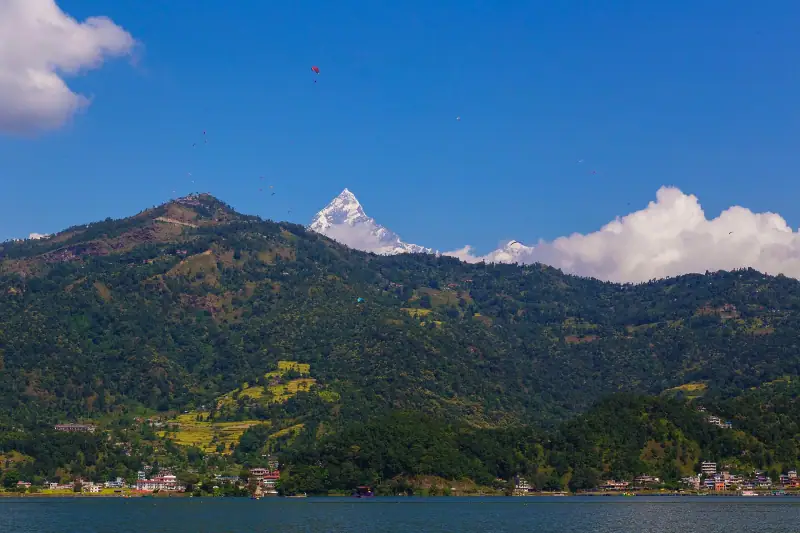
Paragliding in Pokhara: Prices, Booking Ahead or on Site, Season and Requirements
Tandem paragliding in Pokhara: rough budget, booking the day before or online, best months, Sarangkot takeoff, age, weight and insurance to check.
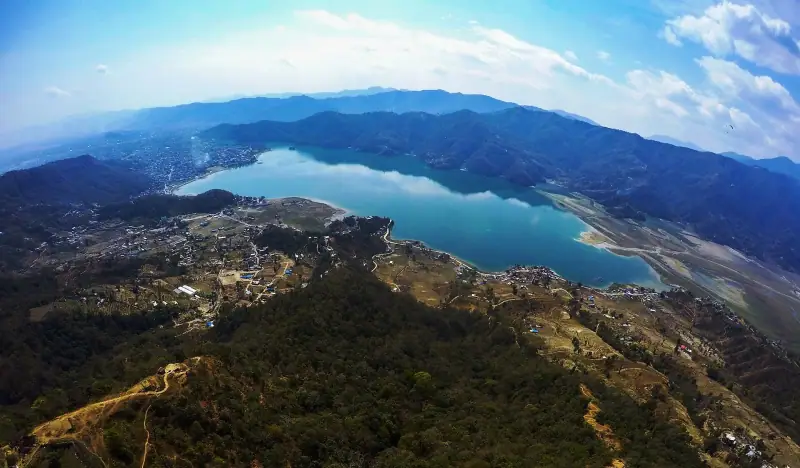
Things to Do in Pokhara: Lake, Peace Pagoda and Himalayan Views
What to do in Pokhara? Phewa Lake, Peace Pagoda, Sarangkot, paragliding, caves and the Mountain Museum: ideas for 2 to 4 days.
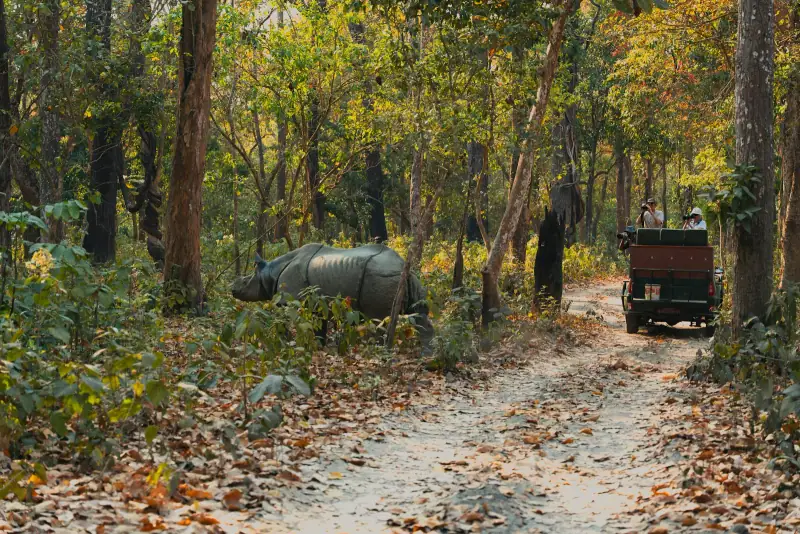
Chitwan Safari: A Guide to the National Park, from Sauraha to the Rhinos
Planning a safari in Chitwan National Park: rhinos, gharials, jeep, forest walk, canoe, best season and access from Kathmandu or Pokhara.
Ready-made
Nepal itineraries
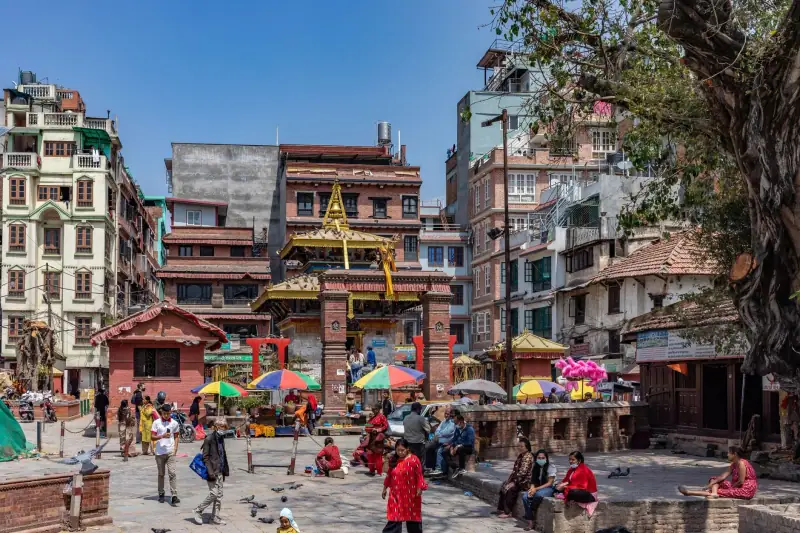
3 days
Kathmandu in 3 Days: Day-by-Day Itinerary, Temples, Newar Cities and Tips
A 3-day itinerary for Kathmandu and its valley: Durbar Square, Swayambhunath, Pashupatinath, Boudhanath, Patan and Bhaktapur, with transport and tips.
10 days
Nepal in 10 Days: Kathmandu, Pokhara and the Poon Hill Trek
A 10-day Nepal itinerary: Kathmandu temples, Pokhara's lake and a short 4-day Poon Hill trek, with tips, permits and a rough budget.
12 days
Nepal with Kids: A 12-Day Family Itinerary with Gentle Stages and Tips
KathmanduPokharaBandipurChitwan