Plan your trip
When to Go to Nepal: Seasons, Monsoon and Best Months for Trekking
We may earn a commission when you book through links on this page, at no extra cost to you. We don't visit or try the places we cover: we summarize published sources. How we work
In short
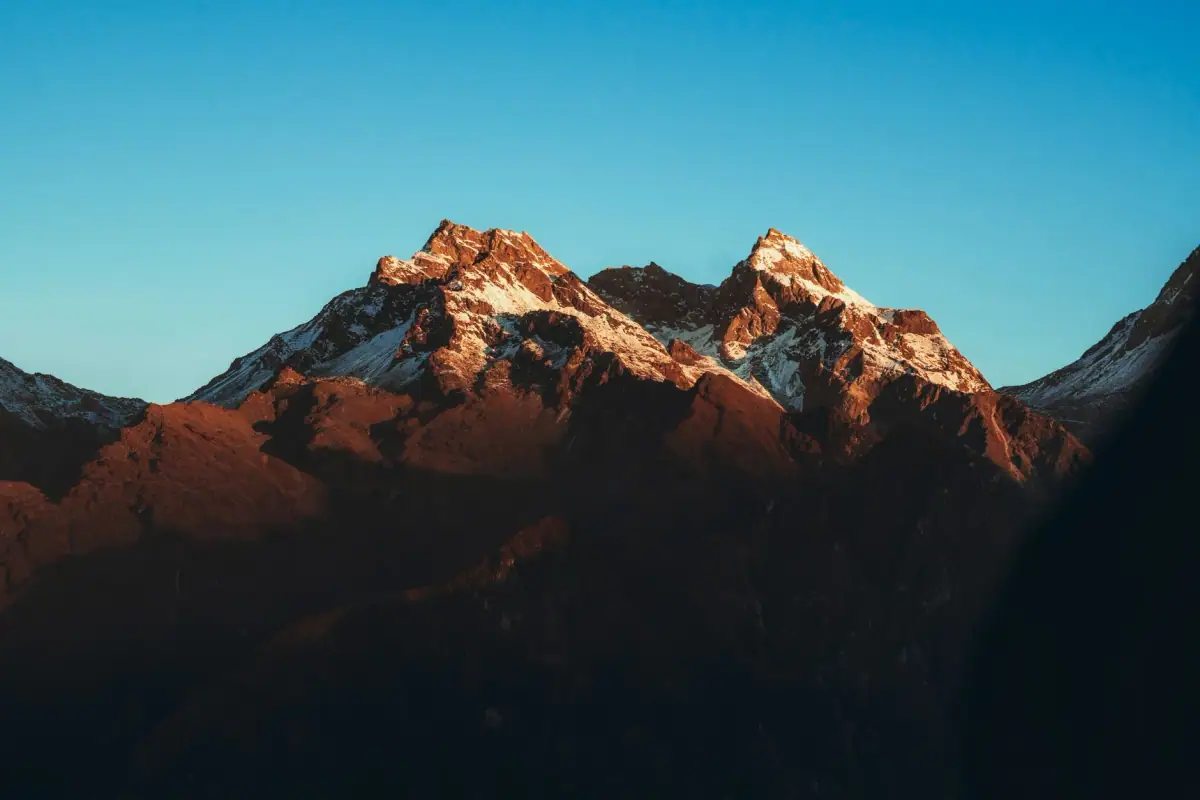
- October and November are generally the best months: crisp air after the monsoon, pleasant temperatures and clear Himalayan views. Book lodging weeks ahead.
- March to May is the second window, with rhododendrons in bloom but more haze later in the season.
- The monsoon runs from June to September: frequent rain, leeches, possible landslides, few visitors. Mustang, in the rain shadow, stays a good choice.
- Everest Base Camp has two classic windows: April-May and October-November. Dashain and Tihar follow the lunar calendar, so check the dates for your year.
Nepal can be visited all year, but not in the same way. Between summits above 8,000 meters (26,250 ft), the Kathmandu Valley at around 1,400 m (4,590 ft) and the Terai jungle a few hundred meters above sea level, the country combines very different climates. The right moment therefore depends less on the calendar than on what you want to do: trek, visit temples, watch wildlife or travel light and without crowds.
Here is how to choose your period, season by season, then region by region.
Nepal’s four seasons in brief
Nepal is shaped by the summer monsoon, which divides the year into clearly distinct periods.
- Spring (March to May): rising temperatures, rhododendrons in bloom on mid-altitude trails, fine trekking days. Heat haze gradually sets in and can veil the summits in the afternoon.
- Monsoon (June to September): humid heat, frequent rain especially in the afternoon and at night, lush vegetation. This is the low tourist season.
- Autumn (October to November): the best period for most travelers. The air is washed by the rains, the sky is clear and the mountains stand out sharply.
- Winter (December to February): often clear skies but marked cold at altitude. Very pleasant for cultural visits and the jungle, more demanding for high treks.
Keep in mind that these are trends: the monsoon calendar varies from year to year, with a start and end sometimes shifted by several weeks.
October-November: the ideal high season
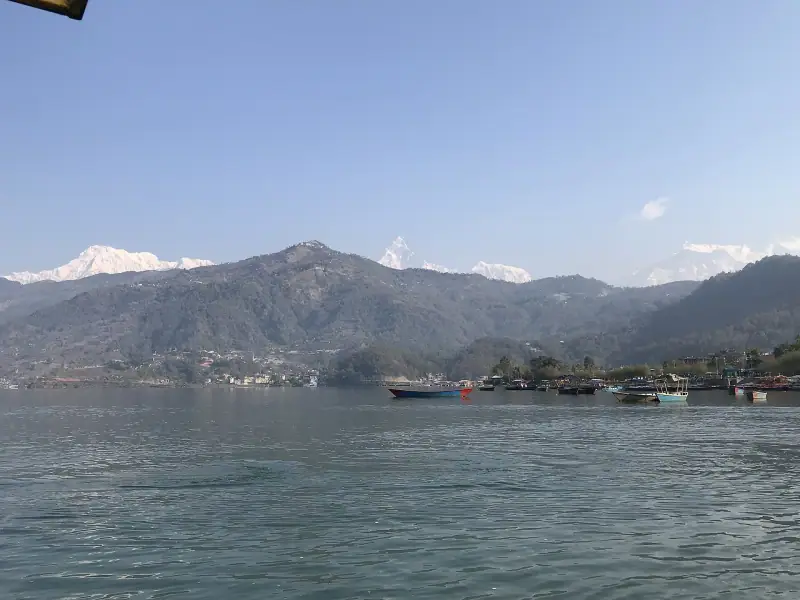
This is the most popular period, and for good reasons. After the monsoon, the atmosphere is exceptionally clear: from Pokhara, the Annapurna range seems within reach, and the panoramas from high-altitude trails are at their best. Daytime temperatures are pleasant, and nights turn cool, then cold at altitude as November goes on.
This quality has a price: popular trails (the Annapurnas, the Khumbu valley) are busy, lodges fill up and domestic flights are in high demand. Book your lodging in Kathmandu and Pokhara several weeks ahead, especially if your stay coincides with the big festivals of Dashain and Tihar, whose dates change every year.
Hotels in Kathmandu and Pokhara
In October-November, the good places go fast: compare availability and reviews before locking in your dates.
March to May: the rhododendron spring
Spring is the second big travel window. Mid-altitude forests are covered with rhododendrons, the national flower, which gives treks a very different feel from autumn. Days are warmer, which makes nights at altitude more bearable than in November.
The flip side is visibility: the later the season, the thicker the heat haze in the valleys, and the summits clear mostly early in the morning. April and early May remain excellent, though. It is also the main season for expeditions on the big peaks, which gives a particular atmosphere on the road to Everest Base Camp.
At low altitude, heat rises quickly from April: Kathmandu stays comfortable, but the Terai becomes very hot, and wildlife watching in Chitwan is then done mostly early in the morning and late in the day.
June to September: traveling during the monsoon
Do not rule out these months automatically. The monsoon brings abundant rain, but it often falls in showers rather than all day, and the landscapes are a brilliant green. The cultural sites of the Kathmandu Valley (Patan, Bhaktapur, the stupas) remain perfectly visitable, with far fewer people.
You do need to deal with several constraints, though:
- Leeches on wet mid-altitude trails: bring high socks, salt or a suitable repellent.
- Landslides: some roads can be cut, which lengthens journeys between Kathmandu, Pokhara and the Terai. Allow a margin in your schedule.
- Clouds: summits often stay hidden, and mountain flights are more easily delayed.
An interesting exception: Mustang, in the rain shadow of the Himalayan range, receives clearly less precipitation than the rest of the country. It therefore remains a credible option in midsummer. Upper Mustang, however, requires an expensive special permit, to be checked with an authorized agency before you build your itinerary.
Excursions and guided tours in Kathmandu
Temples, old town, valley: book tours with a guide, depending on availability.
December to February: cold at altitude, clear skies
Winter is the dry season. In Kathmandu and Pokhara, days are often sunny and mild, but nights are cool and buildings are rarely heated: bring a good fleece and a warm jacket even for a cultural stay. In the morning, haze can wrap the Kathmandu Valley before clearing.
At altitude, the situation is entirely different. Above about 3,500 meters (11,500 ft), nights are very cold, snow can cover the trails, and some passes become impassable. High treks (Everest Base Camp, the Annapurna Circuit over the Thorong La pass, at around 5,400 m / 17,700 ft) are not recommended for beginners in this season. Mid-altitude treks, such as those around Pokhara, remain very pleasant, and crowds are thin.
Winter is also the ideal time for Chitwan National Park and the Terai: vegetation is less dense, which makes wildlife watching easier, and daytime temperatures are mild.
Which season for which region?
Each region has its own ideal window.
Kathmandu Valley: Kathmandu, Patan and Bhaktapur
The valley can be visited almost all year. October-November and March-April offer the best comfort. Summer is humid but quiet, and winter cool but sunny. The valley is also where you best experience the big religious festivals, but beware: festival periods raise crowds and complicate travel.
Annapurnas and Pokhara
Pokhara is an excellent base all year, with its lake and views of the summits. For treks in the Annapurnas, favor autumn and spring. In winter, low and mid-altitude circuits remain practicable; during the monsoon, the region is very wet, and leeches are numerous.
Khumbu and Everest Base Camp
Two windows dominate: April-May and October-November. Autumn usually offers clearer skies, spring milder temperatures. Flights to Lukla, the classic starting point of the trek, depend heavily on the weather: always plan a few spare days before your international flight home.
Compare flights to Kathmandu
Fares vary strongly between the autumn high season and the rest of the year: compare dates before booking.
Terai: Chitwan and Lumbini
The dry season, from about October to March, is the most pleasant: cool mornings, fine days, easier wildlife watching. From April to June, the heat is strong; during the monsoon, the region is humid and some roads can be difficult.
Langtang
This region near Kathmandu is trekked in the same seasons as the Annapurnas: spring and autumn. It is a good choice if you have few days.
Festivals: a criterion not to neglect
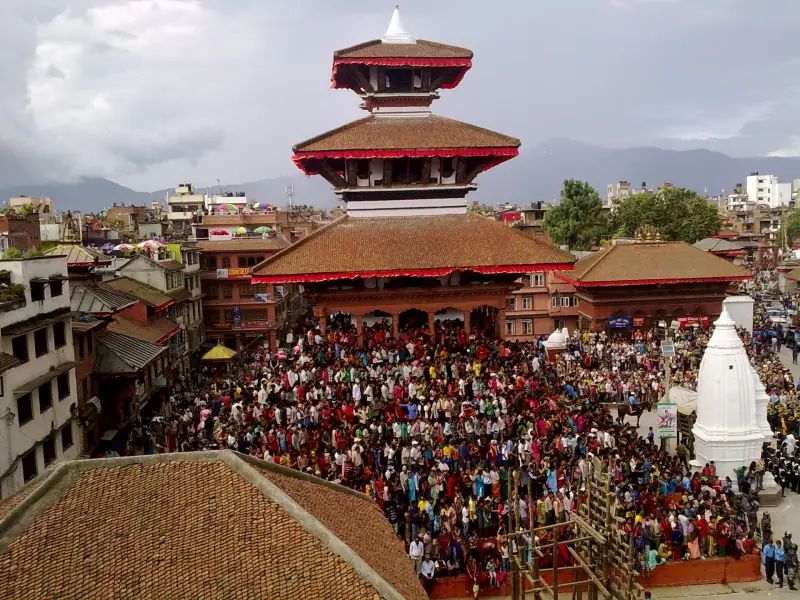
Nepal’s religious calendar is dense, and its dates follow the lunar calendar. The main festivals to know are:
- Dashain (generally late September or October), the biggest Hindu festival in the country, when many Nepalis return to their families. Transport is then very crowded.
- Tihar (generally October or November), the festival of lights, especially beautiful in the cities.
- Holi (generally March), the festival of colors.
- Buddha Jayanti (generally April or May), celebrating the birth of the Buddha, notably in Lumbini.
These events are a cultural plus, but they bring shop closures, full buses and higher prices. Always check the exact dates for your chosen year before fixing your calendar.
Our recommendation by project
- First trip mixing culture and a short hike: October-November, or March-April if you prefer rhododendrons.
- High-altitude trek: April-May or October-November, with spare days built into the schedule.
- Wildlife and jungle: November to March.
- Small budget and few people: early or late monsoon, with a flexible schedule.
- Himalayan photography: October to December, for the clearest air.
Whatever the season, leave flexibility in your itinerary: in Nepal, roads and domestic flights can be delayed by the weather, and a few spare days save a lot of worry before the flight home.
Frequently asked questions
What is the best month to go to Nepal?
October and November are generally the best months: the air is crisp after the monsoon, temperatures are pleasant and views of the Himalaya are clear. March to May is the second big window, with rhododendrons in bloom but more haze toward the end of the period.
Can you travel in Nepal during the monsoon?
Yes, from June to September, but with constraints: frequent rain, leeches on mid-altitude trails, risk of landslides and sometimes delayed flights. In return, the landscapes are intensely green and the sites are quiet. Mustang, sheltered by the Annapurna range, remains a good choice at this time.
Is it very cold in Nepal in winter?
It depends on altitude. In Kathmandu and Pokhara, days stay mild and nights cool. Above 3,500 m (11,500 ft), however, nights are very cold and some passes can be closed by snow. The Terai (Chitwan) is pleasant by day but cool in the morning.
Which season should you choose for Everest Base Camp?
The two classic windows are April-May and October-November. Autumn generally offers clearer skies, spring slightly milder temperatures and an atmosphere tied to the expeditions. Outside these periods, the weather is less reliable, notably for flights to Lukla.
Are the dates of Nepali festivals fixed?
No. Dashain, Tihar, Holi or Buddha Jayanti follow the Nepali lunar calendar and move from one year to the next. Check the dates for the year of your trip before booking: festivals are a cultural asset, but they also raise crowds and complicate transport.
More Nepal guides
Keep reading
Nepal Travel Budget: Real Costs, 3 Profiles and Ways to Save
What budget for Nepal? Costs by item (lodging, transport, food, activities, permits), three budget profiles and tips to spend less.
Paragliding in Pokhara: Prices, Booking Ahead or on Site, Season and Requirements
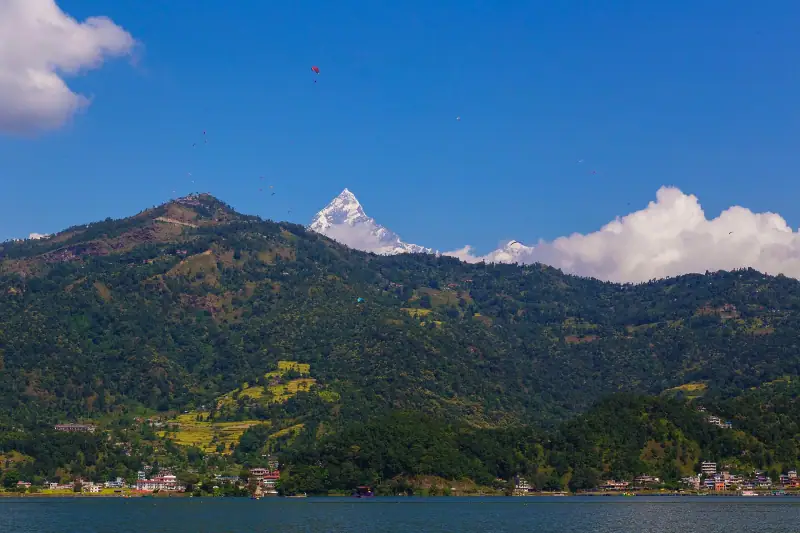
Tandem paragliding in Pokhara: rough budget, booking the day before or online, best months, Sarangkot takeoff, age, weight and insurance to check.
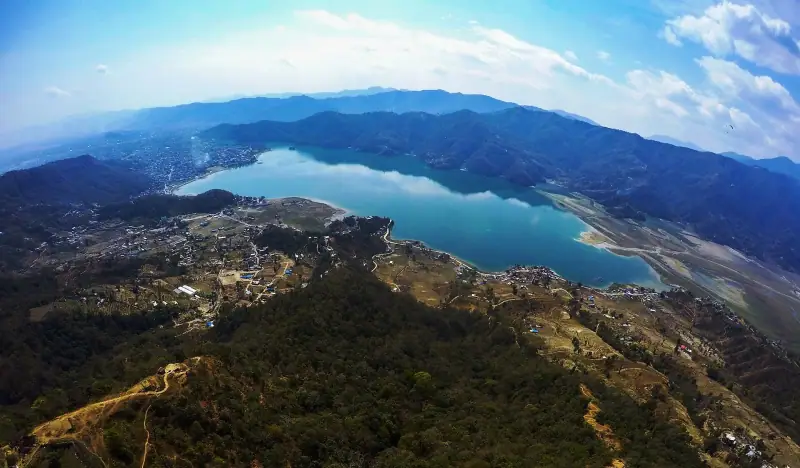
Things to Do in Pokhara: Lake, Peace Pagoda and Himalayan Views
What to do in Pokhara? Phewa Lake, Peace Pagoda, Sarangkot, paragliding, caves and the Mountain Museum: ideas for 2 to 4 days.
Ready-made
Nepal itineraries
3 days
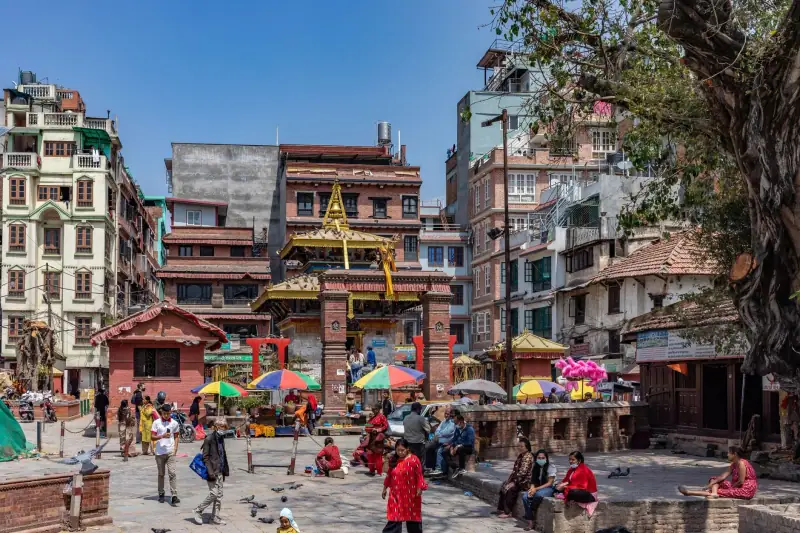
Kathmandu in 3 Days: Day-by-Day Itinerary, Temples, Newar Cities and Tips
A 3-day itinerary for Kathmandu and its valley: Durbar Square, Swayambhunath, Pashupatinath, Boudhanath, Patan and Bhaktapur, with transport and tips.
10 days
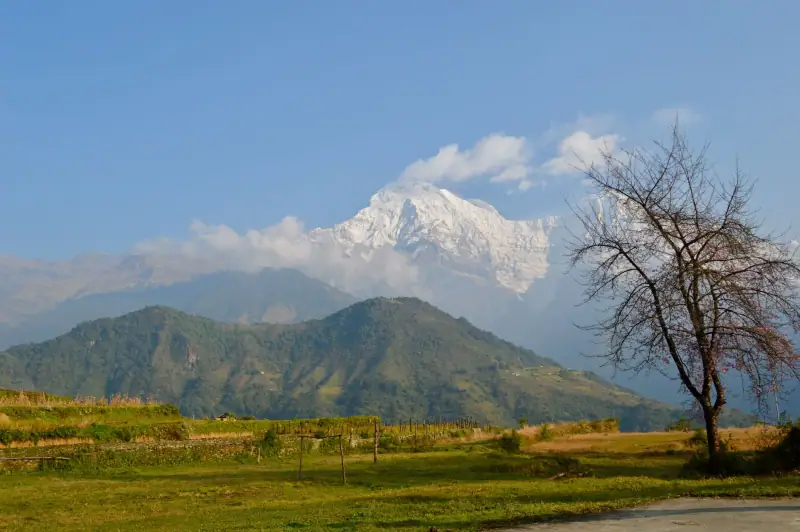
Nepal in 10 Days: Kathmandu, Pokhara and the Poon Hill Trek
A 10-day Nepal itinerary: Kathmandu temples, Pokhara's lake and a short 4-day Poon Hill trek, with tips, permits and a rough budget.
12 days
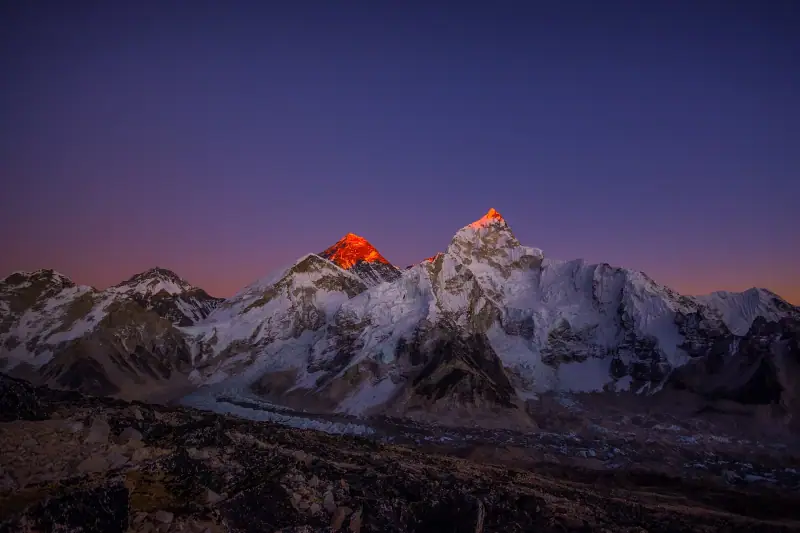
Nepal with Kids: A 12-Day Family Itinerary with Gentle Stages and Tips
KathmanduPokharaBandipurChitwan