Where to stay
Sleeping in Teahouses in Nepal: Trek Lodges, Comfort, Rules and Tips
We may earn a commission when you book through links on this page, at no extra cost to you. We don't visit or try the places we cover: we summarize published sources. How we work
In short
- A teahouse is a family-run mountain inn with simple rooms, a shared dining room and hot meals: you walk for days without a tent or food to carry.
- The room is often very cheap because the lodge earns its living on meals and drinks; it is customary to eat dinner and breakfast where you sleep.
- Rooms are generally unheated, so bring a sleeping bag suited to the season; showers, charging and wifi are usually extra.
- Prices rise with altitude. Keep cash in rupees: there are no ATMs or card terminals once in the mountains.
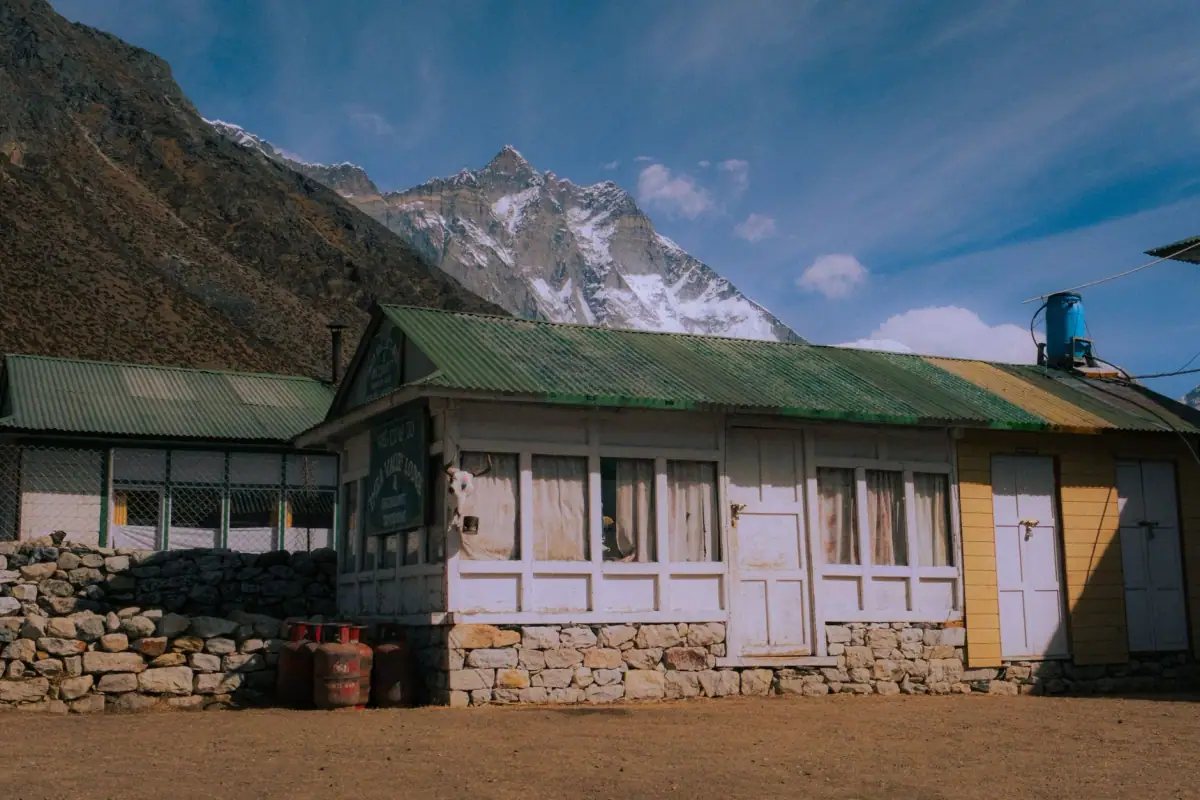
In Nepal, you do not sleep in a tent to cross the Himalaya: you sleep in a teahouse. These small family-run inns, set along the long-distance trails, have made Nepali trekking one of the most accessible in the world. You walk light, eat a hot dinner, sleep under cover and set off again the next day. But “teahouse” covers very varied realities, from the well-equipped lodge of a low valley village to the basic room perched at high altitude.
Here is how this system works, what to expect in the rooms, what you eat, how to handle showers, charging and cold, and how to organize yourself to sleep soundly before and after your trek.
What exactly is a teahouse?
A teahouse is a guest house most often run by a local family. The name comes from the first travelers who stopped there to drink tea. Today it is a mix of simple hotel and village restaurant: a shared dining room, a kitchen, rooms lined up along a corridor or courtyard, and shared bathrooms.
The principle is the same from one range to another:
- you arrive at the end of the stage, choose your room and drop your bag;
- you have dinner there, which is the implicit rule;
- you sleep in the room, in your sleeping bag;
- you have breakfast the next day, then settle the bill before leaving.
The price of the room is often very low, sometimes almost symbolic, because the establishment earns its living on meals and drinks. It is therefore customary to eat dinner and breakfast where you sleep. Choosing to eat elsewhere while occupying the room is frowned upon, and some lodges may then raise the room rate.
What are the rooms like?
Rooms are simple and functional. In the great majority of lodges, it is a room with two single beds, a thin mattress, a pillow and sometimes a blanket. Partitions are often thin wood: you hear the neighbors, one’s cough and another’s snoring. Windows are small, light is weak, and there is generally no closet or heating.
A few benchmarks to keep in mind:
- The beds are narrow, the mattresses rather thin. A small mat or cover can improve comfort.
- Bedding: better to rely on your own sleeping bag, especially at altitude.
- Toilets are most often shared, inside or outside the building. In some low-valley lodges, a few rooms have private bathrooms.
- Locking is sometimes basic: a light padlock is useful for closing the door and bags.
- Noise is a classic: bring earplugs.
As you gain altitude, comfort decreases, but the atmosphere rises: you share the dining room, chat with other walkers, play cards while waiting for dinner.
Meals: dal bhat, noodles and breakfasts
A teahouse menu is surprisingly long but, in practice, the cooking rests on a few staples: rice, pasta, potatoes, soups, eggs, bread. Dal bhat, the national dish of rice, lentils and vegetables, is the walkers’ favorite meal: it is hearty, often served with refills, and its preparation is mastered in every lodge. To learn more about local dishes, see our article on Nepali cuisine and its specialties.
At breakfast, you generally find eggs, flatbreads, porridge, bread and tea. Hot drinks are everywhere. Our guide to traditional drinks of Nepal details milk tea, lemon tea and the other essentials.
A few practical tips:
- Prices rise with altitude, because everything is carried by porters or animals. Your meal budget therefore increases from one village to the next.
- Favor local dishes: they are prepared in large quantities, fresher and easier to serve in high season.
- Avoid meat at altitude: the cold chain is uncertain and vegetarian dishes are generally preferred.
- Order dinner early: in season, the kitchen is saturated and the wait can be long.
- Fill your bottle with treated water (filter, tablets or boiled water) rather than buying plastic bottles, which weigh on the valleys’ environment.
To estimate all your costs, our article budget for traveling in Nepal gives an overview of expenses.
Annapurnas: the most comfortable lodge network
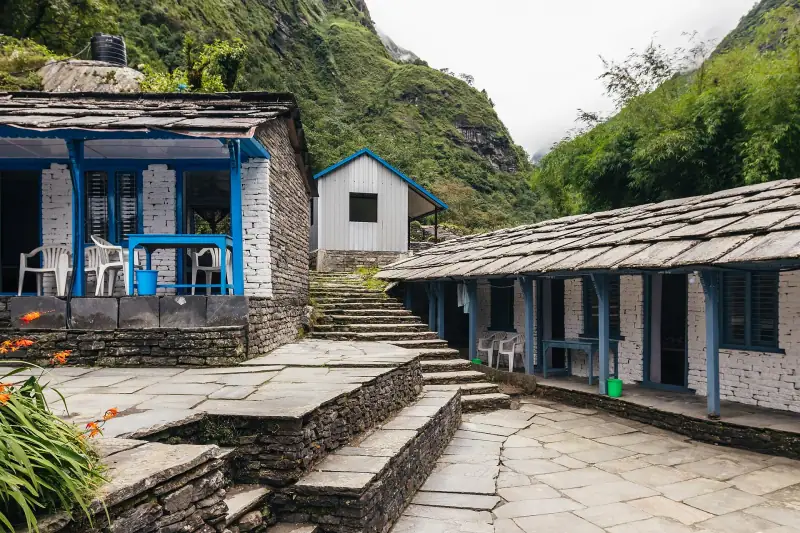
In the Annapurna massif, the teahouse network is one of the densest and most developed in the country. Whether you do the Annapurna Circuit, the Sanctuary or the short Poon Hill hike, you will find lodges at every stage, often at regular intervals, which lets you adapt the length of the day to your form.
The lodges there are known for their relative comfort: varied meals, bright dining rooms, sometimes rooms with private bathrooms in the lowest villages, and more frequent hot water than elsewhere. The flip side is heavy traffic in high season, which can complicate choosing a room.
To choose your circuit, read our guide Annapurna treks: which circuit to choose. If you have little time, our itinerary 10 days in Nepal with Poon Hill shows how to fit a short teahouse hike into a stay.
Hotels in Pokhara before your trek
Sleep comfortably the night before departure and keep your unneeded luggage: compare Pokhara hotels and their reviews.
Khumbu and Everest: the high-altitude lodges
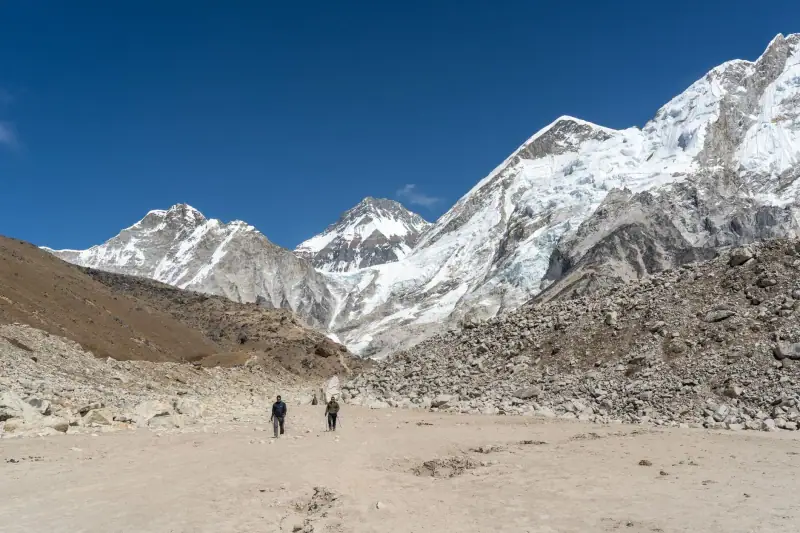
In the Khumbu region, on the road to Everest Base Camp, teahouses are regular up to the highest villages. The village of Namche Bazaar, a classic stage stop, concentrates many lodges, cafes and shops, and offers better comfort than the higher hamlets.
The higher you go, the more comfort shrinks: basic rooms, sometimes outdoor bathrooms, very cold nights, and pricier meals. The lodges of the last villages are designed to quickly house tired walkers, with a central stove in the common room as the only source of heat.
Our article Everest Base Camp trek details the progression and stages. The teahouses of this region are used to hosting groups, which eases logistics, but high season requires arriving early in the stage villages.
Langtang and less-visited regions
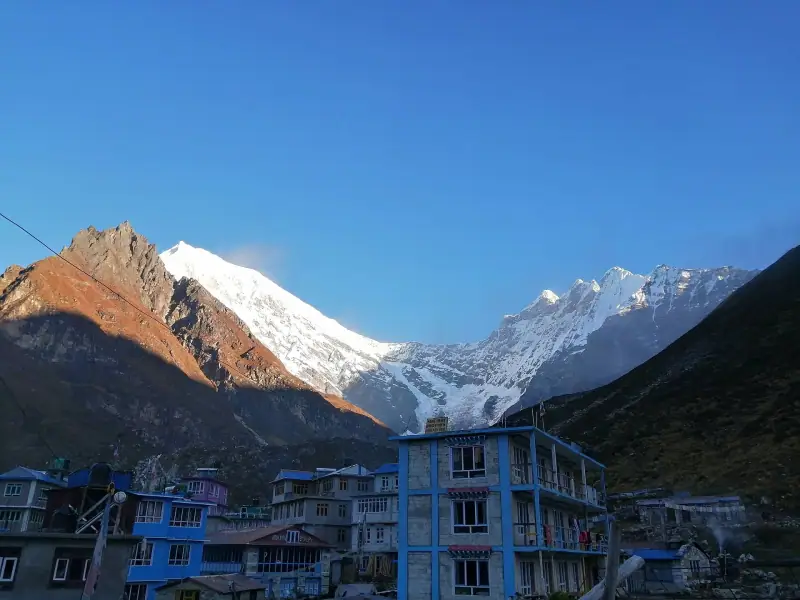
The Langtang valley, relatively close to Kathmandu, also has a lodge network, more modest and simpler than the Annapurnas’. Rooms are more rudimentary, menus shorter, and villages farther apart. In return, the atmosphere is often calmer and the welcome very warm.
Less-visited regions, such as some western valleys or Mustang, impose other rules: specific permits, more limited infrastructure, sometimes an obligation to go through an agency. In these areas, the lodging offer is more restricted and the comfort level more variable. Find out precisely from a local agency before leaving and never count on guaranteed availability.
How much does a night in a teahouse cost?
The price of the room is generally very low compared with standard hotels, and you mostly pay for meals, drinks and ancillary services (hot shower, charging, wifi). Rates vary by region, altitude and season, and rise as you move away from roads. In some areas, a local agreement sets reference rates for rooms and meals, but they change from year to year: ask your agency or guide for a reliable basis.
A few budget points to anticipate:
- the room is often cheap, provided you eat dinner and breakfast at the lodge;
- the hot shower is an extra, rare at high altitude;
- charging devices is paid, as is wifi;
- drinking water may be sold in bottles or as boiled water, cheaper and more ecological;
- hot drinks add up quickly in the evening.
Always keep a cash reserve in rupees, because there is no ATM or card terminal once in the mountains. Our article budget for traveling in Nepal will help you size this envelope.
Cold and sleep: getting organized to sleep well
Sleeping at altitude is hard, even for well-prepared walkers. Cold and dry air can disturb sleep.
To stay warm at night: a suitable sleeping bag, a silk liner, a hot-water bottle (a bottle filled with hot water will do), a light hat and dry socks reserved for sleeping. The cold is most formidable at the start of the night and early morning, when the dining-room stove is out. Find the list of useful gear in our guide to accessories for traveling in Nepal.
Treks and excursions in Nepal
Guided hikes, excursions from Kathmandu and Pokhara: discover the activities offered with a local guide.
What to put in the bag for sleeping in a teahouse
A light bag makes the stages more pleasant, but some items make the difference at bedtime. Here is a short list, centered on sleep and hygiene:
- a sleeping bag suited to the season and altitude, or the option to rent one locally;
- a light liner to keep the bag clean and gain a bit of warmth;
- earplugs and a sleep mask, indispensable in noisy lodges;
- a headlamp with spare batteries or battery pack, for corridors and night bathrooms;
- a light padlock to lock the room or bag;
- wipes and hand sanitizer for days without a shower;
- toilet paper, rarely provided;
- a power bank and a charging cable;
- sandals or slippers to move around the lodge without dirtying the rooms;
- a water bottle and a way to treat water.
Booking: directly, with a guide or through an agency
There are three ways to manage trek nights.
On arrival, without a reservation: this is the most common practice, especially off-season. You choose a lodge on arrival at the village, after looking at the rooms. This flexibility assumes arriving early enough in the day and accepting to change lodge if the first is full.
With a guide or porter: he knows the establishments, often negotiates a more attentive welcome and can call the lodge ahead. It is a welcome comfort in high season. Permit formalities, presented in our article on formalities for traveling in Nepal, are also simpler with a professional.
Through an agency: the trek price generally includes lodging and meals. You lose freedom but gain peace of mind, with booked lodging and calibrated stages.
Whatever your approach, plan nights in town before and after the trek, in Kathmandu or Pokhara: a real bed, a hot shower and the possibility of leaving unneeded belongings at a hotel. Our guide where to stay in Kathmandu and the one on where to stay in Pokhara will help you choose the most practical area.
Hotels in Kathmandu
Book a comfortable base for the night before and after the trek, and leave your luggage safely.
When to go to find space and good weather
The most popular trekking seasons are autumn and spring, with often clear skies and bearable temperatures. These are also the periods when lodges fill up most. In the monsoon, trails are muddier and views less clear, but teahouses are quieter; in the depth of winter, some high-altitude lodges close or run at reduced pace. To choose your travel window, see our guide when to go to Nepal.
Also think of suitable travel insurance: a high-altitude trek means checking that the cover handles evacuation and the altitude aimed for.
Good practices for responsible travelers
Sleeping in a teahouse means directly supporting the valley families. A few gestures make everyone’s life easier:
- Have dinner and breakfast in the lodge where you sleep.
- Carry out your non-biodegradable waste and avoid plastic bottles.
- Respect wood and water: in high-altitude villages, fuel and hot water are precious.
- Bargain courteously and keep in mind that rates are modest.
- Ask before photographing people, and always thank with a smile and a “namaste”.
- Be patient: waiting for a meal is part of the trip.
Sleeping in a teahouse is, for many travelers, the finest memory of Nepal: the warmth of the stove, the steaming tea, the late conversations and, in the morning, the view of the mountains from the window. With a good sleeping bag, a little patience and good basics, it is a simple and authentic way to discover the country.
Frequently asked questions
What is a teahouse in Nepal?
A teahouse is a family-run mountain inn, halfway between a guesthouse and a hut. It has simple rooms, a shared dining room and hot meals. This network lets you walk several days without a tent or food to carry.
Do you need to book teahouses in advance?
On most treks, booking is done on arrival, often by the guide. In high season (autumn and spring), some stage villages fill up: it is wise to start the stage early to arrive before the afternoon, or to ask your agency to call ahead.
Do you need to bring a sleeping bag?
Yes, it is strongly recommended. Blankets are sometimes provided but not always warm or clean, and nights at altitude are cold. A bag suited to the season and the altitude aimed for is basic equipment. You can also rent one in Kathmandu or Pokhara.
Are hot showers available?
Often, but generally for an extra fee, and mostly from a certain comfort level. With altitude, hot water becomes scarce, and in the highest villages showers may not exist. Bring wipes and accept being less clean for a few days.
Can you charge your phone in a teahouse?
Yes, most lodges offer a socket or solar charging, generally for a fee, and wifi is often sold by the card. A power bank remains very useful, because sockets are sometimes shared and electricity limited.
Are teahouses heated?
Rooms are generally not heated. Only the dining room is, with a stove or, higher up, a central stove where everybody gathers in the evening. Rooms are therefore cool, hence the importance of a good sleeping bag.
Can you sleep in teahouses with family or children?
It is possible on short, low-altitude treks, where stages are modest. Be careful with children and nights at altitude: choose an easy hike.
More Nepal guides
Keep reading
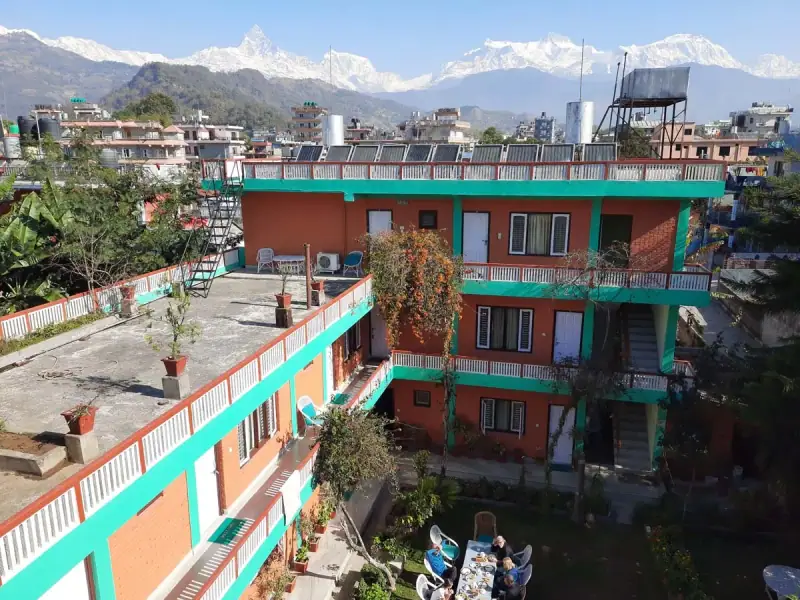
Where to Stay in Pokhara: Lakeside, Damside or Sarangkot, Which Area to Choose?
Where to stay in Pokhara? Lakeside, Damside, Sarangkot and the Phewa Lake surroundings compared: atmosphere, budget, Himalayan views and booking tips.
Where to Stay in Kathmandu: Which Neighborhood to Choose for Your Trip
Where to stay in Kathmandu? Thamel, Boudhanath, Patan, Lazimpat or Bhaktapur: neighborhoods compared, types of lodging and tips to choose your base.
Nepal Travel Budget: Real Costs, 3 Profiles and Ways to Save
What budget for Nepal? Costs by item (lodging, transport, food, activities, permits), three budget profiles and tips to spend less.
Ready-made
Nepal itineraries
3 days
Kathmandu in 3 Days: Day-by-Day Itinerary, Temples, Newar Cities and Tips
A 3-day itinerary for Kathmandu and its valley: Durbar Square, Swayambhunath, Pashupatinath, Boudhanath, Patan and Bhaktapur, with transport and tips.
10 days
Nepal in 10 Days: Kathmandu, Pokhara and the Poon Hill Trek
A 10-day Nepal itinerary: Kathmandu temples, Pokhara's lake and a short 4-day Poon Hill trek, with tips, permits and a rough budget.
12 days
Nepal with Kids: A 12-Day Family Itinerary with Gentle Stages and Tips
KathmanduPokharaBandipurChitwan