Itineraries
Nepal in 2 Weeks: Day-by-Day Itinerary from Kathmandu to Chitwan
We may earn a commission when you book through links on this page, at no extra cost to you. We don't visit or try the places we cover: we summarize published sources. How we work
Day by day
- Days 1-3Kathmandu: Thamel, Durbar Square, Swayambhunath, Boudhanath, Pashupatinath
- Day 4Patan and Bhaktapur, the Newar cities
- Day 5Road to Bandipur, Newar village on the way to Pokhara
- Days 6-9Pokhara: lake, Sarangkot sunrise, paragliding or hike, then to Chitwan
- Days 10-13Chitwan National Park: jeep safari, canoe, guided forest walks
- Day 14Return to Kathmandu and departure
Where to sleep
- Kathmandu4 nights
- Bandipur1 night
- Pokhara4 nights
- Chitwan National Park4 nights
In short
- Fourteen days link the Kathmandu Valley (days 1 to 4), Bandipur (day 5), Pokhara (days 6 to 9), Chitwan (days 10 to 13) and the return (day 14).
- Journeys are long because roads are winding and traffic unpredictable; the plan limits changes of base.
- Autumn (October-November) and spring (March to May) are generally the most favorable; Dashain and Tihar raise crowds and complicate transport.
- Do not schedule an international flight on day 14 without a wide margin; keep an extra night in Kathmandu if possible.
Nepal is not just the Himalaya. In two weeks, you can go from the Newar temples of the Kathmandu Valley to the shores of Phewa Lake, then dive into the Terai jungle. This 14-day itinerary bets on variety: culture, a mountain village, a lake and wildlife, without rushing from one point to the next.
Journeys are long in Nepal, because roads are winding and traffic unpredictable. The plan below therefore limits changes of base: only four bases, with a pace that leaves time to breathe.
The itinerary at a glance
- Days 1 to 4: Kathmandu and its valley (Kathmandu, Patan, Bhaktapur)
- Day 5: road to Bandipur, a perched Newar village
- Days 6 to 9: Pokhara, its lake and its panoramas of the Annapurnas
- Days 10 to 13: Chitwan National Park, in the Terai
- Day 14: return to Kathmandu and departure
To choose your dates, see our guide to the best time to go to Nepal. Festivals like Dashain and Tihar are superb but raise crowds and complicate transport.
Days 1 to 3: Kathmandu, the capital of a thousand temples
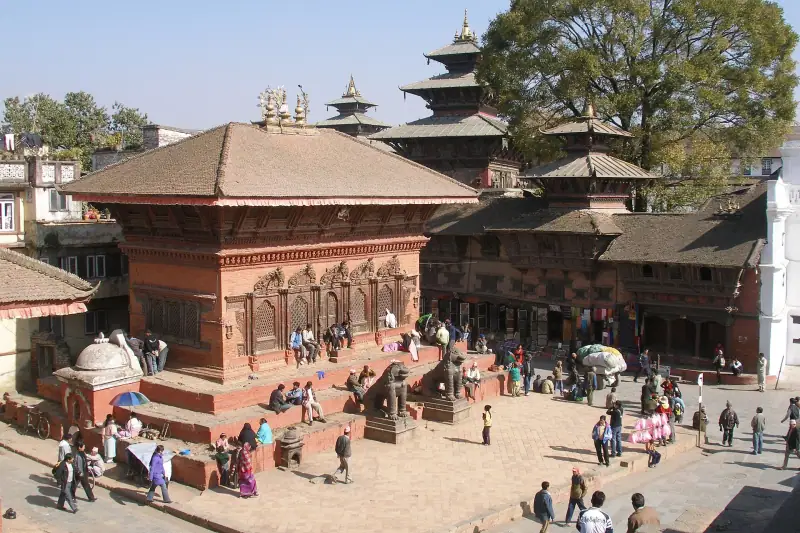
Kathmandu is the gateway to the country, and arrival is often a shock: horns, narrow lanes, electric wires, smells of incense and spices. On the first day, plan almost nothing. Drop your bags, walk around the Thamel district to get your bearings, change a little money and eat light.
The next two days let you explore the capital’s major sites. Durbar Square, in the old town, gathers temples and palaces of brick and carved wood. The Swayambhunath stupa, perched on a hill and nicknamed the monkey temple, offers a fine viewpoint over the city. The Boudhanath stupa, one of the largest Tibetan Buddhist places of worship in the country, is especially pleasant at the end of the day, when pilgrims walk the kora around the monument. The Hindu complex of Pashupatinath, on the banks of the Bagmati River, is a sacred place where funeral ceremonies take place: observe with discretion and respect.
Our article what to do in Kathmandu details these visits and ways to link them. For lodging, see where to stay in Kathmandu.
Hotels in Kathmandu
Thamel for practicality, calmer districts for quiet sleep: compare lodgings and reviews before booking your first nights.
Day 4: Patan and Bhaktapur, the Newar cities
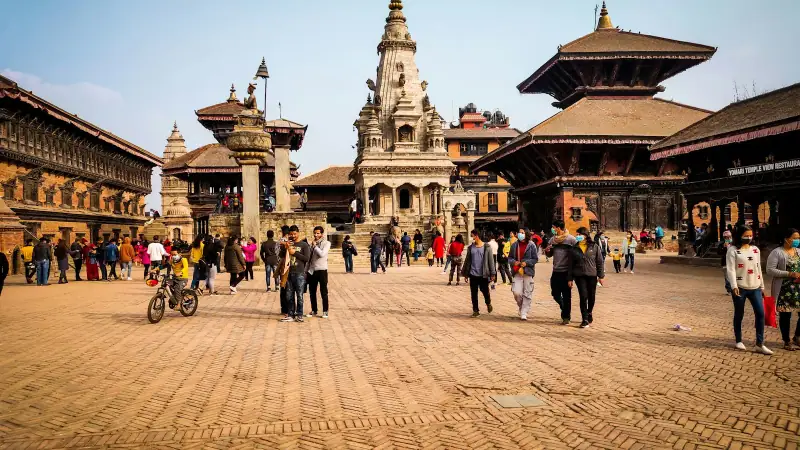
The Kathmandu Valley has two other former royal cities, easy to reach from the capital. Patan, to the south, is known for its artisans, inner courtyards and group of temples around Durbar Square. Bhaktapur, to the east, has kept a more medieval atmosphere, with its brick lanes, lively squares and pottery.
If you are in a hurry, one day lets you see both, but Bhaktapur ideally deserves half a day on its own, or even a night there to enjoy the place once the groups have left. All the details are in our guide to visiting Bhaktapur and Patan.
Foreign visitors are generally charged an entrance fee in these historic centers; fees change, so check them there.
Day 5: Bandipur, a Newar village on the road to Pokhara
To reach Pokhara, there are two options: the domestic flight, fast, or the road, which lets you stop at Bandipur. This mountain village, away from the main road, has preserved a pedestrian main street lined with Newar houses with neoclassical facades. It is known for its views of the Himalayan range in clear weather and its tranquility.
Sleeping a night in Bandipur is a very good way to break up the journey. In the evening, once the day visitors have left, the atmosphere is peaceful; in the morning, the summits often clear more easily than in the middle of the day. The mood is the exact opposite of Kathmandu’s, and the contrast is precisely what makes this stage interesting.
The road between Kathmandu and Bandipur crosses valleys and passes: allow several hours and leave a margin for traffic. A private vehicle with a driver is a good compromise if you want to stop along the way.
Flights to Nepal
Flights to Kathmandu generally involve a stopover: compare routes and durations before booking, and plan an early-in-the-day arrival if possible.
Days 6 to 9: Pokhara, the lake and the Annapurnas
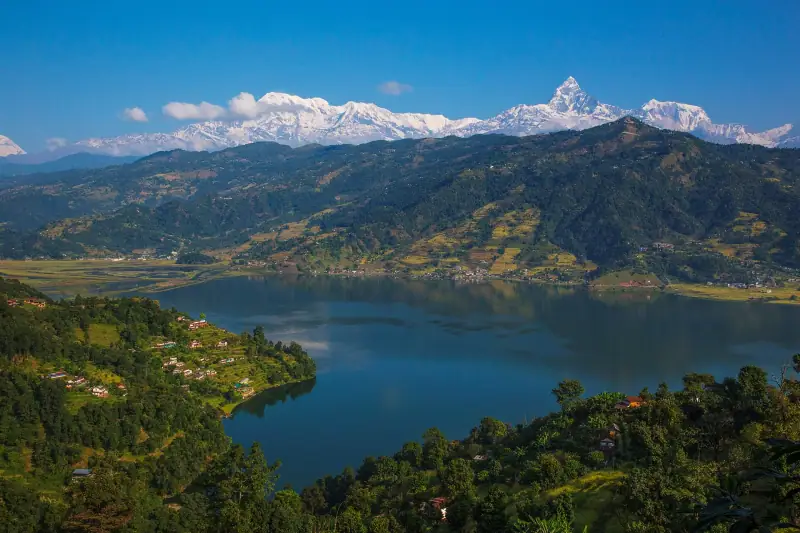
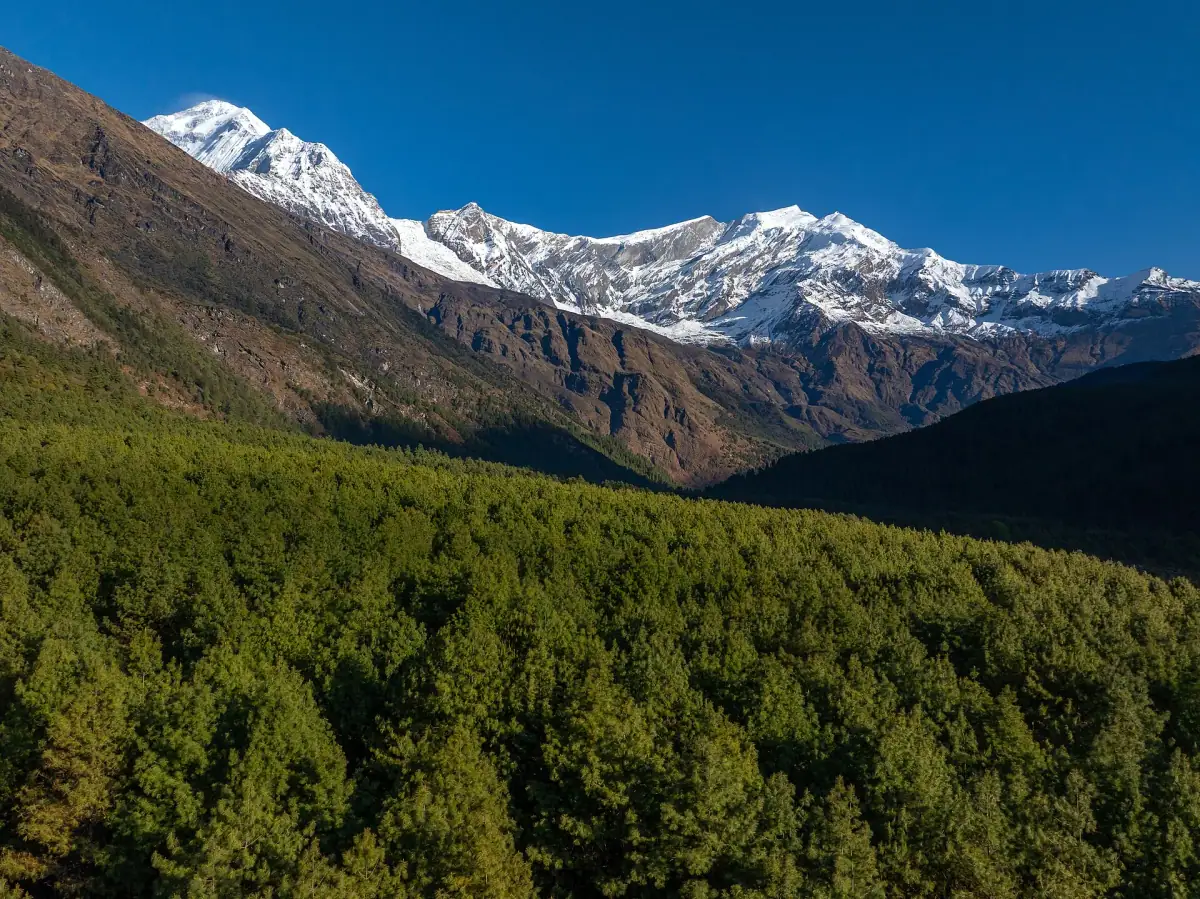
Pokhara is the second major stage of the trip. The city stretches along Phewa Lake, with cafes, terraces and, in clear weather, the silhouette of the Annapurnas as a backdrop. The mood is far more relaxed than in Kathmandu.
Here is one way to split your days:
- Day 6: arrival, walk by the lake, sunset from Lakeside.
- Day 7: sunrise at Sarangkot, then a boat on the lake and a climb to the Peace Pagoda.
- Day 8: activity of your choice: paragliding, a day hike in the hills, a visit to the neighboring lakes or a rest day.
- Day 9: free morning, then road or flight to Chitwan.
Paragliding is one of Pokhara’s flagship activities. Flights are tandem with a professional pilot, depending on weather and wind: keep a margin in your schedule. All the details are in our article what to do in Pokhara.
If you feel like walking more, this is where treks in the Annapurna region are prepared. A short trek of a few days can be added to the program if you lengthen your stay; find out about permits beforehand.
Activities in Pokhara
Tandem paragliding flights, boat rides, guided hikes: discover the activities offered around Pokhara.
Days 10 to 13: Chitwan National Park
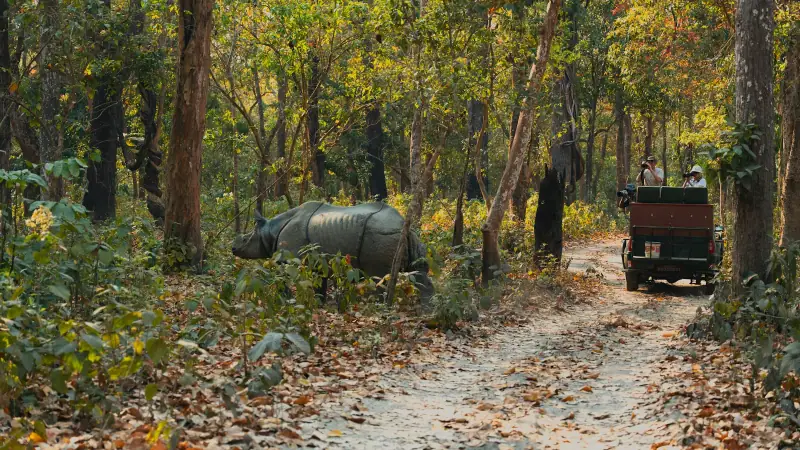
Chitwan National Park, in the Terai, is UNESCO World Heritage listed. It is known for its sal forests, grasslands and rivers, home notably to the Indian rhinoceros and the gharial crocodile. The Bengal tiger is present, but very hard to observe: do not count on it.
The climate is very different from the mountains: hotter and more humid, especially outside the cool season. After the altitudes of Pokhara and Bandipur, the transition is marked, and that is also what makes the stage interesting.
The classic activities offered by lodges are jeep safaris, dugout canoe rides on the river, guided forest walks and bird watching. Outings are made with a naturalist guide, mandatory to enter the park. The best sightings happen early in the morning and late in the day.
Plan three nights there so as not to chain journeys: a calmer arrival day, a full day of activities and a free morning before leaving. For a responsible approach, favor operators that respect wildlife and find out about their practices; elephant rides are increasingly criticized for the animals’ welfare.
Excursions and safaris in Chitwan
Jeep safari, river descent by dugout canoe, guided walk: compare the excursions offered in the Terai.
Day 14: back to Kathmandu
The last day is devoted to the return to Kathmandu, by road or, depending on the options, by a domestic flight from a nearby airport. The road trip takes several hours: do not schedule an international flight the same day without a wide margin. If possible, keep an extra night in Kathmandu before your departure.
A last evening in Thamel for shopping (tea, spices, crafts, wool clothing) is a way to wrap up the trip.
Variations by length of stay
- 10 days: drop Chitwan or Bandipur, and keep Kathmandu and Pokhara.
- 3 weeks: add a trek of a few days in the Annapurnas from Pokhara, or a stop at Lumbini, the Buddha’s birthplace according to tradition.
- Trek-focused trip: devote most of the stay to a trek (Annapurnas, Langtang, Everest) and reduce the cultural stages. Big treks need extra days in the schedule.
Practical tips for making your circuit work
- Entry rules: they depend on your passport. Check the official travel advice of your government before you book: travel.state.gov (US), GOV.UK (UK), travel.gc.ca (Canada), Smartraveller (Australia) (checked November 2026). Also check the conditions and fees on the official Nepali immigration website.
- Transport: book tourist buses or a private driver through reliable sources. Journeys are longer than the distance suggests.
- Margin: domestic flights can be delayed by weather. Avoid tight connections.
- Insurance: take out travel insurance covering repatriation and, if needed, hiking at altitude.
- Money: bring cash for small expenses; ATMs are plentiful in cities but rare in villages.
- Respect: covered clothing in temples, shoes removed when asked, and permission asked before photographing people.
- Car: driving yourself is not recommended in Nepal; prefer a local driver.
This 14-day circuit is deliberately balanced: it leaves room for the unexpected, which often makes the best memories of a trip to Nepal. Stay flexible, accept delays, and let yourself be carried by the rhythm of the country.
Frequently asked questions
Are two weeks enough to visit Nepal?
Yes for a first trip: 14 days let you combine the Kathmandu Valley, Pokhara, a mountain village like Bandipur and the Terai jungle at Chitwan. A big trek such as Everest Base Camp, however, needs more time.
Do you need to book all accommodation in advance?
Not necessarily. Book the first nights in Kathmandu and the busy periods (October-November, the Dashain and Tihar festivals). The rest can often be decided along the way, with a little margin.
How do you get between the stages?
Journeys are by road (tourist bus or private vehicle with a driver) or by domestic flight, notably between Kathmandu and Pokhara. Roads are winding and journey times vary a lot with traffic, roadworks and weather: allow a margin.
Can you add a trek to this itinerary?
Yes, a short trek of a few days from Pokhara, in the Annapurna region, can be fitted in by lengthening the stay. Find out about the permits required before leaving.
What is the best time of year for this itinerary?
Autumn (October-November) and spring (March to May) are generally the most favorable, with good mountain views. During the monsoon, the jungle is green but rain and clouds are frequent.
More Nepal guides
Keep reading
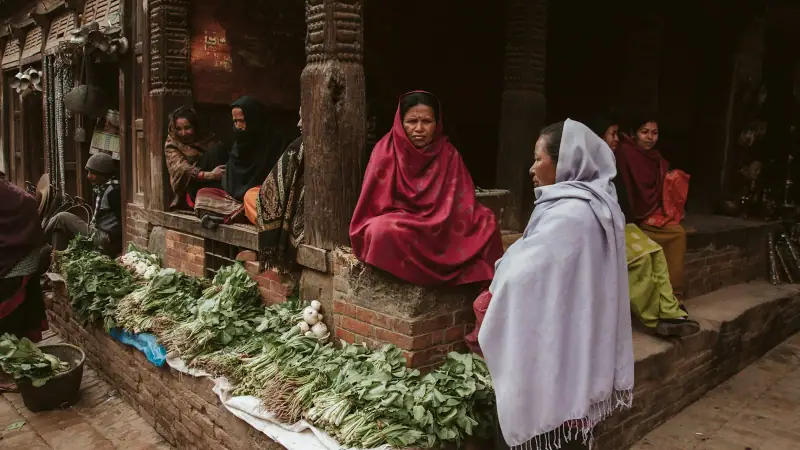
Nepal Travel Budget: Real Costs, 3 Profiles and Ways to Save
What budget for Nepal? Costs by item (lodging, transport, food, activities, permits), three budget profiles and tips to spend less.
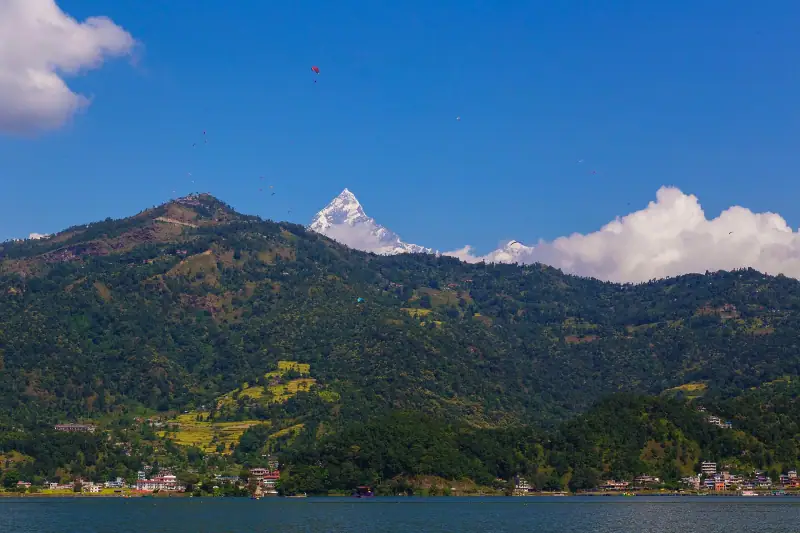
Paragliding in Pokhara: Prices, Booking Ahead or on Site, Season and Requirements
Tandem paragliding in Pokhara: rough budget, booking the day before or online, best months, Sarangkot takeoff, age, weight and insurance to check.
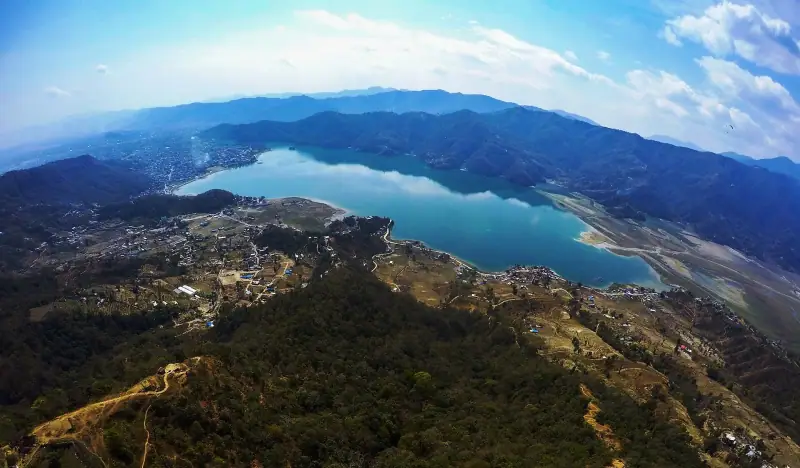
Things to Do in Pokhara: Lake, Peace Pagoda and Himalayan Views
What to do in Pokhara? Phewa Lake, Peace Pagoda, Sarangkot, paragliding, caves and the Mountain Museum: ideas for 2 to 4 days.
Ready-made
Nepal itineraries
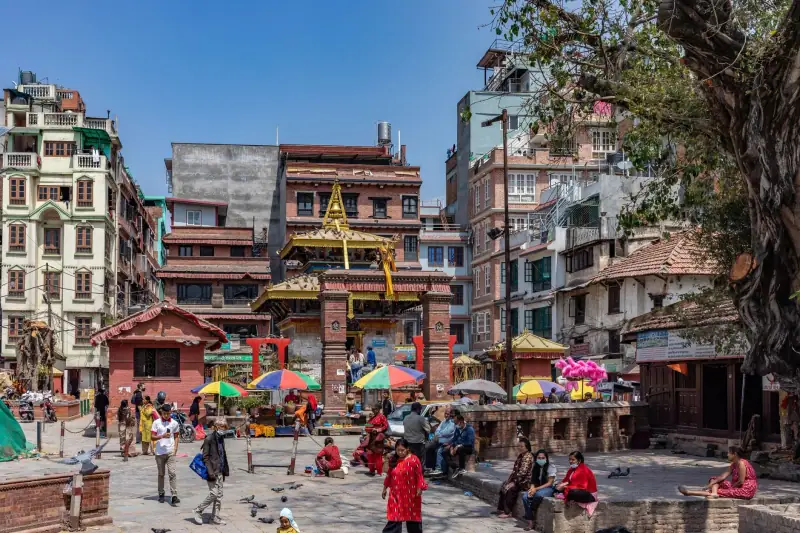
3 days
Kathmandu in 3 Days: Day-by-Day Itinerary, Temples, Newar Cities and Tips
A 3-day itinerary for Kathmandu and its valley: Durbar Square, Swayambhunath, Pashupatinath, Boudhanath, Patan and Bhaktapur, with transport and tips.
10 days
Nepal in 10 Days: Kathmandu, Pokhara and the Poon Hill Trek
A 10-day Nepal itinerary: Kathmandu temples, Pokhara's lake and a short 4-day Poon Hill trek, with tips, permits and a rough budget.
12 days
Nepal with Kids: A 12-Day Family Itinerary with Gentle Stages and Tips
KathmanduPokharaBandipurChitwan