Things to do
Festivals in Mexico: Día de Muertos, Guelaguetza, carnivals and calendar
We may earn a commission when you book through links on this page, at no extra cost to you. We don't visit or try the places we cover: we summarize published sources. How we work
In short
- Día de Muertos is around November 1 and 2, the Guelaguetza in Oaxaca is in July, the posadas run December 16 to 24, and Guadalupe Day is December 12.
- The better known the festival, the earlier you must book: lodging and flights fill several months ahead and prices climb as the dates approach.
- Día de Muertos is not a Mexican Halloween: it is a celebration of remembrance, listed on UNESCO's intangible cultural heritage list since 2008.
- Ask before photographing people or altars, avoid flash, and do not touch the offerings or walk on graves.
In Mexico, the calendar is paced by festivals. Almost every week, a city, a neighborhood or a village celebrates a patron saint, a harvest or a pre-Hispanic heritage, with processions, music, fireworks and plenty of food. Traveling at the time of a big festival changes the stay: streets are transformed, residents more readily invite you to share a moment, and you leave with memories quite different from those of a simple site visit.
It also takes a little organization. Lodging is expensive and fills up quickly, some sites close, and respect for traditions matters. This guide presents the country’s main festivals, their usual dates, what you see there and how to prepare for them. To choose the timing of your trip with the climate in mind, also see our article on the best time to visit Mexico.
The calendar of big festivals at a glance
The dates of some celebrations are fixed, others depend on the religious calendar or change each year. Here are the main markers:
- January: the Feast of the Three Kings (January 6). People share the “rosca de reyes”, a crown-shaped brioche hiding small figurines.
- February or early March: carnival. It precedes Lent and is held mostly in coastal cities, notably Veracruz.
- March or April: Semana Santa. Holy Week brings processions throughout the country.
- July: the Guelaguetza in Oaxaca.
- September 15 and 16: Independence Day. On the evening of the 15th, the “Grito de Dolores” is repeated in the big squares.
- November 1 and 2: Día de Muertos.
- December 12: the Virgin of Guadalupe. Pilgrims flock to the basilica in Mexico City.
- December 16 to 24: the posadas. Neighborhood parties re-enact Mary and Joseph’s search for shelter.
One rule above all: the better known the festival, the earlier you must book. Outside these big dates, patron saint festivals take place all year in almost every village. Your host or the local tourist office knows the program.
Día de Muertos: the most emblematic festival
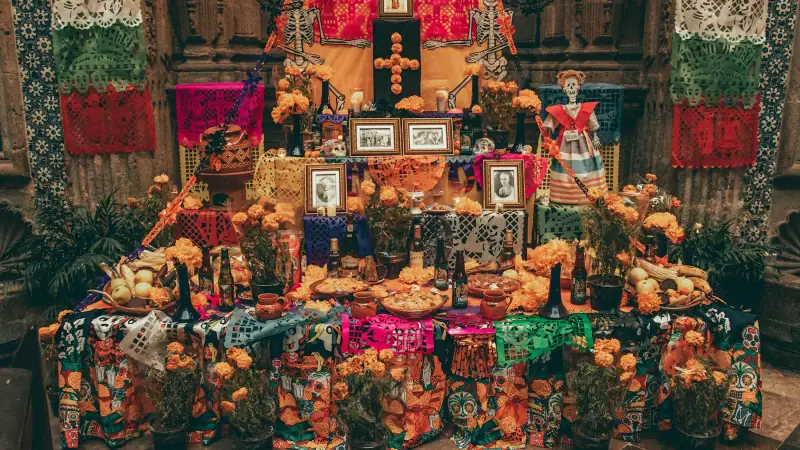
Día de Muertos, around November 1 and 2, is the festival travelers dream of seeing. Contrary to a common idea, it is not a macabre moment. Families symbolically welcome the souls of their loved ones, with offerings (“ofrendas”) made of photos, candles, cempasúchil flowers (bright orange marigolds), pan de muerto, fruit and dishes the dead loved. The whole has been listed as intangible cultural heritage of humanity by UNESCO since 2008.
What you can see, depending on the place:
- Altars in homes, schools, squares and museums, often open to the public.
- Markets filled with flowers, sugar skulls (“calaveras”), candles and sweet bread.
- Vigils in cemeteries, where families spend the night near the graves with food and music.
- Parades and “Catrina” makeup, the famous elegant skeleton.
A few tips: choose a place that suits you (a spectacular big city or a more intimate village), arrive early at popular events, and if you visit a cemetery, stay discreet. Vigils are moments of reflection for families. You can ask your lodging which ceremonies are open to visitors.
Día de Muertos in Mexico City
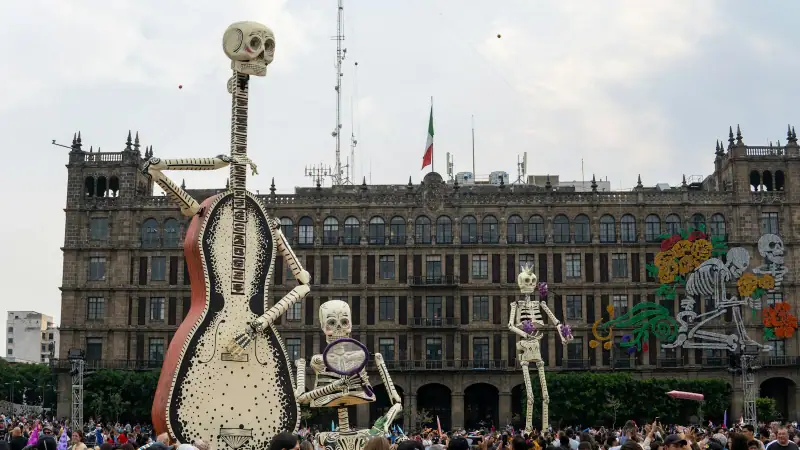
The Mexican capital offers a very visible Día de Muertos: monumental altars on big squares, museum exhibitions, makeup workshops and flower markets. A big parade takes place each year, linked to the image from the James Bond film Spectre, which had inspired the city to hold one. It has become a popular event, but it is mostly aimed at tourists, while the tradition is also lived in neighborhoods and families.
The capital is a good place to visit at this time if you book lodging ahead. The choice of neighborhood is decisive: to compare options, read our guide to where to stay in Mexico City. The long distances and traffic justify staying in a neighborhood well linked to the metro or the main squares.
Book early for Día de Muertos in Mexico City
In early November, hotels in the capital fill up. Compare available lodging and choose an option with free cancellation.
Oaxaca: Día de Muertos and the Guelaguetza
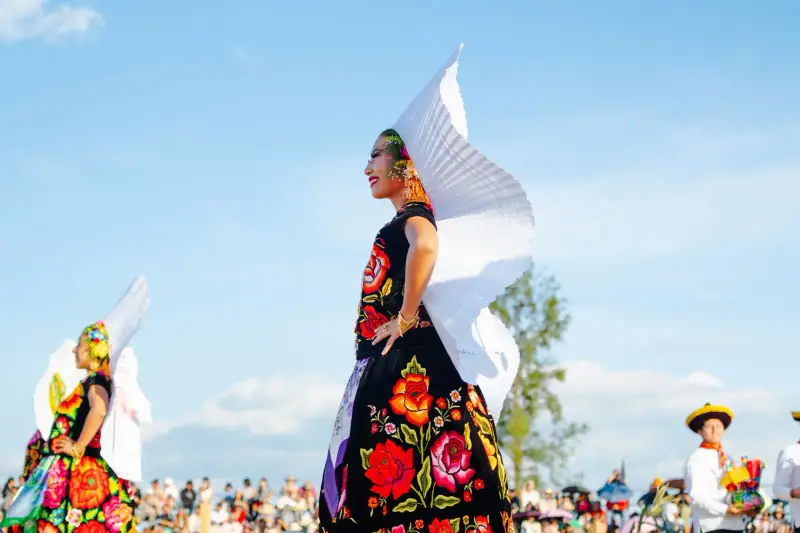
Oaxaca is considered one of the Mexican cities where traditions are most alive, and it hosts two big events. To learn all about the city itself, see our guide to visiting Oaxaca.
Día de Muertos. You meet comparsas (costumed processions with musicians), elaborate altars in courtyards and markets, and visits to cemeteries in neighboring villages. The city is very busy at this time: book several months ahead and expect patience in the crowds.
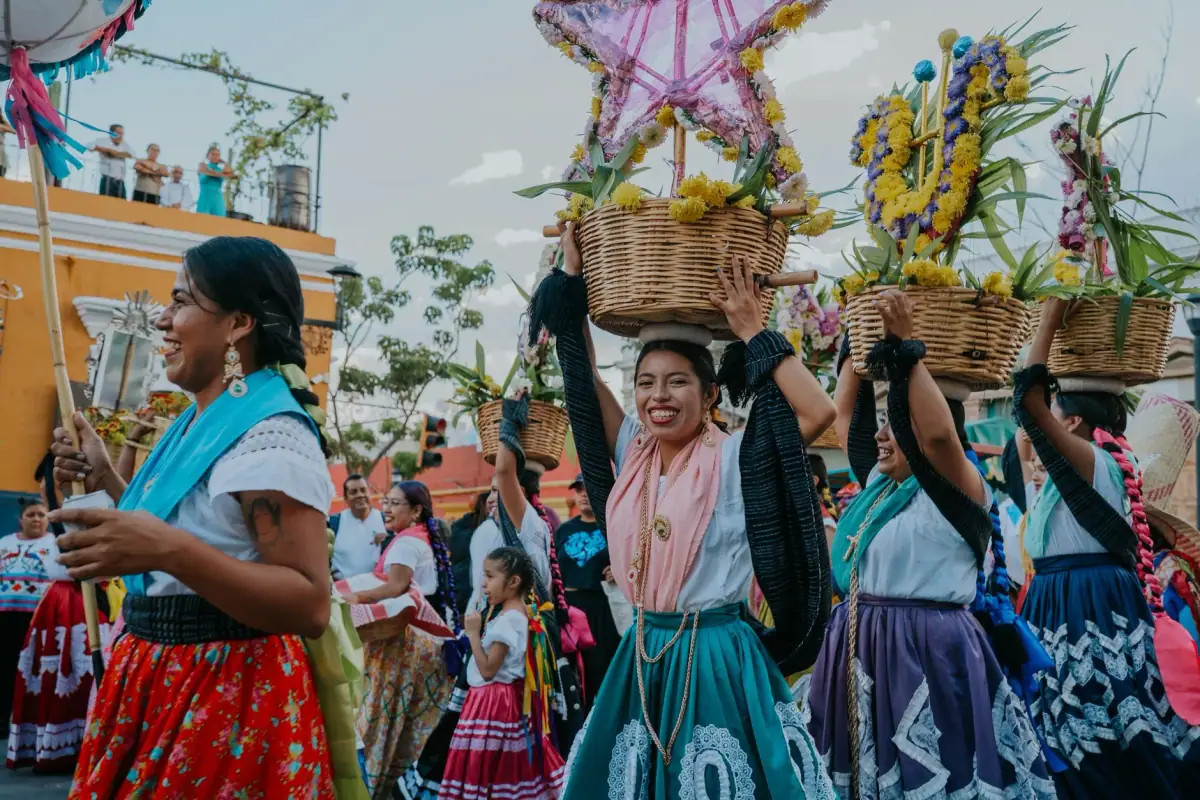
The Guelaguetza. This festival takes place in July. It brings together delegations from the regions of the state of Oaxaca, who present their dances, costumes and music, traditionally on two consecutive Mondays in an open-air amphitheater. Exact dates vary from year to year. Paid seats are available, and cheaper popular stands are also open: find out from the state’s official tourist office. Around the event, many other activities take place in the city in the preceding days.
The Noche de los Rábanos. On December 23, the central square hosts a competition of sculptures carved from big radishes. The event is typical of Oaxaca and remains less known to travelers.
Sleeping in Oaxaca during the festivals
The dates of the big festivals fill up fast. Compare hotels and guesthouses in the city center, within walking distance of the main events.
Semana Santa: processions and traditions
Holy Week, which precedes Easter, is a vacation period for many Mexicans. Beaches and colonial cities fill up, and prices rise. Culturally, it gives rise to processions and Passion plays. Some, very popular, gather whole neighborhoods, with costumed participants.
For the traveler, two practical consequences: transport and lodging are in heavy demand, and some local shops close or cut their hours on the most important days. If you want to avoid the crowd, favor the weeks before or after. If, on the contrary, you want to see the processions, choose a mid-sized town and book early.
Carnivals: Veracruz and beyond
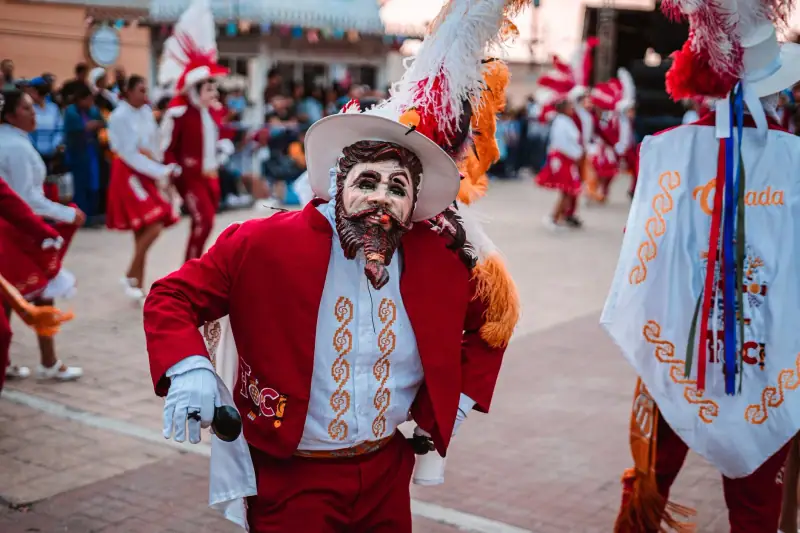
Carnival precedes Lent and takes place in February or early March depending on the year. The most famous is in Veracruz, on the Gulf of Mexico coast, with float parades, costumes, music and street dances that enliven the waterfront for several days. Other cities hold their own, smaller carnivals, with their own local traditions.
A carnival is a moment of popular celebration: plan light clothing, sun protection, water and a discreet bag, as crowds are dense. Keep your valuables close and avoid going out with original documents.
Independence Day and the Virgin of Guadalupe
On September 15 and 16, Mexico celebrates its independence. On the evening of the 15th, on the Zócalo of Mexico City and the central squares of many towns, the president or local authorities repeat the “Grito”, a patriotic cry, followed by fireworks. The 16th is a public holiday. The atmosphere is joyful, full of green, white and red flags, mariachi music and traditional dishes like pozole.
On December 12, the Virgin of Guadalupe is celebrated. Pilgrims come from all over the country, sometimes on foot or by bike, to the basilica in Mexico City, one of the most visited pilgrimage sites in the world. If you are in the capital on that date, expect large crowds around the sanctuary.
Posadas, Christmas and year-end
From December 16 to 24, the “posadas” recall Mary and Joseph’s journey in search of lodging. Processions of children and adults sing at the door of houses, then the party continues with hot fruit punch, tamales and the breaking of the piñata, a big paper object filled with candy that children hit blindfolded.
If a Mexican host invites you to a posada, accept: it is a warm moment, and a guest bringing a little something to share is appreciated. To know which dishes await you, our guide to Mexican culinary specialties will help you find your way.
Experiencing the festivals with respect
A few simple rules for being a welcome guest:
- Ask before photographing people, altars and offerings, especially in cemeteries. Avoid flash and drones without authorization.
- Do not touch the offerings. The food, flowers and objects left there are meant for the dead.
- Dress simply for religious ceremonies: shoulders and knees covered in churches.
- Respect the routes. Do not stand in the middle of a procession to take a photo.
- Do not wear a skull mask as a Halloween costume: if you do Catrina makeup, do it with care and simplicity.
- Go easy on alcohol at festivals.
- Keep your belongings under control. In crowds, a closed bag worn in front of you and only a little cash is best.
Organizing your trip around a festival
Choose the right festival. For traditions, favor Día de Muertos. For dance and costumes, the Guelaguetza. For a festive seaside atmosphere, the Veracruz carnival. For history and popular fervor, the Virgin of Guadalupe or Semana Santa.
Book early. Lodging and flights for the big dates go several months ahead. Aim for rates with free cancellation to keep flexibility.
Plan the budget. Room prices often rise on these dates. For a realistic calculation basis, see our guide to the budget for a trip to Mexico.
Keep free time. Festivals take time and transport is congested. Avoid an overloaded program on the day itself.
Travel with insurance. A stay in Mexico, with its long trips, can justify health and repatriation coverage. Consider travel insurance before you leave.
Experiencing the festival with a local guide
If you want to understand what you see, a guided visit often adds real value: it explains the meaning of the altars, opens the doors of less accessible places and lets you talk with residents. Cemetery visits, traditional cooking workshops and village excursions are offered for online booking, with free cancellation for many of them.
Discover the traditions with a guide
Cultural visits, workshops and excursions around traditional festivals, bookable online with free cancellation on most activities.
Which festival to choose for your trip?
- You are traveling as a family: the December posadas and the Día de Muertos parades are colorful and accessible.
- You like culture and food: Oaxaca around November 1 is an excellent choice, as long as you book very early.
- You prefer beaches: combine a carnival or Holy Week with a beach stay, booking ahead.
- You want to avoid the crowd: aim for a small patron saint festival in a village, or travel just before or just after the big dates.
To build an itinerary around these stops, our 10-day Mexico program can serve as a base, which you adapt to the date of the festival you choose.
Making the most of the festivals
Mexican festivals are rare chances to see the country differently: living traditions, colorful streets, residents proud to share their culture. Día de Muertos, the Guelaguetza, Holy Week, the carnivals and the posadas each offer a different face of Mexico. Choose the festival that matches your wishes, book early, stay curious and respectful, and leave room for the unexpected: it is often in a small neighborhood celebration that you keep the best memory.
Frequently asked questions
When is Día de Muertos in Mexico?
Día de Muertos (Day of the Dead) is celebrated around November 1 and 2: November 1 is traditionally devoted to children who have died and November 2 to adults. Preparations (altars, flower markets, pan de muerto) start several days earlier, sometimes in late October.
Is Día de Muertos the "Mexican Halloween"?
No. It is a celebration of Mesoamerican origin mixed with Catholic traditions, whose spirit is to remember lost loved ones with joy, through offerings, cempasúchil flowers and shared meals. It has been listed on UNESCO's intangible cultural heritage list since 2008.
When is the Guelaguetza in Oaxaca?
This big festival of regional dances and costumes takes place in July, traditionally on two consecutive Mondays, with many activities in the city in the preceding days. Exact dates change each year: check the official program before booking.
Do you need to book far ahead for the big festivals?
Yes, particularly for Oaxaca around Día de Muertos and the Guelaguetza, for Holy Week and for the year-end holidays. Lodging and flights fill several months ahead, and prices climb as the dates approach.
Can you photograph ceremonies and cemeteries?
Many ceremonies are public, but vigils in cemeteries are above all a private family moment. Always ask permission before photographing a person or a private altar, avoid flash and do not walk on graves.
Are Mexican festivals suitable for children?
Yes, most festivals are family-friendly, colorful and festive: parades, music, pastries, piñatas. Just allow room for crowds, sun and altitude, and keep your children close in processions.
More Mexico guides
Keep reading
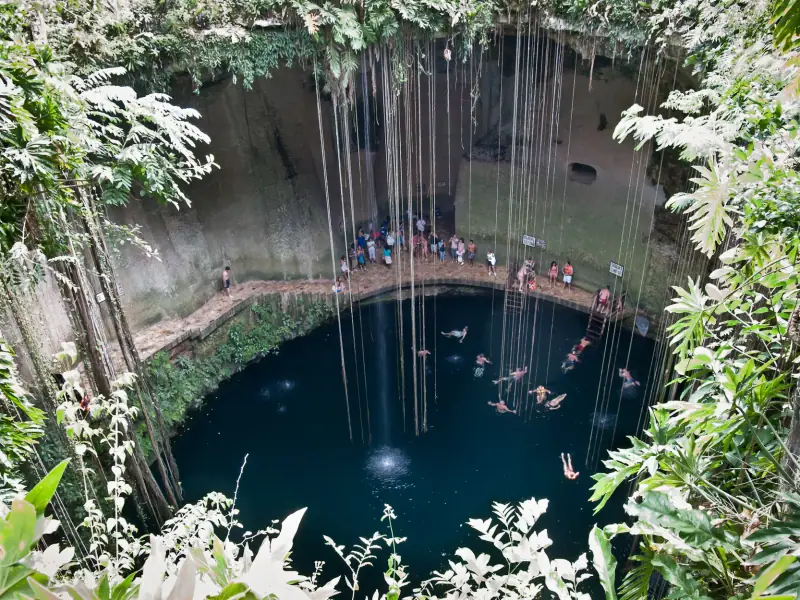
Yucatán cenotes: which ones to visit and how to choose
Yucatán cenotes: Ik Kil, Gran Cenote, Dos Ojos, Valladolid... a selection to pick the best by base, budget and swimming preferences.
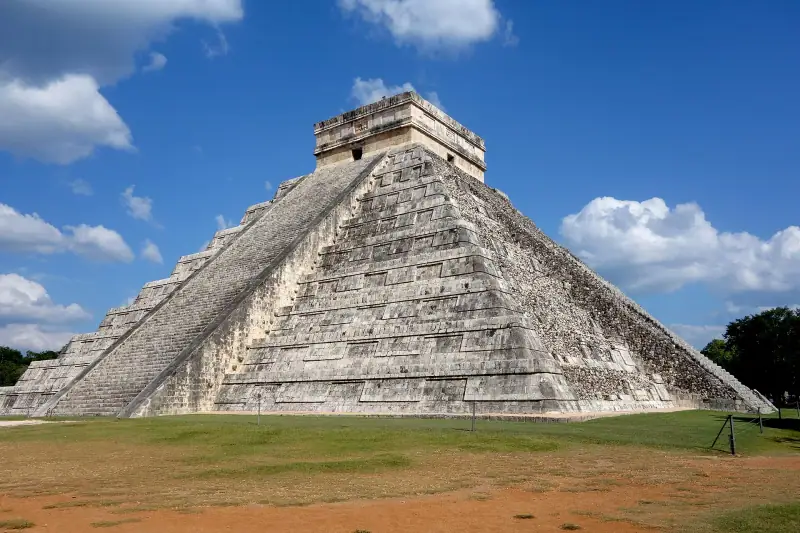
Visiting Chichén Itzá: practical guide, hours and tips
How to visit Chichén Itzá: getting there from Cancún and Mérida, best time, Pyramid of Kukulcán, sights to see and tips for avoiding the crowds.

Bacalar and its Lagoon of Seven Colors: is it worth the detour without a car?
Is Bacalar worth the detour? Getting there by ADO bus or Tren Maya from Tulum and Cancún, what to do around the lagoon, where to swim and how many nights.
Ready-made
Mexico itineraries
7 days
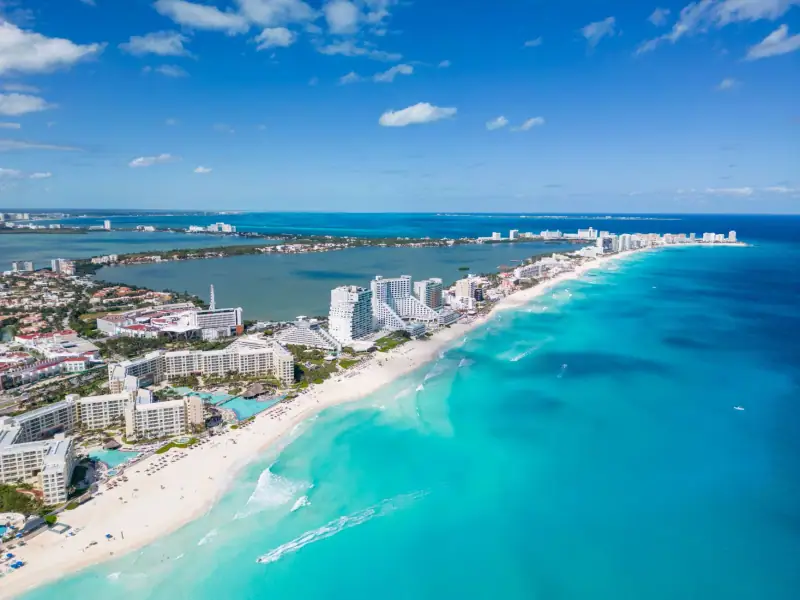
Yucatán road trip in 7 days: Cancún, Valladolid, Mérida and Chichén Itzá
TulumValladolidMérida
Can be adapted in the planner
7 days
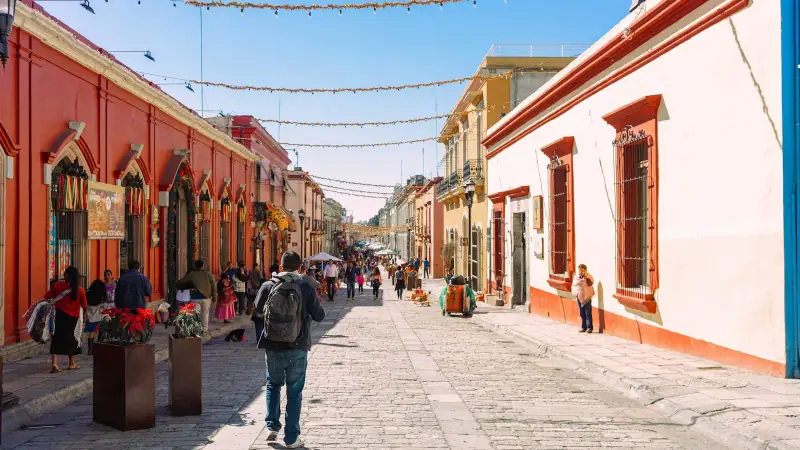
Mexico City, Puebla and Oaxaca in one week without a car: a realistic bus itinerary
Mexico CityPueblaOaxaca
3 days
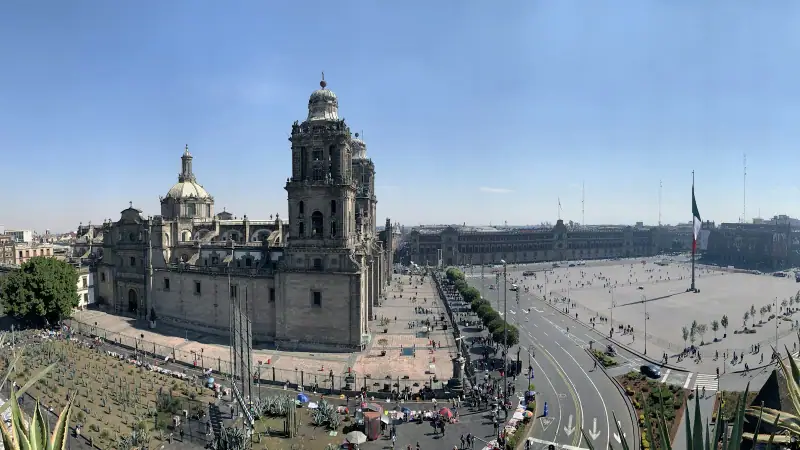
3 days in Mexico City: a day-by-day itinerary for a first stay
What to do in 3 days in Mexico City? Historic center, museums, Coyoacán, Xochimilco or Teotihuacán: a realistic itinerary with altitude and transport tips.