Where to stay
Where to stay in Deshaies and on Guadeloupe's leeward coast
We may earn a commission when you book through links on this page, at no extra cost to you. We don't visit or try the places we cover: we summarize published sources. How we work
In short
- Deshaies suits a fishing-village feel and a big beach; Bouillante and Malendure are better placed for diving and the Cousteau Reserve.
- A car is almost essential: public transport is infrequent and many lodgings are on hillsides or away from the town center.
- Two to four nights are enough for the beach, a dive or snorkeling trip, and a garden or waterfall. Book months ahead from December to April.
- Hurricane season runs June to November: prefer a booking you can change or cancel for free.
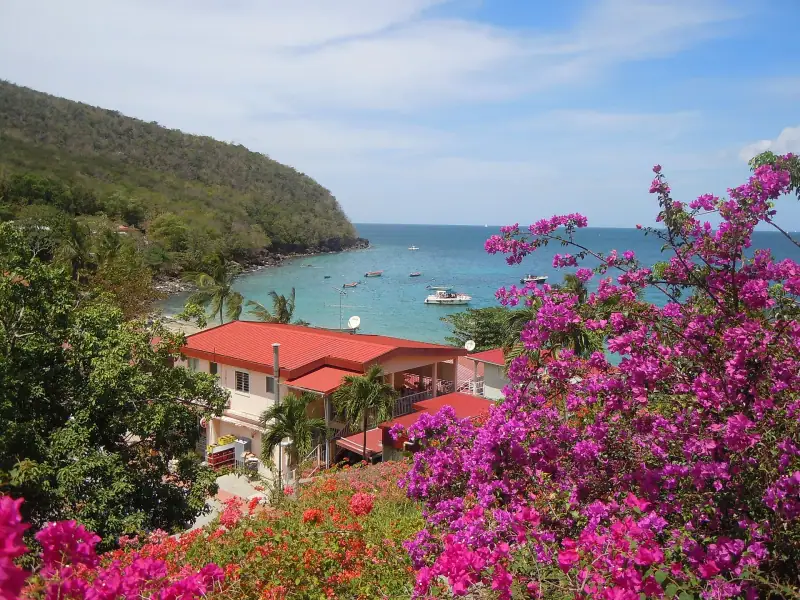
When you plan a trip to Guadeloupe, you think first of the beaches of Grande-Terre. Yet the leeward coast, on the west side of Basse-Terre, has a completely different feel: forest-covered hills plunging into the Caribbean Sea, fishing villages, coves and some of the best dive sites in the archipelago.
Staying on this side of the island changes the rhythm of the trip. Sunsets face the sea, nights are quiet and nature is a step away. But lodging is more scattered and less plentiful than in Le Gosier or Sainte-Anne. This guide helps you choose your base, compare lodging types and avoid booking mistakes. For an overview of all areas, start with our article where to stay in Guadeloupe.
The leeward coast in brief: who is it for?
The leeward coast runs from the north of Basse-Terre southward, through Deshaies, Pointe-Noire and Bouillante. It is more sheltered from the trade winds than the Atlantic coast, which explains a generally calmer sea and a seafloor well suited to diving.
This area particularly suits:
- Diving and snorkeling fans, close to the Cousteau Reserve;
- Hikers, since the Guadeloupe National Park is very close;
- Couples looking for calm and scenery;
- Travelers on a two-week stay who want to change base halfway.
It suits less those who want to live on foot among restaurants, shops and nightlife: the activity here is more discreet, and you take the car for almost everything.
Deshaies: the fishing village and its bay
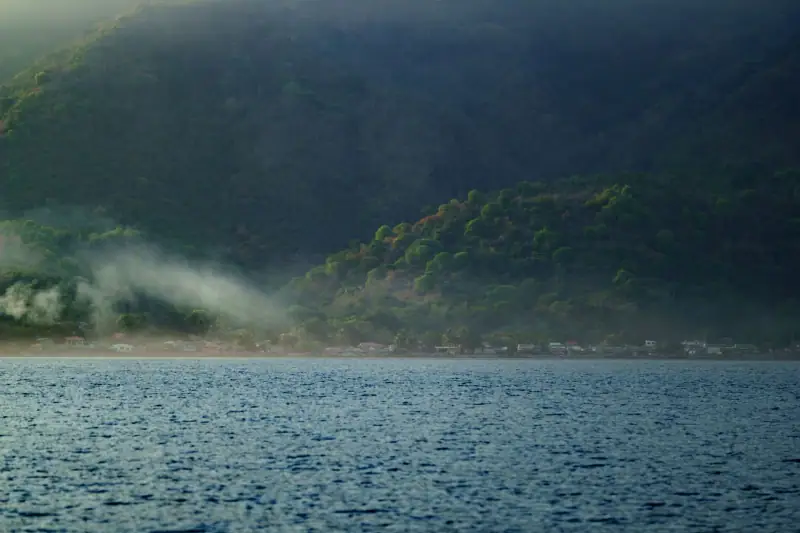
Deshaies is the most obvious base in the north of the coast. The town sits at the back of a crescent-shaped bay, lined with palm trees, with its small harbor and church. It is a pleasant place to stroll late in the day, when the boats come in.
Why stay here?
- A village feel, with a few shops, restaurants and bakeries.
- Beaches nearby, including the big Grande Anse beach, with golden sand, often cited among the most beautiful on the island.
- The Deshaies botanical garden, up on the hillside, for a shaded visit. Its entrance fee is detailed in our budget guide.
- A peaceful setting, ideal for unwinding after a few active days.
Lodging types in Deshaies
Around the town and on the hills, you will mostly find:
- apart-hotels and small hotels, sometimes close to Grande Anse;
- bungalows in tropical gardens, with a terrace and sea views for the best placed;
- gîtes and villas to rent for a week or more;
- a few guesthouses (chambres d’hôtes) run by private hosts.
Always check the exact location: a lodging “in Deshaies” can be on the waterfront or several kilometers away, at the end of a steep road. Look at the map on the listing before booking.
Places to stay in Deshaies
Compare the hotels, apartments and bungalows available in Deshaies for your dates, with cancellation conditions.
Grande Anse: staying near the beach
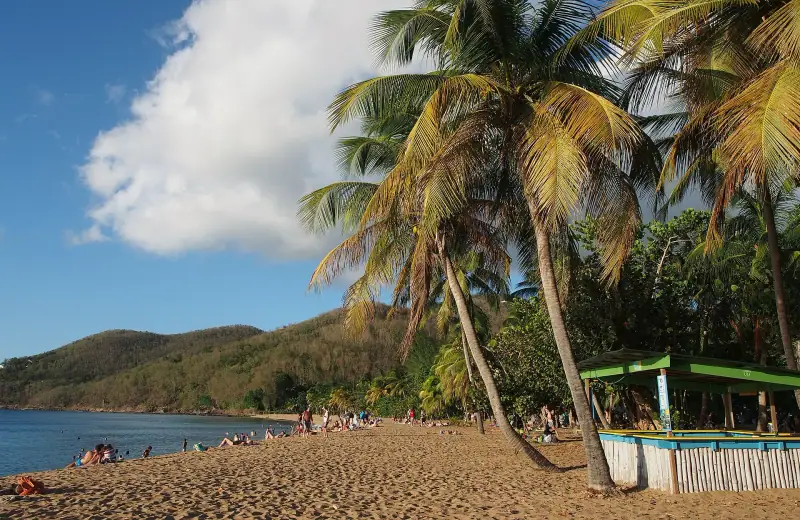
If your priority is to stay a few minutes from the sea, the Grande Anse area, a few kilometers north of the town of Deshaies, is the most practical. The beach is long, lined with palm trees and sea grape trees, and the sunset is spectacular. Several lodgings are concentrated there, sometimes a few minutes’ walk or drive from the sand.
A few useful points:
- Swimming calls for vigilance: depending on the day, the sea can be rough on some of the big beaches. Follow local guidance and be careful with children.
- Services are limited there: for groceries, you often have to go back toward the town.
- Prices are higher than inland, because proximity to the beach is a selling point.
To compare this beach with the others, see our selection of the best beaches in Guadeloupe.
Pointe-Noire and Malendure: between volcano and sea
Farther south, the town of Pointe-Noire and the Malendure area, in Bouillante, form the center of the leeward coast for water activities. Malendure is the departure point for many trips to Pigeon Island and the Cousteau Reserve. It is the place to favor if diving is the main goal of your trip; our article on diving and snorkeling in the Cousteau Reserve details the options for beginners and experienced divers.
Lodging types
Supply there is dominated by small hotels, gîtes and bungalows on the hillside, often with an open view of the islets. Several dive clubs are based in the area, so you can book lodging nearby and limit early-morning drives.
Advantages
- Very close to departures for sea trips;
- Sea views and sunsets;
- A simple atmosphere, far from the big resorts.
Limits
- Little nightlife and scattered restaurants;
- Winding roads: allow time between two points;
- Major shops are a few kilometers away.
Bouillante: hot springs and a dive base
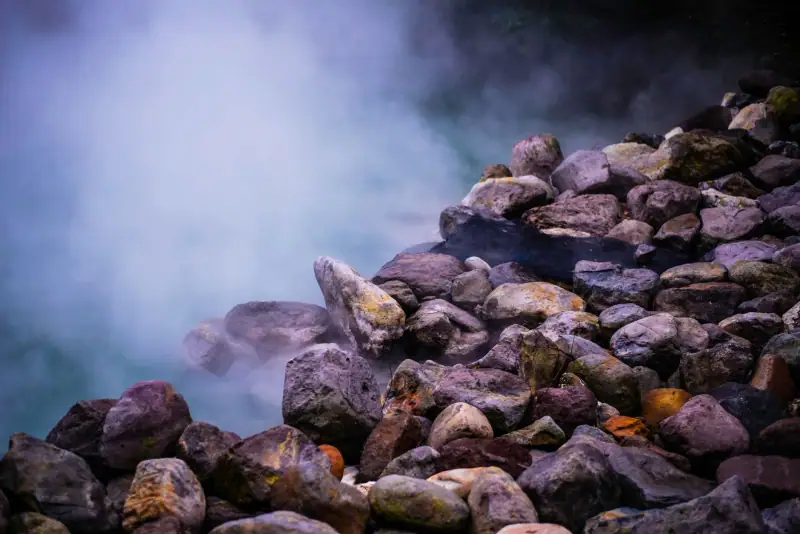
The town of Bouillante takes its name from the hot springs linked to the region’s volcanic activity. It is a practical stop if you want to combine diving, swimming and sightseeing in Basse-Terre. Lodging there is varied but limited: small hotels, gîtes, a few vacation rentals.
Bouillante is also well placed if you want to reach southern Basse-Terre or La Soufrière in the same day. If you are preparing to climb the volcano, read our article on the La Soufrière hike to plan your schedule.
Comparing the areas: a quick table before choosing
| Area | Atmosphere | Best for | Watch out for |
|---|---|---|---|
| Deshaies town | Fishing village, restaurants, harbor | Couples, walks | Lodgings sometimes on the hillside |
| Grande Anse | Big beach, sunset | Lounging, careful families | Sea sometimes rough |
| Malendure / Pointe-Noire | Water activities | Divers, snorkeling | Little evening activity |
| Bouillante | Hot springs, central base | Multi-stop trips | More limited supply |
This table is only a guide: read recent reviews and look at the exact position of the lodging on the map.
How long to stay and how to fit it into your trip
The leeward coast fits well into a multi-stage stay. A common pattern is to start on the south coast of Grande-Terre for the beach, then head up to Basse-Terre to finish on the leeward coast. Our 7-day Guadeloupe itinerary illustrates this progression, and the 3-day Basse-Terre road trip shows how to link the main sites.
A few practical guidelines:
- One-week stay: two or three nights on the leeward coast are enough for a boat trip, a beach and a visit to a garden or waterfall.
- Two-week stay: you can devote four to five nights to it and explore toward southern Basse-Terre.
- Late arrival: spend the first night near the airport to avoid driving at night, which is often winding and poorly lit.
Boat trips and diving
Discover the excursions, introductory dives and snorkeling trips you can book in Guadeloupe.
Car, groceries and daily life
On the leeward coast, a car is almost essential. Distances are short on the map but the coast road is winding: always allow a time margin. Book your vehicle at the same time as your lodging, especially in high season.
For meals, most lodgings are close to a village or a small grocery store, but supermarkets are rarer. If you rent a gîte with a kitchen, do a big grocery run on arrival and supplement with market produce; our guide to local markets and products will help you spot the good habits. To taste the local dishes, see also our article on Creole cuisine.
What to check before booking
View, orientation and access
Many lodgings on this coast sit on a hillside. The view can be superb, but access is sometimes by a narrow, steep road. Ask your host, especially if you arrive at night or in the rain.
Air conditioning, ventilation and mosquito nets
Basse-Terre’s dense vegetation increases humidity. Air conditioning or, at the very least, a good fan and mosquito nets are valuable. Mosquitoes are present all year: our article on what to pack details what to slip into your suitcase.
Cancellation and hurricane season
From June to November it is hurricane season in the Caribbean. Prefer a booking that can be changed or canceled for free, and read the conditions in case of a weather event. To choose the best period, see our guide when to go to Guadeloupe. Travel insurance can also be useful.
Budget
The price of a night varies a lot with the season, proximity to the sea and the type of lodging. Rather than relying on the displayed rate, compare the total price (cleaning, tourist tax, linen) and add the cost of the car and meals. Our article on the budget in Guadeloupe helps you do this calculation, and the one on choosing between a gîte, a bungalow and a hotel spells out the advantages of each option.
Tips by profile
- Couple looking for calm: a bungalow or guesthouse in the hills of Deshaies, with a view over the bay.
- Diver: a small hotel or gîte near Malendure or Bouillante, to limit early-morning drives.
- Family: a residence with a kitchen near Grande Anse, keeping in mind that the sea can be rough there.
- Hiker: a base in Deshaies or Bouillante to explore toward the national park.
- Tight budget: a gîte with a kitchen, groceries from the market and simple meals.
Places to stay on the leeward coast
Compare lodging in Bouillante and Malendure, close to boat trips.
Common mistakes to avoid
- Underestimating drive times: the coast road is winding, and traffic around Pointe-à-Pitre can be heavy on the way there and back.
- Choosing a lodging without reading the location: “Deshaies” refers to a large municipality, not just the town.
- Forgetting the car: without a vehicle, getting around becomes complicated.
- Booking last minute in high season: supply is limited and the best places go early.
- Planning too much per day: on this coast the pace is slow. Keep time for the beach and the sunsets.
In summary
The leeward coast is the best area if you want to combine calm, nature and sea. Deshaies appeals with its village and big beach, Malendure and Pointe-Noire with their closeness to boat trips, and Bouillante with its central position. Choose your base by main activity, book early in high season, plan on a car and check the cancellation conditions. You will find a quieter Guadeloupe, far from the bustle of the south coast.
Frequently asked questions
Where should you stay on the leeward coast: Deshaies or Bouillante?
Deshaies suits you if you want a fishing village, a big beach and a peaceful atmosphere in the north of the coast. Bouillante, farther south, is better placed for diving and the Cousteau Reserve. If you hesitate, choose by main activity: walks and beach for Deshaies, diving for Bouillante.
Do you need a car to stay in Deshaies?
Yes, in the vast majority of cases. Public transport is infrequent and lodgings are often on hillsides or away from the town center. A rental car remains the most practical way to reach beaches, trails and shops.
How long does it take from Pointe-à-Pitre airport?
Allow about an hour of driving to reach Deshaies, a little more if there is traffic around Pointe-à-Pitre. For a late arrival, it is often more comfortable to spend the first night near the airport and head up to the leeward coast the next day.
How many nights should you plan on the leeward coast?
Two to four nights are enough to enjoy the beach, a dive or snorkeling trip, and a garden or waterfall. Beyond that, this coast makes a very good base for exploring Basse-Terre.
Are the leeward coast beaches suitable for children?
They are generally more sheltered than those on the Atlantic coast, but the sea can be rough on some days, especially on some of the big beaches. Ask your host for advice and follow the swimming flags.
When should you book lodging in Deshaies?
In high season, from December to April, and during school holiday periods, book several months ahead: supply is more limited than on the south coast of Grande-Terre. Out of season, availability is better.
Are there mosquitoes and humidity on this coast?
Yes, as everywhere in Guadeloupe, and Basse-Terre's dense vegetation adds to the humidity. Check for mosquito nets and good ventilation, and bring a repellent.
More Guadeloupe guides
Keep reading
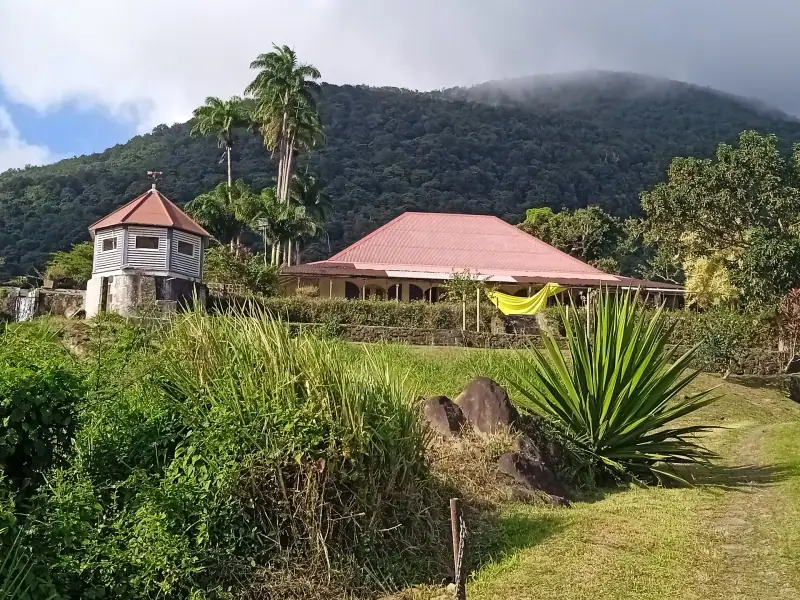
Where to stay in Trois-Rivières before the boat to Les Saintes
Where to stay near the Trois-Rivières dock before the crossing to Les Saintes? Areas, alternatives, parking, schedules and tips.
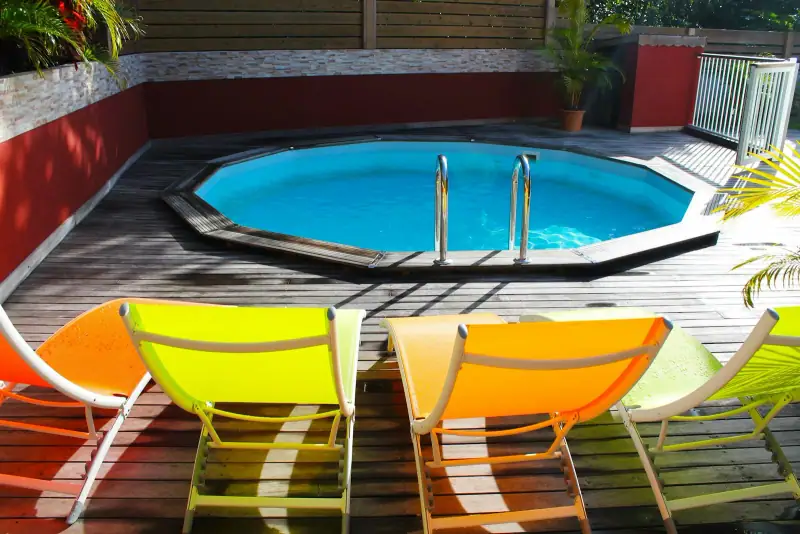
Where to stay in Guadeloupe: which area to choose for your trip
Where to stay in Guadeloupe? Le Gosier, Sainte-Anne, Saint-François, Deshaies, Bouillante, Les Saintes, Marie-Galante: areas compared by type of trip.
Water sports in Guadeloupe: kayak, kitesurfing, paddleboarding and boat trips
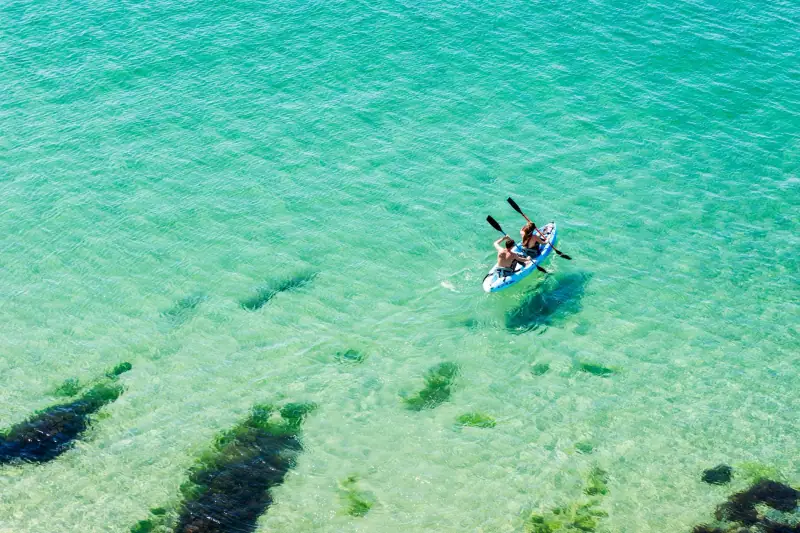
Mangrove kayaking, kitesurfing, paddleboarding, catamaran trips and whale watching: where to do water sports in Guadeloupe, when and with what precautions.
Ready-made
Guadeloupe itineraries
3 days
Grande-Terre in 3 days: beaches, cliffs and Pointe des Châteaux
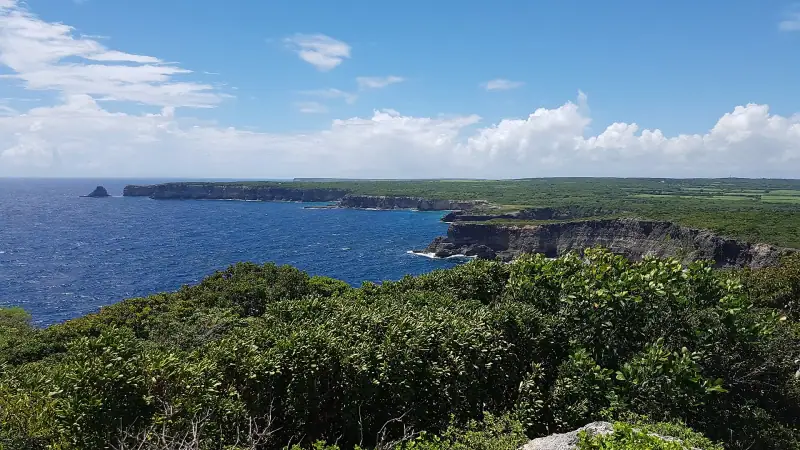
A 3-day itinerary in Grande-Terre: Le Gosier, Sainte-Anne, Saint-François, Pointe des Châteaux, Le Moule and the northern cliffs. Stops, tips and bases.
5 days
Guadeloupe in 5 days without a car: a realistic itinerary
Visiting Guadeloupe without a car in 5 days is possible: a base in Le Gosier or Sainte-Anne, buses, taxis, excursions and the boat to Les Saintes.
3 days
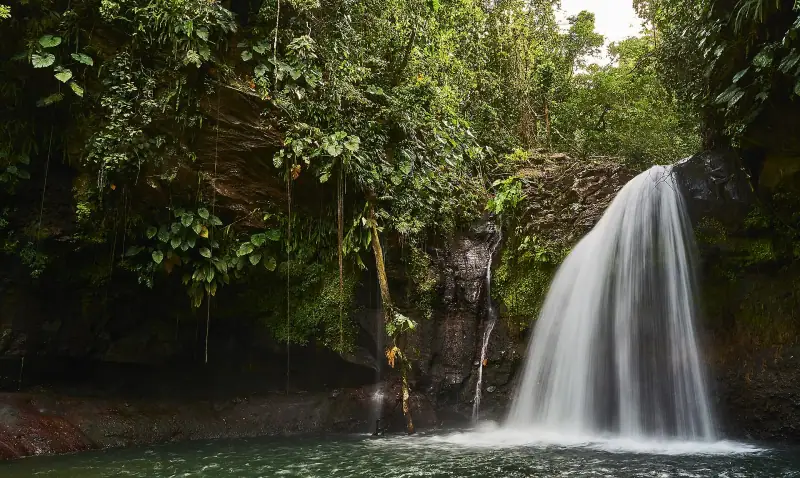
Basse-Terre road trip in 3 days: volcano, waterfalls and the leeward coast
Southern Basse-Terre (Capesterre-Belle-Eau or Saint-Claude)Leeward coast (Bouillante or Deshaies)