What to see
Complete guide to visiting Germany: cities, regions, budget and tips
We may earn a commission when you book through links on this page, at no extra cost to you. We don't visit or try the places we cover: we summarize published sources. How we work
In short
- Germany is a large, varied federal country: pick one or two regions rather than trying to do everything. Allow three to four days for one big city and a week for two nearby regions.
- May to September suits cities, hikes and terraces; December suits Christmas markets; September and October suit vineyards and fall colors.
- Getting around without a car is comfortable in most cases thanks to a dense rail network; a car helps for the Black Forest, isolated Bavarian villages and the Romantic Road.
- Rough daily budget excluding flights: about €70 to 90 (about $80 to 105) for a thrifty traveler, €130 to 180 (about $150 to 210) for comfort, and over €280 (about $325) for high-end.
Germany is one of those destinations you think you know before you have really set foot there. A neighboring country for many Europeans, it is far more varied than its clichés of beer and sausages: from the beaches of the North Sea and the Baltic to the peaks of the Bavarian Alps, from the vineyards of the Moselle to the fir forests of the southwest, from creative metropolises like Berlin to half-timbered villages that look straight out of a fairy tale. Its geography is that of a federal country, where each region keeps its identity, its dialect, its cooking and its festivals.
This guide is the starting point for planning your trip. It presents the main regions and the cities not to miss, the must-sees, the best season, how to get there and around, the types of lodging and the budget to expect. At each step, links send you to our detailed articles to go further. The figures given are orders of magnitude, to be checked when you book.
Germany in brief: what to know before you go
Germany is a large country in central Europe, bordered by Denmark, Poland, Czechia, Austria, Switzerland, France, Luxembourg, Belgium and the Netherlands. It is made up of sixteen federal states, the Länder, including three city-states: Berlin, Hamburg and Bremen. This federal organization explains the cultural diversity: public holidays, traditions and even culinary specialties vary from one Land to another.
A few practical pointers:
- Currency: the euro.
- Language: German, with good English spoken in cities and tourist sites.
- Formalities: Germany is part of the Schengen area. Entry rules depend on your passport. Check the official travel advice of your government before you book: travel.state.gov (US), GOV.UK (UK), travel.gc.ca (Canada), Smartraveller (Australia) (checked November 2026). Our article on entry requirements for Germany details documents, insurance and precautions.
- Punctuality and rules: people obey pedestrian signals, schedules and Sunday quiet. On Sundays, most shops are closed, which matters when planning your shopping.
One important point: distances. Germany is bigger than you might think. Getting from Hamburg to Munich takes several hours by high-speed train. It is therefore better to build a trip around one or two regions rather than trying to “do it all”.
The main regions to know
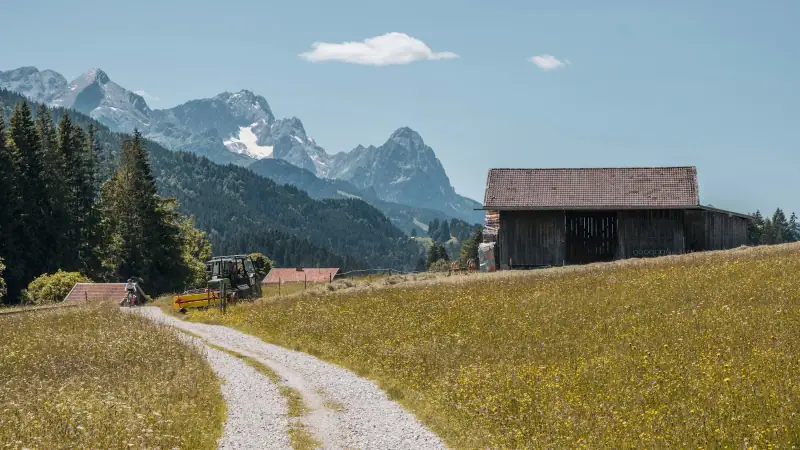
Our guides organize the country into six main areas. Each matches a different type of trip.
Berlin and Brandenburg
The capital is the largest and most cosmopolitan city in the country. You read 20th-century history in the open air: remains of the Wall, the Brandenburg Gate, Museum Island, alternative neighborhoods and a very lively art scene. Around it, Brandenburg offers lakes, forests and the city of Potsdam, known for its palaces and gardens. Berlin is well visited in three to four days; our 3-day Berlin itinerary offers a realistic sequence of neighborhoods.
Bavaria
This is the image many visitors have of Germany: beers, traditional costumes, Alpine villages and castles. Munich is its capital, with its museums, beer gardens and proximity to the Alps. Farther south, the Füssen region holds one of the most famous castles in the world. To the north, the Romantic Road links small medieval towns. Bavaria is also where you find the most accessible mountain landscapes, lakes and hikes. See our 3-day Munich itinerary and our article on Neuschwanstein and Füssen.
The Rhine valley and the Moselle
The Romantic Rhine is a stretch of the river listed as a UNESCO World Heritage site: vine-covered slopes, perched castles, riverside villages. Cologne, with its Gothic cathedral, is the big urban gateway. The Moselle, calmer, appeals to fans of white wine and bike rides. For a condensed version, see our 2-day Romantic Rhine circuit.
The Black Forest
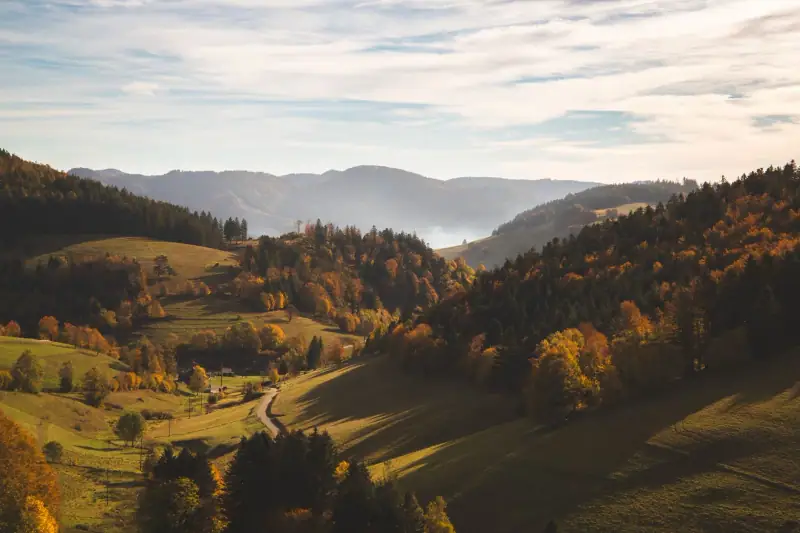
In the southwest, between Freiburg and Baden-Baden, the Black Forest mixes wooded hills, lakes, villages of traditional farms and spa towns. It is a region best covered by car or on foot, with many marked trails. The details are in our 3-day Black Forest itinerary.
Saxony
Dresden, the “Florence of the Elbe”, has regained its Baroque center after the destruction of the war. Saxony is also Leipzig, a city of music and culture, and Saxon Switzerland, a sandstone massif with spectacular cliffs, great for hiking. This region is often cheaper than the south of the country. Read our 2-day Dresden itinerary.
The North
Hamburg, a large port city, appeals with its canals, its listed warehouse district and its maritime atmosphere. Farther on, Bremen and its medieval lanes, the North Sea, the islands and the Baltic coast offer a more sober and windier Germany. Our 2-day Hamburg itinerary helps you organize a short stay.
Cities not to miss
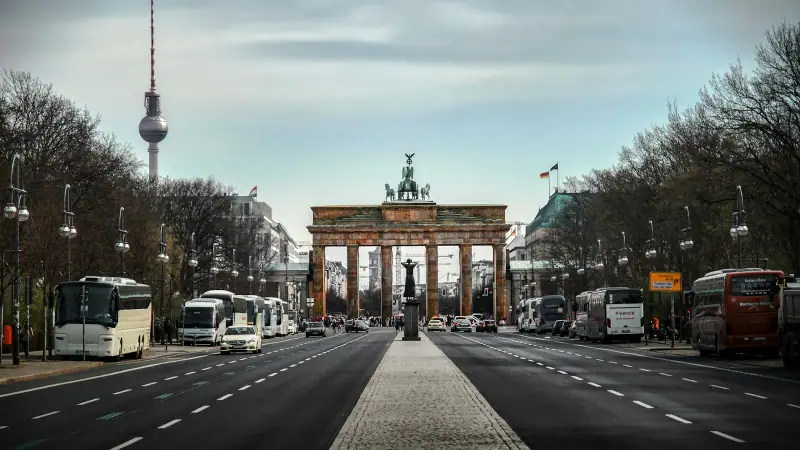
If you could only remember a few cities, these are the ones that come up most often in successful trips.
Berlin: history and creation
Berlin appeals with its mix of atmospheres: the historic Mitte district, the memory of the Wall, parks, markets, nightlife, museums. The city is very sprawling and is covered by U-Bahn, tram and S-Bahn. For lodging, the choice of neighborhood changes everything; our guide to where to stay in Berlin by neighborhood helps decide between lively, residential and central areas.
Munich: Bavaria in the city
Munich concentrates a large number of museums, gardens, breweries and beer gardens in a center that is very pleasant on foot. It is also an excellent base for reaching the lakes and the Alps. The city sees peaks in crowds and prices during Oktoberfest and the big trade fairs, which you need to anticipate in your planning.
Hamburg: the harbor and the canals
The country’s second city, Hamburg is discovered along the water: the harbor, the Elbe, the canals, the converted red-brick warehouses. The Elbphilharmonie concert hall dominates the landscape. The atmosphere is more relaxed and more maritime than that of the southern cities.
Cologne: the cathedral and the Rhine
Cologne is organized around its Gothic cathedral, visible as soon as you leave the station. The city is also known for its local beer, Kölsch, served in small glasses, and for its carnival. It is an excellent starting point for going up the Rhine.
Dresden: rebuilt Baroque
Dresden fascinates with the reconstruction of its Baroque center, today one of the finest urban ensembles in the country. The city is compact, easy to visit in two days, and serves as a base for Saxon Switzerland.
Heidelberg and Nuremberg: romance and history
Heidelberg, with its ruined castle overlooking the Neckar and its old town, is the archetype of the romantic little university town. Nuremberg, in Franconia, combines a medieval center and the memory of the 20th century, with museums that address the history of Nazism. Both cities combine very well with a circuit in Bavaria or in the southwest.
Guided tours in the big cities: to understand the history of a city, a tour with a guide often provides useful insight. Compare durations, languages offered and cancellation conditions before you book.
The must-sees of a first trip
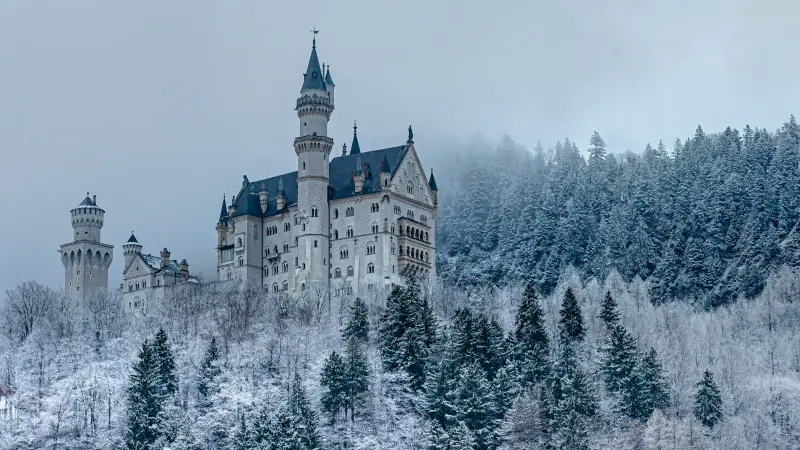
Every traveler builds a list, but some places and experiences come up almost every time.
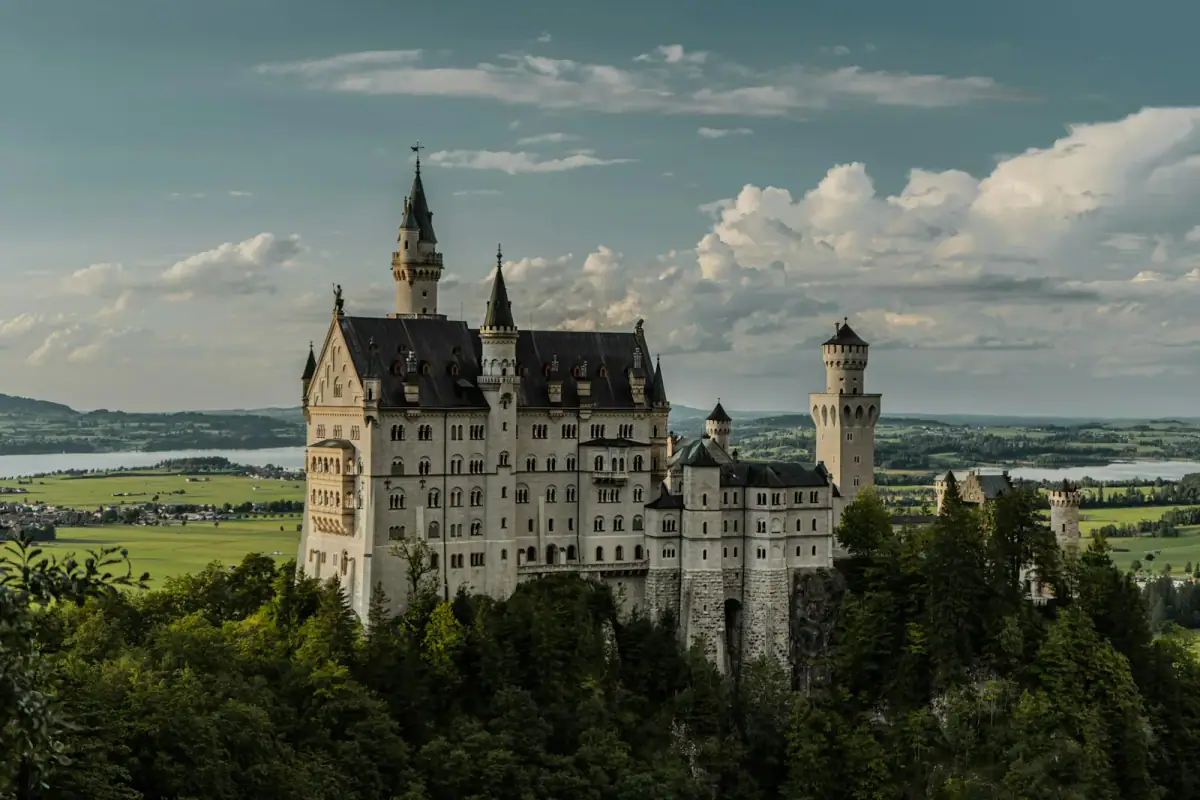
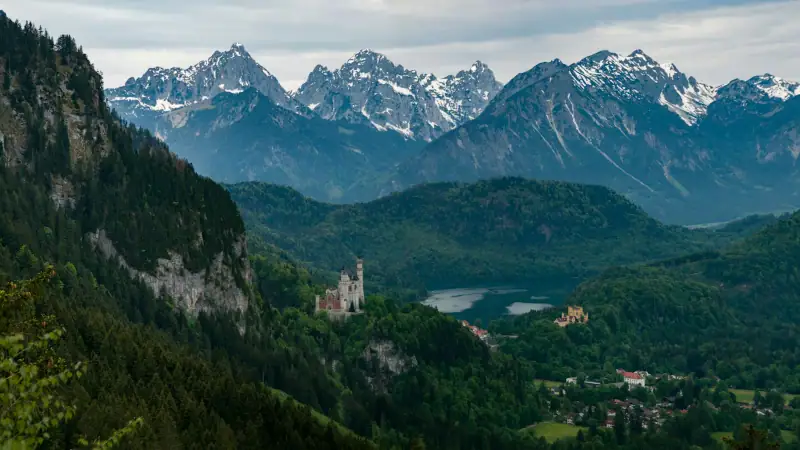
Neuschwanstein Castle. Built in the 19th century for King Ludwig II of Bavaria, it overlooks a landscape of forests and mountains near Füssen. It is one of the most visited sites in the country: it is better to book your visit in advance and plan half a day to a full day. There is a full article on it: visiting Neuschwanstein from Füssen.
The Brandenburg Gate and the memory of the Wall in Berlin. Between the remains of the Wall, the memorials and the museums, Berlin lets you understand the division of Germany and its reunification.
The Romantic Rhine. A cruise or a walk along the river lets you see a succession of castles and wine villages. It is one of the most emblematic cultural landscapes of the country.
Cologne Cathedral. A Gothic masterpiece, it dominates the city and can be visited inside, with a possible climb up one of its towers for a view of the city.
The Black Forest. For hiking, traditional villages and local specialties. It is also the origin of the famous cherry and cream cake that bears its name.
Christmas markets. In December, almost every German city holds a market with mulled wine, crafts and specialties. Nuremberg, Dresden and Cologne are well-known stops, but small towns often have a more intimate charm.
The Bavarian Alps and their lakes. Hikes, mountain trains and traditional villages: an escape from Munich is easy to organize.
Food. Bread, cold cuts, beers, Moselle and Rhine wines, pastries: Germany is also discovered at the table. Our article on German food specialties presents what to taste, region by region.
When to go to Germany
Germany has a temperate climate with four well-marked seasons. There is no “bad” season, but each period has its strengths and constraints. Our dedicated article, when to go to Germany, details the months and events; here is the essential.
Spring (March to May). Parks and gardens turn green again, terraces reopen and temperatures become pleasant. It is a very good time for cities and for low-altitude hikes. Prices stay reasonable before summer, except during long weekends and school holidays.
Summer (June to August). This is the high season for the Alps, the lakes, the Rhine cruises and the North coast. Days are long, which lets you pack in more visits. The best-known sites, like Neuschwanstein, are then very busy, and lodging prices go up. Plan advance bookings.
Fall (September to November). September and October are excellent: grape harvests in the Rhine and Moselle vineyards, colorful forests in the Black Forest, still mild temperatures. It is also the time of Oktoberfest in Munich, which draws a considerable crowd and pushes lodging prices up across the region. If the festival does not interest you, avoid Munich on those dates.
Winter (December to February). December is Christmas market season, with a warm atmosphere but very busy cities. From January to March, temperatures are cool and days short, but museums, thermal baths and cafés are assets, and prices are often lower. The Bavarian Alps also allow winter sports.
For a first city trip, May, June, September and early October generally offer the best compromise between weather, crowds and prices.
Getting to Germany
Germany is easy to reach, by several means.
By plane. The big airports, such as those of Berlin, Munich, Frankfurt or Hamburg, are the main entry points, with scheduled airlines and low-cost carriers. Fares vary strongly with the time of year and how far ahead you book. Always compare while taking baggage and the transfer between the airport and the city center into account.
Compare flights before fixing your dates: a shift of a day or two can change the price noticeably. Also consider comparing several arrival airports, because a train trip from another city can cost less.
By train. If you are already in Europe, international high-speed and long-distance trains link Germany to its neighbors and reach the city centers directly, avoiding airport constraints. Check the routes and times on the official rail websites.
By car. If you drive in from a neighboring country, plan for the environmental sticker needed to enter certain urban areas (the Umweltzonen) and for city parking rules. German motorways have no tolls for private cars, and some stretches have no permanent speed limit, but caution remains the rule.
By coach. Long-distance lines are often the cheapest, but slower. It is an option for small budgets and travelers with flexible schedules.
Getting around once there
The German transport network is dense and efficient, even though the punctuality of trains is often more uncertain than its reputation.
The train. Deutsche Bahn links most cities. ICE and IC are the fast trains, RE and RB the regional trains. Fares on fast trains are much cheaper when you book early. Allow margin for connections: a delay can shift a whole day.
The Deutschlandticket. This monthly subscription lets you travel on local and regional transport across the country, but not on ICE and IC trains. It can be worthwhile for a stay of one to two weeks with many regional trips. Conditions and price change: see our article on the budget for Germany and check the official information before buying.
Urban transport. The U-Bahn, trams, buses and S-Bahn cover the big cities well. Tickets sometimes have to be validated before boarding, which surprises travelers: find out locally, because checks exist and the fine is dissuasive.
Rental car. It becomes relevant for the Black Forest, the Romantic Road, Bavarian villages or Saxon Switzerland. In cities, it is rather a drawback: expensive parking, low-emission zones, heavy traffic. Check the rental conditions, the deductible and the insurance before booking.
Cycling. Germany has many bike paths, notably along the Rhine and the Moselle. In cities, bike rental is common. Respect the bike lanes: locals, on foot and on two wheels, watch them closely.
Where to stay in Germany
The range of lodging is varied: hostels, chain hotels, family guesthouses (Pension or Gasthof), apartments, private rooms and boutique hotels. Quality is generally consistent, and places are clean and well kept.
In cities. The choice of neighborhood matters more than the hotel category. In Berlin, for example, the city is so sprawling that staying near a well-connected U-Bahn station is better than a central hotel that is poorly served. Our article where to stay in Berlin shows how to reason by area. The same principle applies to Munich, Hamburg or Cologne: lodging near the main station (Hauptbahnhof) simplifies arrivals and departures, but the neighborhood can be less pleasant in the evening.
In the countryside and mountains. In the Black Forest, Bavaria or the Rhine valley, guesthouses and small family inns offer very good value. Many offer a hearty breakfast. In high season and during events, book well ahead.
High-demand periods. During Oktoberfest, trade fairs and Christmas markets, prices can rise sharply and rooms fill up. If you travel on those dates, book early and favor offers with free cancellation, which keep your options open.
Compare lodging in Germany: test several dates and several neighborhoods, and filter offers with free cancellation to book without risk. Read the exact location carefully and the distance to the station.
Budget: how much to plan for a trip to Germany
Germany is neither a cheap destination nor an overpriced one. Prices vary strongly by city and season: Munich, Frankfurt and Hamburg are generally more expensive than Berlin, Leipzig or Dresden. The three main items are lodging, intercity transport and meals.
To fix ideas, excluding flights, a thrifty traveler can expect to spend roughly €70 to 90 (about $80 to 105) per day per person, a comfort traveler €130 to 180 (about $150 to 210), and a high-end trip easily exceeds €280 (about $325). These figures are benchmarks, not guaranteed rates. Our article on the budget for a stay in Germany details each item and offers three costed profiles.
A few simple levers to cut the bill:
- Book long-distance trains in advance, because promotional fares are limited.
- Stay slightly away from the center, near a U-Bahn or S-Bahn station.
- Avoid trade fair dates, Oktoberfest and Advent if the budget is tight.
- Eat at lunch in restaurants with a set menu or in bakeries and markets.
- Alternate paid visits and free discoveries: parks, waterfront walks, historic neighborhoods and churches.
For payments, the euro is used everywhere, but keep a little cash for small shops. In restaurants, service is included, but people round up the bill or leave about 5 to 10%.
What to eat and drink in Germany
German cooking is generous and regional. Bread is an art there: complex varieties, seeds, rye, sourdough. Cold cuts, sausages of many kinds, slow-cooked dishes, potatoes in every form and pastries are part of daily life. People drink beer, of course, with styles specific to each city, but also white wines, notably Riesling from the Moselle and the Rhine.
A few regional pointers: Bavaria is associated with pretzels, white sausages and breweries; Cologne with its Kölsch beer; the Black Forest with the cake of the same name and smoked ham; Saxony with its pastries; the North with fish and harbor dishes. All the details, with tips for choosing well, are in our article on German food specialties.
For a more guided experience, a cooking class, a beer tasting or a food tour helps you better understand the products and meet locals.
Tastings and food tours: cooking classes, beer tastings or a food tour in town, these experiences help you discover local cooking with a guide. Check the program, the duration and the language before you book.
How to build your itinerary
The most frequent question is “how many cities in a week?” Our advice: no more than two bases for a week, three or four for ten to fifteen days. Each change of city costs half a day between luggage, travel and settling in.
Here are some combinations that work well:
- A long urban weekend: Berlin, Munich or Hamburg, with three days there. See our itineraries for three days in Berlin, three days in Munich or two days in Hamburg.
- A week in Bavaria: Munich, then Füssen and Neuschwanstein, possibly with a stop on the Romantic Road or in Nuremberg.
- A week of culture and landscapes in the west: Cologne, then the Romantic Rhine, Heidelberg and the Black Forest.
- A week in the east: Berlin, then Dresden and Saxon Switzerland, with Leipzig as an option.
- Two weeks for a grand tour: Berlin, Dresden, Nuremberg, Munich, Füssen, then the Black Forest and the Rhine, planning train trips or a car for the last part.
Think about grouping cities by geography rather than by fame, and always check real travel times before building your program. More than 3 to 4 hours of travel in a day often ruins the visit.
Organized excursions from the big cities: if you do not have a car, a day excursion is sometimes the simplest way to reach a castle, a village or a landscape. Compare guided excursions with trips on public transport according to your pace.
Practical tips for a successful stay
A few local habits and precautions avoid unpleasant surprises.
Shop hours. On Sundays, almost all stores are closed, and hours are shorter on public holidays. Do your shopping the day before, or look for the bakeries and station shops that stay open.
Sorting rules and the bottle deposit. The Pfand system charges a small deposit on most bottles and cans. It is recovered in supermarkets. Do not throw away your bottles without checking: it is a deeply rooted local habit.
Connectivity. Mobile networks are good, but public Wi-Fi is less widespread than you might think. Check your carrier’s international plan or use a travel eSIM.
Safety. Germany is a safe country, but the usual precautions in stations and crowds apply. Consider travel insurance suited to your stay, especially for an expensive trip.
Respecting places of remembrance. Several sites, notably in Berlin and Nuremberg, are places of remembrance of the 20th century. Adopt a respectful attitude, avoid inappropriate photos and find out about the visiting rules.
Reservations. For very busy sites, notably castles, some museums and popular restaurants, booking ahead avoids lines and disappointments, especially in high season.
Where to start to prepare your trip
To structure your preparation, here is the order we recommend, with the useful articles at each step:
- Fix the period and the length, relying on when to go to Germany.
- Check documents and insurance in our article on entry requirements.
- Estimate the budget with the guide to the budget for Germany.
- Choose regions and cities, then the pace: Berlin, Munich, Hamburg, Dresden, the Romantic Rhine or the Black Forest.
- Book lodging and the main trips, with the help of our guide on where to stay in Berlin for the capital.
- Add the must-sees, such as Neuschwanstein and Füssen, and plan a few meals around the food specialties.
We regularly add new articles to this site: cities, hikes, food, lodging. Come back as you prepare to refine your trip.
Final word
Germany rewards travelers who take the time to choose: a region, a few cities, a reasonable pace, and a season suited to what you are looking for. It offers great cultural richness, good organization and varied landscapes, all within reach by train or road. Whether you dream of Berlin life, the Bavarian Alps, the slopes of the Rhine or the forests of the southwest, a well-prepared trip reveals the best of it. Start with the links in this guide, and build your itinerary step by step.
Frequently asked questions
How long do you need to visit Germany?
The country is large and varied: allow three to four days for a single big city, a week to combine two nearby regions (for example Munich and Bavaria), and two weeks for a circuit between the north, the Rhine and the south. It is better to choose one or two regions than to skim everything.
What is the best time to visit Germany?
May to September for cities, hikes and terraces; December for Christmas markets; September and October for vineyards and fall colors. Winter suits city stays and museums. Our dedicated guide details the seasons month by month.
Do you need a visa or a passport to go to Germany?
Entry rules depend on your passport. Check the official travel advice of your government before you book: travel.state.gov (US), GOV.UK (UK), travel.gc.ca (Canada), Smartraveller (Australia) (checked November 2026).
Can you visit Germany without a car?
Yes, it is even comfortable in most cases. The big cities are linked by a dense rail network, and urban transport is well organized. A car becomes useful for the Black Forest, isolated Bavarian villages or the Romantic Road if you want to stop freely.
What currency is used, and can you pay by card?
Germany uses the euro. Bank cards are increasingly accepted, but not always everywhere: some small shops, beer gardens or markets prefer cash. Always keep a little cash on you.
Is English spoken in Germany?
English is widely understood in cities and tourist places, especially among younger people. In villages and with older people, a few words of German (hello, thank you, please) are very much appreciated.
Which German cities should you choose for a first stay?
Berlin for 20th-century history and cultural life, Munich for Bavaria, beer and proximity to the Alps, Hamburg for the harbor atmosphere, Cologne for its cathedral and the Rhine, Dresden for its rebuilt Baroque center. The choice depends on your length of stay and interests.
More Germany guides
Keep reading
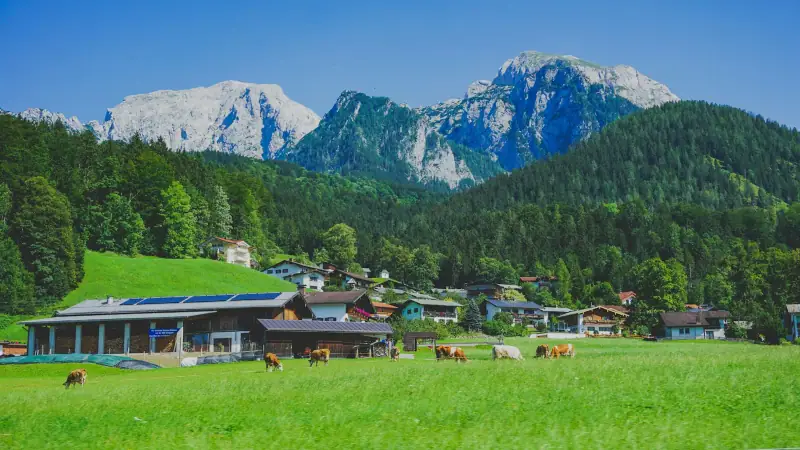
What to see in Bavaria: Munich, castles, the Alps and medieval towns
What to see in Bavaria: Munich, Neuschwanstein, the Romantic Road, Bamberg, Regensburg, Berchtesgaden and the Alps. Tips for planning your trip.
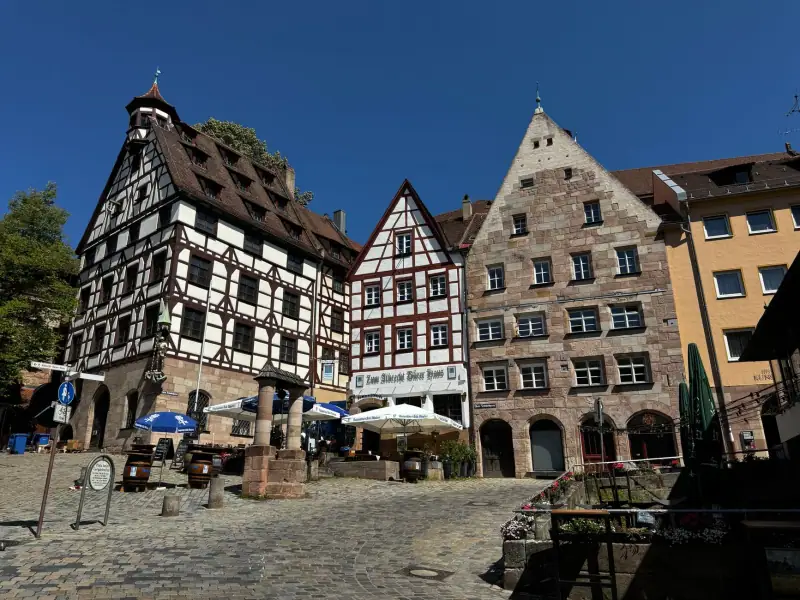
Visiting Nuremberg: what to see and do in 1 or 2 days
What to see in Nuremberg: Kaiserburg, old town, Dürer's house, Christmas market, Reichsparteitagsgelände documentation center and Bratwurst.
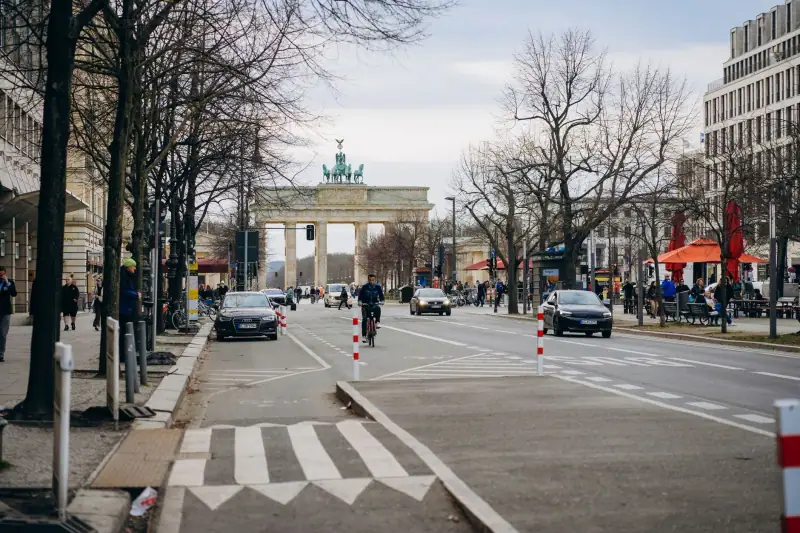
What to see in Berlin and Brandenburg: Potsdam, the Spreewald and nature escapes
What to see around Berlin: Potsdam and its palaces, the Spreewald by boat, the Rheinsberg lakes, the Schorfheide and Brandenburg's memorial sites.
Ready-made
Germany itineraries
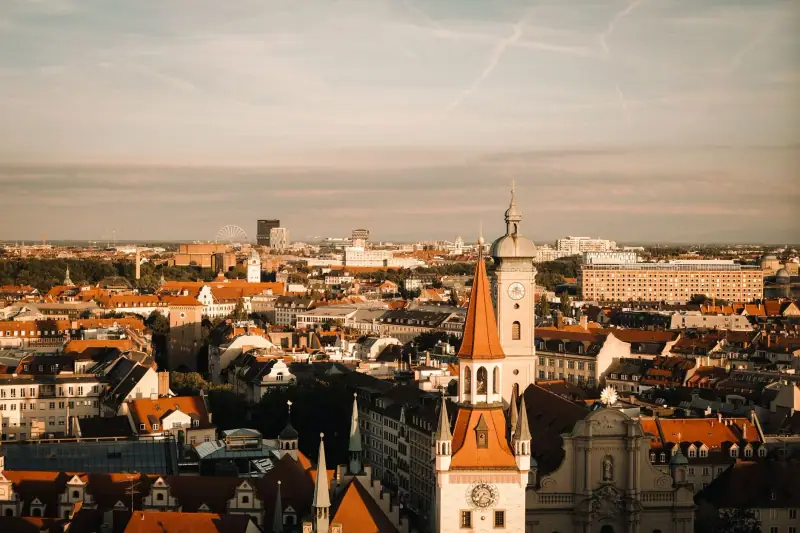
3 days
Munich in 3 days: an itinerary through the old town, museums and parks
What to do in Munich in 3 days? Marienplatz, Residenz, Englischer Garten, Nymphenburg, museums and beer halls: a day-by-day itinerary with practical tips.
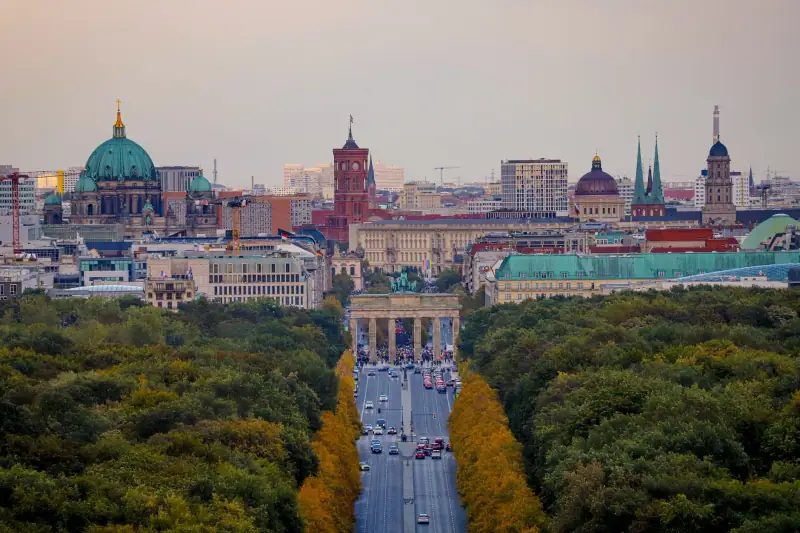
3 days
Berlin in 3 days: a day-by-day itinerary
What to see in Berlin in 3 days: Brandenburg Gate, Reichstag, Museum Island, Wall memorial, Potsdam and neighborhoods. A clear day-by-day itinerary.
3 days
Black Forest in 3 days: a road trip itinerary from Baden-Baden to Freiburg
A 3-day Black Forest itinerary: Baden-Baden, Triberg, Gutach, Freiburg im Breisgau, Titisee and Feldberg. Stops, drives, tips and where to stay.