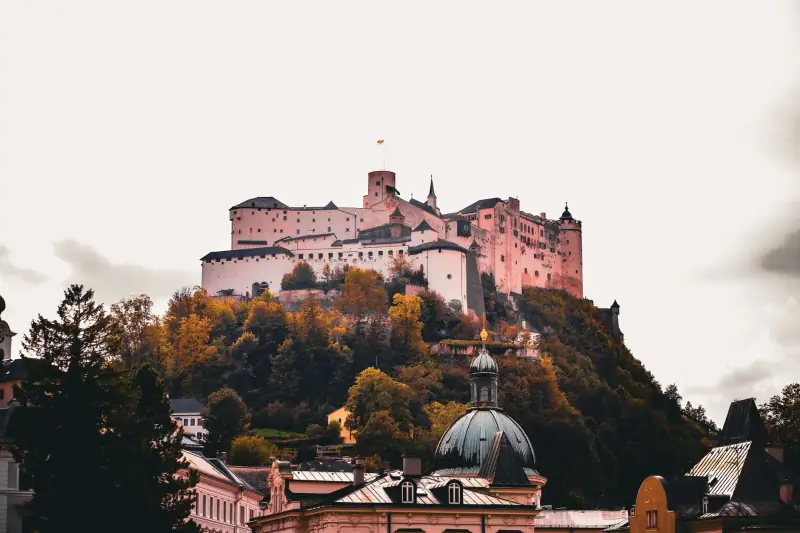
Itineraries
Munich in 3 days: an itinerary through the old town, museums and parks
We may earn a commission when you book through links on this page, at no extra cost to you. We don't visit or try the places we cover: we summarize published sources. How we work
Day by day
- Day 1Marienplatz, Frauenkirche, Viktualienmarkt, Residenz, Hofbräuhaus
- Day 2Museums (Pinakotheken or Deutsches Museum), Englischer Garten
- Day 3Nymphenburg Palace, Olympiapark, BMW Welt
Weather through the year on this route
| Jan | Feb | Mar | Apr | May | Jun | Jul | Aug | Sep | Oct | Nov | Dec | |
|---|---|---|---|---|---|---|---|---|---|---|---|---|
| High °F (°C) | 362 | 394 | 479 | 5614 | 6418 | 7122 | 7524 | 7524 | 6619 | 5714 | 457 | 373 |
| Low °F (°C) | 25-4 | 26-3 | 310 | 373 | 468 | 5211 | 5513 | 5513 | 489 | 415 | 331 | 28-2 |
| Rain in (mm) | 2.460 | 2.050 | 2.665 | 2.255 | 3.795 | 4.0105 | 4.3110 | 3.9100 | 2.975 | 2.770 | 2.565 | 2.665 |
Normals 1991–2020 at Munich and Rothenburg ob der Tauber: averages over 30 years, not a forecast. Source: NASA POWER (MERRA-2), grid of about 50 km. Figures computed by us in November 2026.
In short
- Three days: the old town around Marienplatz, then museums and the Englischer Garten, then Nymphenburg Palace and the Olympiapark.
- Munich is compact: the center is walkable, and the U-Bahn, trams and S-Bahn serve the main sights. A car is only useful for trips to the Alps or the lakes.
- Oktoberfest runs from mid-September to early October: rooms are booked early and prices climb. Spring and early fall are the most pleasant.
- A fourth day works for a trip to Neuschwanstein and Füssen, about two hours from Munich by train with a change.
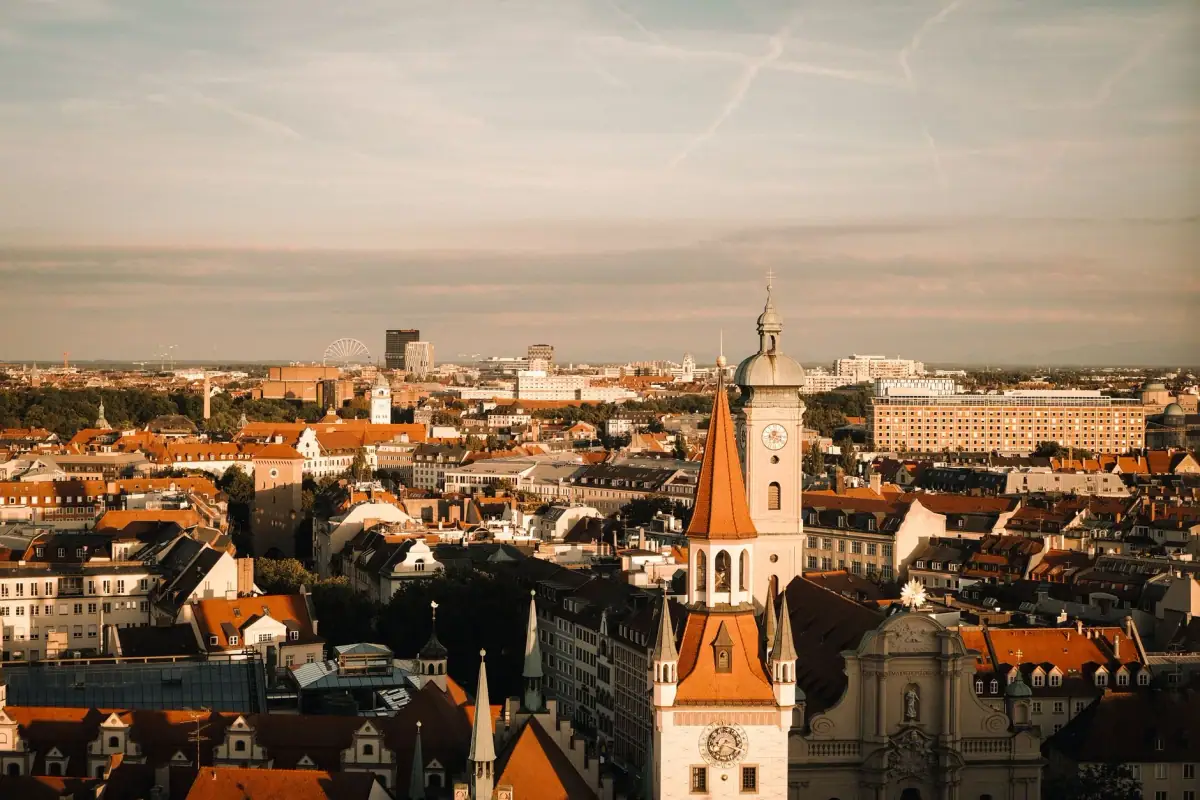
Capital of Bavaria, Munich strikes a rare balance between tradition and modernity: a medieval square, Baroque palaces, major museums, huge gardens and beer halls with long wooden tables. The city is compact, well served by public transport and easy to discover in a few days, which makes it an ideal base for a first trip to southern Germany.
This three-day itinerary is meant to be realistic: one day for the old town, one day for museums and parks, and a last day for the palaces and the west of the city, or for a day trip if you prefer to leave town. You can extend it with our guide to Neuschwanstein Castle and Füssen, with a train trip to the Partnachklamm gorge near Garmisch, or with a detour into German food specialties.
Before you go: transport and planning
Munich has a network of U-Bahn lines, trams, buses and suburban trains (S-Bahn) that covers the center as well as the more distant sights. Tickets must be validated before boarding, and day passes or multi-day passes are available. Compare them with the number of trips you plan to make: in the old town, almost everything is done on foot.
The main station, the Hauptbahnhof, is a practical landmark for choosing where to sleep: it brings together national and international trains, the U-Bahn and the S-Bahn. The area is lively and not especially charming, but it makes arrivals and departures simple. For a more pleasant evening atmosphere, the historic center, Maxvorstadt and the Glockenbach district are popular alternatives.
As for the calendar, mid-September and early October are dominated by Oktoberfest: rooms must be booked very early and prices go up. Outside that period, spring and early fall offer the most pleasant conditions. In winter, the city is dressed up in its Christmas markets, but the days are short and cold.
Where to stay in Munich: hotels in the center and near the station fill up fast, especially around Oktoberfest and major trade fairs. Compare the places available for your dates and check the walking distance to Marienplatz or to a U-Bahn station.
Day 1: the old town around Marienplatz
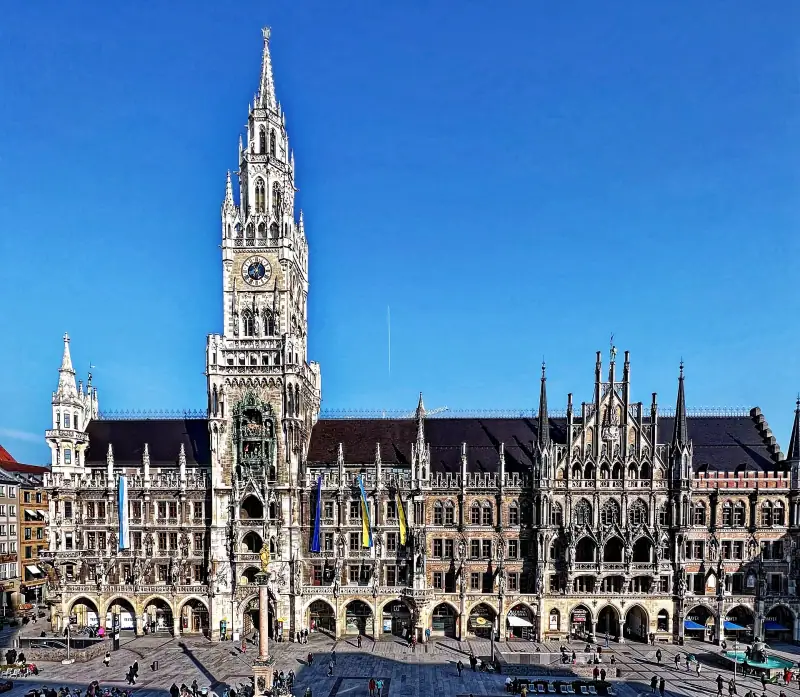
Start at Marienplatz, the historic heart of Munich, dominated by the Neues Rathaus, the neo-Gothic New Town Hall. Its carillon, the Glockenspiel, stages a show of figurines at set times: the show is short, but it always draws a large crowd. It is best to arrive a few minutes early to find a good spot.
From the square, a few minutes’ walk leads to the Frauenkirche, the Cathedral of Our Lady, recognizable by its two towers topped with onion domes, which have become one of the symbols of the city. The interior is plain and tall, and you can usually visit the church outside of services. Nearby, the Viktualienmarkt is a permanent market where you will find cheeses, cold cuts, fruit and many food stalls: it is a handy place for a quick lunch.
In the afternoon, head to the Residenz, the former palace of the dukes and kings of Bavaria. This vast complex includes several courtyards, state rooms and collections that trace several centuries of power. Allow at least two hours if you want to see the essentials. End the day at a traditional beer hall: the Hofbräuhaus, very popular with travelers, is still an experience to have at least once, even if it is best to go early to find a seat.
Munich guided tours: to understand the history of the city and avoid hunting for your way, compare the walking tours and themed tours offered in the center. Check the duration, the guide's language and the meeting point before you book.
Day 2: museums and the Englischer Garten
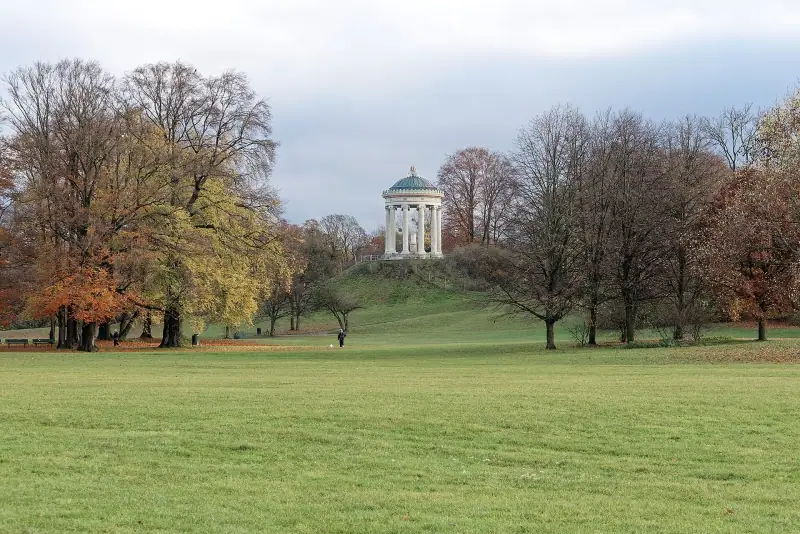
The second day can be devoted to museums. Munich has a district dedicated to the arts, the Kunstareal, which brings together several painting museums, notably the Pinakotheken, named for their collections of old, modern and contemporary art. If you can only choose one, check the current exhibitions: each museum has a different specialty, and it is hard to see everything in one morning.
Science and technology fans will prefer the Deutsches Museum, set on an island in the Isar, one of the largest science and technology museums in the world. It easily takes half a day, or even a full day: choose two or three sections rather than trying to see everything.
In the late afternoon, head to the Englischer Garten, one of the largest urban parks in Europe. You walk along streams, stop at beer gardens in the shade of chestnut trees and, near the south entrance, watch the surfers practicing on the artificial wave of the Eisbach. The atmosphere is relaxed and very local, and the park is one of the best places to understand the Munich way of life. If the weather is good, bring something for a picnic: it is often allowed in beer gardens that accept your own food, as long as you order your drinks there.
Day 3: Nymphenburg Palace and the Olympiapark
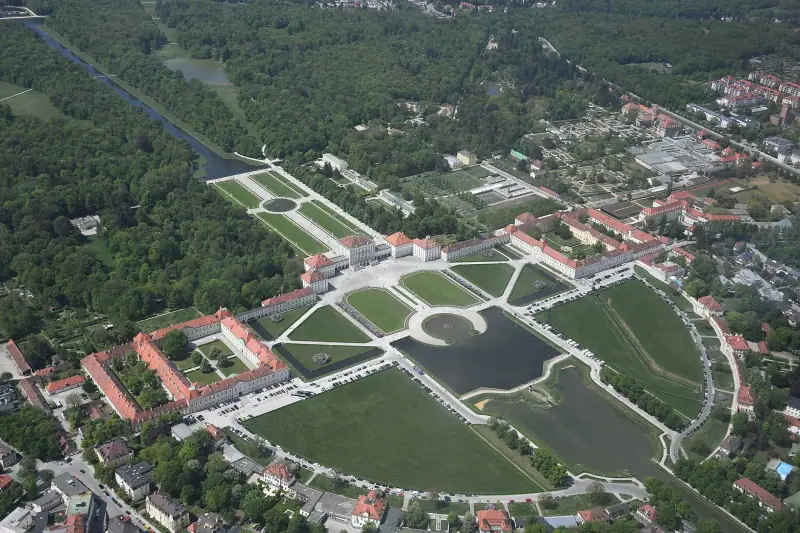
For the last day, head to the west of the city, to Nymphenburg Palace. The former summer residence of the Bavarian rulers is surrounded by a large French-style park with canals, pavilions and avenues. The palace is visited for its Baroque salons and its gallery of portraits; the park can be explored freely and makes a lovely walk in the late morning. Allow two to three hours in all.
In the afternoon, go north to the Olympiapark, built for the 1972 Olympic Games. The site keeps its bold architecture, with its tent-like roof, and offers walks, viewpoints and, depending on the time of year, sports activities or concerts. Car enthusiasts can round off the day with the BMW Welt district and its museum, reachable by U-Bahn and close to the Olympiapark.
Day trips from Munich: if you have one more day, several excursions leave the city for the castles of Ludwig II of Bavaria, the lakes or the Alps. Compare group options and transfers, and check what is included before you book.
Possible day trips from Munich
If you have an extra day, the best excursion is still the Bavaria of castles: Füssen and Neuschwanstein are about two hours by train from Munich, with a change. Our guide to Neuschwanstein and Füssen details the route and how to organize the day.
Another classic outing is the Dachau concentration camp memorial, in the northwest suburbs of Munich, reachable by public transport. It is a sober and powerful place of remembrance that takes time and quiet reflection; allow half a day.
Munich is also a good starting point for a trip to neighboring countries. Salzburg, in Austria, is linked by a direct train of a little under two hours.
Practical tips for your stay
Traditional beer halls serve large portions: sharing a dish is sometimes wise. Among the classics, white sausage (Weißwurst) is traditionally eaten in the morning with sweet mustard and a pretzel, and pork knuckle (Schweinshaxe) is a hearty midday dish. For more ideas, see our guide to food specialties.
On Sundays, many shops are closed in Germany: do your shopping the day before and book activities that do not depend on shop hours. Museums have closing days that vary: check them before building your schedule. Finally, consider taking out travel insurance to cover health or luggage mishaps, even on a nearby trip.
If you want to continue to the capital, our Berlin itinerary offers a three-day stay in a very different atmosphere.
Frequently asked questions
Is three days enough to visit Munich?
Yes. Three days let you see the old town, one or two major museums, the Englischer Garten and Nymphenburg Palace without rushing. A fourth day is useful for a day trip, for example to Neuschwanstein.
Which neighborhood is best for staying in Munich?
The historic center and the area around the main station are the most practical for transport and sightseeing on foot. Neighborhoods like Maxvorstadt or Glockenbach offer a more local feel, with more cafés and restaurants.
Do you need a car to visit Munich?
No. The center is walkable, and the U-Bahn, trams and S-Bahn serve the main sights. A car only becomes useful for trips to the Bavarian Alps or the lakes.
When should you avoid Munich?
During Oktoberfest, held from mid-September to early October, rooms are scarce and expensive. If the festival does not interest you, choose spring or early fall instead.
Can you combine Munich with Austria?
Yes, Salzburg is linked to Munich by a direct train in a little under two hours.
More Germany guides
Keep reading
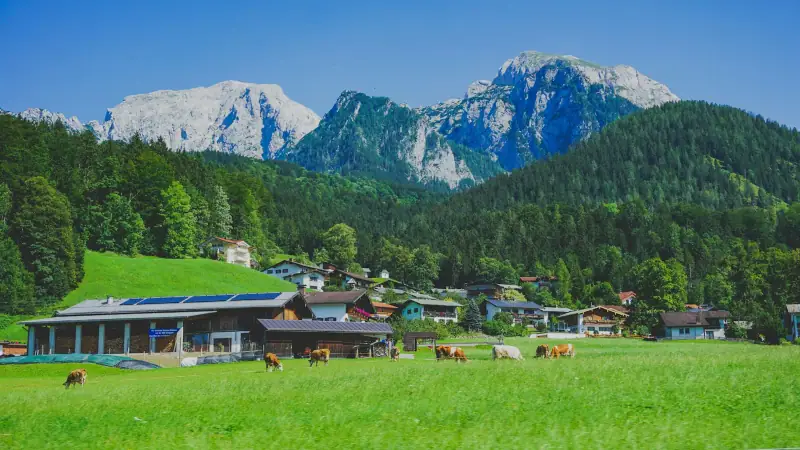
What to see in Bavaria: Munich, castles, the Alps and medieval towns
What to see in Bavaria: Munich, Neuschwanstein, the Romantic Road, Bamberg, Regensburg, Berchtesgaden and the Alps. Tips for planning your trip.
Budget for a trip to Germany: real costs and 3 costed profiles
How much does a trip to Germany cost? Lodging, transport, meals, activities: prices by item, three daily budgets with figures and tips to pay less.

When to go to Germany: seasons, weather and events
What is the best time to visit Germany? Climate by season, Oktoberfest, Christmas markets, vineyards and tips for choosing your travel dates.
Ready-made
Germany itineraries
3 days
Berlin in 3 days: a day-by-day itinerary
What to see in Berlin in 3 days: Brandenburg Gate, Reichstag, Museum Island, Wall memorial, Potsdam and neighborhoods. A clear day-by-day itinerary.
3 days
Black Forest in 3 days: a road trip itinerary from Baden-Baden to Freiburg
A 3-day Black Forest itinerary: Baden-Baden, Triberg, Gutach, Freiburg im Breisgau, Titisee and Feldberg. Stops, drives, tips and where to stay.
2 days
Dresden in 2 days: Frauenkirche, Zwinger and Neustadt
What to do in Dresden in 2 days? Frauenkirche, Zwinger, Semperoper, Fürstenzug, Brühl's Terrace and the Neustadt: a day-by-day walking itinerary.