Itineraries
Dresden in 2 days: Frauenkirche, Zwinger and Neustadt
We may earn a commission when you book through links on this page, at no extra cost to you. We don't visit or try the places we cover: we summarize published sources. How we work
Day by day
- Day 1Frauenkirche, Brühl's Terrace, Fürstenzug, Zwinger, Semperoper
- Day 2Residenzschloss and Green Vault, Neustadt, Kunsthofpassage
Weather through the year on this route
| Jan | Feb | Mar | Apr | May | Jun | Jul | Aug | Sep | Oct | Nov | Dec | |
|---|---|---|---|---|---|---|---|---|---|---|---|---|
| High °F (°C) | 362 | 394 | 479 | 5614 | 6418 | 7122 | 7524 | 7524 | 6619 | 5714 | 457 | 373 |
| Low °F (°C) | 25-4 | 26-3 | 310 | 373 | 468 | 5211 | 5513 | 5513 | 489 | 415 | 331 | 28-2 |
| Rain in (mm) | 2.460 | 2.050 | 2.665 | 2.255 | 3.795 | 4.0105 | 4.3110 | 3.9100 | 2.975 | 2.770 | 2.565 | 2.665 |
Normals 1991–2020 at Munich and Rothenburg ob der Tauber: averages over 30 years, not a forecast. Source: NASA POWER (MERRA-2), grid of about 50 km. Figures computed by us in November 2026.
In short
- Two days cover the essentials: day 1 in the historic Altstadt on the left bank of the Elbe, day 2 for the Residenzschloss museums and the Neustadt on the right bank.
- The Altstadt is compact and walkable; trams serve the Neustadt, the farther Elbe banks and the main station.
- Some Residenzschloss rooms (the Green Vault) are entered with a time slot: book ahead if possible, especially in high season and on weekends.
- A third day suits a trip to Saxon Switzerland or Meissen; Berlin is a little over two hours away by train.
Once nicknamed the “Florence of the Elbe”, Dresden is the capital of Saxony. Its Baroque old town, largely destroyed by the bombings of February 1945, was rebuilt stone by stone, and you can gauge the scale of that work today by walking between the churches, palaces and museums that line the river. The result is a human-scale city, easy to explore on foot, and clearly less crowded than Berlin or Munich.
This two-day itinerary devotes the first day to the historic old town, on the left bank of the Elbe, and the second to the museums, the Neustadt on the right bank and everyday neighborhood life. If you are preparing a wider trip, see our Berlin itinerary, a little over two hours away by train, and our guide to choosing the right season.
Before you go: planning and lodging
Dresden is an ideal destination for a short stay without a car. In the old town you can walk from one monument to the next in a few minutes, and the tram network serves the rest of the city. From the main station, it is a short walk to the pedestrian street that leads to the historic center.
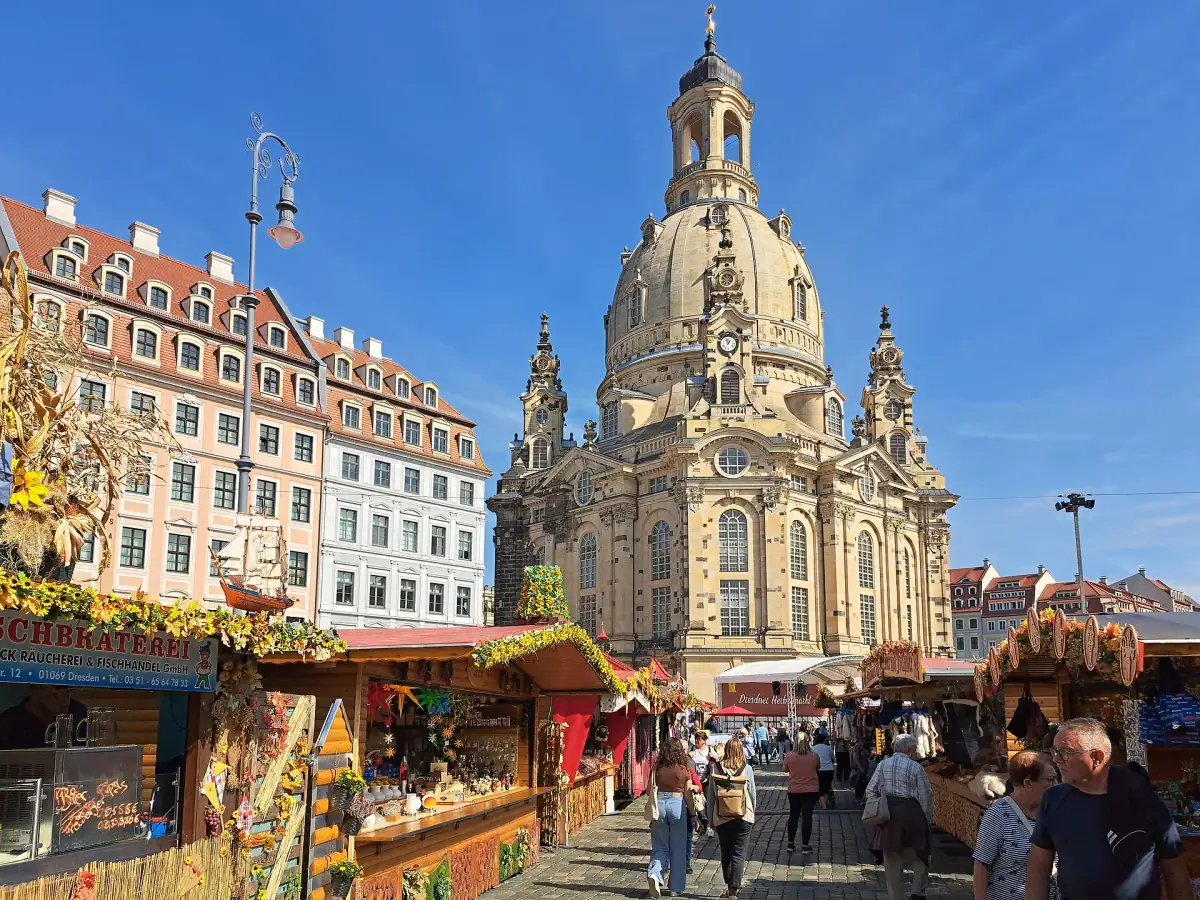
For lodging, there are two main options. The old town, between the main station and the Elbe, puts all the major sights within walking distance: it is the simplest choice for a first stay. The Neustadt, on the other side of the river, offers a younger atmosphere and many cafés, with a few minutes by tram or a pleasant walk to reach the monuments. Book early as the year-end holidays approach, when the Christmas market draws many visitors.
Where to stay in Dresden: compare lodging in the old town and the Neustadt for your dates, and check the distance to the nearest tram stop.
Day 1 morning: the Frauenkirche and Neumarkt square
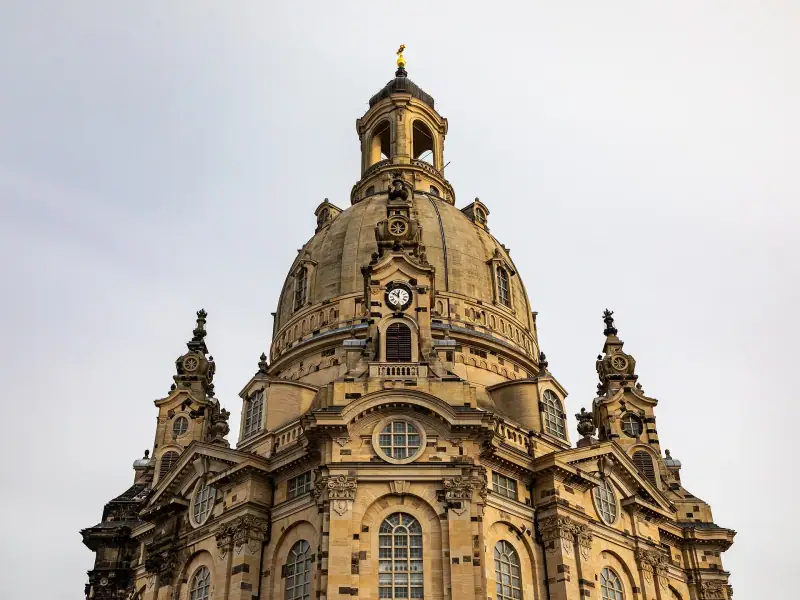
Start the day with the Frauenkirche, the Protestant church that has become the symbol of the city. Collapsed after the bombings of 1945, it remained a pile of ruins for decades before being rebuilt, then reopened to the public in 2005. The original blackened stones, reused in the facade, can still be told apart from the lighter new stones. Inside, the circular nave and its painted dome deserve a few minutes of attention.
Depending on the time of year, you can climb into the dome for a view over the roofs of the old town and the Elbe. Access conditions change with services and seasons: check before you come rather than counting on a set time.
Neumarkt square, which surrounds the church, was also rebuilt, with colorful facades inspired by the prewar townhouses. It is a good place for a coffee break at an outdoor café before continuing.
Day 1 midday: Brühl’s Terrace and the Fürstenzug
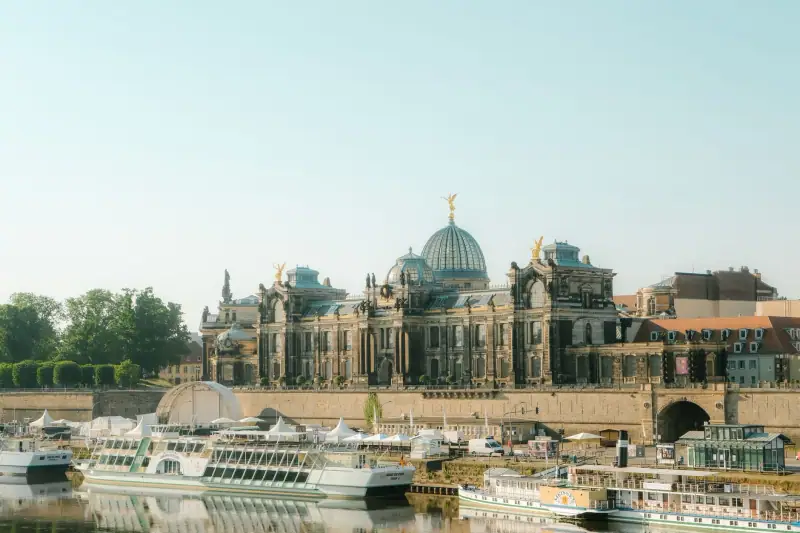
From Neumarkt, head to Brühl’s Terrace, nicknamed the “balcony of Europe”. This raised promenade runs along the Elbe and offers a fine viewpoint over the river, the historic paddle steamers and the opposite bank. It is a good place to gain a little height and get your bearings in the city.
Then head back along Augustusstraße, where the Fürstenzug, the “Procession of Princes”, stretches. This long mural shows the rulers of the House of Wettin, which reigned over Saxony for centuries. It is made of Meissen porcelain tiles, which let it come through the bombings remarkably intact. Take the time to walk along it rather than looking from afar: the detail of the faces and clothes can only be discovered up close.
Guided tour of Dresden: a walking tour of the old town helps put the history of destruction and reconstruction in context, with commentary depending on the slots offered. Compare durations and cancellation conditions before you book.
Day 1 afternoon: the Zwinger and the Semperoper
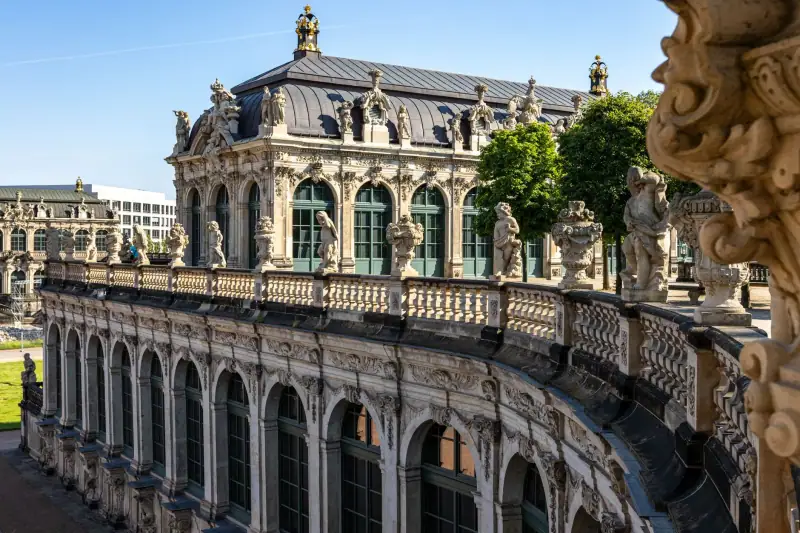
The Zwinger is the Baroque jewel of Dresden. This palace complex, built in the early 18th century under the reign of Augustus the Strong, surrounds a vast inner courtyard with pavilions decorated with sculptures, galleries and fountains. You can enter freely to stroll in the courtyard, which makes it a stop for every budget. The buildings house several museums, including the Old Masters Gallery, which holds Raphael’s famous Sistine Madonna, and the Mathematics and Physics Salon.
A short walk away, the Semperoper, the Dresden opera house, stands on Theaterplatz. Rebuilt after the war, the building is one of the best-known opera houses in Germany. Its neo-Renaissance facade can be admired from the square, and guided tours of the interior are generally offered, on a schedule that depends on rehearsals. If you like music, look at the program before your stay: attending an evening performance remains the best way to experience the place.
Day 1 evening: dinner in the old town
In the evening, the old town lights up and the facades of Neumarkt and Brühl’s Terrace take on golden hues. The restaurants on the neighboring streets serve traditional Saxon cooking: slow-cooked dishes, meats in sauce, potatoes in every form, and pastries such as the Dresdner Stollen, a fruit bread with candied fruit that is linked to the city. For a broader look at the country’s cooking, see our German food specialties.
If you prefer a quieter evening, a walk along the Elbe after dinner lets you see the lit-up buildings reflected in the water.
Day 2 morning: the Residenzschloss and its museums
The second day opens with the Residenzschloss, the former palace of the princes of Saxony, next to the Zwinger and the cathedral. This vast complex houses several museums including the Green Vault (Grünes Gewölbe), one of the richest collections of treasures in Europe, made up of goldsmith work, ivory, gold and precious stones gathered by the Saxon rulers. Access to some rooms is by time slot: book in advance if possible, especially in high season and on weekends.
If museums appeal to you less, the neighboring cathedral, the Hofkirche, and the castle courtyard can be seen more quickly. Allow about three hours to fully enjoy the Residenzschloss, more if you are a fan of decorative arts.
Excursions from Dresden: Saxon Switzerland, Meissen and the castles of the Elbe valley can be reached in a day. Compare guided excursions with trips you organize yourself on public transport, depending on your pace.
Day 2 afternoon: the Neustadt and the Kunsthofpassage
Cross the Elbe on the Augustus Bridge to reach the Neustadt, the “new town”, which is in fact older than its name suggests. On the central square, the gilded statue of Augustus the Strong, nicknamed the “Golden Rider”, faces the old town. From there, Hauptstraße, a long pedestrian avenue, leads into the district.
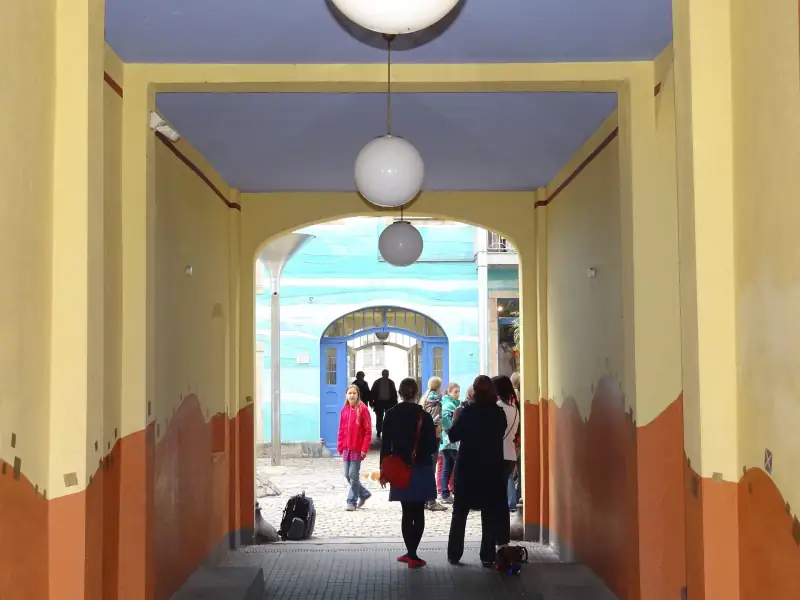
The Neustadt is the district of cafés, independent bookshops, designer boutiques and bars. Don’t miss the Kunsthofpassage, a group of inner courtyards decorated in a very original way, each with a different theme. The colorful facades and art installations make it a perfect place for an unplanned stroll. The district is also known for its nightlife: the evening can go on as late as you like.
For a more food-focused visit, the Pfunds Molkerei, a dairy known for its hand-painted tiles, is a well-known address in the Neustadt that draws visitors as much for its decor as for its dairy products.
Extending your stay: Saxon Switzerland and Meissen
If you have an extra day, two excursions stand out. Saxon Switzerland (Sächsische Schweiz), a national park with spectacular sandstone formations, is less than an hour from the city by suburban train or by car. There are many trails, stone bridges and viewpoints, and the famous Bastei bridge draws large crowds. To avoid them, go early in the day or early in the season.
Meissen, a small town known for its porcelain factory, is also easily visited from Dresden, including by boat in season.
When to go and budget
Dresden can be visited all year. Spring and early fall offer mild weather and pleasant Elbe banks. Summer is hotter and livelier, and the December Christmas markets attract fans of a festive atmosphere. Winter can be cold, but the illuminated old town and the museums make the stay pleasant.
On cost, the city is generally more affordable than Munich or Berlin for lodging and restaurants. Museums are the main expense: if you plan to visit several, compare combined tickets or the city’s tourist cards with the price of individual admissions.
Frequently asked questions
How long do you need to visit Dresden?
Two days let you see the essentials: the Baroque old town, its museums and the Neustadt district. A third day is useful for an excursion to Saxon Switzerland or Meissen.
Can you visit Dresden on foot?
Yes, the old town (Altstadt) is compact and most sights are reachable on foot. The tram is mainly useful for reaching the Neustadt, the farther Elbe banks or the main station.
Can you go up inside the Frauenkirche?
Yes, the dome generally offers a panoramic view of the city. Hours and access conditions vary with services and seasons: check the official information before planning your visit.
How do you get from Berlin to Dresden?
The train links the two cities in a little over two hours, which makes it easy to combine both stops on the same trip.
Which neighborhood should you choose to stay in Dresden?
The old town, between the main station and the Elbe, is the most practical for a short stay. The Neustadt suits better those who prefer cafés, bars and a more relaxed atmosphere.
More Germany guides
Keep reading
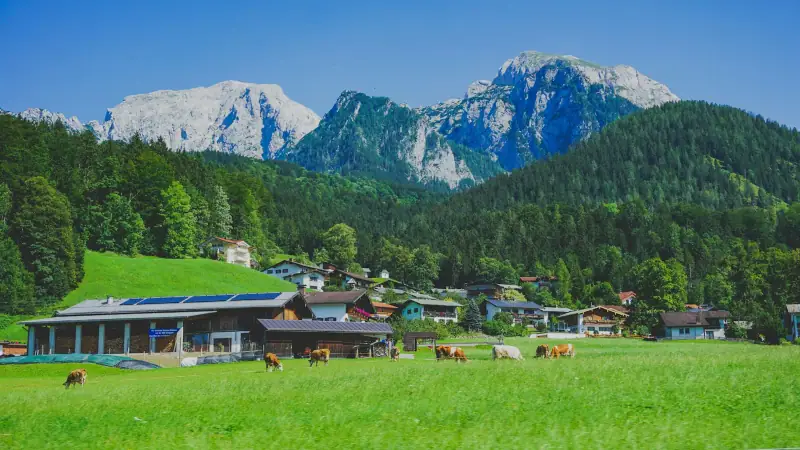
What to see in Bavaria: Munich, castles, the Alps and medieval towns
What to see in Bavaria: Munich, Neuschwanstein, the Romantic Road, Bamberg, Regensburg, Berchtesgaden and the Alps. Tips for planning your trip.
Budget for a trip to Germany: real costs and 3 costed profiles
How much does a trip to Germany cost? Lodging, transport, meals, activities: prices by item, three daily budgets with figures and tips to pay less.

When to go to Germany: seasons, weather and events
What is the best time to visit Germany? Climate by season, Oktoberfest, Christmas markets, vineyards and tips for choosing your travel dates.
Ready-made
Germany itineraries
3 days
Munich in 3 days: an itinerary through the old town, museums and parks
What to do in Munich in 3 days? Marienplatz, Residenz, Englischer Garten, Nymphenburg, museums and beer halls: a day-by-day itinerary with practical tips.
3 days
Berlin in 3 days: a day-by-day itinerary
What to see in Berlin in 3 days: Brandenburg Gate, Reichstag, Museum Island, Wall memorial, Potsdam and neighborhoods. A clear day-by-day itinerary.
3 days
Black Forest in 3 days: a road trip itinerary from Baden-Baden to Freiburg
A 3-day Black Forest itinerary: Baden-Baden, Triberg, Gutach, Freiburg im Breisgau, Titisee and Feldberg. Stops, drives, tips and where to stay.