What to see
Complete guide to visiting Chile: regions, itineraries, budget and tips
We may earn a commission when you book through links on this page, at no extra cost to you. We don't visit or try the places we cover: we summarize published sources. How we work
In short
- Chile stretches over 4,000 km (2,485 mi), so trips almost always combine one or more domestic flights; two or three regions per two weeks is a good limit.
- Seasons are the opposite of the Northern Hemisphere: austral summer runs December to February; the Atacama can be visited year-round.
- Six main zones: Santiago and the central valley, Valparaíso, the Atacama, the Lake District, Chiloé and Easter Island, plus La Serena and the Elqui Valley.
- Chile is seismic, and customs checks on agricultural products (the SAG rule) are strict.
Stretched over more than 4,000 km (2,485 mi) between the driest desert in the world and the glaciers of Patagonia, squeezed between the Pacific Ocean and the Andes, Chile looks like a long ribbon of land where each region has its own scenery. A few hours by plane take you from the geysers and salt flats of the north to the wet forests and snow-capped volcanoes of the south, with the capital, renowned vineyards and a Polynesian island lost in the Pacific as a bonus.
This diversity is the beauty of the country, but also its difficulty: where to start? This complete guide is an entry point. It presents the main regions, the cities worth knowing, the highlights, the best time to go, transport, accommodation and budget, then points you to our detailed articles for each stage of preparation.
Chile in brief: a country that is all length
Chile is narrow and immense at the same time. Its average width stays modest, while its north-south extent exceeds that of many continents. This geography explains everything: climates follow one another from north to south, distances are considerable and trips almost always combine one or more domestic flights.
The official language is Spanish, with a fast Chilean accent and its own vocabulary. The currency is the Chilean peso (CLP). The country is a stable republic. Santiago, the capital, holds a large part of the population and serves as the air gateway.
To organize a stay, it is handy to split the country into six main zones, detailed below: Santiago and the central valley, Valparaíso and the coast, the Atacama Desert, the Lake District, Chiloé and Easter Island. Add to that the northern coast with La Serena and the Elqui Valley, popular for its starry sky.
Santiago and the central valley: the capital and its vineyards
Most travelers land in Santiago, a metropolis surrounded by the Andes. It has museums, lively neighborhoods, hills with views and a very varied restaurant scene. Two to three days are enough to grasp the essentials, as detailed in our guide to visiting Santiago.
Around the capital stretches the central valley, with a Mediterranean climate, which holds most of the country’s vineyards. Chile is one of the major wine producers of the New World, with grapes such as carménère, which has become emblematic. The Maipo, Casablanca and Colchagua regions can be visited as day trips from the capital, or on a stay of a few nights. Our article on the Chilean wine route helps you choose among them and organize tastings.
In summer the central valley is hot and dry, which makes it good terrain for bike rides between estates. In winter, the Andes near Santiago also attract skiers, a reminder that seasons are the opposite of the Northern Hemisphere.
Valparaíso and the coast: the colorful city on the Pacific
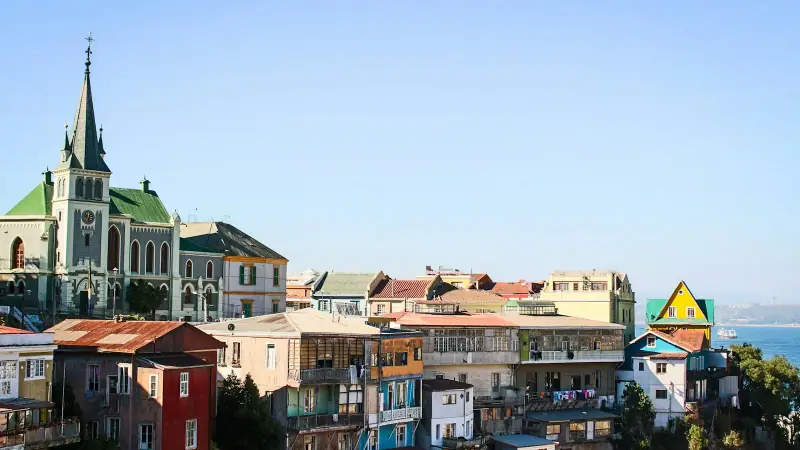
About an hour and a half by road from Santiago, Valparaíso spreads its colorful houses over hills that plunge toward the port. Its historic center is a UNESCO World Heritage Site. You wander at random among staircases, funiculars and murals, with a bohemian port atmosphere very different from the capital. Our guide to Valparaíso offers a walking route and the neighborhoods to choose.
Right next door, Viña del Mar shows a more seaside face, with its wide beaches and parks. Both can easily be visited in one or two days from Santiago, but a night there lets you enjoy the city at sunset, when the light reveals the facades.
The Chilean Pacific stays cool, as it is fed by a cold current: swimming is not the main draw of the central coast, which charms more with its panoramas, seafood and urban life.
Find accommodation in Chile
Santiago, Valparaíso, San Pedro de Atacama or Pucón: compare hotels, hostels and apartments, and check cancellation terms before booking in high season.
The Atacama Desert: starry sky, geysers and lagoons
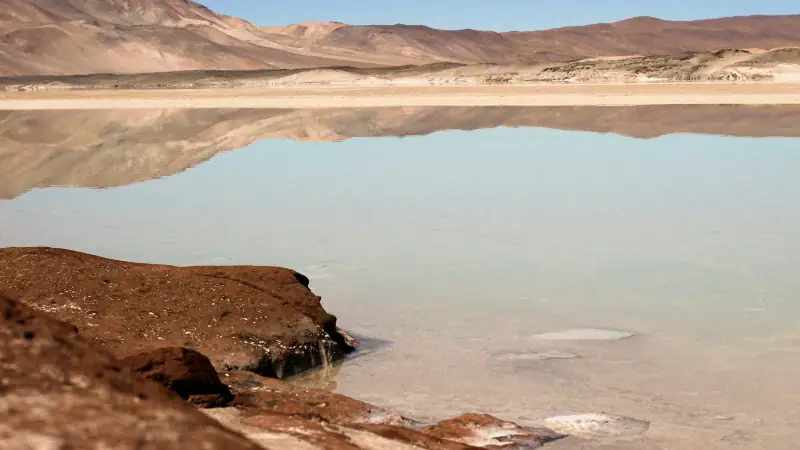
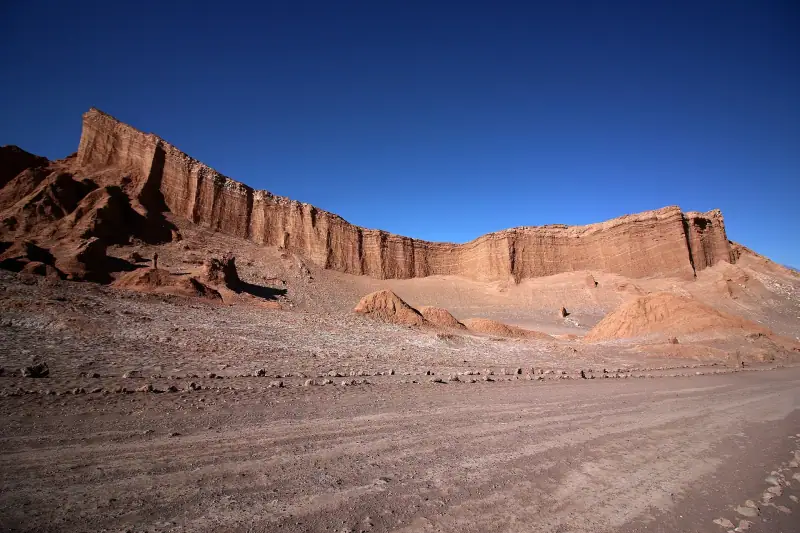
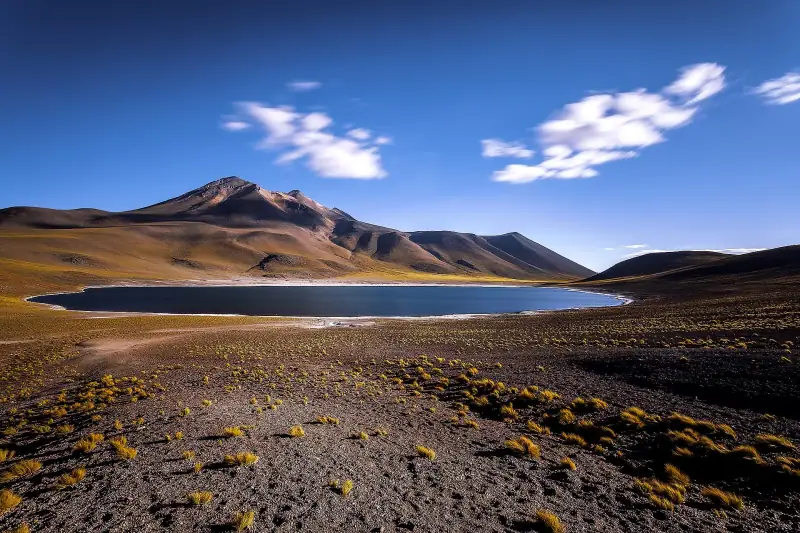
In the north, the Atacama Desert is one of the driest places on the planet. Its most practical base is San Pedro de Atacama, an adobe village at about 2,400 m (7,870 ft), from which tours depart: Moon Valley, high-altitude lagoons, the salt flat, El Tatio geysers at daybreak and soaks in hot springs.
The sky is exceptionally clear, which makes it a prime destination for stargazing, with astronomy outings organized in the evening. Pack warm clothes, though: nights are very cold, even when days are sunny. For questions about altitude, ask your doctor or a travel clinic, and see the official travel health pages (CDC in the US, TravelHealthPro in the UK).
You reach the region by plane from Santiago to Calama, then a transfer of about an hour and a half to San Pedro. Our article on San Pedro de Atacama lists the tours and their ideal order. Allow three to four days there so you do not chain dawn departures.
Tours in San Pedro de Atacama
El Tatio geysers, Moon Valley, high-altitude lagoons, astronomy: compare guided tours and their cancellation terms.
La Serena and the Elqui Valley: pisco and astronomy
Between Santiago and the big desert, La Serena is a quiet coastal city, known for its beaches, its colonial center and as the starting point for the Elqui Valley. This green valley, bordered by arid mountains, produces pisco, the country’s emblematic grape brandy, and is home to several observatories open to visitors thanks to a very clear sky.
It is an ideal stop for those who want a taste of northern culture without going all the way to San Pedro, or to break up a long trip. Our guide to La Serena and the Elqui Valley details the villages, distilleries and stargazing outings.
The Lake District: volcanoes, forests and outdoor sports
South of Santiago, nature changes: forests, lakes and snow-capped volcanoes draw very green landscapes, sometimes reminiscent of a wilder version of the Alps. Two main bases share the region: Pucón, on Lake Villarrica, and Puerto Varas, facing Osorno Volcano.
Pucón is the capital of adventure: climbing Villarrica Volcano (depending on the weather and volcano activity), rafting, hot springs, hikes in the neighboring parks. Our article on Pucón and Villarrica Volcano details the activities and preparation. Puerto Varas, whose architecture bears the mark of German immigration, serves as a base camp for the lakes, volcanoes and waterfalls around it.
This region is wetter than the rest of the country, especially in winter: the best time to visit is the austral summer, with some pleasant surprises in spring and early fall.
Chiloé: the archipelago of wooden churches
Further south, the large island of Chiloé is reached from the mainland by a short ferry crossing. It is famous for its wooden churches, several of which are UNESCO World Heritage Sites, for its houses on stilts, the palafitos, and for a strongly marked local culture, nourished by legends and seafood cooking.
Castro, the island’s capital, is a good base for exploring the villages and the coast. The weather is changeable, often rainy: bring a windbreaker and patience. Our guide Chiloé: what to see and do offers a route and the specialties to taste.
Easter Island: the Polynesian getaway
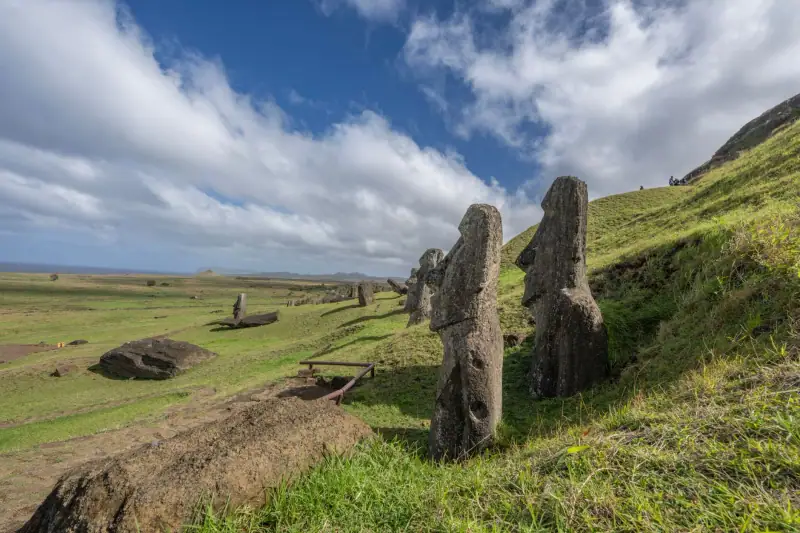
More than 3,500 km (2,175 mi) from the mainland coast, Easter Island (Rapa Nui) can only be reached by plane from Santiago, with a flight of about five and a half hours. Its moai, the monumental statues carved from volcanic rock, and the UNESCO-listed national park make it one of the most singular destinations in the world.
The main town, Hanga Roa, holds the accommodation and restaurants. The sites are visited by car, scooter or bike, with special rules: a national park entrance ticket and, since 2022, a mandatory guide to access the sites. Our article on Easter Island details the must-see sites, such as Rano Raraku, Ahu Tongariki, Orongo and Anakena beach.
Compare flights to Chile
International flight to Santiago, domestic flights to Calama or Easter Island: compare fares and schedules, and book early for high season.
The highlights not to miss
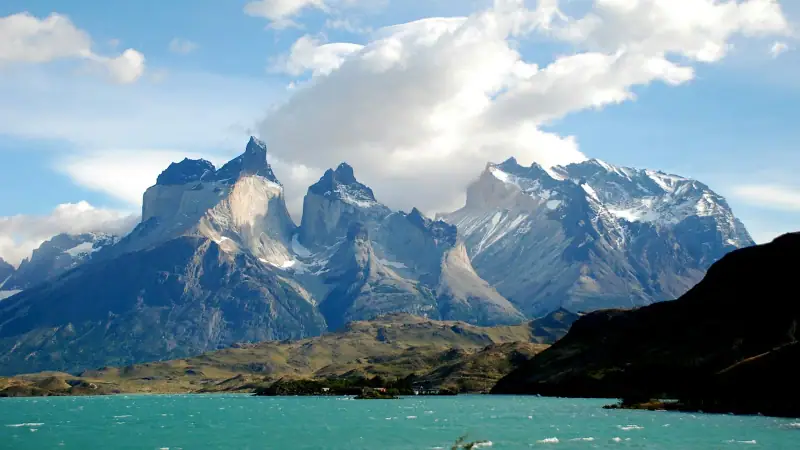
If you had to keep only a handful of sites, these are the ones that come up most often in itineraries:
- Santiago: the capital, its museums, its hills and its big Andean city atmosphere.
- Valparaíso: its colorful hills and staircases, UNESCO-listed.
- San Pedro de Atacama: El Tatio geysers, Moon Valley and starry nights.
- Villarrica Volcano: the climb or the view from Pucón.
- Chiloé: wooden churches and palafitos.
- Easter Island: the moai of Rano Raraku and Ahu Tongariki.
- The vineyards: a day of tasting in Maipo, Casablanca or Colchagua.
- The Elqui Valley: pisco and stargazing.
No trip lets you do everything: choose two or three regions at most per fortnight, and accept leaving the rest for another stay. Chile lends itself well to repeat trips, as landscapes change so much from one region to the next.
Food and drink: from the sea to the vineyards
Chilean cooking mixes seafood, meat, vegetables and European and indigenous influences. Among the most common dishes are empanadas, filled with meat, cheese or seafood, pastel de choclo, a corn-based casserole, and ceviche on the coast. Along the coast, fish, shellfish and sea urchins are bought fresh in markets.
For drinks, wine takes the lead, with renowned reds such as carménère or cabernet sauvignon, and fresh whites from the coastal valleys. Pisco, often served as a pisco sour, is the quintessential national spirit, and the Elqui Valley is a major production area.
Restaurants often offer a set lunch menu, more affordable than the evening menu: it is the best way to eat local without spending too much. Do not forget the tip of about 10%, customary in restaurants.
When to go to Chile
Seasons are the opposite of the Northern Hemisphere: the austral summer runs from December to February, winter from June to August. The best time therefore depends on the region visited.
- Atacama Desert: can be visited year-round, with sunny days and cold nights, especially in winter. Summer can bring high-altitude storms on the plateaus.
- Lake District and the south: the austral summer is the most favorable period, with long days and little rain. Winter there is wet and cool.
- Santiago and the central valley: summer is hot and dry, fall (March-April) is ideal for the grape harvest, spring is very pleasant.
- Easter Island: mild climate all year, with a busier period around the Tapati festival in early February.
For a balanced trip combining desert and lakes, spring (October-November) and fall (March-April) are often good compromises: fewer people, lower prices and a mild climate. Our article when to go to Chile details conditions region by region.
Getting to and around Chile
Arriving
Santiago is the main air gateway, and most trips start there. Book early for high season, which runs from December to February.
Entry rules depend on your passport. Check the official travel advice of your government before you book: travel.state.gov (US), GOV.UK (UK), travel.gc.ca (Canada), Smartraveller (Australia) (checked November 2026). Customs declarations on agricultural products are very strict for all arrivals (the SAG rule, as of October 2026). Everything is detailed in our article on entry requirements for Chile.
Getting around the country
- Planes are unavoidable for long distances: Santiago-Calama for the desert, Santiago to Easter Island, or to the south. Several airlines, including low-cost ones, serve these routes.
- Buses are the cheapest and most practical way between cities. Long-distance companies offer very comfortable seats, sometimes sleeper seats for night trips.
- Cars suit the Lake District, Chiloé or the Elqui Valley, where roads are in good condition and distances reasonable. For longer distances, allow for caution and driving time.
- Urban transport is efficient in Santiago, with an extensive metro and a rechargeable card.
Car rental should be arranged in advance.
Where to stay in Chile
Accommodation is wide-ranging: hostels, boutique hotels, lodges in the desert or near volcanoes, apartments and campsites. Here are pointers by region:
- Santiago: favor central neighborhoods well served by the metro to limit transport. Our guide to the capital details the areas.
- Valparaíso: staying on the hills gives great views, but think about the stairs with your suitcases.
- San Pedro de Atacama: the village is explored on foot, and most accommodation is quiet, on small streets. Book ahead in high season.
- Pucón and Puerto Varas: lakes and volcanoes are within reach, with varied options, from mountain lodges to boutique hotels.
- Chiloé and Easter Island: supply is smaller, so it fills up faster. Book well in advance.
In very touristy areas, high season from December to February fills the best accommodation quickly. Prefer rates with free cancellation, to keep flexibility until your flights are confirmed.
What budget to plan
Chile is often considered one of the most expensive countries in South America. The items that weigh most are flights (international and domestic), guided tours, high-season accommodation and, on Easter Island, everything that is imported.
A few tricks to contain the bill: travel outside high season, take the bus rather than the plane when reasonable, eat the set menu, group your tours and book flights and lodging early. Our article on the budget in Chile offers three priced profiles (backpacker, mid-range, upper comfort), with orders of magnitude by category.
Which itinerary to choose
Depending on duration, here are some ways to organize:
- 10 to 12 days: Santiago, Valparaíso and the Atacama Desert, or Santiago and the Lake District. Two zones at most to avoid rushing.
- 2 weeks: Santiago, Atacama Desert, Lake District and Chiloé, as detailed in our 2-week Chile itinerary.
- 3 weeks: add Easter Island, or the Elqui Valley, and take time to pause at each stage.
Whatever the duration, group your domestic flights and avoid needless back-and-forth. For the Lake District, a car gives a lot of freedom: roads are good and distances between villages reasonable.
Practical tips before you go
- Insurance: take out travel insurance with repatriation. Check what your bank card covers and keep a certificate on your phone.
- Health: ask your doctor or a travel clinic, and see the official travel health pages (CDC in the US, TravelHealthPro in the UK).
- Money: cards are accepted in cities, but keep a little cash in pesos for small shops, local buses and remote areas.
- Altitude and sun: in the north, altitude and solar radiation are intense. Sunscreen, a hat and water are essential.
- Earthquakes: the country is seismic. Note the evacuation instructions at your accommodation and follow the guidance of local authorities.
- Customs: do not carry fruit, vegetables or animal products without declaring them. SAG checks are strict and fines are steep.
- Language: a few words of Spanish make exchanges easier, especially away from tourist sites.
- Phone: check your carrier’s international plan or use a travel eSIM.
A good trip to Chile depends less on the list of things to see than on pace: leave slack on transport days, because distances and flight delays can upset a tight schedule.
All our guides to prepare your trip
Here are all the articles on this site, grouped by theme, to go deeper into each stage:
Practical
- When to go to Chile: seasons, climate and best time
- Budget for a stay in Chile
- Entry requirements: passport, visa, health, insurance and customs
Itineraries
Cities and regions
Activities
Food and drink
- Wine route: Maipo, Casablanca and Colchagua
We regularly add new guides to this site, notably on accommodation, food and activities. Come back to them as you prepare your trip.
Frequently asked questions
How long do you need to visit Chile?
Allow at least two weeks to combine Santiago, the Atacama Desert and the Lake District, as our 14-day itinerary does. With three weeks, you can add Chiloé or Easter Island without rushing. The country is so long that trying to see everything in ten days means piling up flights.
When is the best time to go to Chile?
It depends on the region. Seasons are the opposite of the Northern Hemisphere: the austral summer (December to February) is ideal for the south and the Lake District, while the Atacama Desert can be visited year-round, with very cold nights in winter. Spring (October-November) and fall (March-April) often give the best compromise.
Do you need a visa to go to Chile?
Entry rules depend on your passport. Check the official travel advice of your government before you book: travel.state.gov (US), GOV.UK (UK), travel.gc.ca (Canada), Smartraveller (Australia) (checked November 2026).
Is Chile a safe country for travelers?
Tourist areas are generally fine, but pickpocketing and petty theft exist, especially in big cities and on public transport. Keep an eye on your belongings, avoid flashing valuables and read your government's travel advice before leaving. The country is also seismic: learn the local instructions.
Is it better to rent a car or take the bus?
Buses are cheap and very well developed between cities. A car is useful in the Lake District, on Chiloé or in the Elqui Valley, where it gives freedom. For the north and Easter Island, distances or organized tours make the choice more nuanced. Compare according to your itinerary.
How much does a trip to Chile cost?
The budget varies fourfold depending on comfort. International and domestic flights, tours and high-season accommodation weigh the most. Our dedicated article details three traveler profiles with costs by category.
Can you travel in Chile without speaking Spanish?
It is possible in very touristy places, where English is often understood, but a few words of Spanish make exchanges much easier on buses, in markets and in small villages. An offline translator on your phone helps.
More Chile guides
Keep reading
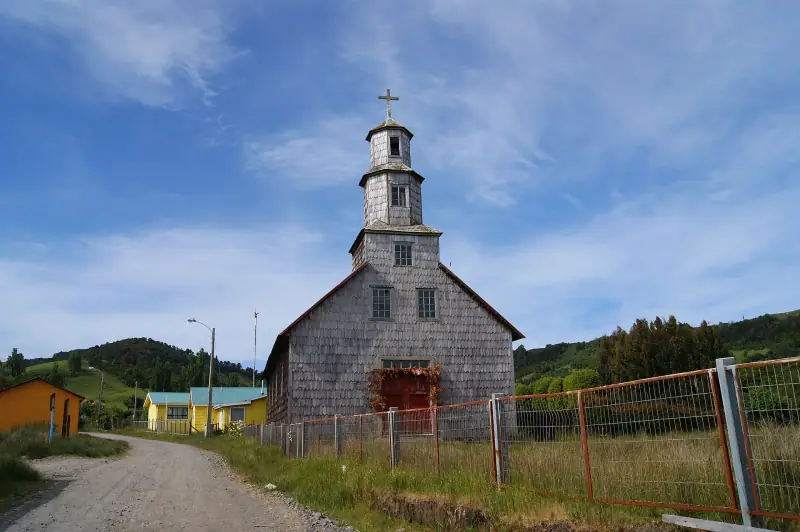
Chiloé: what to see and do on Chile's island of wooden churches
What to see on Chiloé: UNESCO wooden churches, Castro's palafitos, the national park, penguins and curanto. A guide to planning 4 to 5 days on the island.
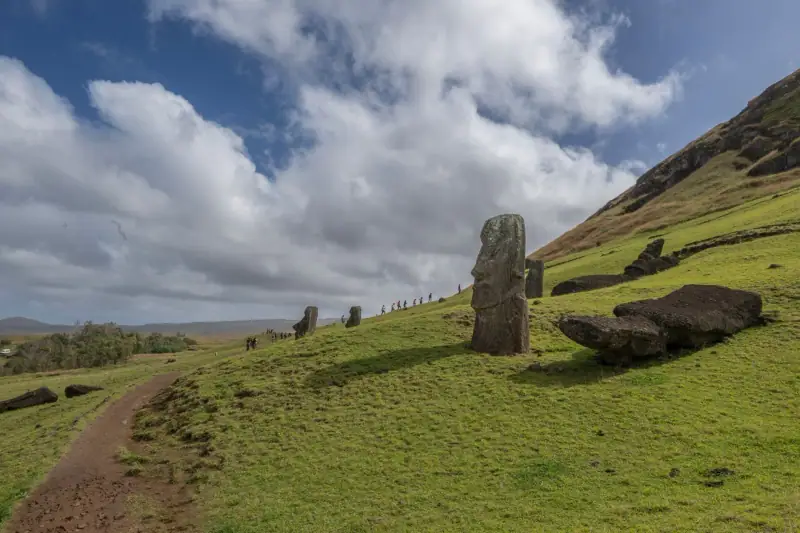
Easter Island (Rapa Nui): what to see and do, a guide to the moai
What to see on Easter Island? Moai at Rano Raraku and Ahu Tongariki, Orongo, Anakena beach, sunset at Tahai: a guide to planning 4 to 5 days.
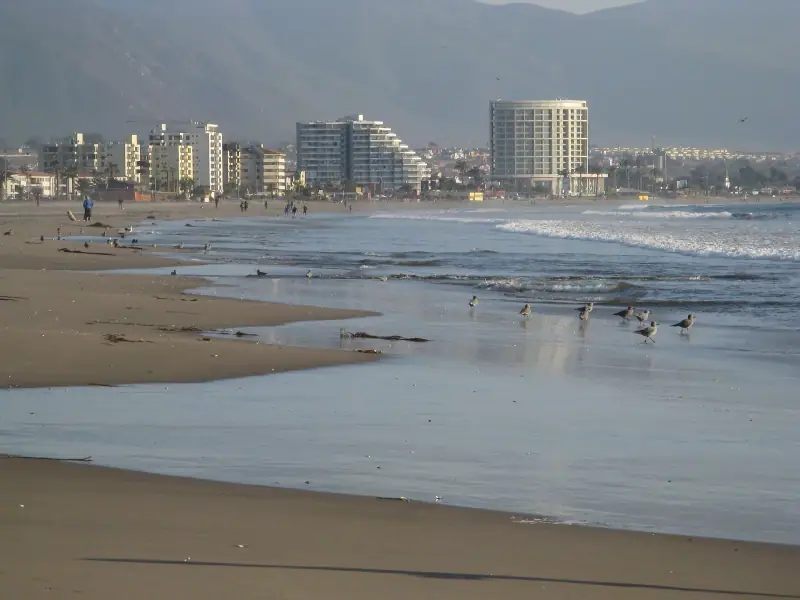
La Serena and the Elqui Valley: pisco, stars and beaches in Chile
What to do in La Serena and the Elqui Valley? Beaches, Vicuña, Pisco Elqui, starry skies and Humboldt penguins: a guide for 3 days in the Norte Chico.
Ready-made
Chile itineraries
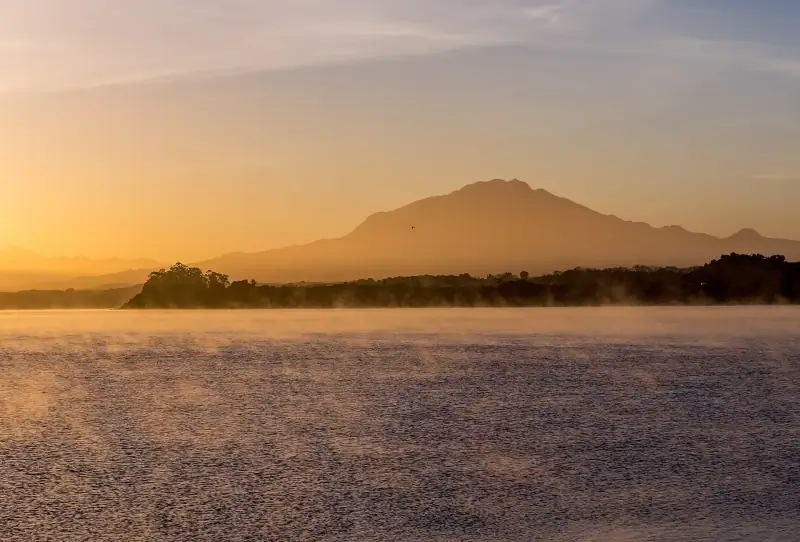
7 days
Chile's Lake District road trip: 7 days from Puerto Varas to Pucón
Puerto VarasPucón
Can be adapted in the planner
3 days
3 days in San Pedro de Atacama: a day-by-day itinerary
3 days in San Pedro de Atacama: a day-by-day plan with Moon Valley, lagoons, El Tatio geysers and stargazing, plus altitude and logistics tips.
14 days
2-week Chile itinerary: Atacama, the Lakes and Chiloé
A 14-day Chile itinerary, day by day: Santiago, Valparaíso, the Atacama Desert, Pucón, Puerto Varas and Chiloé, with flights, durations and tips.