Plan your trip
When to go to Chile: seasons, climate and best time by region
We may earn a commission when you book through links on this page, at no extra cost to you. We don't visit or try the places we cover: we summarize published sources. How we work
In short
- Chile has no single best month: for Santiago, the desert and the lakes together, October to April is the most versatile, with the heat peaking from December to February.
- Austral summer runs December to February and winter June to August; Christmas and New Year fall in peak season.
- The Atacama can be visited year-round, with clear skies but very cold nights; the Lake District is best from about November to April.
- For December to February, book flights, lodging and popular tours weeks ahead.
Chile is a country that is all length: a strip of land squeezed between the Andes and the Pacific, stretching from the driest desert in the world to the glaciers of the south. As a result, the question “when to go?” never has a single answer. While Santiago swelters under the January sun, desert nights stay cool, the southern lakes are at their best and Chiloé can get a shower at any moment.
This guide helps you choose the right period depending on the regions you visit and the type of trip you are preparing. It complements our detailed guides to Santiago, San Pedro de Atacama and Pucón. The temperatures and dates below are orders of magnitude: climate varies from year to year and with altitude.
The seasons in Chile at a glance
Seasons are the opposite of the Northern Hemisphere. The austral summer runs from December to February, fall from March to May, winter from June to August and spring from September to November. This is worth keeping in mind when booking flights: the Christmas holidays and New Year fall in the middle of high season, with the fares that go with it.
The country divides roughly into three major climate groups. The north is desert, with very little precipitation and large temperature swings between day and night. The center, around Santiago and Valparaíso, has a Mediterranean-type climate, with dry, hot summers and cool, wet winters. The south, from the Lake District to Chiloé, is temperate and rainy, with milder summers and often gray winters.
Two special cases come on top: Easter Island, with a mild subtropical climate, in the middle of the Pacific, and the far south, whose climate is a separate matter and is not covered here.
Santiago, Valparaíso and the central valley
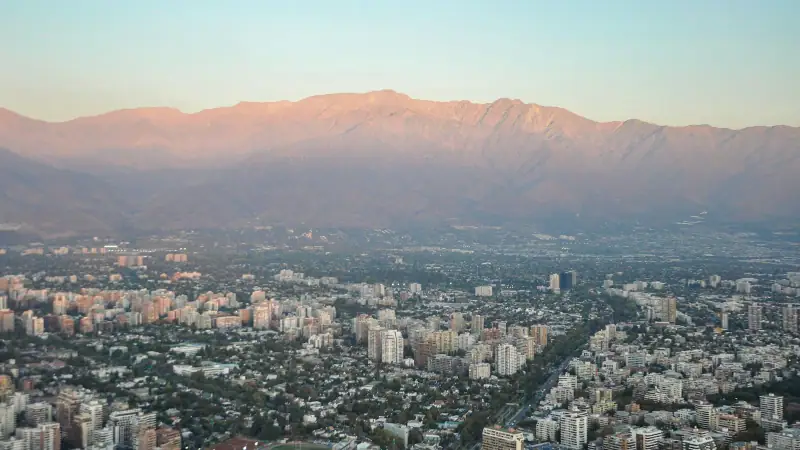
In the capital, summer (December to February) is hot and dry, with often very sunny days. It is pleasant for café terraces and the hills, but afternoons can be heavy for long visits on foot. Plan to go out early in the morning and keep a break in the shade or in a museum for the hot hours.
Spring (September to November) and early fall (March to April) are the most balanced periods: mild temperatures, clear skies and, in clear weather, spectacular views of the still snow-covered Andes. It is the best compromise for the city and for excursions around it, such as the vineyards mentioned in our guide to Santiago.
The austral winter is cooler and is the rainy season, though rain stays moderate compared with the south of the country. It is also the period when you can combine the city and skiing: several Andean resorts are reachable from the capital, generally from June to September depending on snow cover.
On the coast, Valparaíso is influenced by the Pacific: mornings can be covered in fog, even in summer, before the sun breaks through. Always take a light jacket, even in January. For the grape harvest, head to the wine valleys from about March to April, a period wine lovers prize.
Where to stay in Santiago
Once your dates are chosen, compare accommodation in the capital, often pricier and faster to fill in high season.
Atacama Desert: clear skies, cold nights
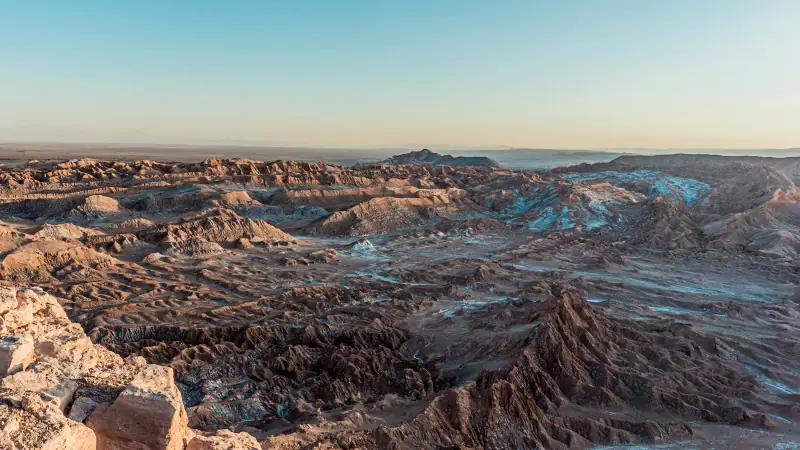
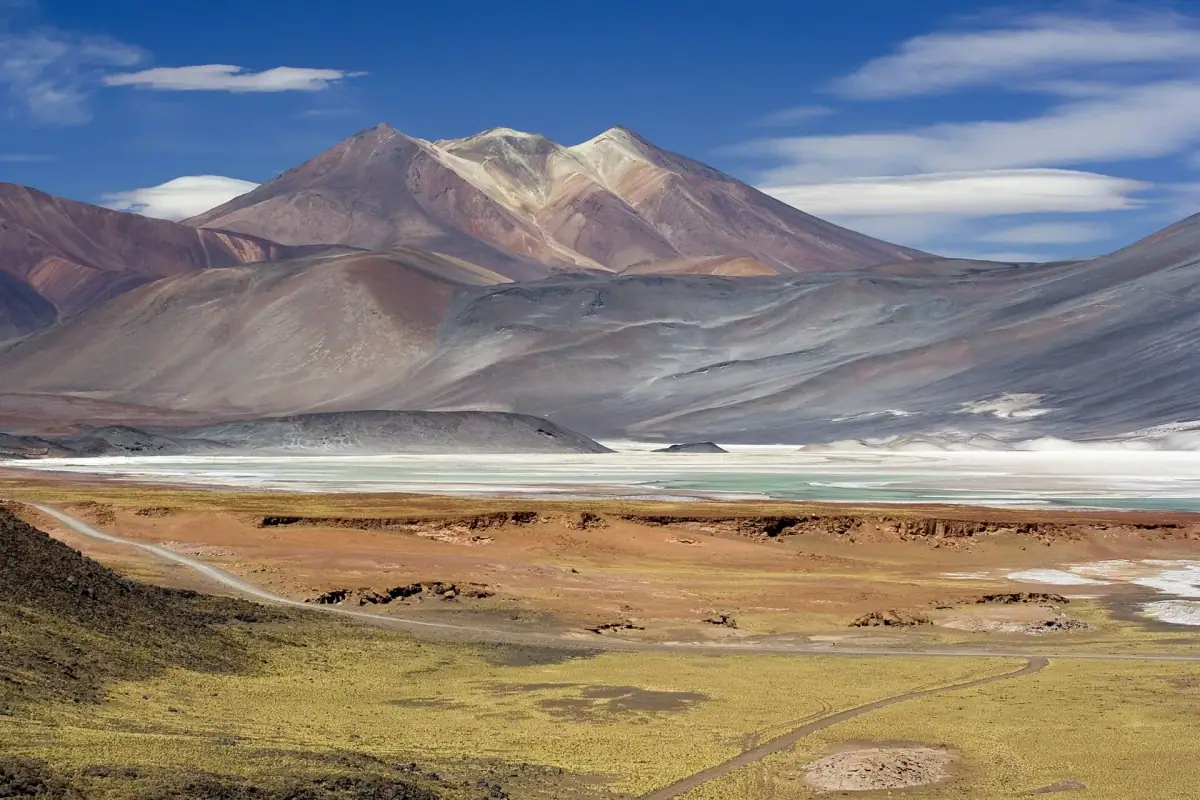
In the north, rain is extremely rare, which explains the clarity of the sky used by astronomical observatories. The sun is strong all year, and temperature swings are marked: days are hot, but as soon as night falls the temperature drops sharply, especially at the altitude of the geysers and lagoons.
The austral winter (June to August) offers a sky especially suited to stargazing, but sunrises at the geysers can be very cold. Pack a down jacket, hat, gloves and several layers. Summer is hotter by day and is the season when the altiplano can see some afternoon storms, which sometimes disrupt certain high-altitude tours.
Spring and fall are good choices for a comfortable stay. Whatever the period, altitude is noticeable: for health questions, ask your doctor or a travel clinic, and see the official travel health pages (CDC in the US, TravelHealthPro in the UK). Our guide to San Pedro de Atacama details the main tours and their particulars.
Lake District: volcanoes, forests and rain
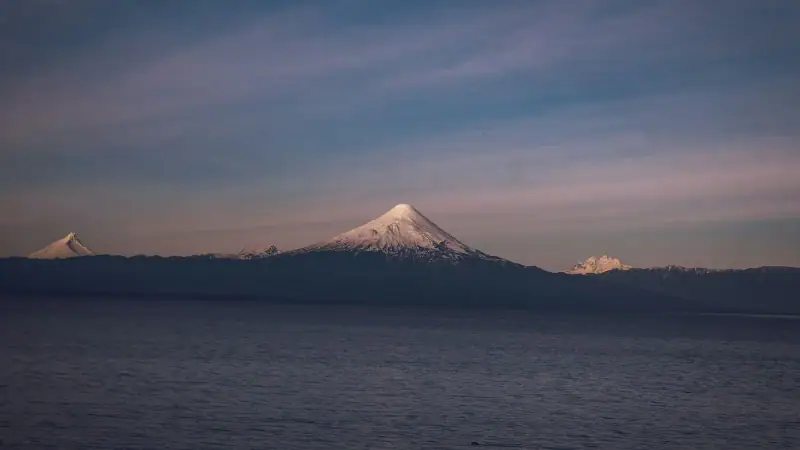
Around Pucón and Puerto Varas, the ideal season for outdoor activities runs from about November to April. This is the safest window for climbing Villarrica Volcano, rafting, hiking and swimming in the lakes. December to February is the warmest, but also the busiest and priciest, with beaches full of Chilean families on vacation.
March and April are often a very good choice: the crowds head back down, temperatures stay pleasant and the forests begin to take on their fall colors. On the other hand, the region is naturally wet and it can rain in any period: always bring a waterproof jacket.
Winter is geared toward skiing on the slopes of some volcanoes, hot springs and forest walks, but days are short and rain is frequent. If you come in this season, favor accommodation with heating and a stay built around relaxation rather than high-altitude outings.
Tours in Chile
Wine tastings, desert tours or nature outings: compare guided activities and their ratings, depending on the season.
Chiloé: the archipelago where it often rains
Chiloé receives significant rainfall during a good part of the year, and the sky changes quickly. This is not a flaw: mist and clouds are part of the charm of the palafitos and wooden churches. But to enjoy boat trips, the coasts and the national park, it is better to aim for the austral summer, from about December to March, when days are long and sunny breaks more frequent.
Even in summer, temperatures stay mild rather than hot. Pack waterproof clothing and quick-drying shoes. If you travel outside this period, plan a relaxed pace, with visits to churches, markets and meals of local specialties rather than long walks. Find our advice in the guide to Chiloé.
Easter Island: a mild climate all year
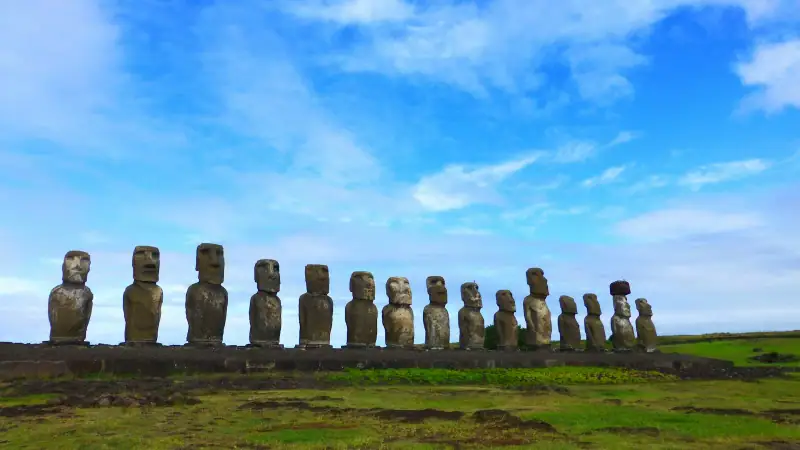
Easter Island enjoys an oceanic subtropical climate, with no truly difficult season. Temperatures stay pleasant all year, with rain more frequent in the austral winter, often as brief showers. Summer is warmer and brighter, which is ideal for Anakena beach and sunsets.
February is the month of the Tapati Rapa Nui festival, a major cultural event that attracts many visitors: if you want to attend, book flights and accommodation very early, because supply is limited on the island. Outside that period, you will find availability more easily and less crowded sites. Our practical advice is in the guide to Easter Island.
Which period to choose for your trip
For a first trip combining Santiago, the desert and the lakes, October to November and March to April are generally the most balanced: fewer people, often more reasonable prices and a pleasant climate in almost every region. If you are tied to school holidays, December to February suits the south very well, but plan your booking and budget ahead.
For hiking and whitewater activities, aim for November to April. For astronomy and the desert, the winter months are excellent, provided you can stand the cold at night. For skiing and hot springs, June to September is the natural window. For wine, think of the March and April grape harvest.
Chilean public holidays, particularly around the national holidays in September, see many families leave on vacation: buses, domestic flights and accommodation can then be full or pricier. Check the calendar before setting your dates.
Flights to Chile
Fares vary a lot between high and low season: compare flights to Santiago for your dates.
Practical tips to prepare your trip
Whatever the season, think in layers: a T-shirt, a fleece and a windbreaker will serve you almost everywhere. Do not forget sun protection, because radiation is strong, especially at altitude and in the desert. A good pair of hiking shoes and rain gear are essential as soon as you leave the center of the country.
Leave slack in your schedule for the unexpected: a tour can be canceled because of wind or a volcanic alert, a domestic flight can be delayed. The longer your itinerary, the more you should avoid overloading it: Chile is a country where distances are measured in thousands of kilometers and where traveling slowly pays off.
Finally, take out travel insurance covering cancellation, sports activities and repatriation before you go.
Frequently asked questions
What is the best month to go to Chile?
There is no perfect month for the whole country, since it stretches over more than 4,000 km (2,485 mi). For a trip combining Santiago, the desert and the lakes, October to April is the most versatile, with a heat peak from December to February.
Are the seasons reversed compared with the Northern Hemisphere?
Yes. The austral summer runs from December to February and winter from June to August. Christmas and New Year fall in the middle of high season.
Can you visit the Atacama Desert in winter?
Yes, the sky is very clear and days are sunny, but nights are very cold, especially at altitude. Pack warm clothes for dawn tours.
When should you go to Easter Island?
The island can be visited year-round thanks to a mild climate. Rain is more frequent in the austral winter, while summer is warmer and busier, notably around the Tapati festival in February.
Do you need to book far in advance?
For December to February, yes: flights, accommodation and popular tours fill up weeks ahead. Off-season, booking a few days before is often enough.
More Chile guides
Keep reading
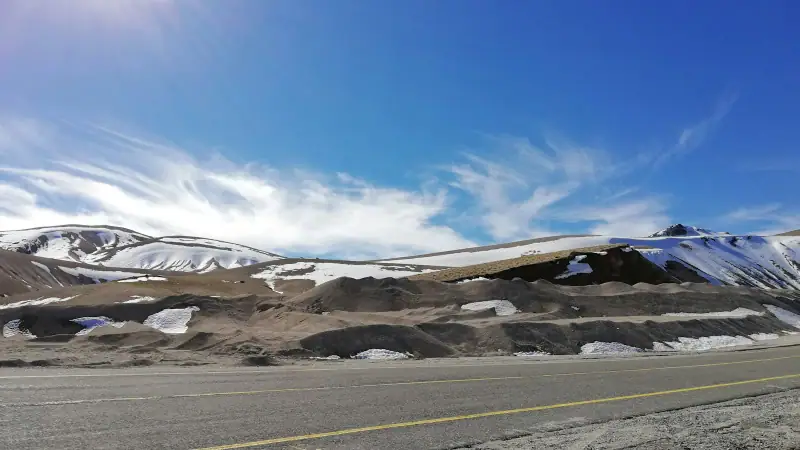
Chile trip budget: real costs, 3 profiles and money-saving tips
How much does a trip to Chile cost? Prices by category (lodging, transport, meals, activities), three daily budgets and tips to spend less.
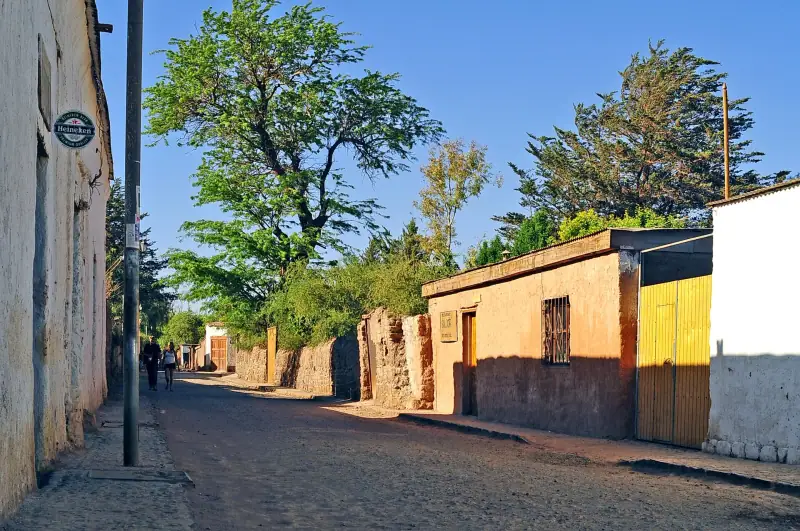
Where to stay in San Pedro de Atacama without a car: town center or outskirts?
No car in San Pedro de Atacama: stay near Caracoles Street or on the outskirts? Areas, walking distances, early-morning tours and pitfalls to avoid.
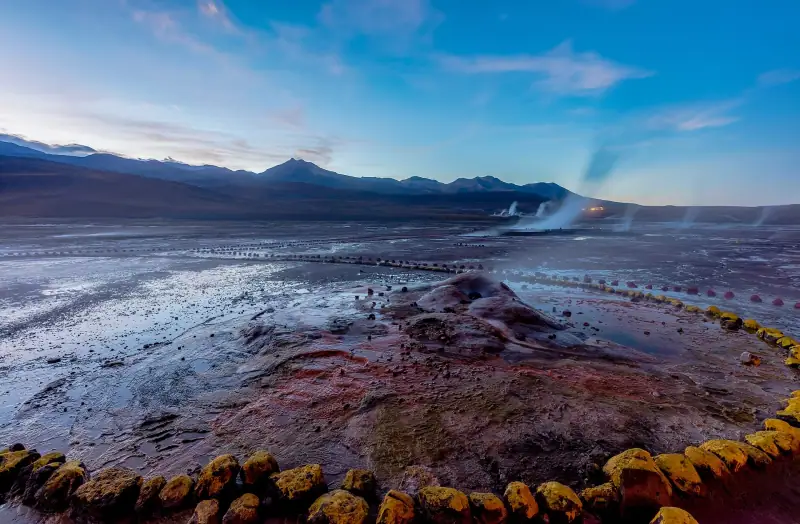
El Tatio geysers without a tour: car, entrance fee and hours
Visit El Tatio geysers without a tour: B-245 road, 15,000 CLP ticket, night departure, cold and altitude. The real conditions before you rent a car.
Ready-made
Chile itineraries
7 days
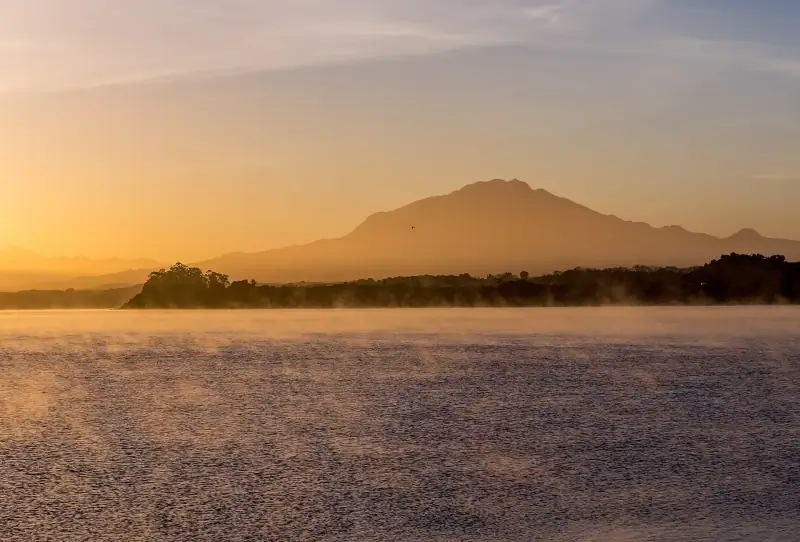
Chile's Lake District road trip: 7 days from Puerto Varas to Pucón
Puerto VarasPucón
Can be adapted in the planner
3 days
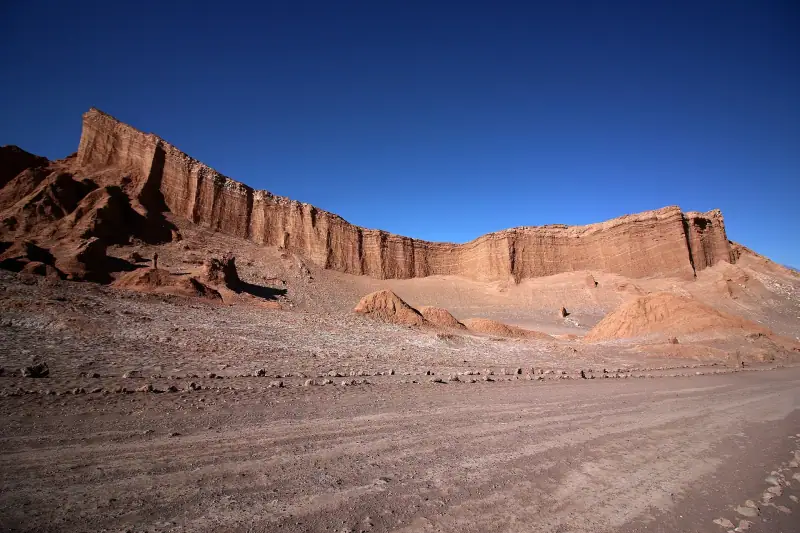
3 days in San Pedro de Atacama: a day-by-day itinerary
3 days in San Pedro de Atacama: a day-by-day plan with Moon Valley, lagoons, El Tatio geysers and stargazing, plus altitude and logistics tips.
14 days
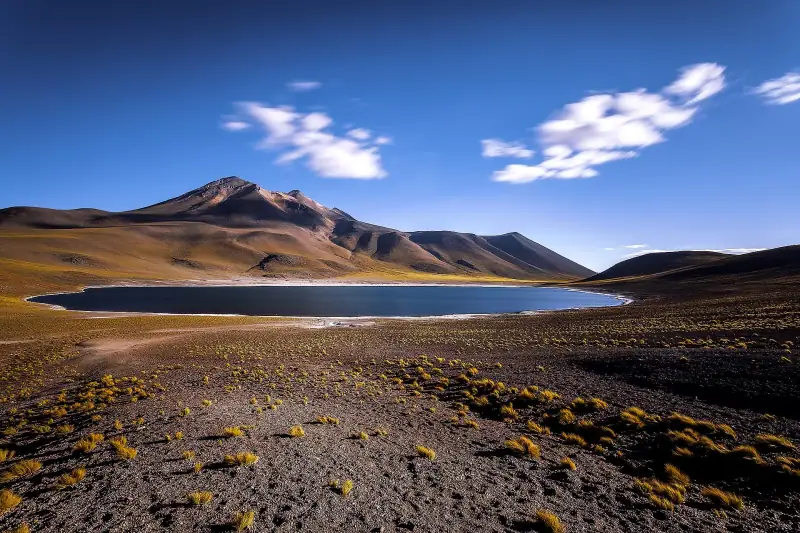
2-week Chile itinerary: Atacama, the Lakes and Chiloé
A 14-day Chile itinerary, day by day: Santiago, Valparaíso, the Atacama Desert, Pucón, Puerto Varas and Chiloé, with flights, durations and tips.