What to see
Easter Island (Rapa Nui): what to see and do, a guide to the moai
We may earn a commission when you book through links on this page, at no extra cost to you. We don't visit or try the places we cover: we summarize published sources. How we work
In short
- The only practical access is a flight from Santiago of about 5 h 30; the island is over 3,500 km (2,175 mi) from the mainland. Book flights and lodging well ahead.
- Four days cover Rano Raraku, Ahu Tongariki, Orongo, Anakena and Tahai; the island is about 160 km² (62 sq mi).
- The Rapa Nui national park charges foreign visitors an entrance fee, and some sites can be visited only once per ticket. Never climb on an ahu or touch the statues.
- The Tapati festival in February draws crowds, so book very early.
Easter Island, which its inhabitants call Rapa Nui, is one of the most isolated inhabited places on the planet. Part of Chile, it rises from the Pacific more than 3,500 km (2,175 mi) from the mainland coast, and its roughly 160 km² (62 sq mi) shelter hundreds of monumental statues, the moai, carved from volcanic rock by the Polynesian people who settled there. Rapa Nui National Park has been a UNESCO World Heritage Site since 1995.
People come for the lines of statues facing the sea, but the island also has craters, light-sand beaches, cliffs and memorable sunsets. This guide covers the key sites, how to get around and a 4-to-5-day program. To prepare the rest of your trip, see our guide to Santiago, the departure point for flights, or the one on the wooden churches of Chiloé. For the desert, head to San Pedro de Atacama.
Getting to Easter Island and getting organized
The only practical access is by plane: flights leave from Santiago and last about 5 hours 30. Rotations are limited and seats go fast in high season, so book early, at the same time as lodging. The airport is a few minutes from the island’s only town, Hanga Roa, where almost the whole population lives.
As on any fragile island territory, rules govern visitors’ stays: limited length of stay, lodging declared on arrival, strict respect for archaeological sites. Never climb on a platform (ahu) and do not touch the statues. Check the current conditions on official sites before you go, as they change.
There is a time difference with Santiago that varies by season: check it when you book. As for atmosphere, life there is relaxed, but prices are higher than on mainland Chile, since almost everything is brought in by plane or boat.
Flights to Easter Island
Seats are limited: compare flights from Santiago and book early, especially between December and February.
Hanga Roa and Ahu Tahai: the village and the sunset
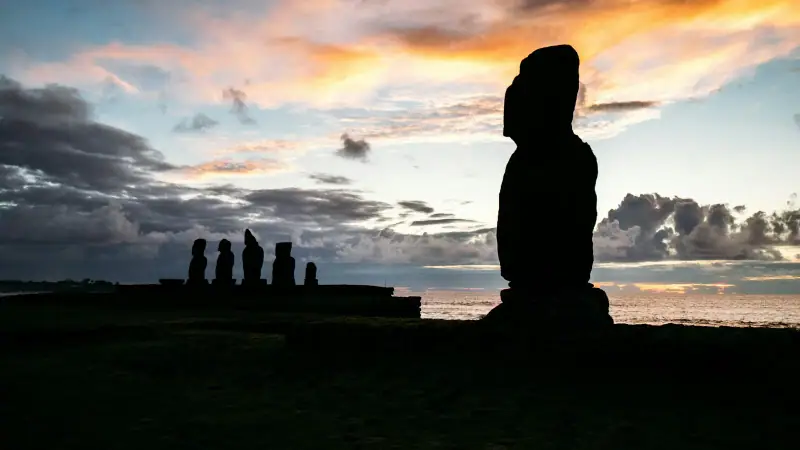
Hanga Roa is the base for any stay: lodging, restaurants, small shops, car rental operators and tour agencies are concentrated there. The waterfront, with its small fishing harbor, is pleasant for an end-of-day stroll, and the village church blends Catholicism with Rapa Nui iconography.
A short walk from the center, the Tahai site groups several ceremonial platforms, one of which carries moai lined up facing the ocean. It is the classic place to watch the sunset: the statues stand out in silhouette against an orange sky. This area is reached on foot from town, which makes it a good first outing on arrival, before tackling the more distant sites.
In the evening, local cooking highlights fresh fish, notably tuna, served raw, grilled or as ceviche. Lodging ranges from homestays to hotels with sea views; the closer the season, the wiser it is to book.
Where to stay in Hanga Roa
Cabañas, guesthouses and hotels facing the ocean: compare the island's lodging, which fills up quickly in high season.
Rano Raraku: the moai quarry
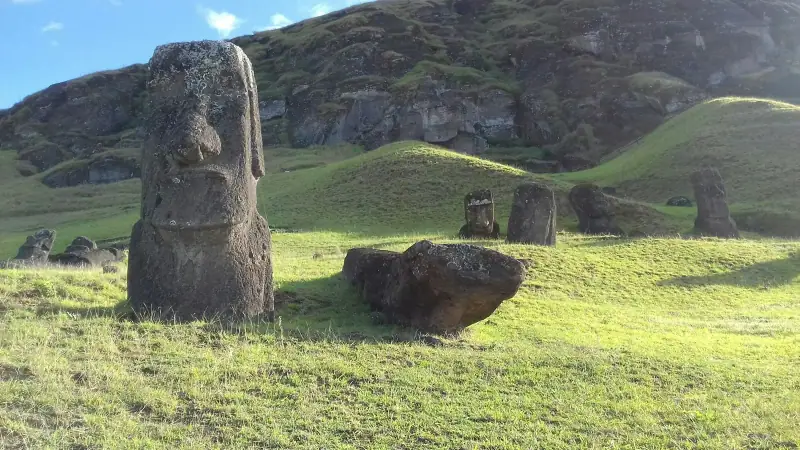
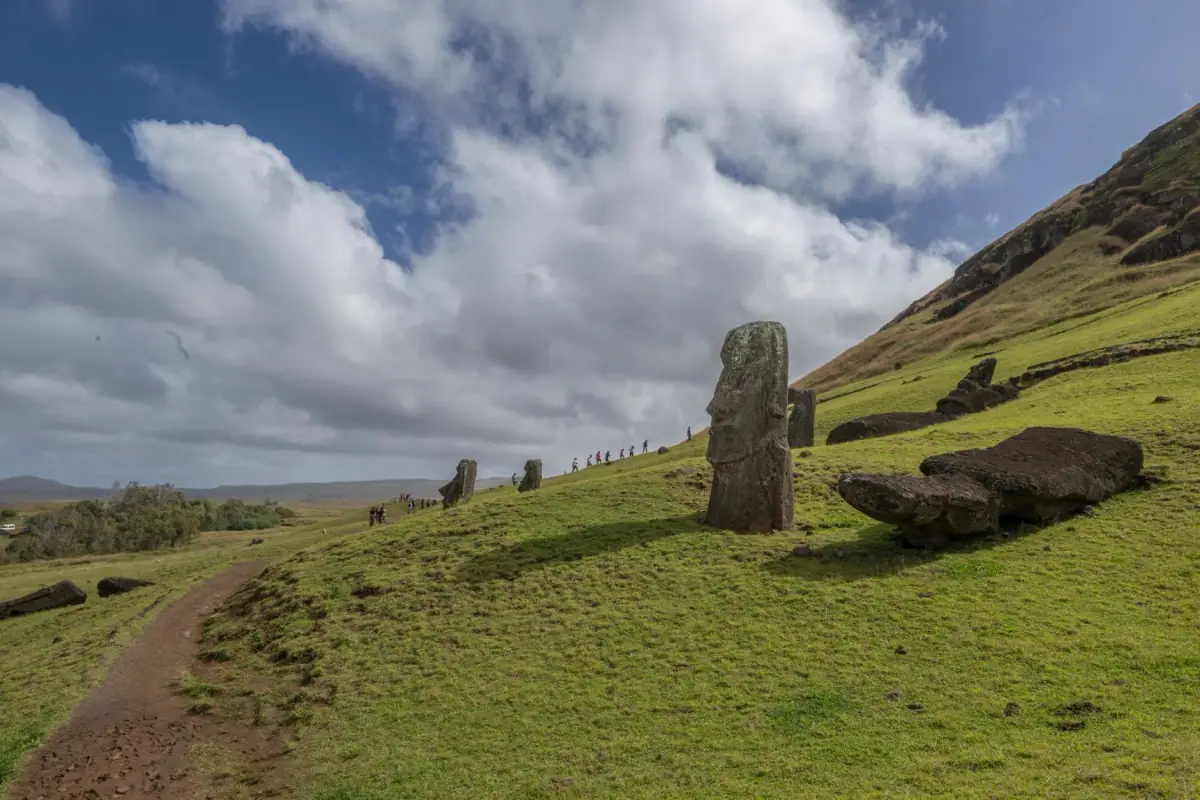
This is probably the most fascinating site on the island. On the slopes of this extinct volcano, Rapa Nui sculptors extracted rock to carve the statues, and you see hundreds of moai at every stage: some standing, buried up to the shoulders in the slope, others barely sketched out in the rock face. One of them, lying down and unfinished, gives the measure of how ambitious some projects were.
Marked trails let you walk among the statues. Plan about two hours for the visit and walk slowly: the light in the morning or late afternoon is best for photos. Inside the crater a lake has formed, and you can see the statues reflected in it. Cover up and bring water, because shade is rare.
Ahu Tongariki: fifteen moai facing the rising sun
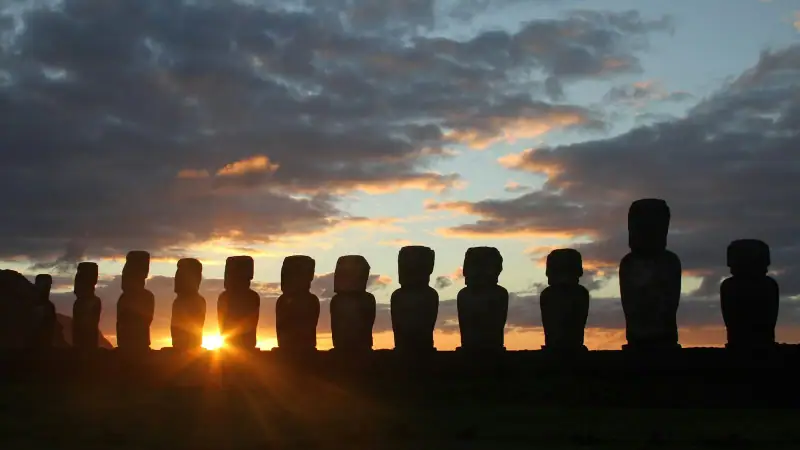
At the foot of Rano Raraku, Ahu Tongariki is the largest ceremonial platform on the island. Fifteen statues stand in a line, turned inland like almost all of the island’s moai. The site was restored in the 20th century after being devastated by a tsunami in 1960.
Sunrise behind the statues is a highly prized moment: you need to leave Hanga Roa in the dark to be there before dawn, which requires a vehicle or booking a tour. Allow about thirty minutes’ drive from the village. If you prefer to avoid crowds, come late in the morning or mid-afternoon, when the groups have left.
Tours and guided visits
A local guide helps you understand the history of the moai, the rites and life on the island. Compare day tours and sunrise outings.
Anakena: the beach and its moai
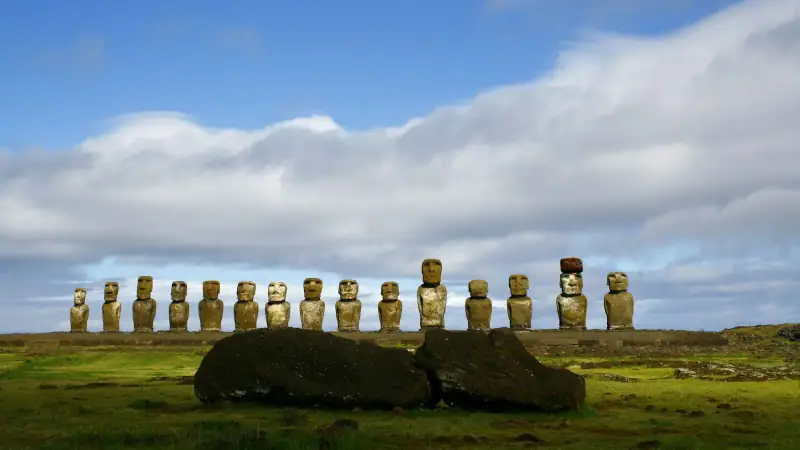
On the north coast, Anakena is the island’s most famous beach, with white sand, palm trees and turquoise water. According to Rapa Nui tradition, it is where the first king, Hotu Matu’a, arrived. A platform, Ahu Nau Nau, carries moai, some of which kept their pukao, the red-rock topknot that crowned them.
It is a good place to swim, picnic or rest after hours of sightseeing. The site is very busy in summer: arrive early if you want space under the trees. Bring sunscreen, because the sun is intense at this subtropical latitude, even in cloudy weather.
Orongo and Rano Kau crater: the birdman cult
To the southwest, Rano Kau volcano opens a deep crater occupied by a lake, seen from the heights. On the rim, the ceremonial village of Orongo overlooks the ocean and its islets. This is where the birdman cult (Tangata manu) took place, a competition that chose a leader for the community each year: participants went down the cliffs and swam to the neighboring islet to bring back the first egg of a seabird.
You see small stone dwellings and many petroglyphs. The view over the crater is spectacular, but the wind can be strong: bring a windbreaker. The road up from Hanga Roa is short, and the visit combines well with a relaxed morning.
Ahu Akivi, caves and hikes: the island’s interior
Far from the coast, Ahu Akivi is one of the rare platforms whose statues look toward the sea: seven moai stand in a line, associated with astronomical observations. Further on, volcanic caves and lava tunnels can be visited with a guide or a flashlight, depending on access.
For walking, the island offers panoramic trails, notably to the summit of Terevaka, the highest point, from where the view takes in the whole territory. The paths have little shade: start early, with water and good shoes. Divers find clear waters and visibility known to be excellent; several clubs offer intro dives and guided outings.
Organizing 4 to 5 days on the island
A realistic program:
- Day 1: arrival, settling in at Hanga Roa, walk and sunset at Tahai.
- Day 2: Rano Raraku, Ahu Tongariki, then some time at Anakena.
- Day 3: Rano Kau and Orongo in the morning, relaxation or diving in the afternoon.
- Day 4: Ahu Akivi, caves and a hike inland.
- Day 5 (optional): sunrise at Tongariki if you have not done it, activities at sea, last-minute craft shopping.
Distances are short, but roads are sometimes uneven and days pass quickly. Note that the park entrance is paid for foreigners and that some sites can be visited only once per ticket: keep it and ask there. As for the season, the Tapati festival, in February, enlivens the island with dances, songs and traditional competitions; it draws crowds, so book very far ahead.
Practical tips
- Respect: do not climb on the ahu, do not pick up any stone and stay on the trails.
- Equipment: hat, sunscreen, a light waterproof layer and closed shoes.
- Money: bring cash for small purchases, because payments do not go through everywhere.
- Network: connection is limited; download your maps and tickets before arriving. Check your carrier’s international plan or consider a travel eSIM.
- Combining: the island pairs well with a stay on the mainland, between the wine of the central valley, the coast of Valparaíso or the volcanoes of the Pucón area.
Frequently asked questions
How many days do you need to visit Easter Island?
Four days let you see the major sites without rushing: Rano Raraku, Ahu Tongariki, Orongo, Anakena and Tahai. Three days is doable but tight; with five or six, you can add hikes, diving or the caves.
How do you get to Easter Island?
You need to take a flight from Santiago, which lasts about 5 hours 30. The island is more than 3,500 km (2,175 mi) from the mainland, and there is no other practical way to get there. Book flight and lodging well ahead.
Do you need a ticket to visit the Easter Island sites?
Yes, most archaeological sites are in Rapa Nui National Park, where entry is paid for foreign visitors. The ticket is bought on arrival or online and generally gives access to Rano Raraku and Orongo once each. Check the fee and conditions before you go.
Do you need to rent a car on the island?
It is a comfortable option for going at your own pace, since the sites are scattered around a triangular island of about 160 km² (62 sq mi). You can also rent a scooter or bike, or book a guided tour.
When is the best time to go?
The climate is mild all year. The austral summer (December to March) is warmer and busier, with the Tapati festival in February. Fall and spring often offer a good compromise between weather and crowds.
More Chile guides
Keep reading
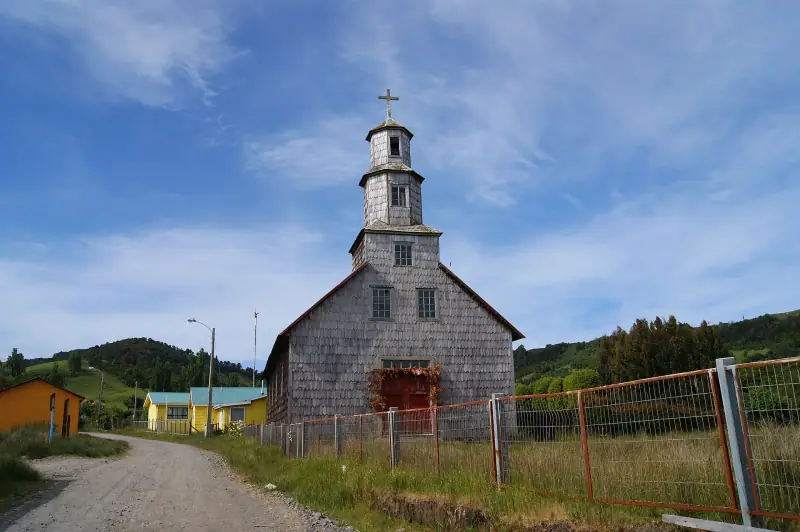
Chiloé: what to see and do on Chile's island of wooden churches
What to see on Chiloé: UNESCO wooden churches, Castro's palafitos, the national park, penguins and curanto. A guide to planning 4 to 5 days on the island.
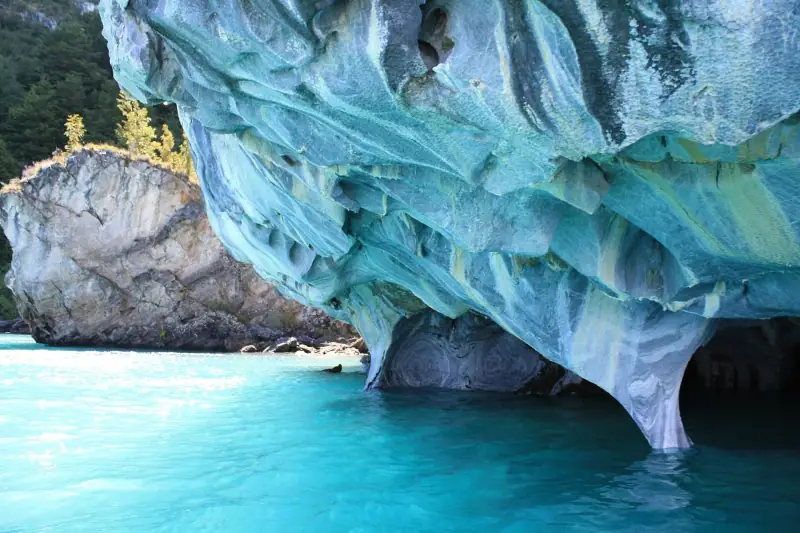
Complete guide to visiting Chile: regions, itineraries, budget and tips
Visiting Chile: regions, cities, highlights, when to go, transport, accommodation and budget. The pillar guide to prepare your trip from A to Z.
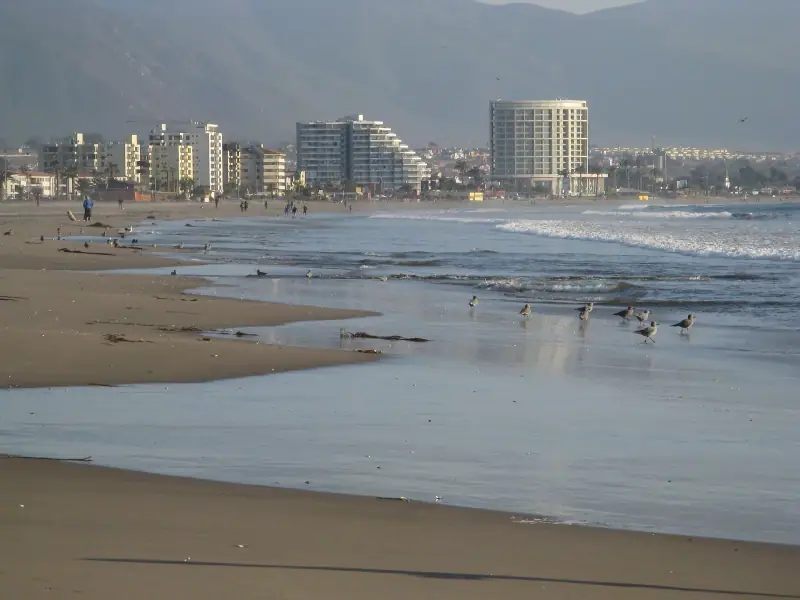
La Serena and the Elqui Valley: pisco, stars and beaches in Chile
What to do in La Serena and the Elqui Valley? Beaches, Vicuña, Pisco Elqui, starry skies and Humboldt penguins: a guide for 3 days in the Norte Chico.
Ready-made
Chile itineraries
7 days
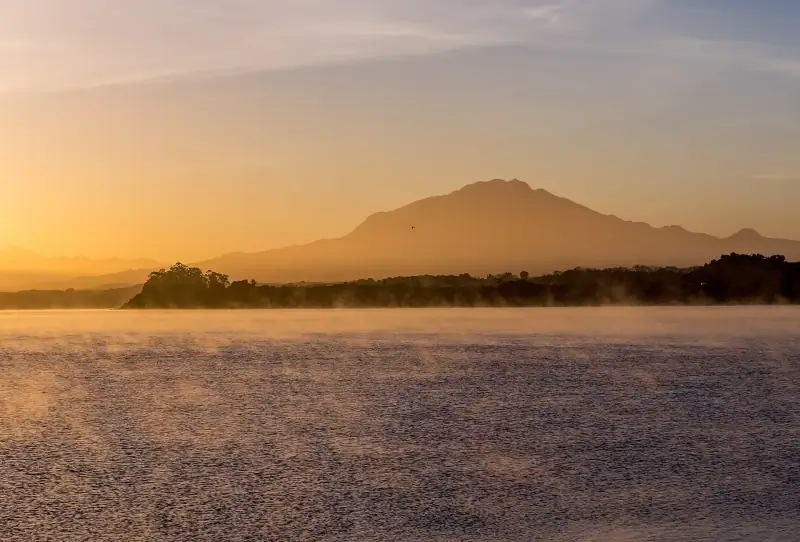
Chile's Lake District road trip: 7 days from Puerto Varas to Pucón
Puerto VarasPucón
Can be adapted in the planner
3 days
3 days in San Pedro de Atacama: a day-by-day itinerary
3 days in San Pedro de Atacama: a day-by-day plan with Moon Valley, lagoons, El Tatio geysers and stargazing, plus altitude and logistics tips.
14 days
2-week Chile itinerary: Atacama, the Lakes and Chiloé
A 14-day Chile itinerary, day by day: Santiago, Valparaíso, the Atacama Desert, Pucón, Puerto Varas and Chiloé, with flights, durations and tips.