Things to do
Pucón and Villarrica Volcano: things to do in Chile's Lake District
We may earn a commission when you book through links on this page, at no extra cost to you. We don't visit or try the places we cover: we summarize published sources. How we work
In short
- Three to four days combine the volcano climb (or a hike), a rafting or lake day and an afternoon in hot springs.
- The Villarrica climb is only done with an agency, equipment provided, and depends on weather and volcanic activity; keep a spare day.
- Pucón is about 780 km (485 mi) from Santiago: an overnight bus of roughly ten hours, or a flight to Temuco plus a transfer of about 1 h 30.
- Best period for the climb, hiking and water sports: about November to April; winter suits skiing and hot springs.
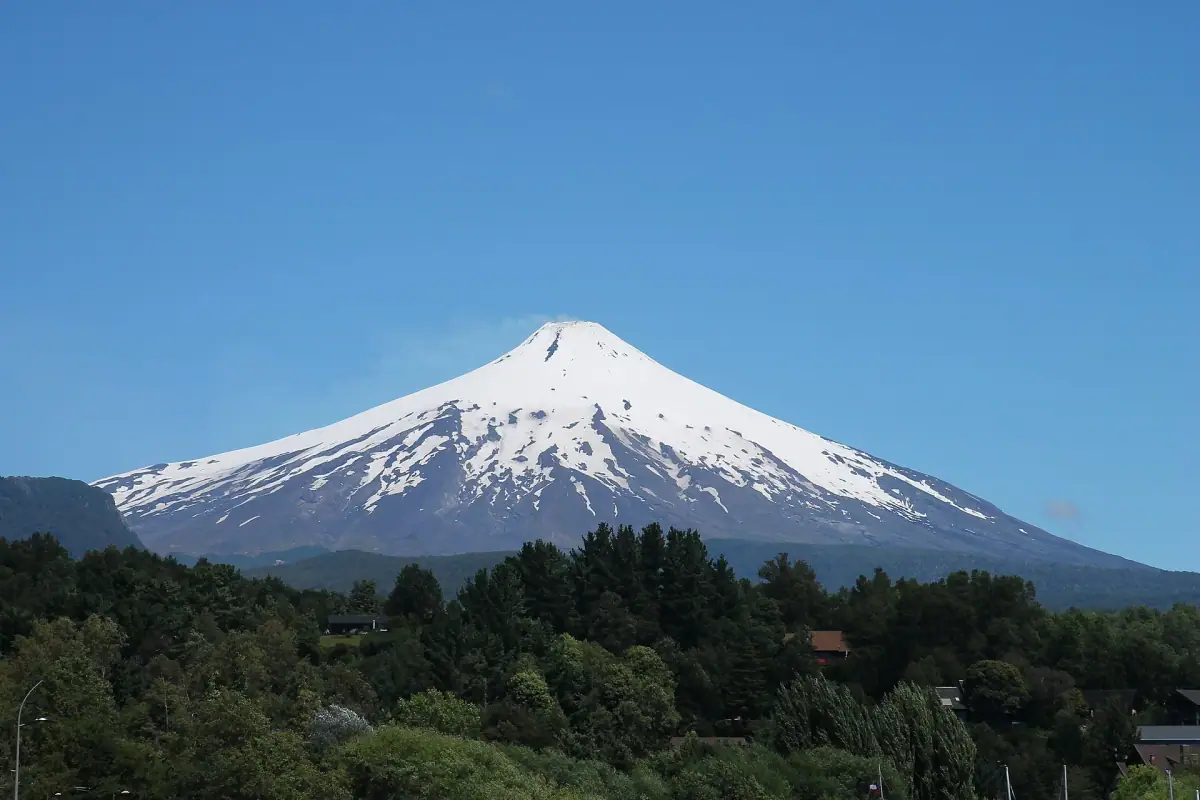
Pucón is Chile’s capital of soft adventure. Set on the south shore of Lake Villarrica, in the Araucanía region, this small resort has a perfect, smoking cone as its backdrop: Villarrica Volcano, which rises to about 2,850 m (9,350 ft). Around it you find araucaria forests, lakes, rafting rivers and hot springs in the middle of nature.
This guide details the region’s main activities, the best time to go, the outings you can do without a guide and how to organize a stay of 3 to 4 days. For the rest of the country, see our guide to Santiago.
Villarrica Volcano: the climb and its conditions
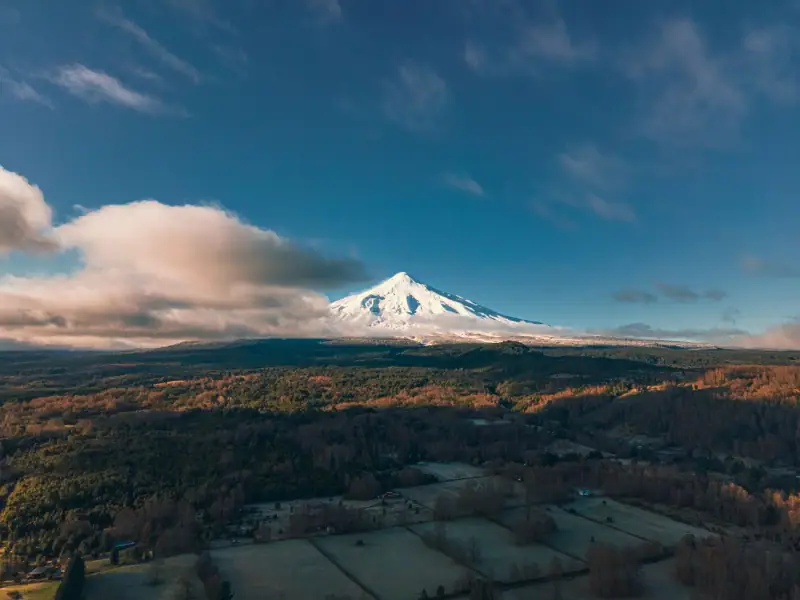
Villarrica is one of the most active volcanoes in South America, and its silhouette dominates the whole town. The climb to the crater is Pucón’s headline activity: it must be done with an agency, with equipment provided (crampons, ice axe, helmet, mask), and only if the weather and volcanic activity allow it. It is not unusual for the outing to be canceled the day before or the same morning, sometimes several days in a row when it is windy.
The effort is real: plan for a full day, a very early start, several hours of climbing on snow and ice, then a faster descent. A lift is sometimes offered on the first section to save time, depending on snow cover and the season. At the summit, if the wind is favorable, you can see the lava lake and smell the sulfur gases.
A few practical tips: book while keeping some flexibility in your schedule, preferably choose an agency that limits group size, and bring warm clothing, sunglasses and water. The fitness required is that of a high-mountain hike: if you have doubts, stay on the national park trails, which are more accessible. The most favorable season generally runs from late austral spring to early fall, about November to April.
Where to stay in Pucón
Cabañas, lodges near the lake or small hotels in the center: compare places to stay depending on whether you aim for the beach, excursions or hot springs.
National parks and hikes: Huerquehue and the foot of the volcano
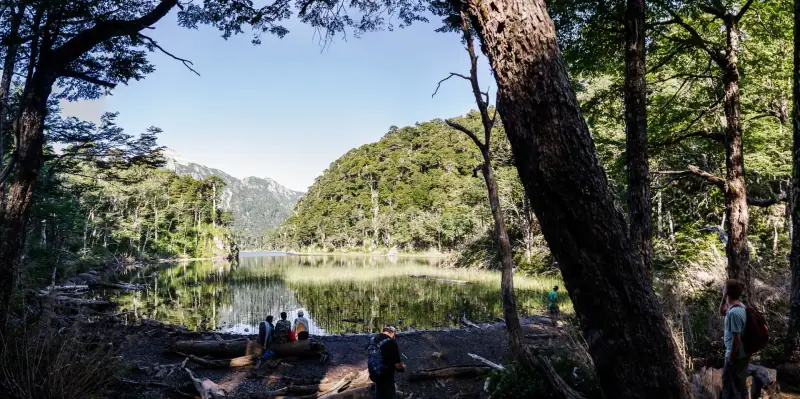
If the climb does not appeal to you, the region offers some very fine walks. Huerquehue National Park, northeast of Pucón, is one of the most popular hikes: a trail climbs through the forest to several high-altitude lakes, with araucarias and, in clear weather, views of Villarrica Volcano. It can be done as a day trip from Pucón, by car or organized transfer.
Villarrica National Park, which surrounds the volcano, also has shorter trails, old lava flows and landscapes of forest and black ash. In winter, a small ski area sets up on the volcano’s slopes, a curiosity for anyone who wants to ski facing a smoking crater, generally from July to September.
For hikes, bring good shoes, a waterproof jacket (the weather changes fast in this wet area) and something for a picnic. Park entrance fees are collected at the entrance and vary by nationality and season: ask there rather than relying on a price found online.
Nature lovers can also extend their stay to the neighboring parks of Araucanía, where araucarias grow, the emblematic conifers that the Mapuche consider sacred.
Excursions around Pucón
Rafting, hot springs, hiking at the foot of the volcano or a kayak outing: compare guided activities and their ratings.
Rafting, kayaking and the beaches of Lake Villarrica
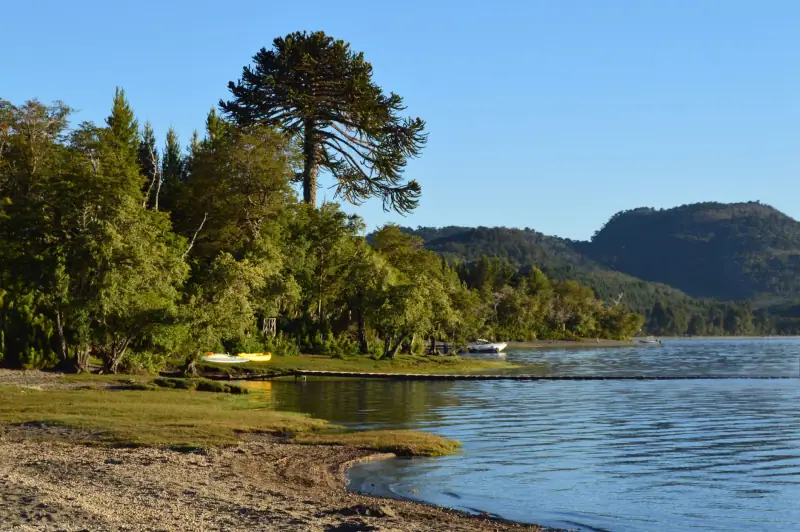
Pucón is also a whitewater spot. The Trancura River, which reaches the lake near town, is the favorite playground of rafting agencies, with runs suited to beginners as well as the more athletic. Outings last a few hours, with transport, wetsuit and helmet. Kayaking, paddleboarding and windsurfing are done on the lake.
In the austral summer (December to February), Pucón’s big black volcanic-sand beach, facing the volcano, is the meeting place for families: swimming, pedal boats, refreshment stands and sunsets over the water. The lake water stays cool, but bearable in the hot hours.
Further north, the Ojos del Caburgua, turquoise pools fed by underground springs, make an easy stop for a swim or a photo, a short drive from Pucón. Not far away, Lake Caburgua has beaches that are calmer than those in the center.
For all these activities, compare several agencies in the town center before booking: services are similar, but the level of safety, group size and equipment can vary. Check that the outing is led by trained guides and that a life jacket and helmet are provided.
Hot springs: relaxing after the effort
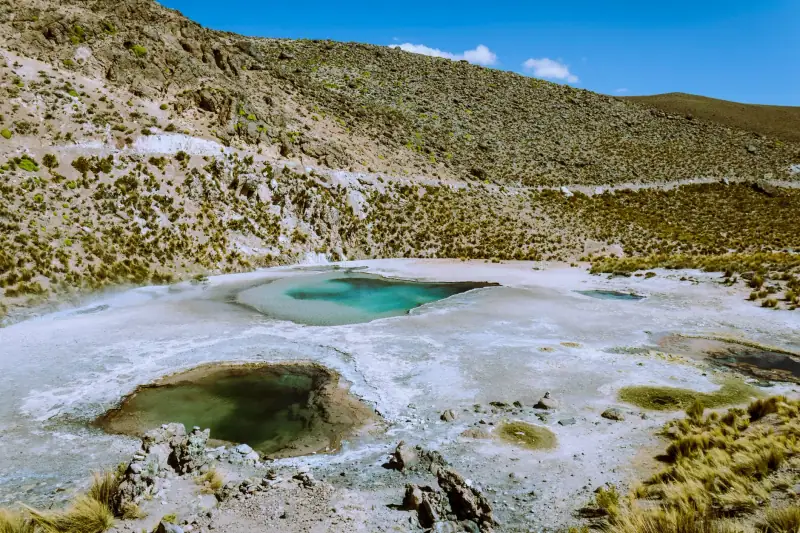
The region is rich in thermal springs, and it is one of the great pleasures of a stay in Pucón. Some are built as pools in the middle of the forest, others simpler, beside a river. Among the best known, the Termas Geométricas, near Coñaripe, are famous for their red stone pools linked by wooden walkways in a wooded ravine. The Termas Los Pozones, more rustic, are on the road to Currarehue.
The principle is simple: you alternate the hot water of the pools with a cool dip in the nearby stream or waterfall. The hot springs are especially pleasant at the end of the day, after a hike, and even in the rain. Bring a swimsuit, a towel, sandals and dry clothes.
Hours and prices vary by season, and some sites require a reservation in advance in high season: check before you go. Access roads are partly unpaved; a rental car makes getting around easier, or you can go through a local agency that arranges transport from Pucón.
Getting there and when to go
Pucón is about 780 km (485 mi) south of Santiago. There are two main options: overnight buses, comfortable but long (allow about ten hours, often via Temuco or Villarrica), or a flight to Temuco, then a road transfer of about 1 h 30 to Pucón. Once there, the center can be covered on foot, and excursions leave by minibus or car.
For the season, the austral summer (December to February) is ideal for water activities, but also the busiest and most expensive. Spring and early fall, from about November to April, offer a good compromise for the climb and hiking. Winter is more about skiing and hot springs; rain is frequent.
Allow 3 to 4 days to enjoy the area without rushing: one day for the volcano, one for Huerquehue or the lake, one for the rivers and one for the hot springs. If you extend your trip south, you can add Puerto Varas and Chiloé.
Flights to Chile
Santiago is the country's gateway; from there, a domestic flight or a long bus ride leads south: compare flights.
What to eat in Pucón
Local cooking is simple and hearty. You find trout from lakes and rivers, grilled meats (asado), empanadas, hot sandwiches and dishes based on forest products. German influences, inherited from the settlers who came to southern Chile, show up in the pastries and cakes (kuchen) served in tea rooms. In the region you can also try Mapuche products, such as araucaria pine nuts (piñones) in season.
Prefer restaurants frequented by locals over those on the lakefront, which are often pricier. A hearty breakfast before an excursion is essential, and a picnic made with market produce saves time on the trails.
Practical tips for your stay
Always bring extra layers: the weather can go from sun to rain in an hour. Keep sunscreen and a hat for summer, and a headlamp if you set out very early for an excursion. Most shops accept cards, but keep Chilean pesos for small purchases and remote hot springs.
Follow the instructions of park rangers: do not leave the trails, take your trash with you, and follow the advice of the national geology service on volcanic activity, which can close access at any time. For safety, take out travel insurance covering sports activities and repatriation before you go.
Frequently asked questions
How many days do you need to visit Pucón?
Three to four days let you combine the volcano climb (or a hike), a day of rafting or lake time and an afternoon in hot springs without rushing.
Can you climb Villarrica Volcano without a guide?
No, the climb to the crater is done with an agency, equipment provided. It depends on the weather and volcanic activity and can be canceled at the last minute, so keep a spare day.
How do you get from Santiago to Pucón?
About 780 km (485 mi) separate the two cities. You can take an overnight bus (about ten hours) or fly to Temuco and then take a road transfer of about 1 h 30.
When is the best time to go to Pucón?
From about November to April for the climb, hiking and water activities; December to February is the warmest but also the busiest. Winter suits skiing and hot springs.
Can you reach Pucón's hot springs without a car?
Some, yes, through agencies or organized transfers from Pucón. Access roads are partly unpaved, and a rental car offers more freedom.
More Chile guides
Keep reading
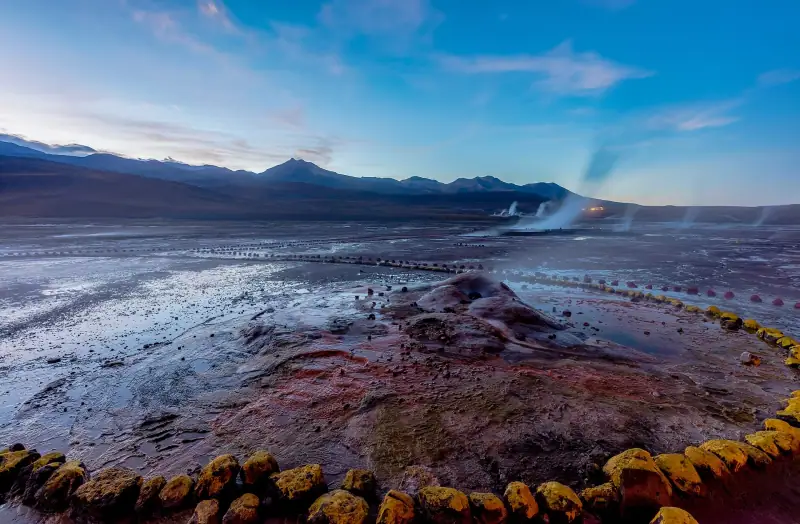
El Tatio geysers without a tour: car, entrance fee and hours
Visit El Tatio geysers without a tour: B-245 road, 15,000 CLP ticket, night departure, cold and altitude. The real conditions before you rent a car.
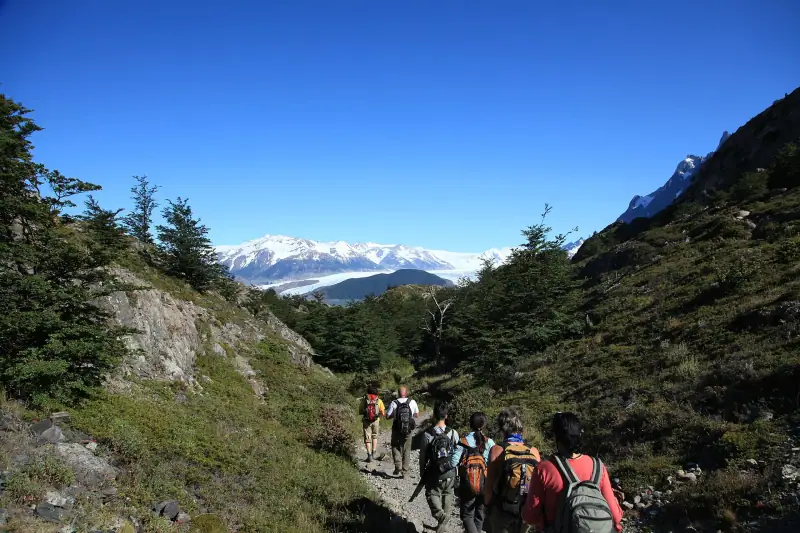
Hiking in Chile outside Patagonia: 7 national parks to explore
Where to hike in Chile without going to Patagonia? Huerquehue, Conguillío, Vicente Pérez Rosales, La Campana, Lauca: how to choose and prepare your treks.
Chile trip budget: real costs, 3 profiles and money-saving tips
How much does a trip to Chile cost? Prices by category (lodging, transport, meals, activities), three daily budgets and tips to spend less.
Ready-made
Chile itineraries
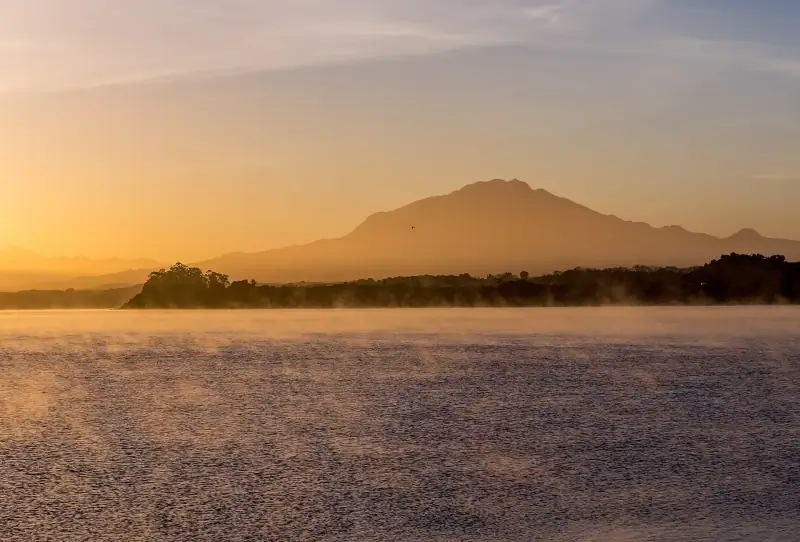
7 days
Chile's Lake District road trip: 7 days from Puerto Varas to Pucón
Puerto VarasPucón
Can be adapted in the planner
3 days
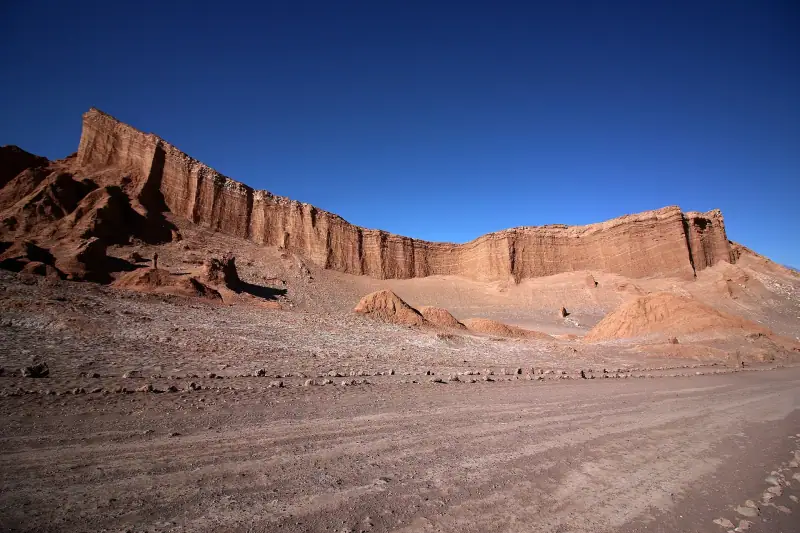
3 days in San Pedro de Atacama: a day-by-day itinerary
3 days in San Pedro de Atacama: a day-by-day plan with Moon Valley, lagoons, El Tatio geysers and stargazing, plus altitude and logistics tips.
14 days
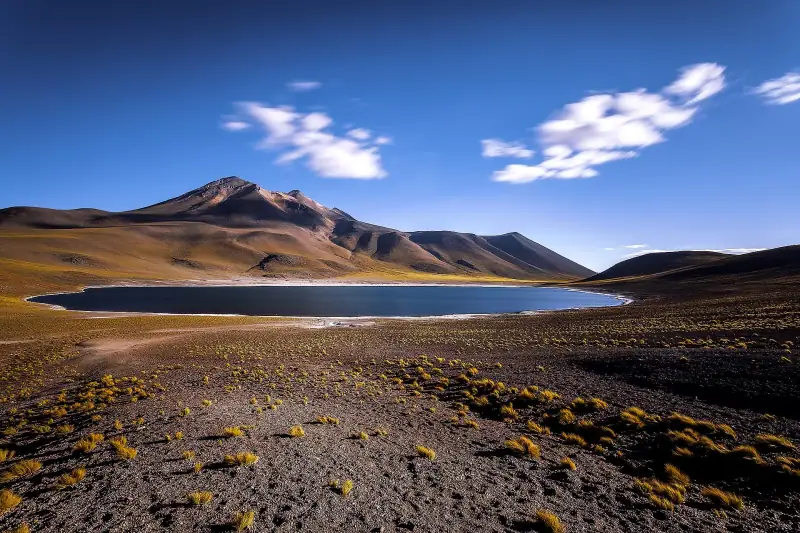
2-week Chile itinerary: Atacama, the Lakes and Chiloé
A 14-day Chile itinerary, day by day: Santiago, Valparaíso, the Atacama Desert, Pucón, Puerto Varas and Chiloé, with flights, durations and tips.