What to see
Chiloé: what to see and do on Chile's island of wooden churches
We may earn a commission when you book through links on this page, at no extra cost to you. We don't visit or try the places we cover: we summarize published sources. How we work
In short
- Four to five days cover Ancud, Castro, a few wooden churches, the national park and a boat trip; with only two days, focus on Castro and its surroundings.
- Sixteen churches of the archipelago are UNESCO World Heritage Sites. Opening hours vary by parish, so ask the local tourist office.
- Reach the island via the Chacao channel ferry from Pargua; a rental car is the most flexible way to see scattered churches.
- The best season runs from about November to March, but bring a waterproof layer at any time of year.
Chiloé is the largest island in Chile and one of its best-kept secrets. South of Puerto Montt, among mists, green hills and channels, it has kept a culture of its own: that of the Chilotes, a mix of Huilliche indigenous heritage and Spanish tradition shaped by the sea and the rain. People come for its wooden churches listed as UNESCO World Heritage, its colorful stilt houses, its markets and its seafood cooking.
This guide presents the island’s essentials, what you can do depending on the season, the specialties to taste and how to organize a stay of 4 to 5 days. For the Lake District to the north, see our guide to Pucón and Villarrica Volcano, or the capital in our guide to Santiago.
Getting to Chiloé and getting around
The island is separated from the mainland by the Chacao channel. From Puerto Montt, you drive south to Pargua, then board a ferry with your vehicle: the crossing is short, around half an hour, and boats run frequently. On the other side, you land near Chacao, on the north coast of the island, and the main road (Ruta 5) heads down to Ancud and then Castro.
Long-distance buses take the same route, ferry included, and serve the main towns. This is a budget option, but they will not take you to the isolated churches or the wild beaches of the west coast. To explore freely, a rental car remains the most practical; expect roads that are sometimes unpaved away from the main road and weather that changes fast. A domestic flight can also reach the island directly from Santiago depending on the connections offered: check the schedules before you book.
A few benchmarks to size your stay: Ancud is in the north, Castro in the center-east, Cucao and the national park on the west coast. Between Ancud and Castro, allow about an hour and a half of driving, and a little over an hour to reach Cucao from Castro. Distances are short, but slow roads and photo stops make the day pass quickly.
Where to stay on Chiloé
Stilt houses, wooden cabañas or small hotels in central Castro: compare places to stay depending on whether you aim for the town, the coast or the national park.
Castro and its colorful palafitos
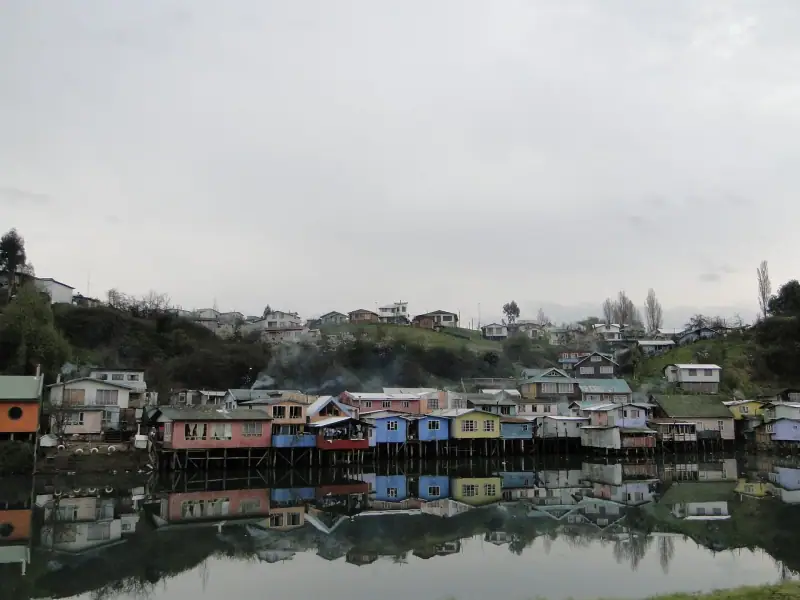
Castro is the island’s capital and the best base for a first stay. Its palafitos, the wooden houses on stilts that line the estuary, are reflected in the water at high tide and rest on the mud at low tide. Once tied to fishing, several have been turned into accommodation or restaurants: this is the most famous image of Chiloé, and it is best photographed early in the morning or at the end of the day.
Above the port, the central square is dominated by the Church of San Francisco, with its yellow and violet facade. Built in the early 20th century, it surprises with an interior made entirely of wood, in contrast to its sheet-metal exterior. It is one of the island’s major churches and can be visited free of charge outside services.
Castro’s crafts market is a good place to buy wool sweaters, hats and wooden objects, as well as local products. The region is also known for its potatoes, grown in great variety on the island: a curiosity to taste before you leave. Allow half a day for the town, a little more if you want to stroll along the waterfront.
Chiloé’s wooden churches, a UNESCO heritage
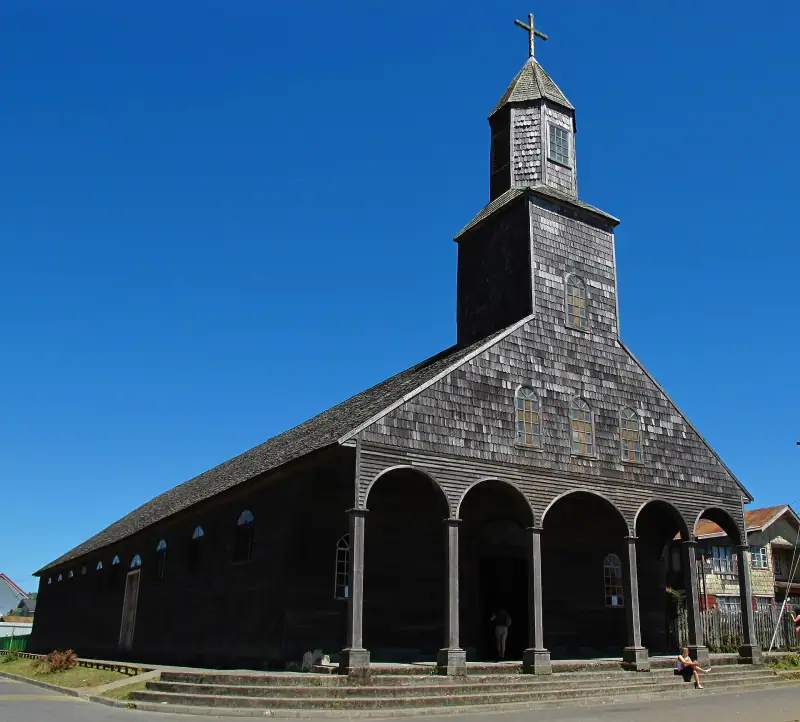
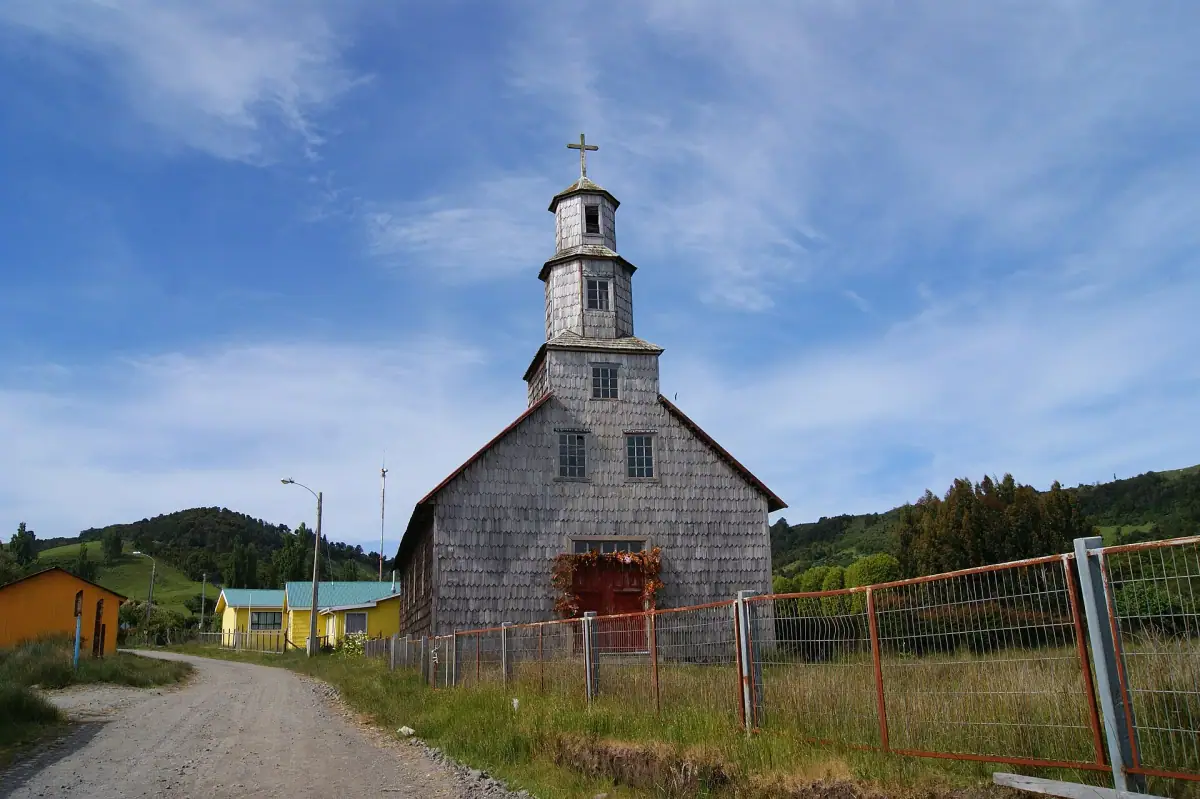
Sixteen churches of the archipelago are inscribed on the UNESCO World Heritage list. They were built by the Jesuits, then the Franciscans, with the help of local communities, using shipbuilding carpentry: the main structure is assembled without iron nails, and the facades are covered with wooden shingles, often painted in bright colors. Their style blends European influences and island know-how, and each village has its own, by the water or on a hill.
Among the best known are the church of Achao, on Quinchao Island, considered one of the oldest still standing, and the one in Castro. Others, smaller, sit in villages such as Dalcahue or Tenaún. A pleasant way to discover them is to plot your own one-day loop by car, stopping in each village for a coffee, a market or a walk on the pier.
Opening hours vary by parish and season: some churches are open all day, others only at mass times or on request. Ask the local tourist office rather than relying on a schedule found online, and respect the religious character of the places (modest dress, silence, no flash).
Tours on Chiloé
Church circuit, boat trip, hike in the national park or a guided introduction to the island: compare guided activities and their ratings.
Chiloé National Park and the west coast
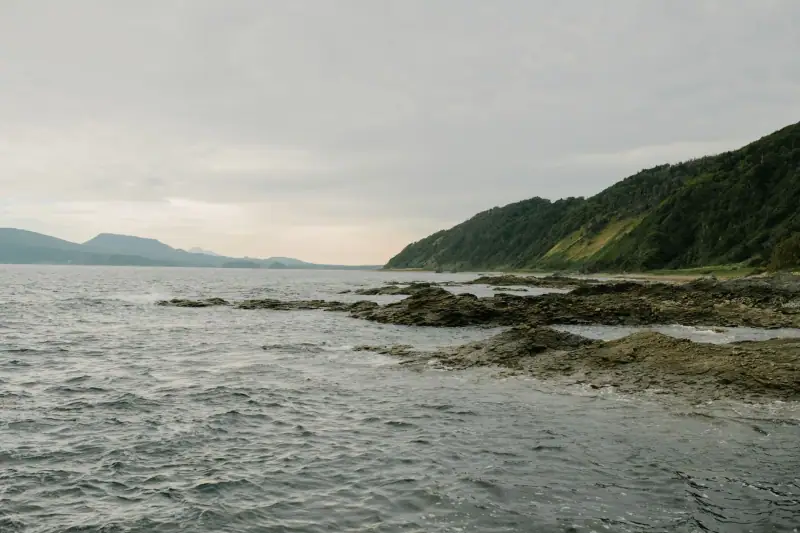
Facing the Pacific, the island’s west coast is wilder and windier than the inner coast. Chiloé National Park, reached from the village of Cucao, protects a damp forest of ancient trees, peat bogs and long beaches battered by waves. The trails are maintained, often wooded, and suited to short hikes or half-day walks; wooden walkways keep you out of the mud.
Swimming is not recommended on this coast, where currents are strong and the water is cold. People come mostly to walk, watch birds, feel the ocean and enjoy the silence. Lake Cucao, close by, adds a peaceful note to the landscape, with cabañas and small guesthouses overlooking the water.
Pack for rain: the island’s climate is oceanic and wet, with showers possible even in summer. Good waterproof shoes, a windbreaker and a change of clothes in your bag are the best investments of the trip.
Penguins, whales and boat trips
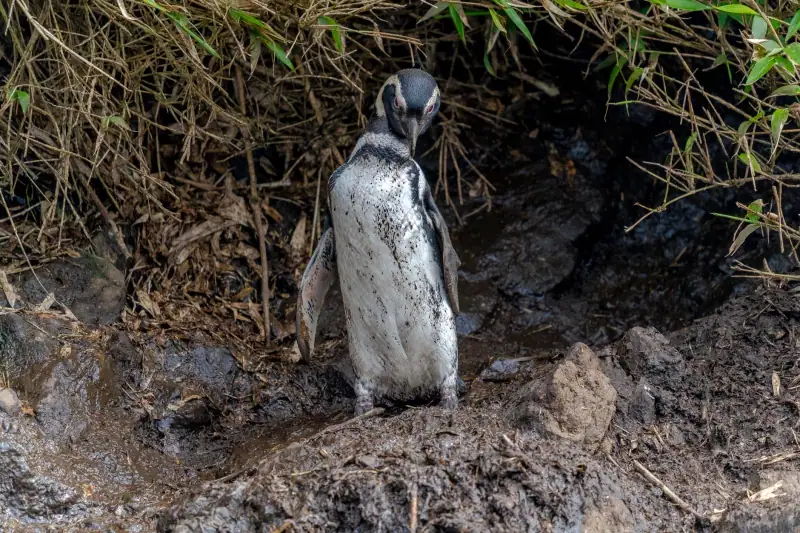
In the northwest of the island, near Ancud, rocky islets host colonies of Magellanic and Humboldt penguins. Boats take you close to them from the coast, generally from late austral spring to early fall; access depends on the weather and the state of the sea, and trips are regularly canceled when there is a swell. Keep a spare day in your schedule.
The waters around the island are also visited by cetaceans depending on the season, and you may see dolphins, sea lions and various seabirds. For any boat trip, choose an agency that keeps a reasonable distance from the animals, provides life jackets and limits the number of passengers.
In Ancud, you can also stroll around the harbor, visit the small regional museum and walk along the walls of old Spanish forts, a reminder that the town was one of the Spanish crown’s last strongholds in the region. It is a pleasant stop for a first night on the island.
What to eat on Chiloé
Chilote cooking is generous and centered on the sea. The emblematic dish is curanto, a mix of seafood, pork or chicken and potatoes, cooked under leaves in a hole lined with hot stones. In most restaurants, a pot version is served, easier and quicker to prepare; some local festivals offer traditional curanto cooked in the ground.
Also try milcao and chapalele, potato cakes that accompany soups and stews, as well as mussels, sea urchins and grilled fish. Seafood is best eaten in markets and small harbor restaurants, where freshness matters more than decor. Ask what came in that day.
For drinks, the region is known for its craft liqueurs made from herbs or fruit. Enjoy them in moderation, especially if you are driving on the island’s roads.
Flights to Chile
Santiago is the country's gateway; from there, a domestic flight leads to Puerto Montt and Chiloé: compare flights.
When to go and how long to stay
The good season runs from about November to March. Days are long, temperatures mild and boat trips more frequent, but rain remains possible at any time. The austral winter is wetter and darker, with reduced services in some villages, but it has its charm for those who like misty atmospheres and heated lodges.
A stay of 4 to 5 days is a good compromise: one day for Ancud and the north coast, two days around Castro and the churches, one day for the national park and the west coast, and a spare day for the weather. If your trip continues north, link Chiloé with Valparaíso and the Lake District to build a full itinerary of the country.
Practical tips for your stay
Bring layers, a rain jacket and shoes that can handle mud. Keep Chilean pesos for markets, small restaurants and isolated villages, as cards are not accepted everywhere. Fill up with fuel before leaving Castro or Ancud for excursions to the west coast, where gas stations are rarer.
Ferries, buses and some excursions can be disrupted by bad weather: leave slack in your connections, especially before an international flight. Before you go, take out travel insurance that covers outdoor activities and repatriation.
Frequently asked questions
How many days do you need to visit Chiloé?
Four to five days let you see Ancud, Castro, a few wooden churches, the national park and a boat trip without rushing. With only two days, focus on Castro and its surroundings.
How do you get to Chiloé from Santiago?
The simplest way is a domestic flight to Puerto Montt or to Chiloé airport near Castro, depending on the connections available. From Puerto Montt, the road crosses the Chacao channel by ferry before reaching Ancud and then Castro.
Do you need to rent a car on Chiloé?
It is the most flexible way to visit the churches scattered along the coasts, but buses connect the main towns well. Secondary roads are sometimes unpaved and rain is frequent.
When is the best time to go to Chiloé?
From about November to March, during the austral summer, for longer days and less rain. The weather stays changeable all year, so always pack a waterproof layer.
What is curanto?
It is the island's emblematic dish: seafood, meat and potatoes cooked together, traditionally in a hole heated with stones. In restaurants it is often prepared in a pot.
More Chile guides
Keep reading
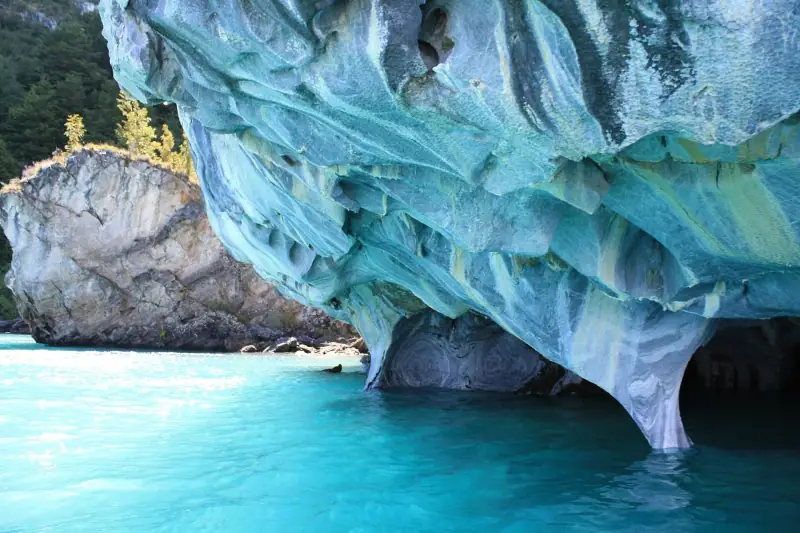
Complete guide to visiting Chile: regions, itineraries, budget and tips
Visiting Chile: regions, cities, highlights, when to go, transport, accommodation and budget. The pillar guide to prepare your trip from A to Z.
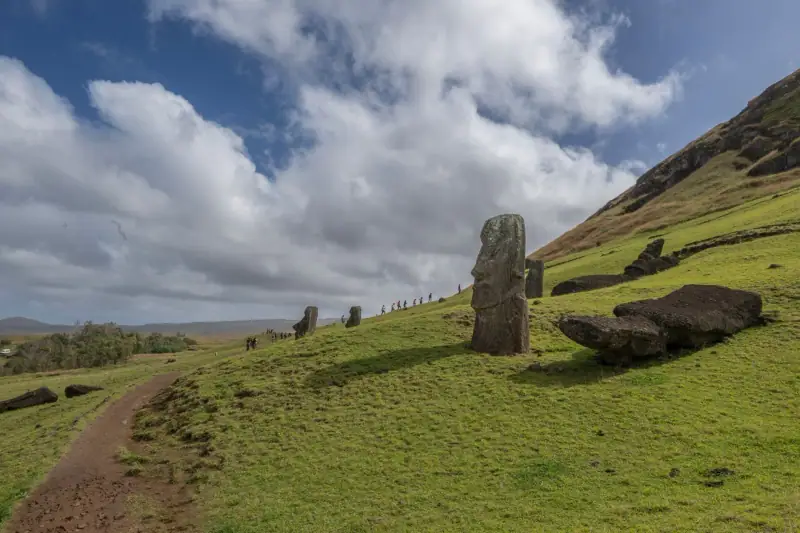
Easter Island (Rapa Nui): what to see and do, a guide to the moai
What to see on Easter Island? Moai at Rano Raraku and Ahu Tongariki, Orongo, Anakena beach, sunset at Tahai: a guide to planning 4 to 5 days.
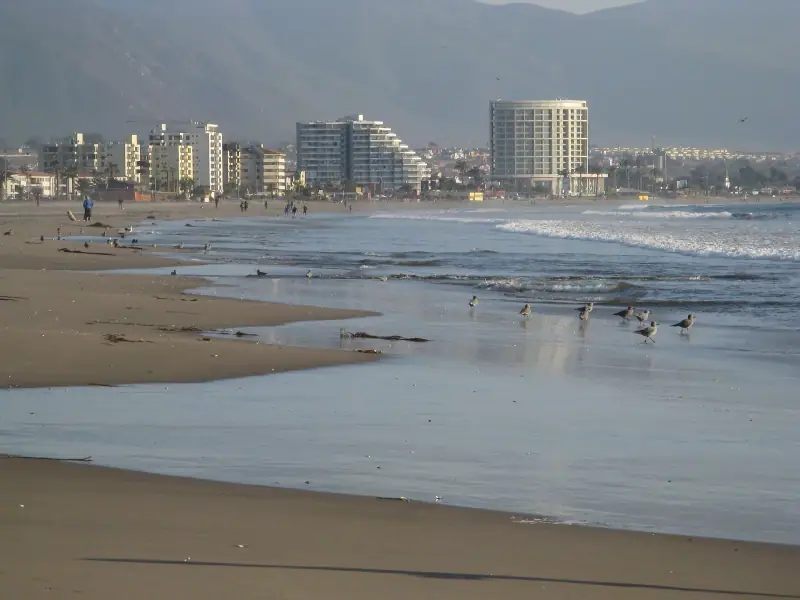
La Serena and the Elqui Valley: pisco, stars and beaches in Chile
What to do in La Serena and the Elqui Valley? Beaches, Vicuña, Pisco Elqui, starry skies and Humboldt penguins: a guide for 3 days in the Norte Chico.
Ready-made
Chile itineraries
7 days
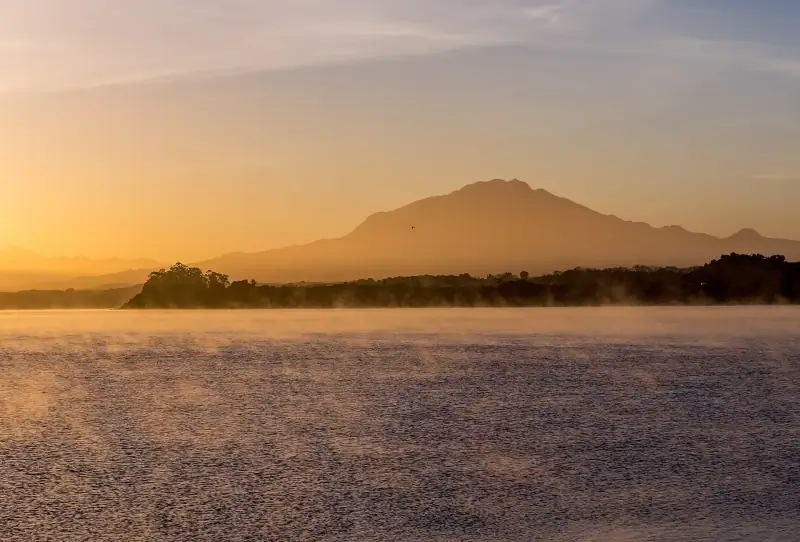
Chile's Lake District road trip: 7 days from Puerto Varas to Pucón
Puerto VarasPucón
Can be adapted in the planner
3 days
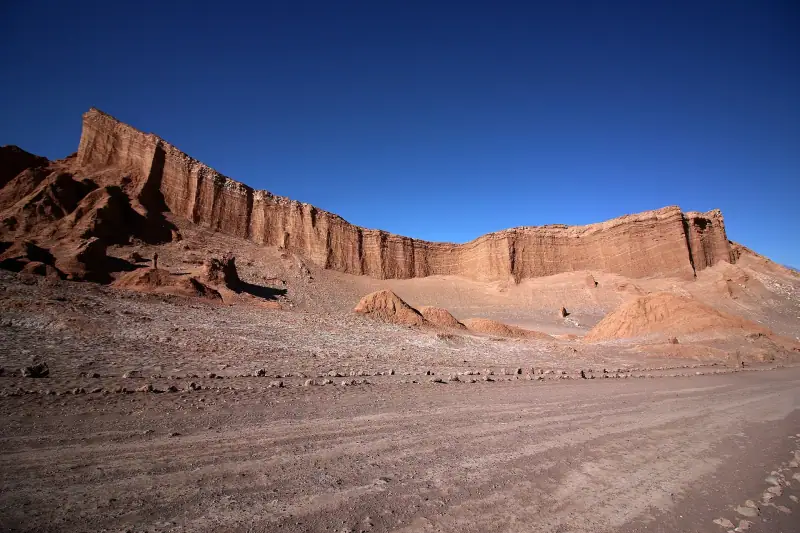
3 days in San Pedro de Atacama: a day-by-day itinerary
3 days in San Pedro de Atacama: a day-by-day plan with Moon Valley, lagoons, El Tatio geysers and stargazing, plus altitude and logistics tips.
14 days
2-week Chile itinerary: Atacama, the Lakes and Chiloé
A 14-day Chile itinerary, day by day: Santiago, Valparaíso, the Atacama Desert, Pucón, Puerto Varas and Chiloé, with flights, durations and tips.