What to see
Santiago, Chile: what to see and do in 2 to 3 days
We may earn a commission when you book through links on this page, at no extra cost to you. We don't visit or try the places we cover: we summarize published sources. How we work
In short
- Two days cover the historic center, one cerro and a couple of neighborhoods; a third day adds a Maipo Valley winery or a trip into the Andes.
- Lastarria and Bellavista are the most practical areas for a first stay; the metro is the simplest way around.
- Pickpocketing exists, especially on the metro at rush hour and around markets; take a taxi or ride-hailing car back at night.
- Valparaíso is about an hour and a half to two hours away, doable in a day but easier over two.
Santiago is the arrival point of most trips to Chile, and it would be a shame to treat it only as a stopover. The capital spreads across a vast valley ringed by mountains, with the Andes as a backdrop: in clear weather, the snow-capped peaks tower over the glass buildings and the streets of the center. Between museums, hills, markets and lively neighborhoods, it offers enough to fill two or three days.
This guide presents what to see in Santiago, how to get organized, where to stay and how to link the city to Valparaíso, the nearby vineyards or the northern desert.
The historic center: Plaza de Armas and La Moneda
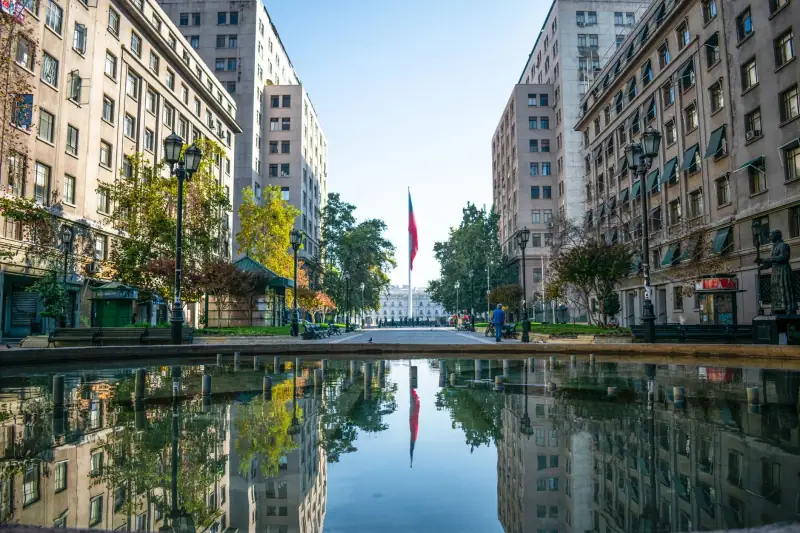
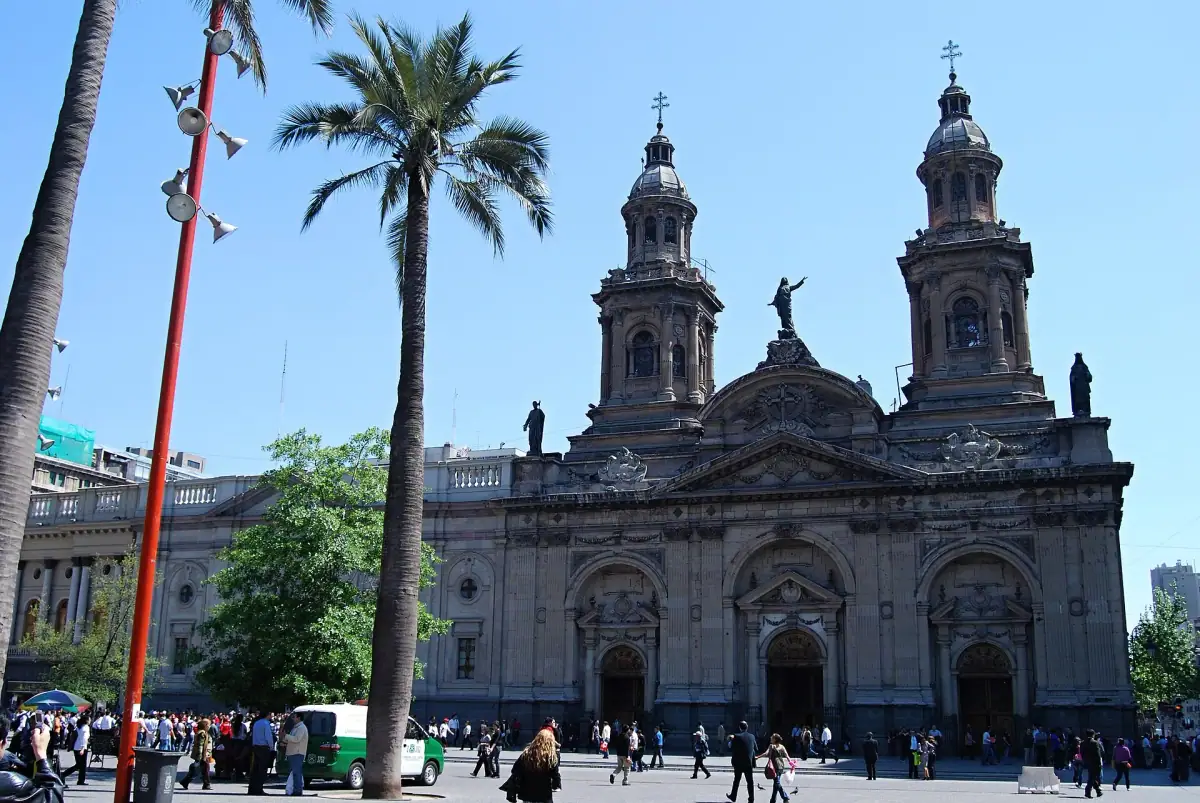
This is where Santiago was founded in the 16th century, and the center keeps traces of that history. The Plaza de Armas is the main square: it holds the metropolitan cathedral, the neoclassical central post office and a museum devoted to national history. It is a lively thoroughfare, with street artists, chess players and street vendors.
A few streets away, La Moneda palace houses the presidency of the Republic. It can be seen from the large neighboring square, and you can also visit the cultural center set up in the basement, which hosts exhibitions. The palace was bombed during the 1973 coup, a central episode of the country’s recent history that you find in several museums in the city.
The center is most pleasant on weekday mornings, when the pedestrian streets are full of life. On weekends, many shops are closed and the district empties: the visit is calmer, but less lively. Stay alert to your belongings in the crowd, especially around the square.
Where to stay in Santiago
Hotels near the historic center, apartments in Lastarria or quiet places in Providencia: compare accommodation by neighborhood.
Cerro Santa Lucía and Lastarria: the walk of hills and cafés
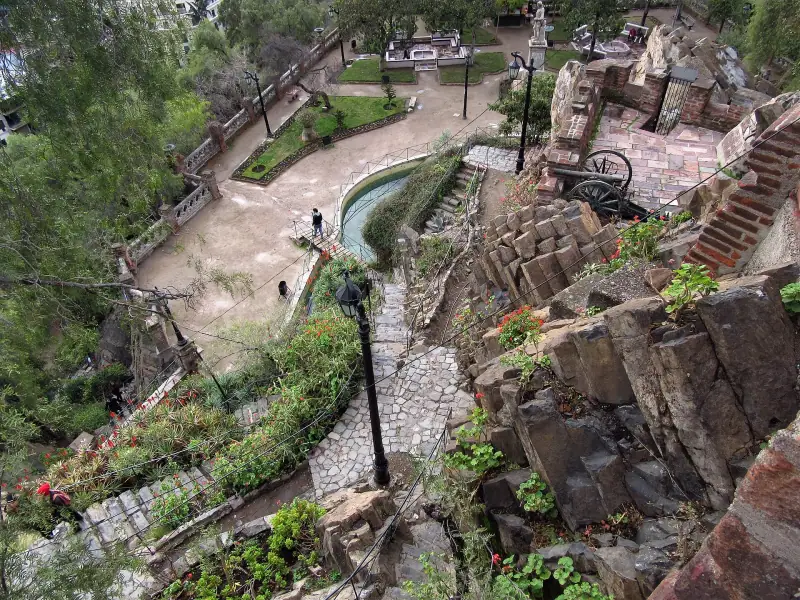
Cerro Santa Lucía is a small rocky hill in the middle of the city, laid out as a park with stairs, terraces and fountains. It can be climbed in about twenty minutes at an easy pace, and offers views from the top over the center, the surrounding neighborhoods and, in clear weather, the Andes. It is a very good first visit to get your bearings in the city.
At its foot, the Lastarria neighborhood is one of the most pleasant in Santiago. Its cobbled streets, cafés, bookstores, small theaters and terraces make it a place for strolling and going out, by day and in the evening. There are also several galleries and cultural centers. On weekends, flea and craft markets sometimes enliven the neighboring squares.
Lastarria is also a good place to stay: everything is accessible on foot, the metro is close and the atmosphere stays lively without being too noisy. Book ahead in high season, as good places fill quickly.
Cerro San Cristóbal and Bellavista: the view over the city
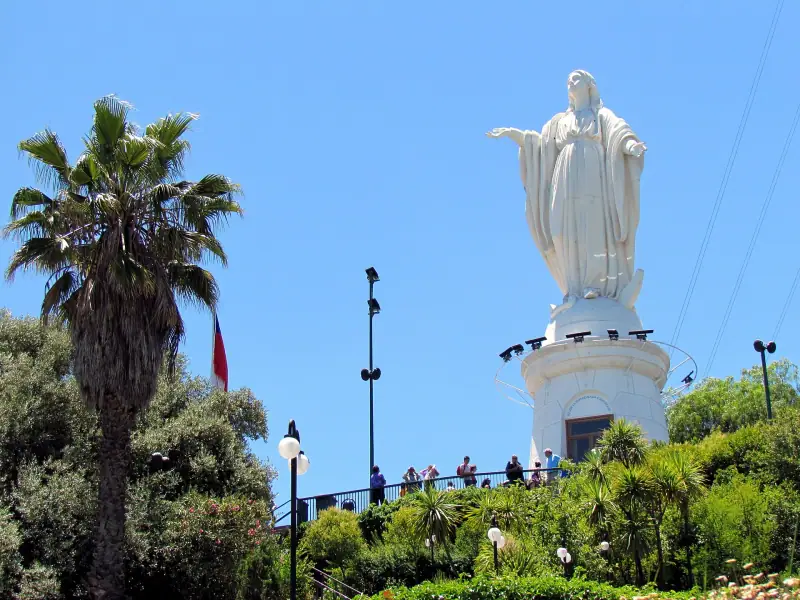
Cerro San Cristóbal overlooks the north of the center and is part of a large urban park, the metropolitan park. You can climb it on foot, by bike, by funicular or by cable car, depending on your energy and time. At the top, a statue of the Virgin overlooks the city, and the view over the urban area and the mountains is one of the finest in Santiago, especially in the late afternoon.
At the foot of the hill, Bellavista is the city’s bohemian neighborhood. Its streets are covered in murals, and its bars, restaurants and galleries attract students and visitors. This is also where La Chascona is, one of Pablo Neruda’s three houses in Chile, open for visits. If you have already read our guide to Valparaíso, you will find another of the poet’s houses, La Sebastiana, covered there.
Funicular and cable car hours vary by season and can change with wind or maintenance: check locally or on the park’s official website before going. In the evening, it is better to take a taxi or ride-hailing car home rather than walking on little-used streets.
Guided visits in Santiago
Walking tour of the center, street art in Bellavista or a day trip: compare the options and read reviews before booking.
Santiago’s museums: memory and cultures
Santiago has several museums worth visiting, even on a short stay. The Chilean Museum of Pre-Columbian Art, housed in a fine colonial building near the Plaza de Armas, presents pieces from South American cultures, from ceramics to textiles, and helps you understand the civilizations that preceded the Spanish. Its collection is a good complement before heading to the north of the country.
The Museum of Memory and Human Rights is devoted to the military dictatorship from 1973 to 1990 and its victims, through documents, testimonies and archives. The visit is dense, sometimes harrowing, but it gives essential keys to understanding contemporary Chile. Plan about two hours and an open mind.
Other art, fine-arts or natural history museums dot the city. Opening days and hours change from one museum to another, with frequent Monday closures: check before you go.
Markets and food: Mercado Central and La Vega
The Mercado Central, in the northern part of the historic center, is a covered market under a large 19th-century metal hall. It sells fish and seafood, and several restaurants set up in the hall serve seafood dishes. It is touristy, with prices often higher than elsewhere: a place to see for the atmosphere, but not necessarily for the best value.
Across the Mapocho River, the La Vega market is where Santiago residents do their shopping: fruit, vegetables, herbs and small counters of home-style cooking. The atmosphere is more authentic and livelier, but also more chaotic. Going in the morning and not carrying an open bag are good habits.
Among the dishes to try, pastel de choclo (corn casserole topped with meat), empanadas, cazuela (a meal-in-a-bowl soup), the completo (a generously loaded Chilean hot dog) and the pisco sour, the emblematic cocktail made with pisco and lime. Pisco is a grape brandy that Chile and Peru both claim.
Providencia, Las Condes and the view from above
Northeast of the center, the Providencia and Las Condes neighborhoods are those of business, shopping centers and quality restaurants. Their tourist interest is more limited, but they show another face of the city: parks, wide avenues and modern buildings.
The Gran Torre Santiago, a skyscraper in the area, has a viewing deck at its top, which offers a 360-degree panorama over the city and the Andes. The view is especially beautiful in clear weather, after rain or at the end of the day, when the air is less hazy. In winter, pollution can veil the horizon.
These neighborhoods are well served by the metro, and suit those who prefer to stay in a calmer area, with shops and restaurants nearby, rather than in the historic center.
Rent a car to leave Santiago
Vineyards, coast or mountains: compare rental offers from Santiago to explore the region freely.
Around Santiago: vineyards and the Andes
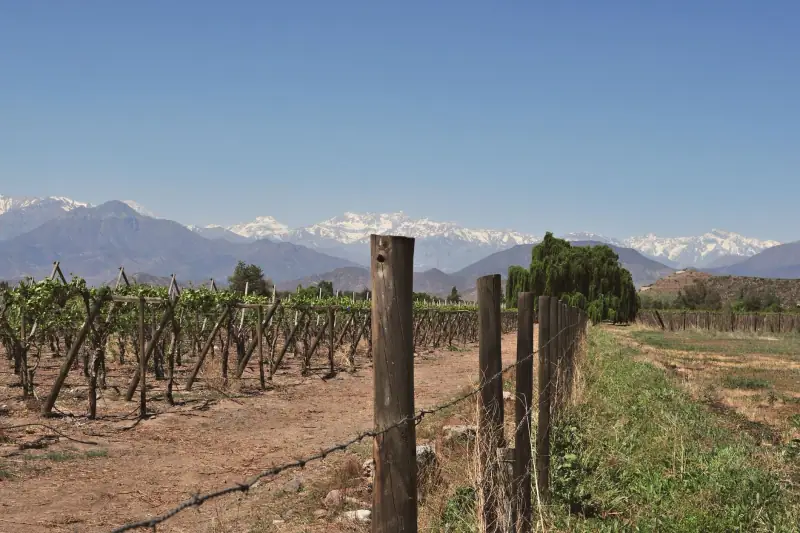
The Maipo Valley, south of the capital, is one of the oldest wine regions in Chile and the easiest to visit from Santiago. It is best known for its red wines, particularly cabernet sauvignon, and several estates offer cellar visits followed by tastings. Many require a reservation: make it in advance, especially in high season, and arrange your return without driving if you taste.
On the mountain side, the Cajón del Maipo is a canyon east of the city, with high-mountain landscapes, hot springs and hikes. It can be visited as a day trip, by car or on an organized tour. In winter, several ski resorts are reachable from the capital, which lets you ski in a day or over a weekend, an oddity for a capital. Snow conditions vary from year to year.
To go further, the Pacific coast is about an hour and a half to two hours by road: the trip to Valparaíso and Viña del Mar can be done in a day, but two days are more comfortable. Our guide to Valparaíso details this route.
Practical tips for your stay
How long to stay? Two full days are enough for a first look: one day for the center and museums, one day for the cerros and the Lastarria and Bellavista neighborhoods. A third day lets you add a vineyard or the mountains.
How to get around? The metro is efficient, clean and links most sites. You need a rechargeable card to ride. Ride-hailing cars and taxis complete the offer in the evening. The center can be covered on foot.
Safety. Stay alert in crowds, on the metro at rush hour, and do not leave your phone on a café table. Use a bag worn in front of you and avoid taking out a lot of cash.
Altitude and climate. Santiago sits at about 500 m (1,640 ft). Summer days are hot and dry, nights cooler; in winter, bring warm clothes.
What next? From Santiago, a domestic flight reaches the Atacama Desert in a few hours: our guide to San Pedro de Atacama will help you prepare this stage.
Compare flights to Santiago
Fares vary by season and stopovers: compare several dates before booking your arrival in Chile.
Frequently asked questions
How long do you need to visit Santiago, Chile?
Two days let you see the historic center, a cerro and one or two neighborhoods. With a third day, you can add a trip to a vineyard in the Maipo Valley or an outing into the Andes.
Which neighborhood should you stay in Santiago?
Lastarria and Bellavista are the most practical for a first stay: you get around on foot, restaurants are plentiful and the metro is close. Providencia and Las Condes are more residential and calm, with good metro links to the center.
Is Santiago a safe city?
Tourist neighborhoods are busy and generally quiet by day. Pickpocketing and snatch thefts exist, especially on the metro at rush hour, around markets and on deserted streets at night. Keep your belongings close and take a taxi or ride-hailing car home in the evening.
How do you get around Santiago?
The metro is the simplest and fastest way to reach the main neighborhoods. It is complemented by buses, taxis and ride-hailing cars. The historic center and the Lastarria and Bellavista neighborhoods are easily visited on foot.
When is the best time to visit Santiago?
Spring (September to November) and early fall (March to May) offer a pleasant climate. The austral summer is hot and dry, with very sunny days. In winter, days are cool and the air can be polluted, but the Andes peaks are snow-covered.
More Chile guides
Keep reading
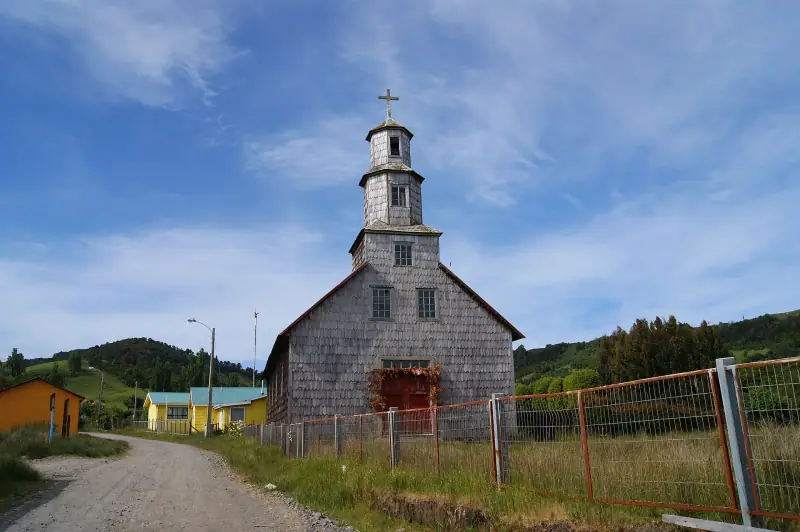
Chiloé: what to see and do on Chile's island of wooden churches
What to see on Chiloé: UNESCO wooden churches, Castro's palafitos, the national park, penguins and curanto. A guide to planning 4 to 5 days on the island.
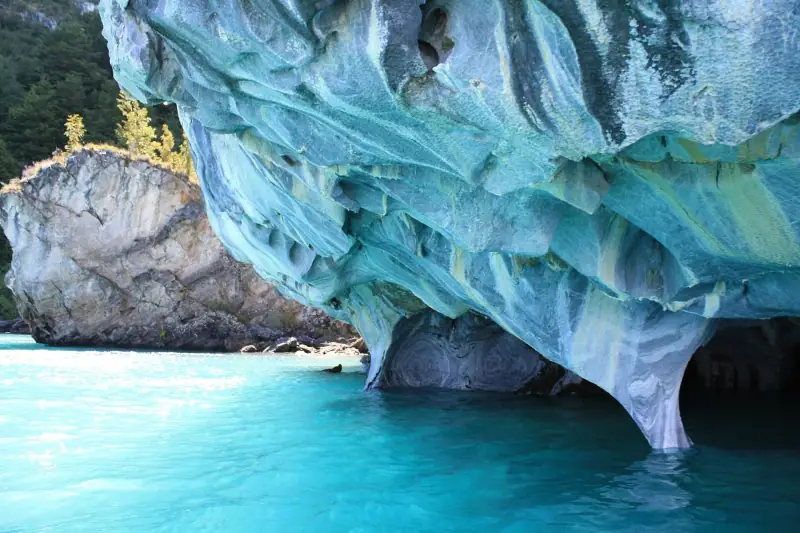
Complete guide to visiting Chile: regions, itineraries, budget and tips
Visiting Chile: regions, cities, highlights, when to go, transport, accommodation and budget. The pillar guide to prepare your trip from A to Z.
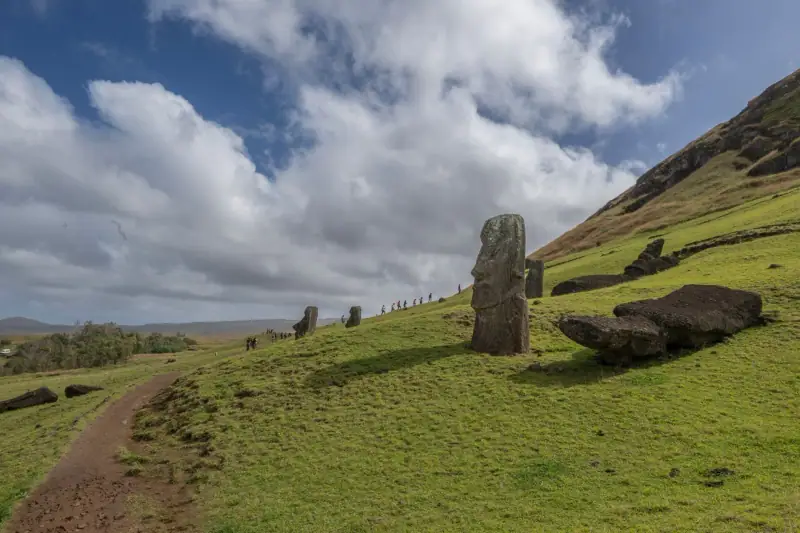
Easter Island (Rapa Nui): what to see and do, a guide to the moai
What to see on Easter Island? Moai at Rano Raraku and Ahu Tongariki, Orongo, Anakena beach, sunset at Tahai: a guide to planning 4 to 5 days.
Ready-made
Chile itineraries
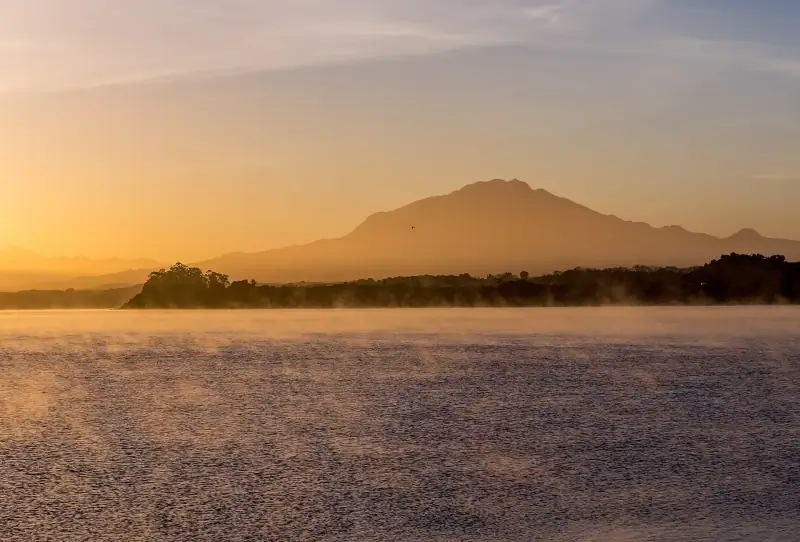
7 days
Chile's Lake District road trip: 7 days from Puerto Varas to Pucón
Puerto VarasPucón
Can be adapted in the planner
3 days
3 days in San Pedro de Atacama: a day-by-day itinerary
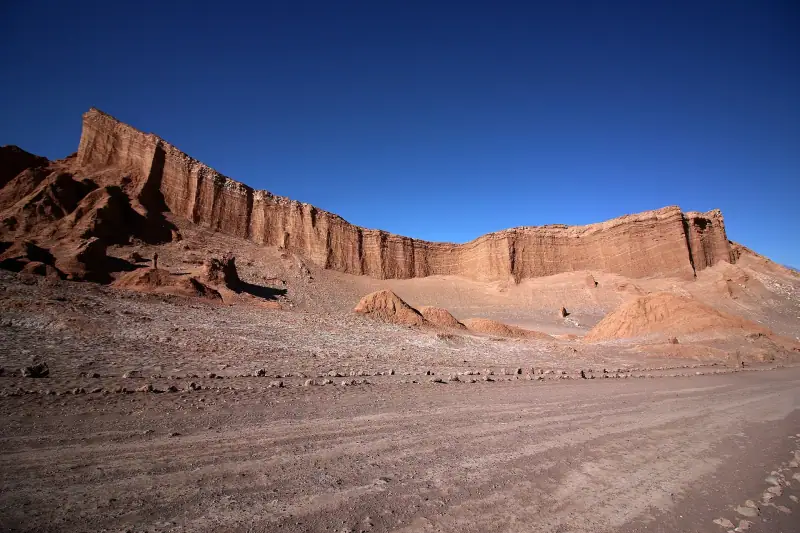
3 days in San Pedro de Atacama: a day-by-day plan with Moon Valley, lagoons, El Tatio geysers and stargazing, plus altitude and logistics tips.
14 days
2-week Chile itinerary: Atacama, the Lakes and Chiloé
A 14-day Chile itinerary, day by day: Santiago, Valparaíso, the Atacama Desert, Pucón, Puerto Varas and Chiloé, with flights, durations and tips.