What to see
San Pedro de Atacama: what to do in Chile's driest desert
We may earn a commission when you book through links on this page, at no extra cost to you. We don't visit or try the places we cover: we summarize published sources. How we work
In short
- The village sits at about 2,400 m (7,870 ft), and several tours climb above 4,000 m (13,100 ft); El Tatio geysers are at about 4,300 m (14,100 ft).
- Most tours leave from the village; El Tatio departs between 4 am and 5 am for a drive of about two hours.
- You arrive via Calama airport, about an hour and a half by road, with flights from Santiago.
- Nights are cold, especially June to August, and sun protection is essential; stargazing is best near the new moon.
San Pedro de Atacama is a small village of dirt streets and adobe houses, set in northern Chile, in one of the driest deserts on the planet. Around it, everything seems oversized: a great salt flat edged with volcanoes, lagoons where flamingos land, valleys with lunar landscapes, geysers that steam at dawn. It is also one of the best destinations in South America for watching the night sky.
This guide presents the key sites, the tours to plan, the pace to adopt for the altitude and practical tips to organize a stay of several days.
San Pedro de Atacama in brief: what to expect
The village is tiny and can be covered on foot. It lives almost entirely from tourism: tour agencies, hostels, cafés and restaurants line the main street and the church square. Distances between sites, on the other hand, are significant, and most visits leave very early in the morning or late in the afternoon to avoid the heat and enjoy the light.
The village is at about 2,400 m (7,870 ft). The climate is dry, with big swings between day and night: pack warm clothes even in peak season, as well as serious sun protection (hat, sunglasses, high-SPF sunscreen), because radiation is intense. For questions about altitude, ask your doctor or a travel clinic, and see the official travel health pages (CDC in the US, TravelHealthPro in the UK).
You generally arrive via Calama airport, about an hour and a half by road. Flights serve Calama from Santiago; the transfer is by shuttle, taxi or rental car.
Compare flights to Chile
Fares vary a lot with the season and stopovers: compare several dates before booking.
Moon Valley and Death Valley
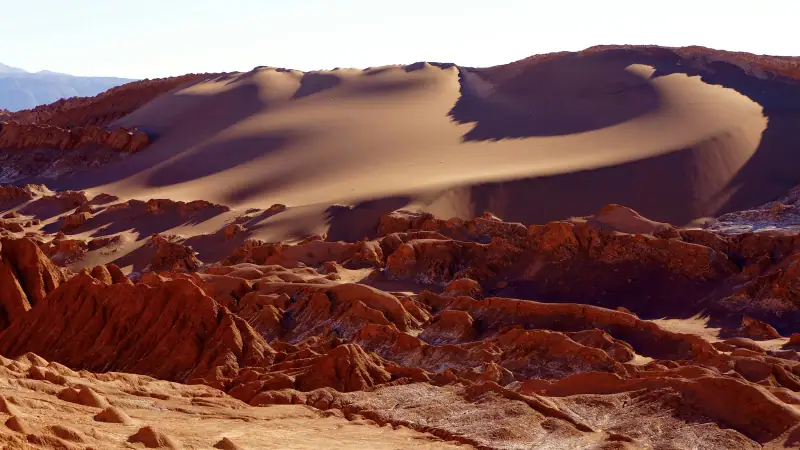
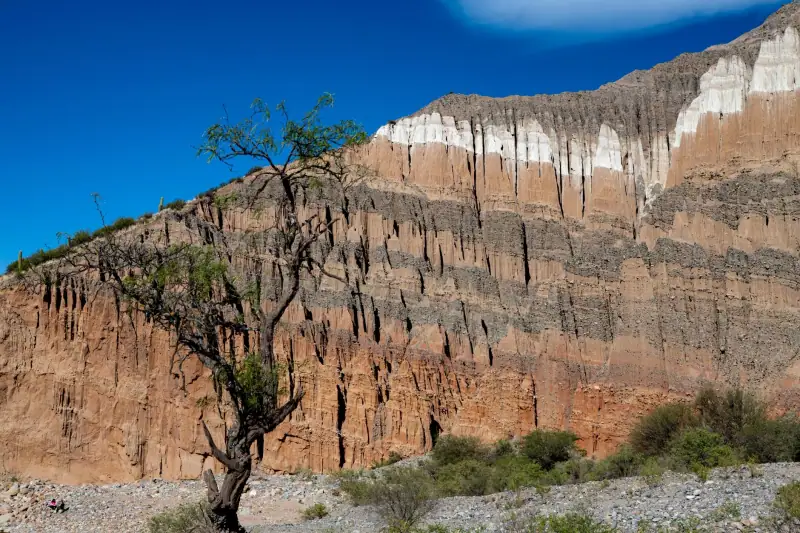
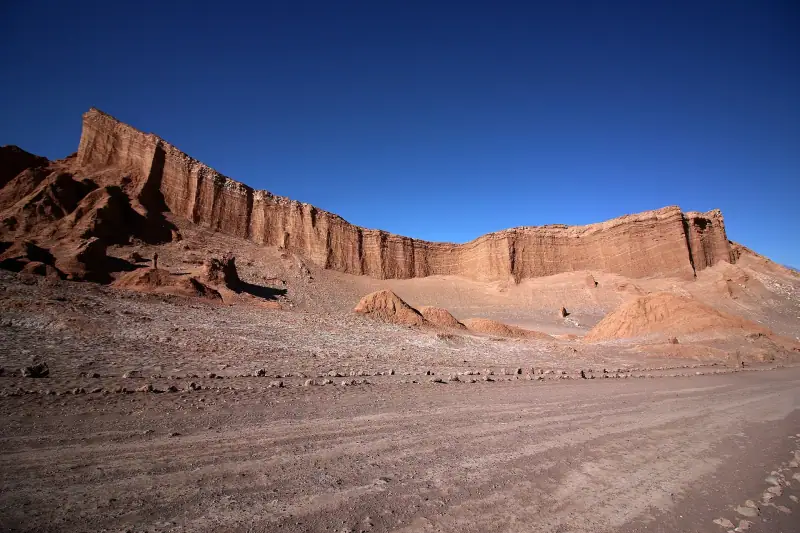
Moon Valley (Valle de la Luna) is about fifteen kilometers (9 mi) from the village, in the Los Flamencos National Reserve. The site owes its name to its landforms of salt, sand and clay, sculpted by the wind, which evoke a lunar landscape. You move among dunes, salt ridges and canyons, with several viewpoints reachable on foot.
The classic visit is in the late afternoon, for sunset, when the rocks take on pink and orange tones. It is also when the site is busiest: choose a viewpoint slightly off to the side to enjoy the show more calmly. Nearby, Death Valley (Valle de la Muerte) is another valley of red rocks and dunes, which is often explored on foot or by bike.
A few tips for the visit:
- Access conditions (ticketing, online reservation, hours) change: check before you go with the tourist office or your accommodation.
- Bring water, a hat and closed shoes.
- Avoid leaving the paths: the salt ground is fragile.
The Atacama salt flat and its lagoons
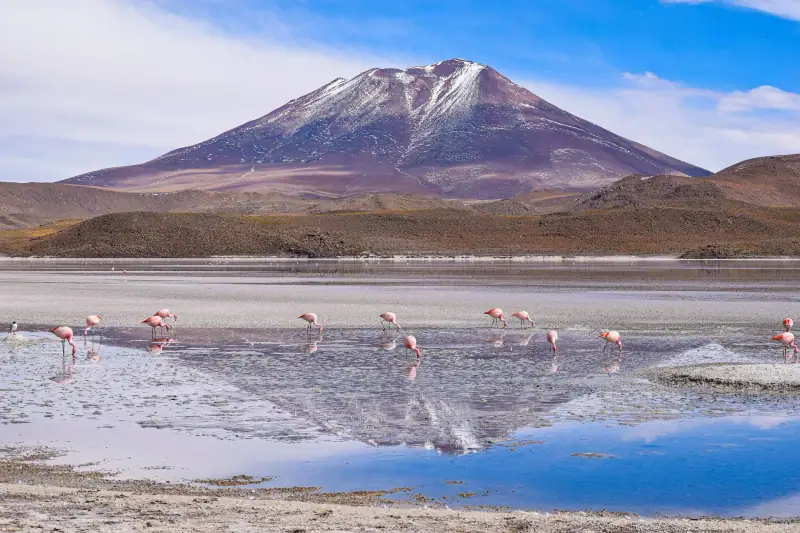
The Atacama salt flat is the largest expanse of salt in Chile. It lies south of the village, and its lagoons are among the most photogenic sites in the region. Chaxa Lagoon, in the Los Flamencos National Reserve, is known for its flamingos, which feed in shallow water with the volcanoes as a backdrop.
Other salt lagoons, such as Cejar and other bodies of water in the area, are known for their high salinity: you can float effortlessly, where swimming is allowed. Access rules change with the seasons and the protection of the site, so it is best to ask before planning a swim.
These sites are easily visited in half a day, often combined with a sunset. Flamingos are more visible at certain times of year; do not expect the same numbers in every season.
Where to stay in San Pedro de Atacama
The village is small and in high demand in high season: book early to have a choice of hostels, lodges and hotels.
El Tatio geysers: sunrise at altitude
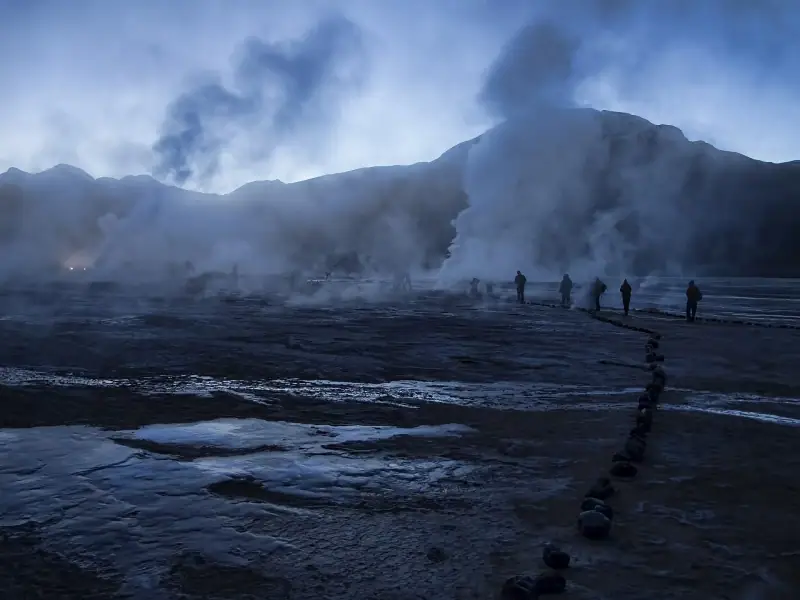
El Tatio geysers are among the region’s most striking tours. Located at about 4,300 m (14,100 ft), the geothermal field is visited at dawn, when the cold brings out the steam plumes. Departure from the village is in the dead of night, generally between 4 am and 5 am, for a drive of about two hours.
At the geysers, it is very cold before sunrise, sometimes well below zero: hats, gloves and several layers are essential. Many tours offer breakfast there and, depending on conditions, the chance to bathe in a hot-water pool. On the way back, some circuits stop in an altiplano village, such as Machuca, where you can try llama skewers.
Place this tour later in your stay rather than on your first days. If you have doubts about altitude, talk to your doctor before you go.
Altiplano lagoons and Piedras Rojas
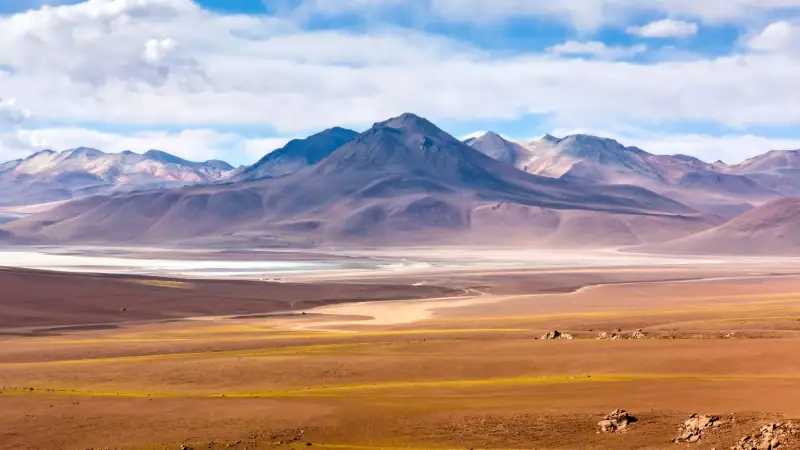
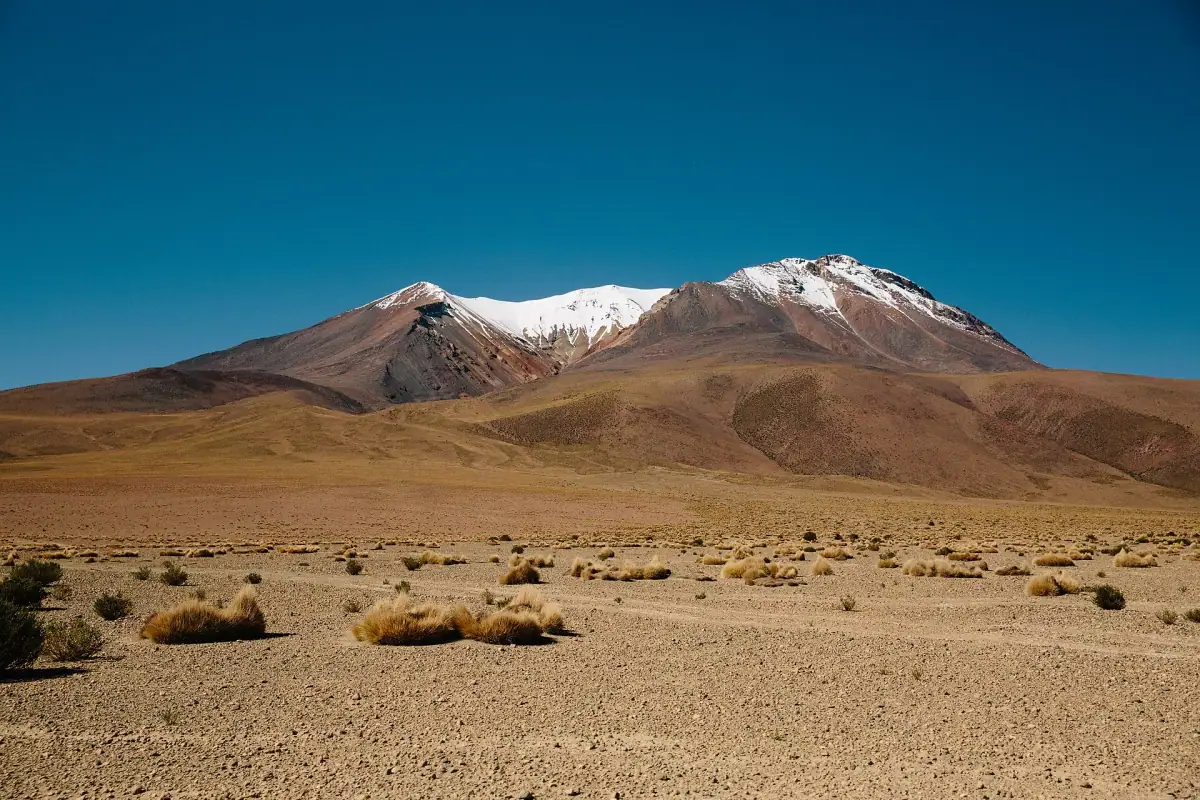
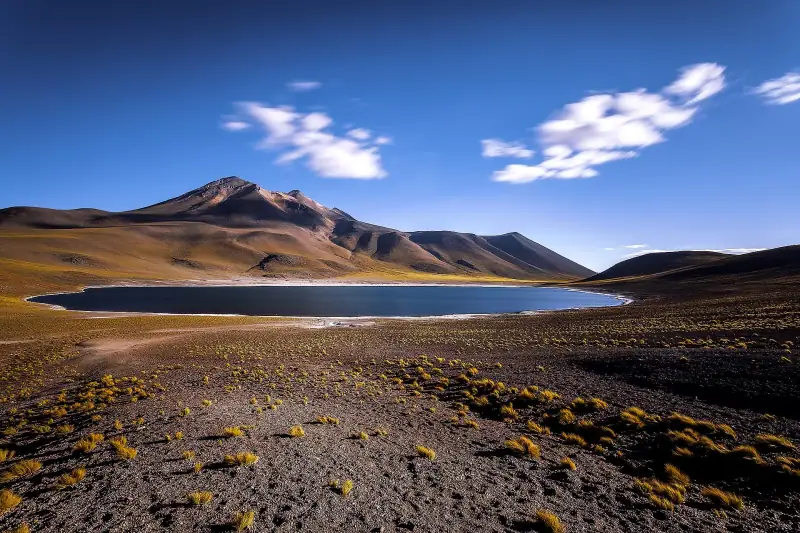
Further southeast, the altiplano lagoons such as Miscanti and Miñiques sit in high-mountain basins, between about 4,000 and 4,300 m (13,100 and 14,100 ft), at the foot of volcanoes. The intensely blue water contrasts with the yellow steppe and the peaks. The Piedras Rojas site, with its red rocks and turquoise lagoons, is one of the most spectacular landscapes of the trip, and it is often combined in a single day with the Aguas Calientes salt flat.
These tours are long, sometimes eight to ten hours, with a lot of driving. They are sometimes canceled in bad weather. Book them toward the end of your stay.
Tours from San Pedro de Atacama
El Tatio geysers, Moon Valley, lagoons and starry sky: compare guided tours and their ratings.
Stargazing in the Atacama
Altitude, dryness and the absence of light pollution make the Atacama one of the best places in the world for astronomy. Many cutting-edge observatories are located in the region, and several agencies offer stargazing evenings from San Pedro, with telescopes, explanations of the Southern Hemisphere sky and, often, a hot drink.
The sky is an asset all year, but nights near the new moon are the most spectacular: the Milky Way is very sharp, with constellations not visible from the Northern Hemisphere. At full moon, the light reduces the interest of the outing: check the dates before booking. Dress very warmly, because temperatures drop sharply after sunset.
Pukará de Quitor, museum and village
When you need a calmer day, the village and its nearby surroundings offer things to do. A few kilometers away, the Pukará de Quitor is a pre-Hispanic stone fortress overlooking the San Pedro River valley. The climb is short and the panorama over the oases is very beautiful.
In the village, the Gustavo Le Paige archaeological museum presents collections on the peoples of the Atacama, including objects and mummies from the region. It is a good cultural introduction before heading out on tours. End the day with a walk through the adobe streets and a coffee on the square.
For relaxation, the Puritama hot springs, in a canyon about thirty kilometers (19 mi) away, offer a series of natural hot-water pools. Access is regulated: book ahead and check conditions before going.
Eating in San Pedro de Atacama
Cooking in the village caters to tourism, with varied restaurants around the main street. Look for local dishes such as empanadas, preparations based on quinoa, corn or llama, and sopaipilla, a pumpkin fritter served with pebre, a fresh spicy sauce. The pisco sour, a cocktail made with pisco and lemon, goes well with an evening out.
Many restaurants serve early and close fairly early; if your tour leaves before dawn, pack a snack.
Getting around: organized tours or car
There are two ways to organize tours. The first is to book tours with an agency or online: this avoids driving on high-altitude tracks, guides provide explanations, and group departures reduce costs. The second is to rent a car to be free with your schedule, which is attractive for nearby sites and for the trip from Calama.
Whichever you choose, fill up whenever you can: gas stations are rare in the region, and on high-altitude roads it is better to travel with water, warm clothes and a charged phone.
Practical tips for your stay
- Altitude: plan a quiet day on arrival and put the highest outings (Tatio, altiplano lagoons) later in your stay. For health questions, see your doctor or a travel clinic.
- Water: carry water; the air is very dry.
- Sun protection: hat, sunglasses, sunscreen and long clothes.
- Money: bring Chilean pesos, as not all businesses accept cards, and ATMs can be limited.
- Respect for the site: do not pick up stones or salt, and do not leave the paths.
Frequently asked questions
How many days should you plan in San Pedro de Atacama?
Three days is a minimum to see the classics (Moon Valley, salt flat lagoons, El Tatio geysers). Four to five days let you spread the effort and add the altiplano and the high-mountain lagoons.
When is the best time to visit the Atacama?
The desert can be visited year-round, with often very clear skies. Nights are cold, especially from June to August. During the austral summer, storms can sometimes hit the altiplano and disrupt some high-altitude tours: ask your agency.
What about altitude?
The village is at about 2,400 m (7,870 ft), but several tours climb above 4,000 m (13,100 ft). Ask your doctor or a travel clinic, and see the official travel health pages (CDC in the US, TravelHealthPro in the UK). Plan a quiet first day and put the highest outings later in your stay.
Do you need to rent a car in San Pedro de Atacama?
It is not essential: most sites are visited on organized tours from the village. A car is useful from Calama airport and for nearby sites if you are comfortable on dirt tracks, but high-altitude roads and the distance between sites call for caution.
How do you get to San Pedro de Atacama?
You generally fly to Calama, then reach the village by transfer, shuttle or car: allow about an hour and a half by road. Flights link Santiago to Calama, and night buses run from several northern cities.
More Chile guides
Keep reading
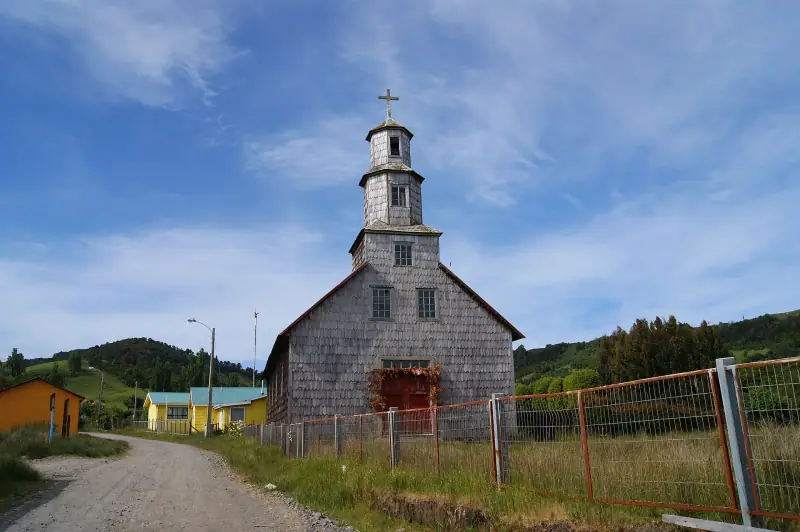
Chiloé: what to see and do on Chile's island of wooden churches
What to see on Chiloé: UNESCO wooden churches, Castro's palafitos, the national park, penguins and curanto. A guide to planning 4 to 5 days on the island.
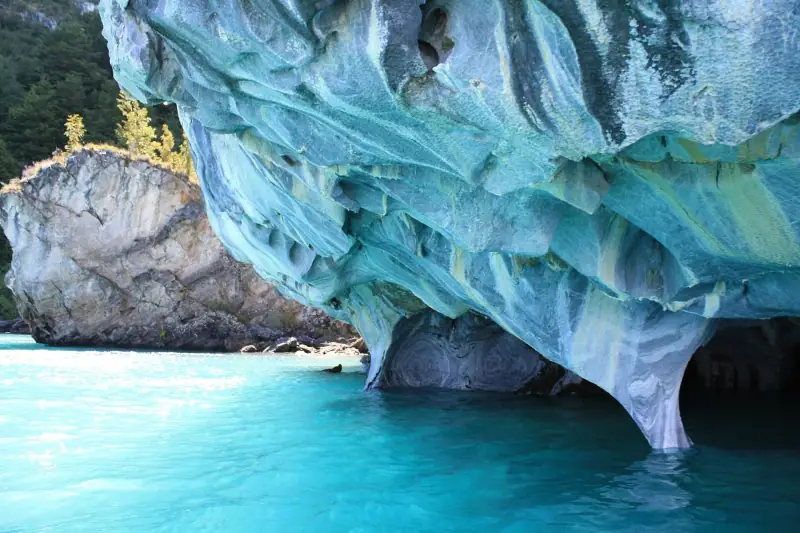
Complete guide to visiting Chile: regions, itineraries, budget and tips
Visiting Chile: regions, cities, highlights, when to go, transport, accommodation and budget. The pillar guide to prepare your trip from A to Z.
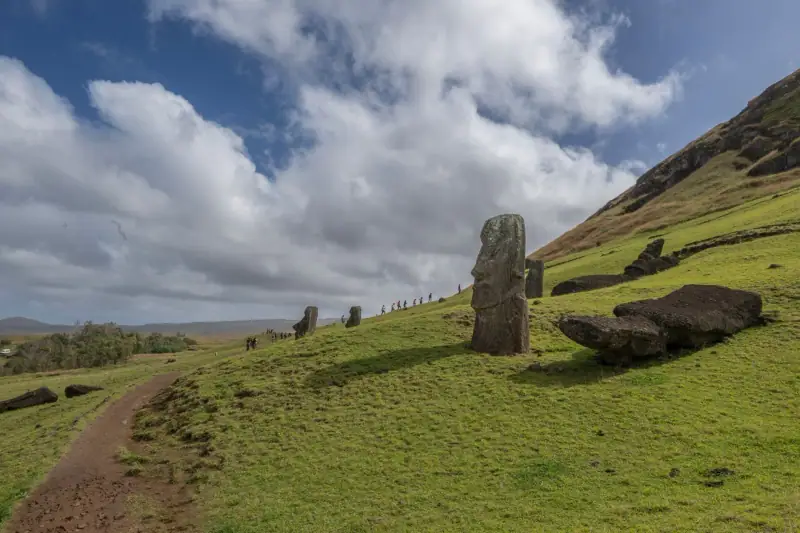
Easter Island (Rapa Nui): what to see and do, a guide to the moai
What to see on Easter Island? Moai at Rano Raraku and Ahu Tongariki, Orongo, Anakena beach, sunset at Tahai: a guide to planning 4 to 5 days.
Ready-made
Chile itineraries
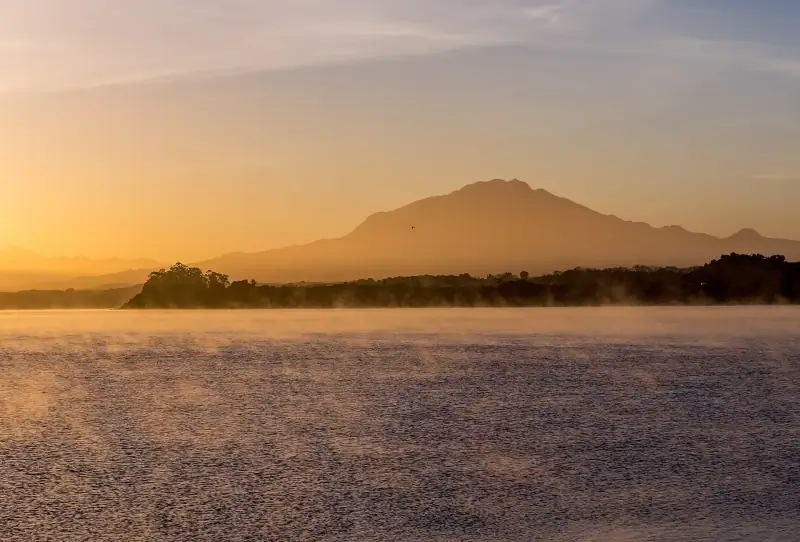
7 days
Chile's Lake District road trip: 7 days from Puerto Varas to Pucón
Puerto VarasPucón
Can be adapted in the planner
3 days
3 days in San Pedro de Atacama: a day-by-day itinerary
3 days in San Pedro de Atacama: a day-by-day plan with Moon Valley, lagoons, El Tatio geysers and stargazing, plus altitude and logistics tips.
14 days
2-week Chile itinerary: Atacama, the Lakes and Chiloé
A 14-day Chile itinerary, day by day: Santiago, Valparaíso, the Atacama Desert, Pucón, Puerto Varas and Chiloé, with flights, durations and tips.