Plan your trip
Chile trip budget: real costs, 3 profiles and money-saving tips
We may earn a commission when you book through links on this page, at no extra cost to you. We don't visit or try the places we cover: we summarize published sources. How we work
In short
- Estimated on-the-ground budgets, flights excluded, for 15 days: about €750 ($870) backpacker, about €1,800 ($2,090) mid-range, from €3,300 ($3,830) upper comfort.
- Tours weigh most, especially El Tatio (about $62), the Villarrica climb (about 150,000 CLP) and Easter Island (95,000 CLP park entry plus a mandatory guide).
- Meals, city transport and simple lodging stay affordable; a set lunch menu (menú del día) is the best way to eat local.
- Travel off-peak (outside December to February), book domestic flights early and take night buses for long trips to cut costs.
Chile impresses with its landscapes, but also with its budget, which can vary fourfold depending on how you travel. A country more than 4,000 km (2,485 mi) long also means distances to cover, sometimes by plane, and tours that cost a lot in the most touristy areas. The good news: meals, city transport and simple lodging remain affordable, and it is entirely possible to keep your bill under control.
Here is a category-by-category guide, with prices found in 2026 from public sources (travel guides, operators, transport companies, flight comparison sites). Amounts vary with the season and the exchange rate: they are meant to build a realistic budget, not to replace a quote. To choose your dates, first read our guide when to go to Chile.
Currency, exchange and orders of magnitude
The currency is the Chilean peso (CLP). In August 2026, the rate was around 1,050 to 1,060 pesos for €1 (about $1.16), a level close to early 2025 (about 1,000 pesos for €1). For a quick estimate, you can divide prices in pesos by 1,000 to get euros: 10,000 pesos is about €9 to €10 (about $10 to $11).
Cost-of-living comparisons rate Chile as fairly affordable for lunches and local transport, much less so for quality lodging, car rentals and guided tours at heavily visited sites.
At restaurants, add the propina, a tip of about 10%, deeply rooted in custom (see our guide to tipping in Chilean restaurants). Cards are accepted in cities, but always keep a little cash for buses, markets and villages. Also keep an eye on your bank’s foreign transaction fees.
Lodging: the first expense
Here are the ranges published by the Routard guide for a double room per night:
- under 30,000 CLP: very budget;
- 30,000 to 50,000 CLP (about €30 to €50 / $35 to $58): budget;
- 50,000 to 80,000 CLP (about €50 to €80 / $58 to $93): mid-range;
- 80,000 to 120,000 CLP: upper category;
- 120,000 to 160,000 CLP: very comfortable;
- over 160,000 CLP: luxury.
A dorm bed in a hostel generally costs €15 to €20 ($17 to $23) per person. Breakfast is often included from the mid-range category, which lightens the meal budget. On Easter Island, where everything is pricier, double rooms start around 50,000 CLP and a campsite rents for about 10,000 CLP per person per night.
Santiago, Valparaíso and San Pedro de Atacama offer the widest choice. In high season (December to February), lodging in San Pedro, the Lake District and Easter Island is the first to fill: book it first, especially as it is often free to cancel. Our guide to Santiago details the neighborhoods to sleep in.
Compare accommodation in Chile
Hostels, hotels and apartments: filter by price and check cancellation terms before locking in your nights in high season.
Transport: buses, metro and domestic flights

In town
In Santiago, the metro costs between 735 pesos (off-peak) and 895 pesos (peak hours) in 2026, under €1 (about $1.16). A city bus ticket averages around 800 pesos in the capital and 675 pesos in Valparaíso. Public transport is therefore very cheap, provided you load a rechargeable card (the Bip! card in Santiago) rather than paying one ride at a time.
Between cities
Long-distance buses are the cheapest way to travel. For example, a one-way bus to the coast from Santiago airport or the Pajaritos terminal costs around 6,000 to 6,500 pesos, about €6 ($7), for roughly 1 h 20 to 1 h 30 of travel to Valparaíso or Viña del Mar, depending on traffic. Longer trips (to Pucón or Puerto Varas) cost more and are often made overnight on sleeper buses, which saves a hotel night.
By plane
For the north, flying is unavoidable: Santiago-Calama (the gateway to San Pedro de Atacama) takes about 2 hours. One-way flights start from €28 to €45 ($32 to $52) with low-cost airlines such as JetSMART or Sky Airline, with higher fares in high season and baggage extra. October is flagged as one of the cheapest months on this route. For Easter Island, expect to pay €300 to €450 ($350 to $520) round trip from Santiago in low season, and €600 to €650 ($700 to $755) around the Tapati festival in early February.
By car
A rental car gives freedom in the Lake District or the Elqui Valley. On Easter Island, the rates found run from 40,000 to 65,000 CLP a day for a car, about 20,000 CLP for a scooter and 10,000 CLP for a bike. A liter of gasoline is around €1.26 ($1.46) according to price comparisons. Compare rental companies before you go: a car is useful but not essential everywhere.
Meals: from the canteen to fine dining
The Routard guide ranks restaurants by ranges for a full meal (main course, starter or dessert):
- under 5,000 CLP: very budget;
- 5,000 to 10,000 CLP (about €5 to €10 / $6 to $12): budget;
- 10,000 to 20,000 CLP: mid-range;
- 20,000 to 30,000 CLP: upper;
- over 30,000 CLP: high-end.
Restaurants often offer a menú del día at lunch, more affordable than the evening menu: it is the best tip for eating local without spending too much. Markets, empanadas, sandwiches (completos) and canteens in working-class neighborhoods round out the options for a few euros. As benchmarks, a cost-of-living comparison gives about €3.90 ($4.50) for a 33 cl beer and a little under €1 (about $1) for a liter of water.
On Easter Island, a restaurant dish costs about $14, and products imported from the mainland are expensive: doing some shopping in Santiago before the flight and cooking in equipped lodging noticeably lowers the bill. For specialties, our article on the Maipo, Casablanca and Colchagua vineyards gives pointers for tastings.
Activities and tours: the item that pushes the bill up
This is where the budget soars, especially at the most emblematic sites.
- El Tatio geysers (San Pedro de Atacama): a day tour is offered at around $62 (about €55 to €60) per adult with hotel transfer, plus an entrance fee of about 15,000 CLP paid there.
- Villarrica Volcano climb (Pucón): about 150,000 CLP per person with many operators, equipment, guide and park entrance included, with lower rates, around 85,000 CLP, found at some agencies. The outing lasts about 9 hours and depends on the weather and volcano activity.
- Easter Island: 95,000 CLP park entrance for a foreign adult (about $80, valid for 10 days, 38,000 CLP for a child aged 7 to 12), plus a guide mandatory since 2022, at roughly $50 to $80 a day.
Many city visits, on the other hand, are free or very cheap: walks in Valparaíso, Santiago’s hills and museums, swims in the lakes, hikes without a guide in some parks. For San Pedro de Atacama, it is better to group tours over 3 to 4 days rather than multiply dawn departures.
Tours and guided visits in Chile
Geysers, desert, vineyards or volcanoes: compare prices, durations and ratings before booking, with free cancellation on many offers.
Three priced budget profiles
The budgets below are estimates per person per day, for a couple sharing a room, excluding the international flight. They rest on the ranges cited above and on daily budgets published by travel guides (about €48 ($56) a day at budget level, €130 ($151) mid-range and €213 ($247) upper comfort according to a 2026 comparison), cross-checked and rounded. Your actual spending will depend mostly on the number of tours and flights.
Backpacker profile: €45 to €60 ($52 to $70) per day
- lodging: dorm or very simple double room, €15 to €25 ($17 to $29) per person;
- meals: menú del día, markets, groceries, €10 to €15 ($12 to $17);
- transport: metro, buses, a few night buses, €5 to €10 ($6 to $12) on average;
- activities: free visits and one paid tour every 3 to 4 days, €5 to €10 ($6 to $12).
Over 15 days, this comes to about €750 ($870) per person, with one or two domestic flights to add.
Comfort profile: €110 to €130 ($128 to $151) per day
- lodging: double room at 50,000 to 80,000 CLP, or €25 to €40 ($29 to $46) per person, breakfast included;
- meals: mid-range restaurants, €25 to €35 ($29 to $41);
- transport: long-distance buses and one or two domestic flights, €15 to €25 ($17 to $29) on average;
- activities: a paid tour every other day, €30 to €40 ($35 to $46).
Over 15 days, expect about €1,800 ($2,090) per person, excluding the international flight.
Upper-comfort profile: €200 to €250 ($232 to $290) per day
- lodging: double room at 120,000 CLP and up, €60 to €90 ($70 to $104) per person;
- meals: good restaurants and wine tastings, €50 to €70 ($58 to $81);
- transport: domestic flights, rental car or private transfers, €40 to €60 ($46 to $70);
- activities: private tours, dedicated guide, €40 to €60 ($46 to $70).
Over 15 days, the total is around €3,300 ($3,830) per person. Easter Island can be added: a €300 to €450 ($350 to $520) flight in low season, park entrance, guide, lodging and car.
Tips to spend less
- Travel in low season. Outside the austral summer (December to February), flights and lodging are more affordable, and tours less crowded. March-April and October-November offer a good climate compromise.
- Book domestic flights early. Low fares fill quickly on Santiago-Calama. Compare low-cost airlines but add baggage, which changes the final price.
- Take night buses for long trips: you save a night of lodging.
- Eat the menú del día and shop at the market. On Easter Island, buy basic provisions in Santiago.
- Group your tours. Several agencies offer two-day packages (Moon Valley, geysers, lagoon), often cheaper than the sum of separate outings.
- Share costs. The double room, the rental car and the private tour are split between two, three or four people.
- Use lodging with a kitchen, especially in expensive destinations such as Easter Island.
- Avoid exchange fees. Withdraw larger amounts at once, use a card with no foreign fees and compare with the rate displayed at the ATM.
Stay in Santiago and Valparaíso
The big cities have the best value: compare hostels and hotels for your first and last nights.
Building your budget around your itinerary
The cost depends above all on what you visit. A stay focused on Santiago, Valparaíso and the central valley stays very affordable, because distances are short and buses plentiful. Adding the Atacama Desert requires a flight to Calama and paid tours, while the Lake District demands driving time or a car. Easter Island, finally, is a trip within the trip, with a dedicated plane ticket, a paid park and a mandatory guide.
If you hesitate, our two-week Chile itinerary shows how to link stages without multiplying flights. Once the route is set, add up the nights, flights and paid tours, then add about 10% for the unexpected: it is the margin that avoids a bad surprise at the end of the trip.
Also think about travel insurance and health costs: they are not included in the budgets above. Compare the coverage of your bank card before taking out a dedicated policy, especially if you plan activities at altitude or in the mountains.
Frequently asked questions
Answers to the most common budget questions are in the FAQ section below. Keep in mind that all prices in this article are benchmarks: check current rates when you book, particularly for flights, national park entrances and tours, which change regularly.
Sources
- Red Movilidad (Santiago public transport): figures checked November 2026
- Rapa Nui National Park (Ma’u Henua): figures checked November 2026
- Ma’u Henua (Rapa Nui National Park): figures checked November 2026
Frequently asked questions
How much does a two-week trip to Chile cost, flights excluded?
On the ground, expect about €750 ($870) per person at backpacker level (hostels, buses, simple meals), around €1,800 ($2,090) at mid-range comfort and from €3,300 ($3,830) at upper comfort, based on 15 days. These are estimates built from price ranges found in 2026.
Is Chile expensive compared with other South American countries?
It is generally considered one of the most expensive countries on the South American continent. Tours, Easter Island and domestic flights weigh the most.
What currency do you need and are cards accepted?
The currency is the Chilean peso (CLP). In August 2026, €1 was worth about 1,050 to 1,060 CLP. Cards are widely accepted in cities, but keep some cash for small shops, local buses and remote areas.
Should you tip?
Yes, the propina of about 10% is customary in restaurants and bars. It is often suggested on the bill: you can decline it, but it is expected.
How much is the entrance to Easter Island National Park?
Entry for a foreign adult is 95,000 CLP (about $80), valid for 10 days. Since 2022, a guide is mandatory to visit the sites, at roughly $50 to $80 a day.
What is the cheapest time to go?
Low season, from March to November depending on the region, brings down flights and lodging. December to February, as well as the Tapati festival in early February on Easter Island, are the most expensive periods.
More Chile guides
Keep reading
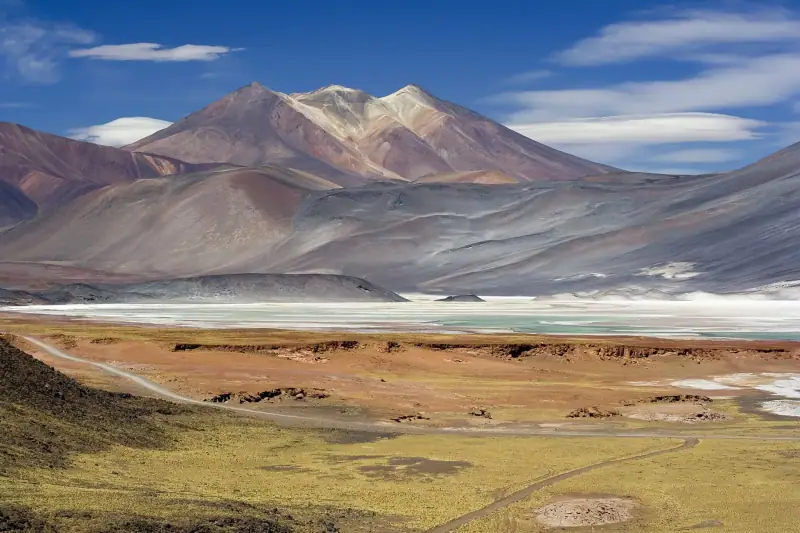
When to go to Chile: seasons, climate and best time by region
When to visit Chile? Climate in Santiago, the Atacama, the Lake District, Chiloé and Easter Island: seasons, weather and the best month for your trip.
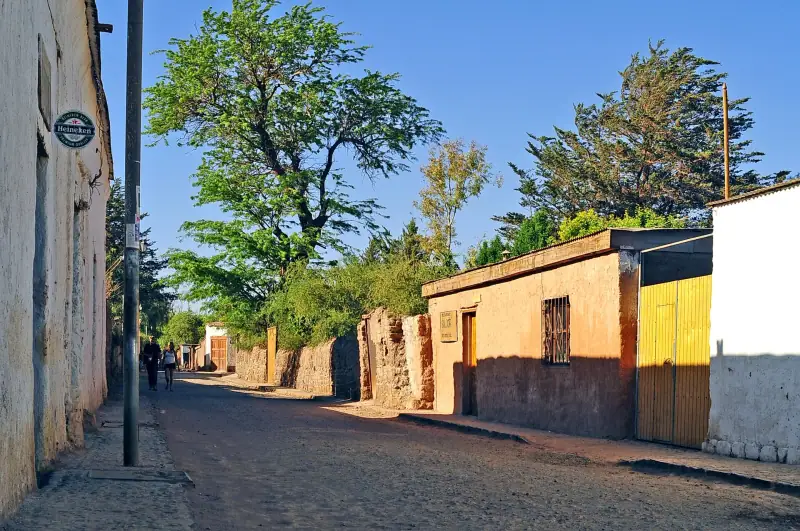
Where to stay in San Pedro de Atacama without a car: town center or outskirts?
No car in San Pedro de Atacama: stay near Caracoles Street or on the outskirts? Areas, walking distances, early-morning tours and pitfalls to avoid.
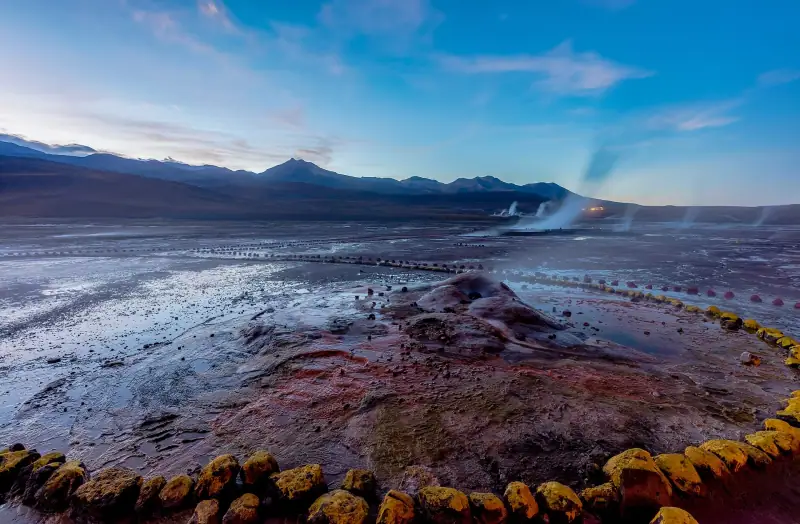
El Tatio geysers without a tour: car, entrance fee and hours
Visit El Tatio geysers without a tour: B-245 road, 15,000 CLP ticket, night departure, cold and altitude. The real conditions before you rent a car.
Ready-made
Chile itineraries
7 days
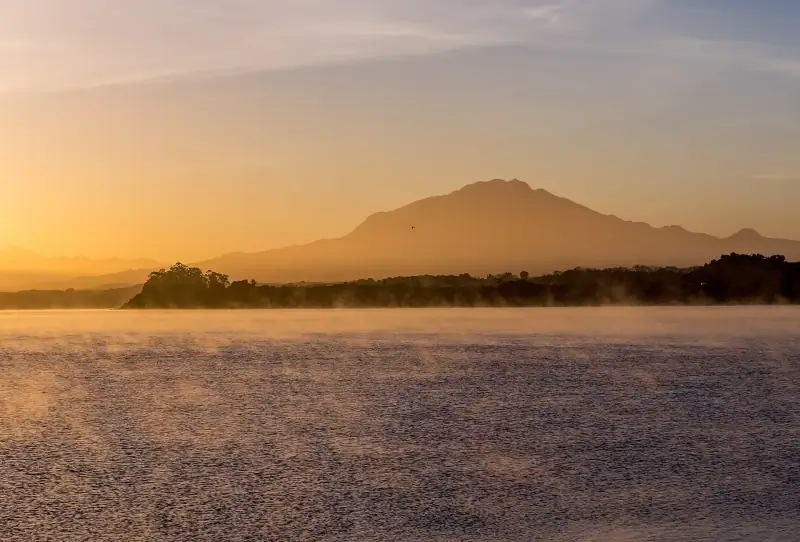
Chile's Lake District road trip: 7 days from Puerto Varas to Pucón
Puerto VarasPucón
Can be adapted in the planner
3 days
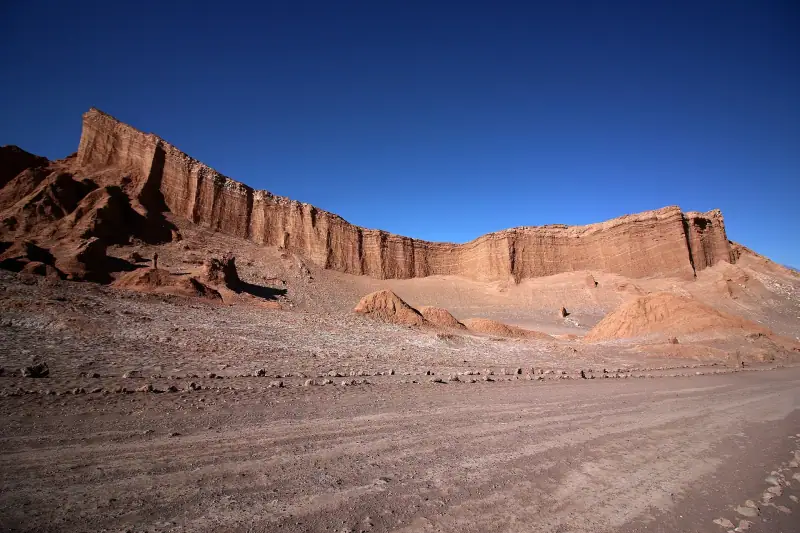
3 days in San Pedro de Atacama: a day-by-day itinerary
3 days in San Pedro de Atacama: a day-by-day plan with Moon Valley, lagoons, El Tatio geysers and stargazing, plus altitude and logistics tips.
14 days
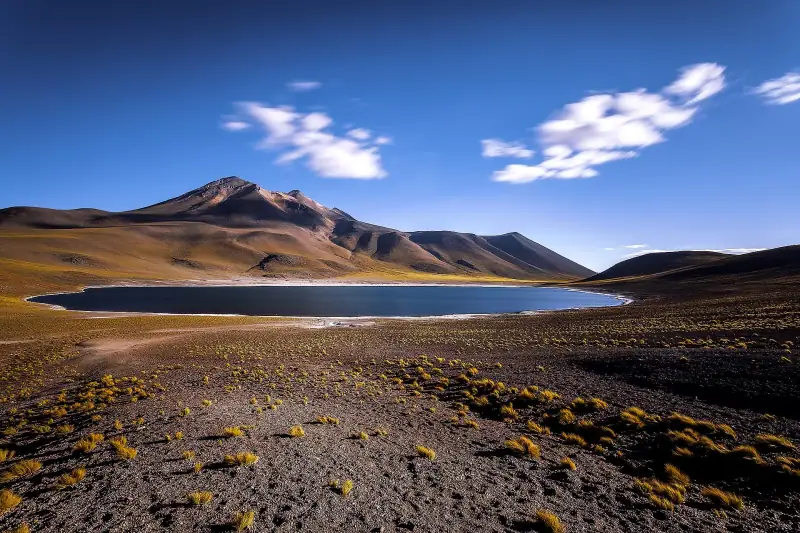
2-week Chile itinerary: Atacama, the Lakes and Chiloé
A 14-day Chile itinerary, day by day: Santiago, Valparaíso, the Atacama Desert, Pucón, Puerto Varas and Chiloé, with flights, durations and tips.