Things to do
Brittany with kids: trip ideas and family activities
We may earn a commission when you book through links on this page, at no extra cost to you. We don't visit or try the places we cover: we summarize published sources. How we work
In short
- Pick one or two bases and make short day trips rather than changing lodging every two days; a week in one area leaves room for the beach and a rainy day.
- Young children suit sheltered beaches and coves (Gulf of Morbihan, parts of the Emerald Coast); ages 6 to 12 enjoy shore fishing, boat trips, Saint-Malo's ramparts and megaliths.
- Rainy-day staples: Océanopolis in Brest, the Saint-Malo aquarium and the Planétarium de Bretagne in Pleumeur-Bodou.
- Check tide times for swimming, shore fishing and islet crossings; the water can rise fast. A car is far more practical for a family.
Brittany has everything to appeal to families: hundreds of beaches, tides that transform the landscape twice a day, islands reached by boat, ramparts to climb, mysterious megaliths and crêperies that please almost every age. The main challenge is choosing. This article gathers activity ideas and ways to organize the stay, according to the children’s ages, the weather and your pace.
To settle your dates, first see the guide on when to go to Brittany, and for your trips, getting around Brittany.
Choosing a base: where to settle with kids
One base rather than a circuit
With children, changing lodging every two days wears everyone out. It is better to choose one or two bases and explore around them, with short drives. A week in the same area leaves time to enjoy a beach, to fit in a rainy day and not to spend your life in the car.
Which area for which age
- Young children (0-6): favor sheltered beaches, coves, calm bays and lodging close to the sea. The Gulf of Morbihan and some beaches of the Emerald Coast suit well.
- Ages 6 to 12: the ideal age for shore fishing, guided kayaking, boat trips, Saint-Malo’s ramparts and megaliths.
- Teenagers: water sports (sailing, surfing, paddleboarding), cycling, longer hikes and lively towns such as Rennes or Brest.
Which type of lodging
Gîtes, apartments and campsites with mobile homes let you cook, spread out the sand and manage naps. Hotels remain practical for short stays. If you hesitate between areas, the guide to where to stay in Brittany details the strengths of each department.
Family stays in Brittany
Hotels, gîtes and apartments with several beds: filter by capacity and compare offers, especially during school holidays.
Shore fishing and the joys of the foreshore
An emblematic activity
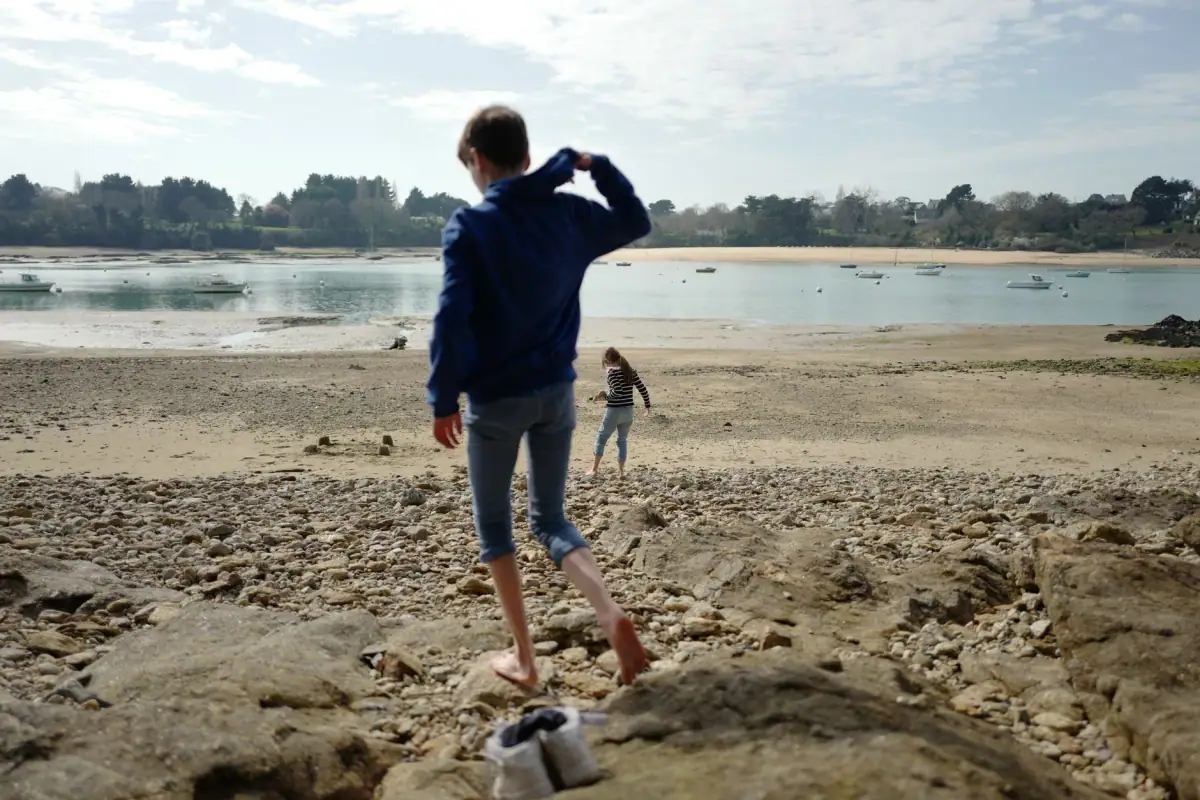
At low tide, the sea sometimes retreats over great distances and uncovers rocks, pools, seaweed and shells. For a child, it is an inexhaustible exploring ground: crabs, anemones, periwinkles, shrimp in the pools. Even without collecting anything, watching life in the tide pools is a genuine natural science lesson.
The rules to know
Recreational shore fishing is regulated: minimum catch sizes, quotas, areas closed or monitored for health reasons. Ask the tourist office or town hall, and check local information before collecting anything. Bring a bucket, boots or closed shoes, and put back overturned stones as you found them. The detailed guide to shore fishing in Brittany covers the rules, tides and areas to avoid.
Safety first
The tide can rise fast on large flat expanses. Check the tide times, set out as low water approaches, never at the last minute, and always keep children in sight. When in doubt, go with a nature guide: several tourist offices and associations offer guided outings in season.
Saint-Malo and the Emerald Coast: ramparts, beaches and little boats
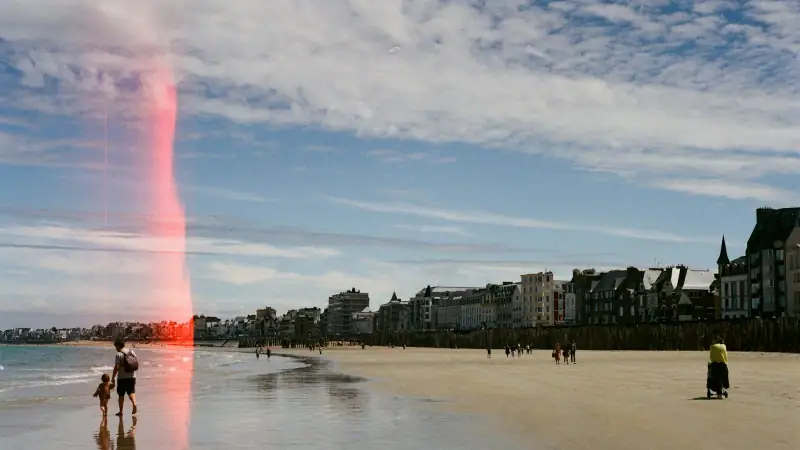
Walking the ramparts
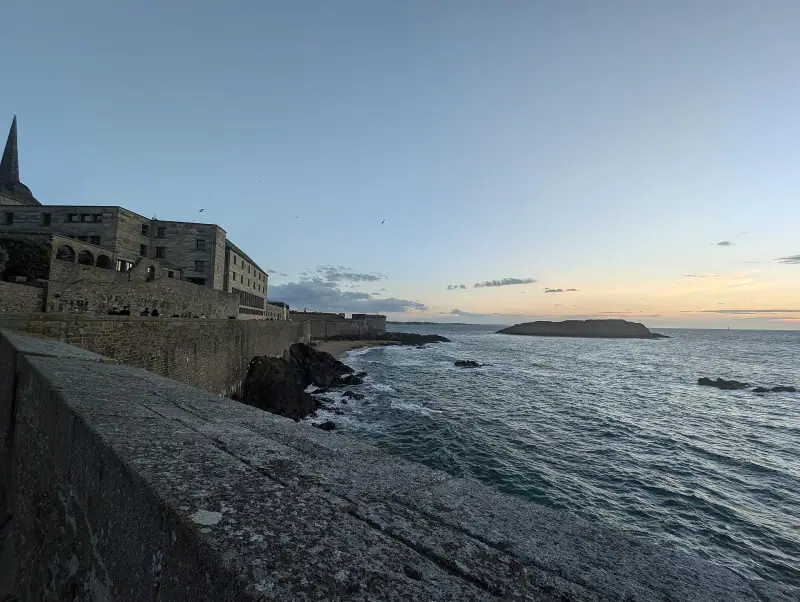
The rampart walk at Saint-Malo offers an easy and spectacular stroll. Children love watching the boats, spotting the islets and, at low tide, walking out to Fort National or the Grand Bé, which can be reached from the beach, while strictly following the posted tide times. To prepare the visit, see the guide to visiting Saint-Malo.
The aquarium and rainy days
Saint-Malo has an aquarium, a safe bet when the weather turns. Check the hours and rates on the official website before you come, as they vary by season.
Forts and capes
On the coast, Fort La Latte, near Plévenon, has served as a film set and speaks readily to children’s imagination with its drawbridge and walls. Neighboring Cap Fréhel offers cliffs, seabirds and a lighthouse; stay on marked paths and hold the youngest by the hand near the edge.
Boat trips and activities with kids
Boat rides, guided visits and nature outings: compare offers and book ahead in high season.
Boats, islands and trips at sea
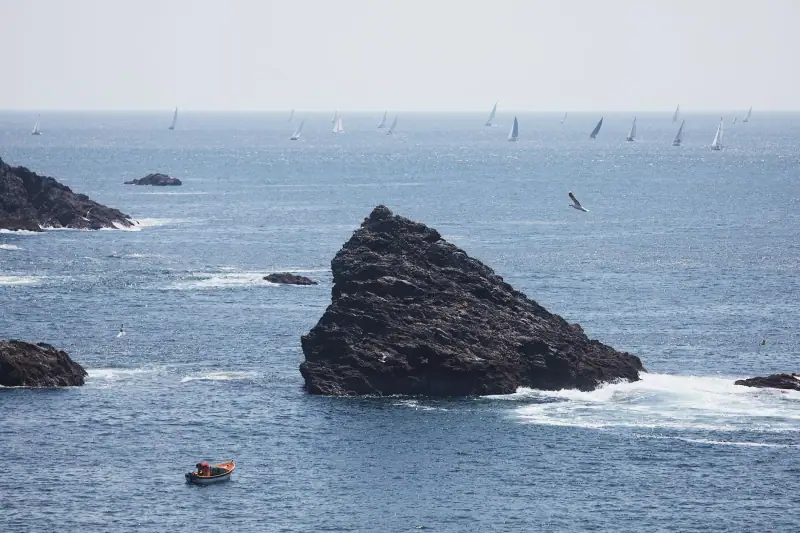
Islands within reach of children
Boarding a boat is often the highlight of a stay. The island of Bréhat, car-free, is explored on foot or by bike and is much liked by families. From Perros-Guirec, the trip to the Sept-Îles lets you watch seabirds, including puffins in season, and sometimes seals. Belle-Île, larger, takes more logistics. All the details are in the article on the Breton islands and their excursions.
Seasickness and little ones
Most crossings are short, but the sea can be rough. Check the marine forecast, keep children warm and offer a light snack before departure. Companies generally specify the conditions for young children: ask when you book.
The Gulf of Morbihan
Its sheltered waters and many islands make it a gentle playground for families, with launch rides from Vannes. See also visiting Vannes and the guide what to see in Morbihan.
Brest and Finistère: sea, science and wide open spaces
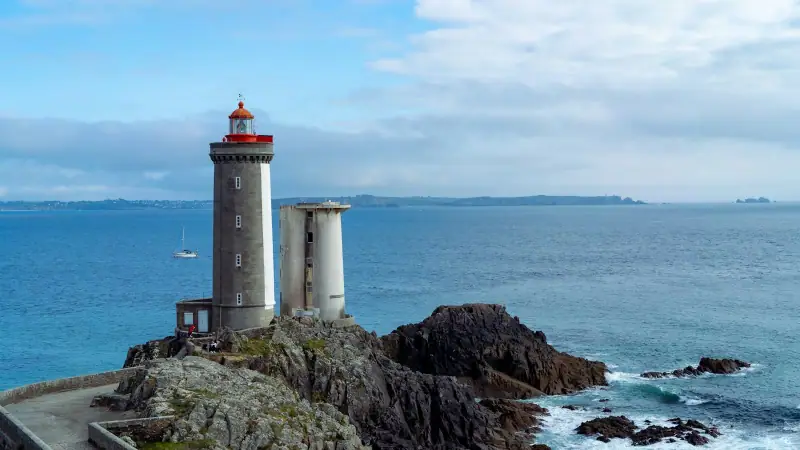
Océanopolis, the great classic
In Brest, Océanopolis is a marine science center devoted to the oceans, with tanks and species from varied environments. It is well suited to rainy days and curious children. Allow half a day to a day depending on pace and check the official website for hours. The guide to visiting Brest gives other visit ideas.
Quimper, Concarneau and the south coast
The walled town of Concarneau, with its enclosure set on the water, appeals to children who like ramparts and fishing boats. Quimper charms with its lanes, cathedral and half-timbered old town. See visiting Concarneau and visiting Quimper to organize your walks.
Wild headlands and immense beaches
Finistère offers large sand beaches, dunes and headlands battered by waves. Children love running, building castles and watching the waves break, but swimming there calls for vigilance (currents, waves). Preferably choose supervised beaches in season.
Megaliths, legends and Breton tales
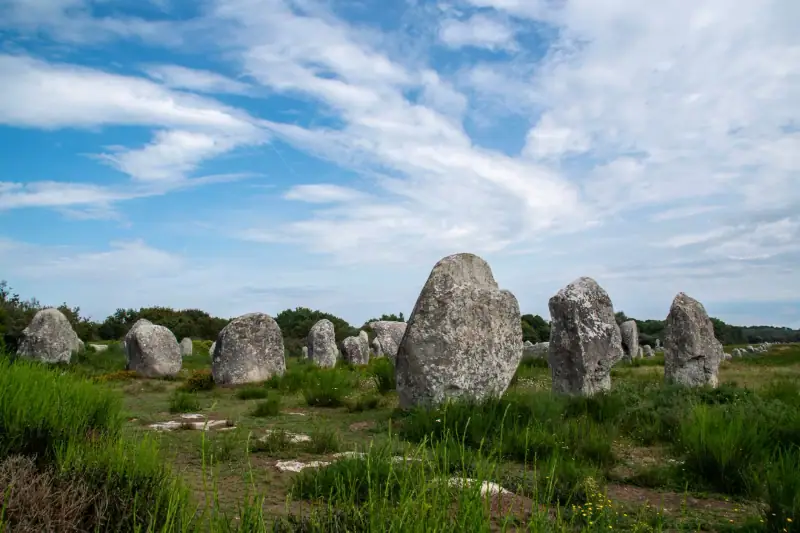
The Carnac alignments
The Carnac alignments, in Morbihan, are among the largest groups of standing stones in Europe. For children, they are gigantic stones that tell stories of giants, druids and fairies. Some sites are protected and access is sometimes limited; check the visiting conditions there or with the tourist office.
The Planétarium de Bretagne
At Pleumeur-Bodou, on the Pink Granite Coast, the Planétarium de Bretagne offers astronomy shows and makes a fine fallback activity when it rains. The area is close to Perros-Guirec: see visiting Perros-Guirec.
Telling Brittany in the evening
The legends of Ys, Merlin and the Brocéliande forest go over well before bedtime. A book of Breton tales in the suitcase turns drives and rainy evenings into moments of imagination.
Rent a family car
Compare rental companies: make sure the trunk is big enough for a stroller, child seats and luggage.
Easy walks and cycling as a family
Paths suited to small walkers
The coastal path alternates easy passages and more technical stretches. With children, aim for loops of 3 to 6 km (2 to 4 mi), with a beach, a lighthouse or a port as the goal. To understand the customs officers’ path, read the article on the GR34. Children walk better when there is a goal: finding a crab, reaching a lighthouse, tasting a crêpe on arrival.
Cycling and greenways
Brittany has many cycle routes, including paths laid out on former railway lines or along canals. They are comfortable with children because they are flat and away from roads. Rent bikes suited to each child’s size and bring helmets and a trailer or seat for the youngest.
Water sports
Sailing schools, surf lessons, kayaking and paddleboarding are offered in many resorts. For the youngest, beach clubs and discovery lessons let them start safely. Find out the minimum age at registration: it varies by activity and center.
Eating well with kids
Crêpes and galettes, a prime ally
Crêperies are generally family-friendly, with menus often accessible to children. The sugar or chocolate crêpe reconciles the pickiest, and the ham-cheese-egg galette reassures the others. See our advice in crêpes and galettes in Brittany.
Seafood and markets
Oysters do not please everyone, but visiting a market or an oyster-farming port often interests children. The article on seafood and oysters in Brittany will help you organize these discoveries.
Picnics and snacks
Many families opt for a picnic on the beach, which saves time and budget. Bring plenty of water, a parasol and something to clean off the sand. Then compare spending with the guide to the Brittany budget.
A base for day trips
A central base saves you repacking: compare accommodation on the north coast.
What to do when it rains
Breton weather is changeable: it is better to plan a few fallback activities than to endure the day.
- Aquariums and sea centers: Océanopolis in Brest, the Saint-Malo aquarium.
- Planetarium and museums: the Planétarium de Bretagne, the museums of towns such as Rennes or Quimper.
- Towns and covered markets: Rennes offers parks, museums and half-timbered lanes; see visiting Rennes.
- Circus, cinema, swimming pool: indoor pools and leisure centers in the towns are backup solutions.
A light drizzle should not cancel everything: rubber boots and a rain jacket open the door to lovely beach walks, often deserted under the gray sky.
Practical tips for traveling with kids
What to pack
- Warm clothes even in summer (windbreaker, sweater, light hat).
- Water shoes and boots.
- A bucket, a landing net and a magnifying glass for the foreshore.
- Sunscreen, hat and sunglasses: sea air is deceptive about the strength of the sun.
- A small pocket book or guide on birds and shells.
Organizing the days
One main activity a day is enough. Drives, meals and free play time count as much as visits. Alternate a “big program” day and a beach or rest day. Watch the tide times, which govern many activities: swimming, shore fishing, walking across to an islet.
Insurance
Check with your own health insurer what covers you during a trip to France. Cancellation insurance can be useful depending on your trip.
Sample family week
- Day 1: arrival, beach near the lodging, crêpes in the evening.
- Day 2: shore fishing at low tide, snack on the beach.
- Day 3: Saint-Malo and ramparts, aquarium if it rains.
- Day 4: Fort La Latte and Cap Fréhel, picnic.
- Day 5: boat trip to an island.
- Day 6: rest day or bike ride on a greenway.
- Day 7: megaliths or planetarium depending on the weather, before heading home.
Adjust distances by consulting a road map: in Brittany, drives look short but quickly lengthen in summer.
In short
Family vacations in Brittany rest on a few simple principles: a fixed base, one activity a day, the sea as a playground and always a plan B for rain. Between foreshore, boats, ramparts, megaliths and crêpes, every age finds something to enjoy. To build the rest of your stay, discover the complete guide to Brittany.
Frequently asked questions
What is the best place in Brittany for a family vacation?
There is no single answer. The north coast (Saint-Malo, Emerald Coast) combines beaches, ramparts and easy outings; Finistère is ideal for nature and sea lovers; the Gulf of Morbihan suits little ones, with its calm waters. Choose according to the children's ages and the length of the stay.
What is the minimum age for coastal hiking with children?
As soon as a child walks without being carried, you can offer short loops with no exposed passages. With toddlers, favor wide stretches of path away from the cliff edge, or carry them away from risk zones.
Can you go shore fishing with children?
Yes, it is a very popular activity, but it requires checking tide times, respecting minimum catch sizes and checking the sanitary status of the beds. An outing led by a guide is an excellent first experience.
What is there to do in Brittany with kids when it rains?
Museums, aquariums, planetariums and discovery parks are numerous. Océanopolis in Brest, the Saint-Malo aquarium or the Planétarium de Bretagne in Pleumeur-Bodou are safe bets on a bad-weather day. Check the hours before you go.
Do you need a car for a family stay in Brittany?
It is markedly more practical, because many sights are on the seashore, far from stations. A car-free stay remains possible by relying on trains and buses from a base town, but it takes more organization with a stroller and luggage.
What period should you choose to travel with children?
July and August offer the best chances for swimming, but crowds are at their maximum. June and September are calmer; spring and the autumn school holidays suit visits and walks, with changeable weather.
Are Breton beaches suitable for young children?
Many are, notably sheltered beaches and coves at high tide. Beware of large-range tides: the water rises fast, and swimming can be limited depending on times and currents. Look for supervised beaches in season.
More Brittany guides
Keep reading
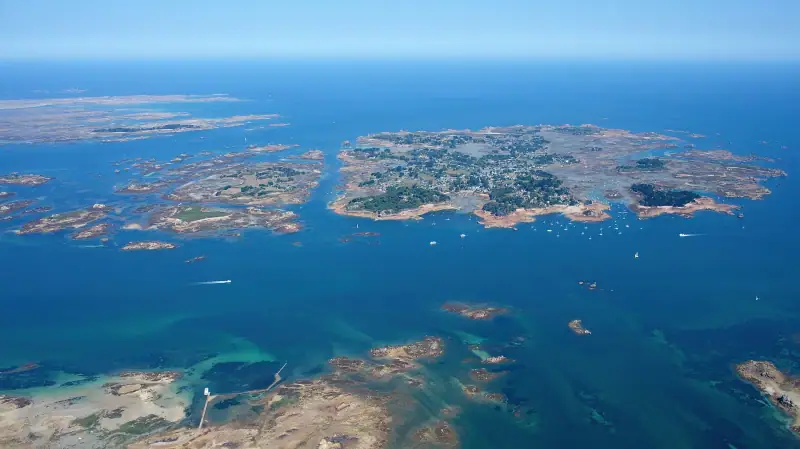
Breton islands: which excursion to choose between Bréhat, Belle-Île and Ouessant?
Bréhat, Belle-Île, Ouessant, Glénan, Sept-Îles: compare Brittany's finest islands, their crossings, activities and tips for planning the excursion.
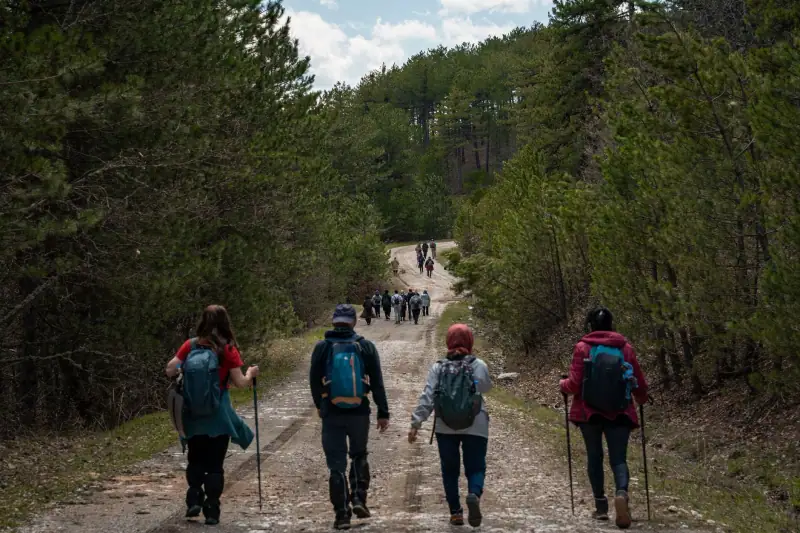
GR34 in Brittany: the best hikes on the customs officers' path
Plan your hike on the GR34, the customs officers' path: must-do sections, levels, tides, gear, seasons and logistics for walking in Brittany.
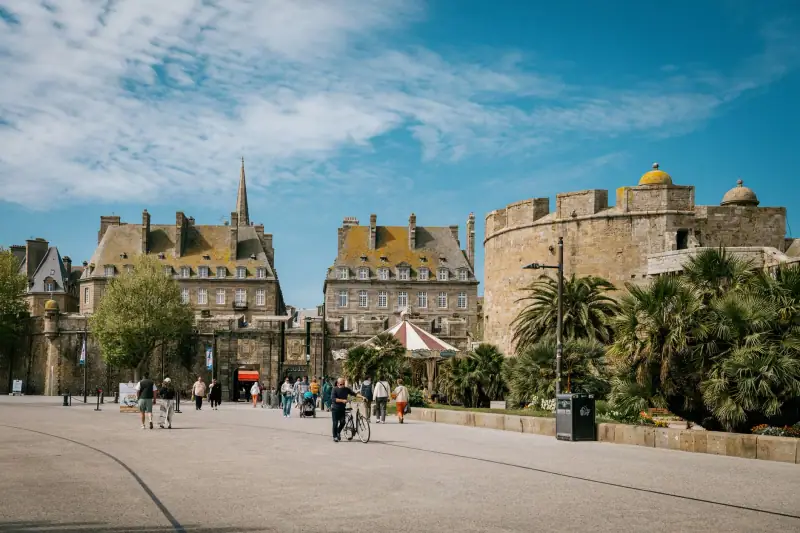
Where to stay in Saint-Malo: neighborhoods and types of accommodation
Where to stay in Saint-Malo? Intra-muros, Sillon, Paramé, Saint-Servan, Rothéneuf: compare areas and types of lodging for your budget and stay.
Ready-made
Brittany itineraries
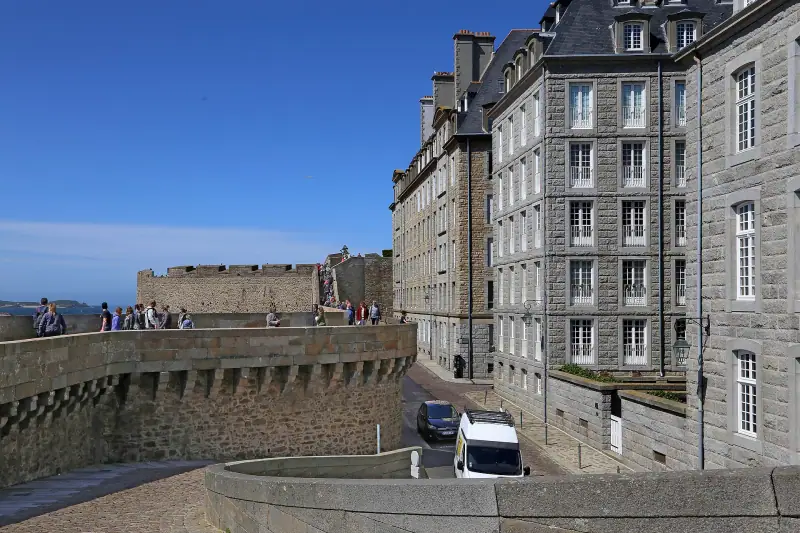
3 days
3 days in Saint-Malo, Cancale and Dinan: an Emerald Coast itinerary
A 3-day itinerary in northern Brittany: Saint-Malo's ramparts, Cancale's oysters, Dinan's medieval lanes. Daily plan, tides, transport and budget.

7 days
One week in Brittany without a car: a day-by-day itinerary by train and bus
RennesSaint-MaloQuimperVannes
7 days
Brittany road trip in 7 days: from Saint-Malo to the Gulf of Morbihan
A 7-day coastal road trip in Brittany: Saint-Malo, Pink Granite Coast, Crozon peninsula, Quimper, Carnac and Vannes. Stops, distances, budget and tips.