Plan your trip
When to go to Brittany: weather, tides and seasons month by month
We may earn a commission when you book through links on this page, at no extra cost to you. We don't visit or try the places we cover: we summarize published sources. How we work
In short
- May, June and September are generally the best compromise: long days, pleasant temperatures, quieter beaches and trails, and gentler prices than in midsummer.
- The climate is oceanic and changeable: showers can come in any season, usually followed by clear spells. Dress in layers with a windbreaker.
- Sea water is cool, often around 16 to 20 °C (61 to 68 °F) in summer; tides are large, especially on the north coast, and decide swimming and access to islets.
- Book several months ahead for July, August, May long weekends and festivals; off season, availability is usually good a few weeks before.
“When should you go to Brittany?” It is the first question almost every traveler asks, and the honest answer is: it depends on what you are looking for. The region changes face with the seasons. In summer, it fills with families, sailboats and lively terraces. In spring, it is covered in flowers and light. In autumn, it finds its rhythms and its big tides again. In winter, it becomes wild, windy and superb.
This guide helps you choose the period that fits your trip: climate, tides, crowds, festivals and budget. You will also find practical advice for packing your suitcase, pointers for booking at the right time and ideas for a stay according to your wishes, from a walk on the customs officers’ path to boat trips.
Understanding the Breton climate
Brittany enjoys a mild oceanic climate. The Atlantic and the Channel soften temperatures: winters are rarely very cold, summers rarely scorching. In return, the weather is changeable, and cloudy or rainy spells can occur in any season.
One region, several atmospheres
It would be wrong to speak of a single Breton climate. A few differences worth knowing:
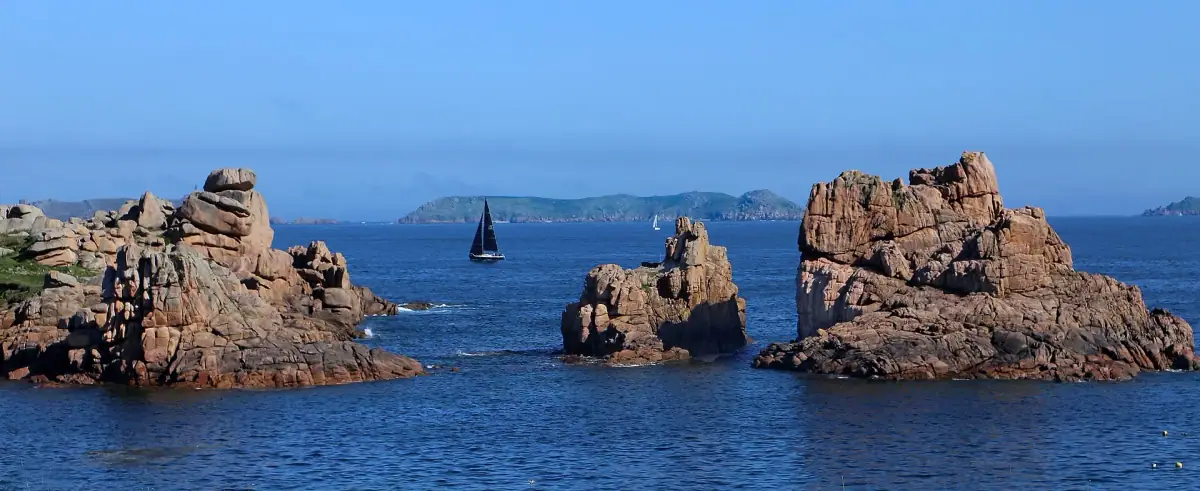
- The north coast (Côtes-d’Armor, northern Ille-et-Vilaine, northern Finistère) is more exposed to the winds and coolness of the Channel. This is the land of the Pink Granite Coast, Saint-Malo and Perros-Guirec.
- The western tip of Finistère takes the Atlantic storms head-on. It offers spectacular landscapes, but the wind is often present.
- The south coast (southern Finistère, Morbihan) is generally milder and sunnier. The Gulf of Morbihan, Vannes, Concarneau and Belle-Île enjoy a more gentle microclimate.
- The inland areas, around Rennes or the forests of the center, have slightly more contrasting temperatures, with hotter summers and cooler winters than on the coast.
The famous “crachin”
The crachin is a fine drizzle, often carried by the wind, that wets you without seeming to rain. It is more frequent off season. Nothing dramatic, but it is better to plan a breathable waterproof jacket than an umbrella, which the wind would quickly make useless.
The golden rule: layer up
Whatever the season, the best strategy is dressing in layers: a T-shirt, a light sweater, a windbreaker. You can add or remove layers through the day, without fearing a change in the weather.
Spring (March to May): light and calm
Spring is an underrated season. Days lengthen, the countryside turns green again, gorse and wildflowers color the cliffs, and crowds stay reasonable.
What you gain
- Almost empty trails. The customs officers’ path, which runs along much of the Breton coast, is pleasant to walk when it is mild without being hot.
- Prices still moderate. Outside school holidays and the May long weekends, accommodation remains more affordable than in summer.
- Beautiful light for photography, with contrasting skies and long ends of day.
- Nature in full swing. It is a good time to watch seabirds on the islands and cliffs. The Sept-Îles, off Perros-Guirec, are known for their seabird colonies, generally seen from spring to early summer.
What to know
The water is still cold; swimming is for the bravest. The weather remains unpredictable: you can get beautiful summer-like days as well as heavy showers. Some seasonal businesses open only for the Easter holidays or in May, so check opening days before you travel.
The May long weekends (May 1, May 8, Ascension, Pentecost) concentrate many visitors on the coast. If you travel on those dates, book early.
Book early for long weekends and summer
Compare hotels, guesthouses and apartments in Saint-Malo before the best places are full.
Summer (June to August): beaches, festivals and crowds
Summer is the classic vacation season in Brittany, and rightly so: it is the warmest and brightest season, and the one when you can enjoy everything, from swimming to boat trips, including village festivals.
June: the best of summer without the crowd
June often combines fine weather, long evenings and still modest crowds before school holidays begin. If you can choose your dates, it is one of the best months for a balanced stay.
July and August: the liveliest months
This is high season. Seaside resorts, islands and walled towns are full, coastal roads are busy at the end of the week and accommodation rates are at their maximum. In return:
- Temperatures are the most pleasant, even if the region remains less hot than the south of France.
- Festivals punctuate the season. Among the best known: the Vieilles Charrues in Carhaix, generally in July, and the Festival interceltique de Lorient, which gathers Celtic cultures in early August. Fest-noz, traditional Breton dances, are held in many villages all summer.
- Water activities are the most accessible: sailing, kayaking, paddleboarding, surf lessons, boat trips.
How to organize in high season
- Book several months ahead, especially if you travel as a family or group.
- Leave early in the morning to visit heavily visited sights such as Saint-Malo’s ramparts, the Pink Granite Coast or the most famous beaches.
- Avoid changeover weekends (the Saturdays at the start and end of July and August), which concentrate the traffic jams.
- Explore the hinterland and lesser-known small beaches when the coast is saturated.
- Have a plan B for rain: museums, ports, covered markets, crêperies. The guide to crêpes and galettes in Brittany will give you ideas for a successful bad-weather day.
Excursions and boat trips
Boat rides, guided visits and activities in Brittany: compare offers and book ahead in summer.
Autumn (September to November): the connoisseurs’ season
Many Bretons will tell you: September is the finest month of the year. Crowds drop as soon as school starts again, the water has kept the summer’s warmth, the light is soft and prices fall.
September and early October
It is an excellent period for hiking, visiting towns, enjoying nearly deserted beaches and tasting seasonal products. Boats keep running, most shops stay open and days are still fairly long. Tide coefficients are sometimes large at the equinox, which offers striking sights on the coasts.
Late autumn
From November, the region enters a calmer period. Days shorten, storms become more frequent and some seasonal businesses close. It is the right season for fans of rough seas, windy walks, fireplaces and comforting cooking.
The gourmet pleasures of the season
Autumn is also the season of apples and cider, and the one when, under local regulations, scallop fishing begins. Oysters, mussels and seafood are particularly enjoyed in the cool. For a food-focused stay, it is a very pleasant time to discover markets and specialties.
Winter (December to February): wild Brittany
Visiting Brittany in winter takes a little preparation, but rewards with an incomparable atmosphere.
The assets
- Dramatic landscapes. Waves hitting lighthouses, brooding skies, empty beaches: this is Brittany at its most authentic.
- Very low prices. Hotels and vacation rentals often offer good rates, especially outside the holiday period.
- Lively towns. Rennes, Brest and Quimper stay lively, with their theaters, museums and universities.
- Christmas markets and year-end festivities in several towns.
The constraints
Days are short, the weather is changeable and temperatures, though rarely below freezing on the coast, feel cooler because of wind and damp. Some restaurants, accommodation and tourist sites close or cut their hours. Always check their opening days before you travel. Crossings to the islands are less frequent and can be canceled in bad weather: keep some margin in your schedule.
Tides: the factor that changes everything
No guide to travel timing in Brittany would be complete without talking about tides. They are part of the region’s identity and condition many activities.
An impressive range
On the north coast, notably around Saint-Malo, the tidal range is among the largest in Europe: during big tides, the difference between high and low water well exceeds ten meters (about 33 ft). The result: the same beach can stretch for hundreds of meters at low tide and almost entirely disappear at high tide. On the south coast, the range is more modest, but still noticeable.
What it changes for you
- Swimming: on some beaches, the water is very far out at low tide. Find out the time of high water before settling in.
- Shore fishing: a popular activity, practiced at big tides, with precise rules on species and sizes. Ask the tourist office or town hall.
- Islets reachable on foot: some islets are accessible at low tide only. Never venture out without knowing the exact time the sea returns, which can rise fast.
- Photography: high and low tide offer very different landscapes. The big equinox tides, in spring and autumn, are particularly spectacular.
How to get information
Tide times are published at tourist offices, ports, local newspapers and on several specialized sites and apps. Check them every day: they shift by about an hour each day. Tide coefficients, expressed as a number (from 20 to 120), indicate the size of the range: the higher the coefficient, the stronger the tide.
Stay in Rennes and explore all of Brittany
Rennes, well connected, is a practical off-season base for exploring the region at low rates.
Budget: how to pay less
The price of your stay depends a lot on the date. In general:
- High season (July-August, May long weekends, Easter and All Saints holidays): rates are the highest, demand very strong.
- Shoulder season (April-June, September): excellent value.
- Low season (November to March, outside holidays): rates are the lowest.
A few tips for saving money
- Travel midweek: weekends are pricier and busier.
- Avoid school holidays if your situation allows.
- Book early for high-demand dates, with a free-cancellation option when offered.
- Consider camping, gîtes or guesthouses, often cheaper than hotels on the coast.
- Compare bases: staying in Rennes, Vannes or Quimper rather than a seaside resort helps limit spending.
What to pack by season
| Season | What to bring |
|---|---|
| Spring | Waterproof jacket, warm sweater, walking shoes, sunglasses |
| Summer | Swimsuit, sunscreen, light windbreaker, sandals and closed shoes |
| Autumn | Raincoat, fleece, boots or waterproof shoes, light hat |
| Winter | Windproof coat, thick sweater, hat, gloves, waterproof shoes |
In every case, bring a pair of shoes you can get wet and a change of clothes. Wind and sea spray can catch you out, even in fine weather.
Which period for your kind of trip?
- For swimming and family vacations: July and August, or late June and early September for more calm.
- For hiking the customs officers’ path: May, June and September.
- For seabirds: spring to early summer.
- For food and seafood: autumn and early winter.
- For festivals: July and August.
- For storm landscapes and low prices: October to March.
- For a city break in Rennes, Brest or Quimper: all year, with a preference for spring and autumn.
Practical tips before you go
- Check the weather forecast a few days before departure, but stay flexible: it changes fast.
- Plan alternative activities for rainy days: museums, ports, markets, tastings.
- Check opening hours of sights, restaurants and crossings in low season.
- Always check the tides before swimming, fishing or walking on the foreshore.
- Book early for high season and events.
- Respect nature: stay on marked paths, take your trash with you and keep your distance from birds and seals.
There is no bad time to visit Brittany, only periods that fit your wishes better. Choose your dates according to what you like: swimming, hiking, food or the open sea. Then let the region do the rest: it knows how to surprise in every season.
Frequently asked questions
What is the best time to visit Brittany?
May, June and September generally offer the best compromise: long days, pleasant temperatures, quiet beaches and trails and gentler prices than in midsummer. July and August remain the hottest and liveliest months, but also the most expensive and the busiest.
Does it really rain all the time in Brittany?
No, that is a cliché. The climate is oceanic: the weather changes fast and showers can occur in any season, but they are often followed by clear spells. People in Brittany say the weather is fine several times a day. The south coast, from Morbihan to southern Finistère, is generally a little sunnier than the north coast.
Can you swim in Brittany?
Yes, especially from June to September. The water stays cool, often around 16 to 20 °C (61 to 68 °F) in summer depending on the place, and a bit milder in the Gulf of Morbihan and on the south coast. Swimmers must also take tides into account, which sometimes take the sea far away.
Why should you check tide times before leaving?
The tidal range is large in Brittany, especially on the north coast where the sea can retreat very far. It determines swimming, shore fishing, access to some islets and the safety of walks on the foreshore. Always check the tide times published by tourist offices or the hydrographic service before heading out.
When should you go to Brittany to avoid crowds?
Favor late spring, early autumn or weeks outside school holidays. The May long weekends and midsummer are the busiest, notably in Saint-Malo, on the Pink Granite Coast and on Belle-Île. On weekdays and outside holidays, the sights are markedly quieter.
Is Brittany worth the trip in winter?
Yes, for those who like wild landscapes, storms watched from a lighthouse, long walks on empty beaches and low accommodation rates. Pack windproof and waterproof clothing, and check opening days, because some shops and tourist sites close or cut their hours off season.
Do you need to book accommodation far ahead?
For July and August, as well as for the May long weekends and festivals, it is better to book several months ahead, especially for small capacities such as guesthouses, gîtes and well-placed campsites. Off season, there is often availability a few weeks before departure.
More Brittany guides
Keep reading
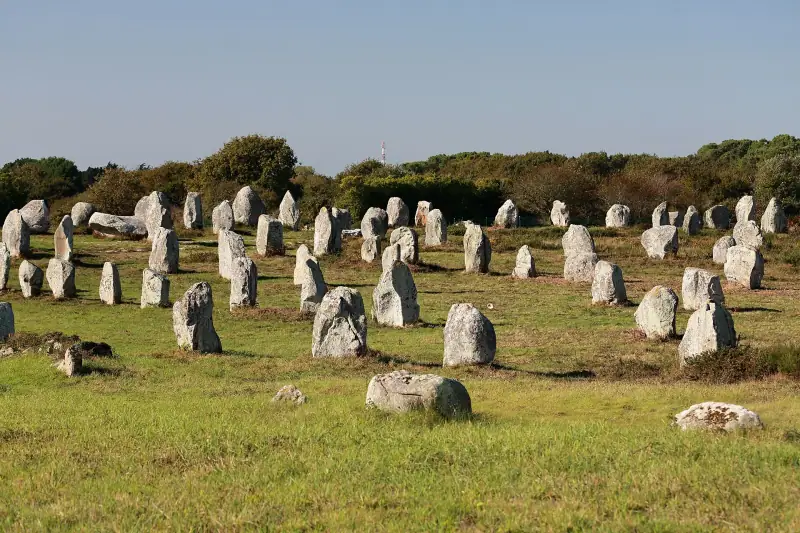
Carnac alignments: can you walk among the standing stones, and at what price?
Carnac alignments: free access October to March, €13 guided visit the rest of the year, rules, parking and dogs. What to know before you go.
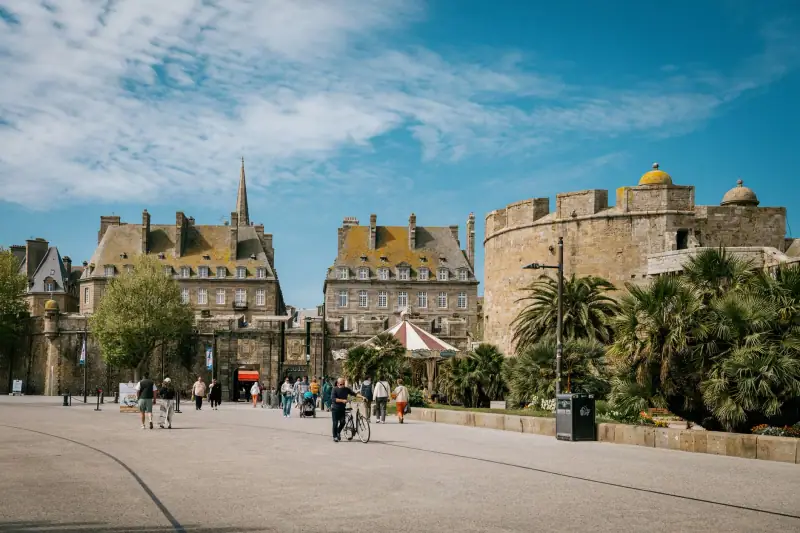
Where to stay in Saint-Malo: neighborhoods and types of accommodation
Where to stay in Saint-Malo? Intra-muros, Sillon, Paramé, Saint-Servan, Rothéneuf: compare areas and types of lodging for your budget and stay.
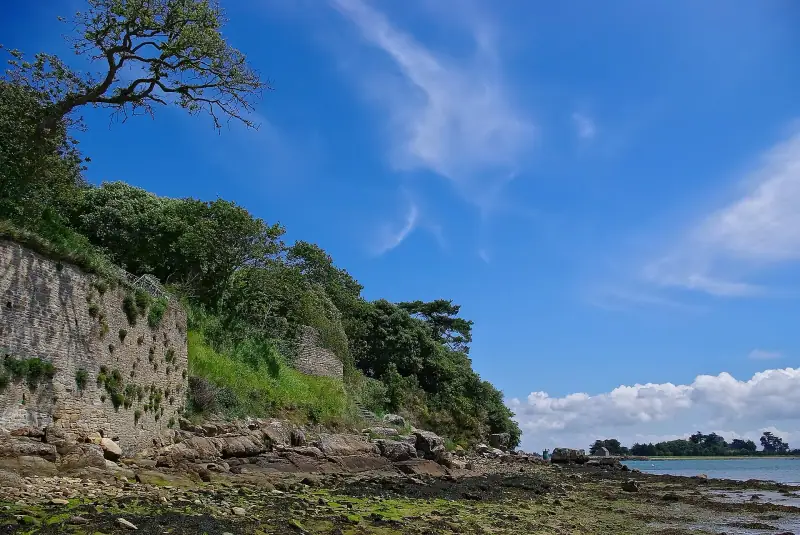
What to see in Morbihan: 12 highlights between gulf, megaliths and islands
What to see in Morbihan? The gulf, Carnac's alignments, Belle-Île, Quiberon, Josselin, Rochefort-en-Terre: the highlights and a plan to link them.
Ready-made
Brittany itineraries
3 days
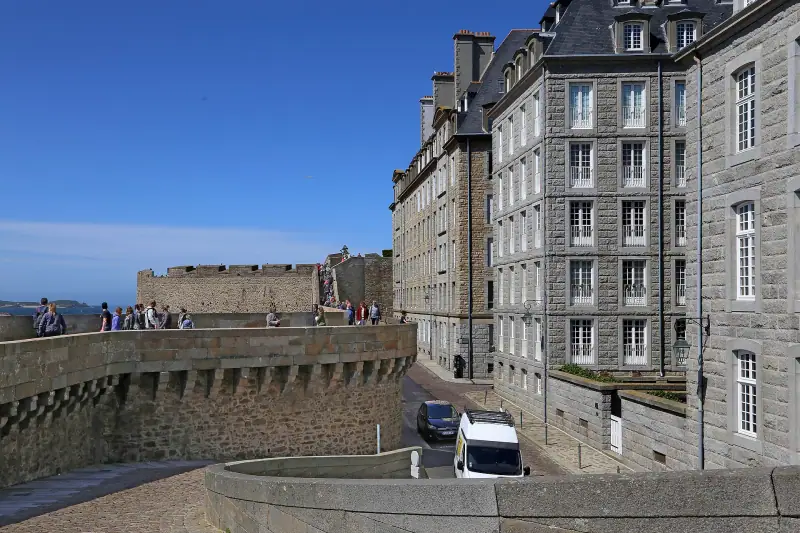
3 days in Saint-Malo, Cancale and Dinan: an Emerald Coast itinerary
A 3-day itinerary in northern Brittany: Saint-Malo's ramparts, Cancale's oysters, Dinan's medieval lanes. Daily plan, tides, transport and budget.
7 days
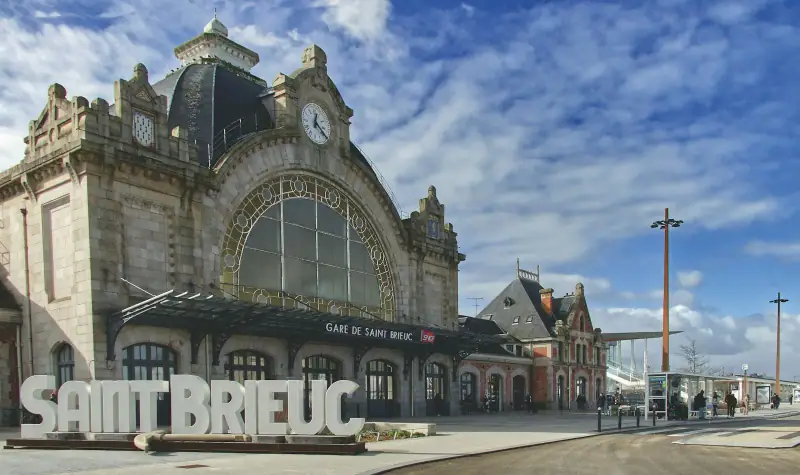
One week in Brittany without a car: a day-by-day itinerary by train and bus
RennesSaint-MaloQuimperVannes
7 days
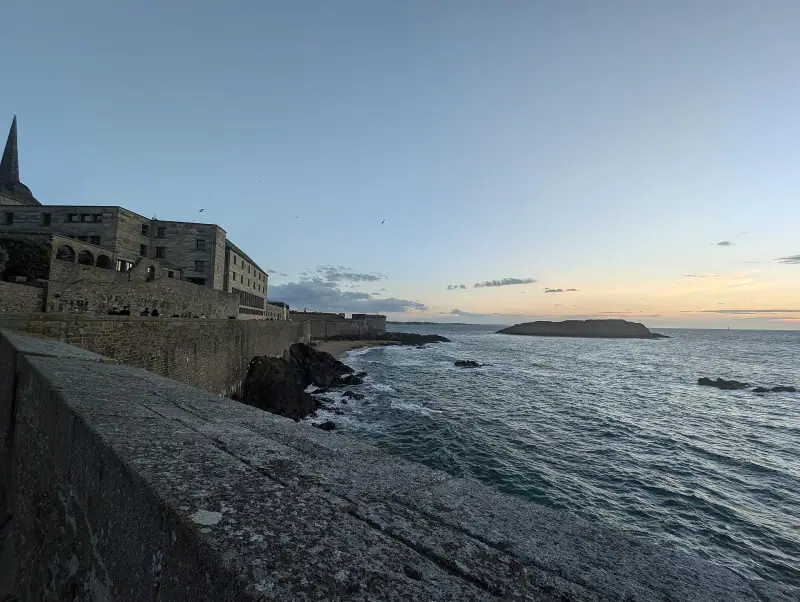
Brittany road trip in 7 days: from Saint-Malo to the Gulf of Morbihan
A 7-day coastal road trip in Brittany: Saint-Malo, Pink Granite Coast, Crozon peninsula, Quimper, Carnac and Vannes. Stops, distances, budget and tips.