What to see
What to see in Morbihan: 12 highlights between gulf, megaliths and islands
We may earn a commission when you book through links on this page, at no extra cost to you. We don't visit or try the places we cover: we summarize published sources. How we work
In short
- Plan four to five days for a balanced first stay: Vannes and the gulf, Carnac and Locmariaquer, Quiberon, Belle-Île, and the interior (Josselin, Rochefort-en-Terre).
- The Carnac alignments are about three thousand stones in several groups (Ménec, Kermario, Kerlescan); access is regulated, so check with the Maison des mégalithes.
- A car is recommended for Carnac, the Rhuys peninsula, Josselin and Rochefort-en-Terre; Vannes, Auray, Lorient and Quiberon are served by train.
- Tides and currents are strong in the gulf and around the islands; swimming is not advised on Quiberon's wild coast.
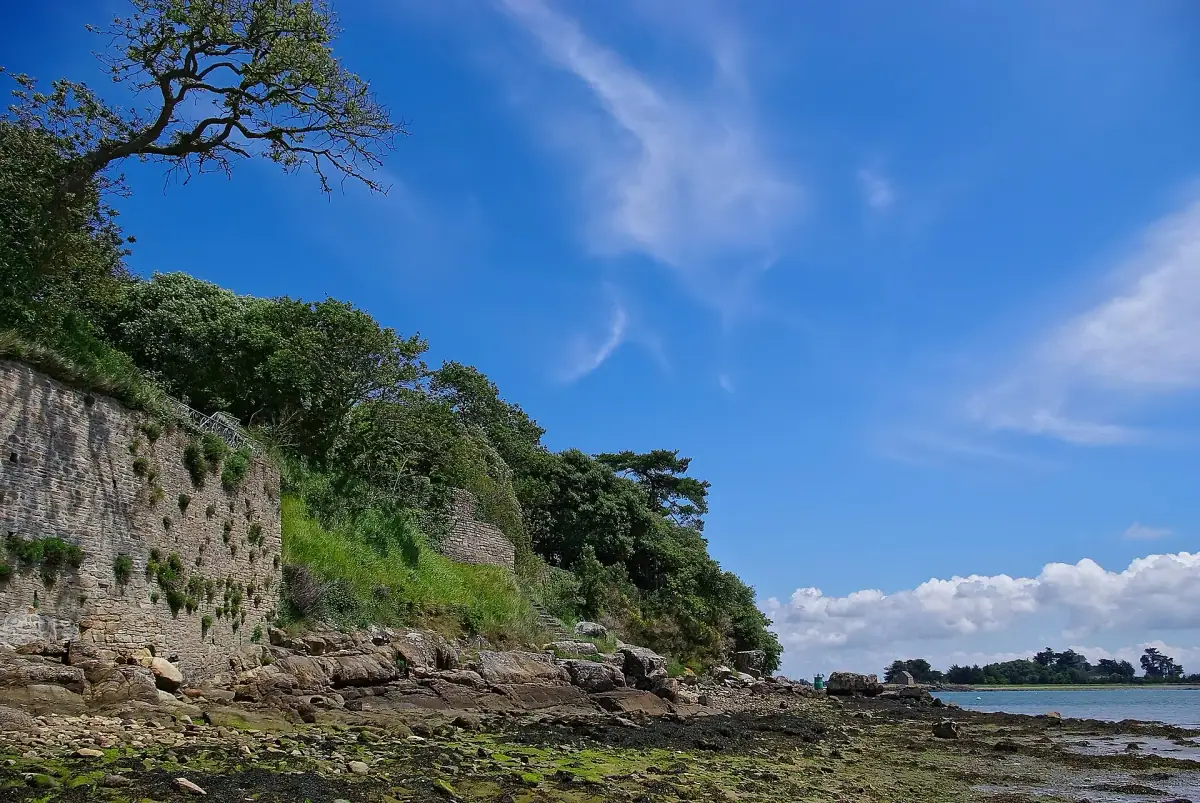
Morbihan is southern Brittany: “little sea” in Breton (mor bihan), a name that first designates the gulf, that inland sea dotted with islands, but ended up naming the whole department. It offers very different landscapes in a compact area: a wild coast battered by the Atlantic, sheltered beaches, fishing ports, large islands, forests, castles and above all one of the richest prehistoric heritages in Europe.
This guide presents the highlights to see in Morbihan, grouped by area to help you build a coherent stay. To choose your dates, see also the article on when to go to Brittany. And keep a simple rule in mind: it is better to choose two or three areas and savor them than to try to see everything in a weekend.
Understanding Morbihan’s geography
The department reads in large groups:
- The Gulf of Morbihan and the Rhuys peninsula: an almost closed inland sea, with Vannes at the head, Auray to the west and Sarzeau on the Rhuys side.
- Quiberon Bay and the megalith coast: Carnac, La Trinité-sur-Mer, Locmariaquer and the Quiberon peninsula.
- The islands: Belle-Île, Houat, Hoëdic and Groix offshore, Île-aux-Moines and Île d’Arz in the gulf.
- The Lorient area: a large roadstead, ports and Port-Louis, in the west of the department.
- The interior: the Oust valley, Josselin, Rochefort-en-Terre, Pontivy, with landscapes of moors, rivers and canals.
Distances are short: you go from one area to another in under an hour’s drive in most cases. To organize your travel, the guide to getting around Brittany details the train, bus and car options.
The Gulf of Morbihan, heart of the department
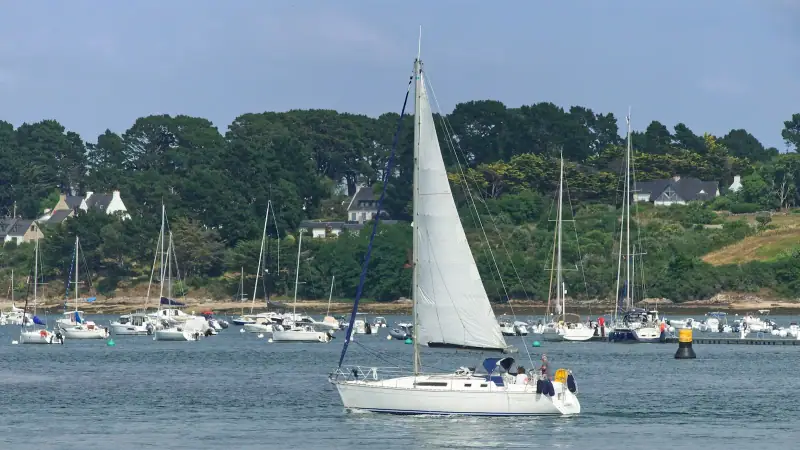
This is Morbihan’s emblematic landscape: an inland sea linked to the ocean by a narrow passage, where currents are powerful and where, depending on how you count, there are about forty islands and islets, of which only two or three are inhabited year-round. The tides draw mudflats, channels and changing reflections, and the late-day light there is famous.
Several ways of discovering it can be combined:
- By boat: launches from Vannes, Port-Blanc or Locmariaquer offer narrated cruises, with or without a stop on an island. It is the best way to grasp the scale of the gulf.
- On foot or by bike: paths run along the shores, notably on the Rhuys peninsula and around Arradon. The GR34 passes through: the article on the customs officers’ path gives the general frame.
- By kayak: at slack tide and with an outfitter who knows the currents, it is a magical outing. Never go without information on tide times.
The two most visited islands in the gulf are Île-aux-Moines, nicknamed the “pearl of the gulf,” with its flowered lanes and small coves, and Île d’Arz, more discreet and rural. Both are reached by a short crossing, from Port-Blanc (Baden) for the first and Conleau near Vannes for the second. Check the boat schedules before you leave, as they vary by season.
Where to stay in Morbihan
Hotels, guesthouses and rentals around the gulf and the megalith coast: compare offers, especially in July and August when the best addresses go early.
Vannes, gateway to the gulf
If you could choose only one town, this would be it. Vannes appeals with its medieval walls and gardens at the foot of the ramparts, its half-timbered houses around Saint-Pierre Cathedral, its cobbled lanes and its marina reaching into the heart of town. It is easy to stroll on foot in half a day, and it is an excellent base for exploring the gulf.
For details of neighborhoods, visits and addresses, read the full guide to visiting Vannes. If you are looking for where to sleep, the selection where to stay in Vannes will help you choose between the historic center, the port and the shores of the gulf.
Carnac and the megaliths: a journey into prehistory
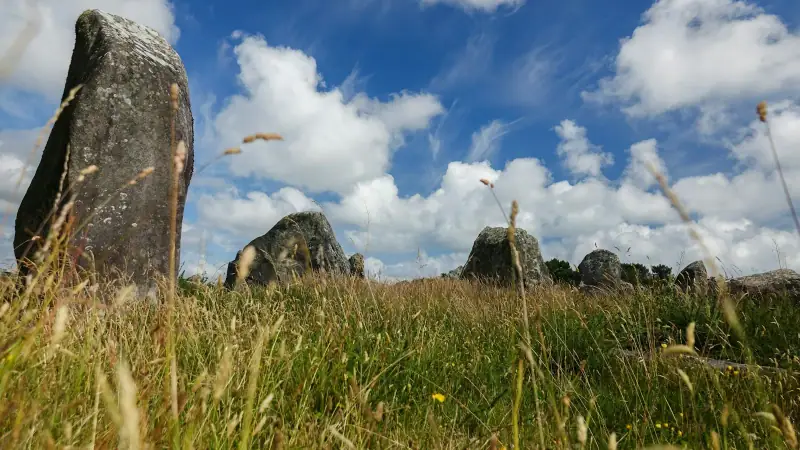
The name Carnac is known worldwide for its alignments of standing stones, raised several thousand years ago, estimated at about three thousand stones in total, spread over several groups (Ménec, Kermario, Kerlescan). Their exact function is still debated: burial, calendar, place of worship? It is precisely this mystery that gives them their power.
A few tips for seeing them well:
- Start with the Maison des mégalithes or the tourist office to understand the site before walking it.
- Come early or late in the day: the low light reveals the relief of the stones, and the crowd is thinner.
- Follow the rules: access to the alignments is regulated to protect the ground and the stones; the guide details access, fees and rules for walking among the Carnac standing stones.
- Complete the visit with the prehistory museum in Carnac, which traces the region’s history from its first occupants.
In the surroundings, do not miss Locmariaquer, at the entrance to the gulf, home to the broken Grand Menhir, whose fragments give an idea of the size this standing stone once had, and the Table des Marchands, a passage dolmen decorated with engravings. Farther on, the Gavrinis cairn, on a small island in the gulf, is famous for its walls engraved with patterns. Visits are made by boat from Larmor-Baden and should be booked ahead in season.
Quiberon and the wild coast
The Quiberon peninsula is a long ribbon of land linked to the mainland by a narrow isthmus. Two faces contrast there: on the bay side, sheltered, calm sand beaches, perfect for children; on the ocean side, the wild coast, a succession of cliffs, rocks and coves battered by waves.
What to do there:
- Walk the wild coast on the coastal path, staying firmly on the track: the sea is powerful there and swimming is not advised.
- Stroll through Port-Maria, where boats leave for the islands, and through central Quiberon.
- Sample the canneries and local food: the area is tied to the tradition of canned sardines and salted butter.
- Try a water sport: sand yachting, kitesurfing and windsurfing benefit from steady winds.
The peninsula is very busy in summer: arrive early in the morning if you come by car to avoid jams on the isthmus. Consider reaching the peninsula by bike from the station or the Plouharnel car park to enjoy the landscape without stress.
Boat excursions and guided visits in Morbihan
Gulf cruises, megalith visits, trips to the islands: compare the activities available and their reviews before booking.
Belle-Île-en-Mer and the offshore islands
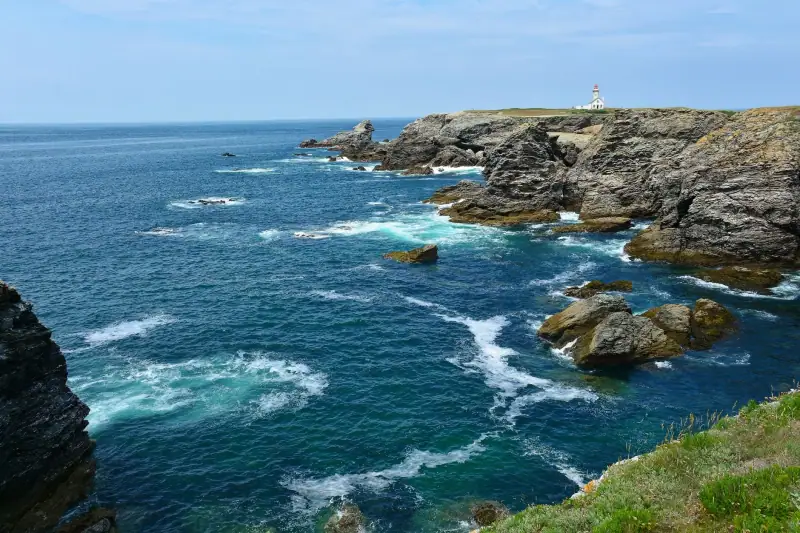
Belle-Île is the largest of the Breton islands and one of the most beautiful. From Quiberon, a boat crossing leads to Le Palais, the main port, overlooked by a fortified citadel whose history is tied to Vauban. The island offers a striking contrast: a gentle south coast with sheltered beaches, and a wild coast to the northwest, where the jagged rocks of the Aiguilles de Port-Coton inspired painters, among them Claude Monet, who stayed there in the 1880s.
What to see on Belle-Île:
- Sauzon, a small port with colorful façades, one of the most photographed on the island.
- The Aiguilles de Port-Coton, in the west, for their cliffs and wild atmosphere.
- The Vauban Citadel in Le Palais, which houses a museum.
- The beaches of the south coast, more sheltered, for a swimming break.
Also offshore are Houat and Hoëdic, two small islands for a stay of total calm, and Groix, closer to Lorient, liked for its beaches and its preserved atmosphere. To compare the Breton islands and choose the one that suits you, read the article on excursions to Bréhat, Belle-Île and Ouessant.
Lorient, Port-Louis and the roadstead
In the west of the department, Lorient is known mainly for its maritime history: founded in the 17th century to host the East India Company, the town was rebuilt after the Second World War, which gives it a modern face. Its major asset is the Cité de la voile Éric Tabarly, a space devoted to offshore racing set in the former Keroman submarine base, at the entrance to town. A place apart, popular with sailing fans.
Opposite, across the roadstead, Port-Louis keeps its citadel from the late 16th and 17th centuries, which houses several museums linked to the sea and the East India Company. A short boat crossing links the two shores in a few minutes.
Lorient also hosts each summer the Festival interceltique de Lorient, one of the major gatherings of Celtic music. If you come at that time, book your accommodation very early.
Josselin and Rochefort-en-Terre: inland Morbihan
Leave the coast to discover the department’s other face.
Josselin, on the banks of the Oust and the Nantes-Brest canal, is dominated by its castle, which is reflected in the water. Its austere exterior façade, medieval towers and flamboyant interior façade make it one of the finest castles in Brittany. The castle is still lived in by the Rohan family, and is partly open to visitors. The half-timbered houses of the center and the Basilica of Notre-Dame-du-Roncier complete the walk.
Rochefort-en-Terre, ranked among the Plus Beaux Villages de France (Most Beautiful Villages of France), is famous for its cobbled lanes, granite façades and balconies laden with flowers. The village is very busy in summer, which makes visits early in the morning or late in the afternoon more pleasant.
To round it out, Pontivy and its old town, as well as the landscapes of the Oust valley, offer lovely walks or bike rides along the canal. This inland Brittany is an ideal option on rainy days or to escape the summer crowds of the coast.
The Rhuys peninsula and Suscinio Castle
East of the gulf, the Rhuys peninsula is an area of beaches, salt marshes and small ports, very popular with families. It holds Suscinio Castle, a medieval fortress surrounded by moats, a former residence of the dukes of Brittany, which can be visited and hosts exhibitions and events in season. Bird lovers will also be happy: the marshes and mudflats of the gulf attract many migratory and wintering species.
The peninsula is also a good starting point for bike rides, as distances are short and the terrain very gentle. Pack your picnics: shade is scarce on some coastal stretches.
Auray and Saint-Goustan
West of the gulf, Auray is worth a visit for its small port of Saint-Goustan, tucked along the river, with its old houses, stone bridge and quays. It is a charming place to stop for lunch in a crêperie: the article on crêpes and galettes in Brittany explains how to choose them. The town is also close to Carnac and the gulf, which makes it a good stop on the way.
How to organize your stay: three formulas
A weekend of 2 to 3 days
Concentrate on the gulf and the megalith coast: the first day for Vannes and a cruise on the gulf, the second for Carnac and Locmariaquer, the third for Quiberon or Auray. Distances remain reasonable.
One week
Add Belle-Île (ideally two days with a night on the island), then a day in Lorient and Port-Louis, and a last one for Josselin and Rochefort-en-Terre. This is the best balance between coast and interior.
A grand tour of Brittany
Morbihan fits well into a wider circuit. The 7-day road trip in Brittany offers a complete route, and the article on what to see in Finistère, its direct neighbor to the west, naturally extends the trip.
Rent a car to explore Morbihan
Megaliths, castles, inland villages and peninsulas are much better visited by car: compare rental companies before you go.
Practical tips before you go
- Weather: it changes fast. Bring a windbreaker, walking shoes and several layers of clothing, even in summer.
- Tides and currents: they are very marked in the gulf and around the islands. Check the times before any walk on the foreshore, by kayak or by boat.
- Reservations: in July and August, book accommodation, island crossings and visits to sites like Gavrinis far ahead.
- Traffic: the Quiberon isthmus and the roads around Carnac are jammed on summer weekends. Leave early.
- Safety: follow the instructions on the wild coast and on the rocks, slippery when wet.
- Budget: accommodation is the main expense, higher in summer. For figures, see the budget for a trip to Brittany, and to choose your base, the guide to where to stay in Brittany.
Morbihan rewards travelers who take their time: a cruise at golden hour on the gulf, a morning walk among the standing stones, a crossing to an island, a galette in a small port. Choose your areas, keep some margin for the weather and the tides, and let yourself be surprised by this southern Brittany, wild, prehistoric and gentle at once.
Frequently asked questions
How many days do you need to visit Morbihan?
Allow four to five days for a balanced first stay: one day for Vannes and the gulf, one for Carnac and Locmariaquer, one for Quiberon, one for Belle-Île and one for the interior (Josselin, Rochefort-en-Terre). With a weekend, concentrate on the gulf and Carnac.
What is the best time to visit Morbihan?
May to September for the weather and more frequent boat links. June and early September offer a good compromise between light, pleasant temperatures and crowds. In July and August, sights are very busy and accommodation is booked far ahead.
Do you need a car to visit Morbihan?
It is recommended to link Carnac, the Rhuys peninsula, Josselin or Rochefort-en-Terre. Vannes, Auray, Lorient and Quiberon are served by train, but the megalithic sites and villages are easier to visit by car or bike.
Can you visit Belle-Île in one day?
Yes, it is possible from Quiberon, but the day is short. Belle-Île is the largest of the Breton islands: a night there lets you enjoy the wild coast and the ports without rushing. Check the crossing times, which vary by season.
Can you walk among the Carnac standing stones?
Access to the alignments is regulated to protect the site: for the most part, you view them from laid-out paths, and some sectors are open to free movement only outside high season. Ask the Maison des mégalithes or the tourist office before you come.
What is there to do in Morbihan when it rains?
Josselin Castle, the Carnac prehistory museum, the Cité de la voile Éric Tabarly in Lorient, the Port-Louis citadel and its museums, crêperies and the workshops of central Vannes are sheltered options. The weather changes fast: a shower is often followed by a clear spell.
Is Morbihan suitable for families?
Yes. Sand beaches, boat rides in the gulf, cycling on the islands, megalithic sites and castles appeal to children. Watch the tide on the beaches and stay careful near the cliffs of Quiberon's wild coast, where swimming is not advised.
More Brittany guides
Keep reading
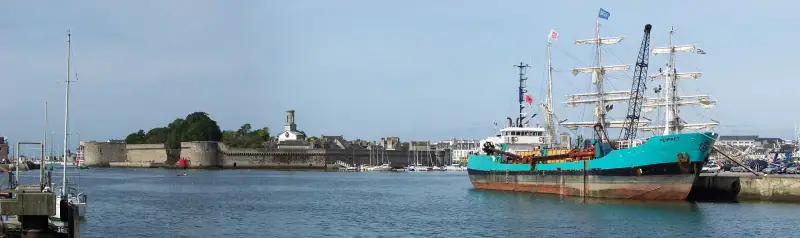
Visiting Concarneau: what to see and do between the walled town and the fishing port
Visiting Concarneau in Finistère: walled town, ramparts, Fishing Museum, Marinarium, beaches, Glénan and Filets bleus. What to see, eat and how to plan.
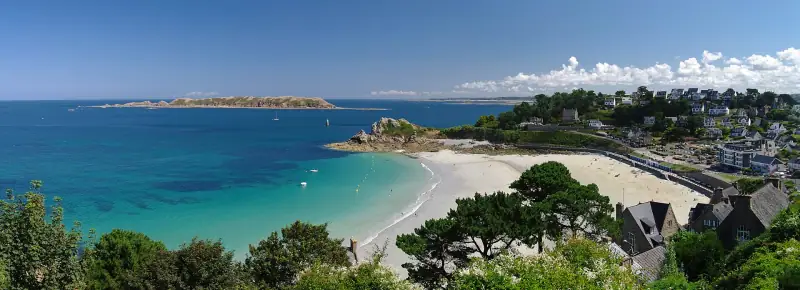
Visiting Perros-Guirec: what to see and do on the Pink Granite Coast
Visiting Perros-Guirec: customs officers' path, Ploumanac'h's pink granite, the Sept-Îles, beaches and tips to plan your stay on the Pink Granite Coast.
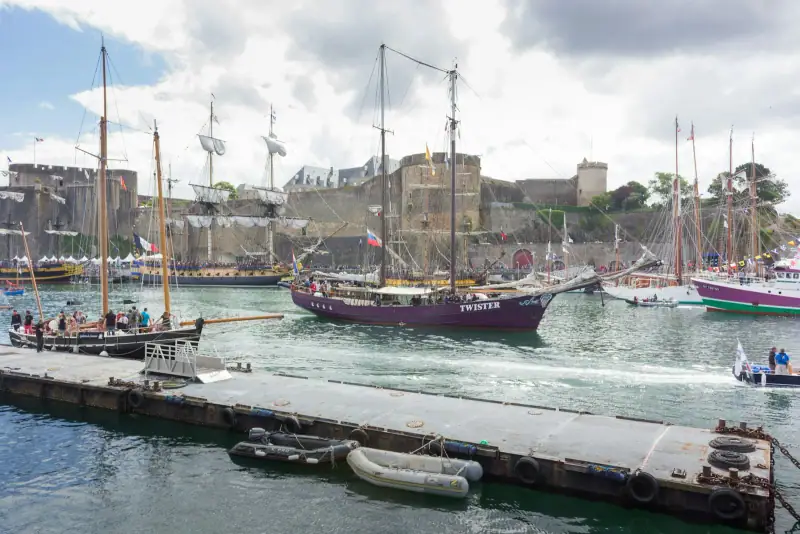
Visiting Brest: what to see and do in Finistère's great maritime city
Visiting Brest: castle, Océanopolis, Capucins, cours Dajot, Recouvrance and the roadstead. What to see, where to eat and which excursions to add.
Ready-made
Brittany itineraries
3 days
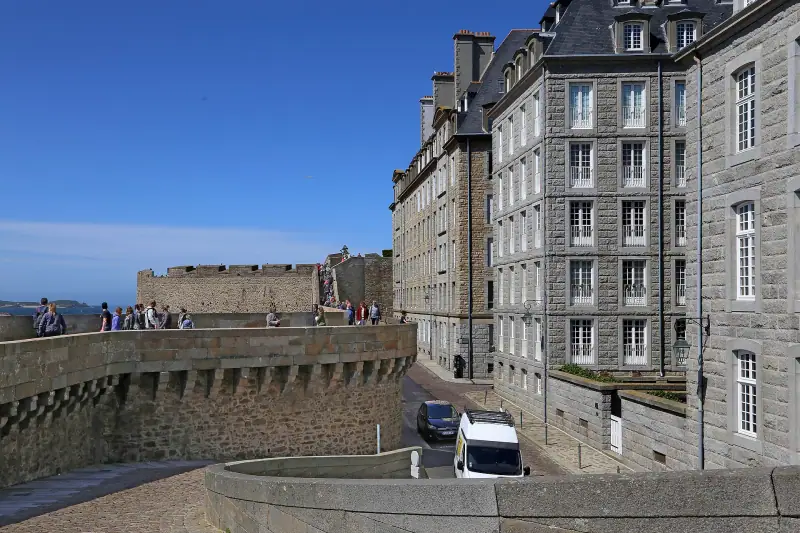
3 days in Saint-Malo, Cancale and Dinan: an Emerald Coast itinerary
A 3-day itinerary in northern Brittany: Saint-Malo's ramparts, Cancale's oysters, Dinan's medieval lanes. Daily plan, tides, transport and budget.
7 days
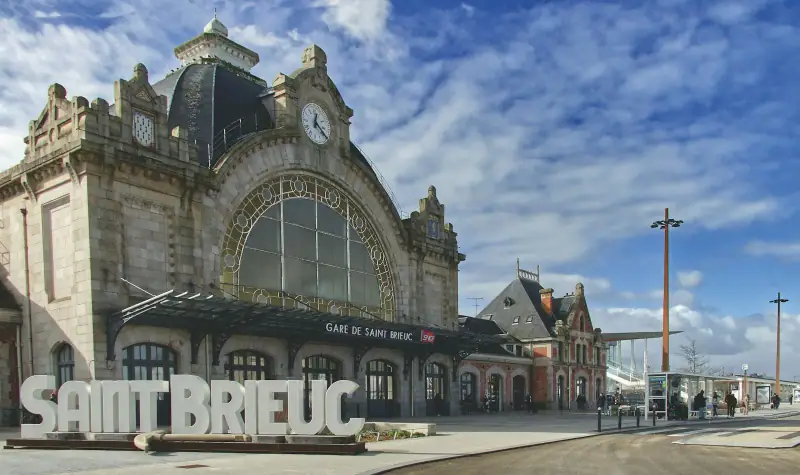
One week in Brittany without a car: a day-by-day itinerary by train and bus
RennesSaint-MaloQuimperVannes
7 days
Brittany road trip in 7 days: from Saint-Malo to the Gulf of Morbihan
A 7-day coastal road trip in Brittany: Saint-Malo, Pink Granite Coast, Crozon peninsula, Quimper, Carnac and Vannes. Stops, distances, budget and tips.