What to see
Visiting Concarneau: what to see and do between the walled town and the fishing port
We may earn a commission when you book through links on this page, at no extra cost to you. We don't visit or try the places we cover: we summarize published sources. How we work
In short
- Half a day covers the walled town and a stroll on the port; with the Fishing Museum, the Marinarium, a beach and lunch, allow a full day.
- The walled town is free to enter; museums, boat trips and guided visits charge admission, and hours vary by season.
- The Filets bleus festival takes place every August: accommodation fills early and prices rise.
- Concarneau is about 20 km (12 mi) from Quimper, a short half hour by road; there is no passenger rail service in town, so train travelers usually get off at Rosporden.
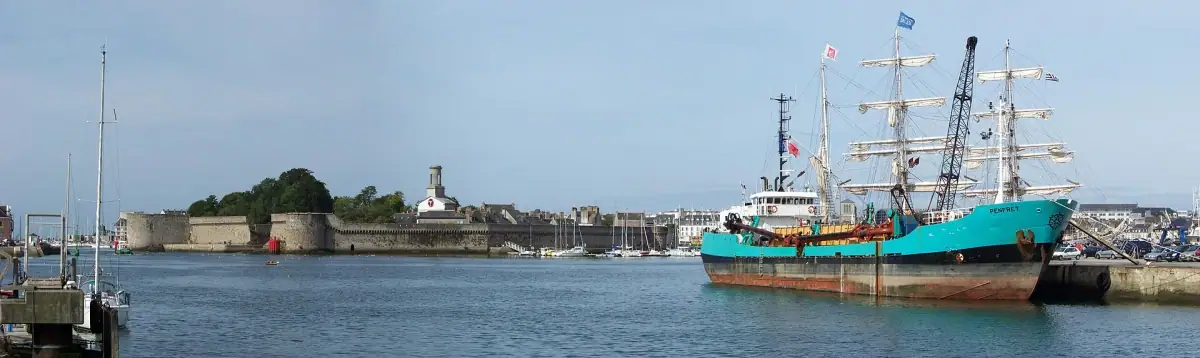
Concarneau is one of the most endearing stops in southern Finistère. Its walled town, a granite islet ringed by ramparts set in the middle of the port, can be spotted from afar and gives the town its postcard image. But Concarneau is not just its walls: it is also a large working fishing port, known for tuna, with auction halls, canneries, fine-sand beaches and a long tradition of maritime festivals.
This guide helps you organize your visit: what to see first, how to build a half day, a day or a weekend, where to eat, which excursions to add and what precautions to take before booking. To choose your dates, see also the article on when to go to Brittany.
Why visit Concarneau?
Concarneau brings together two faces of Brittany that are rarely associated. On one side, a spectacular medieval setting, with ramparts, a belfry and narrow lanes. On the other, a working maritime town, active all year, whose economy rests on fishing, seafood processing and boating. With about twenty thousand inhabitants, it is among the largest towns in Finistère, and outside summer you meet as many locals as tourists.
This double identity is what makes it interesting. You can spend a very “heritage” morning, then watch the boats return or taste a fish dish facing the port. It is all done on foot, in a small perimeter. It is therefore an excellent destination for a short stay, but also a pleasant base for exploring Cornouaille, about twenty kilometers (12 mi) from Quimper and Pont-Aven.
It suits couples, families, history and photography fans, and those who want a seaside stay without the atmosphere of a big resort: several beaches lie right at the edge of town.
The walled town: Concarneau’s must-see
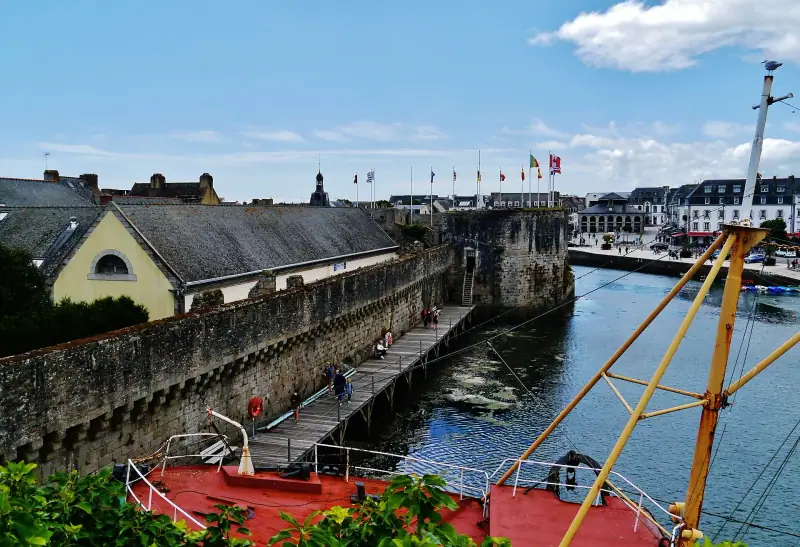
The walled town is a fortified islet about three hundred fifty to four hundred meters (1,150 to 1,310 ft) long and about a hundred meters (330 ft) wide, linked to the land by a bridge and protected by thick walls dating back to the Middle Ages. They were reinforced over the centuries: it is reported that Vauban visited the town around 1680 and ordered works, which explains the look of a maritime fortress.
You enter by a bridge and a gate, then find yourself in a maze of cobbled lanes lined with granite houses. Craft shops, crêperies, ice cream parlors and souvenir shops follow one after another, especially in summer. It is better to come early in the morning or at the end of the day: in high season at midday, the lanes are very busy.
At the back of the walled town, the belfry, built in the early 20th century, has become one of Concarneau’s symbols. A sundial decorates the whole. Take the time to walk all the way around the islet: on the side opposite the main entrance, the town is markedly quieter and there are lovely views of the port and the bay.
The ramparts and the rampart walk
The rampart walk lets you walk on part of the fortifications. It is the best way to understand the layout of the place: on one side, the fishing port and its boats, on the other, the marina and the bay. You will also see the towers dotted along the walls, some going back to the Middle Ages. Guidebooks present it as free to access, but access can be limited by weather or works: ask the tourist office for advice.
Bring stable shoes: the steps are uneven and the wind can be strong on the ramparts. The late-afternoon light is particularly beautiful on the granite.
The Fishing Museum and Concarneau’s tuna
Set inside the walled town, the Fishing Museum is a popular visit, including for those not especially interested in the sea. It traces the history of fishing in Brittany and around the world, with boat models, maps, tools and explanations of the techniques used. It helps you understand how the sardine, then tuna, shaped the life of the town.
The museum also offers a visit to a trawler moored at the quay, which children love: you discover the cabins, the wheelhouse and the living conditions aboard. Hours, closing days and rates vary by season and works: check them on the official website before planning your day. In rain, it is an excellent fallback.
To complete this visit, think of the port itself. Concarneau is among the major French fishing ports, notably for tuna, and you can approach the quays to watch the boats, nets and the activity of the fish auction. Auction hours are early: if you like the atmosphere of a port at work, schedule a walk early in the morning.
Where to stay in Concarneau
Hotels near the port, places facing the walled town or rooms close to the beaches: compare offers, especially in August during the Filets bleus festival.
The Marinarium: discovering marine life
The Marinarium stands on the quay, facing the walled town. It is linked to a marine biology station, presented as the oldest still active in the world. The visit lasts about three quarters of an hour and mixes aquariums, touch pools and explanations of local species and marine biodiversity issues.
It is a very educational visit, particularly suited to families. It complements the Fishing Museum well: one tells the human history of the sea, the other the life found in it. Here again, hours and rates depend on the season, and booking may be necessary during school holidays.
Beaches and walks around town
Concarneau has the advantage of several beaches in town or right nearby. The Sables Blancs beach, the best known, is a large arc of fine sand popular with families and easy to reach on foot from the center. There are also smaller, quieter coves and beaches facing the Cabellou peninsula.
The Cabellou peninsula is a good walking goal: you follow the shore, discover the Cabellou fort, built in the 18th century, and enjoy views of the bay and the walled town. For walkers who want to go further, the Breton coast lends itself to coastal hikes: the article on the GR34 customs officers’ path gives pointers to prepare a walk.
Remember that Atlantic water stays cool, even in summer, and that tides noticeably change the beach. Follow the swimming instructions and the flags. The most pleasant periods for the beach run from June to early September.
The Glénan: the boat excursion from Concarneau
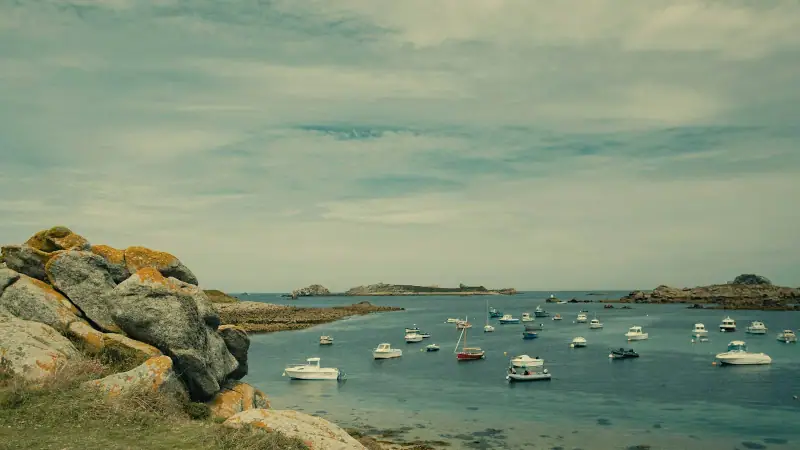
The Glénan archipelago is the most famous excursion from Concarneau. Nicknamed the “Breton Caribbean,” it owes this nickname to its white sand beaches, its turquoise water in sunny weather and its sparsely built islets. The crossing is made by boat from the port, on a schedule that depends on the season.
There, you walk the paths of the most accessible island, swim if the weather allows, picnic and watch seabirds. Remember to bring water, sunscreen, a windbreaker and something to eat: shops are limited. Departures depend on the weather, the tides and the sea: leave a margin in your schedule, and book ahead in July and August.
If islands fascinate you, the article on the Breton islands and their excursions will help you compare Bréhat, Belle-Île and Ouessant.
Boat trips from Concarneau
Excursions to the Glénan, boat rides and coastal trips: compare offers and book before you leave.
The Filets bleus and the town’s traditions
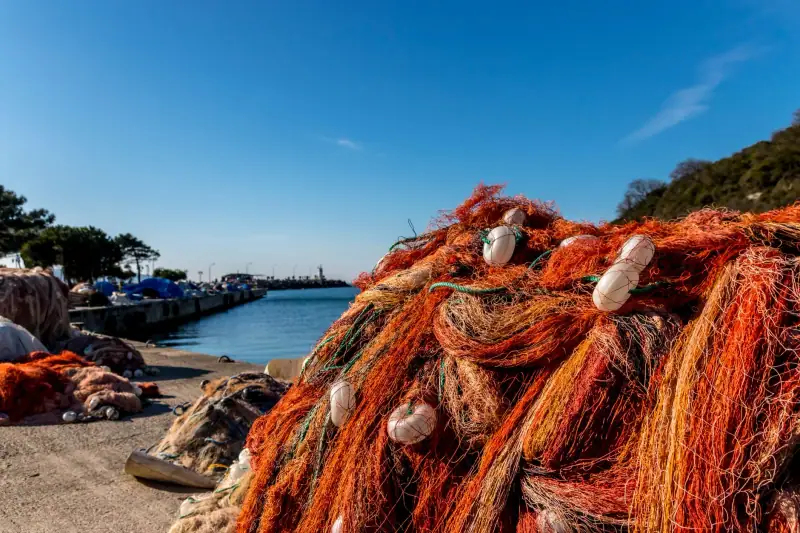
Every year in August, Concarneau hosts the Filets bleus festival. Born in 1905 to help fishermen at a time when the sardine had deserted the coasts, it has become one of the big events of Breton culture. The grand parade, with hundreds of participants in traditional costume, musicians and dancers, is the most spectacular moment.
If you like festive atmospheres and living traditions, it is an ideal time to visit the town. You do need to plan ahead, though: accommodation fills early, the streets are very busy and prices rise. For a calmer stay, prefer June or September, when the weather is often pleasant and the lanes less dense.
Outside the festival, the town organizes many maritime events, markets, concerts and neighborhood activities. Ask the tourist office about the program at the time of your visit.
Pont-Aven, Kériolet and the surroundings
Concarneau is a good starting point for exploring the surroundings. Here are the most classic visits.
Pont-Aven. About twenty kilometers (12 mi) away, this village on the Aven is famous for having attracted Paul Gauguin and other painters in the late 19th century, and for its traditional biscuit factory. You walk along the river, among mills and galleries. Allow half a day.
Kériolet Castle. This building, mixing 15th- and 19th-century elements, is in the commune of Beuzec-Conq, near Concarneau. It is generally open in season: check the opening periods.
Quimper. The capital of Cornouaille is a short half hour by road. Cathedral, Odet quays, faience district: everything is detailed in the guide to visiting Quimper.
Coastal villages. Following the shore to the east, you will find small ports and quiet coves, perfect for a walk of an hour or two.
To fit Concarneau into a wider circuit, see the 7-day road trip in Brittany, which pairs Quimper and Concarneau on the fifth day.
Where to eat and what to taste in Concarneau
Concarneau’s cooking is turned toward the sea. Around the port and in the walled town, there are fish restaurants, crêperies and ice cream parlors. Tuna, the symbol of the town, is eaten fresh or canned: you will find tins of fish and Breton products in the town’s shops, often good souvenirs to bring home.
For crêpes and galettes, read the guide to crêpes and galettes in Brittany, which explains the basics and helps you pick a good address. If you prefer seafood platters, the article on seafood and oysters in Brittany gives pointers on products, seasons and prices.
The weekly market is a good way to taste local products. Guidebooks place it on Monday and Friday mornings, but days can change: confirm with the tourist office. A few simple habits: book for dinner in summer, avoid places that multiply photos and menus in five languages on the sidewalk, and favor the day’s catch.
Guided visits and activities in Concarneau
Guided visits, boat rides and experiences around Cornouaille: compare offers and book ahead in high season.
Where to stay: walled town, port or beaches
For a short stay, sleeping near the port or in the town center is the most practical: the walled town, restaurants and museums are done on foot. Accommodation facing the walled town offers lovely views, but it is often pricier and in high demand in summer. Areas near the beaches suit families who want to enjoy the sand morning and evening.
For a quieter stay, guesthouses and gîtes in the surroundings let you explore by car between Concarneau, Pont-Aven and Quimper. To compare types of accommodation in Brittany, see the article on where to stay in Brittany.
Book early for July and August, as well as for the Filets bleus festival weekends. In low season, rates fall markedly and it is often possible to find a room at the last minute.
Getting there and getting around
Concarneau is about twenty kilometers (12 mi) from Quimper, a short half hour by road, and is reached from the expressway that runs along the south of Brittany. There is no longer any passenger rail service in town: train travelers generally get off at Rosporden station, then take a bus or taxi. Check connections before you leave.
In town, the center is explored on foot. An electric ferry crosses the Moros estuary between the walled town and the other bank, saving walkers a detour. If you come by car, favor a car park on the edge of the center in high season: parking near the quays is limited. For more pointers, read the guide to getting around Brittany.
Also think about the weather: in Brittany, it changes fast. A light waterproof jacket and comfortable shoes are useful all year.
Sample programs: half a day, a day, a weekend
Half a day. Enter the walled town in late morning, walk the ramparts, have lunch in a crêperie, then follow the port to the Marinarium.
One day. In the morning, fishing port and walled town, then the Fishing Museum. Lunch on the port. In the afternoon, Sables Blancs beach or a walk toward the Cabellou peninsula. End the day on the quays watching the walled town light up.
A weekend. Devote the first day to Concarneau and the second to the Glénan, if the weather allows, or to Pont-Aven and Quimper. To spice up the stay, choose the Filets bleus festival weekend, booking accommodation very early.
Budget and practical tips
The budget varies strongly with the season. Accommodation is pricier in July and August, as well as during the festival. Meals in a crêperie generally remain affordable, while fish and seafood restaurants cost more. Museums, boat excursions and guided visits are extra, with rates that change from one season to the next: check them before booking. For an overview, see the budget for a trip to Brittany.
A few tips to avoid unpleasant surprises: arrive early in the walled town in summer, pack clothes for every kind of weather, check museum hours before planning a rainy day, and keep a margin in your program if you are aiming for the Glénan. For a wider stay, pair Concarneau with another major Breton stop, such as Quimper nearby or Vannes farther east.
Frequently asked questions
How long do you need to visit Concarneau?
Half a day is enough for the walled town and a stroll on the port. With the Fishing Museum, the Marinarium, a beach and a good lunch, allow a full day. If you add a trip to the Glénan or an excursion to Pont-Aven, plan two days.
Is Concarneau's walled town free?
Yes, you can enter freely and stroll its lanes. Guidebooks present the rampart walk as free and open every day, but hours may vary by season: check with the tourist office. Museums, on the other hand, charge admission.
Where should you park to visit Concarneau?
It is best to leave the car in a car park on the edge of the port or near the walled town, then do everything on foot. In July and August, arrive early: parking near the quays fills fast. Rates and parking rules change, so check locally.
When is the Filets bleus festival?
It takes place every year in August. Created in 1905 to support fishermen when the sardine had disappeared, it brings together parades in Breton costume, music and dance. Exact dates change from year to year: check the official program before booking your accommodation.
Can you go to the Glénan islands from Concarneau?
Yes, the Glénan archipelago, nicknamed the "Breton Caribbean" for its white sand beaches and clear water, can be reached by boat from Concarneau. Departures depend on the season, the tides and the weather: book ahead in summer and check the companies' timetables.
Can you visit Concarneau without a car?
Yes, for the center: the walled town, the port and the town center are explored on foot. For farther beaches, Pont-Aven or Quimper, a car or the regional buses are more practical. The guide to getting around Brittany details the options.
Is Concarneau suitable for children?
Yes. The ramparts, the museum ship at the Fishing Museum, the touch pools at the Marinarium and sand beaches such as Sables Blancs generally appeal to children. The cobblestones of the walled town just call for a little patience with a stroller.
More Brittany guides
Keep reading
What to see in Morbihan: 12 highlights between gulf, megaliths and islands
What to see in Morbihan? The gulf, Carnac's alignments, Belle-Île, Quiberon, Josselin, Rochefort-en-Terre: the highlights and a plan to link them.
Visiting Perros-Guirec: what to see and do on the Pink Granite Coast
Visiting Perros-Guirec: customs officers' path, Ploumanac'h's pink granite, the Sept-Îles, beaches and tips to plan your stay on the Pink Granite Coast.
Visiting Brest: what to see and do in Finistère's great maritime city
Visiting Brest: castle, Océanopolis, Capucins, cours Dajot, Recouvrance and the roadstead. What to see, where to eat and which excursions to add.
Ready-made
Brittany itineraries
3 days
3 days in Saint-Malo, Cancale and Dinan: an Emerald Coast itinerary
A 3-day itinerary in northern Brittany: Saint-Malo's ramparts, Cancale's oysters, Dinan's medieval lanes. Daily plan, tides, transport and budget.
7 days
One week in Brittany without a car: a day-by-day itinerary by train and bus
RennesSaint-MaloQuimperVannes
7 days
Brittany road trip in 7 days: from Saint-Malo to the Gulf of Morbihan
A 7-day coastal road trip in Brittany: Saint-Malo, Pink Granite Coast, Crozon peninsula, Quimper, Carnac and Vannes. Stops, distances, budget and tips.