What to see
Visiting Brest: what to see and do in Finistère's great maritime city
We may earn a commission when you book through links on this page, at no extra cost to you. We don't visit or try the places we cover: we summarize published sources. How we work
In short
- One day covers the castle, Recouvrance, the Capucins and cours Dajot; add Océanopolis (half a day to a full day) and plan two days.
- Brest is a large port city rebuilt after the Second World War; its interest lies in maritime heritage, the roadstead and its position as a gateway to northern Finistère.
- The city center is easy without a car (station, airport, tram, urban cable car, buses); for Pointe Saint-Mathieu, Camaret or Crozon a car is far more practical.
- The TGV from Paris takes about 3.5 to 4 hours; boats for Ouessant leave mainly from Le Conquet, about half an hour by road.
Brest is a city you do not look at as a postcard, but one you learn to love. Finistère’s great port city, set on the edge of an immense, almost closed roadstead, it was largely destroyed during the Second World War and then rebuilt with more modern lines than most Breton towns. It gained a distinct personality from this: that of a port with character, turned toward the ocean, the navy and scientific research, with warm locals and a lively cultural scene.
This guide helps you organize your visit: what to see first, how to build a day or a weekend, where to eat, which excursions to add and how to get there. To choose your dates, see also the article on when to go to Brittany.
Why visit Brest?
Brest is visited first for its maritime identity. The naval port, the commercial port and the marina sit side by side, and the roadstead, a vast body of water where sailboats, work boats and French Navy ships pass, structures the whole landscape. Here, the ocean is not a backdrop: it is the engine of the city.
It also appeals through its daily life. Students, researchers, sailors and families mix, and bars, concert halls and cultural events animate the city well beyond summer. Breton culture remains very present, with festivals, music and a language visible on many signs.
Finally, Brest is an excellent base. From there, you quickly reach the Abers coast, Pointe Saint-Mathieu, the Iroise country, the Crozon peninsula or the Monts d’Arrée. For a stay in western Brittany, it is a practical gateway, well served by train, road and air.
Brest Castle and the National Maritime Museum
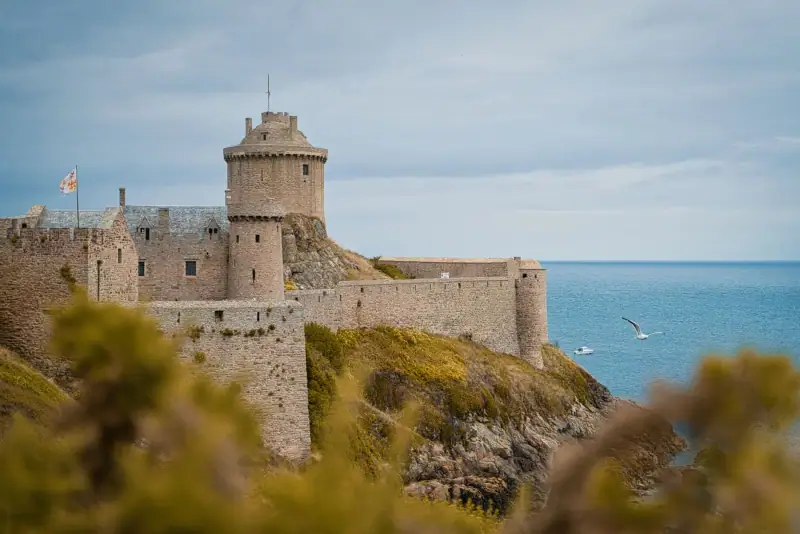
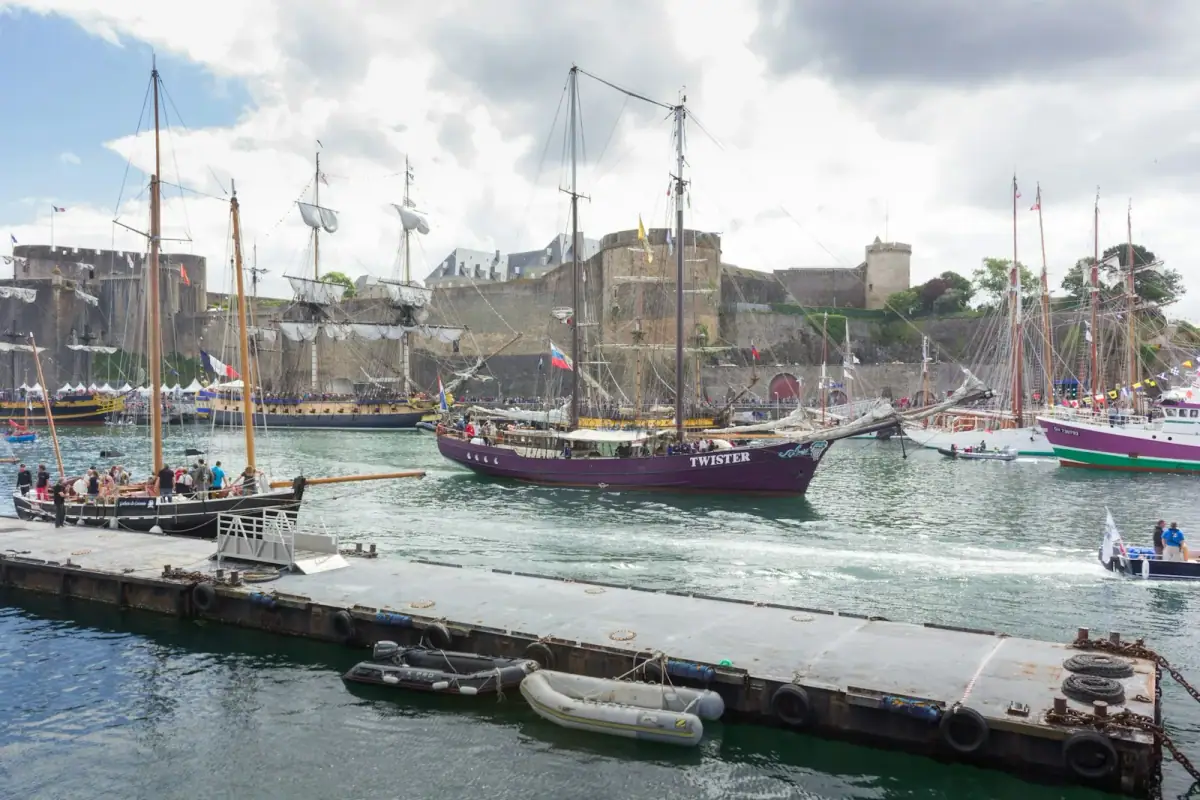
The castle is the oldest and most emblematic monument in the city. It overlooks the mouth of the Penfeld, the small river that separates Brest from Recouvrance, and its strategic position explains its role through the centuries: a fortress, then a military work, it is still partly occupied by the French Navy today.
Part of the site can be visited, and houses the National Maritime Museum in Brest. The collections trace the history of the navy, the arsenal and navigation, with models, instruments and objects linked to life aboard. It is a very interesting visit for understanding why Brest is what it is.
Climb the ramparts and terraces: the view over the roadstead, the quays and the Recouvrance bridge is one of the finest in the city. Hours, closing days and rates vary by season: check them on the official website before you come.
Recouvrance, the Tanguy Tower and the lift bridge
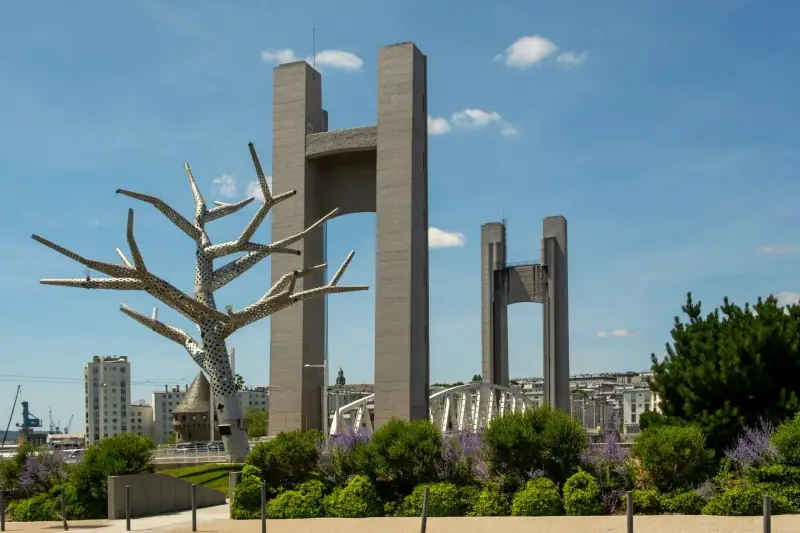
Across the Penfeld, the Recouvrance district has kept more of its old character than the city center. You reach it by the Recouvrance bridge, a large metal-framed lift bridge that is among the symbols of Brest. It can be crossed on foot, by car or by tram depending on the spot, and offers a pretty view of the arsenal.
Right beside it, the Tanguy Tower is a medieval tower set at the edge of the river. It houses a small museum devoted to the history of the city, with models that show what Brest looked like before the destruction of the war. The visit is quick, often free or low-priced, and worth the detour for the context it provides.
In the streets of Recouvrance, a few old houses, staircases and small squares recall the former sailors’ quarter. It is a very good place to stroll, away from the bustle of the modern center.
The Capucins: the former arsenal turned gathering place
The Ateliers des Capucins are one of the most successful conversions in Brest. These former arsenal workshops, large halls of stone and metal, have been turned into a public space mixing a media library, shops, restaurants, cultural venues and relaxation areas. People come for a coffee, an exhibition, a show or simply to admire the industrial architecture.
To get there, the urban cable car, which crosses the Penfeld, is both a means of transport and a small attraction. The ride is short, but the view over the river and the arsenal is very pleasant, and it links the city center directly to the Capucins plateau. Check the operating hours and any interruptions for maintenance.
The district continues with open spaces and promenades that lead to other parts of the city. It is a good place for a midday break.
Where to stay in Brest
Hotels near the port, the center or the station, apartments and guesthouses: compare offers, especially during big maritime events.
Océanopolis: the great ocean discovery park
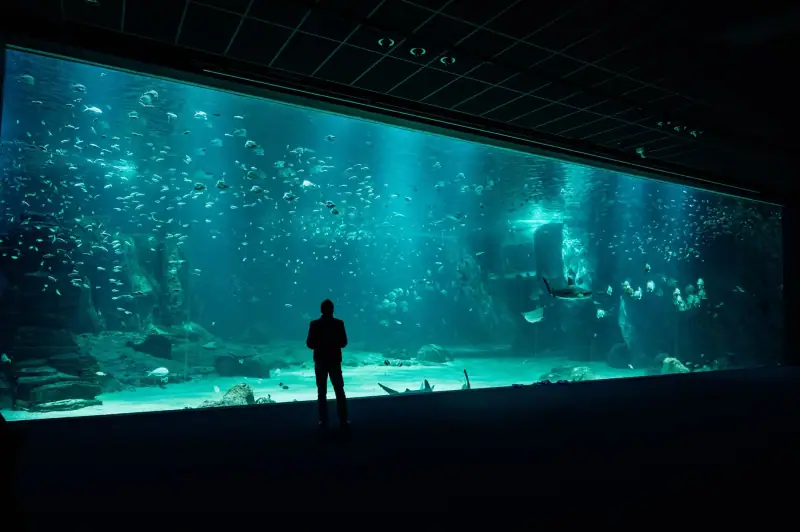
Océanopolis is one of the first reasons to come to Brest, especially as a family. Set near the Moulin Blanc marina, this science center devoted to the ocean presents marine life through several large themed pavilions, including polar, tropical and temperate environments. You meet seals, fish, corals, penguins and many species brought up from the depths of the seas.
The visit is both fun and educational, which makes it a very good plan in rainy weather or for children. Allow half a day at the very least, and more if you want to take the time to see everything. Hours and rates vary by season, with heavier attendance in summer and during school holidays: book ahead if possible.
The Moulin Blanc port, right next door, is a pleasant place for a walk or a lunch facing the boats.
Cours Dajot, the roadstead and the Jardin des Explorateurs
Cours Dajot is Brest’s great terrace promenade. It overlooks the port and the roadstead, with fine views of the boats, the Crozon peninsula in the distance in clear weather, and the city itself. It is a spot liked by locals for walking, running or enjoying the sunset.
The Jardin des Explorateurs, on the edge of the Penfeld, pays tribute to great travelers and scientific expeditions. Plants from different continents there evoke the harvests brought back by navigators. The viewpoints over the river are very pleasant.
If you like green spaces, the Brest National Botanical Conservatory, in the Stang-Alar valley, offers another kind of walk: rare plants, collections and paths in a calm setting, minutes from the center. Again, check the opening conditions before you come.
On the water: roadstead, sailboats and boat trips
To understand Brest, you have to go on the water. The roadstead is one of the finest bodies of water in Brittany, and several outings let you discover it differently: boat rides, sailing on old tall ships, sailboat or kayak rental depending on the season. The Moulin Blanc marina is a good starting point for water activities.
The city is also known for its big gatherings of traditional boats, notably the Fêtes maritimes internationales, which attract hundreds of ships and hundreds of thousands of visitors. These events come back at intervals of several years: if one falls during your stay, book your accommodation and transport very early.
Even outside an event, strolling on the port and watching the boats and maneuvers at the mouth of the roadstead remains one of the simple pleasures of the city.
Boat trips around Brest
Boat rides, roadstead cruises, trips to the islands and water activities: compare offers before you go.
Where to eat and what to taste in Brest
Brest’s cooking is that of western Brittany: seafood, crêpes and galettes, salted butter, cider and pastries. Crêperies are numerous in the center and in Saint-Martin, and most offer galettes filled with local products. To choose well, see the guide to crêpes and galettes in Brittany.
Fish and shellfish lovers will easily find what they want: oysters, mussels, scallops in season, fish from the auction. The article on seafood and oysters in Brittany gives pointers to understand what you are eating according to the season.
The covered markets and street markets are a good way to taste local products. Do not miss the kouign-amann, and if you like beer, the area has several craft breweries. To avoid unpleasant surprises, book for dinner in summer and on weekends, and prefer addresses a little away from the quays, where prices are often lower.
Excursions from Brest: Iroise, Crozon and the Monts d’Arrée
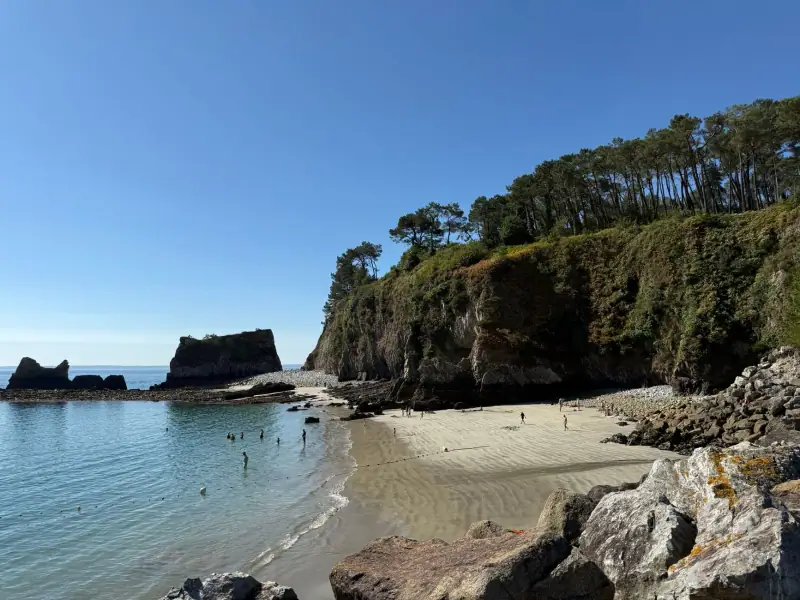
Brest is an excellent starting point for exploring western Finistère. Here are the most classic excursions.
Pointe Saint-Mathieu and Le Conquet. West of Brest, the Iroise country offers cliffs, a lighthouse, the ruins of an abbey and end-of-the-world landscapes. Le Conquet is also the main embarkation port for Molène and Ouessant. Allow about half an hour by road from Brest.
The Crozon peninsula. Reached by road or by a crossing of the roadstead, it brings together beaches, cliffs, capes and small ports. Camaret-sur-Mer and its lines of boats, Pointe de Dinan and Cap de la Chèvre are among the best-known stops. Plan a full day.
The Monts d’Arrée. Farther east, these hills of moor and rock offer a completely different landscape, wilder and more inland, ideal for hiking.
The islands. Ouessant and Molène can be visited in a day or longer. The article on the Breton islands will help you organize a crossing.
For a cultural escape, Quimper is easily reached from Brest and complements a stay in Finistère well.
Where to stay: center, port or outskirts
For a short stay, sleeping in the center or near the port is the most practical: the tram, restaurants and main sights are close. Areas near the station suit travelers without a car, and those of Recouvrance and Saint-Martin offer a more local atmosphere.
For a more nature-oriented stay, guesthouses and gîtes in neighboring towns or on the coast let you explore the roadstead by car. To compare types of accommodation in Brittany, read the article on where to stay in Brittany.
Booking ahead is strongly recommended in July and August and during big maritime events. In low season, rates fall markedly and availability is wider.
Getting there and getting around
Brest is served by train, with direct links to Rennes and Paris. The TGV trip from Paris takes about three and a half to four hours, depending on the train. The city also has an airport, Brest Bretagne, with regular flights, and lies on the road axis that runs along the north of Brittany, toll-free.
In town, the center is explored on foot. The tram, buses and urban cable car make it easy to move from one district to another. For excursions, the car remains the most flexible way, although buses and boats serve some destinations depending on the season. For more pointers, see the guide to getting around Brittany.
Also think about the weather: in Brittany, it changes fast, and Brest is no exception. A light waterproof jacket and comfortable shoes are useful all year.
Sample programs: one day, a weekend, three days
One day. In the morning, the castle and National Maritime Museum, then a crossing to Recouvrance and the Tanguy Tower. Lunch in a crêperie in the center. In the afternoon, the cable car and the Capucins, then a walk on cours Dajot at the end of the day.
A weekend. Keep the city for the first day and devote the second to Océanopolis, in the morning or all day, before finishing at the Moulin Blanc port.
Three days. Add a day toward Pointe Saint-Mathieu and Le Conquet, or toward the Crozon peninsula. If you like walking, a stretch of the coastal path rounds out the program; the guide to the GR34 customs officers’ path gives useful pointers.
Excursions in Finistère
Guided visits, coastal trips and discoveries of the Crozon peninsula and the Iroise country: compare offers and book ahead in high season.
Budget and practical tips
The budget varies with the season. Accommodation is pricier in summer and during big gatherings, while meals in a crêperie generally remain affordable and fish and seafood restaurants cost more. Océanopolis, museums and boat trips are extra, with rates that change from one season to the next: check them before booking. For an overview, see the budget for a trip to Brittany.
A few tips to avoid unpleasant surprises: book early for July and August, pack clothes for every kind of weather, check museum hours before planning a rainy day, and do not underestimate the wind on cours Dajot and the quays. For a wider stay, pair Brest with another major Breton stop, such as Saint-Malo to the northeast or Vannes to the southeast, or include it in the 7-day road trip in Brittany.
Frequently asked questions
How long do you need to visit Brest?
One day is enough to see the castle, the Recouvrance district, the Capucins and cours Dajot. If you add Océanopolis, which alone takes half a day to a day, plan two days. With excursions around the roadstead, Crozon or the Iroise country, a stay of three to four days is justified.
Is Brest a tourist city?
It is above all a large port and naval city, rebuilt after the Second World War, so very different from towns of character like Quimper or Saint-Malo. Its interest lies in its maritime heritage, its roadstead, its museums and its position as a gateway to northern Finistère and the tip of Brittany.
What is there to do in Brest when it rains?
Brest offers good fallback plans: Océanopolis, the National Maritime Museum housed in the castle, the Tanguy Tower, the Capucins workshops and their media library, or the cafés and bars of the center. Just check the hours, which vary by season.
Can you visit Brest without a car?
Yes. The city has a station, an airport, a tram, an urban cable car and a bus network. The center, the port and the Capucins are easily explored without a car. For Pointe Saint-Mathieu, Camaret or the Crozon peninsula, a car remains far more practical.
What is the best time to visit Brest?
May to September, for the long days and the mildest weather. The city also hosts big gatherings of tall ships, notably the Fêtes maritimes internationales, held about every four years: check the dates of the next edition before booking, as crowds are then very heavy.
Is Brest far from islands like Ouessant?
Boat links to Ouessant leave mainly from Le Conquet, a short half hour by road from Brest, and depending on the season from other ports. Check the shipping companies' timetables before planning your day. The article on the Breton islands details the possible excursions.
Where should you eat in Brest?
The center and the Saint-Martin district have many crêperies, brasseries and seafood restaurants. The covered markets and street markets let you taste local products. In summer and on weekends, book for dinner.
More Brittany guides
Keep reading
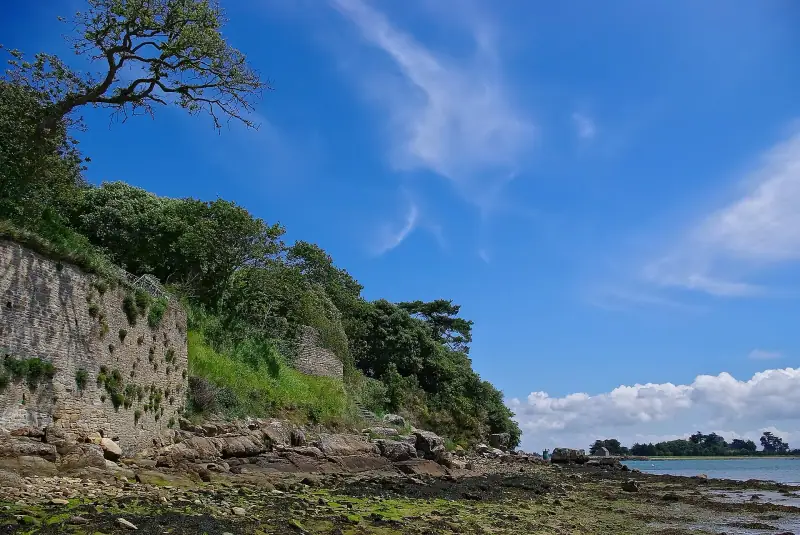
What to see in Morbihan: 12 highlights between gulf, megaliths and islands
What to see in Morbihan? The gulf, Carnac's alignments, Belle-Île, Quiberon, Josselin, Rochefort-en-Terre: the highlights and a plan to link them.
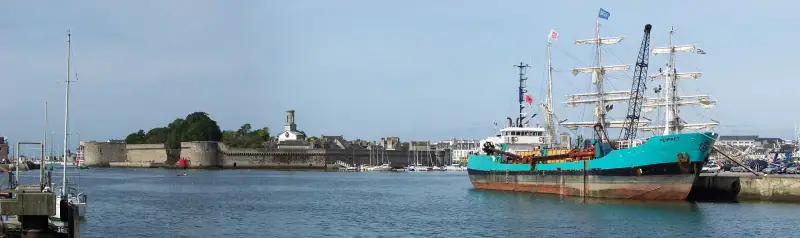
Visiting Concarneau: what to see and do between the walled town and the fishing port
Visiting Concarneau in Finistère: walled town, ramparts, Fishing Museum, Marinarium, beaches, Glénan and Filets bleus. What to see, eat and how to plan.
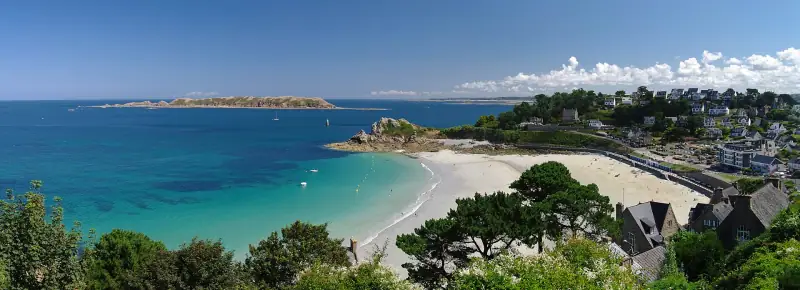
Visiting Perros-Guirec: what to see and do on the Pink Granite Coast
Visiting Perros-Guirec: customs officers' path, Ploumanac'h's pink granite, the Sept-Îles, beaches and tips to plan your stay on the Pink Granite Coast.
Ready-made
Brittany itineraries
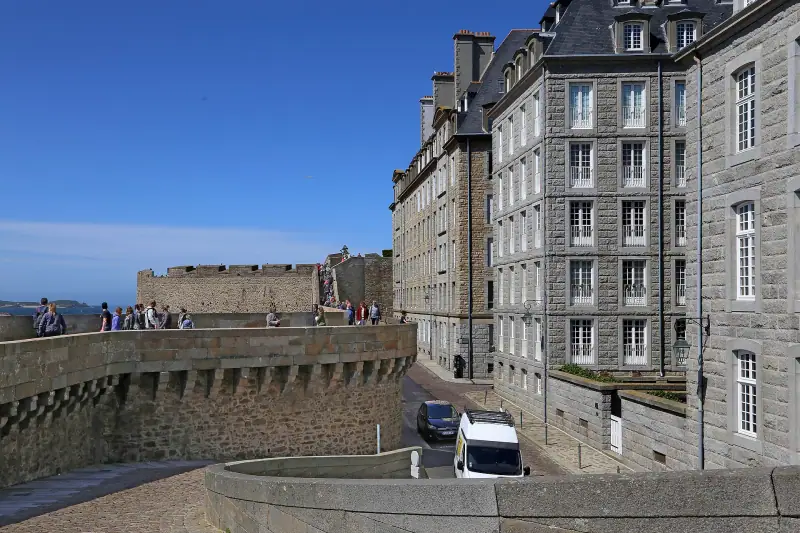
3 days
3 days in Saint-Malo, Cancale and Dinan: an Emerald Coast itinerary
A 3-day itinerary in northern Brittany: Saint-Malo's ramparts, Cancale's oysters, Dinan's medieval lanes. Daily plan, tides, transport and budget.
7 days
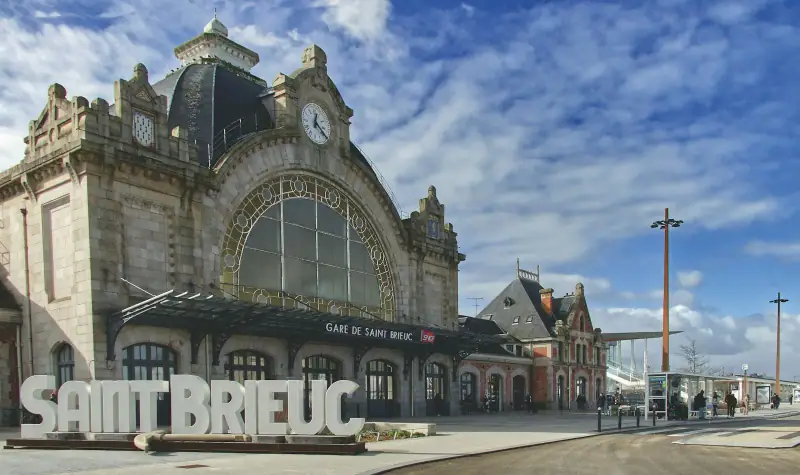
One week in Brittany without a car: a day-by-day itinerary by train and bus
RennesSaint-MaloQuimperVannes
7 days
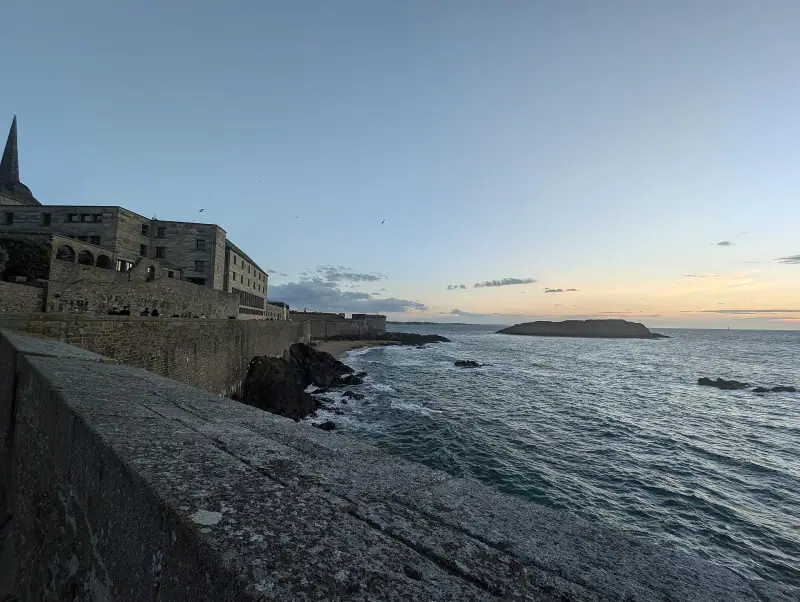
Brittany road trip in 7 days: from Saint-Malo to the Gulf of Morbihan
A 7-day coastal road trip in Brittany: Saint-Malo, Pink Granite Coast, Crozon peninsula, Quimper, Carnac and Vannes. Stops, distances, budget and tips.