Things to do
Breton islands: which excursion to choose between Bréhat, Belle-Île and Ouessant?
We may earn a commission when you book through links on this page, at no extra cost to you. We don't visit or try the places we cover: we summarize published sources. How we work
In short
- Bréhat is the easiest day trip (a crossing of about ten minutes from Pointe de l'Arcouest, explored on foot); Belle-Île is the largest island and best with a night or two.
- Ouessant is windswept and wild: about 1 h to 1 h 15 from Le Conquet, or 2 h to 2 h 30 from Brest; plan at least one night.
- The Sept-Îles off Perros-Guirec are France's largest seabird reserve; most visits are boat trips around the islands, with puffins in spring and early summer.
- Check the official timetable and the last boat back; crossings can be disrupted by weather and tides, and booking is advised in high season.
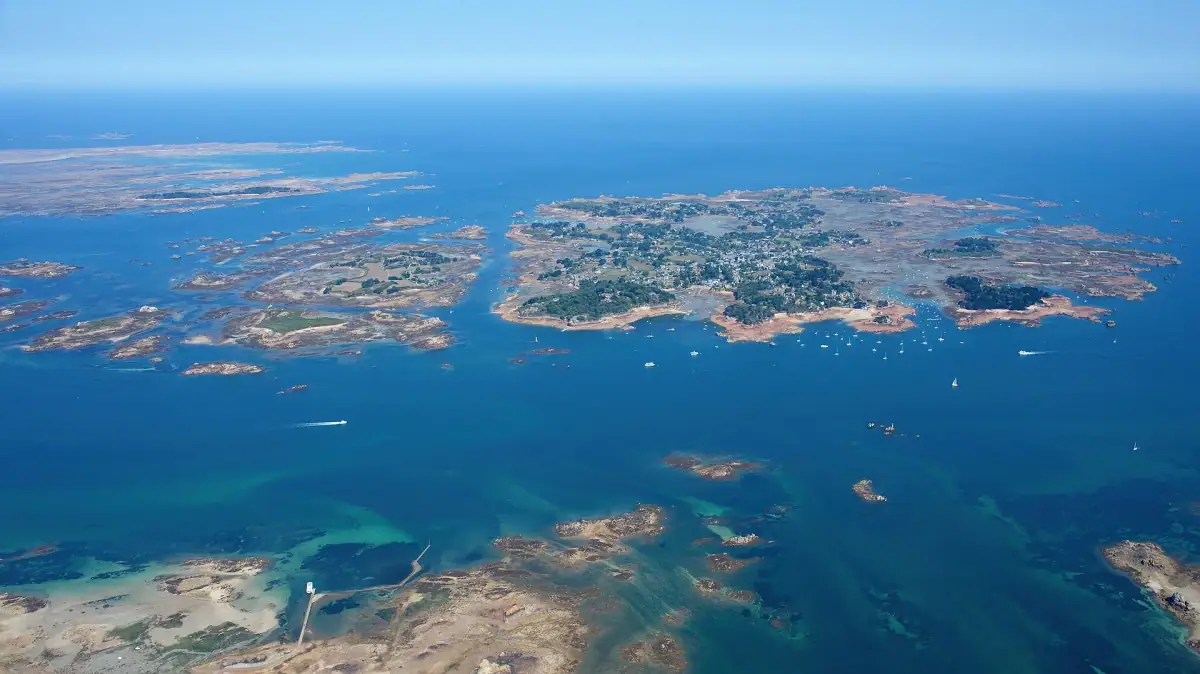
With some 800 islands and islets spread along its coasts, Brittany offers a rare playground for anyone who loves escapes at sea. Some can be walked in an hour, others take several days to get to know. Some are flowery and sheltered from the wind, others battered by the ocean and dominated by lighthouses. Choosing the right island according to your time, budget, wishes and the season is not easy, though.
This guide compares the region’s main island destinations, explains how to get there, what you can do and how to organize your day or stay. It complements the guide to the GR34 customs officers’ path, which also runs along the coasts from which most boats leave.
How to choose your Breton island
Before booking a ticket, a few simple questions help sort the options:
- How much time do you have? For half a day, favor an island close to the coast, with a crossing of a few minutes. For a weekend or more, look at Belle-Île or Ouessant.
- What kind of landscape do you want? Gardens and sheltered coves, or wild cliffs and low moorland?
- Do you want to get around on foot, by bike, by car? Small islands are explored without a car, larger ones need a bike or even a vehicle.
- Are you traveling with children or people with reduced mobility? Short crossings and flat terrain work best.
- What is the season? In winter, some links are reduced and weather can disrupt departures.
The simplest is to leave from a well-served port. To understand how to reach these ports, see the article on how to get around Brittany.
Bréhat: the flower island of the Côtes-d’Armor
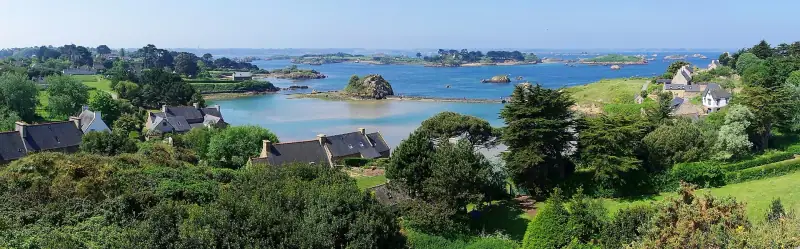
The Bréhat archipelago, off the Pink Granite Coast, is probably the easiest excursion in Brittany. Boats leave from Pointe de l’Arcouest, on the mainland, and the crossing takes about ten minutes. In moments, you change worlds: no heavy traffic, narrow paths, pink stone houses and gardens growing plants you would expect to see farther south, because the climate there is particularly mild.
What you do there
The island is actually made up of two parts linked by a small bridge. The main pleasure is to walk, at your own pace, along coastal paths that alternate between coves, pink rocks and moorland. You can go around the island in a few hours, with breaks to picnic facing the sea.
- The southern part, greener and more sheltered, holds the village and the gardens.
- The northern part, wilder, offers landscapes of moor and rock.
- The Paon lighthouse, at the northern end, is a classic walking goal.
Who is it for?
Bréhat suits families, occasional walkers and those who have only one day. It is also a good way to discover the Pink Granite Coast without much planning. To sleep nearby, the Perros-Guirec area offers a good choice of lodging.
Where to stay near the Pink Granite Coast
Compare accommodation in Perros-Guirec, an ideal base for Bréhat and the Sept-Îles.
Belle-Île-en-Mer: the largest Breton island
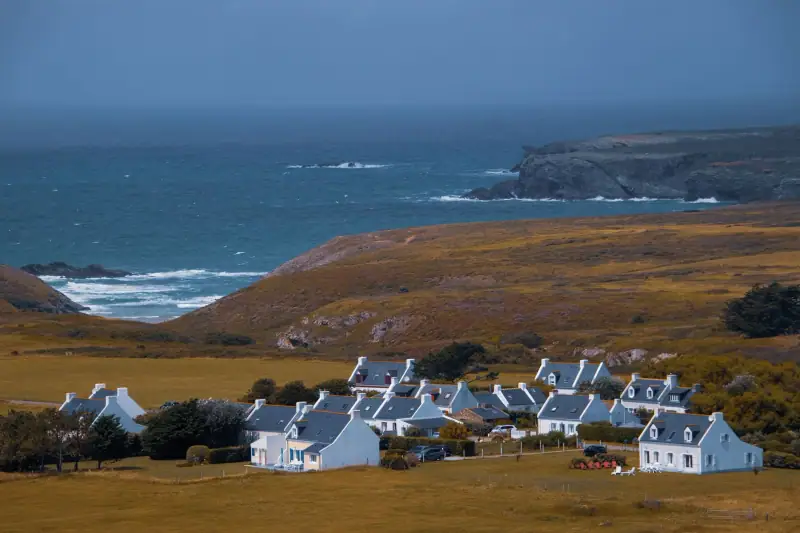
Belle-Île, in Morbihan, is the largest of the Breton islands. It is reached by boat from Quiberon, in about forty minutes, to the port of Le Palais. Other links exist from the Gulf of Morbihan and the south coast, more seasonal.
Two faces
Belle-Île splits into two atmospheres. The east side, facing the mainland, is more sheltered, with sand beaches and ports such as Le Palais and Sauzon. The west side, the “wild coast,” is exposed to the ocean, with cliffs, rocky needles and coves that attract photographers.
How to visit it
- By bike: the island is large enough that cycling is practical, with little-used secondary roads. Renting an electric bike lets you cover the whole island without tiring.
- On foot: a coastal path follows much of the shoreline, with easy stretches and more demanding ones.
- By car or minibus: possible, but not essential, as bringing a car to the island is costly in season.
- Organized excursions: some operators offer tours of the island by minibus, boat or kayak.
How much time to plan
One day lets you see Le Palais, Sauzon and a bit of the wild coast, but it is short. Ideally, spend one or two nights there to enjoy the ends of the day, when day visitors have left and the light gilds the cliffs.
Sea excursions and trips in Brittany
Boat rides, kayaking, guided visits: discover the activities offered around the Breton islands.
Ouessant: the Breton end of the world
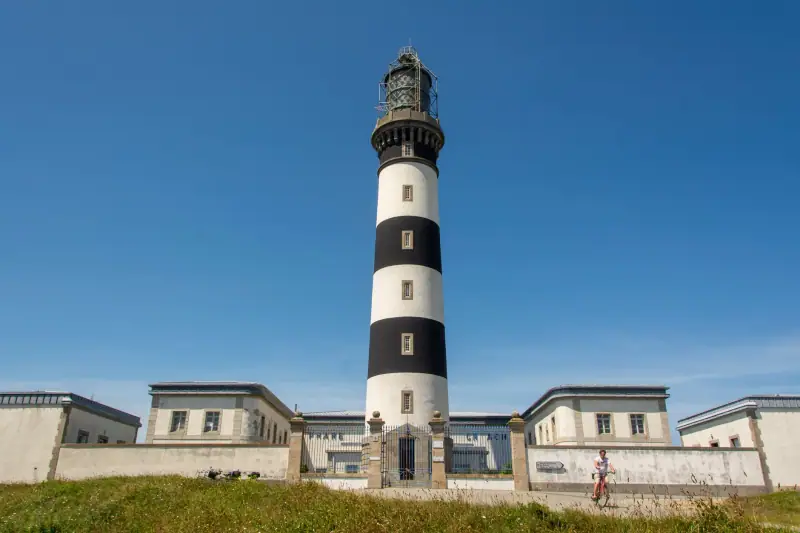
Ouessant, in Finistère, is the westernmost of the Breton islands, facing the Atlantic. It is reached by boat from Brest or from Le Conquet, the crossing lasting about 1 h to 1 h 15 from Le Conquet and about 2 h to 2 h 30 from Brest. The island is famous for its lighthouses, low moorland, small sheep and violent coasts, where the sea breaks with force.
An island with character
Ouessant is not an island of beaches and idling: it is an island of wind, light and space. Walking along the cliffs, gazing at the lighthouses and reading the landscape make it a destination for lovers of raw nature. The main village, Lampaul, concentrates the shops and accommodation.
How to get around
- By bike: the most practical way to explore the island.
- On foot: a path goes around the island, but bring good shoes and windproof clothing.
- By minibus: guided tours are organized there.
Precautions
The weather there is changeable and can disrupt crossings. Before leaving, check the times with the shipping company and leave a margin for the return. For a first visit, we recommend spending at least one night there. To choose the right travel period, the guide on when to go to Brittany will help you compare the seasons.
The Sept-Îles: the nature excursion from Perros-Guirec
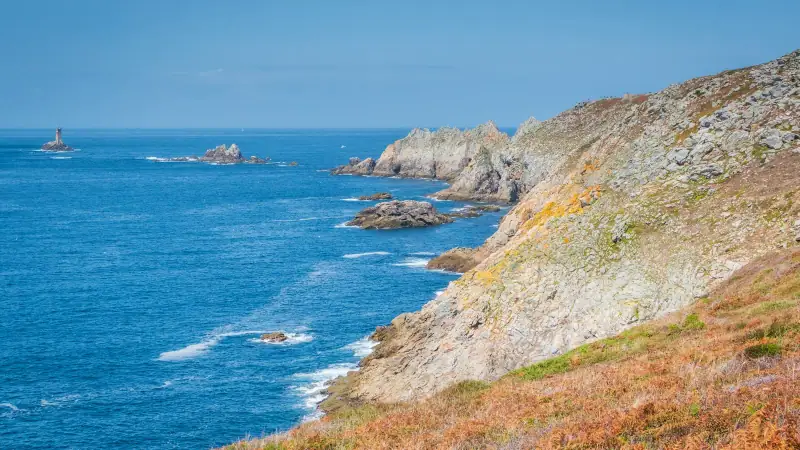
The Sept-Îles archipelago, off Perros-Guirec, is the largest seabird reserve in France. This protected area is home notably to northern gannets, cormorants and, in spring and early summer, Atlantic puffins, whose colorful silhouette attracts visitors.
A boat trip, not a landing
Access to the reserve is regulated. In practice, most visitors board a launch from Perros-Guirec for a narrated trip that goes around the islands and lets you watch the colonies. It is generally possible to land on the only island where the public is allowed, Île aux Moines, depending on the options offered.
Tips to enjoy it
- Bring binoculars and a windbreaker: it is often cooler at sea.
- Book ahead in high season.
- Check the tide times: some trips depend on the sea.
- If you are prone to seasickness, favor trips in calm weather.
The Glénan archipelago and the islands of the Gulf of Morbihan
For those who prefer turquoise water and light sand, the Glénan archipelago, off the south coast of Finistère, offers an almost tropical setting in fine weather. Links leave notably from Concarneau and other ports of the coast, with a crossing of about an hour depending on the departure point. There, you walk on the beaches, swim or snorkel in clear but cool water.
The Gulf of Morbihan, for its part, is dotted with islands reached in a few minutes by boat from Vannes, Port-Blanc or other landing stages. The two most visited, Île-aux-Moines and Île d’Arz, are explored on foot or by bike, with landscapes of coves and little paths lined with low stone walls. A visit combines easily with discovering Vannes, an ideal starting town for exploring the gulf.
Quick comparison of the islands
| Island | Department | Suggested visit length | Atmosphere |
|---|---|---|---|
| Bréhat | Côtes-d’Armor | One day | Gardens, coves, pink granite |
| Belle-Île | Morbihan | 2 to 3 days | Wild coast, colorful ports |
| Ouessant | Finistère | 1 to 2 days | Wild, lighthouses, wind |
| Sept-Îles | Côtes-d’Armor | Half a day | Seabirds, boat trip |
| Glénan | Finistère | One day | Clear beaches, snorkeling |
| Île-aux-Moines / Arz | Morbihan | Half a day to one day | Quiet small islands |
Organizing your excursion: practical tips
Booking and getting information
Shipping companies publish their timetables by season and may change them according to tides and weather. Before leaving, check the company’s official website and keep in mind the time of the last departure. For busy summer links, book ahead.
Planning your budget
The cost of the crossing varies strongly with the island and the duration, from a few euros for short crossings to several tens of euros for Belle-Île or Ouessant, especially with a vehicle. Check the official rates before deciding. Renting a bike there is a moderate extra expense.
Choosing the right clothing
Wind is a constant on the Breton islands. A windbreaker, closed shoes and a warm layer are needed even in summer. Also think of sunscreen, because the glare off the sea is strong.
Eating on the islands
Islands generally offer a few restaurants, crêperies and grocery stores, but the choice is limited. A picnic is a simple and pleasant solution. To learn more about local specialties, read the guide to crêpes and galettes in Brittany.
Respecting the places
Islands hold fragile environments: dunes, moors, bird colonies. Stay on the paths, do not disturb wildlife, take your trash with you and avoid fires. Many areas are protected and the rules there are strict.
A night on Belle-Île
Spending the night on the island lets you enjoy the landscapes after the day visitors have left.
Which island for your profile?
- Family with young children: Bréhat, Île-aux-Moines or Île d’Arz, for their short crossings and easy terrain.
- For nature and bird lovers: the Sept-Îles, on a boat trip from Perros-Guirec.
- For hikers: Belle-Île and Ouessant, with varied coastal paths.
- For swimming fans: the Glénan, in fine weather and in summer.
- For a romantic escape: Belle-Île, with a night there to enjoy the sunsets.
- For a tight budget: small islands with short crossings, visited on foot.
Whatever you choose, an excursion to a Breton island is prepared in advance but enjoyed without hurry. Let the weather, the tides and the rhythm of the boats dictate part of your program: that is precisely the charm of these small worlds apart, a few kilometers from the mainland and yet a thousand miles from daily life.
Frequently asked questions
What is the most beautiful island in Brittany for a first visit?
Belle-Île-en-Mer is often the most versatile: it is the largest Breton island, with beaches, cliffs, colorful ports and a network of paths. For a simple day that is easy to organize, Bréhat is an excellent alternative, because the crossing is very short and the island is explored on foot.
Can you visit a Breton island in one day?
Yes, it is entirely possible for Bréhat, Île-aux-Moines or Île de Batz, whose crossings are short. Belle-Île and Ouessant need more time: a day lets you skim them, but a night there is preferable to really enjoy them.
Do you need to book the boat crossing?
In high season, on weekends and during school holidays, booking is strongly advised for the busiest links, notably to Belle-Île and Ouessant. For small islands with very frequent sailings, you generally buy your ticket there, but it is better to check the times with the company.
Can you take your car to the islands?
It is possible to Belle-Île, but expensive and to be booked far ahead in summer. On Bréhat, car traffic is very limited or nonexistent for visitors, and on many small islands, cycling and walking are the natural means of getting around.
What is the best time to go to the islands?
May to September, when crossings are more frequent and the weather milder. June and September often offer the best compromise between weather, crowds and rates. Off season, links are reduced and can be canceled in bad weather.
Where can you see puffins in Brittany?
The Sept-Îles archipelago, off Perros-Guirec, is the best-known bird reserve in the region. Boat trips let you watch seabirds, including puffins, without landing on the reserve. The best time to see them is spring and early summer.
What should you pack for an island excursion?
Walking shoes, a windbreaker, water, picnic food and sunscreen are essential. Do not forget to check the time of the last boat back and leave a safety margin, because missing the last crossing means spending the night there.
More Brittany guides
Keep reading
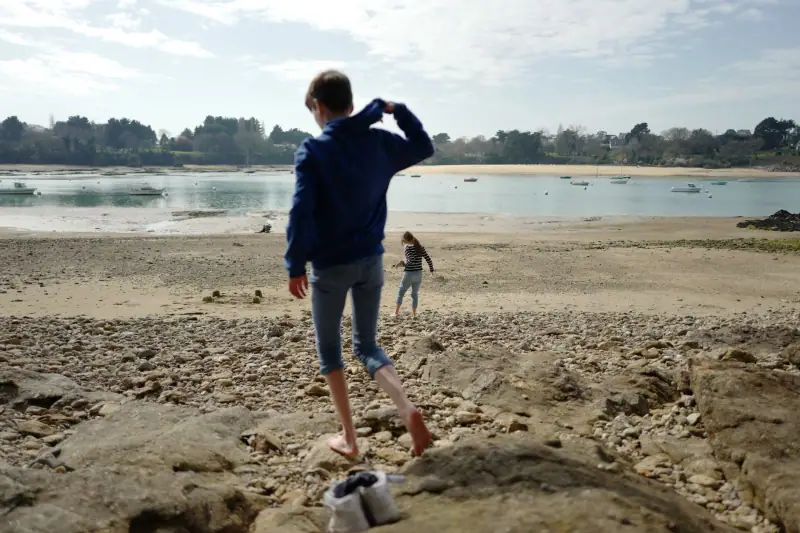
Brittany with kids: trip ideas and family activities
Plan a family vacation in Brittany: beaches, shore fishing, boats, aquariums, megaliths, easy walks and tips for a successful trip with children.
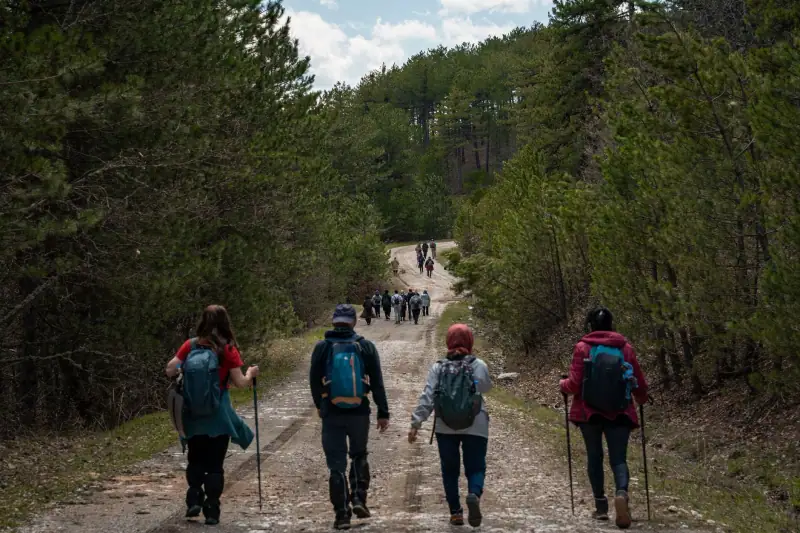
GR34 in Brittany: the best hikes on the customs officers' path
Plan your hike on the GR34, the customs officers' path: must-do sections, levels, tides, gear, seasons and logistics for walking in Brittany.
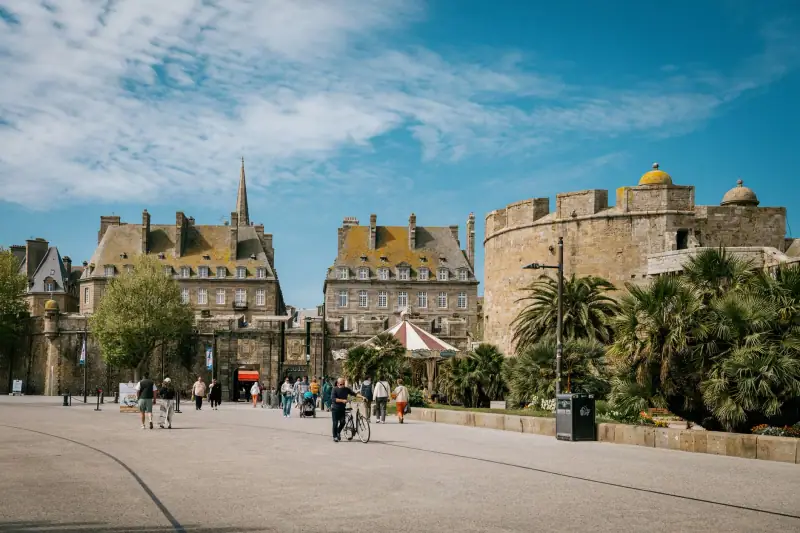
Where to stay in Saint-Malo: neighborhoods and types of accommodation
Where to stay in Saint-Malo? Intra-muros, Sillon, Paramé, Saint-Servan, Rothéneuf: compare areas and types of lodging for your budget and stay.
Ready-made
Brittany itineraries
3 days
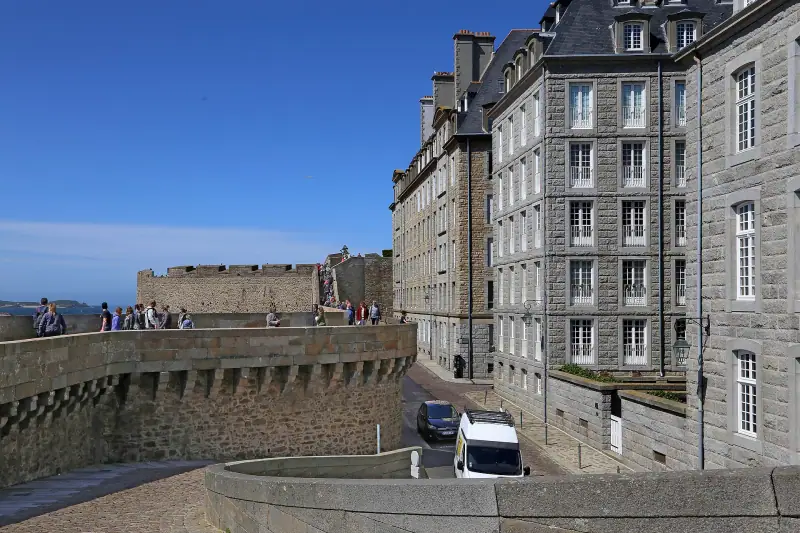
3 days in Saint-Malo, Cancale and Dinan: an Emerald Coast itinerary
A 3-day itinerary in northern Brittany: Saint-Malo's ramparts, Cancale's oysters, Dinan's medieval lanes. Daily plan, tides, transport and budget.
7 days
One week in Brittany without a car: a day-by-day itinerary by train and bus
RennesSaint-MaloQuimperVannes
7 days
Brittany road trip in 7 days: from Saint-Malo to the Gulf of Morbihan
A 7-day coastal road trip in Brittany: Saint-Malo, Pink Granite Coast, Crozon peninsula, Quimper, Carnac and Vannes. Stops, distances, budget and tips.