Where to stay
Where to stay in Melbourne: neighborhoods, budget and tips for choosing
We may earn a commission when you book through links on this page, at no extra cost to you. We don't visit or try the places we cover: we summarize published sources. How we work
In short
- For a first visit, stay in the city center (CBD) or Southbank: stations, trams, laneways and museums are within walking distance.
- Fitzroy and Collingwood suit a creative atmosphere, Carlton a moderate budget, St Kilda the beach and South Yarra shopping and comfort.
- Three nights are enough for the center, the creative neighborhoods and the seaside; prices rise in the Australian summer (December to February) and during big events.
- A car is not needed in town: trams, trains and buses cover most neighborhoods, and parking in the center is expensive.
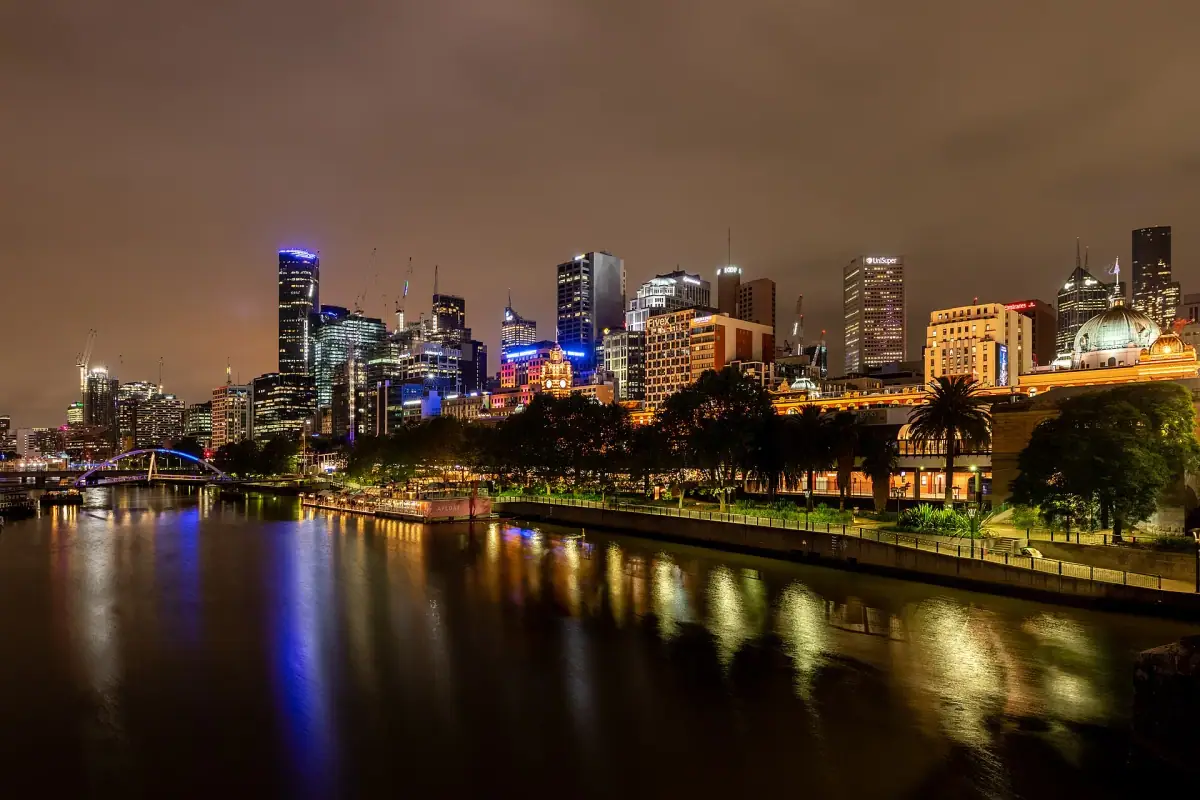
Melbourne is best experienced on foot and by tram. Unlike other big cities, it has not one tourist heart but a mosaic of neighborhoods, each with its own cafés, galleries, small streets and rhythm. Choosing where to sleep therefore means choosing the mood of your stay: urban and practical in the center, creative in Fitzroy, elegant in South Yarra, seaside in St Kilda.
This guide compares the main neighborhoods to help you decide according to your profile: first visit, couple, family, small budget, or travelers passing through before a road trip. We give rough orders of magnitude rather than fixed prices, because rates change a lot from one season to the next. Once you have chosen your base, our Melbourne in 3 days itinerary will help you organize your days, and the guide to where to stay in Sydney will be useful if you combine the two cities.
Where to stay in Melbourne: the short answer by profile
For a first visit, stay in the center (CBD) or in Southbank: you can fan out on foot and by tram without losing time in transit. If you already know the city or want atmosphere, Fitzroy, Collingwood or St Kilda are more pleasant in the evening.
| Your profile | Suggested neighborhood | Why |
|---|---|---|
| First visit, 2 to 3 nights | Center (CBD) | Stations, trams and laneways on foot |
| Couple, modern hotel with a view | Southbank | Yarra riverbank, center within walking distance |
| Going out, cafés, street art | Fitzroy / Collingwood | Neighborhood life, frequent trams |
| Moderate budget, local feel | Carlton | Affordable restaurants, green setting |
| Beach and a relaxed stay | St Kilda | Seafront, large apartments |
| Shopping and comfort | South Yarra / Prahran | Boutiques, well-connected station |
The center (CBD): the most practical for a first time
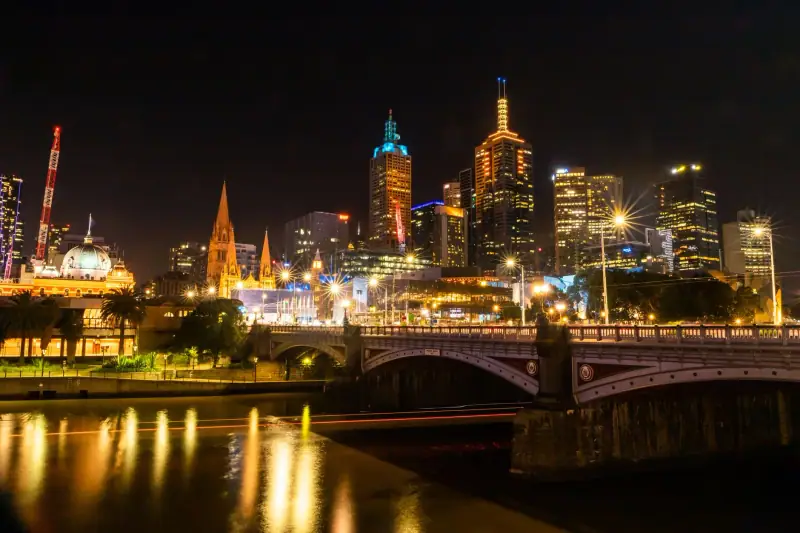
The central district is laid out on a grid, which makes it easy to understand. It brings together Flinders Street Station, Southern Cross Station, St Paul’s Cathedral, the shopping arcades and the famous laneways, the lanes covered in street art and lined with cafés. Most of the classic sights can be reached on foot from a hotel in the center.
Strengths: a very wide choice of accommodation, from hostels to big-chain hotels, transport converging from all sides and a free tram zone in the heart of the city, to be checked before your stay as the rules may change.
Limits: the center can be noisy, especially on weekends, and rooms of equal quality cost more than in neighboring districts. A few streets are deserted in the evening in the most office-oriented areas.
It suits travelers who stay a short time, do not rent a car and want to cut travel. Families also find apartment hotels with kitchens there.
Hotels in Melbourne
Compare places to stay in the center for your dates, with free cancellation on many offers.
Southbank and Docklands: views over the Yarra
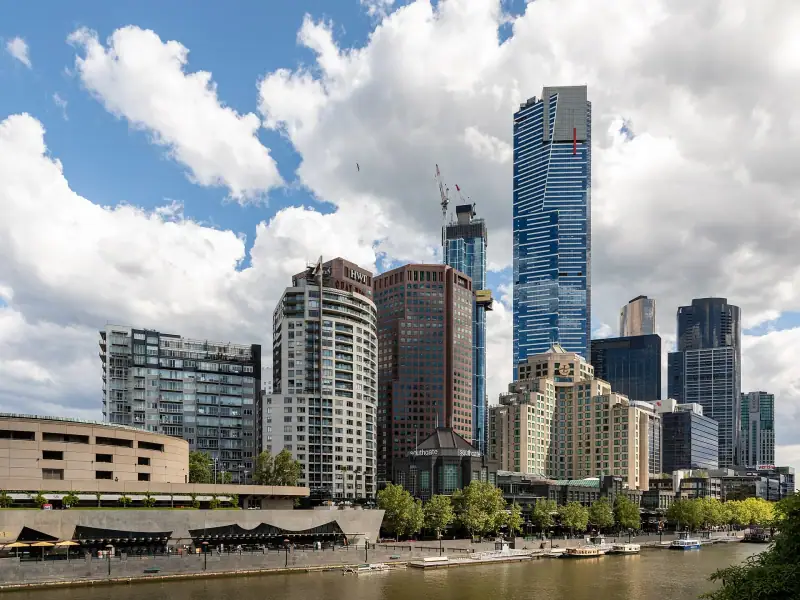
Southbank stretches along the south bank of the Yarra River, facing the center. It has modern hotel towers, the waterfront promenade, restaurants and several cultural venues. You can walk to the center by crossing one of the pedestrian bridges, which makes it an excellent compromise.
Strengths: often newer rooms, views of the city or the river, a pleasant evening promenade and easy access to the center.
Limits: the atmosphere is more “touristy” and less local. The Docklands, farther west, are newer and less lively: book there if you mainly want a rate or a big hotel, less for charm.
These districts suit couples, business travelers and those who like modern-style hotels with services.
Fitzroy and Collingwood: the creative atmosphere
Northeast of the center, Fitzroy and Collingwood form one of the most appealing areas of Melbourne. Streets lined with secondhand shops, bars, galleries and walls covered in murals: it is the neighborhood for fans of alternative atmosphere and good coffee spots.
Strengths: very lively neighborhood life, well-known cafés, smaller and more original places to stay, frequent trams to the center.
Limits: the hotel supply is smaller than in the center, with more hostels, small hotels and short-term rentals. In the evening, the liveliest streets can be noisy.
It is a good choice for a second visit, for curious travelers and for those who want to stay where locals live. It is also a good starting point for tasting the local food scene, a theme we develop in our guide to Australian food.
Carlton: students, cafés and heritage
Carlton, north of the center, is known for its university, its Italian neighborhood around Lygon Street and its gardens. You will pass the Royal Exhibition Building and the Carlton Gardens, a UNESCO World Heritage site.
Strengths: a neighborhood atmosphere, many reasonably priced restaurants, access to the center by tram or on foot for walkers, and a green setting.
Limits: few large hotels, more homestay rooms and small establishments. The proximity of the university can liven up some streets during the academic year.
It suits travelers who like residential neighborhoods, students and visitors on a moderate budget.
Tours and activities in Melbourne
Guided street art tours, tastings and excursions: see the offers available for your dates.
St Kilda: the seafront
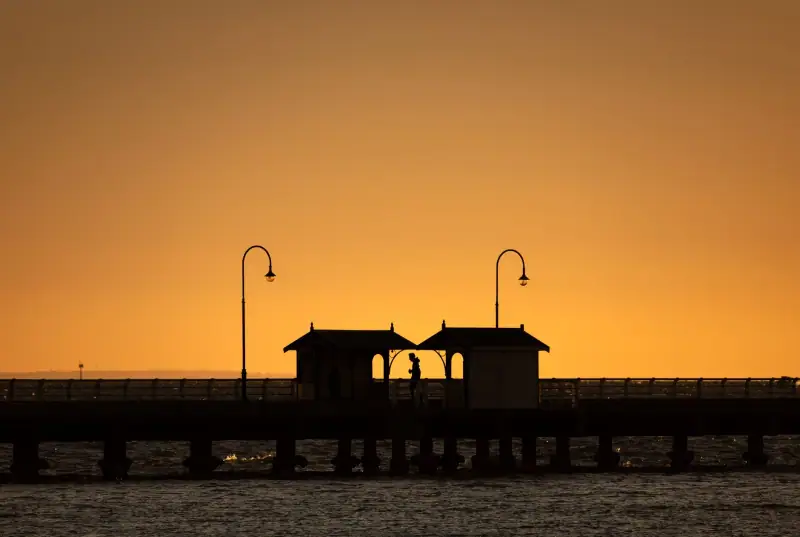
St Kilda is Melbourne’s seaside neighborhood, south of the center. People come for the beach, the pier, the cafés and the bars. The famous little penguins nest near the pier at nightfall, a feature that draws the curious, but viewing must be done from a distance and in line with the instructions posted there. For more ideas on this theme, read our guide to watching Australian wildlife.
Strengths: a more relaxed setting, large apartments for families, popular hostels, seafront walks.
Limits: the center is reached by tram, with a fairly long ride. In the evening, some streets are lively and may feel less reassuring to some people: read recent reviews for your exact address.
It is a good choice for stays of several days, for travelers in the Australian summer and for those who want to enjoy the beach without leaving the city.
South Yarra, Prahran and Toorak: elegance and shopping
Southeast of the center, South Yarra and Prahran offer a more chic atmosphere, with boutiques, carefully run cafés, gardens and a well-connected station. Toorak, more residential and upscale, has few places to stay.
Strengths: varied restaurants, upscale hotels, proximity to the Royal Botanic Gardens and a good train network.
Limits: prices are often higher than in Carlton or Fitzroy and the mood is less “bohemian”.
These districts suit travelers who like shopping, couples looking for comfort and those who prefer a quieter atmosphere.
What budget for accommodation in Melbourne?
Melbourne remains an expensive destination for an international visitor, but the choice is wide. A few general benchmarks:
- Hostels: the cheapest option, in a dorm or a private room, mainly in the center, St Kilda and Carlton.
- Mid-range hotels: plentiful in the center and Southbank, with strong variations by date.
- Upscale hotels: concentrated in the center, Southbank and South Yarra.
- Apartments and short-term rentals: practical for families and long stays, with a kitchen to cut the food budget. Check cleaning fees and building rules.
The calendar matters as much as the neighborhood. The Australian summer (December to February), school holidays and the city’s big sporting and cultural events push prices up and fill rooms. Spring and autumn often offer better value, and winter is quieter. To choose your dates, see our guide to when to visit Australia and, to build your whole budget, the budget for a trip to Australia.
In all cases, compare the total price, including taxes and any fees, and favor offers with free cancellation until your flights are confirmed.
Flights to Melbourne
Compare flights for your dates: fares vary widely between high and low season.
Where to stay in Melbourne as a family, a couple or on a small budget
As a family: choose an apartment hotel in the center or Southbank, or a large apartment in St Kilda. A kitchen and washing machine ease the budget and the logistics.
As a couple: Southbank for views and comfort, Fitzroy for restaurants and bars, St Kilda for seafront walks.
On a small budget: a hostel private room in the center, Carlton or St Kilda remains the cheapest option. Neighborhoods a little farther from the center are often cheaper, as long as they are near a tram stop or a station.
For a single night (stopover, before a road trip): choose a hotel near Southern Cross Station, where the airport shuttles arrive.
Getting around from your accommodation
Melbourne has one of the largest tram networks in the world, complemented by suburban trains and buses. Fares are paid with the myki card, which you top up as needed, and some trams run free in a zone of the center. To avoid surprises:
- check the distance between your accommodation and a tram stop or station, which matters more than the distance to the center;
- read recent reviews about noise, especially on very lively streets or near tram tracks;
- avoid renting a car just to stay in town: parking is expensive and the traffic rules, such as turning at some intersections in the center, surprise foreign drivers. A car becomes useful for heading out on the Great Ocean Road.
For arrival from the airport, shuttles go to Southern Cross Station: choosing a hotel near this station or a tram stop simplifies both arrival day and departure day.
Which type to choose: hotel, hostel or apartment?
Beyond the neighborhood, the type of accommodation changes your stay.
- A hotel remains the simplest solution for a short stay, with breakfast often offered and a reception desk for your luggage.
- A hostel suits solo travelers or tight budgets; you will find private rooms, often with a shared bathroom, and common areas to meet other travelers. Store your valuables in a locker.
- An apartment is ideal for a family or a stay of more than four nights: kitchen, washing machine and more space.
- A motel is common in Australia, especially on the outskirts; practical if you arrive by car, less so if you sightsee on foot.
Finally, think about your travel paperwork before booking. Entry rules depend on your passport: check the official travel advice of your government before you book (travel.state.gov in the US, GOV.UK in the UK, travel.gc.ca in Canada, Smartraveller in Australia; checked November 2026). Also make sure your travel insurance covers accommodation cancellation.
Which neighborhood to choose?
To decide quickly:
- First visit, 3 nights: the center or Southbank, to do everything on foot and by tram.
- Creative atmosphere and food: Fitzroy or Collingwood.
- Neighborhood with character, moderate budget: Carlton.
- Beach and a relaxed stay: St Kilda.
- Comfort and shopping: South Yarra or Prahran.
- Small budget: a hostel in the center, Carlton or St Kilda.
Book early, especially for the Australian summer and big events, keep some margin in your budget and read the most recent reviews before confirming. With a good location, Melbourne turns out to be an easy and very pleasant city to explore.
Frequently asked questions
What is the best neighborhood to stay in Melbourne for a first visit?
The center (CBD) is the simplest choice: stations, trams, laneways, museums and restaurants are within walking distance. Southbank, across the Yarra River, is a good alternative if you like modern hotels with views.
Should you stay in St Kilda?
St Kilda suits you if you want a seaside atmosphere, cafés and relaxed nightlife. The center is reached by tram, with a fairly long ride: factor it into your schedule if you are short on time.
Is Melbourne cheaper than Sydney for accommodation?
Rates remain high but are often a little more measured than in Sydney, with strong variations by date. Big sporting and cultural events, as well as the end-of-year school holidays, push prices up: book early.
How do you get from the airport to central Melbourne?
Tullamarine Airport is linked to the center by shuttles (such as SkyBus, which serves Southern Cross Station), taxis and ride-hailing. Check current schedules and fares before you arrive, as they change regularly.
How many nights should you plan in Melbourne?
Three nights let you discover the center, the creative neighborhoods and the seaside. Add two to three nights if you want to head out on the Great Ocean Road or explore the surroundings.
Do you need a car if you stay in Melbourne?
No, not to stay in the city: trams, trains and buses cover most neighborhoods, and parking in the center is expensive. A car only becomes useful when you set off on a road trip.
Where should you stay in Melbourne the first time?
In the center (CBD) or in Southbank. You can walk to the stations, laneways and museums, and trams easily reach the other neighborhoods.
Where can you stay in Melbourne on a budget?
A hostel private room in the center, Carlton or St Kilda is the cheapest solution. Choose a place near a tram line and avoid the dates of big events.
Where should families stay in Melbourne?
An apartment hotel in the center or Southbank, or a large apartment in St Kilda, gives you a kitchen and space. Compare the total price with cleaning fees.
More Australia guides
Keep reading
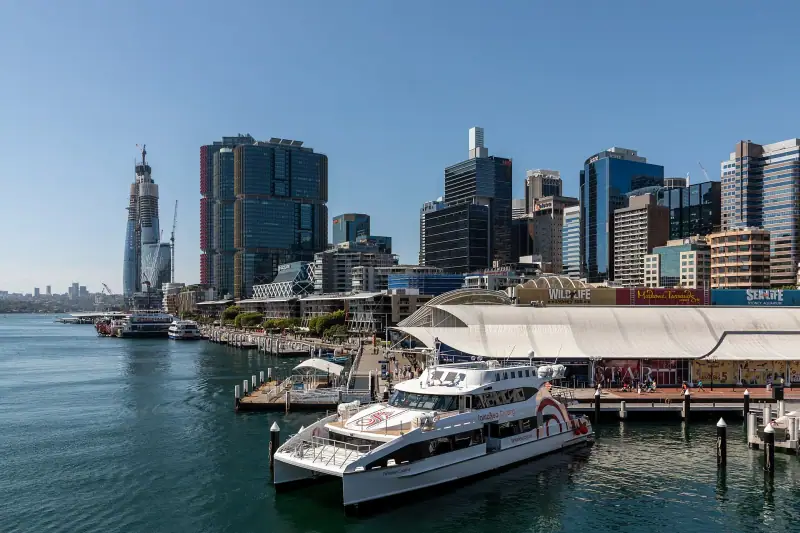
Where to stay in Sydney: the best neighborhoods for your trip
Where to stay in Sydney? Neighborhoods compared: CBD, The Rocks, Surry Hills, Bondi, Manly. Atmosphere, transport and budget to choose your accommodation.
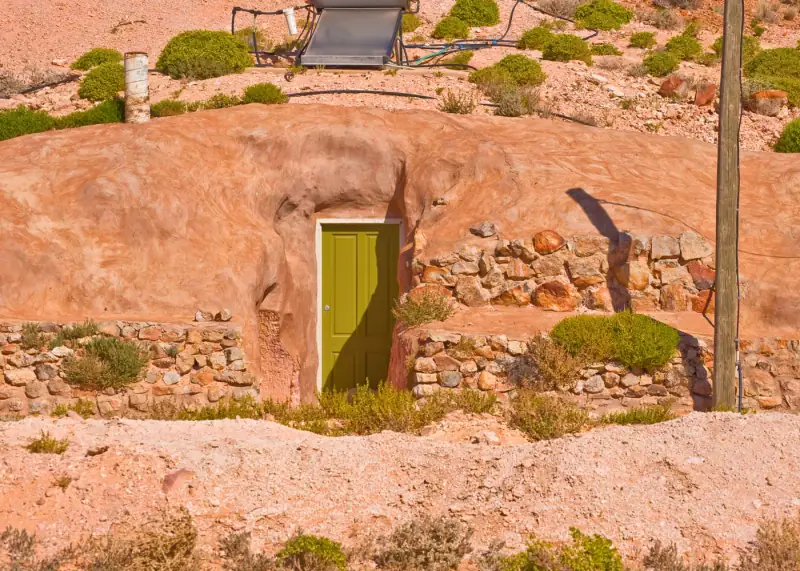
Sleeping in Coober Pedy: underground hotel, cave motel or dorm?
Where to sleep in Coober Pedy? Underground hotel, cave motel, dorm or apartment dug into the rock: how to choose, when to book, what to know first.
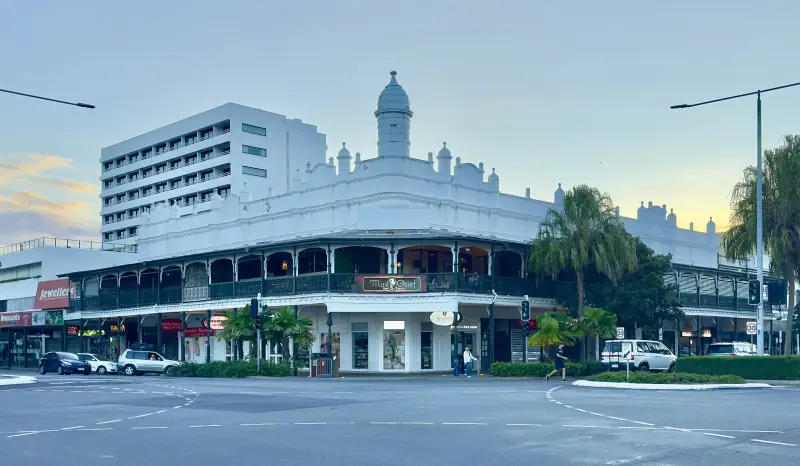
Where to stay in Cairns: neighborhoods, northern beaches and tips for choosing
Where to stay in Cairns? Compared: city center and Esplanade, Palm Cove, northern beaches, Port Douglas. Budget, seasons, transport and tips.
Ready-made
Australia itineraries

7 days
Tasmania in 7 days: a road trip itinerary from Hobart to Launceston
Tasmania in 7 days: Hobart, Port Arthur, Bruny Island, Freycinet and Wineglass Bay, Launceston. Day-by-day itinerary, distances, seasons and driving tips.
3 days
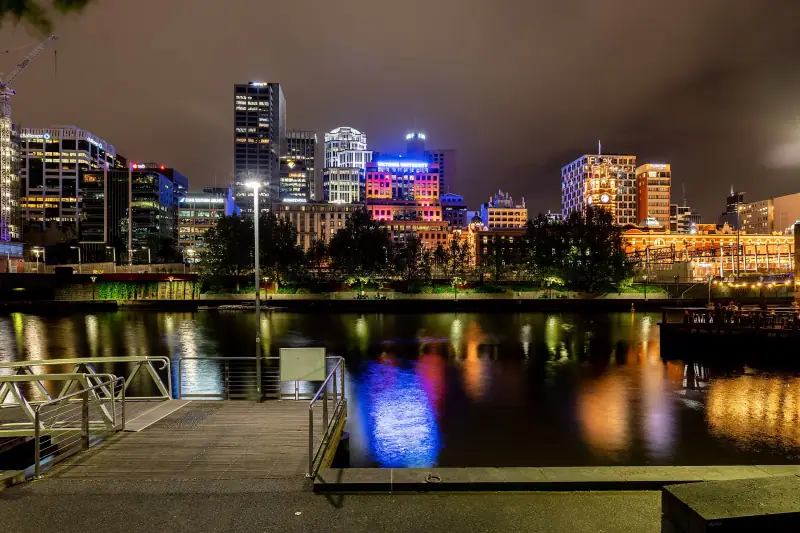
Melbourne in 3 days: a culture, street art and seaside itinerary
What to do in Melbourne in 3 days? Laneways, street art, markets, museums, St Kilda and a nature escape: a day-by-day itinerary with practical tips.
4 days
Sydney in 4 days: a day-by-day itinerary to see it all
Sydney in 4 days: Opera House, Harbour Bridge, Bondi, Manly and the Blue Mountains. A day-by-day itinerary with transport and accommodation tips.