Itineraries
Melbourne in 3 days: a culture, street art and seaside itinerary
We may earn a commission when you book through links on this page, at no extra cost to you. We don't visit or try the places we cover: we summarize published sources. How we work
Day by day
- Day 1Federation Square, laneways, State Library, National Gallery of Victoria
- Day 2Queen Victoria Market, Fitzroy Gardens, Royal Exhibition Building, Fitzroy
- Day 3St Kilda pier and beach, Brighton beach boxes
Weather through the year on this route
| Jan | Feb | Mar | Apr | May | Jun | Jul | Aug | Sep | Oct | Nov | Dec | |
|---|---|---|---|---|---|---|---|---|---|---|---|---|
| High °F (°C) | 7625 | 7625 | 7323 | 6619 | 6016 | 5614 | 5513 | 5513 | 5815 | 6418 | 6820 | 7222 |
| Low °F (°C) | 5815 | 5815 | 5714 | 5412 | 5010 | 468 | 457 | 457 | 468 | 489 | 5211 | 5513 |
| Rain in (mm) | 2.050 | 1.950 | 1.845 | 2.460 | 2.565 | 3.075 | 2.975 | 3.180 | 3.075 | 2.770 | 2.770 | 2.360 |
Normals 1991–2020 at Melbourne and Apollo Bay: averages over 30 years, not a forecast. Source: NASA POWER (MERRA-2), grid of about 50 km. Figures computed by us in November 2026.
In short
- Three days cover the center, Federation Square and the laneways (day 1), Queen Victoria Market and the gardens (day 2) and St Kilda and the bay (day 3).
- Trams are the main way to get around; the center has a free tram zone, so check its limits before you go.
- A car is only useful for day trips such as Phillip Island, the Mornington Peninsula or the Great Ocean Road.
- The weather changes fast: pack a light waterproof jacket and layers.
Melbourne has a reputation as the cultural capital of Australia, and it earns it. Lanes covered in street art, cafés where people take their time, galleries, large parks, markets, beaches a few tram stops away: the city is best explored on foot and without hurry. Its changeable climate is part of local folklore.
This three-day itinerary is designed for a first visit. It groups the visits by area to limit travel, alternates culture and relaxation, and leaves room to wander, which is the best way to enjoy the city.
Day 1: the city center, Federation Square and the laneways
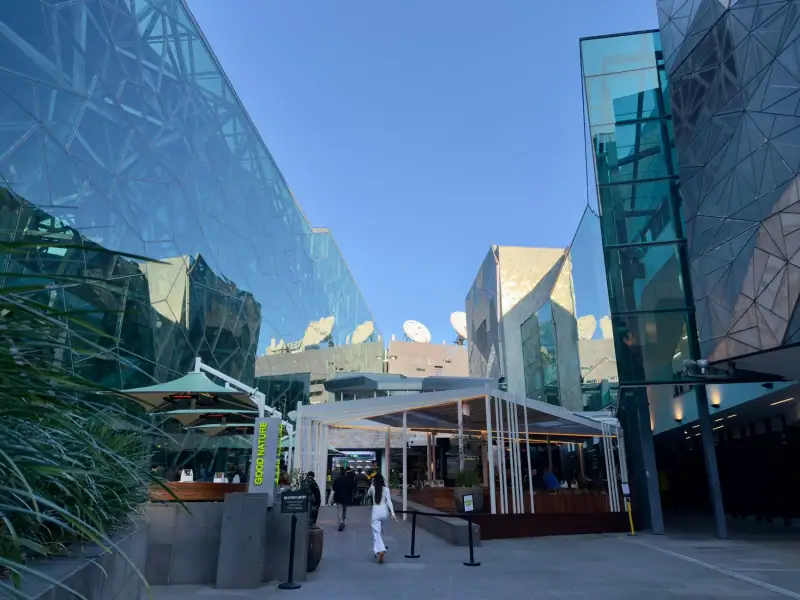
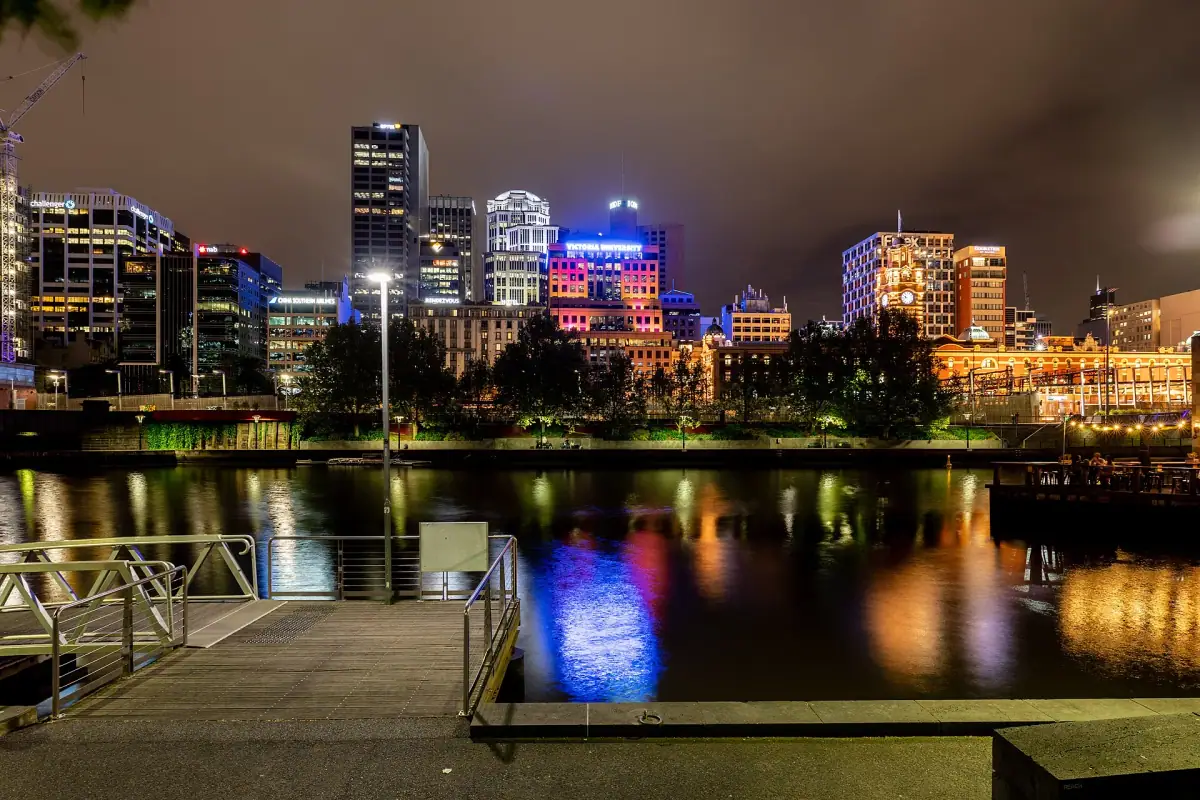
Start with Federation Square, the large central plaza opposite Flinders Street Station and its well-known yellow facade. It is the city’s landmark: from here, everything is reached on foot or by tram. The banks of the Yarra River are close by, with pleasant morning walks.
The core of the morning is the laneways, the narrow lanes of the center turned into open-air galleries. Hosier Lane is the most famous for its street art, but other nearby passages are worth the detour for their murals, small cafés and independent shops. The works change regularly: what you see will not be exactly what the photos show. Allow a good two hours to wander without rushing.
The center is easy to cover on foot, and the central area has a free tram zone. Check its limits before you go, as they change over time. Be sure to ride the old trams of the tourist circuit, which loop around the center.
In the afternoon, continue with the State Library Victoria, with its large domed reading room, or the National Gallery of Victoria (NGV), one of the country’s major art museums. Temporary exhibitions vary: check the program before you go. At the end of the day, a view from one of the towers in the center shows how far the city extends and how it sits between the bay and the parks.
Hotels in Melbourne
City center, South Yarra or St Kilda: compare places to stay for your budget and book early in high season.
Day 2: Queen Victoria Market, gardens and neighborhoods to the east
For the second day, start with Queen Victoria Market, the city’s large historic market. You will find fresh produce, charcuterie, cheeses, crafts and fast food. It is the ideal place for a local breakfast and to get an idea of the city’s culinary diversity. Opening days vary: check them before you go. To go deeper into this theme, see our guide to Australian food.
Then head east of the center to the Fitzroy Gardens, old-fashioned gardens shaded by large trees, then the Royal Exhibition Building and the neighboring Carlton Gardens. This 19th-century building is a UNESCO World Heritage site, and its dome can be seen from afar. It is a welcome green break in the middle of a day of walking.
In the afternoon, head to Fitzroy or Collingwood, two creative neighborhoods northeast of the center. Lively streets, vintage shops, galleries, bars and coffee shops: this is where you best feel the city’s alternative spirit. Melbourne’s cafés have a strong specialty coffee culture that would be a shame to ignore. Let the lines of locals guide you rather than a specific address: the choice is wide everywhere, and our guide to ordering coffee in Australia keeps you from being speechless at the counter.
At the end of the day, come back along the Yarra and have dinner in the center or in Southbank, facing the water. Melbourne is known for its very cosmopolitan cuisine, with strong Asian and Mediterranean influences. Neighborhood restaurants often offer better value than riverside addresses.
Day 3: St Kilda, the beach and the bay
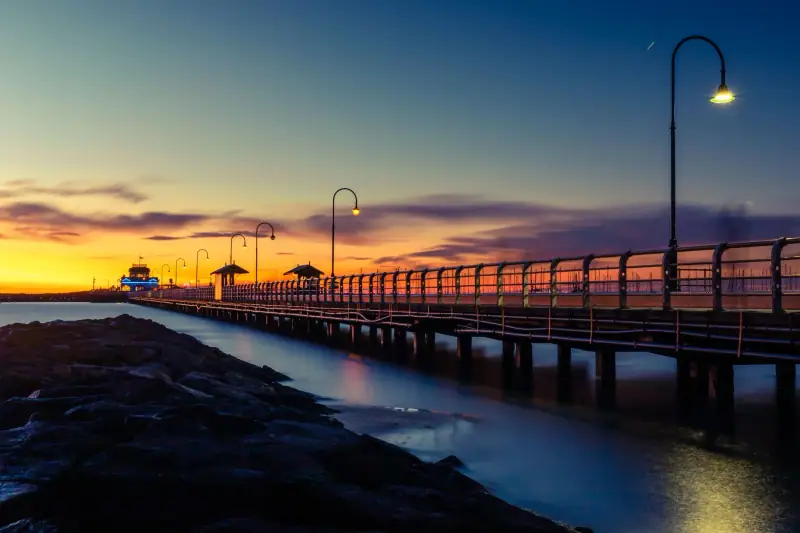
Devote the third day to the seaside. St Kilda is reached by tram from the center in about thirty minutes. The neighborhood has a pier, a long promenade, cafés, terraces and a historic amusement park near the seafront. Its pier is known for the little penguins that come to nest in the rocks of its breakwater at dusk. Volunteers supervise the viewing: follow their instructions and avoid flash photography.
St Kilda beach is pleasant for a stroll, but the waters of Port Phillip Bay are rather cool for most of the year and are better for walking than for a long swim. Continue south along the coast to Brighton, known for its colorful beach boxes lined up on the sand, a Melbourne photo classic. You can get there by train or bus, or by bike along the seafront bike path.
If you travel in summer, bring sunscreen and water, as the sun is strong. If the weather is gray, replace the beach with the museums in the center or a walk in the Royal Botanic Gardens, a huge park south of the Yarra where you can spend several hours.
Tours and excursions in Melbourne
Guided street art tour, coffee tasting, excursion outside the city: compare the available activities.
Option: an excursion outside the city
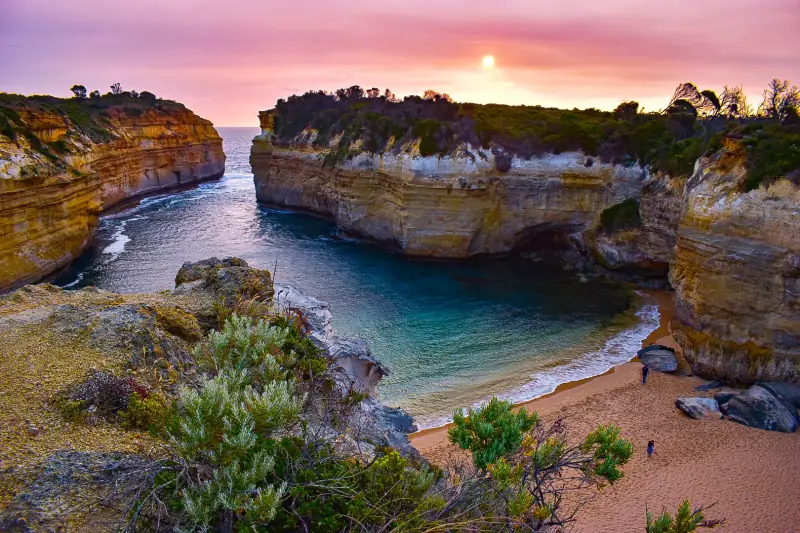
If you have one more day, several excursions can be done in a day from Melbourne. The Mornington Peninsula, to the southeast, combines beaches, vineyards and hot springs. The Yarra Valley, to the northeast, is a well-known wine region, reachable in about an hour by car. Phillip Island, farther southeast, is famous for its penguin colony, which comes ashore in groups at nightfall: plan a drive of about two hours. Tickets, packages and transport are covered in our guide to the Phillip Island Penguin Parade.
The most iconic excursion remains the Great Ocean Road, but it takes more time: we have a full itinerary for it, the Great Ocean Road in 3 days. Do not try to do it in a day from Melbourne: the distances are large, and you would spend more time on the road than enjoying the scenery.
For these outings, a car gives you freedom, but full-day guided tours exist if you prefer not to drive, especially since traffic keeps to the left in Australia. A rental car is only worth it for these trips: the tram network is enough for everything else.
Flights to Melbourne
Compare flights for your dates: fares vary widely between high and low season.
Practical tips for organizing your trip
Melbourne is a flat, well-served city, which keeps planning simple. A few useful points:
- Transport: the tram is the main tool. A rechargeable card lets you use trams, trains and buses; check current fares before you arrive.
- Weather: the weather can go from sun to rain within a few hours, even in summer. A light waterproof jacket and easy-to-remove layers are more useful than a heavy coat.
- Lodging: the city center is the most convenient for three days. As in Sydney, compare several neighborhoods before booking (see our guide to where to stay in Sydney for the principle).
- Season: see when to visit Australia to choose the best period for your trip.
- Budget: Australia is an expensive country, especially for lodging. Our article on the budget for a trip to Australia will help you anticipate your spending.
- Entry rules: they depend on your passport. Check the official travel advice of your government before you book: travel.state.gov (US), GOV.UK (UK), travel.gc.ca (Canada), Smartraveller (Australia), as well as the Australian government’s official immigration site (checked November 2026).
How to adapt this itinerary
Three days are enough to get a feel for Melbourne, but the city rewards you more if you like to wander. With only two days, group the center and the laneways on the first day, then Queen Victoria Market and St Kilda on the second. With four or five days, add a nature or food excursion, or head to the Great Ocean Road.
The most useful advice: keep some free time. Melbourne is lived at the pace of a café terrace, an unexpected lane or an exhibition you come across by chance. Avoid ticking off a list of sights and let the city surprise you.
Frequently asked questions
Is three days enough to visit Melbourne?
Yes, it is a good format to discover the center, the creative neighborhoods and the seaside. To add the Great Ocean Road or a day in a wine region, plan four to five days instead.
How do you get around Melbourne?
The tram is the most practical way. The city center has a zone where trams are free, and a rechargeable card lets you use trams, trains and buses. Check the fares and the limits of the free zone before you go, as they can change.
Do you need to rent a car in Melbourne?
Not to see the city: public transport is enough. A car is only useful for excursions such as Phillip Island, the Mornington Peninsula or the Great Ocean Road.
What is the best time of year to visit Melbourne?
The Australian spring and autumn are often the most pleasant. Melbourne's weather is changeable, sometimes with several kinds of weather in a single day: always pack an extra layer.
Where should you stay in Melbourne for a short trip?
The city center (CBD) is the most convenient for a first stay, as it is well served by trams. St Kilda suits you if you prefer a seaside atmosphere, with a tram ride into the center.
More Australia guides
Keep reading
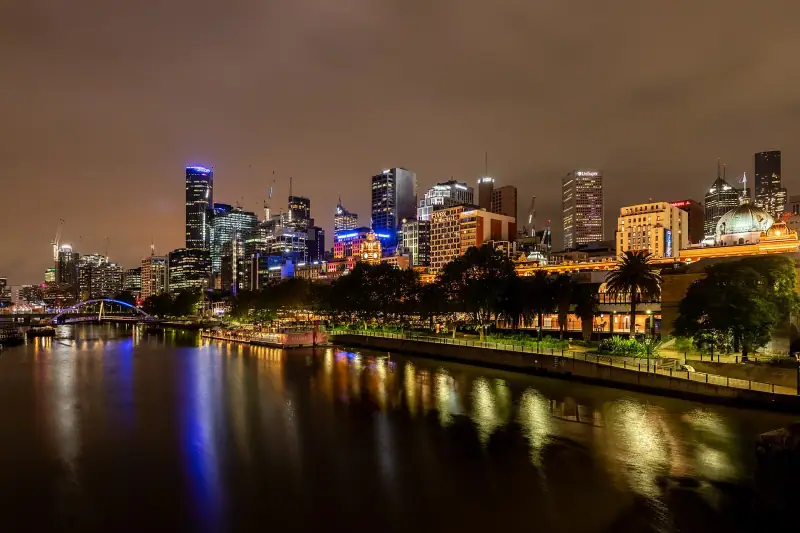
Where to stay in Melbourne: neighborhoods, budget and tips for choosing
Where to stay in Melbourne? CBD, Southbank, Fitzroy, Carlton, St Kilda, South Yarra compared: atmosphere, transport and budget to book with confidence.
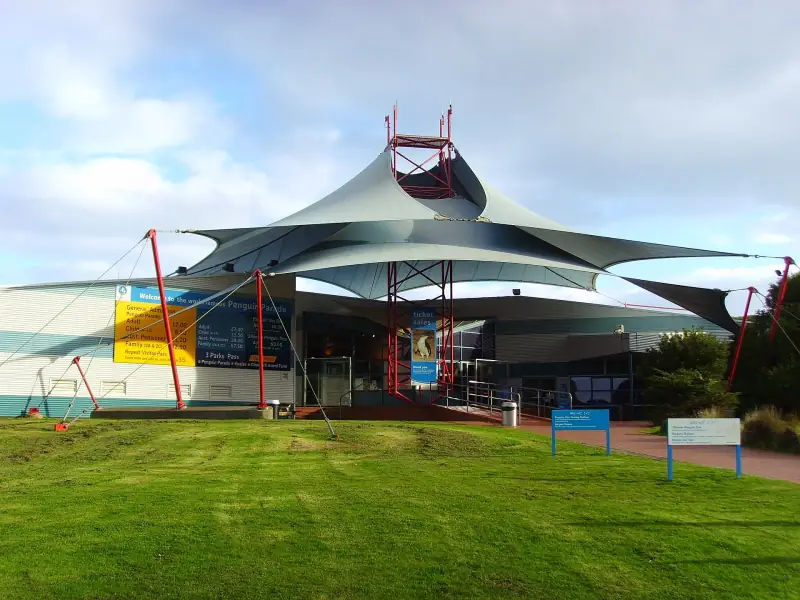
Phillip Island Penguin Parade: booking ahead, prices and getting there from Melbourne
See the Phillip Island penguins from Melbourne: required tickets, prices of the 3 options, arrival time, getting there without a car and with kids.

Wildlife in Australia: where to see kangaroos, koalas and penguins
Where and when to see Australian wildlife: koalas, kangaroos, wombats, Tasmanian devils, penguins, whales. Viewing tips and rules to follow.
Ready-made
Australia itineraries
7 days
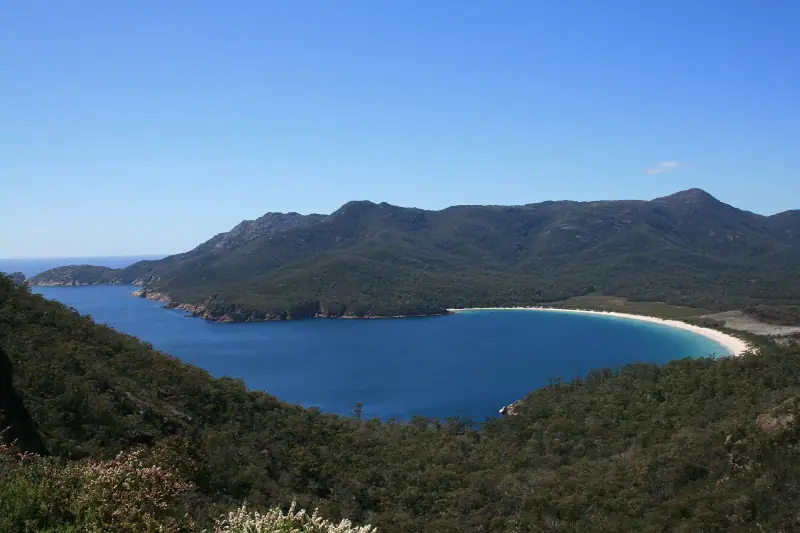
Tasmania in 7 days: a road trip itinerary from Hobart to Launceston
Tasmania in 7 days: Hobart, Port Arthur, Bruny Island, Freycinet and Wineglass Bay, Launceston. Day-by-day itinerary, distances, seasons and driving tips.
4 days
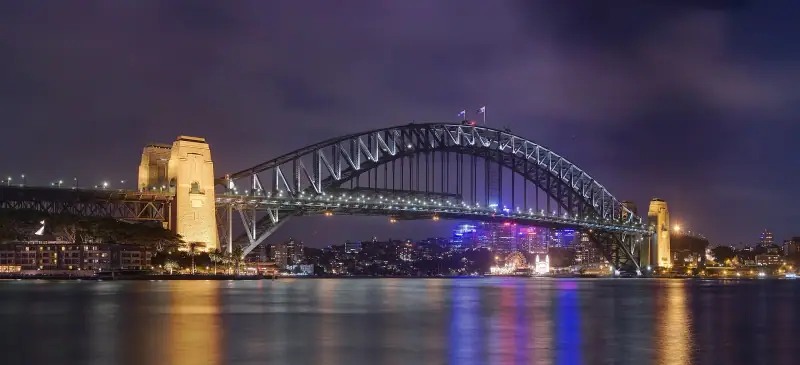
Sydney in 4 days: a day-by-day itinerary to see it all
Sydney in 4 days: Opera House, Harbour Bridge, Bondi, Manly and the Blue Mountains. A day-by-day itinerary with transport and accommodation tips.
3 days
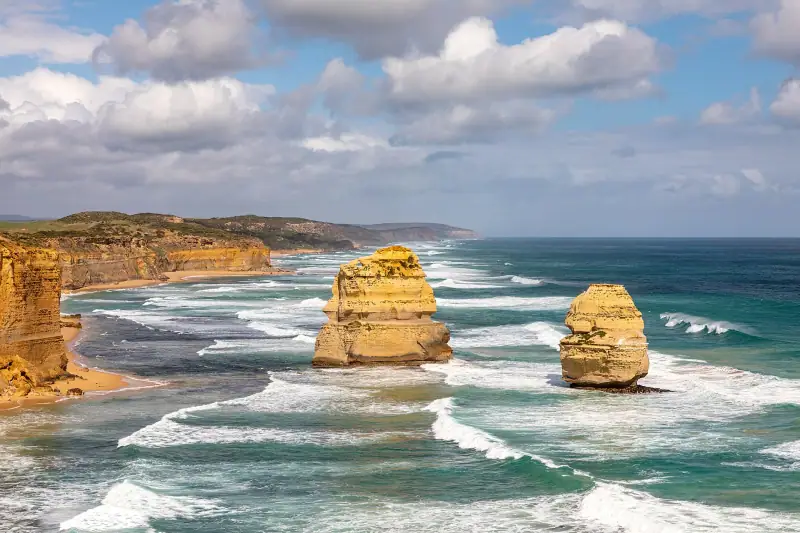
Great Ocean Road in 3 days: an itinerary from Melbourne
Great Ocean Road in 3 days from Melbourne: day-by-day stops, Twelve Apostles, the Otways, koalas, driving on the left, where to sleep and tips.