Plan your trip
Australia trip budget: how much to plan for your stay
We may earn a commission when you book through links on this page, at no extra cost to you. We don't visit or try the places we cover: we summarize published sources. How we work
In short
- Excluding international flights, a two-week budget-to-mid-range trip generally costs €2,000 to 3,000 (about $2,320 to $3,480) per person.
- Flights, lodging and transport are the biggest items; domestic flights and car rental weigh heavily because of the distances.
- Spring and autumn outside Australian school holidays are often cheaper than December-January.
- There is no mandatory tip in Australia; contactless card payment is widespread.
Australia is a dream destination, but it also has a reputation for being expensive. That is partly true: the country is immense, wages are high and prices for lodging, restaurants and domestic transport are often high. The good news is that a well-prepared trip can stay reasonable, as long as you know where the money goes.
This guide details the main spending items, with indicative ranges (rates vary by season, city and exchange rate), budget examples and concrete tips to lighten the bill.
The flight: the first expense
The trip is long, with at least one stopover, and it is generally the heaviest expense of the trip. The price depends enormously on the period: flights around Christmas and January, which match the Australian summer and school holidays, are among the most expensive of the year.
A few simple levers reduce the bill:
- Book several months ahead, especially for a high-season departure.
- Compare several departure airports and several airlines, with one or two stopovers.
- Avoid departures during school holidays in your own country, when fares rise.
- Consider an “open jaw” trip: arriving in Sydney and leaving from Melbourne or Cairns saves you from backtracking.
Find a flight to Australia
The plane ticket is the first expense: compare dates and airlines.
Also think about domestic flights: connecting Sydney to Uluru, Cairns or Perth by plane saves several days compared with the road, but adds an expense to plan from the start. For distances and durations, see our guide to choosing the right time to travel.
Lodging in Sydney, Melbourne and the Red Centre
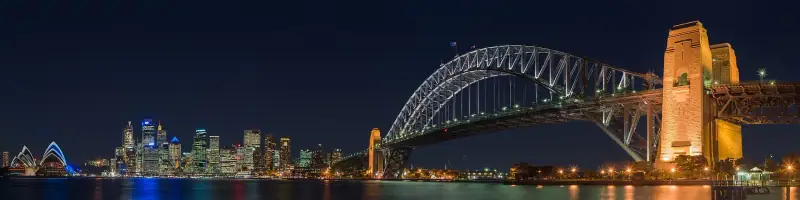
This is the second biggest item. Australia offers a full range: dorm hostels, roadside motels, apartments, city hotels and lodges in tourist regions. The big cities, Sydney first, are the most expensive, especially in summer and during big events.
Here is the order of magnitude to keep in mind, to be checked for your dates:
- Hostel dorm: the cheapest option, often enough for solo travelers.
- Motel or simple hotel room: the classic road trip solution, with parking included.
- Upscale hotel or city-center apartment: more comfortable, but much more expensive in the most sought-after cities.
In Sydney, the choice of neighborhood changes the bill a lot: our guide to where to stay in Sydney compares areas by budget. In the Red Centre, supply is limited and prices are high, as almost everything is concentrated around Yulara: book early, as explained in our article on Uluru and the Red Centre.
Compare places to stay
Hostels, motels and hotels: compare rates by city and season.
Getting around: from the Great Ocean Road to domestic flights
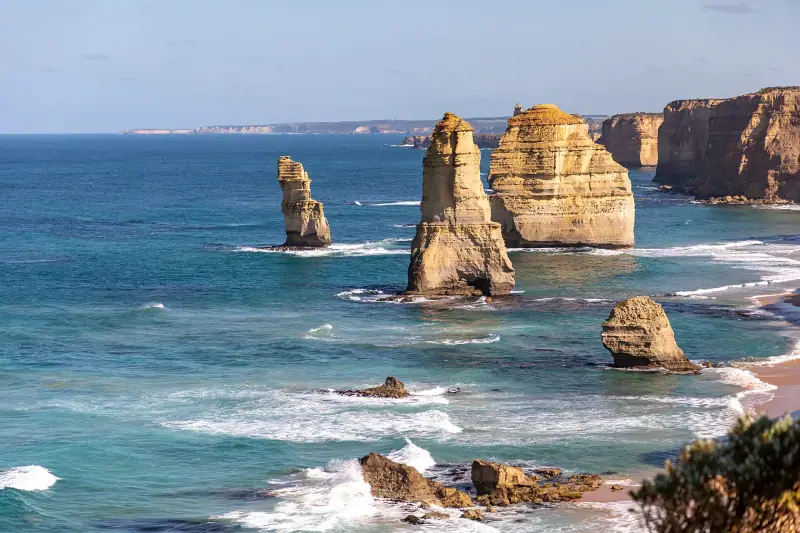
Australian distances change the logic of transport. Between two big cities, you think in flight hours, not train hours. Here are the main options:
- Car or van rental: the freest option for coastal roads such as the Great Ocean Road. On top of the rental price come fuel, drop-off fees if you return the vehicle in another city, and sometimes young driver surcharges.
- Domestic flights: essential to reach remote regions. Fares vary a lot with how far ahead you book.
- Urban public transport: Sydney, Melbourne and Brisbane have networks of trains, trams, buses and ferries, with rechargeable cards that avoid paying full fare for each trip.
- Long-distance buses: an economical but slow option on long trips.
For a coastal itinerary, our itinerary for the Great Ocean Road in 3 days shows that a rental of a few days is often enough, without renting a vehicle for the whole stay. If you drive, keep some margin in the budget: driving is on the left, and the accumulated distances push up fuel costs.
Eating and drinking: restaurants, cafés and groceries
Eating at a restaurant is expensive in most cities, especially main dishes and alcohol, which is heavily taxed. Conversely, cafés, food courts, markets and takeout let you eat well at gentler prices. Free public barbecues, very common in parks and on waterfronts, are an excellent way to cook as long as you have shopped at a supermarket.
A few habits help control the budget:
- Have breakfast at your lodging or at a café rather than at the hotel restaurant.
- Shop at the big-chain supermarkets, and cook in hostels or equipped apartments.
- Favor a hearty lunch, often cheaper than a dinner from the menu.
- Fill a water bottle: tap water is drinkable in most cities.
There is no mandatory tip in Australia: it is appreciated for outstanding service, but not expected.
Great Barrier Reef and Blue Mountains: the cost of excursions
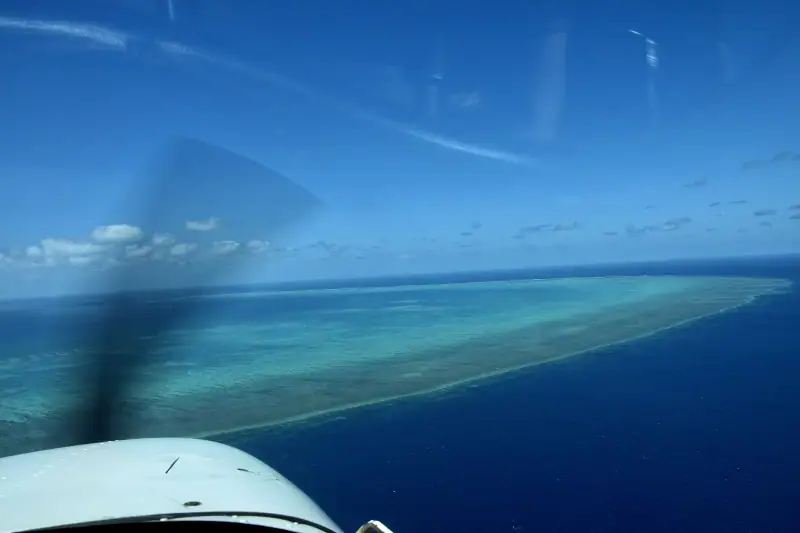
Many famous places are free or cheap: beaches, urban parks, waterfront promenades, marked hiking trails. The big experiences, however, cost money: a cruise or dive on the Great Barrier Reef, a helicopter flight, a guided excursion in the Blue Mountains, entry to a national park.
The most efficient approach is to list the three or four experiences you really want and book them in advance, rather than buying everything once you arrive. This lets you compare prices, take advantage of free cancellation when available and avoid sell-outs in high season. In the Red Centre, some park entries are paid with a pass valid for several days: check the fares on the park’s official website before you go.
Tours and activities
Great Barrier Reef cruise, Sydney tour, Blue Mountains: compare the offers.
Other costs not to forget
Several expenses easily slip under the radar when building the budget:
- Entry paperwork and fees: these depend on your passport. Check the official travel advice of your government (travel.state.gov in the US, GOV.UK in the UK, travel.gc.ca in Canada, Smartraveller in Australia; checked November 2026), and go directly through official government sites to avoid intermediary sites that add a commission.
- Travel insurance: essential, as health care for tourists is costly. Check the cover of your credit card and top it up if needed.
- Internet connection: a local SIM card or eSIM is often cheaper than roaming; check your carrier’s international plan before you go.
- Bank fees: some banks charge for payments in Australian dollars. A card with no foreign fees saves money on a long stay.
- Baggage on domestic flights: on low-cost airlines, checked baggage is charged separately.
Budget examples for two weeks
As a guide, here are three profiles, excluding the international flight and unforeseen costs. These are orders of magnitude to adjust to your dates and comfort.
- Budget trip (hostels, home cooking, public transport, one or two excursions): a budget in the order of €1,500 to 2,000 (about $1,740 to $2,320) per person.
- Mid-range trip (motels or simple hotels, regular restaurants, car rental for a few days, several excursions): about €2,500 to 3,500 (about $2,900 to $4,060) per person.
- Comfortable trip (higher-category hotels, domestic flights, premium experiences): from €4,000 (about $4,640) per person, with large gaps depending on choices.
Traveling as a couple lowers the individual cost: you share the room, the car and the fuel. Alone, the same format costs noticeably more.
Tips to cut the bill
A few reflexes to get more from your budget:
- Choose the right season: traveling outside the December and January peaks lowers the price of flights and lodging.
- Limit domestic flights: group nearby regions rather than trying to see everything in two weeks.
- Rent for the useful duration: keep the car only for roads that justify it, and use public transport in cities.
- Book early for lodging in remote places, where supply is limited.
- Make the most of free things: beaches, hikes, markets and public barbecues fill many days at no cost.
- Split up expensive cities: one night less in Sydney often funds one more excursion elsewhere.
Conclusion
Australia requires a bigger budget than many destinations, but a well-prepared trip remains accessible. First set the big items, the flight, lodging and transport, then leave a margin for the activities that really matter to you. With a little planning and a realistic itinerary, the final bill is easier to control than you might think.
Frequently asked questions
What budget should you plan for two weeks in Australia?
Excluding flights, plan on €2,000 to 3,000 (about $2,320 to $3,480) per person for a budget-to-mid-range trip, more if you add many domestic flights and excursions. The international flight alone makes up a large share of the total.
Is Australia an expensive country?
Yes, the cost of living is high for lodging, restaurants and domestic transport. The enormous distances also weigh on the budget: domestic flights and car rental are major items.
What is the currency in Australia?
The Australian dollar (AUD). Contactless card payments are very widespread, even for small amounts, which limits the need for cash.
When should you go to pay less?
Spring and autumn (outside Australian school holidays) are often more affordable than December-January, when flights and lodging reach their highest rates.
Do you need a budget for a visa?
Entry rules and any fees depend on your passport. Check the official travel advice of your government before you book: travel.state.gov (US), GOV.UK (UK), travel.gc.ca (Canada), Smartraveller (Australia), as well as the Australian government's official immigration site (checked November 2026), and avoid intermediary sites that add a commission.
More Australia guides
Keep reading

When to visit Australia: the best time by region
What is the best time to visit Australia? Reversed seasons, tropical north, Red Centre, Tasmania: a region-by-region guide to the seasons.
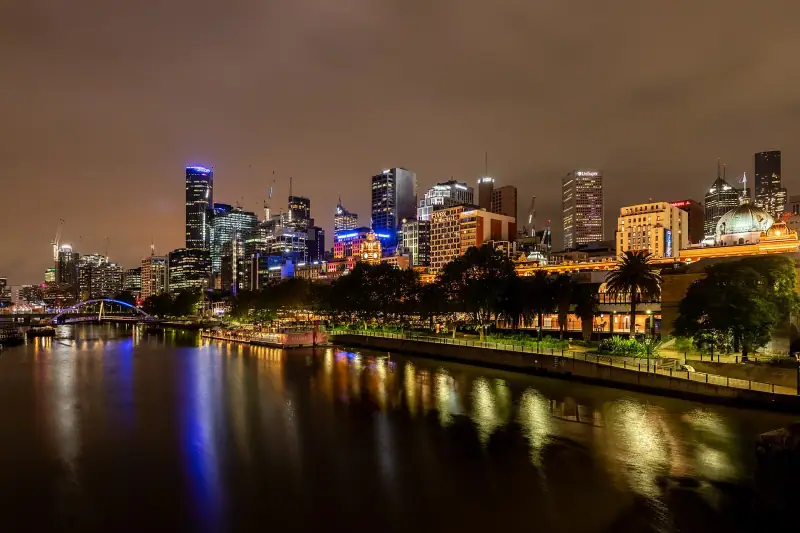
Where to stay in Melbourne: neighborhoods, budget and tips for choosing
Where to stay in Melbourne? CBD, Southbank, Fitzroy, Carlton, St Kilda, South Yarra compared: atmosphere, transport and budget to book with confidence.
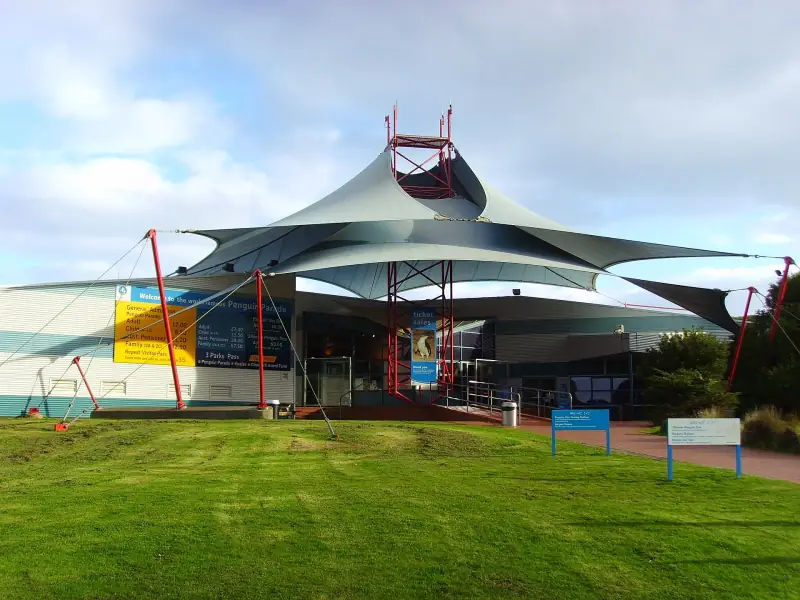
Phillip Island Penguin Parade: booking ahead, prices and getting there from Melbourne
See the Phillip Island penguins from Melbourne: required tickets, prices of the 3 options, arrival time, getting there without a car and with kids.
Ready-made
Australia itineraries
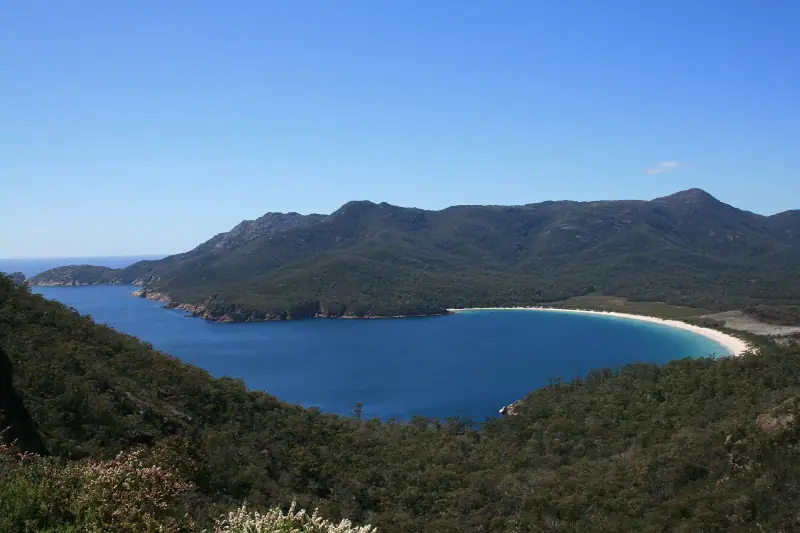
7 days
Tasmania in 7 days: a road trip itinerary from Hobart to Launceston
Tasmania in 7 days: Hobart, Port Arthur, Bruny Island, Freycinet and Wineglass Bay, Launceston. Day-by-day itinerary, distances, seasons and driving tips.
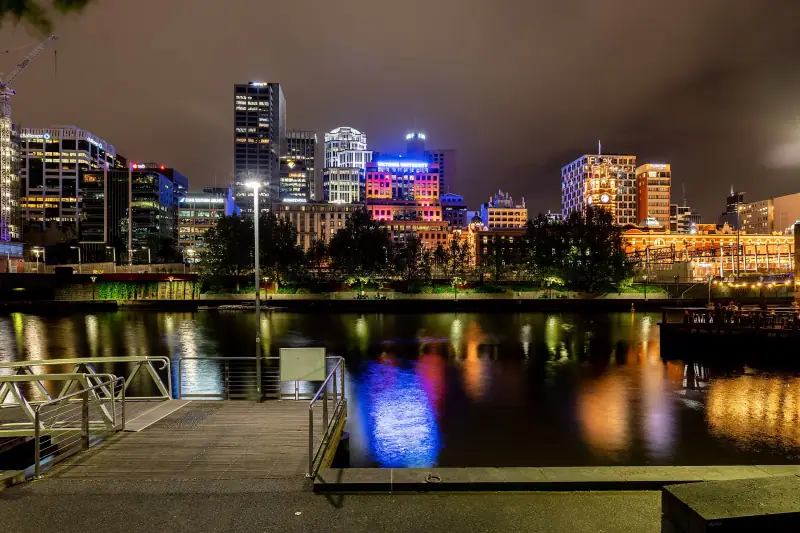
3 days
Melbourne in 3 days: a culture, street art and seaside itinerary
What to do in Melbourne in 3 days? Laneways, street art, markets, museums, St Kilda and a nature escape: a day-by-day itinerary with practical tips.
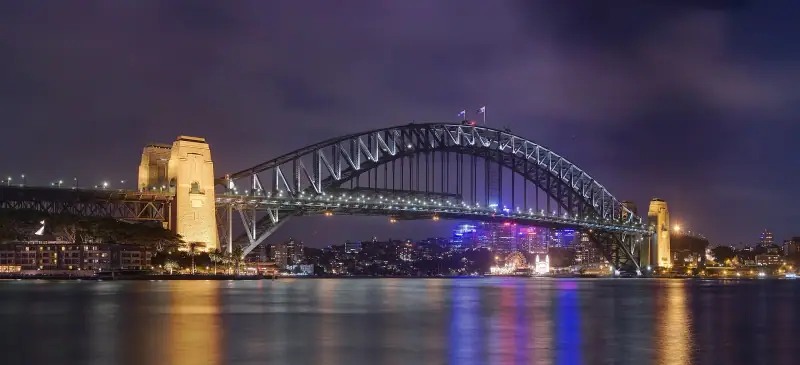
4 days
Sydney in 4 days: a day-by-day itinerary to see it all
Sydney in 4 days: Opera House, Harbour Bridge, Bondi, Manly and the Blue Mountains. A day-by-day itinerary with transport and accommodation tips.