Itineraries
Sydney in 4 days: a day-by-day itinerary to see it all
We may earn a commission when you book through links on this page, at no extra cost to you. We don't visit or try the places we cover: we summarize published sources. How we work
Day by day
- Day 1Circular Quay, Opera House, Royal Botanic Garden, The Rocks
- Day 2Darling Harbour, Queen Victoria Building, Sydney Tower
- Day 3Bondi Beach and the Bondi to Coogee coastal path
- Day 4Blue Mountains day trip: Katoomba, Echo Point, Three Sisters
Weather through the year on this route
| Jan | Feb | Mar | Apr | May | Jun | Jul | Aug | Sep | Oct | Nov | Dec | |
|---|---|---|---|---|---|---|---|---|---|---|---|---|
| High °F (°C) | 7625 | 7625 | 7323 | 6619 | 6016 | 5614 | 5513 | 5513 | 5815 | 6418 | 6820 | 7222 |
| Low °F (°C) | 5815 | 5815 | 5714 | 5412 | 5010 | 468 | 457 | 457 | 468 | 489 | 5211 | 5513 |
| Rain in (mm) | 2.050 | 1.950 | 1.845 | 2.460 | 2.565 | 3.075 | 2.975 | 3.180 | 3.075 | 2.770 | 2.770 | 2.360 |
Normals 1991–2020 at Melbourne and Apollo Bay: averages over 30 years, not a forecast. Source: NASA POWER (MERRA-2), grid of about 50 km. Figures computed by us in November 2026.
In short
- Four days cover Circular Quay, the Opera House and The Rocks, Darling Harbour, Bondi Beach and a day trip to the Blue Mountains.
- The Bondi to Coogee coastal path is about 6 km (3.7 mi); allow two to three hours with breaks.
- The Blue Mountains are about 100 km (62 mi) west of Sydney; the train from Central Station reaches Katoomba in about two hours.
- Swim only between the red and yellow flags in areas patrolled by lifeguards; the UV index is high much of the year.
Sydney is discovered as much on the water as in its streets: an immense bay, beaches a few minutes from the center, historic neighborhoods and, two hours away by road or train, the cliffs of the Blue Mountains. But the city is sprawling, and without a plan you quickly lose time in transit.
This four-day itinerary groups the visits by area to limit back-and-forth. It suits a first visit and adapts easily: add a beach day if you travel in summer, or drop the excursion if the weather is not on your side.
Day 1: Circular Quay, the Opera House and The Rocks
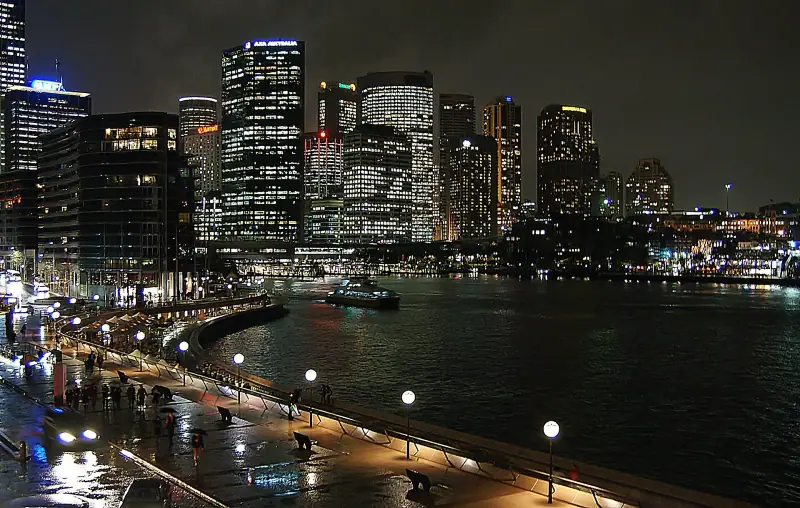
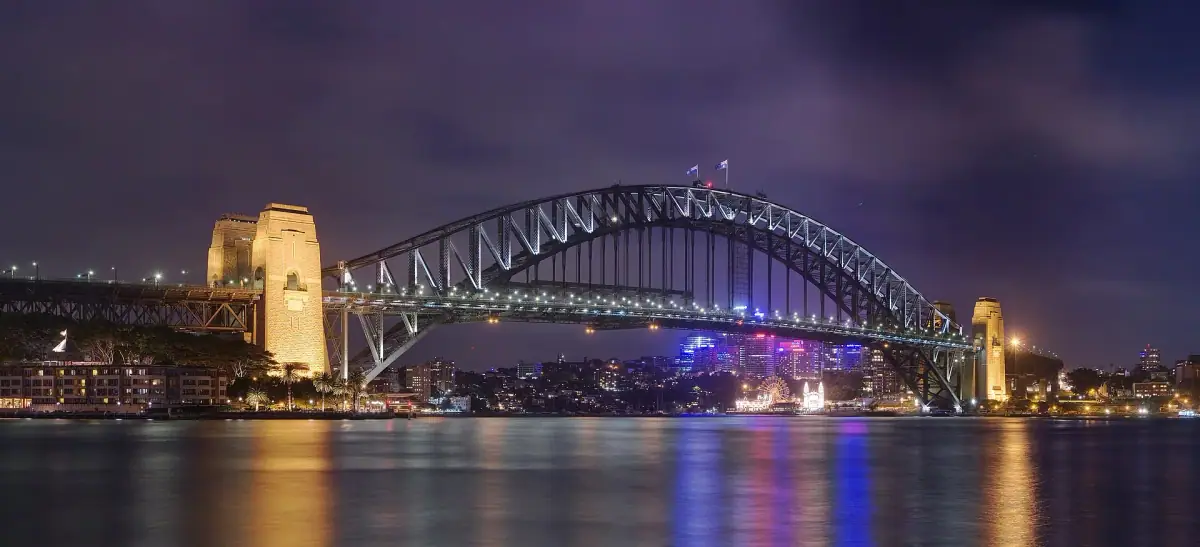
Start at Circular Quay, the wharf where the harbor ferries leave. It is the best entry point to the city: on one side the Opera House with its white sails, on the other the Harbour Bridge spanning the bay. Take the time to walk around the Opera House, then stroll to the Royal Botanic Garden, a large park running along the bay.
From the garden, the walk to Mrs Macquarie’s Chair offers one of the most famous views of the Opera House and the bridge. It is especially beautiful late in the day, when the light turns softer. You can also book a guided tour of the inside of the Opera House if the architecture interests you.
In the afternoon, head to The Rocks, the oldest neighborhood in the city. Its cobbled lanes, pubs and former warehouses tell the story of the early British colony. A market is generally held there on weekends. It is also the starting point for climbing the Harbour Bridge or crossing its free pedestrian walkway, which offers a lovely view of the bay.
Hotels in Sydney
City center, Circular Quay or The Rocks: compare places to stay and book early in high season.
Day 2: Darling Harbour and the city center
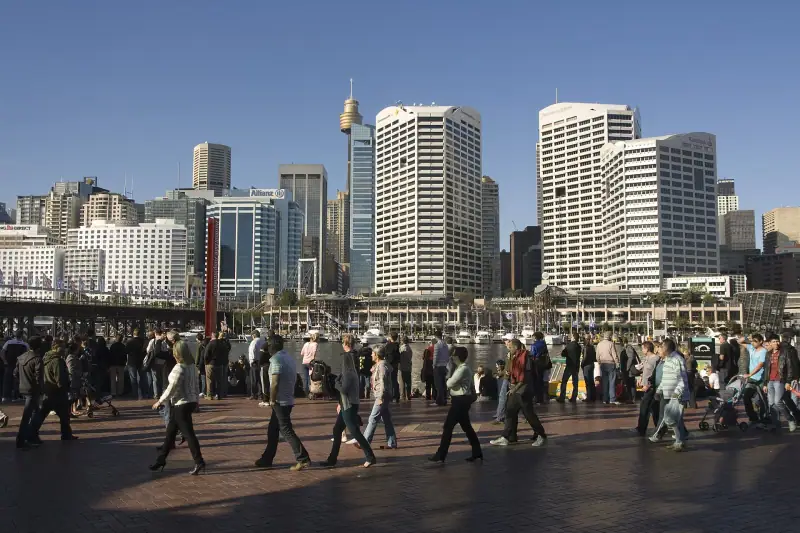
The second day is devoted to the heart of the city. Darling Harbour, a former port district turned leisure area, brings together waterfront promenades, museums, restaurants and family attractions. It is a good option if you travel with children or if the weather is uncertain, as several activities are indoors.
Then head up to the center through the shopping streets. The Queen Victoria Building, a fine late-19th-century building turned into a shopping arcade, is worth the detour for its architecture even if you do not plan to shop. Higher up, the Sydney Tower rises over the center and offers a 360° panorama of the city and the bay.
At the end of the day, return to the waterfront for dinner. Sydney offers very varied food, influenced by Asia and the Pacific, with plenty of choice for every budget. To get an idea of what people eat there, see our guide to Australian food.
Day 3: Bondi Beach and the coastal walk
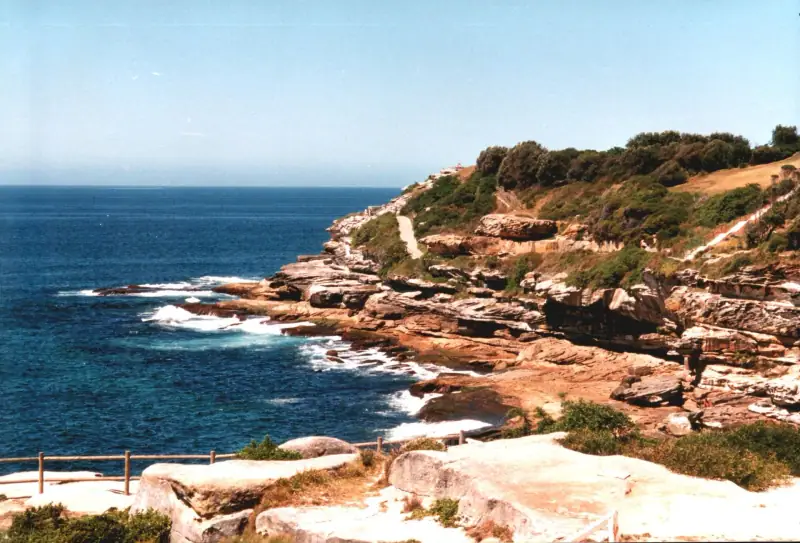
Devote the third day to the ocean. Bondi Beach is the most famous beach in the country, about thirty minutes from the center by public transport. Its wide stretch of sand, its surfers and its relaxed atmosphere make it a highlight, even if you do not swim.
The most pleasant walk follows the coastal path from Bondi to Coogee, about 6 km (3.7 mi). It runs along cliffs, small coves and pools carved into the rock at the edge of the ocean. Allow two to three hours with breaks, and bring water, a hat and sunscreen: the sun is strong, even in the shoulder seasons.
Remember to respect the red and yellow flags on beaches: swimming is only safe in areas patrolled by lifeguards. Currents can be powerful, and this is a rule never to ignore in Australia.
Cruises and tours in Sydney
Bay cruise, Opera House tour, surf lesson: compare the available activities.
Manly: a ferry crossing and one more beach
If you still have energy, or want to replace part of the previous day, Manly is an excellent alternative. The ferry leaves from Circular Quay and crosses the bay in about thirty minutes. It is one of the most beautiful boat rides in the city, with views of the Opera House and the bridge.
In Manly, a pedestrian street links the wharf to the surf beach, with shops, cafés and restaurants. You can spend half a day at the beach, or walk along the shoreline to viewpoints over the entrance to the bay. The atmosphere is calmer and more seaside than in the center, which is welcome after two days of sightseeing.
Day 4: excursion to the Blue Mountains
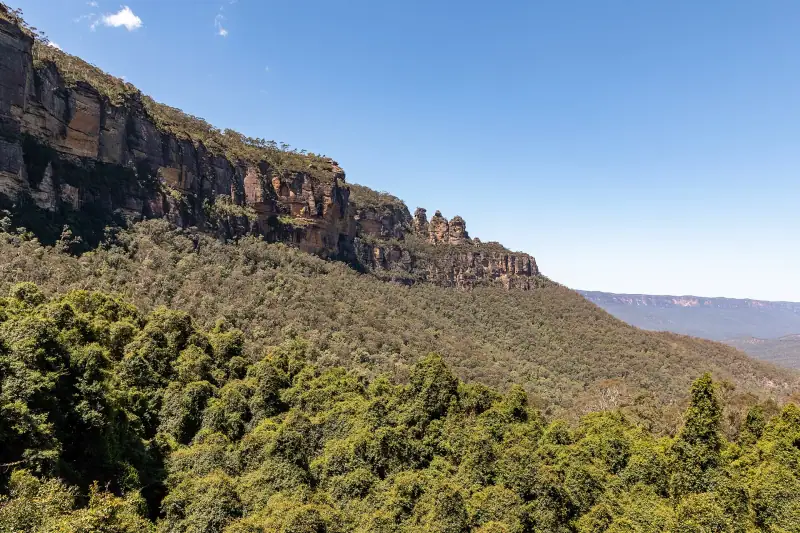
For the last day, leave the city for the Blue Mountains, about a hundred kilometers (62 mi) to the west, a UNESCO World Heritage site. The train from Central Station reaches Katoomba in about two hours, so you can do without a car. You can also rent a vehicle for more freedom with your schedule. If your flight leaves early the next day, our guide to sleeping near Sydney Airport spares you the dawn wake-up.
The best-known site is Echo Point, in Katoomba, from where you can see the Three Sisters, a group of three rock pinnacles overlooking a valley covered in eucalyptus. Several hiking trails descend into the valley, from a simple stroll to a longer walk. Check the condition of the trails before you set out, as some may be closed depending on the weather.
Pack layers: it is often cooler at altitude than in Sydney, and the weather can change fast. Leave early to enjoy a full day without stress about the return.
Flights to Sydney
Compare flights for your dates: fares vary widely between high and low season.
Practical tips for getting around and organizing your trip
Sydney has a public transport network that combines trains, metro, buses, light rail and ferries. A rechargeable card lets you use all of them and limits the cost of trips. Check the current fares before you arrive, as they change regularly.
A few tips to avoid unpleasant surprises:
- Lodging: choose accommodation near a station or a ferry wharf; you will save a lot of time. Our guide to where to stay in Sydney goes through the neighborhoods.
- Season: the Australian summer (December to February) is hot and very busy, and prices rise. See when to visit Australia to choose your period.
- Sun: the UV index is high for much of the year, even in cloudy weather. Sunscreen, a hat and sunglasses are essential.
- Budget: Sydney is one of the most expensive cities in the country, especially for lodging. Our article on the budget for a trip to Australia will help you plan ahead.
How to adapt this itinerary
Four days make a good format for a first taste of Sydney, but the itinerary is easy to adjust. With only three days, drop the Blue Mountains excursion or the Darling Harbour day. With five days, add a second beach day or a visit to Taronga Zoo, reached by ferry.
Above all, do not try to see everything: Sydney is best enjoyed in moments, a waterfront walk, a sunset over the bay, a coffee on a terrace. Keep some slack in your schedule, and if you continue your trip, the Great Ocean Road from Melbourne is an ideal complement.
Sources
- Sydney.com (Destination NSW): figures checked November 2026
- Visit NSW: figures checked November 2026
Frequently asked questions
Are four days enough to visit Sydney?
Yes, four days let you see the big classics (Opera House, Harbour Bridge, The Rocks), enjoy the beaches and take a trip to the Blue Mountains without rushing.
Do you need to rent a car in Sydney?
Not in the city: trains, buses and ferries serve most sights. A car is mainly useful for exploring the surroundings at your own pace, for example the Blue Mountains.
How do you get around Sydney without a car?
The public network combines trains, metro, buses, light rail and ferries, all accessible with a rechargeable transport card. The harbor ferries also offer lovely views of the bay.
What is the best neighborhood to stay in Sydney?
For a first stay, the city center, Circular Quay and The Rocks are practical for transport and sightseeing. Bondi or Manly suit you better if you favor the beach.
When is the best time to visit Sydney?
Spring (September to November) and autumn (March to May) generally offer a pleasant climate. The Australian summer is hot and lively; winter is mild but cooler and wetter.
More Australia guides
Keep reading
Where to stay in Melbourne: neighborhoods, budget and tips for choosing
Where to stay in Melbourne? CBD, Southbank, Fitzroy, Carlton, St Kilda, South Yarra compared: atmosphere, transport and budget to book with confidence.
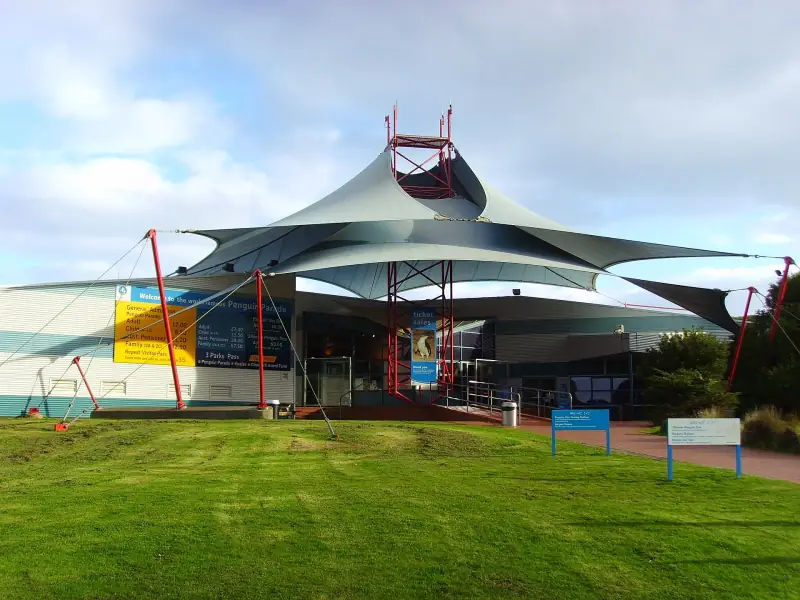
Phillip Island Penguin Parade: booking ahead, prices and getting there from Melbourne
See the Phillip Island penguins from Melbourne: required tickets, prices of the 3 options, arrival time, getting there without a car and with kids.

Wildlife in Australia: where to see kangaroos, koalas and penguins
Where and when to see Australian wildlife: koalas, kangaroos, wombats, Tasmanian devils, penguins, whales. Viewing tips and rules to follow.
Ready-made
Australia itineraries
7 days
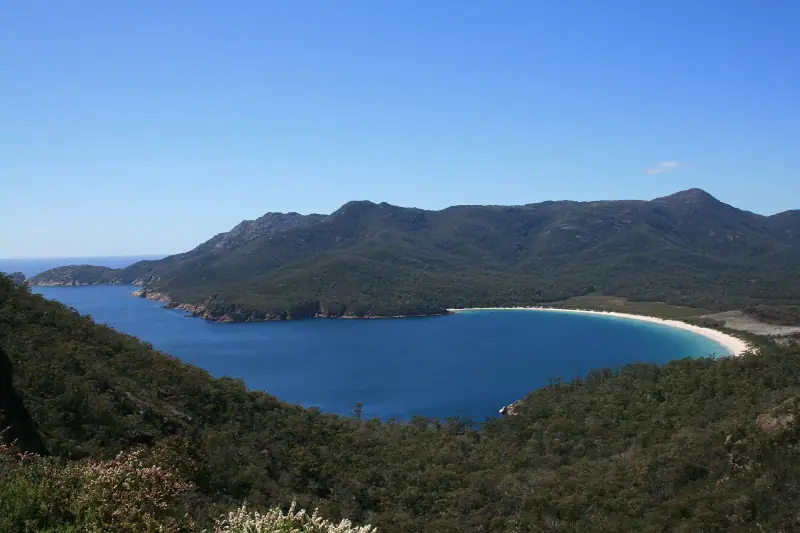
Tasmania in 7 days: a road trip itinerary from Hobart to Launceston
Tasmania in 7 days: Hobart, Port Arthur, Bruny Island, Freycinet and Wineglass Bay, Launceston. Day-by-day itinerary, distances, seasons and driving tips.
3 days
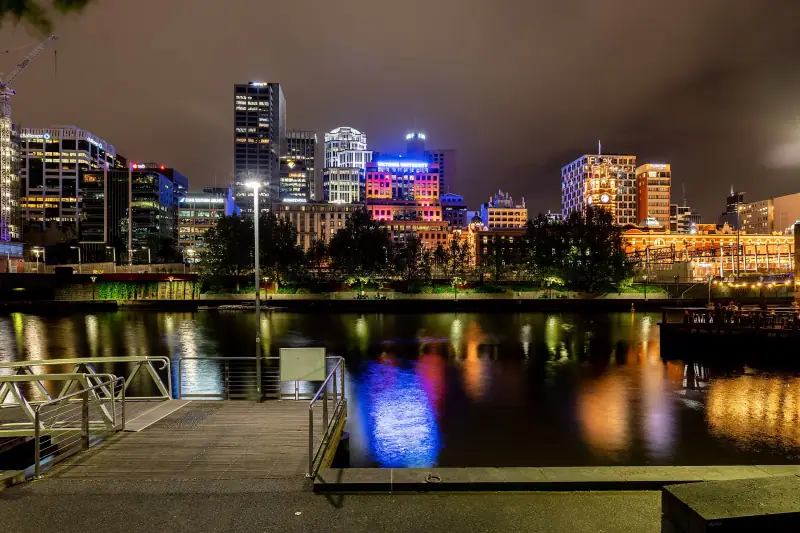
Melbourne in 3 days: a culture, street art and seaside itinerary
What to do in Melbourne in 3 days? Laneways, street art, markets, museums, St Kilda and a nature escape: a day-by-day itinerary with practical tips.
3 days
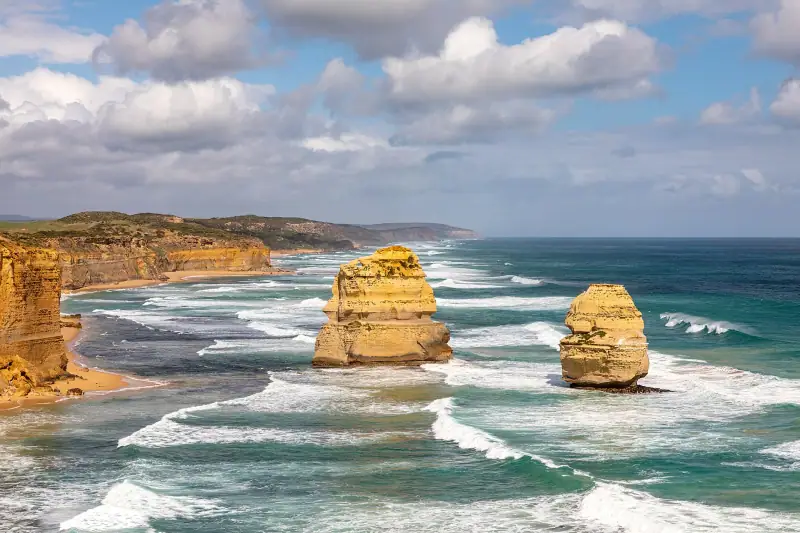
Great Ocean Road in 3 days: an itinerary from Melbourne
Great Ocean Road in 3 days from Melbourne: day-by-day stops, Twelve Apostles, the Otways, koalas, driving on the left, where to sleep and tips.