Where to stay
Where to stay in Sydney: the best neighborhoods for your trip
We may earn a commission when you book through links on this page, at no extra cost to you. We don't visit or try the places we cover: we summarize published sources. How we work
In short
- For a first visit, the center (CBD), Circular Quay and The Rocks are the most practical: main sights on foot and transport converging.
- Surry Hills suits food and local atmosphere; Bondi suits beach and surf but is farther from the center; Manly is reached by ferry from Circular Quay in about half an hour.
- Sydney is one of the most expensive cities in Australia, especially in December and January; spring and autumn offer better value.
- Three to four nights cover the essentials; add one or two for a Blue Mountains excursion.
Choosing where to sleep in Sydney means choosing the kind of stay you will have. The city sprawls around an immense bay, and neighborhoods have neither the same atmosphere nor the same transport links. A hotel right in the center puts you within walking distance of the major landmarks; a room near a beach gives you a completely different rhythm, at the cost of longer trips.
This guide compares the main neighborhoods to help you decide according to your profile: first visit, couple, family, small budget or surf lover. We give orders of magnitude rather than fixed rates, because prices vary strongly by season. To choose your dates, also see our guide on when to visit Australia.
The center (CBD): the most practical for a first time
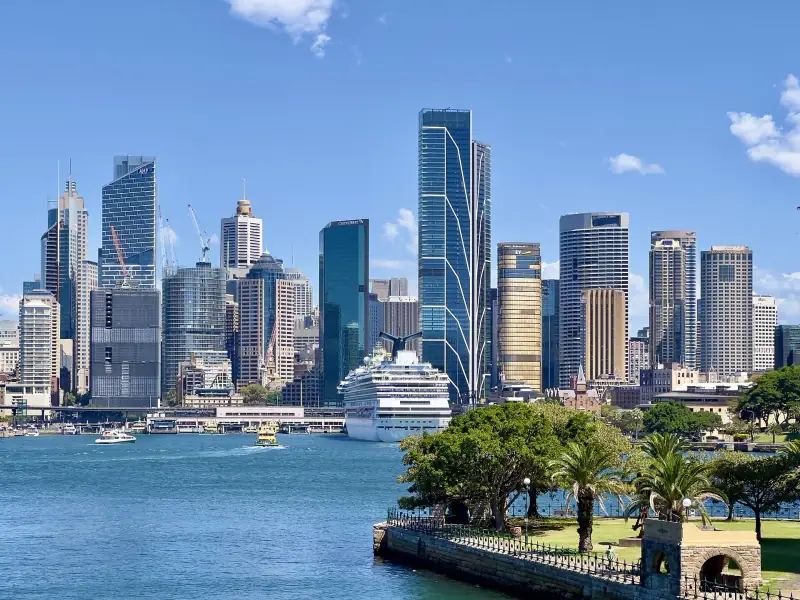
The central business district, the CBD, concentrates hotels of every category, shops, restaurants and stations. It is the simplest base if you are staying a short time: Central Station, the train lines and the airport links are easy to reach there.
Strengths: a wide choice of accommodation, from hostel dorms to big-chain hotels, excellent transport service and the possibility of walking to the waterfront, the botanic gardens and several iconic sights.
Limits: the district is very office-oriented. In the evening, the atmosphere is quieter than in residential neighborhoods, and the street is sometimes noisy because of traffic and roadworks. Rooms with a bay view cost much more.
It suits travelers who want to make the most of their time and get around without a car. Families also find a wide choice of rooms and apartment hotels with kitchens.
Hotels in Sydney
Compare places to stay in the center for your dates, with free cancellation on many offers.
Circular Quay and The Rocks: the postcard location
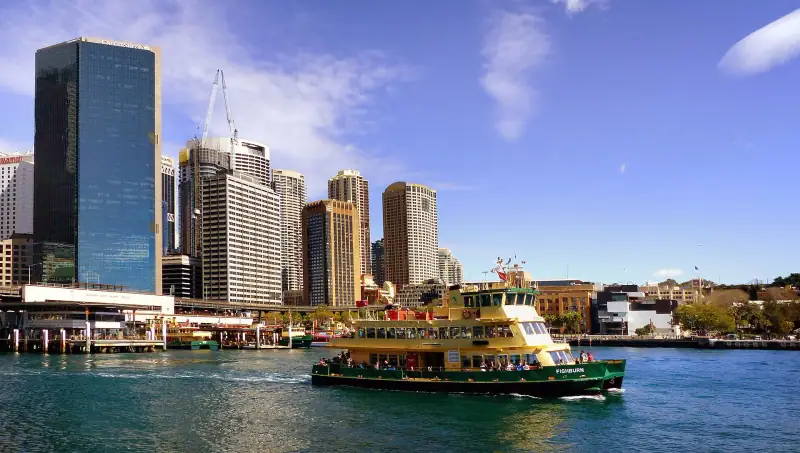
At the northern end of the center, Circular Quay is the departure point for the bay’s ferries. Right next to it, The Rocks is the oldest neighborhood in the city, with its cobbled lanes, historic pubs and weekend markets. From there, you can walk to the Sydney Opera House, the botanic gardens and the Harbour Bridge.
Strengths: the historic atmosphere, the views of the bay, the immediate proximity of the most famous sights and the ferries. It is the ideal place for a memorable first night or a honeymoon.
Limits: it is one of the most touristy and most expensive areas of the city. The district is lively by day and in the evening, but the restaurant supply is geared more to visitors than to residents. Noise from events and cruises can bother exposed rooms.
It suits travelers who want to walk everywhere, sleep at the foot of the landmarks and are willing to pay for this location.
Surry Hills and Darlinghurst: neighborhood life
Southeast of the center, Surry Hills has become Sydney’s trendy neighborhood: specialty cafés, varied restaurants, bars, designer boutiques and galleries. Darlinghurst, close by, has a more nocturnal and bohemian identity, with a marked cultural and nightlife scene.
Strengths: an authentic local atmosphere, a very good supply of cafés and restaurants, quick access to the center on foot or by transport and rates often more reasonable than on the waterfront. You find charming hotels, small boutique hotels and apartments.
Limits: the district is dense and hilly in places. Some streets are lively late at night, which may matter if you are a light sleeper. Check the exact location of the accommodation relative to the station and bus stops.
It suits travelers who like to eat and go out, and who prefer the atmosphere of a lively neighborhood to that of a business center.
Bondi: for beach and surf lovers
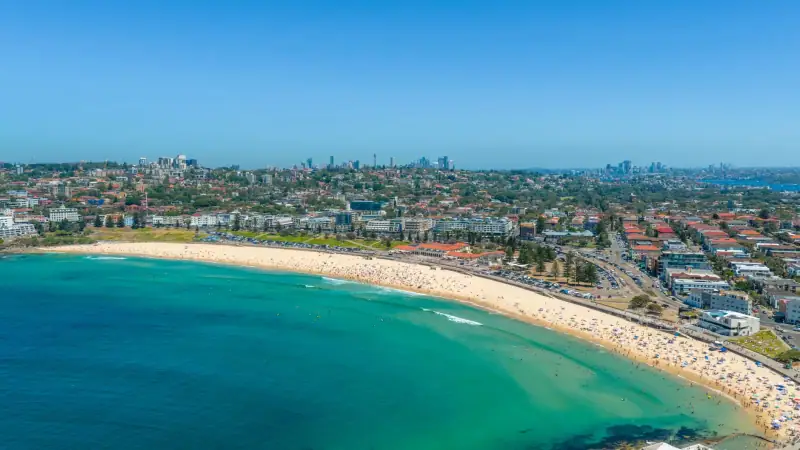
Bondi Beach is the most famous beach in Australia. The neighborhood mixes surfers, joggers, beach cafés and relaxed boutiques. The coastal path that links to the neighboring beaches is one of the most popular walks in the city.
Strengths: the seaside atmosphere, the chance to swim and surf, surf lessons accessible to beginners, and pleasant sunsets. In the Australian summer, the neighborhood is very lively.
Limits: Bondi is not directly served by train. You generally get there by bus from Bondi Junction, which adds time to reach the center. In summer, the beach and the streets are packed, and accommodation is expensive for its size. Off-season, the mood is calmer and swimming less tempting.
It suits stays of several nights, travelers who have already seen the big landmarks, and those who want to mix city and beach. If you travel in the Australian winter, favor a central neighborhood instead: swimming is not very tempting then.
Activities and tours in Sydney
Bay cruises, guided tours, Blue Mountains: compare the offers and book ahead.
Manly: seaside life, with a ferry for a commute
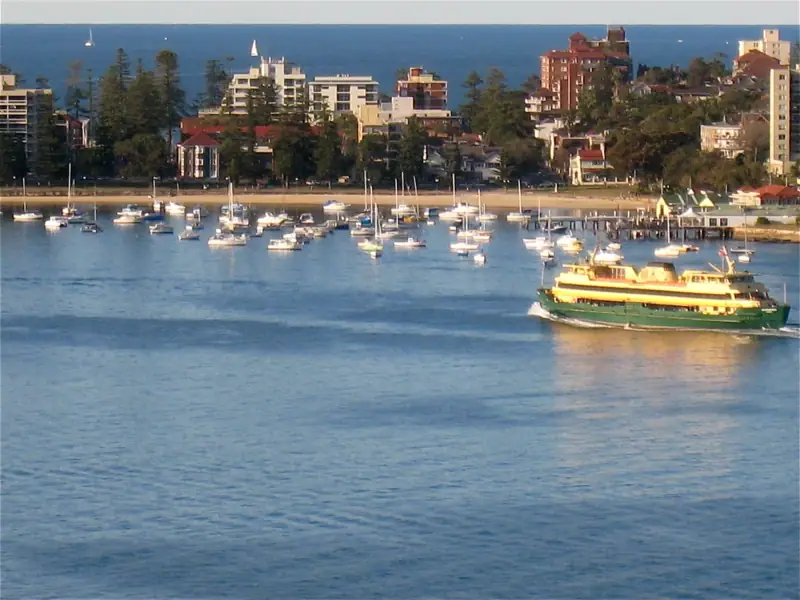
On the other side of the bay, Manly has a seaside resort atmosphere. A pedestrian thoroughfare links the ferry wharf to the ocean beach. The ferry ride from Circular Quay takes about half an hour and is part of the charm of the stay: you enjoy the bay, the Opera House and the bridge from the water.
Strengths: a relaxed atmosphere, surf beaches, a pleasant setting for families, and access to the center without going through traffic jams. In the evening, the ferry back offers lovely views.
Limits: the ferry schedule paces your days, and you need to allow a margin in rough weather. There is less accommodation than in the city center, and late evenings are calmer.
It suits families, couples looking for calm and travelers who stay several days and enjoy the rhythm of a small coastal town.
Newtown, Glebe and Paddington: more local neighborhoods
If you have already visited Sydney or like to leave the beaten path, several residential neighborhoods deserve a detour.
- Newtown: an alternative, student neighborhood, known for its bookstores, cafés, murals and music scene. Accommodation is more modest, with hostels and small hotels.
- Glebe: a village atmosphere, markets, parks and cafés, close to the university and the center.
- Paddington: Victorian houses, galleries and boutiques, for an elegant residential feel.
These neighborhoods are well linked to the center by bus or light rail, but need a bit more organization. They appeal to those who like walking the streets, discovering local spots and sleeping away from the crowds.
What budget for accommodation in Sydney?
Sydney is one of the most expensive cities in the country, and rates vary strongly by season and location. A few general benchmarks:
- Hostels: the cheapest option, in a dorm or private room, mainly in the center, Kings Cross and Newtown.
- Mid-range hotels: plentiful in the CBD and Surry Hills, with large price gaps between low and high season.
- Upscale and waterfront hotels: the most expensive, especially around Circular Quay, with a premium for bay views.
- Apartments and short-term rentals: practical for families and stays of several days, with a kitchen to cut the food budget.
The calendar plays a major role: December and January, with Australian school holidays and New Year, are the most expensive and fullest periods. Spring and autumn generally offer better value. In all cases, check the total price including taxes and any fees.
Getting around from your accommodation
Sydney’s public transport is paid with the Opal card or, in some cases, by contactless payment with a bank card. It covers trains, buses, light rail and ferries. To limit surprises:
- check the distance between your accommodation and a station or ferry stop, which matters more than the distance to the center;
- read recent reviews about noise, especially on lively streets;
- avoid renting a car just to stay in the city: parking is expensive and traffic is dense. It becomes useful if you plan a road trip outside Sydney afterward.
For arrival, the airport is linked to the center by train, which makes neighborhoods near a station particularly practical on arrival and departure days. For a very early flight or a late arrival, also see our guide to sleeping near Sydney Airport.
Flights to Sydney
Compare flights for your dates: fares vary widely between high and low season.
Which neighborhood to choose?
To decide quickly:
- First visit, 3 to 4 nights: the center, Circular Quay or The Rocks, to do everything on foot.
- Food and local atmosphere: Surry Hills or Darlinghurst.
- Beach and surf: Bondi, with the constraint of the trip to the center.
- Family or a quiet stay: Manly, with the ferry as an asset.
- Small budget: a hostel or simple hotel in Newtown, Glebe or near a station in the center.
Book early, especially for December and January, favor offers with free cancellation until your dates are fixed, and keep a margin in your budget: Sydney rewards those who plan ahead.
Frequently asked questions
What is the best neighborhood to stay in Sydney for a first visit?
The center (CBD), Circular Quay and The Rocks are the most practical: the main sights can be visited on foot and transport (train, ferry, light rail) converges there. Surry Hills is a good alternative, livelier and trendier, a few minutes from the center.
Should you stay at Bondi Beach?
It is pleasant if your priority is the beach and the surf atmosphere, especially in the Australian summer. However, Bondi is farther from the center and the link is by bus, after a train ride to Bondi Junction. For a short stay centered on sightseeing, a central neighborhood is more practical.
Is Sydney an expensive city for accommodation?
Yes, Sydney is among the most expensive cities in Australia, especially in December-January, during New Year and big events. Booking early, traveling in the shoulder season and staying a bit outside the center can lower the bill.
How do you get around between neighborhoods?
The public network combines trains, buses, light rail and ferries, accessible with the Opal card or contactless payment. The ferries from Circular Quay are part of the experience, especially the crossing to Manly.
How many nights should you plan in Sydney?
Three to four nights let you see the highlights (bay, Opera House, Harbour Bridge, beaches) without rushing. Add one or two nights if you want an excursion to the Blue Mountains.
More Australia guides
Keep reading
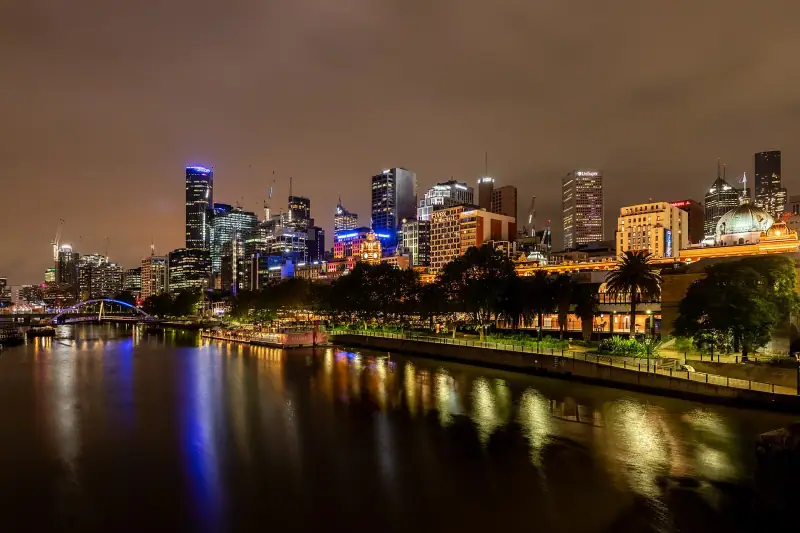
Where to stay in Melbourne: neighborhoods, budget and tips for choosing
Where to stay in Melbourne? CBD, Southbank, Fitzroy, Carlton, St Kilda, South Yarra compared: atmosphere, transport and budget to book with confidence.
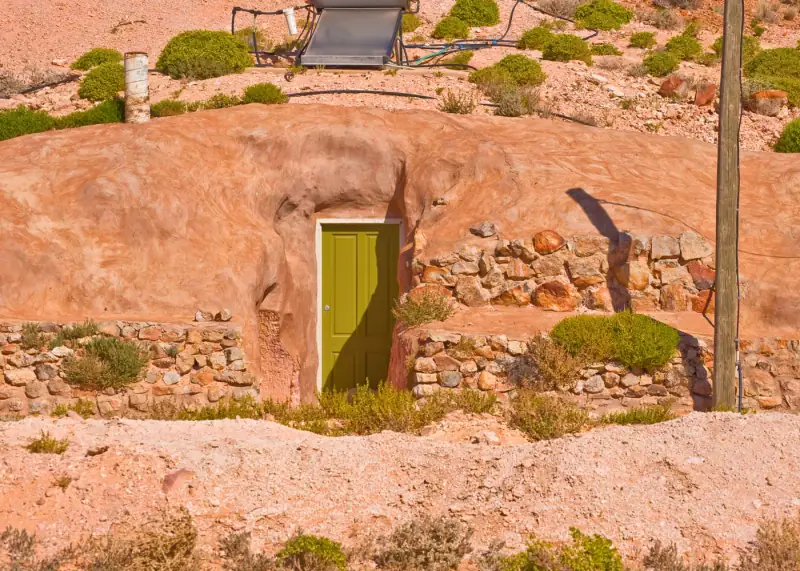
Sleeping in Coober Pedy: underground hotel, cave motel or dorm?
Where to sleep in Coober Pedy? Underground hotel, cave motel, dorm or apartment dug into the rock: how to choose, when to book, what to know first.
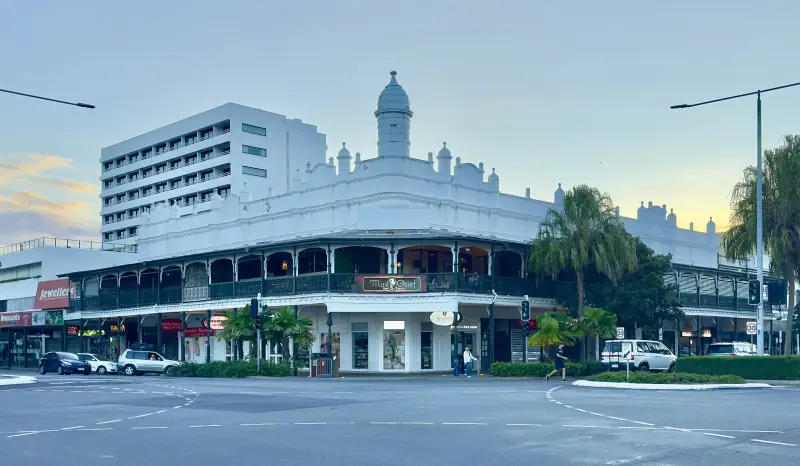
Where to stay in Cairns: neighborhoods, northern beaches and tips for choosing
Where to stay in Cairns? Compared: city center and Esplanade, Palm Cove, northern beaches, Port Douglas. Budget, seasons, transport and tips.
Ready-made
Australia itineraries

7 days
Tasmania in 7 days: a road trip itinerary from Hobart to Launceston
Tasmania in 7 days: Hobart, Port Arthur, Bruny Island, Freycinet and Wineglass Bay, Launceston. Day-by-day itinerary, distances, seasons and driving tips.
3 days
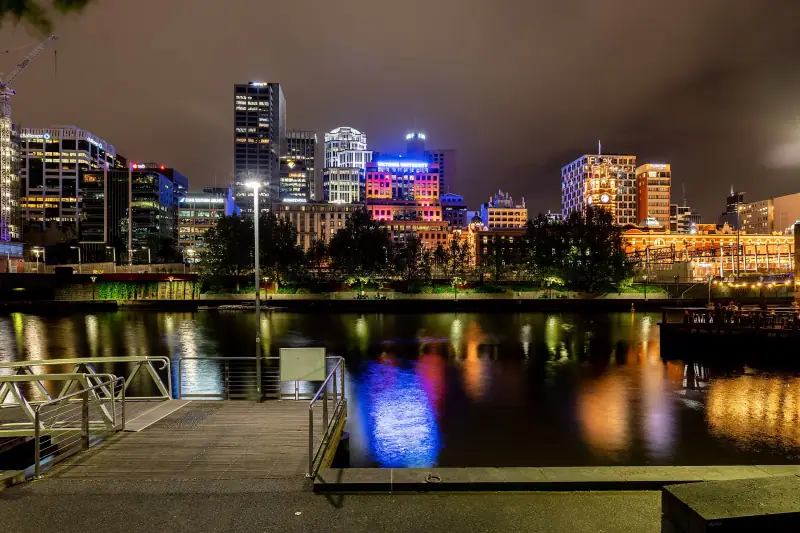
Melbourne in 3 days: a culture, street art and seaside itinerary
What to do in Melbourne in 3 days? Laneways, street art, markets, museums, St Kilda and a nature escape: a day-by-day itinerary with practical tips.

4 days
Sydney in 4 days: a day-by-day itinerary to see it all
Sydney in 4 days: Opera House, Harbour Bridge, Bondi, Manly and the Blue Mountains. A day-by-day itinerary with transport and accommodation tips.