Plan your trip
When to visit Australia: the best time by region
We may earn a commission when you book through links on this page, at no extra cost to you. We don't visit or try the places we cover: we summarize published sources. How we work
In short
- There is no single ideal period: spring (September to November) and autumn (March to May) suit most multi-region trips.
- The tropical north is best in the dry season, May to October; the wet season runs roughly from November to April, with cyclone risk.
- Uluru is most pleasant from about May to September; summer temperatures can exceed 40 °C (104 °F).
- Australian school holidays (December to January) raise prices and crowds; humpback whales migrate generally from June to November.
Choosing the date of your trip to Australia is less simple than it looks. The country is almost as vast as Europe, stretching from the tropical climate of the north to the cool winters of Tasmania, and its seasons are reversed relative to the northern hemisphere. When it is 35 °C (95 °F) in Sydney in January, the Australian Alps are a hiking destination, and at the same time Cairns is in its wet season.
This guide helps you decide: understand the season calendar, spot the best period for each major region, avoid the pitfalls (extreme heat, cyclones, jellyfish, school holiday crowds) and time your trip around the events or wildlife you dream of seeing.
Understanding the Australian seasons
Australia is in the southern hemisphere: the seasons are therefore reversed relative to the northern hemisphere.
- Australian summer: December to February
- Australian autumn: March to May
- Australian winter: June to August
- Australian spring: September to November
This rule applies to the southern half of the country (Sydney, Melbourne, Adelaide, Perth, Tasmania). In the tropical north, people speak instead of two seasons:
- the dry season, roughly May to October: clear skies, moderate humidity, pleasant temperatures;
- the wet season, roughly November to April: oppressive heat, severe storms, roads sometimes cut and a risk of cyclones.
Between the two, the Red Centre has a desert climate, with large swings between day and night and big seasonal differences.
The trap of immensity
A traveler planning a “grand tour” has to accept a compromise: there is no month when all regions are at their best. If you want to combine Sydney, Uluru and the Great Barrier Reef, spring and autumn are generally the most balanced periods. If you have the choice, focus your trip on two or three regions rather than trying to see everything: distances are considerable and domestic flights take several hours.
Sydney and New South Wales

Sydney enjoys a humid subtropical temperate climate: hot, humid summers and mild, mostly sunny winters.
Summer (December to February): this is the season for beaches, swimming and boat trips on the harbor. Days are hot, with sometimes brief but intense storms. It is also the peak tourist season: lodging is more expensive and bookings need to be made ahead. New Year’s Eve there is famous for its fireworks over the bay.
Autumn (March to May): an excellent period. The heat drops, the sea stays pleasant early in the season and crowds thin out. It is a very good time to hike in the Blue Mountains.
Winter (June to August): days stay mild, often sunny, even if evenings are cool. Swimming is not very tempting, but the city is very pleasant to visit. The Vivid Sydney festival, an event of lights and projections that illuminates the city, is generally held in late May and in June. It is also a good period for watching whales from the coast.
Spring (September to November): gardens bloom, temperatures rise and prices stay more reasonable than in summer. It is one of the most pleasant times for a first visit.
Hotels in Sydney
Compare places to stay for your dates, with free cancellation on many offers.
Melbourne, Victoria and the Great Ocean Road
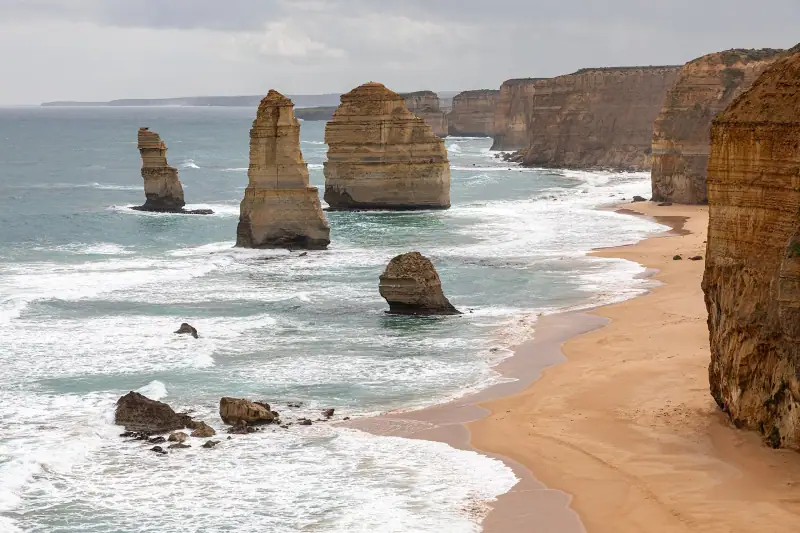
Melbourne has a reputation for offering “four seasons in one day”: a cool morning, a sunny afternoon, a shower in the evening. It pays to pack layers, whatever the season.
Summer (December to February): days are long and often hot, with the occasional heat spike. It is the best period for driving the Great Ocean Road and enjoying the beaches and coastal scenery. The Australian Open tennis tournament takes place in January: lodging in the city is then in very high demand.
Autumn (March to May): temperatures are pleasant, the light is soft, and the city is busy with festivals, cafés and cultural life. The Formula 1 Grand Prix is traditionally held in early autumn, around March.
Winter (June to August): cool, gray and rainy at times, but the city remains pleasant for its museums, restaurants and neighborhoods to explore. The Great Ocean Road can be windier and the sea rougher, which also makes for spectacular scenery.
Spring (September to November): changeable, with sometimes cool days and showers. Flowers are abundant and crowds are more moderate.
For the Great Ocean Road
If the main goal is the coastal road, aim for late spring, summer or early autumn, when the weather is more settled and days are longer. In summer, the most famous viewpoints are also the busiest: leaving early in the morning remains the best strategy.
Queensland and the Great Barrier Reef
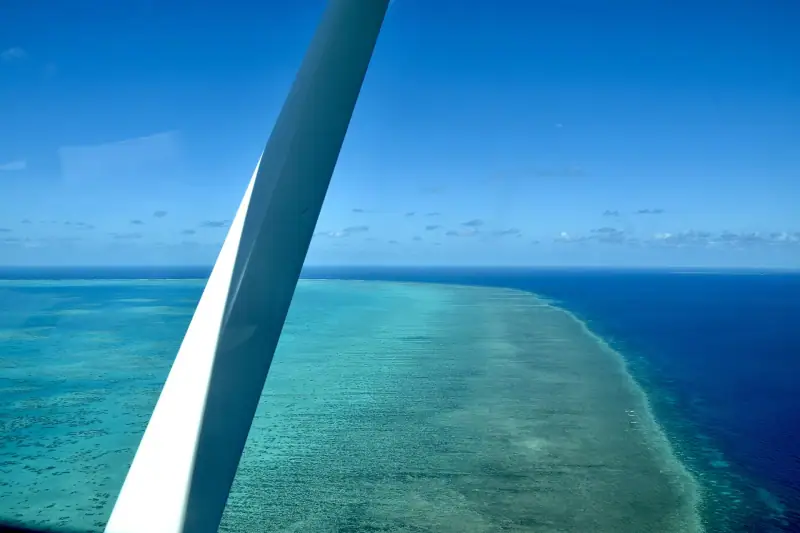
This is where the choice of season matters most. Tropical Queensland (Cairns, Port Douglas, the Whitsunday Islands) alternates between a very pleasant dry season and a less comfortable wet season.
Dry season (May to October): this is the best period for most travelers. Days are sunny, humidity is more bearable, the sea is generally calmer and underwater visibility is often good. It is therefore the busiest period for diving and snorkeling fans.
Wet season (November to April): high heat and humidity, tropical storms and sometimes very heavy rain. The region is also affected by the risk of cyclones, mainly in the middle and end of the season. Some roads can be temporarily cut. For travelers, this period has one advantage: prices are often lower and the rainforest is an intense green. But the weather can disrupt boat excursions.
Dangerous jellyfish
Between October-November and about May, venomous jellyfish frequent the tropical waters of Queensland. Patrolled beaches are equipped with protective nets and freely available vinegar. On trips to the reef, operators generally provide full-body suits. Always respect the signs and the instructions of lifeguards.
Great Barrier Reef tours
Diving, snorkeling and day cruises from Cairns: compare the offers.
Red Centre: Uluru and Kings Canyon
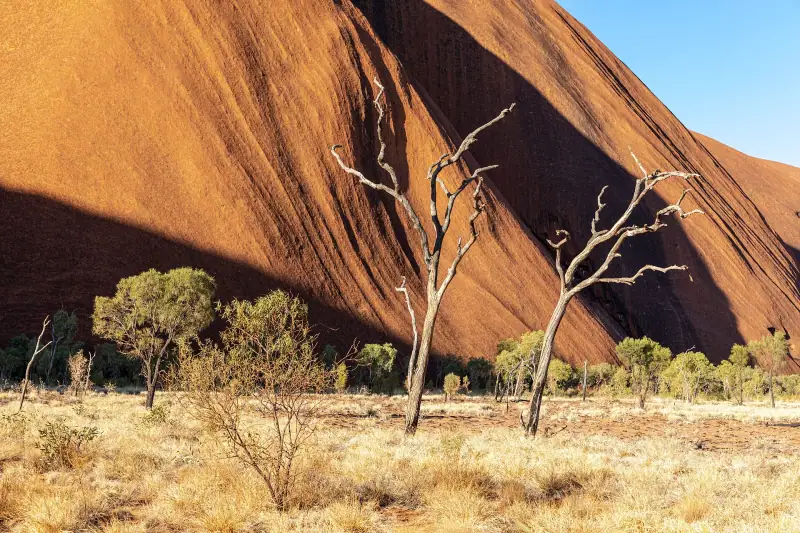
The Australian desert is a world of contrasts. Days can be hot, nights freezing, and the difference between summer and winter is considerable.
Summer (December to February): very hot. Temperatures regularly exceed 35 °C (95 °F) and can reach more than 40 °C (104 °F). Park authorities recommend limiting walks to the early hours of the morning and carrying plenty of water. Some trails may be closed in extreme heat. Occasional storms and rain are possible, sometimes giving striking sights with temporary waterfalls on the rock.
Winter (June to August): days are mild and dry, ideal for walking. Nights, however, can be very cold and drop near 0 °C (32 °F) in the middle of the desert. Pack warm clothes for sunrise and sunset.
Shoulder seasons (March to May, September to October): often the best compromise, with pleasant temperatures by day and more bearable nights. This is the period often suggested if you can choose.
Flies
In the outback, flies can be very invasive, especially in spring and summer. Many travelers bring a face net, sold in local souvenir shops. It may seem trivial, but it really changes the comfort of the visit.
Western Australia: Perth and the Coral Coast
Perth enjoys a Mediterranean climate: hot, dry summers and mild, wetter winters. It is one of the sunniest major Australian cities.
Summer (December to February): hot and dry, perfect for beaches and outdoor life. Heat spikes can be significant. In the regions farther north (Pilbara, Kimberley), the heat is extreme and the cyclone season begins.
Autumn and spring: pleasant, with mild temperatures and fewer people. Spring is known for the wildflower bloom in several regions of the state, generally between late winter and late Australian spring.
Winter (June to August): cooler and wetter in Perth, but generally mild. In the north of the state, the dry season offers ideal conditions for excursions.
Swimming with whale sharks
On the Coral Coast (Ningaloo), encounters with whale sharks are possible during part of the year, generally between about March and July. Licensed operators supervise these trips under strict wildlife protection rules. Check their calendars to time your trip.
Tasmania
The island at the south of the country has a cool temperate climate, much closer to that of western Europe than to the rest of Australia.
Summer (December to February): this is the best season for hiking, with long days and the mildest temperatures. It is also high season: national park lodging and the most popular trails are very busy, and you need to book early.
Autumn (March to May): a lovely period, with fall colors in some mountain areas and thinner crowds.
Winter (June to August): cold, sometimes snowy at altitude. Some mountain roads and trails may be closed. The mood is quieter, and it is also a season of cultural and food festivals in the capital.
Spring (September to November): cool, with possible rain and changeable weather, but vegetation in full revival.
Whatever the season, the weather can change very fast in Tasmania, especially in the mountains: always pack warm, waterproof clothes.
Summary: best period by region
| Region | Best period | To avoid or plan for |
|---|---|---|
| Sydney | September to November, March to May | High season from December to February |
| Melbourne | March to May, December to February | Changeable weather all year |
| Great Ocean Road | December to April | Winter: rough sea and short days |
| Cairns and the Great Barrier Reef | May to October | November to April: rain, cyclones, jellyfish |
| Uluru and the Red Centre | May to September | Summer: extreme heat |
| Perth and the southwest | September to May | Winter cooler and wetter |
| Tasmania | December to March | Winter: cold and possible closures |
High season, low season and prices
The Australian school calendar strongly influences prices and crowds. The long summer holidays generally run from December to the end of January: Australian families travel en masse, and beach destinations are overrun. Lodging, rental cars and popular excursions are then more expensive and need to be booked early.
Conversely, some periods offer a better balance of price and comfort:
- March to May: pleasant temperatures, few crowds, lower rates after the summer;
- September to November: ideal climate in the south of the country, before the end-of-year rush;
- June to August: low season in the south, high season in the tropical north for travelers escaping the cold.
If your budget is tight, autumn and spring are generally the most attractive periods. To go further, see our tips on booking lodging early and comparing packages.
Flights to Australia
Compare flights for your dates: fares vary widely between high and low season.
Wildlife and events: going according to your wishes
Rather than choosing only by weather, you can time your trip around what you want to see or experience.
- Humpback whales: their migration along the east and west coasts generally takes place from June to November. Viewing sites and the best months vary by region.
- Whale sharks: on the Coral Coast, roughly March to July.
- Diving on the Great Barrier Reef: possible all year, with good conditions especially in the dry season.
- Western Australia wildflowers: from late winter to the Australian spring.
- Festivals and sporting events: the Australian Open in January in Melbourne, Vivid Sydney in late May-June, the New Year’s Eve fireworks in Sydney.
For any event, check the exact dates with the organizers: they can vary from year to year.
Natural hazards to know
Traveling in Australia also means dealing with powerful nature. Three risks deserve to be anticipated when choosing your dates.
Extreme heat. In summer, temperatures can be very high in many inland regions. Avoid long walks in full sun, drink plenty and respect the trail closures decided by the authorities.
Bushfires. They occur mostly in summer in the south of the country, when the weather is hot, dry and windy. Check the official alerts of the local fire services before hitting the road, and always have a plan B for your stops.
Cyclones and floods. In the north, the wet season can cause significant disruption. If you travel in this period, allow some flexibility and travel insurance that covers weather-related cancellations.
Adapting your transport to the season
The choice of period also influences how you travel. In the dry season, outback tracks are generally more passable, but you should always check road conditions before leaving. In the wet season, some roads in the tropical north may be flooded or temporarily closed.
For a road trip, favor spring or autumn: distances are long, and driving in summer heat or on wet roads adds fatigue. Also respect local safety rules: driving is on the left, and wild animals are more active at dawn and dusk.
Final advice
If you were to keep just one idea: first choose the region that matters most to you, then the season that suits it best.
- First trip, Sydney, Melbourne and Uluru circuit: September-October or April-May.
- Great Barrier Reef and the tropical north: June to September.
- Road trip in the south and Tasmania: January to March.
- Budget trip: shoulder seasons, outside Australian school holidays.
In all cases, book your flights and lodging as early as possible, check the weather conditions and official alerts a few days before each stage, and keep some room to maneuver in your schedule. Australia rewards prepared and flexible travelers.
Frequently asked questions
What is the best time to visit Australia?
There is no single ideal period, because the country is immense. For a trip combining several regions, spring (September to November) and autumn (March to May) offer the best compromise. For the tropical north, favor the dry season from May to October; for the south and Tasmania, the Australian summer from December to February.
When is the rainy season in Australia?
In the tropical north (Cairns, Darwin, the Top End), the wet season runs roughly from November to April, with intense rain, high humidity and a risk of cyclones. The south of the country has no marked rainy season: rainfall there is more frequent in winter.
Can you go to Australia in the Australian summer?
Yes, it is even the most popular period for Sydney, Melbourne, the Great Ocean Road and Tasmania. However, it is very hot in the Red Centre, and the tropical north is in the middle of its wet season. Australian school holidays (December to January) also push up prices and crowds.
When can you see whales in Australia?
Humpback whales travel along the east and west coasts of the country during their migration, generally from June to November depending on the region. The best times vary from site to site: ask local operators for the region you are visiting.
Should you avoid the dangerous jellyfish season?
In the tropical waters of Queensland and the north, dangerous jellyfish ("stingers") are present in summer, roughly from October-November to May. During this period, people swim in net-protected areas or in a full-body suit, following the instructions of local lifeguards.
What is the best month to visit Uluru?
The Australian winter and its edges (about May to September) are the most pleasant: days are mild and good for walking. In summer, temperatures can exceed 40 °C (104 °F) and walks are limited to the coolest hours. Winter nights, however, can be very cold.
More Australia guides
Keep reading

Australia trip budget: how much to plan for your stay
Australia trip budget: flights, lodging, transport, meals and activities. Ranges by item, two-week examples and tips to cut the bill.
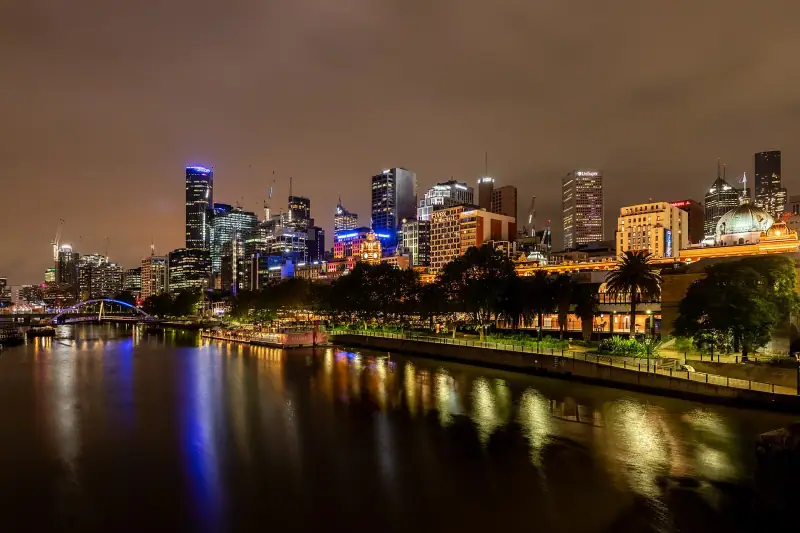
Where to stay in Melbourne: neighborhoods, budget and tips for choosing
Where to stay in Melbourne? CBD, Southbank, Fitzroy, Carlton, St Kilda, South Yarra compared: atmosphere, transport and budget to book with confidence.

Phillip Island Penguin Parade: booking ahead, prices and getting there from Melbourne
See the Phillip Island penguins from Melbourne: required tickets, prices of the 3 options, arrival time, getting there without a car and with kids.
Ready-made
Australia itineraries

7 days
Tasmania in 7 days: a road trip itinerary from Hobart to Launceston
Tasmania in 7 days: Hobart, Port Arthur, Bruny Island, Freycinet and Wineglass Bay, Launceston. Day-by-day itinerary, distances, seasons and driving tips.

3 days
Melbourne in 3 days: a culture, street art and seaside itinerary
What to do in Melbourne in 3 days? Laneways, street art, markets, museums, St Kilda and a nature escape: a day-by-day itinerary with practical tips.

4 days
Sydney in 4 days: a day-by-day itinerary to see it all
Sydney in 4 days: Opera House, Harbour Bridge, Bondi, Manly and the Blue Mountains. A day-by-day itinerary with transport and accommodation tips.