Itineraries
Tasmania in 7 days: a road trip itinerary from Hobart to Launceston
We may earn a commission when you book through links on this page, at no extra cost to you. We don't visit or try the places we cover: we summarize published sources. How we work
Day by day
- Day 1Hobart: waterfront, Battery Point, Salamanca Place, Mount Wellington
- Day 2Tasman Peninsula and Port Arthur historic site
- Day 3Bruny Island by car ferry, The Neck, coast
- Day 4Drive up the east coast to Coles Bay, Freycinet
- Day 5Wineglass Bay and Freycinet National Park
- Day 6Drive to Launceston, Cataract Gorge, Tamar Valley
- Day 7Midland Highway back to Hobart
Weather through the year on this route
| Jan | Feb | Mar | Apr | May | Jun | Jul | Aug | Sep | Oct | Nov | Dec | |
|---|---|---|---|---|---|---|---|---|---|---|---|---|
| High °F (°C) | 7625 | 7625 | 7323 | 6619 | 6016 | 5614 | 5513 | 5513 | 5815 | 6418 | 6820 | 7222 |
| Low °F (°C) | 5815 | 5815 | 5714 | 5412 | 5010 | 468 | 457 | 457 | 468 | 489 | 5211 | 5513 |
| Rain in (mm) | 2.050 | 1.950 | 1.845 | 2.460 | 2.565 | 3.075 | 2.975 | 3.180 | 3.075 | 2.770 | 2.770 | 2.360 |
Normals 1991–2020 at Melbourne and Apollo Bay: averages over 30 years, not a forecast. Source: NASA POWER (MERRA-2), grid of about 50 km. Figures computed by us in November 2026.
In short
- One week loops the south and east of the island from Hobart: Port Arthur, Bruny Island, Freycinet and Wineglass Bay, then Launceston.
- Most stages take between one and three hours; the longest drive is Hobart to Freycinet, about 200 km (124 mi) or nearly three hours with stops.
- A rental car is the most practical option, as public transport serves few national parks; drive on the left and avoid dawn and dusk, when wildlife crosses the road.
- National parks generally require a paid pass; check the official parks website before you go.
Tasmania is the large island southeast of the Australian mainland, and it is unlike any other part of the country: rainforests, white-sand beaches, mountains, small colonial towns and a very active food scene. It is well suited to driving, as distances stay reasonable.
This one-week itinerary loops the south and east of the island from Hobart. It avoids long days on the road: most stages last between one and three hours. To choose your dates, see also our guide on when to visit Australia, and to estimate your spending, our article on the budget for a trip to Australia.
Day 1: Hobart, harbor and market

Hobart is the island’s capital, set between the Derwent estuary and Mount Wellington. The center is explored on foot: the waterfront, the historic district of Battery Point and Salamanca Place, lined with former sandstone warehouses turned into galleries, cafés and restaurants. If you are there on a Saturday, the Salamanca Market is a city classic.
The MONA museum of contemporary art, set on the riverbank, deserves half a day if you like modern art. It can be reached by car or by river from the center. At the end of the day, go up Mount Wellington, which overlooks the city at about 1,270 meters (4,170 ft): the view over the bay is superb in clear weather, but it is much cooler and windier there than in town.
For the night, favor the center or Battery Point, which let you go out on foot in the evening.
Hotels in Hobart
Compare places to stay in the center and Battery Point for your dates, and book early in summer.
Day 2: the Tasman Peninsula and Port Arthur
The Tasman Peninsula is reached from Hobart in about an hour and a half of driving, roughly 100 km (62 mi). The Port Arthur historic site is the island’s major attraction: a former 19th-century British penal colony, it preserves ruins, restored buildings and waterside gardens. Allow half a day to a full day depending on your interest in history.
The peninsula is also known for its dolerite cliffs and coastal trails. If the weather allows, add a short walk to a viewpoint over the coast before returning to Hobart. You can also sleep on the peninsula to avoid getting back on the road at the end of the day.
A guided excursion from Hobart is an option if you do not want to drive that day.
Day 3: Bruny Island
Bruny Island is reached from the south of Hobart: you drive to the coast, then drive onto a car ferry for a short crossing. Allow some slack in high season, as the wait can lengthen.
The island is known for its coastal scenery, cliffs, isolated beaches and local products, notably seafood, cheese and oysters. A narrow isthmus, “The Neck”, links the north and south of the island and offers a lovely viewpoint. Nature lovers can also choose a wildlife and cliff-watching cruise from the island.
Come back to sleep in Hobart or stay on the island, which offers simple accommodation, to be booked ahead.
Tours in Tasmania
Port Arthur, Bruny Island, Wineglass Bay: compare guided tours from Hobart.
Day 4: heading to the east coast and Freycinet
Today is the longest drive of the week: Hobart is about 200 km (124 mi) from the Freycinet Peninsula, or nearly three hours of driving with stops. The road follows the east coast, with several chances to stop for a beach, a village or an oyster or wine tasting.
Settle in at Coles Bay, a small village at the foot of the pink granite mountains called The Hazards. Depending on your arrival time, take a first walk to a nearby beach, or save your energy for the next day. Book accommodation well ahead in summer: supply is limited.
Where to stay near Freycinet
Coles Bay and surroundings: supply is limited, compare availability now.
Day 5: Wineglass Bay and Freycinet National Park
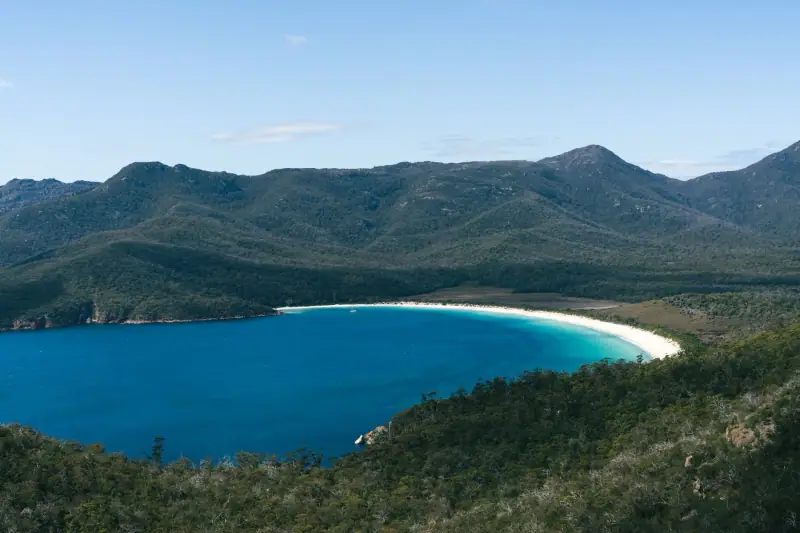
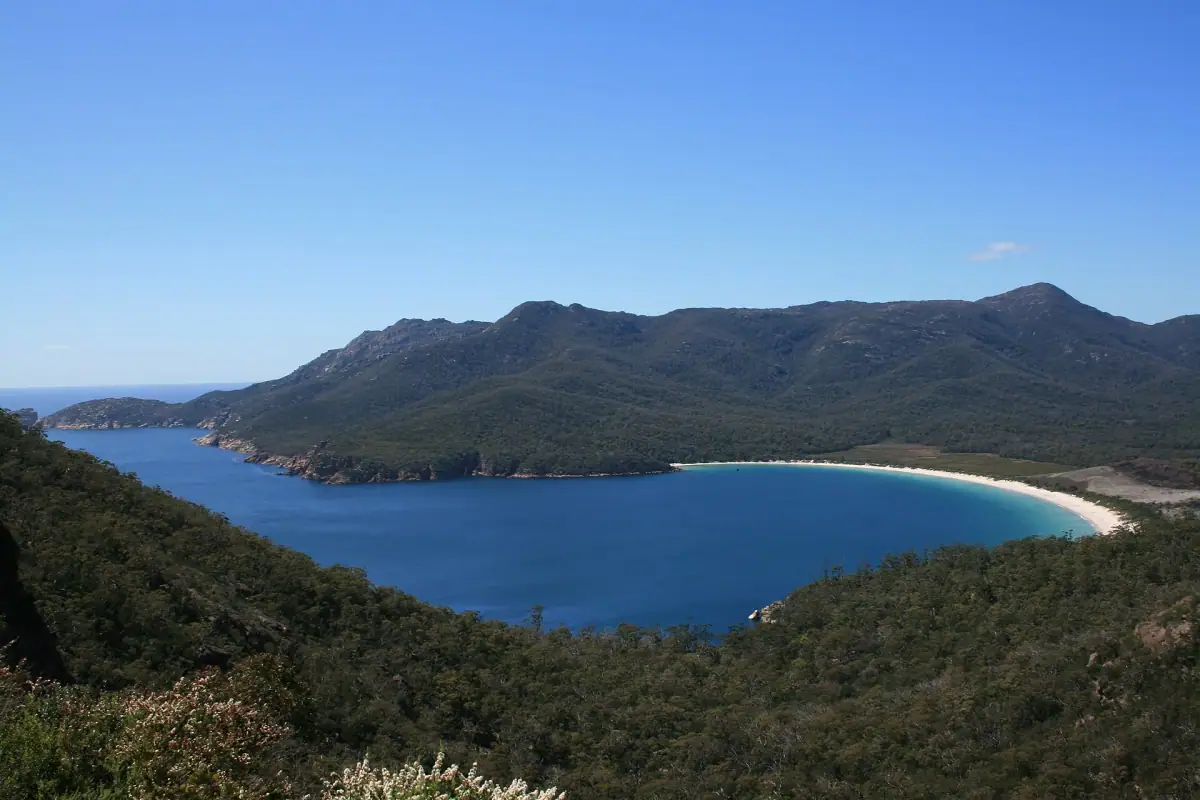
Wineglass Bay is one of the most photographed beaches in Australia, with its half-circle bay and clear water. The viewpoint is reached by a trail climbing from the parking lot, with steps: allow about an hour and a half round trip and good shoes. To go down to the beach, add time.
Experienced hikers can continue with a circuit that passes through the bay and returns on the other side of the isthmus, in a few hours. Bring plenty of water, sunscreen and warm clothes: the wind and weather can change fast. If you prefer to stay on the flat, a boat cruise lets you see the bay from the sea.
A national park access pass is generally required. Check the conditions before you arrive.
Day 6: heading to Launceston
Freycinet is about two hours by road from Launceston, about 175 km (109 mi). This city in the north of the island, Tasmania’s second, is a pleasant base to end the week: Victorian architecture, cafés and quick access to nature.
Cataract Gorge is Launceston’s main walking spot, a few minutes on foot from the center: trails, viewpoints and a large basin in a cliff setting. Then the nearby Tamar Valley is a wine region where you can taste cool-climate wines.
Flights to Tasmania
Melbourne, Sydney, Brisbane: compare flights to Hobart and Launceston for your dates.
Day 7: back to Hobart via the Midland Highway
Launceston and Hobart are linked by the national road called the Midland Highway, about 176 km (109 mi), or a little over two hours of driving. The route crosses farmland and several colonial-era towns, where you can stop for a coffee.
If your flight leaves from Hobart, keep some slack before check-in time. If you have time, finish with one last meal of local produce in Hobart: Tasmanian seafood, cheese, whisky or cider.
Going further: Cradle Mountain
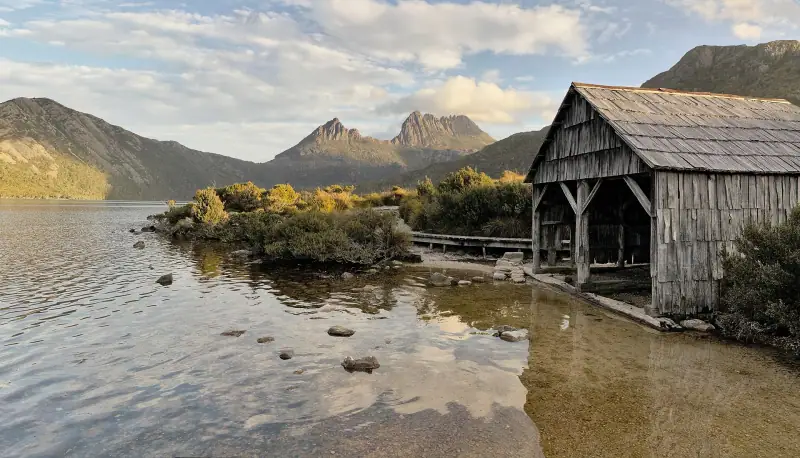
If you have two or three more days, add Cradle Mountain, in the northwest. This national park is known for its glacial lake, its hiking trails and its mountain scenery. It is reached from Launceston in less than two hours of driving. The weather there is often cool and rainy, even in summer, and a pass is required. This extension fits well between day 6 and day 7, sleeping one night near the park.
Driving, seasons and practical tips
- Driving: you drive on the left. The roads are good but winding in places. Avoid driving at dawn and dusk: many wild animals cross the road then.
- Season: the Australian summer (December to February) is the mildest but also the busiest. The weather is changeable all year, even in summer.
- Reservations: accommodation at Freycinet and on Bruny Island, ferries and excursions should be booked ahead in high season.
- Luggage: pack layers, a windbreaker and good walking shoes.
- Parks: an access pass is generally required in national parks.
A full week
Seven days are enough for a varied first look at Tasmania: a bit of history, sea, hiking and food, without spending the week behind the wheel. If your stay is shorter, keep Hobart, Port Arthur and Freycinet. If you have more time, add Cradle Mountain and take the time to slow down.
In any case, keep some slack in your schedule: in Tasmania, the weather often decides the best day for each activity.
Sources
- Tourism Tasmania (Discover Tasmania): figures checked November 2026
- Port Arthur Historic Site: figures checked November 2026
- Tourism Tasmania (Discover Tasmania): figures checked November 2026
Frequently asked questions
How many days do you need to visit Tasmania?
A week lets you see the essentials of the east coast and the south: Hobart, the Tasman Peninsula, Bruny Island, Freycinet and Launceston. To add Cradle Mountain and the west coast, plan ten days to two weeks.
Do you need to rent a car in Tasmania?
It is the most practical option, as public transport serves few national parks and natural sites. Remember that Australians drive on the left. Avoid driving at dawn and dusk, when wild animals often cross the road.
What is the best time to go to Tasmania?
The Australian summer (December to February) has the longest days and mildest weather, but also the biggest crowds. Early autumn, from March to April, is a good compromise. The weather stays changeable all year: pack layers.
Can you do Tasmania from Melbourne?
Yes, direct flights link Melbourne to Hobart and Launceston, and the Bass Strait can also be crossed by ferry with a vehicle. Flying remains the simplest option for a one-week stay.
Do you need a pass for the national parks?
Yes, access to Tasmania's national parks generally requires a paid pass, for a day or valid for several weeks. Check the current terms and fares on the official parks website before you leave.
More Australia guides
Keep reading
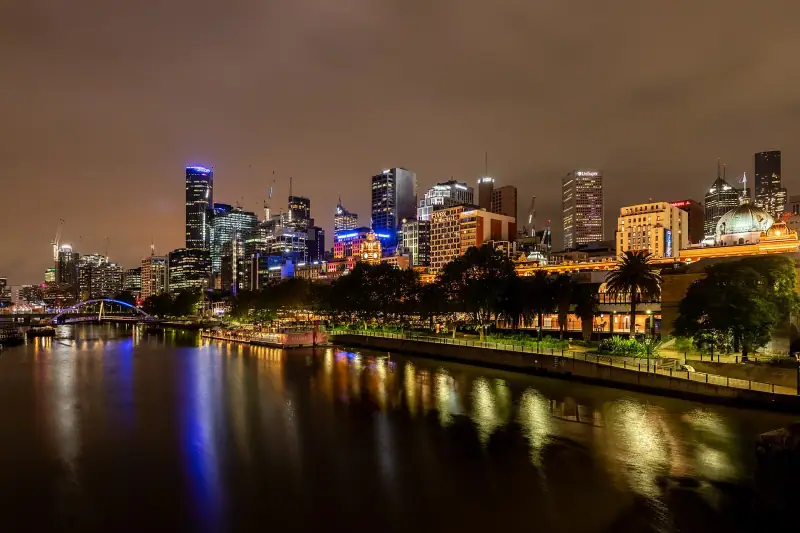
Where to stay in Melbourne: neighborhoods, budget and tips for choosing
Where to stay in Melbourne? CBD, Southbank, Fitzroy, Carlton, St Kilda, South Yarra compared: atmosphere, transport and budget to book with confidence.
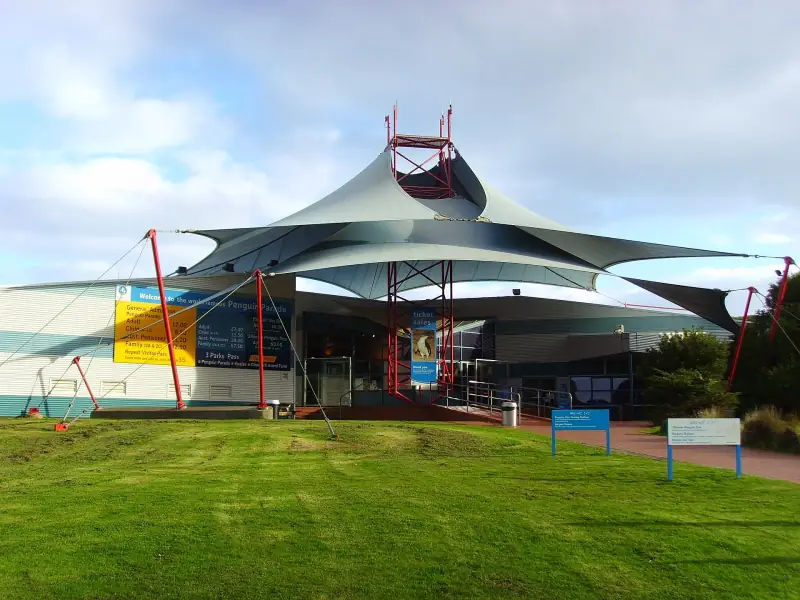
Phillip Island Penguin Parade: booking ahead, prices and getting there from Melbourne
See the Phillip Island penguins from Melbourne: required tickets, prices of the 3 options, arrival time, getting there without a car and with kids.

Wildlife in Australia: where to see kangaroos, koalas and penguins
Where and when to see Australian wildlife: koalas, kangaroos, wombats, Tasmanian devils, penguins, whales. Viewing tips and rules to follow.
Ready-made
Australia itineraries
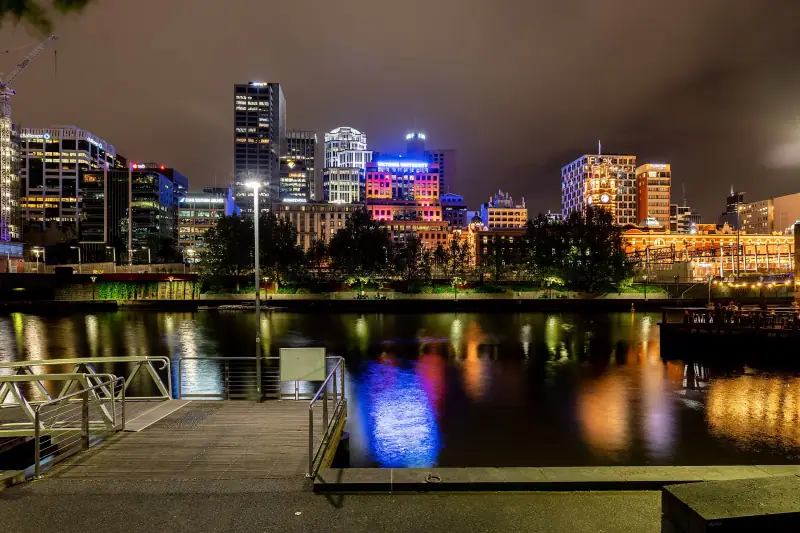
3 days
Melbourne in 3 days: a culture, street art and seaside itinerary
What to do in Melbourne in 3 days? Laneways, street art, markets, museums, St Kilda and a nature escape: a day-by-day itinerary with practical tips.
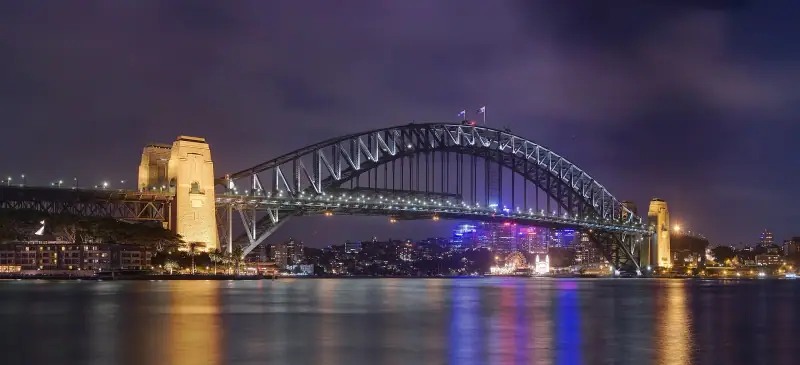
4 days
Sydney in 4 days: a day-by-day itinerary to see it all
Sydney in 4 days: Opera House, Harbour Bridge, Bondi, Manly and the Blue Mountains. A day-by-day itinerary with transport and accommodation tips.
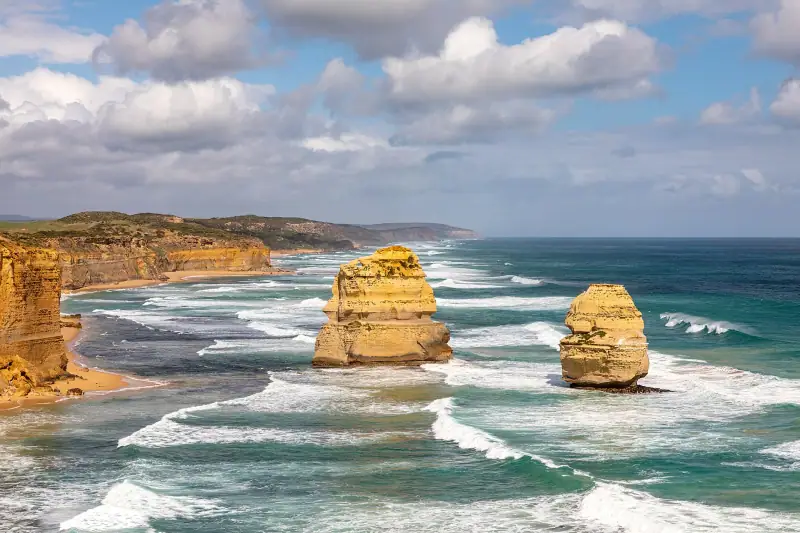
3 days
Great Ocean Road in 3 days: an itinerary from Melbourne
Great Ocean Road in 3 days from Melbourne: day-by-day stops, Twelve Apostles, the Otways, koalas, driving on the left, where to sleep and tips.