Where to stay
Where to stay in Cairns: neighborhoods, northern beaches and tips for choosing

We may earn a commission when you book through links on this page, at no extra cost to you. We don't visit or try the places we cover: we summarize published sources. How we work
In short
- The city center and the Esplanade are the most practical for the Great Barrier Reef: the marina, where most reef boats leave, is within walking distance.
- Palm Cove suits a calm seaside stay but needs a car or transfer for boat departures; Port Douglas is about an hour north of Cairns.
- The dry season, roughly May to October, is the busiest and most expensive: book several weeks ahead.
- Three to four nights allow a reef day, a rainforest outing and a spare day for weather.
Cairns is the gateway to tropical north Queensland. Most excursions to the Great Barrier Reef leave from here, and it is also the ideal base for exploring the Daintree rainforest, the tablelands of the hinterland and the northern beaches. The city itself is modest, relaxed and geared to travelers: you meet divers, hikers, families and plenty of backpackers.
Choosing where to sleep there depends less on the “neighborhood” than on your plan: do you want to head to the reef without rushing, enjoy a quiet beach, or fan out by car in the north? This guide compares the main areas, gives budget benchmarks and helps you choose the option that suits your stay. If the reef is your priority, also read our guide to visiting the Great Barrier Reef from Cairns.
The city center: the most practical for excursions
The center of Cairns is compact and explored on foot. It stretches between the waterfront and the marina, where most boats for the reef and nearby islands board. Sleeping here means your departure is a few minutes’ walk, a clear advantage when boarding is early in the morning.
Strengths: the widest choice of accommodation in the region, from hostels to mid-range hotels and apartments, plenty of restaurants, tour agencies and easy access to the airport by taxi or shuttle. All without a car.
Limits: the center has no swimming beach. The city is mostly a starting point, and some streets are lively in the evening around the bars and hostels. If you want calm, check that the room does not face a busy street.
This area suits short stays, travelers without a car, divers and those who chain several excursions. For tight budgets, it is also where the most affordable dorms and private rooms are concentrated.
Hotels in Cairns
Compare places to stay in the center and on the waterfront for your dates, with free cancellation on many offers.
The Esplanade: the waterfront and its lagoon
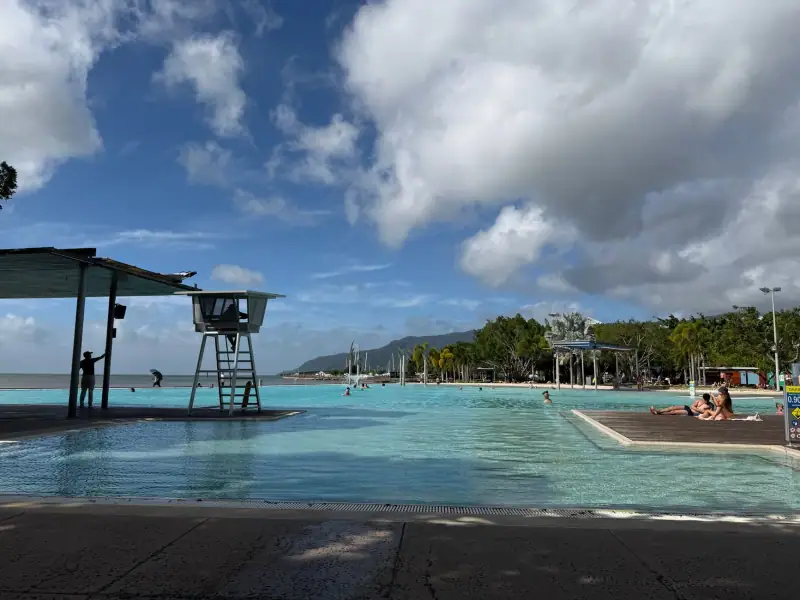
The Esplanade runs along the bay northeast of the center. It is Cairns’ promenade, with lawns, public barbecues, play areas and a large free, patrolled saltwater lagoon that replaces the beach. Because the bay is lined with mudflats at low tide and sea swimming is discouraged, this is where locals and travelers gather to cool off.
Strengths: a pleasant setting at any hour, hotels and apartments with a view of the bay, cafés and restaurants close by, and immediate proximity to the center. At low tide, the bay attracts many waterbirds, which will please birdwatchers. To go deeper, see our guide to watching Australian wildlife.
Limits: well-placed properties facing the bay cost more than those on the inner streets. In the evening, the noise of some bars carries to the upper floors.
This area suits couples, families and those who want a comfortable stay without leaving the center.
Palm Cove: the calm of a seaside resort

North of Cairns, on the coastal road, Palm Cove is a small, elegant seaside resort, with a beach lined with tall trees, waterfront restaurants and many resorts. It is one of the most appreciated addresses for couples and for travelers who want to rest after a long flight.
Strengths: a peaceful atmosphere, upscale hotels, apartments with pools, a pleasant beach outside risk periods, and a setting that invites relaxation. The trip to Cairns takes about thirty minutes by road.
Limits: boat departures for the reef leave from Cairns, which requires a morning transfer, sometimes offered by operators. In the evening, there are fewer restaurants and prices are higher than in the center.
This area suits travelers with a car or who accept a transfer, honeymooners and relaxation stays.
Trinity Beach, Kewarra Beach and the northern beaches
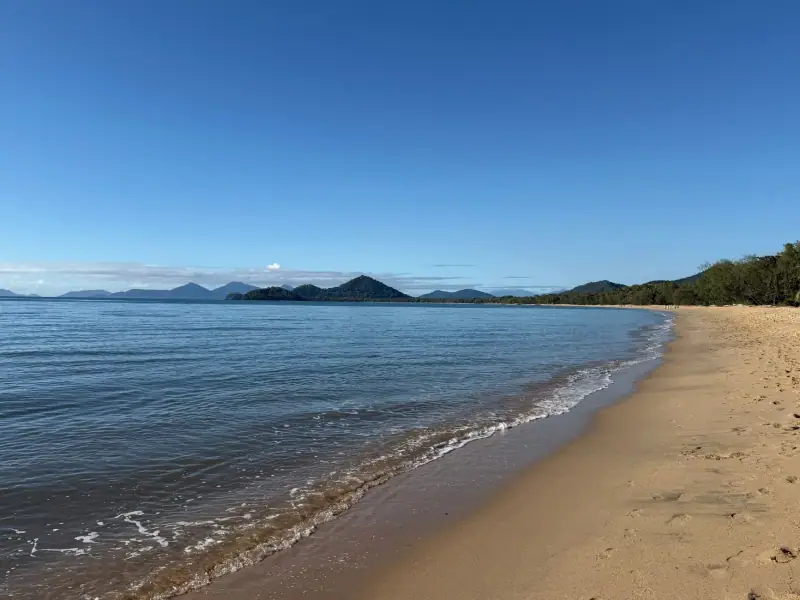
Between Cairns and Palm Cove, several more residential seaside suburbs follow one another: Trinity Beach, Kewarra Beach and others. You find vacation apartments, small residences and neighborhood cafés. It is a calmer and often cheaper alternative to the big resorts.
Strengths: a peaceful pace, places with a kitchen to cut the budget, long and little-visited beaches, and good value for stays of several nights.
Limits: the supply of restaurants and shops is more limited, and public transport is less frequent. A car or a taxi budget is almost essential.
These beaches suit families, long stays and travelers who rent a vehicle to explore the coast.
Port Douglas: a base for the north
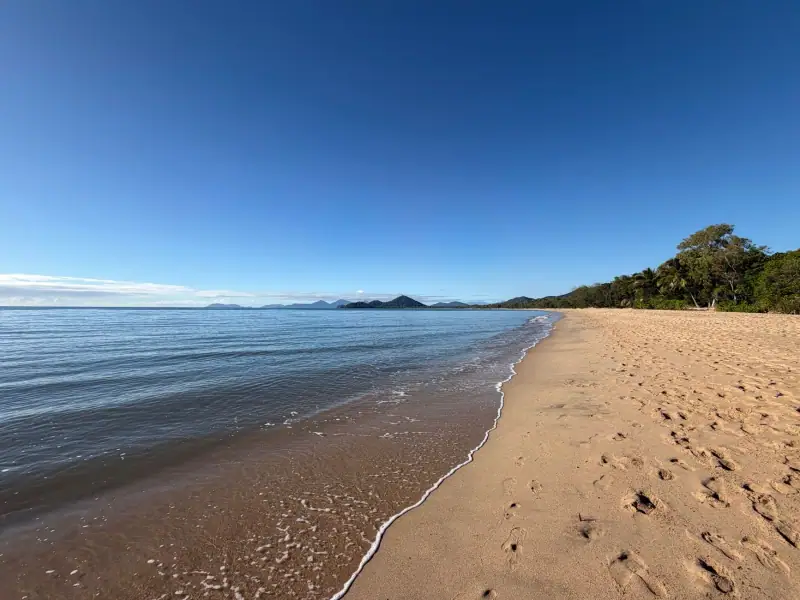
Port Douglas is about an hour’s drive north of Cairns. It is a small, more refined seaside town, with a large patrolled beach, a marina and a lively main street of restaurants and shops. It serves as a base for trips to the outer reef and for exploring the rainforest to the north.
Strengths: a chicer and calmer atmosphere than Cairns, easy access to boat trips, and proximity to the Daintree forest, a UNESCO World Heritage site.
Limits: accommodation is on average more expensive than in central Cairns, and the international airport remains in Cairns: plan a transfer at the start and end of your stay.
Port Douglas suits a stay of two to three nights in addition to Cairns, or those who prefer a more polished setting to a transit town.
Excursions from Cairns
Reef trips, Daintree rainforest, Kuranda: see the offers available for your dates.
What budget for accommodation in Cairns?
Cairns offers a wide range of rates, which makes it one of the most accessible stops in the country for small budgets. Here are general benchmarks, to be checked for your dates:
- Hostels: very common in the center, in dorms or private rooms. Many offer a shared kitchen, social evenings and a pool area. It is the standard budget option, especially for solo travelers.
- Motels and small hotels: a good compromise for a couple or a family, often with parking and a refrigerator in the room.
- Mid-range and upscale hotels: concentrated in the center and on the Esplanade, with a pool and breakfast depending on the package.
- Resorts and apartments: mostly in Palm Cove and on the northern beaches, with higher rates in high season.
For an overall view of your spending (flights, transport, meals, excursions), see our guide to the budget for a trip to Australia. In all cases, compare the total price with taxes and any fees, and favor offers with free cancellation until your flights are confirmed.
When to book: seasons and crowds
The tropical climate of north Queensland splits into two main seasons. The dry season, roughly May to October, offers mild, sunny days, a calm sea and more bearable humidity: it is also high season, with higher rates and full accommodation, especially during Australian school holidays. Book several weeks ahead, more if you are aiming at resorts or holiday periods.
The wet season, from about November to April, brings heat, humidity and sometimes heavy rain, with a risk of cyclones. Prices are generally lower and sites less crowded, but sea swimming calls for caution: dangerous jellyfish are present and beaches have protective nets, to be strictly respected. Reef trips remain possible, with conditions that vary from day to day.
Our guide on when to visit Australia details the climate region by region to help you set your dates. Also keep a spare day in your stay: a reef excursion can be cancelled or moved in bad weather.
Getting around from your accommodation
Central Cairns is explored on foot, and most boat trip operators offer a meeting point at the marina or a transfer from the accommodation. The airport is very close to the center: taxis and shuttles link them in a few minutes. To fan out in the north or the hinterland, several options are available:
- Staying without a car: day excursions with transport included cover the rainforest, the village of Kuranda and the Daintree region. Practical if you do not want to drive on the left.
- Renting a car: essential to stay in Palm Cove or on the northern beaches and to explore at your own pace. Driving is on the left, and distances are long outside towns.
- Shuttles and buses: useful between the airport, the center and the northern beaches, with frequencies that vary by season.
Check the parking situation at your accommodation before booking if you come by car, and favor places that offer it.
Which type to choose: hostel, hotel or apartment?
Beyond the area, the type of accommodation changes the experience.
- A hostel suits solo travelers or small groups, with private rooms as an option. It is the ideal place to meet other travelers and swap excursion tips. Keep your valuables in a locker.
- A hotel remains the simplest choice for a short stay, with reception, pool and breakfast depending on the offer.
- An apartment is ideal for families and stays of more than four nights: kitchen, washing machine and extra space. Check cleaning fees and arrival conditions.
- A resort suits a relaxing break, especially in Palm Cove, but rates can climb in high season.
In the tropical north, a pool and air conditioning are real assets, as is a mosquito net or repellent if you stay near vegetation. Also think about your paperwork before booking. Entry rules depend on your passport: check the official travel advice of your government before you book (travel.state.gov in the US, GOV.UK in the UK, travel.gc.ca in Canada, Smartraveller in Australia; checked November 2026).
Mistakes to avoid
A few pitfalls come up often for first-time bookers in Cairns:
- Choosing accommodation too far from the center without planning a transfer: a boat departure at dawn quickly becomes a chore when you first have to cover a thirty-minute drive.
- Hoping to swim in the sea from the Esplanade: the bay is not made for it. Use the public lagoon or a patrolled beach.
- Ignoring the seasons: prices and availability vary a lot between the dry and wet seasons.
- Booking without reading recent reviews: noise, room condition and cleanliness change from year to year, especially in busy hostels.
- Forgetting to check cancellation terms, essential if your reef trip depends on the weather.
Finally, do not chain too many stops: Cairns is an ideal base for three to four nights, but north Queensland needs time to be appreciated.
Which area to choose?
To decide quickly:
- Short stay, no car, boat trips: the center or the Esplanade.
- Relaxation and couples: Palm Cove.
- Family and reasonable budget with a car: Trinity Beach or Kewarra Beach.
- More refined setting and exploring the north: Port Douglas.
- Small budget: a hostel in the center.
Book early in the dry season, keep a margin for the weather and read the most recent reviews before confirming. With a good base, Cairns becomes an easy and very pleasant stop, before continuing to other regions such as Sydney, whose neighborhoods we detail in our guide to where to stay in Sydney.
Frequently asked questions
Where should you stay in Cairns to visit the Great Barrier Reef?
The city center and the waterfront (Esplanade) are the most practical: the marina, where most boats for the reef leave, is within walking distance. You avoid an early-morning transfer.
Can you swim in Cairns?
Not in the sea from the center: the waterfront is lined with mudflats, and dangerous jellyfish and crocodiles are present on the tropical coast. People swim in the large public lagoon on the Esplanade, or at the patrolled beaches nearby, respecting the signs and stinger nets.
Palm Cove or Cairns: which to choose?
Cairns is more practical and cheaper for excursions. Palm Cove, to the north, offers a calm seaside resort atmosphere, with beach and resorts, but needs a car or shuttles for boat departures.
Do you need a car if you stay in Cairns?
Not to stay in the center and take boat trips, which are reached on foot or by shuttle. A car becomes useful for exploring the north (Daintree rainforest, Port Douglas) or the Atherton Tablelands.
What is the best time to book in Cairns?
The dry season, roughly May to October, is the busiest and therefore the most expensive: book several weeks ahead. The wet season, hotter and rainier, is quieter, but jellyfish make sea swimming more restricted.
How many nights should you plan in Cairns?
Three to four nights allow a day on the reef, a rainforest outing and a spare day for weather. Add nights if you continue to Port Douglas or the Atherton Tablelands.
More Australia guides
Keep reading

Where to stay in Melbourne: neighborhoods, budget and tips for choosing
Where to stay in Melbourne? CBD, Southbank, Fitzroy, Carlton, St Kilda, South Yarra compared: atmosphere, transport and budget to book with confidence.

Where to stay in Sydney: the best neighborhoods for your trip
Where to stay in Sydney? Neighborhoods compared: CBD, The Rocks, Surry Hills, Bondi, Manly. Atmosphere, transport and budget to choose your accommodation.
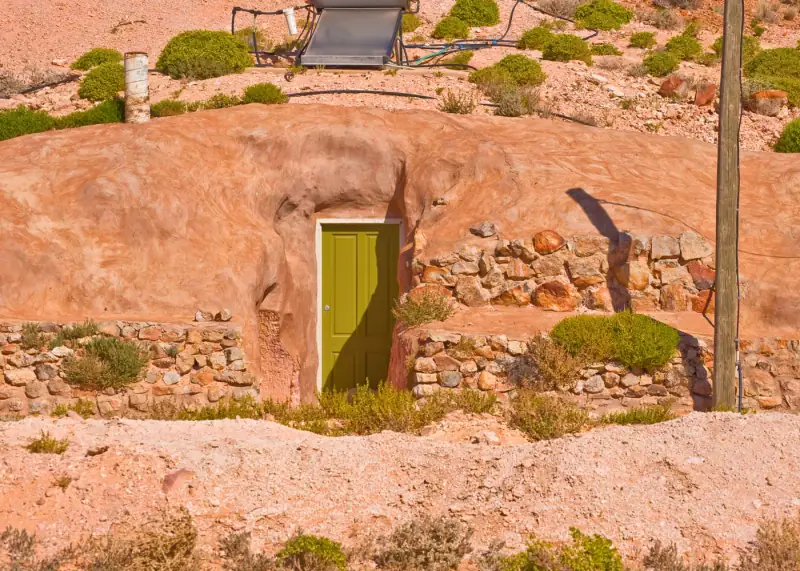
Sleeping in Coober Pedy: underground hotel, cave motel or dorm?
Where to sleep in Coober Pedy? Underground hotel, cave motel, dorm or apartment dug into the rock: how to choose, when to book, what to know first.
Ready-made
Australia itineraries

7 days
Tasmania in 7 days: a road trip itinerary from Hobart to Launceston
Tasmania in 7 days: Hobart, Port Arthur, Bruny Island, Freycinet and Wineglass Bay, Launceston. Day-by-day itinerary, distances, seasons and driving tips.

3 days
Melbourne in 3 days: a culture, street art and seaside itinerary
What to do in Melbourne in 3 days? Laneways, street art, markets, museums, St Kilda and a nature escape: a day-by-day itinerary with practical tips.

4 days
Sydney in 4 days: a day-by-day itinerary to see it all
Sydney in 4 days: Opera House, Harbour Bridge, Bondi, Manly and the Blue Mountains. A day-by-day itinerary with transport and accommodation tips.