Things to do
Things to Do in Tuscany: Biking, Hiking, Hot Air Balloons, Cooking and Local Festivals
We may earn a commission when you book through links on this page, at no extra cost to you. We don't visit or try the places we cover: we summarize published sources. How we work
In short
- Beyond the art cities: biking the Chianti roads, hiking the Crete Senesi and Val d'Orcia, a sunrise balloon flight, a cooking class, a wine tasting or a soak in hot springs.
- Spring (April to June) and early fall (September-October) offer the most pleasant temperatures for hiking; in midsummer, start early.
- Electric-assist bikes make the Chianti and Val d'Orcia climbs accessible to most travelers.
- Balloon flights depend on weather: book a formula with rescheduling or a refund, and avoid the last day of your stay.
People often come to Tuscany for its museums and medieval cities, but the region is also discovered on the move: by bike on white roads, on foot among the cypress trees, from the sky in a hot air balloon or with hands in the flour at a cooking class. These activities get you away from the lines of Florence and help you understand why Tuscan landscapes are so famous.
Here is a selection of activities sorted by what you feel like doing, with practical tips to organize them. To choose the right season, first see our guide to the best time to visit Tuscany.
Biking in Chianti and on the white roads
Chianti is a popular playground for cyclists. Roads wind among vines and olive groves, villages are a few kilometers apart and traffic is generally moderate outside the tourist season. The terrain is hilly: you get a string of short climbs and descents, rarely long ascents.
Bike fans also know the strade bianche, the white dirt roads of the Sienese countryside. They are the setting for cycling events like the Strade Bianche race, and for the L’Eroica cyclosportive, which gathers participants on vintage bikes around Gaiole in Chianti.
A few tips for riding calmly:
- Rent an electric-assist bike if you are not trained: climbs are frequent, and summer heat makes them harder.
- Start early, before the heat, and bring water: villages are not always close together on the dirt roads.
- Choose the right bike: a road bike for asphalt, a gravel bike or mountain bike for the white roads.
- Check the weather: after rain, dirt roads become muddy and slippery.
To combine cycling with discovering wine estates, read our guide to the Chianti road by car, whose villages make good stops by bike.
Bike rides in Chianti
Guided outings or e-bike rental: ride the hills without wearing yourself out and without getting lost.
Hiking in the Crete Senesi and the Val d’Orcia
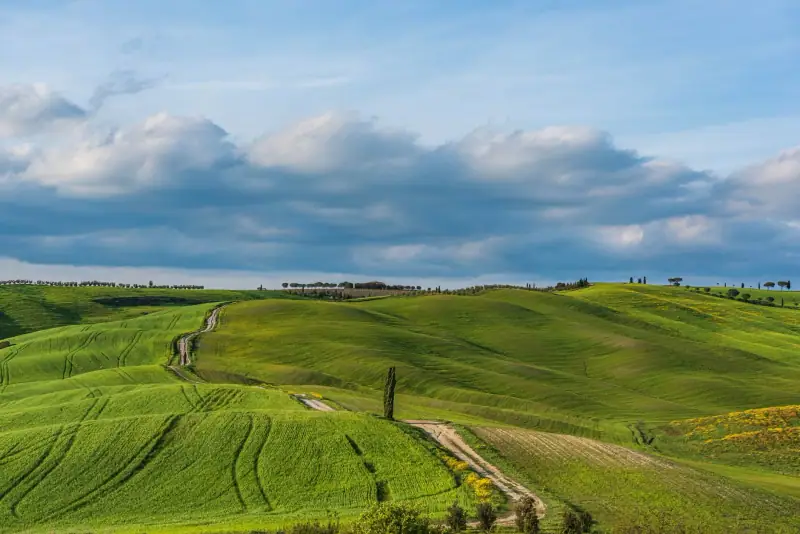
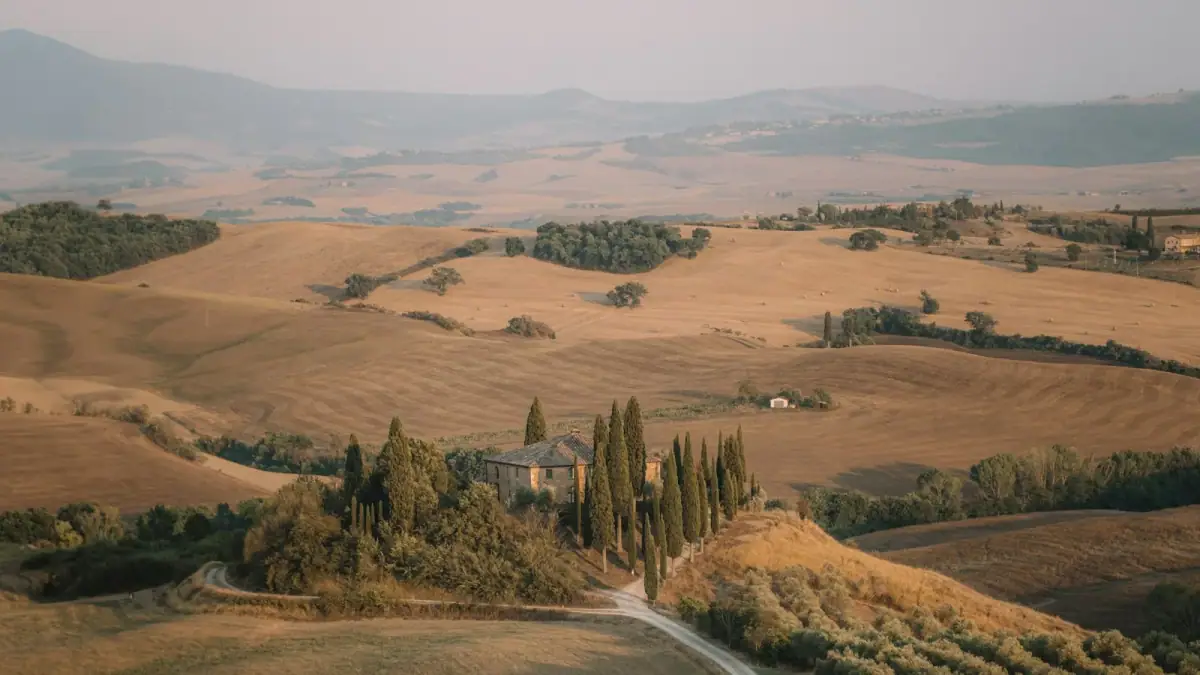
Tuscany is very well discovered on foot. Two landscapes lend themselves particularly to walking: the Crete Senesi, south of Siena, and the Val d’Orcia, a UNESCO World Heritage Site.
The Crete Senesi offer an almost lunar landscape: rolling gray clay hills, wheat fields, isolated farms and small cypress woods. The sight is particularly beautiful in spring, when the fields are green, or at the end of the day, when the light softens.
In the Val d’Orcia, trails link hilltop villages like Pienza, Montalcino or San Quirico d’Orcia. You often walk on dirt tracks between meadows, vines and lines of cypress trees, with fine views over the valley. You will also find stretches of the Via Francigena, the old pilgrimage route between northern Europe and Rome, which crosses Tuscany.
To hike in good conditions:
- Pick the right seasons. Spring and early fall are ideal. In summer, it is hot and there is little shade on the ridges.
- Carry plenty of water, a hat and sunscreen: trails are often very exposed.
- Wear good shoes. Clay paths become slippery after rain.
- Use a map or a hiking app: waymarking is uneven depending on the area.
Our Val d’Orcia road trip details the villages to link and the viewpoints worth seeing.
A hot air balloon flight at sunrise
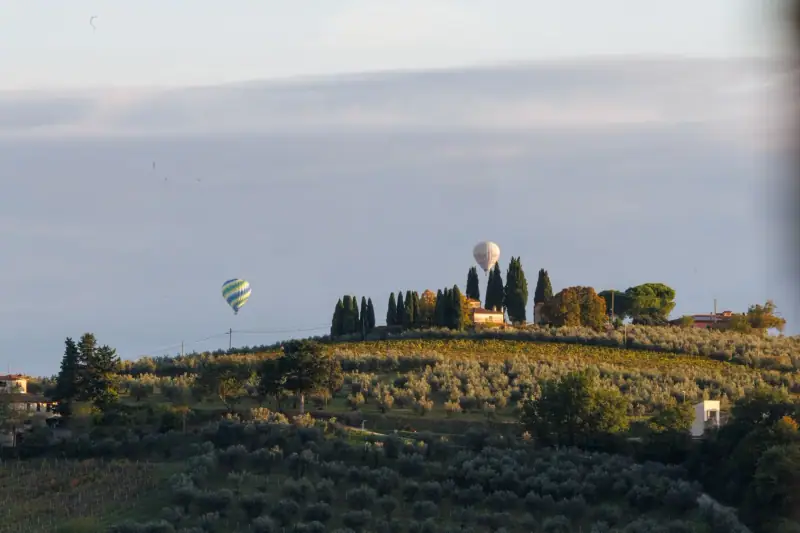
Seeing Tuscany from above is a striking experience. Hot air balloon flights are available in several areas of the region, notably in the hills around Siena, the Val d’Orcia and San Gimignano. At dawn, mist often lingers in the valleys and villages seem to emerge from the clouds.
What to expect from a flight:
- a very early start, before or during sunrise, because the air is calmer then;
- a flight of about an hour, sometimes followed by breakfast or a tasting;
- an activity dependent on the weather: wind or thick fog can mean a postponement or cancellation.
The price is clearly higher than an ordinary activity: compare offers and choose a formula that provides rescheduling or a refund in bad weather. If you book this activity, avoid placing it on the last day of your stay, so you can move it in case of cancellation.
Hot air balloon flight in Tuscany
Fly over hills, cypress trees and medieval villages at dawn, with rescheduling possible depending on the weather.
Cooking classes, markets and tastings
Food is one of the major reasons to come to Tuscany, and the best way to understand it is to practice it. Cooking classes are available in Florence, but also on farms and farm stays in the countryside. On the menu: fresh pasta (pici, tagliatelle, ravioli), sauces, sometimes tiramisu, then a meal eaten together with the estate’s wine.
Several formulas exist:
- The city workshop, shorter, which can slot between two visits;
- The half day at the farm, with picking in the vegetable garden, a visit and a meal at the farm;
- The guided market visit, which often precedes the class and lets you discover seasonal products;
- The olive oil or wine tasting at an estate, a reminder that the region is also a great terroir.
To know what to taste before you start, read our guide What to eat in Tuscany and our presentation of Tuscan wines and their appellations.
Tuscan cooking class
Learn to roll fresh pasta with a local cook, then enjoy your meal with wine.
Relaxing in the hot springs
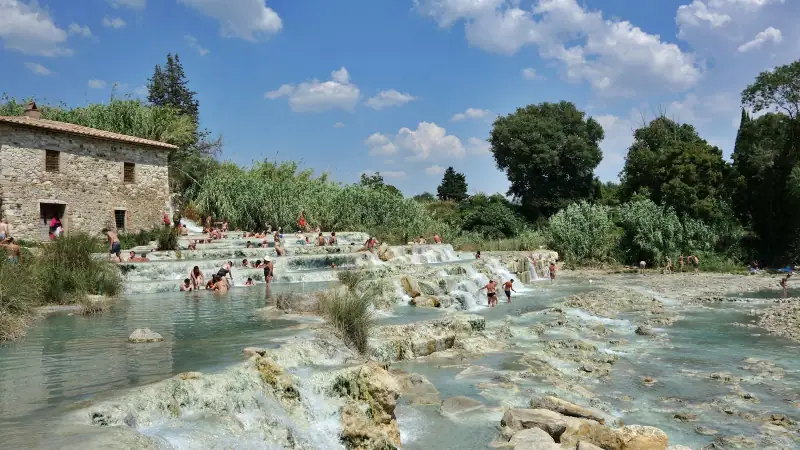
After a day of walking or biking, nothing beats a hot bath. Tuscany is rich in thermal springs, some freely accessible in a natural setting and others developed into wellness centers. The sulfurous waters have a characteristic smell, but they are enjoyed for their warmth.
The Maremma and Monte Amiata area concentrates the best-known sites. Our guide to Tuscany’s hot springs details the springs, access conditions and tips for avoiding the crowds. Remember to bring a swimsuit, a towel and water sandals, and to find out about site access in advance.
Sea, beaches and the island of Elba
The Tuscan coast is less known than its hills, but it offers fine beaches, notably in the Maremma, south of Livorno. You can combine swimming, walks in pine forests and fish dinners. In summer, beach establishments (stabilimenti balneari) rent loungers and umbrellas, and free beaches fill quickly in August.
Offshore, the island of Elba, the largest of the Tuscan archipelago, is reached by ferry from Piombino. It offers coves, coastal trails and a past linked to Napoleon, exiled on the island in 1814. Allow at least a day for a quick visit; two or three nights is better to enjoy it.
Carrara marble and the Apuan Alps
To get off the beaten track, head to the northwest of the region. The Apuan Alps, a mountain range close to the coast, are known for their Carrara marble quarries, worked since antiquity. Michelangelo came here to choose his blocks.
Quarry tours run by off-road vehicle and offer an impressive panorama: white cliffs that look covered in snow. The range is also a popular hiking ground, with mountain trails noticeably more demanding than those of Chianti. This outing combines well with a day in Pisa and Lucca: see our Pisa and Lucca in one day itinerary.
Festivals and traditions: the Palio, historical games and festivals
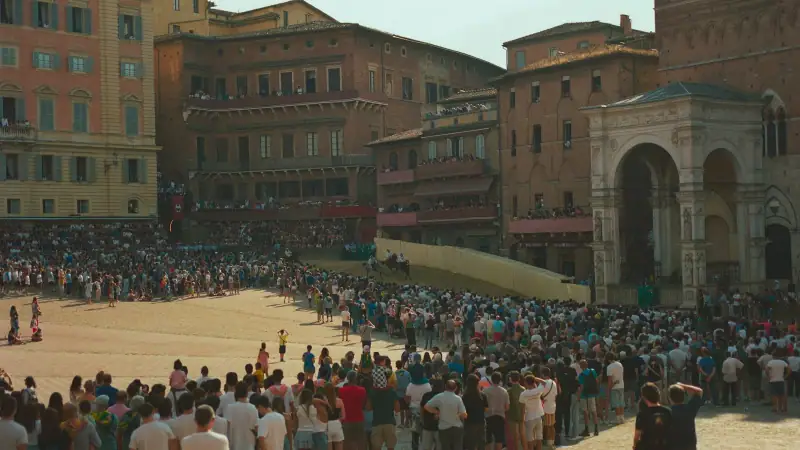
The Tuscan calendar is rich in traditional festivals that plunge you into local history.
- The Palio di Siena: a horse race run on Piazza del Campo between the city’s districts (contrade), held twice a year, on July 2 and August 16. The atmosphere is intense and the square is very crowded.
- The Giostra del Saracino in Arezzo: a medieval joust held in the city, several times a year depending on the local calendar.
- Pisa’s festivals, including the Luminara di San Ranieri, which lights the Arno with thousands of small lamps on June 16.
- Grape harvest and new oil festivals, in fall, in many villages, with tastings and markets.
Exact dates vary from year to year for some festivals: check the official calendar before booking your accommodation, because towns fill up fast. For a stay during these events, book early.
Staying near trails and vines
Farm stays, guesthouses and hotels in Tuscany: book early for festival weekends and high season.
How to organize your activities
A few simple principles avoid unpleasant surprises:
- Group by zone. Distances look short on the map, but country roads are slow. Devote a day to one area (Chianti, Val d’Orcia, Maremma) rather than zigzagging.
- Alternate effort and rest. A morning of walking or biking, a relaxed lunch, then a visit or a hot bath.
- Book limited-slot activities (balloon, cooking class, estate visits) as soon as your dates are set, especially in high season.
- Choose free cancellation when possible, because the weather can change your plans.
- Arrange suitable transport. The most beautiful sites are in the countryside: a car is often the most practical. Our guide to getting around Tuscany compares train, bus and rental car.
Summary: what to choose for your profile?
- Athletes: biking in Chianti, hiking in the Apuan Alps.
- Food lovers: cooking classes, tastings and markets.
- Slow travelers: balloon flight, walks in the Crete Senesi, soaks in hot springs.
- Families: pasta workshops, the beach in the Maremma, a walk on Lucca’s walls.
- Tradition seekers: the Palio di Siena, local festivals and village markets.
Whatever the formula, the key to a good stay in Tuscany is not to want to do everything: two or three well-chosen activities, punctuated by long lunches, will leave a better memory than an overloaded schedule. To lay out the broad lines of your trip, you can see our complete guide to Tuscany.
Frequently asked questions
What are the best things to do in Tuscany outside the art cities?
Hiking in the hills of the Val d'Orcia and the Crete Senesi, biking on the Chianti roads, a hot air balloon flight at sunrise, a cooking class, a wine tasting at an estate and a soak in hot springs are among the most popular experiences.
Can you bike in Tuscany without being athletic?
Yes, thanks to electric-assist bike rentals, offered in many villages. The roads are hilly: an e-bike makes the Chianti and Val d'Orcia climbs accessible to most travelers.
What is the best season for hiking in Tuscany?
Spring (April to June) and early fall (September-October) offer the most pleasant temperatures. In midsummer, the heat means starting early in the morning; in winter, some trails can be muddy.
Do you need to book a hot air balloon flight in advance?
Yes, it is advised: flights depend on the weather (wind, visibility) and places are limited. Book an activity with the possibility of rescheduling or a refund in case of cancellation.
Is the Palio di Siena accessible to visitors?
Yes. The race takes place on Piazza del Campo, which is free but fills up very quickly: you need to get in several hours before the start. Grandstand seats are paid and booked far in advance. The trial runs in the preceding days let you enjoy the atmosphere more quietly.
What is there to do in Tuscany with kids?
A fresh pasta workshop, a bike ride on Lucca's walls, climbing the Tower of Pisa, swimming on the Maremma coast and visiting a farm or agriturismo with animals generally please children.
More Tuscany guides
Keep reading
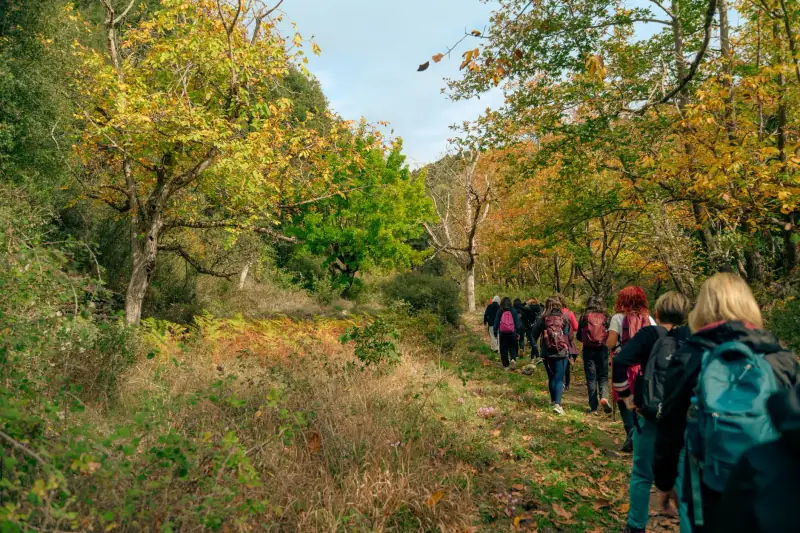
Hiking the Vie Cave of Pitigliano and Sovana Without a Guide: Route, Time, Difficulty
The vie cave of Pitigliano and Sovana can be hiked without a guide: 10 km loop, duration, shoes, archaeological park and mistakes to avoid.
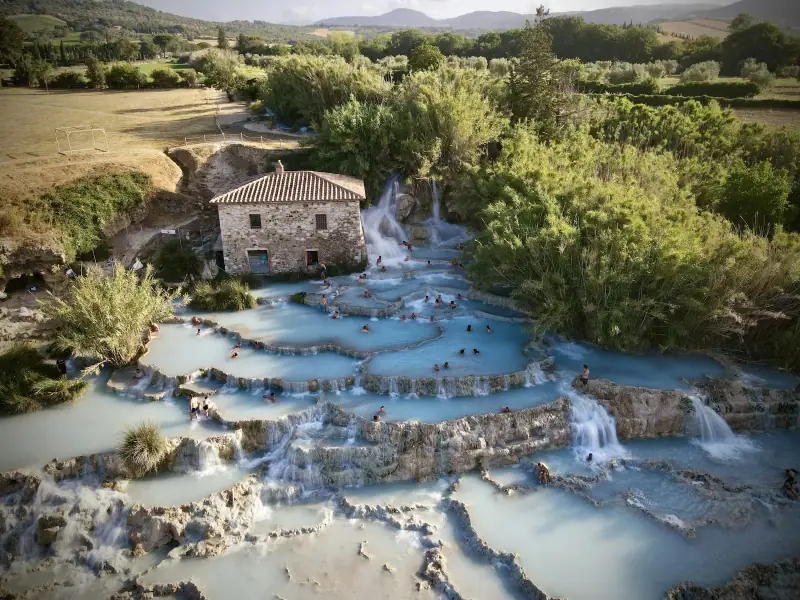
Tuscany's Hot Springs: Saturnia, Bagni San Filippo and Natural Thermal Pools
Where to bathe in Tuscany's hot springs: Saturnia waterfalls, Bagni San Filippo, Bagno Vignoni. Tips, rules, seasons and how to plan your stay.
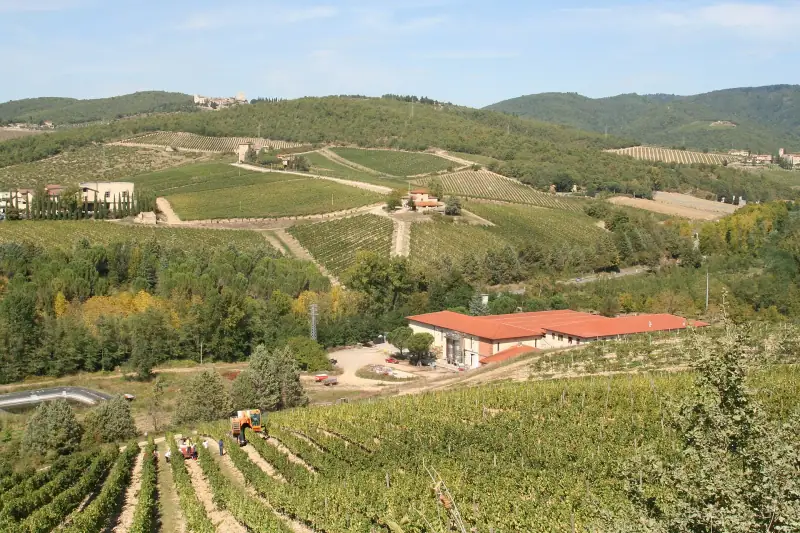
Driving the Chianti Road: Villages, Wineries and Tastings
A driving route in Chianti between Florence and Siena: Greve, Panzano, Radda, Gaiole, Castellina. Stops, wine tastings and practical tips.
Ready-made
Tuscany itineraries
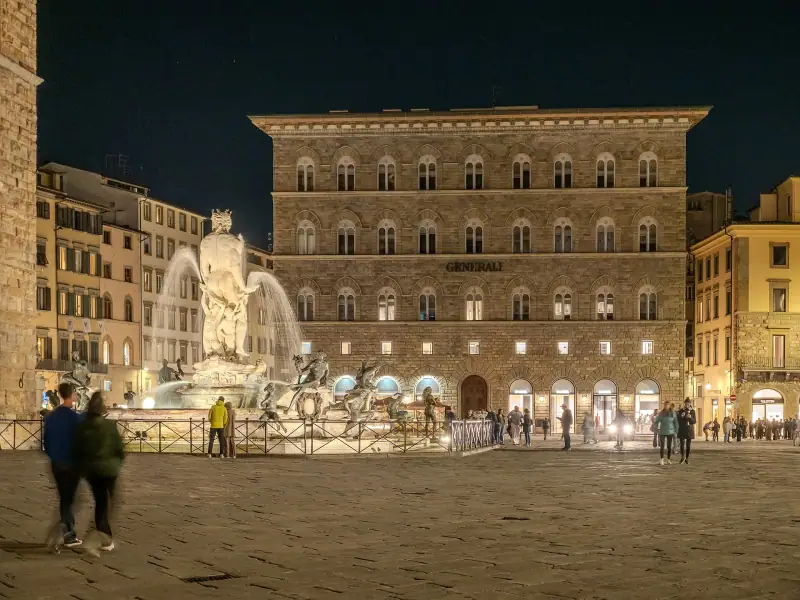
2 days
Florence in 2 Days: A Walking Itinerary, Day by Day
Florence in 2 days: Duomo, Uffizi, Accademia, Ponte Vecchio, Oltrarno and Piazzale Michelangelo. A realistic walking itinerary without rushing.
1 day
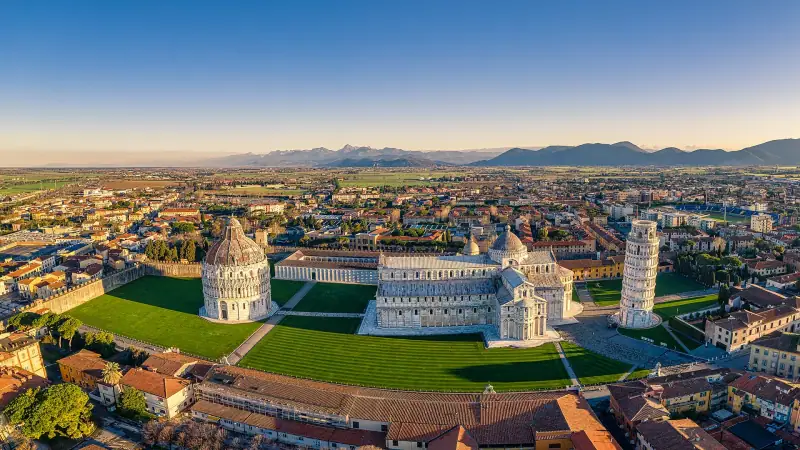
Pisa and Lucca in One Day from Florence: A Train Itinerary
Pisa and Lucca in one day from Florence: train itinerary, travel times, top sights and tips for enjoying both cities.
7 days
Tuscany in 7 Days: A Road Trip from Florence to the Val d'Orcia
A 7-day Tuscany itinerary: Florence, Pisa, Lucca, Chianti, Siena, San Gimignano and the Val d'Orcia, with realistic drives and practical tips.