Plan your trip
Getting Around Tuscany: Train, Bus or Rental Car?
We may earn a commission when you book through links on this page, at no extra cost to you. We don't visit or try the places we cover: we summarize published sources. How we work
In short
- The big cities (Florence, Pisa, Lucca, Siena) are easy by train or bus; hilltop villages, Chianti and the Val d'Orcia are much simpler by car.
- Pisa is the main airport for international flights and Florence a smaller one for mostly European flights; both are close to their city centers.
- Limited traffic zones (ZTL) exist in almost every historic center: cameras issue fines automatically, so park outside and ask your accommodation.
- A mixed formula works well: no car in Florence, then a rental when you leave for the countryside.
Tuscany feels like a small territory, and yet how you get around changes the stay completely. The big art cities are linked by a convenient rail network, but the Chianti hills, fortified towns and cypress roads of the Val d’Orcia most often call for a vehicle. In between, there are good mixed solutions.
This guide compares the options, explains the classic pitfalls (limited traffic zones, parking, tickets to validate) and suggests combinations depending on the length of your trip. To build the route itself, you can rely on our 7-day Tuscany itinerary.
Arriving in Tuscany: airports and stations
Two airports serve the region. Pisa’s is the most important for international flights and is very close to the city, with a direct link to the central station. Florence’s airport is smaller, very close to the city, and mostly handles European flights. Depending on your departure city, compare the two: choosing one over the other can simplify your itinerary, notably if you start with Pisa and Lucca.
Many travelers also arrive by train from other Italian cities. Florence Santa Maria Novella station is the region’s big hub: fast trains arrive from the north and south of the country, and regional trains leave for Pisa, Lucca, Arezzo or Siena. If your stay starts in Florence, our article on where to stay in Florence helps you choose a neighborhood near the station or the center.
Flights to Tuscany
Compare flights to Pisa and Florence for your dates and departure city.
The train: ideal between the big cities
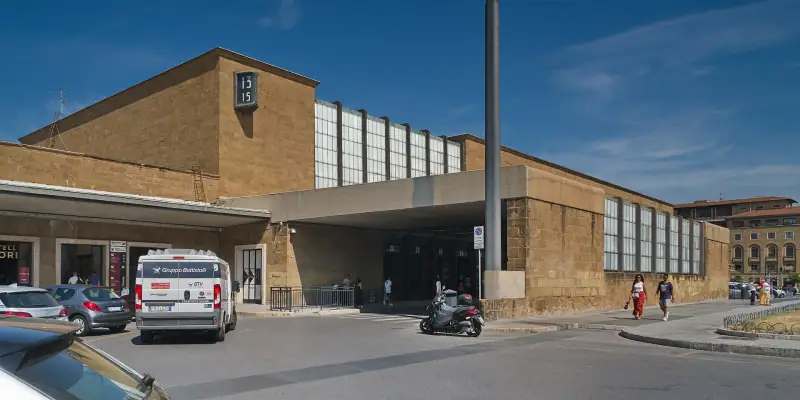
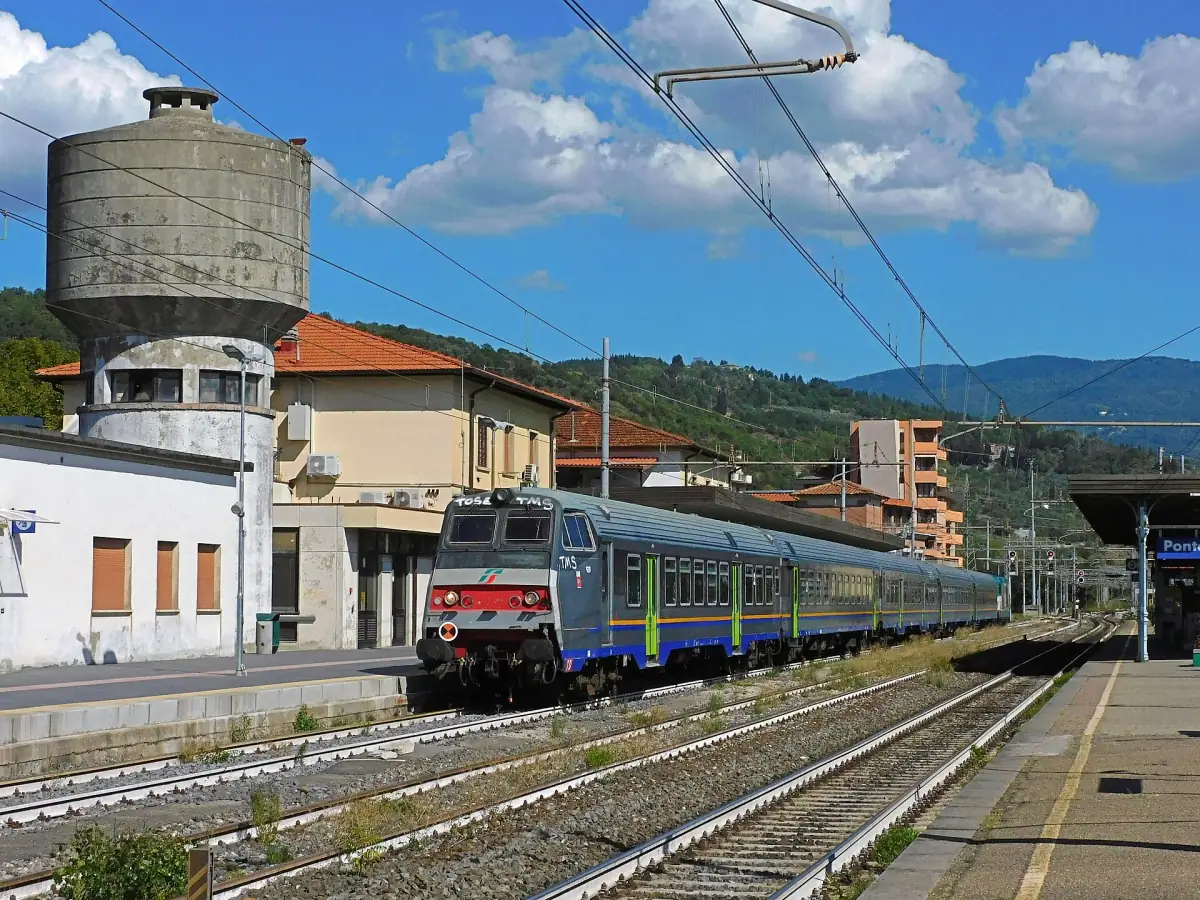
The train is the simplest way to link Florence, Pisa, Lucca or Arezzo. Regional trains are frequent, inexpensive and almost never require a reservation. Allow a little over an hour between Florence and Pisa, and a little over an hour and a half to Lucca depending on the schedule. Stations are generally a short distance from the historic center, so you can reach the monuments on foot.
A few useful habits:
- Validate your ticket: if your regional ticket shows neither date nor time, put it in the platform validation machine before boarding. An unvalidated ticket can be penalized with a fine, even if you paid for it.
- Check the platform: track numbers are sometimes displayed shortly before departure. Watch the screens rather than relying on the timetable alone.
- Buy fast trains in advance: for long-distance links, fares vary with the time of purchase. For regional trains, simply buy at the station or in the operator’s app.
- Watch for strikes: occasional strikes happen in Italy. Check announcements before an important travel day.
The train has its limits, though: many hill villages have no station, and Siena’s is less direct from Florence than the links to Pisa. For these destinations, the bus or the car takes over.
The bus: the solution for villages and Siena
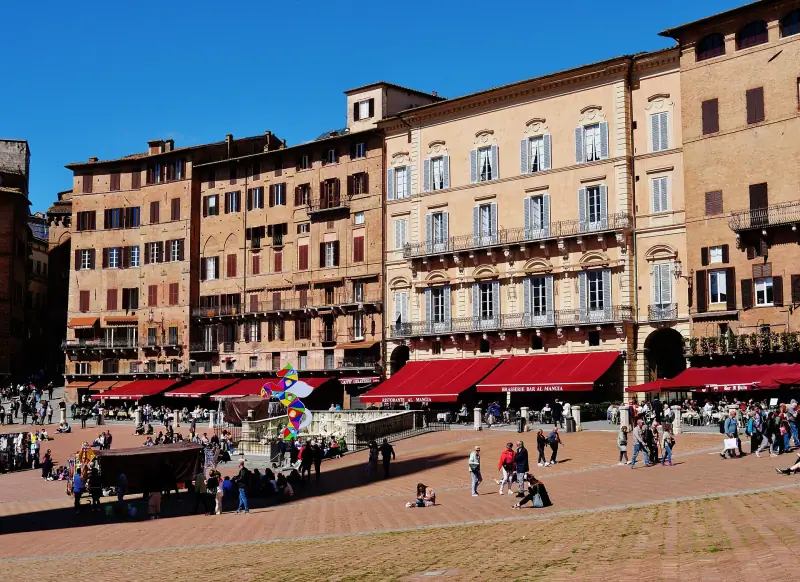
Regional coaches serve a large part of the territory, notably cities off the rail network. From Florence, the bus is a common option to reach Siena, and the bus station is close to the center. To visit Siena in one day, it is an excellent choice: you arrive in the middle of the city without worrying about parking.
For villages like San Gimignano, Montepulciano or Pienza, the bus is possible but takes more preparation. Connections can be limited, especially in the evening and on Sundays, and you sometimes need to change lines in an intermediate town. If you depend on the bus, find out the last return before leaving and allow a margin.
Day excursions by minibus or coach are a comfortable alternative if you want to see several villages without driving, with a guide who explains the history of the places.
Day excursions in Tuscany
Minibus tours from Florence to Siena, San Gimignano or Chianti, without driving.
The rental car: freedom and constraints
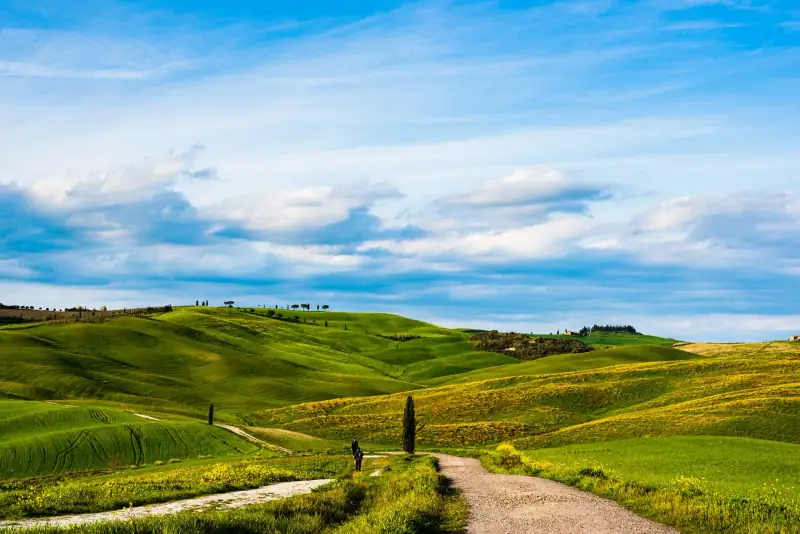
As soon as you want to stay in the countryside, stop at viewpoints or link several villages in a day, a car becomes almost essential. It is the obvious way to travel for the Val d’Orcia and for the Chianti road, where distances are short on the map but public transport is rare.
Choosing the right vehicle
Choose a compact model. Country roads are narrow, bends frequent, and village parking lots small. A manual gearbox is the norm in Italy; if you only drive automatics, book as early as possible, because supply is more limited and rates are higher. Also check the included insurance and the fuel policy before signing.
Where and when to pick it up
If your stay starts with visits on foot in Florence, do not rent the car on the first day: it would sit unused in a paid parking lot. Pick it up instead when leaving the city, at an agency on the outskirts or at the airport. Returning the vehicle to the same place simplifies formalities and avoids crossing the center at the end of the stay.
Highways, tolls and fuel
The main roads are toll highways: you take a ticket at the entrance and pay at the exit, in cash or by card. Gas stations often offer two modes, the cheaper “self” and attendant service, which costs more. Check the mode shown before stopping at the pump.
Country roads
Many scenic roads are winding and sometimes have no shoulder. Drive at moderate speed, leave room when passing, and do not trust GPS blindly: it may suggest a very narrow dirt track to save a few minutes. Between two villages, main roads are generally more reliable.
The ZTL: the trap to avoid at all costs
The limited traffic zone, or ZTL, exists in almost every historic center in Tuscany: Florence, Pisa, Siena, Lucca, Arezzo, San Gimignano, Montepulciano and many others. A camera reads your plate at the entrance, and if the vehicle is not authorized, a fine is issued automatically. It often arrives several months after the trip, increased by the rental company’s admin fees.
Here is how to avoid unpleasant surprises:
- Spot the sign: a red disc with “ZTL” and the indication “varco attivo” signals that the zone is active. If the sign says “non attivo,” access is possible, but hours vary and it is better not to take the risk.
- Park outside: almost all cities have lots on the outskirts, sometimes linked to the center by shuttle or escalators.
- Ask your accommodation: if your hotel is in the ZTL, it can sometimes register your plate for a temporary permit. Do it before arrival, not after.
- Set your GPS with care: some apps do not systematically avoid these zones. Keep your eyes open.
This constraint explains why staying in the heart of a historic city with a car takes a bit of organization. In many cases, it is simpler to choose lodging in the countryside or on the outskirts, with free parking at the property.
Hotels and farm stays in Tuscany
Compare stays with parking, in town or in the countryside.
Parking in cities and villages
Colored lines on the ground indicate the type of parking: blue spaces are generally paid, white ones free (often limited or reserved according to signs), yellow ones reserved for certain uses. If in doubt, read the nearby signs. Meters sometimes accept cards, but keep some coins.
In hilltop villages like Pienza or Montepulciano, the most practical is to leave the car in a lot below the walls and walk up. Arrive early in high season: the lots nearest the center fill up quickly by late morning. Above all, avoid leaving visible items in the vehicle.
Which formula for your trip?
A weekend of 2 to 3 days
Stay without a car. Combine Florence on foot with a train excursion to Pisa and Lucca. Our article Pisa and Lucca in one day shows how to organize this circuit from Florence.
A week
A mixed formula works very well: the first days in Florence without a car, then the rental for Chianti, Siena and the Val d’Orcia. It limits the cost of the vehicle and parking constraints, while keeping the freedom to explore the countryside.
Two weeks or more
If you stay in the countryside, a car is probably useful for almost the whole duration. Alternate driving days with days on foot around your lodging to avoid fatigue.
Traveling without driving
It is possible to put together a pleasant stay without a license by relying on trains, buses and guided excursions. Then choose well-served bases (Florence, Siena, Lucca) and make day excursions from there.
Practical tips for getting around calmly
- Documents: bring your driver’s license, ID and a bank card in the main driver’s name, needed for the deposit.
- Photos of the vehicle’s condition: take photos before leaving to avoid any dispute at return.
- Italian hours: some shops close in the afternoon; plan your shopping and fuel stops accordingly.
- Offline navigation app: the mobile network can be patchy in valleys. Download maps in advance.
- Speed and speed cameras: respect the limits, which are enforced by fixed cameras and monitored stretches.
- Reasonable driving days: in Tuscany, a few dozen kilometers can take a lot of time because of winding roads. Do not plan too many stops in the same day.
Summary
For cities, the train and bus are more than enough. For the countryside and villages, the car offers real freedom, provided you master the ZTL and parking. The most balanced formula often remains combining the two: public transport in town, a rental car for the rural part of the stay. To choose the best period and avoid crowds on the roads, also see our guide to the best time to visit Tuscany.
Frequently asked questions
Can you visit Tuscany without a car?
Yes, for the big cities. Florence, Pisa, Lucca and Siena are reachable by train or bus and visited on foot. Hilltop villages and the Chianti or Val d'Orcia countryside, however, are much simpler to discover by car.
What is the ZTL in Italy?
The limited traffic zone (ZTL) is a perimeter, often the historic center, reserved for residents and authorized vehicles. Cameras monitor entries and fines are then sent to the rental company, then to you. The safest is to park in a lot outside.
Do you need to validate your train ticket in Tuscany?
For regional trains, paper tickets without a specific date and time must be validated in the small machines on the platform before boarding. Tickets bought online with a date and time do not need this step.
What is the best way to get from Florence to Siena?
Bus and train link the two cities without difficulty. Both options take a little over an hour, and the bus generally drops off closer to the center of Siena. Compare the day's timetables before choosing.
Is it hard to drive in Tuscany?
Main roads are in good condition, but country roads are narrow and winding, and village streets are steep and cobbled. Plan on a small car, drive without rushing and avoid driving in historic centers.
Where should you pick up your rental car in Tuscany?
The Pisa and Florence airports and the main stations have agencies. Picking up the car on the edge of Florence, rather than in the center, avoids the ZTL and heavy traffic.
More Tuscany guides
Keep reading
Best Time to Visit Tuscany: Month by Month
When to go to Tuscany? Climate, crowds, prices, grape harvest and blooms: our month-by-month guide to choosing the right time for you.
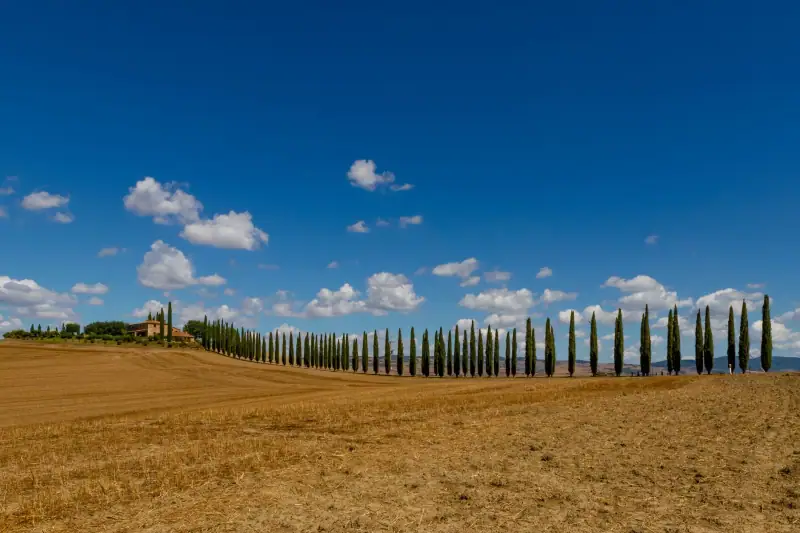
Tuscany Budget: What a Trip Costs, Item by Item (3 Profiles)
How much does a trip to Tuscany cost? Accommodation, transport, meals and sights priced out, three detailed budgets and tips to spend less.
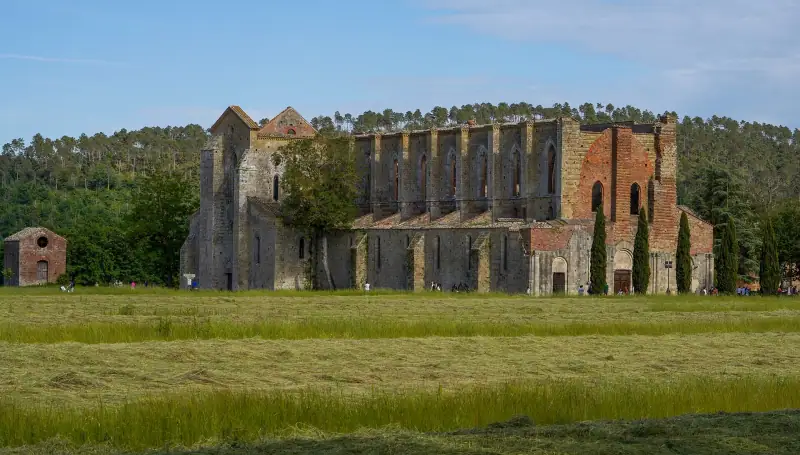
San Galgano Abbey and the Sword in the Stone: Hours, Prices and Access from Siena
Roofless abbey and Montesiepi hermitage near Siena: hours, 2026 rates, getting there without a car, visit length and what you really see.
Ready-made
Tuscany itineraries
2 days
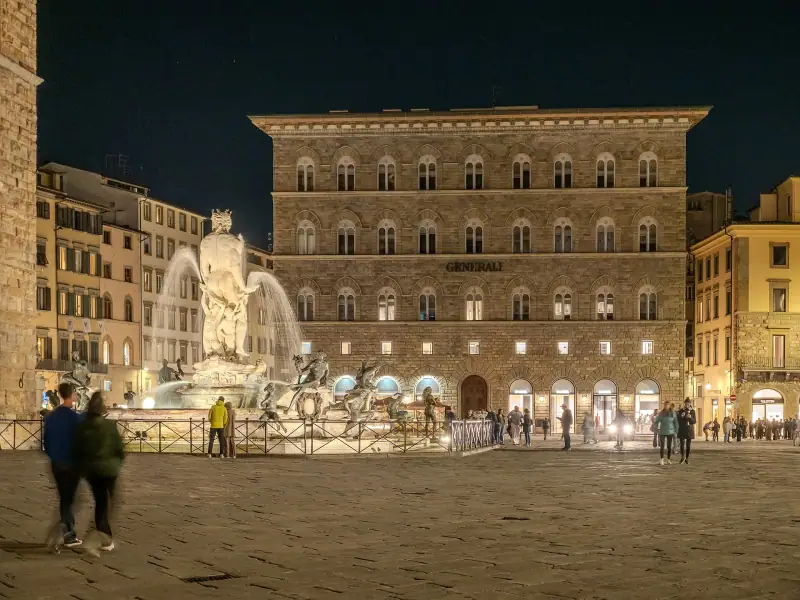
Florence in 2 Days: A Walking Itinerary, Day by Day
Florence in 2 days: Duomo, Uffizi, Accademia, Ponte Vecchio, Oltrarno and Piazzale Michelangelo. A realistic walking itinerary without rushing.
1 day
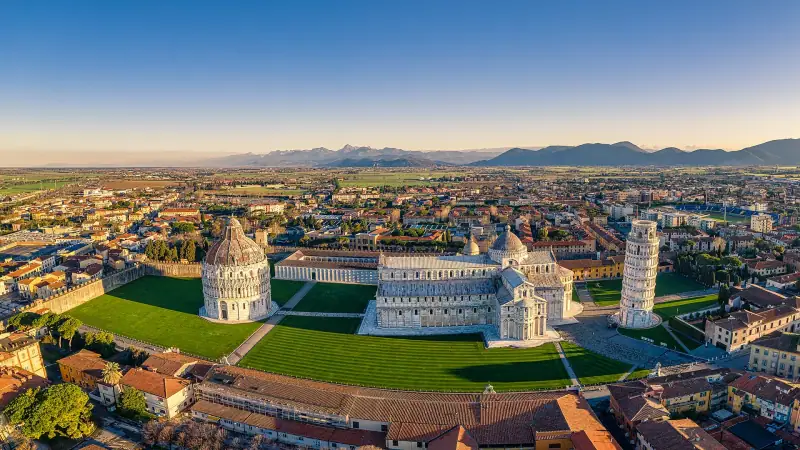
Pisa and Lucca in One Day from Florence: A Train Itinerary
Pisa and Lucca in one day from Florence: train itinerary, travel times, top sights and tips for enjoying both cities.
7 days
Tuscany in 7 Days: A Road Trip from Florence to the Val d'Orcia
A 7-day Tuscany itinerary: Florence, Pisa, Lucca, Chianti, Siena, San Gimignano and the Val d'Orcia, with realistic drives and practical tips.