Things to do
Driving the Chianti Road: Villages, Wineries and Tastings
We may earn a commission when you book through links on this page, at no extra cost to you. We don't visit or try the places we cover: we summarize published sources. How we work
In short
- One full day links Florence to Siena with two or three village stops and a winery; two days with a night in Chianti is much more comfortable for unhurried tasting.
- The SR222 'Chiantigiana' runs about 70 km (43 mi) between the two cities, a little over an hour and a half of driving without stops.
- Most estates receive visitors by appointment, especially in high season: book online or by phone a few days ahead.
- Italy's tolerance for drinking and driving is very low: designate a driver or use a tour with transport.
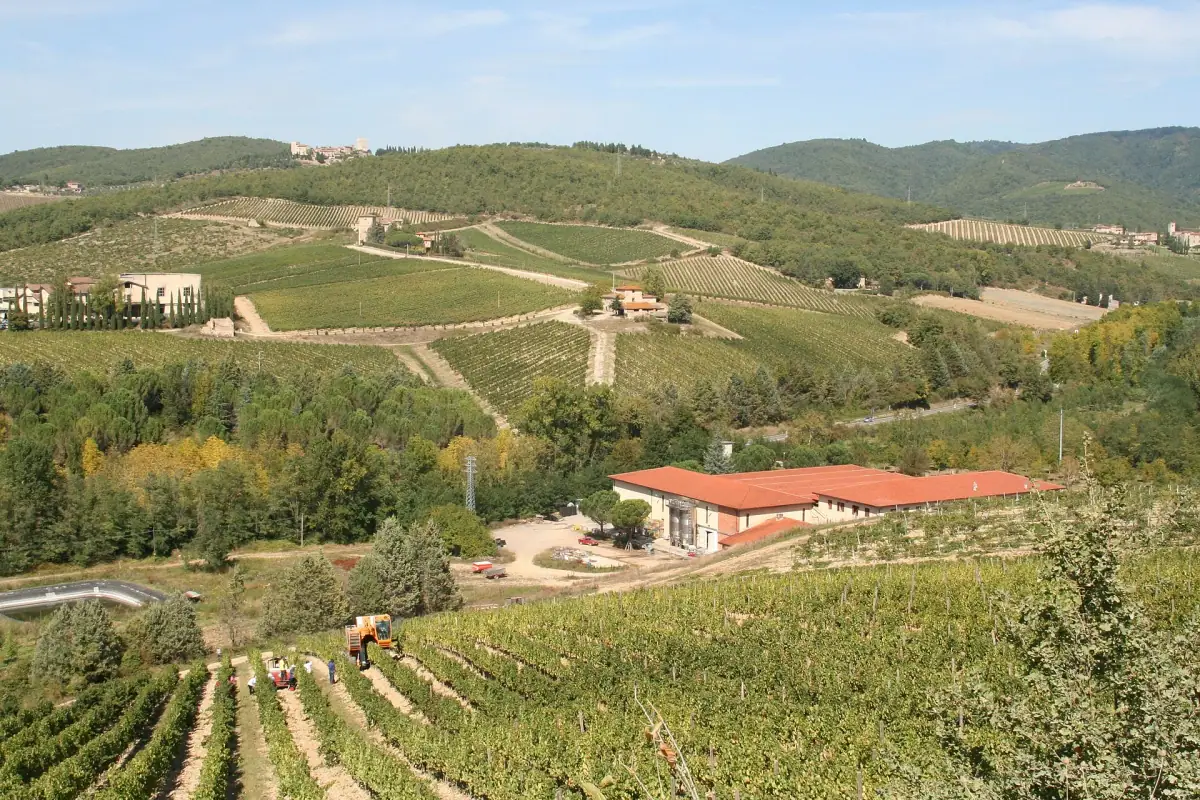
Between Florence and Siena, Chianti is one of the most famous wine regions in Italy, but it is also a landscape: hills covered with vines and olive trees, small roads lined with cypress trees, stone villages and isolated castles. The best way to discover it is to drive through it without rushing, alternating villages, viewpoints and tastings. Here is a simple route, doable in one or two days, with practical tips to avoid unpleasant surprises.
How to organize the Chianti road
The region known as Chianti Classico stretches between Florence to the north and Siena to the south. The main road through it, the SR222 state road, known as the “Chiantigiana,” links the two cities over about 70 km (43 mi). Without stops, allow a little over an hour and a half of driving, but nobody drives it in one go: the whole point is to stop.
Two approaches are open to you. The first is to leave Florence in the morning, head down toward Siena stopping along the way, and stay overnight in Siena or in the countryside. The second, more restful, is to settle for two nights in a farm stay (agriturismo) in the heart of Chianti and fan out from there. If you have already planned a wider trip, this stop fits naturally into our 7-day Tuscany itinerary.
A few driving tips to keep in mind:
- Secondary roads are narrow and winding: the distance is short, but the average speed is low.
- The historic centers of Florence and Siena are limited traffic zones (ZTL). Pick up or return your car on the outskirts to avoid fines.
- Getting from one village to the next generally takes between ten and thirty minutes.
- The driver should not taste the wines: in Italy, tolerance for drinking and driving is very low. Designate a driver or spit in the spittoon provided at tastings.
Staying in Chianti
A farm stay or a small village hotel lets you enjoy the hills at sunset and taste wine without getting back on the road. Compare offers, with free cancellation if possible.
Understanding Chianti wine before you go
Before pushing open the door of a cellar, a few landmarks help you better appreciate what you taste. Chianti Classico is produced in the historic territory between Florence and Siena; its bottles bear the black rooster emblem, the gallo nero. The dominant grape is Sangiovese, which gives dry wines with cherry aromas and good acidity that makes them very food-friendly.
You generally meet several quality levels on labels: the annata, the most common, the riserva, aged longer, and the Gran Selezione, at the top of the Chianti Classico hierarchy. Estates also produce olive oil, highly prized, and sometimes vin santo, a traditional sweet wine served with cantucci, dry almond biscuits.
To go deeper on the food side, our guide on what to eat in Tuscany explains which dishes go best with these wines.
Greve in Chianti and Panzano: the heart of Chianti
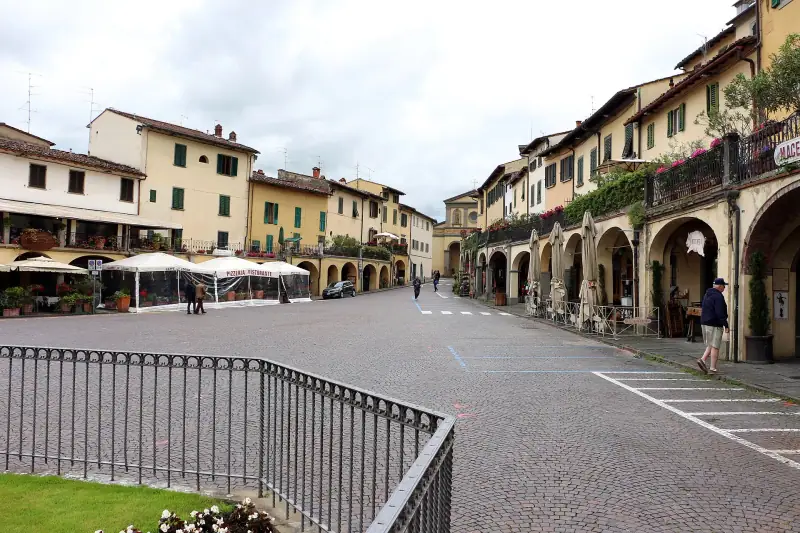
Coming from Florence, the first natural stop is Greve in Chianti, about 30 km (19 mi) away. The village is organized around a triangular square lined with arcades, where you find shops, cafés and small stores selling local products. It is a good place to have a coffee, buy olive oil or cured meats, and find a first cellar to taste the region’s wine.
A few kilometers farther south, Panzano is a quieter hilltop village that offers fine views over the surrounding vineyards. It is known for its food tradition and relaxed atmosphere. For lunch, choose a simple trattoria with a terrace serving seasonal dishes: bread and vegetable soups, pasta with meat sauces, grilled meat. Booking is wise in high season.
If you are looking for an easy-to-reach viewpoint, a few country roads around Panzano let you pull over to admire the valley, especially at the end of the day when golden light highlights the rows of vines.
Wine tastings in Chianti
Estate visit, Chianti Classico tasting, sometimes with olive oil and local products: an excursion with transport avoids driving after the glass.
Radda, Gaiole and Castellina: fortified villages and castles
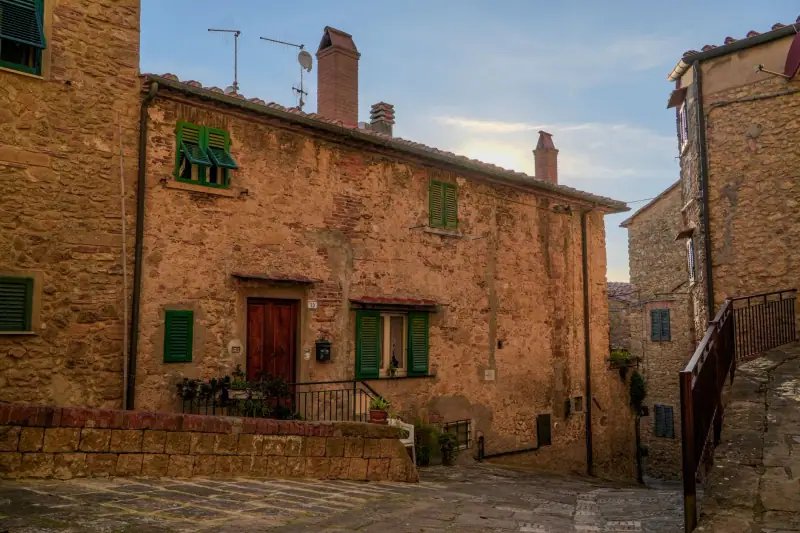
Continuing southeast, you reach Radda in Chianti, a pretty town ringed by walls, whose lanes climb gently toward the center. Its small scale makes it an ideal stop for a one-hour stroll, with a stop in an enoteca to compare several labels by the glass.
Gaiole in Chianti, farther east, is surrounded by estates and historic castles. The region is known for its abbeys and wine fortresses, among them Brolio Castle, owned by the Ricasoli family, often cited as one of the oldest wine estates in Italy. Depending on the season, you can visit the gardens and cellars; check hours and visiting conditions on the official website before traveling.
Castellina in Chianti, finally, lies on the axis leading to Siena. The village keeps traces of its defensive past, with a covered street, Via delle Volte, running along the old rampart. It is a pleasant stop for a short walk before getting back on the road.
Whichever village you choose, remember a simple rule: it is better to visit few and take your time than to tick off five in a rush. Three villages, a lunch and a tasting are enough to fill a day.
A one-day route between Florence and Siena
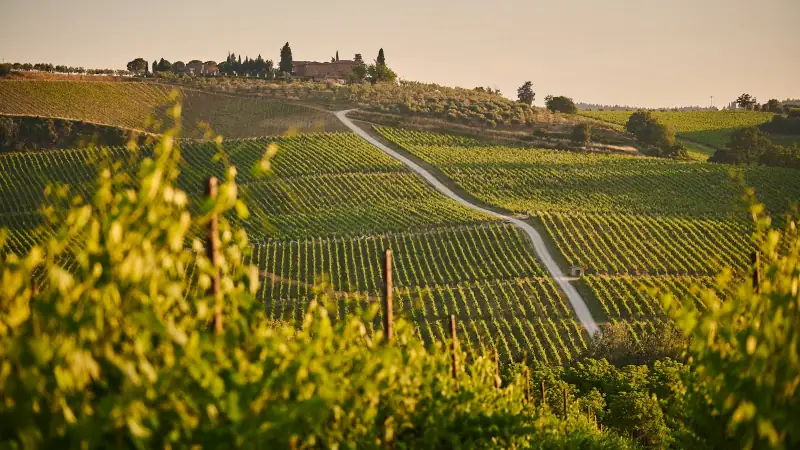
Here is a realistic plan, about 100 km (62 mi) of driving in total, if you start in Florence and end in Siena:
- Morning: leave Florence around 9 am, heading for Greve in Chianti. Stroll the square, buy local products.
- Late morning: Panzano and its viewpoints, then a first tasting at an estate, booked in advance.
- Lunch: in a village trattoria, around Panzano or Radda.
- Early afternoon: walk in Radda in Chianti, then the road to Gaiole and its castles.
- Late afternoon: back toward Castellina, then arrival in Siena at the end of the day, for the evening in the city.
This plan can be spread over two days by adding a night in Chianti. The next day, you can devote time to a second cellar, a light hike among the vines or a cooking class, then reach Siena at a relaxed pace. We cover the city in our guide to visiting Siena in one day.
If you prefer to continue south, the Val d’Orcia is a logical next step: see our Val d’Orcia road trip.
Tuscan cooking class
Prepare fresh pasta or a Tuscan meal with a local cook, then enjoy it with Chianti: a nice way to extend the day.
When to go and how to visit the estates
Chianti can be visited almost all year, but each season has its character. Spring is green and flowering, summer hot and bright, fall golden with the grape harvest, and winter quiet, with mists over the hills. September and October are often considered the most beautiful months for the vines, but also among the busiest. To compare seasons, see our guide to the best time to visit Tuscany.
For tastings, a few habits simplify the visit:
- Book in advance: most estates receive visitors by appointment, with hours that vary by season.
- Find out about rates before you come; they vary by option (wines only, wines and oil, meals).
- Leave space in the trunk: buying a few bottles directly at the estate is common.
Budget and practical tips
The budget varies mostly with lodging and the number of tastings. Farm stays often offer rooms at lower prices than Florence in high season, but they book up early, especially in spring and fall. Fuel and tolls are a modest cost on this route, since the main road is not a highway.
A few points not to forget:
- Plan for parking: lots are generally available at village entrances, sometimes paid.
- Do not overload the route: two or three villages, a lunch and a tasting are enough.
- Keep water and a snack in the car: some roads cross long stretches without shops.
- Download an offline map: mobile coverage can be patchy in valley bottoms.
- Check the weather: dirt roads become slippery after heavy rain.
Extending the experience: hikes and farm stays
Beyond the car, Chianti lends itself to walking. Many waymarked trails cross vineyards, woods and white roads, often starting from villages or estates. A walk of a few kilometers is enough to change pace and appreciate the landscape differently. Ask your accommodation or the local tourist office about recommended routes by season.
Staying at a farm stay is also an experience in its own right: you often eat farm products, meet the producers and enjoy the pool or garden after a day on the road. It is the best way to slow down and understand why so many travelers make Chianti the gentlest stop of their Tuscany trip.
A last stay in Siena or Florence
To finish the Chianti road without driving in the evening, stay in one of the two cities and enjoy their restaurants.
Key takeaways
The Chianti road is not a race: it is a series of small pauses among hills, villages and cellars. With a car, a sensible driver, two or three well-chosen stops and a booked tasting, you will enjoy one of the most beautiful regions of Tuscany without fatigue. And if you have time, spend a night there: Chianti at sunset is worth the detour.
Frequently asked questions
How long does it take to drive the Chianti road?
A full day lets you link Florence to Siena with stops in two or three villages and at one winery. To take the time to taste without rushing, two days with a night there are much more comfortable.
Do you need a car to visit Chianti?
It is by far the most practical way: the villages are scattered over the hills and buses are infrequent. If you do not want to drive after a tasting, an organized excursion with a driver is a good alternative.
What is the difference between Chianti and Chianti Classico?
Chianti Classico comes from the historic zone between Florence and Siena and is recognized by the black rooster (gallo nero) emblem on the bottle. Chianti, broader, covers vineyards spread over a larger area of Tuscany.
What is the best time for Chianti?
Spring and early fall are the most pleasant: the landscapes are green or golden, temperatures mild, and the grape harvest enlivens the region in September and October. Summer is hot and busier.
Do you need to book tastings in advance?
Yes, most estates receive visitors by appointment, especially in high season. Booking online or by phone a few days ahead avoids finding the door closed.
More Tuscany guides
Keep reading
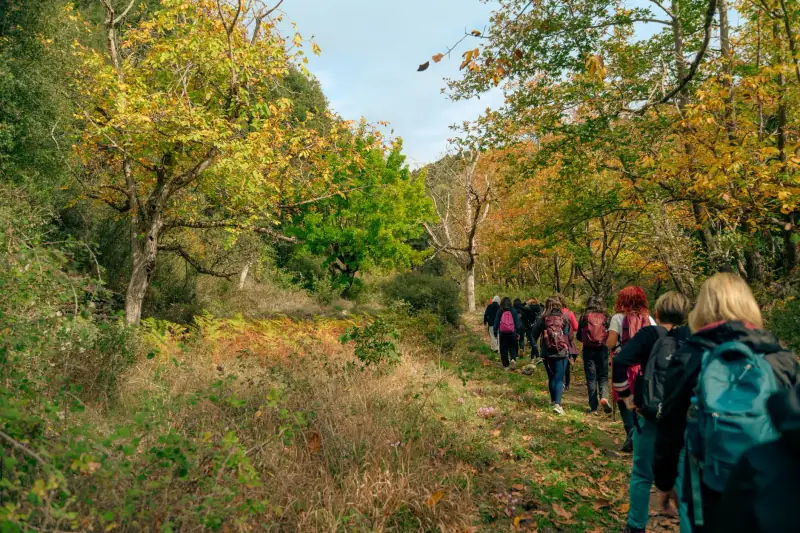
Hiking the Vie Cave of Pitigliano and Sovana Without a Guide: Route, Time, Difficulty
The vie cave of Pitigliano and Sovana can be hiked without a guide: 10 km loop, duration, shoes, archaeological park and mistakes to avoid.
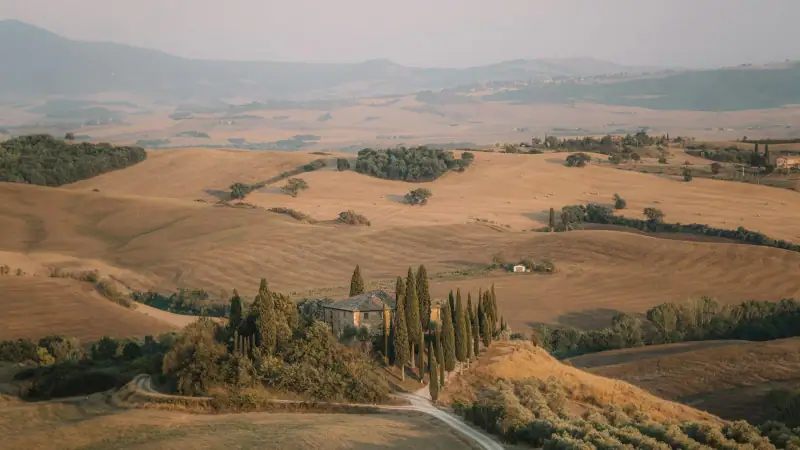
Things to Do in Tuscany: Biking, Hiking, Hot Air Balloons, Cooking and Local Festivals
What to do in Tuscany beyond museums? Biking in Chianti, hiking in the Crete Senesi, hot air balloons, cooking classes, the Palio: our activity ideas.
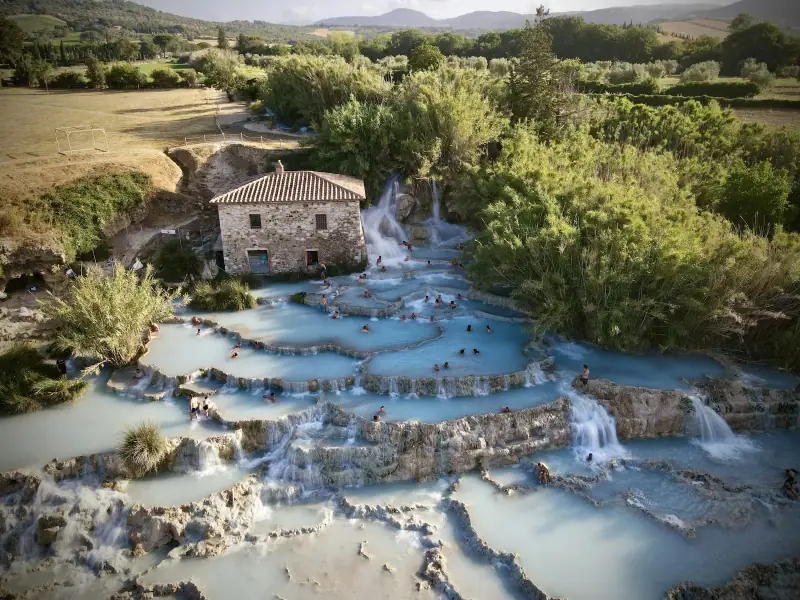
Tuscany's Hot Springs: Saturnia, Bagni San Filippo and Natural Thermal Pools
Where to bathe in Tuscany's hot springs: Saturnia waterfalls, Bagni San Filippo, Bagno Vignoni. Tips, rules, seasons and how to plan your stay.
Ready-made
Tuscany itineraries
2 days
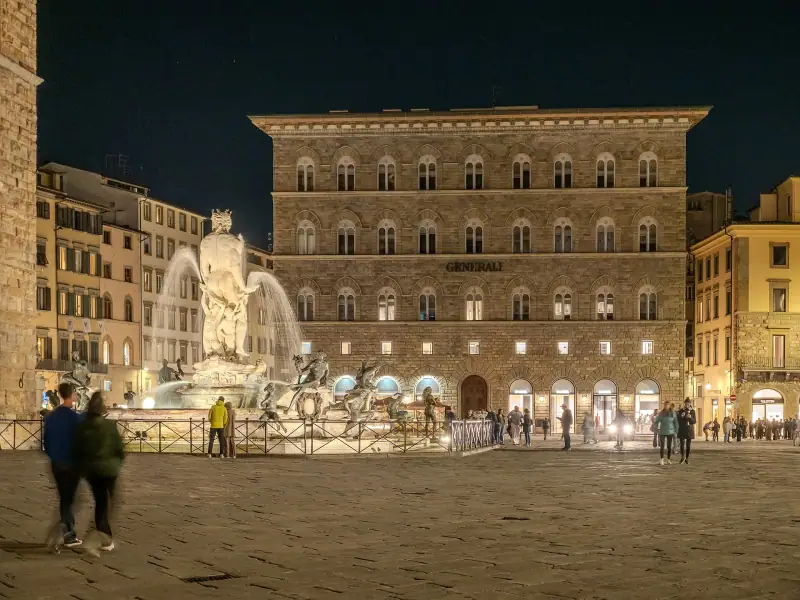
Florence in 2 Days: A Walking Itinerary, Day by Day
Florence in 2 days: Duomo, Uffizi, Accademia, Ponte Vecchio, Oltrarno and Piazzale Michelangelo. A realistic walking itinerary without rushing.
1 day
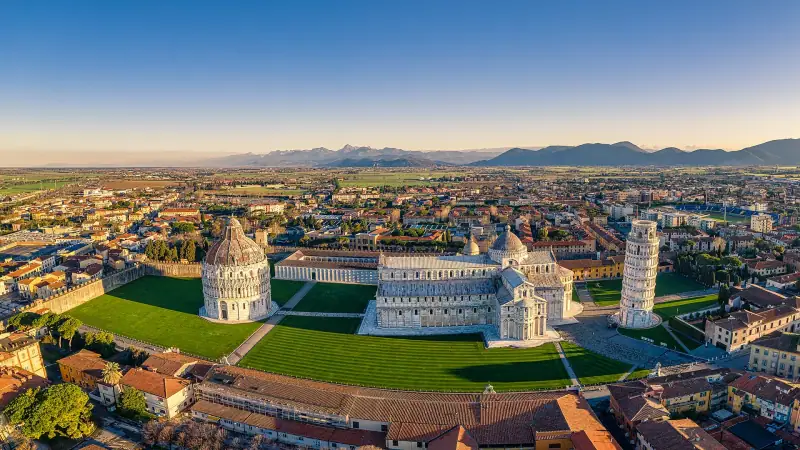
Pisa and Lucca in One Day from Florence: A Train Itinerary
Pisa and Lucca in one day from Florence: train itinerary, travel times, top sights and tips for enjoying both cities.
7 days
Tuscany in 7 Days: A Road Trip from Florence to the Val d'Orcia
A 7-day Tuscany itinerary: Florence, Pisa, Lucca, Chianti, Siena, San Gimignano and the Val d'Orcia, with realistic drives and practical tips.