Itineraries
Val d'Orcia Road Trip: Pienza, Montalcino and Montepulciano
We may earn a commission when you book through links on this page, at no extra cost to you. We don't visit or try the places we cover: we summarize published sources. How we work
Day by day
- Day 1Pienza, scenic road to San Quirico d'Orcia, Bagno Vignoni
- Day 2Montalcino, Brunello tasting, Sant'Antimo abbey, Montepulciano
Where to sleep
- Farm stay in the Val d'Orcia1 night
Weather through the year on this route
| Jan | Feb | Mar | Apr | May | Jun | Jul | Aug | Sep | Oct | Nov | Dec | |
|---|---|---|---|---|---|---|---|---|---|---|---|---|
| High °F (°C) | 5010 | 5211 | 5915 | 6418 | 7222 | 8127 | 8831 | 8831 | 7926 | 7021 | 5915 | 5211 |
| Low °F (°C) | 394 | 394 | 436 | 489 | 5513 | 6317 | 6820 | 7021 | 6317 | 5513 | 489 | 415 |
| Rain in (mm) | 2.255 | 2.255 | 2.255 | 2.460 | 2.050 | 1.640 | 1.025 | 1.435 | 3.180 | 4.1105 | 4.5115 | 3.075 |
Normals 1991–2020 at Pisa: averages over 30 years, not a forecast. Source: NASA POWER (MERRA-2), grid of about 50 km. Figures computed by us in November 2026.
In short
- Two days cover Pienza, Bagno Vignoni, Montalcino and Montepulciano without rushing; with one day, focus on Pienza, the scenic road and one wine village.
- A car is strongly recommended: villages are perched, public transport is rare and historic centers are limited traffic zones (ZTL), so you park outside.
- The Val d'Orcia is about an hour from Siena and a little over two hours from Florence, depending on traffic; villages are 20 to 40 minutes apart.
- Spring and early fall are the most pleasant seasons; book wine tastings in advance.
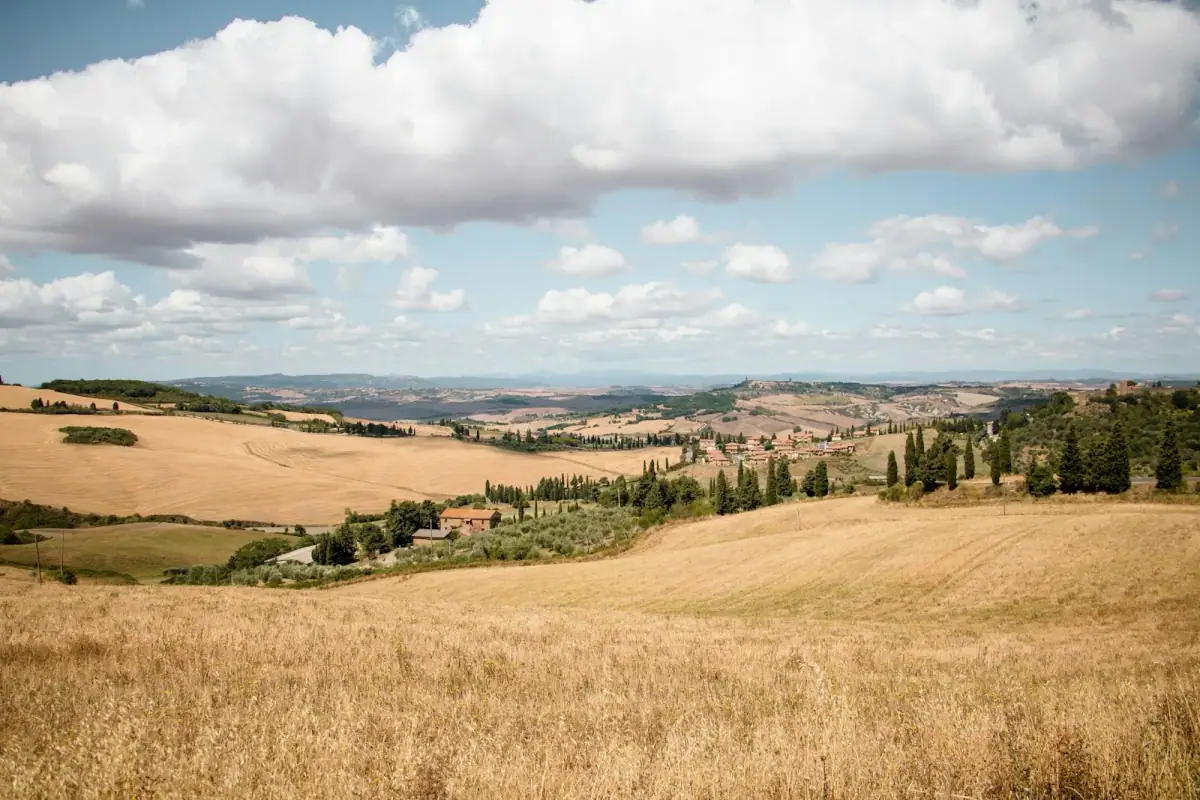
If you are looking for the image people associate with Tuscany (gentle hills, rows of cypress trees, isolated farmhouses on a ridge, villages of golden stone), the Val d’Orcia is where to go. This valley south of Siena has been a UNESCO World Heritage cultural landscape since 2004: here the countryside was shaped by people with a remarkable sense of aesthetics, and you see it at every bend.
The Val d’Orcia is not really a place to visit by public transport: the villages are perched, buses are rare and the best viewpoints are on small roads. Here is a two-day road trip, easy to adapt, between Pienza, Montalcino, Montepulciano and the thermal villages. To place this stop in a longer trip, see our 7-day Tuscany itinerary.
Organizing your Val d’Orcia road trip
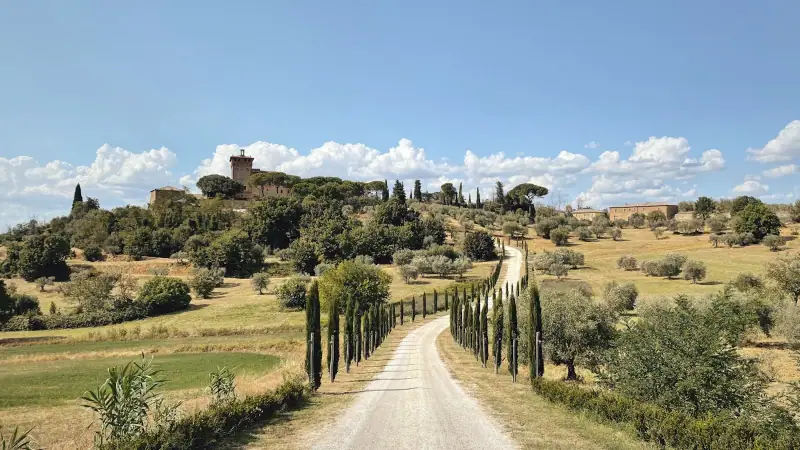
The Val d’Orcia lies southeast of Siena, about an hour’s drive from the city, and a little over two hours from Florence depending on traffic. Distances between villages stay short: you go from one to the next in about 20 to 40 minutes, which allows two or three stops a day without rushing. The challenge is not mileage but pace: the roads are winding, you stop constantly to take photos, and the villages deserve a stroll.
A car is truly the best way to enjoy the region. It lets you stop at viewpoints, reach isolated abbeys and stay in the countryside. A few rules to keep in mind: historic centers are almost all limited traffic zones (ZTL), so park in the lots outside the walls and finish on foot. Streets are steep and cobbled. Finally, some country roads are gravel; they are passable, but drive slowly.
The best time to go depends on what you are looking for. Spring offers intensely green fields, summer golden wheat fields but also heat, and fall the grape harvest and morning mists over the hills. Our guide to the best time to visit Tuscany details these seasons.
Stays in the Val d'Orcia
A farm stay or a small village hotel lets you enjoy the hills at sunrise and sunset. Compare offers, with free cancellation if possible.
Pienza, the Renaissance ideal city
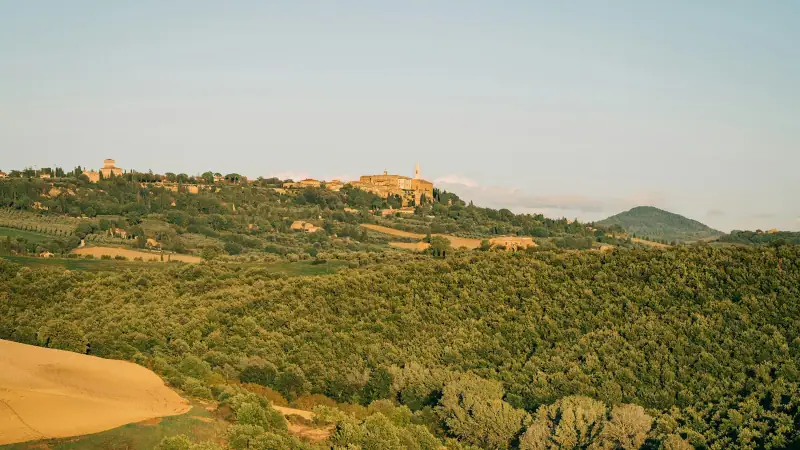
Pienza is probably the most fascinating village in the valley. It was called Corsignano until the 15th century, when Pope Pius II, who was born there, decided to turn it into an ideal city. He entrusted the design to the architect Bernardo Rossellino, and the historic center has remained remarkably coherent: a set of squares, palaces and streets laid out according to Renaissance principles, in the middle of a medieval village.
The heart of the village is Piazza Pio II, around which stand the cathedral, the Palazzo Piccolomini and the town hall. Its small size makes it a pleasant visit in one to two hours. Then take the time to walk to the ramparts: from there, the view over the Val d’Orcia is one of the finest in the region, with hills stretching to Monte Amiata.
Pienza is also the capital of pecorino, the Tuscan sheep’s cheese. Shops in the center offer many varieties, young and soft or more aged. It is a good chance to bring some home, and to learn more about local products in our article what to eat in Tuscany.
Between Pienza and San Quirico: the most photogenic roads
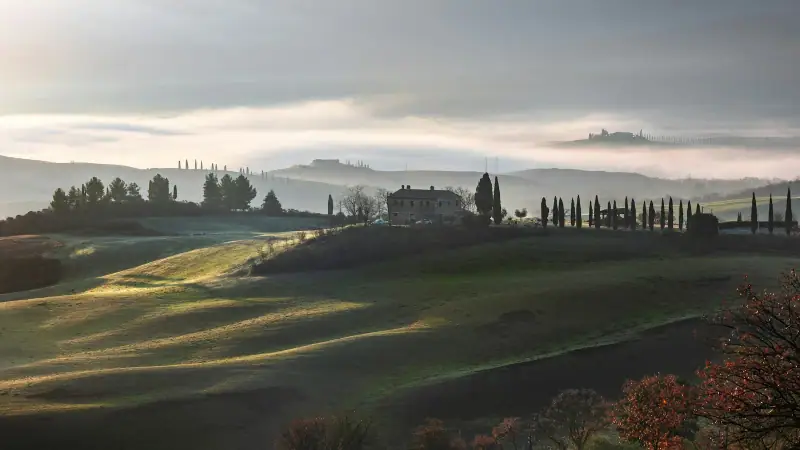
Between Pienza and San Quirico d’Orcia, the road crosses some of the most emblematic landscapes in Tuscany. This is where you find the winding lines of cypress trees, isolated farmhouses on hilltops and fields with regular curves. It is especially magical early in the morning, when the light is low and mist sometimes fills the hollows of the valley.
The small chapel of the Madonna di Vitaleta, near San Quirico d’Orcia, is one of these often-photographed places: a small building surrounded by cypress trees in the middle of the fields. It is modest, and it is better to come outside peak hours. Respect farmland: do not walk through crops to get the best photo.
San Quirico d’Orcia also deserves a stop. Its medieval center is quiet, and the Italian-style Horti Leonini garden, Renaissance in inspiration, is a pleasant place to rest before getting back on the road. This village is a good base if you want a peaceful stay, close to the main sites.
Bagno Vignoni, the village with thermal waters
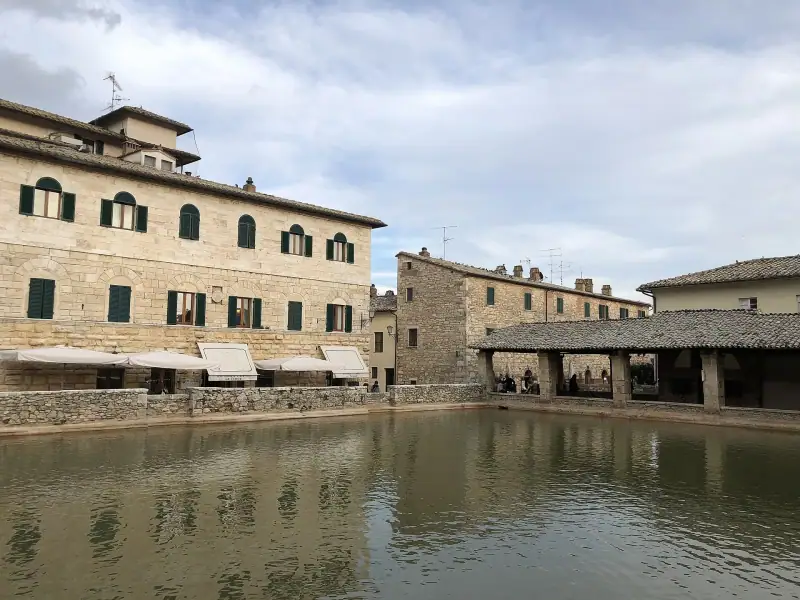
A few kilometers from San Quirico, Bagno Vignoni is an unusual village: its central square is not a square but a large rectangular pool of natural hot water, fed by a thermal spring. Bathing there is no longer allowed today, but the steam rising in cool weather gives the place a unique atmosphere, especially in winter and fall.
You can walk around it in half an hour, then go down toward the remains of the old baths below the village, where water flows over the rock. To actually bathe, there are thermal facilities and natural pools in the surrounding area; ask locally about access conditions and hours, which vary by season.
Wine tastings in Montalcino
Brunello, Rosso di Montalcino: a cellar visit with tasting is the simplest way to understand the local wine.
Montalcino and Brunello
Montalcino, perched on its hill on the western side of the Val d’Orcia, is the capital of one of Italy’s most famous wines: Brunello di Montalcino, a red made from Sangiovese, a grape widely grown in Tuscany. The village is small, dominated by a medieval fortress, and its lanes are lined with cellars and wine shops (enoteche) where you can taste local wines.
For a successful tasting, combine an estate visit, which lets you see the vines and cellars, with lunch in town. Many estates offer tastings; they should be booked in advance, especially in spring and fall. If you are driving, designate a driver: country roads are no place for excess, and there are checks.
A few kilometers south of Montalcino, Sant’Antimo Abbey is worth the detour. This Romanesque building, isolated in a valley planted with olive trees, has a sober, calming beauty. Depending on the period, monks sing services there, often in Gregorian chant, which makes the visit especially memorable: check the hours before you come.
Montepulciano, the Vino Nobile village
Montepulciano is the highest of the region’s big villages, and its main street climbs gently to Piazza Grande, the square at the top of the town. The village is known for its Vino Nobile di Montepulciano, a red wine also based on Sangiovese, several vintages of which can be tasted in the many cellars carved under the palaces of the historic center.
You stroll up the main street, stop in front of Renaissance palaces, then arrive on Piazza Grande, lined by the town hall and the cathedral. If you like panoramas, climb the town hall tower: the view takes in the Tuscan hills and, on a clear day, much of the valley.
Montepulciano is also a good starting point for continuing east to the town of Cortona, or for heading back toward Siena, which we cover in our guide to visiting Siena in one day.
Cooking classes and food tours
Fresh pasta, pecorino, olive oil: several food experiences are available in the region.
Suggested two-day itinerary
Here is a realistic plan, starting from Siena or Florence, to enjoy the Val d’Orcia without rushing.
Day 1: Pienza, the valley and the thermal waters. Leave Siena early. Morning in Pienza: Piazza Pio II, ramparts, pecorino shopping. Lunch in the village, then the scenic road to San Quirico d’Orcia, with a stop for the cypress trees and the Vitaleta chapel. Late afternoon in Bagno Vignoni, and a night in a farm stay in the area.
Day 2: Montalcino and Montepulciano. Morning in Montalcino, with a Brunello tasting, and a stop at Sant’Antimo Abbey. Light lunch, then the road to Montepulciano for a walk up to Piazza Grande in late afternoon. If you have time, have a glass of Vino Nobile at golden hour.
If you have one more day, add Cortona or a day of walking in the hills. If you only have one, focus on Pienza, the scenic road and Montalcino.
Practical tips
- Book tastings in advance, especially in spring and fall.
- Leave early: groups arrive in mid-morning, and the light is better in the morning.
- Comfortable shoes: the villages are steep and cobbled.
- Bring coins for parking lots near the historic centers.
- Fill the tank before heading deep into the countryside: gas stations are less frequent.
- Avoid midsummer for long walks: it can get very hot in the hills.
The Val d’Orcia is the Tuscany of postcards, but it is also a living region, where wine, oil and cheese are produced. Take your time: it is the best way to enjoy it.
Frequently asked questions
How much time should you plan for the Val d'Orcia?
Two days let you see Pienza, Bagno Vignoni, Montalcino and Montepulciano without rushing. With a single day, focus on Pienza, the scenic road and one wine village.
Do you need a car to visit the Val d'Orcia?
It is strongly recommended: the villages are perched, public transport is rare and the best viewpoints are on small roads. Historic centers are limited traffic zones, so you need to park outside.
Which village should you choose to stay in the Val d'Orcia?
Pienza and San Quirico d'Orcia are practical bases in the middle of the valley. A farm stay in the countryside offers a more authentic experience, provided you have a car.
When should you visit the Val d'Orcia?
Spring and early fall are the most pleasant periods: green or golden landscapes, mild temperatures and fewer people than in midsummer.
What is the difference between Brunello and Vino Nobile?
Brunello di Montalcino and Vino Nobile di Montepulciano are two red wines made from Sangiovese, produced in two neighboring villages. Each has its own appellation and style, and tasting them side by side is one of the pleasures of the trip.
More Tuscany guides
Keep reading
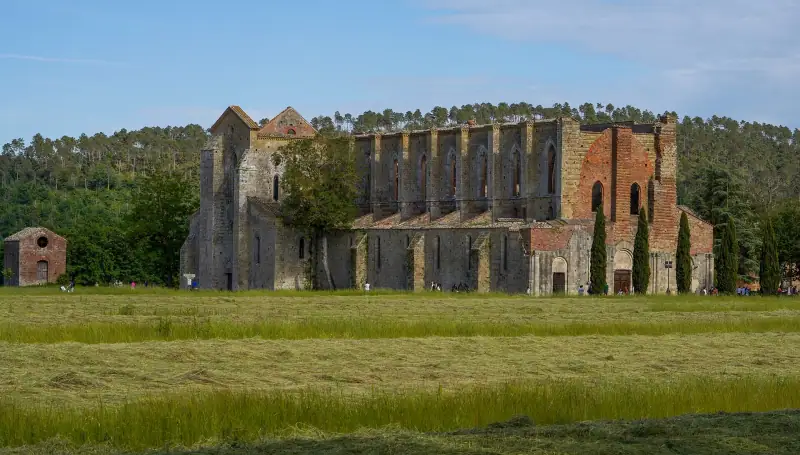
San Galgano Abbey and the Sword in the Stone: Hours, Prices and Access from Siena
Roofless abbey and Montesiepi hermitage near Siena: hours, 2026 rates, getting there without a car, visit length and what you really see.
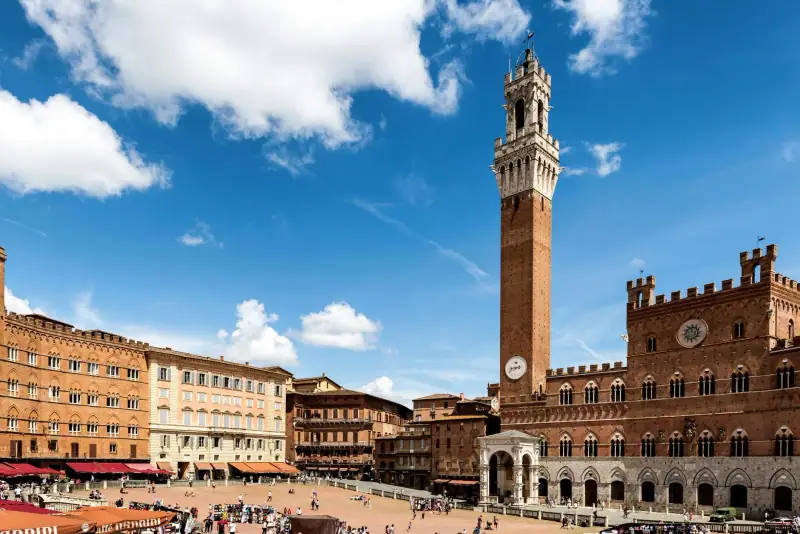
Siena in One Day: Itinerary, Highlights and Tips
What to see in Siena in one day? Piazza del Campo, the cathedral, Palazzo Pubblico, Torre del Mangia and local sweets: a realistic plan and practical tips.
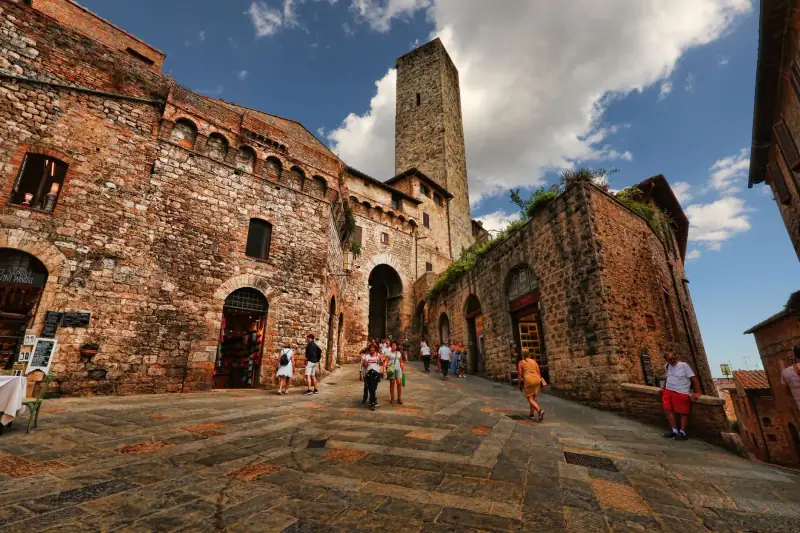
Where to Stay in Siena and San Gimignano: Neighborhoods, Villages and Tips
Where to stay in Siena and San Gimignano? Medieval center, areas by the walls or nearby countryside: pros, limits, parking and tips for choosing well.
Ready-made
Tuscany itineraries
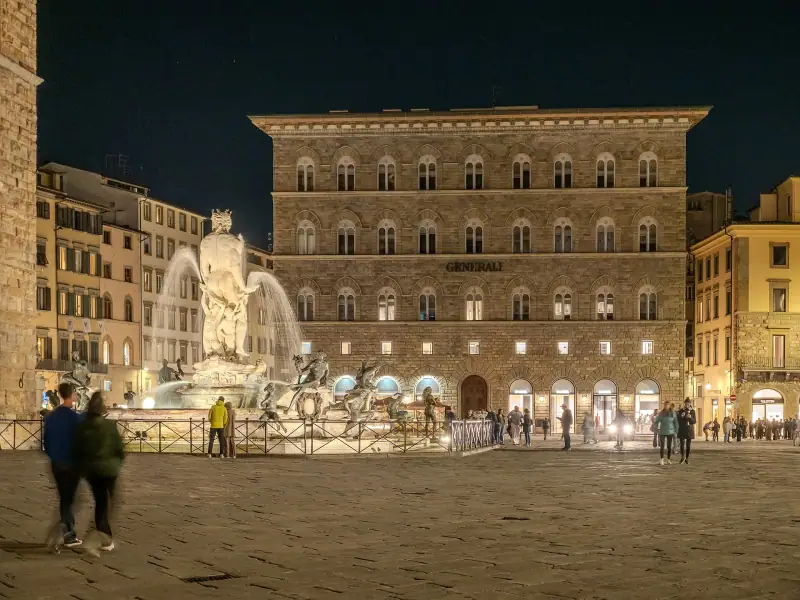
2 days
Florence in 2 Days: A Walking Itinerary, Day by Day
Florence in 2 days: Duomo, Uffizi, Accademia, Ponte Vecchio, Oltrarno and Piazzale Michelangelo. A realistic walking itinerary without rushing.
1 day
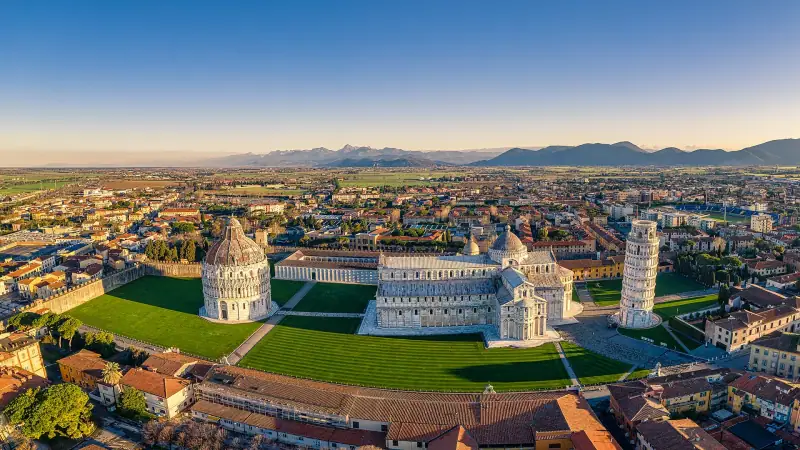
Pisa and Lucca in One Day from Florence: A Train Itinerary
Pisa and Lucca in one day from Florence: train itinerary, travel times, top sights and tips for enjoying both cities.
7 days
Tuscany in 7 Days: A Road Trip from Florence to the Val d'Orcia
A 7-day Tuscany itinerary: Florence, Pisa, Lucca, Chianti, Siena, San Gimignano and the Val d'Orcia, with realistic drives and practical tips.