Plan your trip
Best Time to Visit Tuscany: Month by Month
We may earn a commission when you book through links on this page, at no extra cost to you. We don't visit or try the places we cover: we summarize published sources. How we work
In short
- May, June and September offer the best compromise: pleasant temperatures, long days, beautiful countryside and fewer crowds than midsummer; October is excellent for the grape harvest.
- July and August are the hottest and busiest months, often 28 to 35 °C (82 to 95 °F) inland, with the highest accommodation prices.
- Winter (January and February) is low season: short, cool days, small lines at the big museums and the lowest prices, but some farm stays close.
- Easter is the exception in spring: very busy in Florence, with higher prices and early booking needed.
Tuscany can be visited all year, but it does not look at all like itself from one season to the next. In May, the hills are an almost unreal green; in August, Florence suffocates under the heat and the lines; in October, the Chianti vines turn gold and russet. Choosing your moment means deciding what experience you will have: museums without crowds, bike rides among the cypress trees, tastings during the grape harvest or a hot-springs escape in the depths of winter.
Here is a month-by-month guide, with the advantages, constraints and traveler profiles each period suits best.
Tuscany’s climate in brief
Tuscany enjoys a temperate Mediterranean climate, with significant differences depending on where you are. The coast (Maremma, Tyrrhenian coast) is tempered by the sea and the breeze. Inland cities like Florence, Siena or Arezzo, set in basins or on hills, have very hot summers and cooler winters, with mist and possible frost.
A few useful benchmarks, to take as rough guides:
- Summer (June-August): hot and dry, with days often between 28 and 35 °C (82 and 95 °F) inland, and occasional thunderstorms late in the day.
- Spring (April-May): mild and changeable, with pleasant days but frequent showers, especially in April.
- Fall (September-November): September remains summery, October is mild, November is the rainiest month in many areas.
- Winter (December-February): cool, with daytime temperatures often between 5 and 12 °C (41 and 54 °F), short days and possible snow at altitude (Apennines, Amiata).
The sea is pleasant for swimming mainly from June to September. If you plan to combine art cities and beaches, aim for late spring or early fall.
Month by month: what to do and what to expect
January and February: Tuscany for connoisseurs
This is low season. Florence, Pisa and Siena regain a peaceful rhythm, lines at the big museums are short and accommodation prices drop. Days are cool and sometimes gray, but the winter light on the stone is superb.
Ideal for: art lovers, city breaks, hot springs under a cold sky, winter food (soups, meats, new oil).
Good to know: some farm stays and countryside restaurants close for the season. Days are short, which limits excursions to hilltop villages.
March and April: the countryside wakes up
Hills turn green, almond and fruit trees blossom and the first terraces reopen. The weather is variable: a beautiful day can follow showers, so bring a waterproof jacket.
Easter is an exception: it is a very busy period in Florence, with pricier accommodation that needs early booking. Outside that period, April remains reasonable in terms of crowds.
Ideal for: photographing green landscapes, art cities before high season, first gentle hikes.
May: the big favorite
May is a favorite with almost everyone. The countryside is at its peak, days are long, temperatures are pleasant for walking in town and in the countryside, and poppies dot the fields. Crowds are already steady in the big cities, but far from the summer peak.
It is the perfect time for a road trip in the Val d’Orcia or Chianti, and to stay at a farm stay (agriturismo) with a pool: most places are open, but not yet overrun.
Ideal for: almost everyone, couples, hiking lovers, photographers.
Hotels and farm stays in Tuscany
Compare stays and book early for May, June and September, the most requested months.
June: summer without the excess
June offers very long days and generally stable weather. The heat rises, but stays more bearable than in July-August. Coastal beaches are pleasant and the harvests begin to turn the fields golden toward the end of the month.
It is also a month of events: many village festivals and fairs enliven the squares of the medieval cities, and Florence celebrates its patron saint’s day at the end of the month.
Ideal for: combining cultural visits and swimming, traveling with family before the big holidays.
July and August: heat, crowds and high prices
This is high season, and also the hardest period for visiting art cities. The heat can become heavy in the middle of the day, lines lengthen in front of the most famous monuments and accommodation rates reach their maximum. Around August 15, all of Italy is on vacation (Ferragosto): coastal beaches are packed, while some city-center shops close for a few days.
How to adapt:
- Visit early in the morning or at the end of the day, and keep the hot hours for the pool or a break in the shade.
- Favor hilltop villages and cooler areas at altitude.
- Book tickets for very busy sites in advance.
Ideal for: those whose vacation dates are fixed, pool and beach stays with a few morning visits.
Guided tours and skip-the-line tickets in Florence
Avoid part of the wait in high season with a visit booked in advance.
September: summer, only milder
September combines many assets: the heat comes down, the sea is still pleasant, prices begin to drop and crowds thin after mid-August. The grape harvest starts in some areas at the end of the month.
Ideal for: stays mixing culture, walks and tastings, travelers who want to enjoy the good season without the midsummer crowds.
October: harvest and fall colors
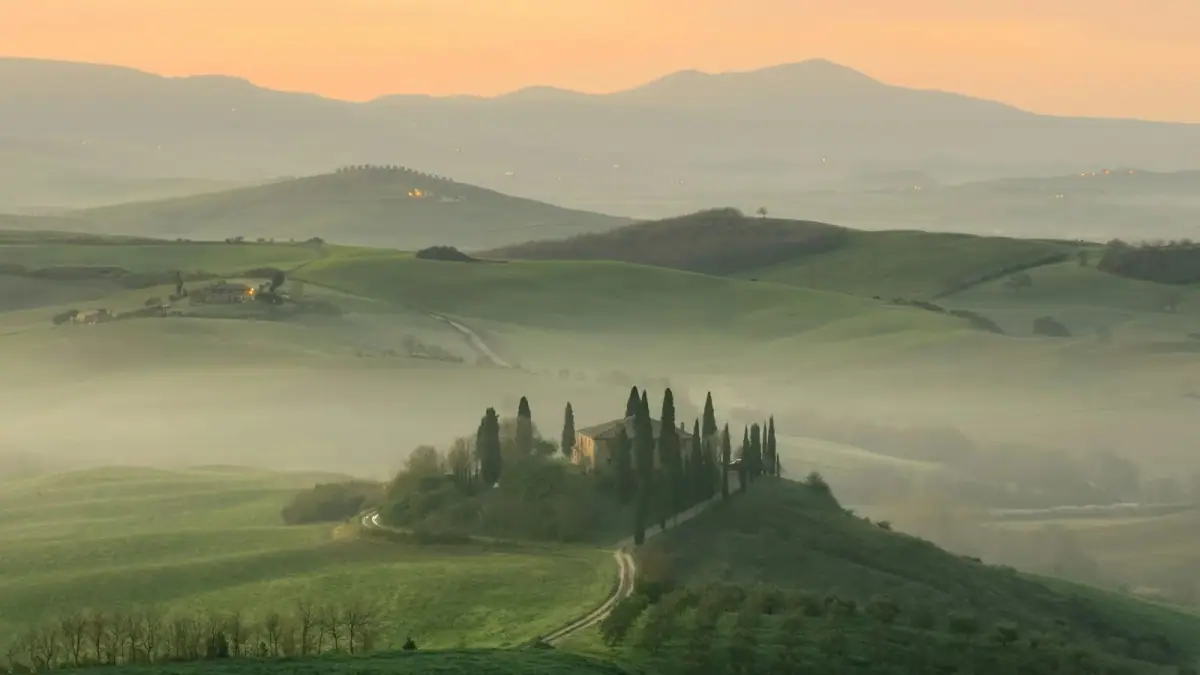
It is a magical month for the countryside: golden vines, morning mists over the hills, the olive harvest beginning and, depending on the year, big festivals devoted to seasonal products. The weather is more variable, but many days remain mild and bright.
Wine estates in Chianti and the Montalcino area gladly welcome visitors during the harvest, and seasonal cooking (mushrooms, chestnuts, truffles) arrives on the tables.
Ideal for: food lovers, wine travel fans, photographers, stays as a couple.
Wine tastings and estate visits in Tuscany
Day excursions from Florence or Siena, with a cellar visit and tasting.
November and December: rain, calm and holiday mood
November is often the rainiest month, but it is also an excellent time for museums, hot springs and warm tables. The new olive oil season is in full swing and the first white truffles make the reputation of certain fall markets and festivals.
December brings back lights and Christmas markets in the big cities, with a festive atmosphere. Prices stay moderate, except around Christmas and New Year.
Ideal for: cultural city breaks, food, travelers who hate crowds.
Summary table
| Period | Weather | Crowds | Budget | For whom? |
|---|---|---|---|---|
| January-February | 🥶 Cool | 🟢 Low | 💚 Low | Museums, hot springs |
| March-April | 🌦️ Variable | 🟡 Medium (high at Easter) | 💛 Medium | Green countryside |
| May | ☀️ Pleasant | 🟠 Steady | 🟠 Fairly high | All profiles |
| June | ☀️ Hot | 🟠 Steady | 🟠 High | Culture and beach |
| July-August | 🔥 Very hot | 🔴 Maximum | 🔴 Maximum | Fixed vacation dates |
| September | ☀️ Mild to hot | 🟠 Steady | 🟠 High | Culture and wine |
| October | 🍂 Mild | 🟡 Medium | 💛 Medium | Grape harvest |
| November-December | 🌧️ Rainy | 🟢 Low | 💚 Low | City breaks |
Which period to choose for your profile?
You want the most beautiful landscapes: May for the vivid green, October for fall colors.
You want to visit Florence, Siena and Pisa comfortably: April, May, September, October or winter, outside the Easter holidays.
You want to combine art cities and swimming: June and September are the best compromises.
You are traveling with young children: late May-June, or September, with a pool at the accommodation for hot afternoons.
You are on a tight budget: November, January and February are the cheapest months. March and early April also remain very affordable.
You like wine and food: September-October for the grape harvest and olive picking.
Practical tips for preparing your departure
- Book early for May, June, September and long weekends: the best farm stays fill up far in advance.
- Rent a car if you want to explore the countryside and hilltop villages: public transport is efficient between the big cities, much less so for Chianti or the Val d’Orcia. Watch out for the limited traffic zones (ZTL) of historic centers, which expose you to fines.
- Pack suitable clothing: something to protect from the sun in summer, rain in spring and fall, and warm layers in winter.
- Check closing days of sites and museums before you go: several museums close one day a week, and hours vary by season.
Once you have chosen your moment, all that remains is to build your itinerary and book your accommodation: the earlier you plan, the more choice you will have, especially if you are aiming for spring or early fall.
Frequently asked questions
What is the best month to visit Tuscany?
May, June and September offer the best compromise: pleasant temperatures, long days, beautiful countryside and fewer crowds than in midsummer. October is also excellent for the grape harvest and fall colors.
When is Tuscany hottest?
July and August are the hottest months. In inland cities like Florence or Siena, temperatures regularly exceed 30 °C (86 °F), with higher peaks during heat waves.
Can you visit Tuscany in winter?
Yes, it is even the ideal time to visit Florence's museums without long lines and to enjoy reduced accommodation rates. It is cool, sometimes damp, and some farm stays close for the season.
When can you see green wheat fields or poppies in Tuscany?
The Val d'Orcia and the Siena hills are greenest from late March to May. Poppies generally appear in May-June, before the harvest turns the fields yellow in early summer.
Which period should you choose for the grape harvest in Tuscany?
The harvest generally runs from late September to October, depending on grape varieties and altitude. Many Chianti wine estates then offer visits and tastings.
More Tuscany guides
Keep reading
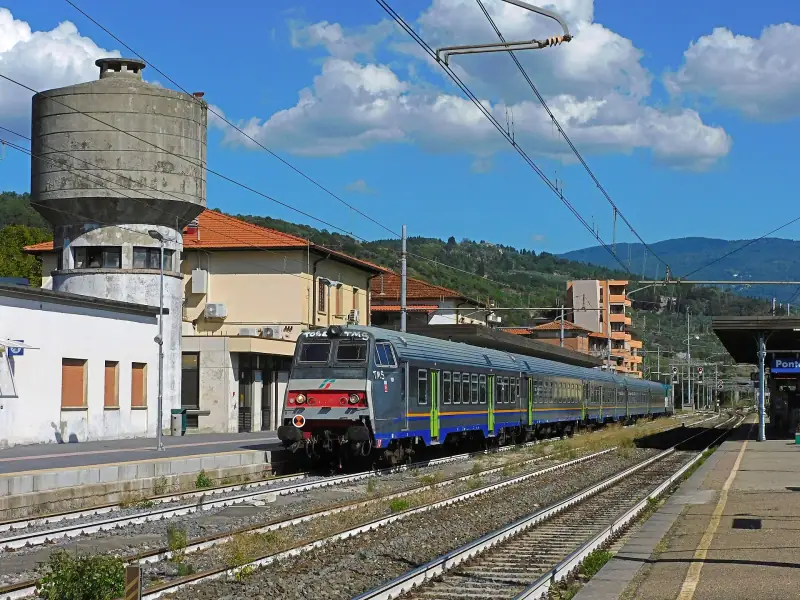
Getting Around Tuscany: Train, Bus or Rental Car?
Train, bus or car to visit Tuscany? Transport comparison, ZTL zones, parking and tips for organizing your trips between cities and villages.
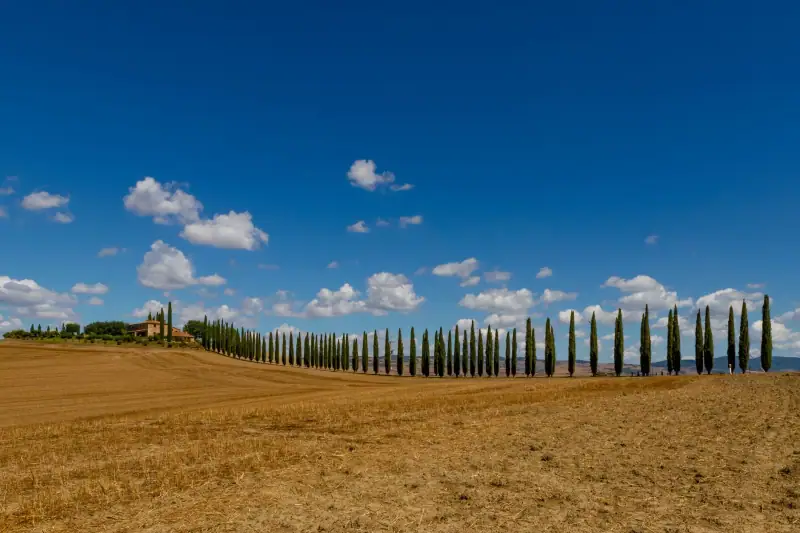
Tuscany Budget: What a Trip Costs, Item by Item (3 Profiles)
How much does a trip to Tuscany cost? Accommodation, transport, meals and sights priced out, three detailed budgets and tips to spend less.
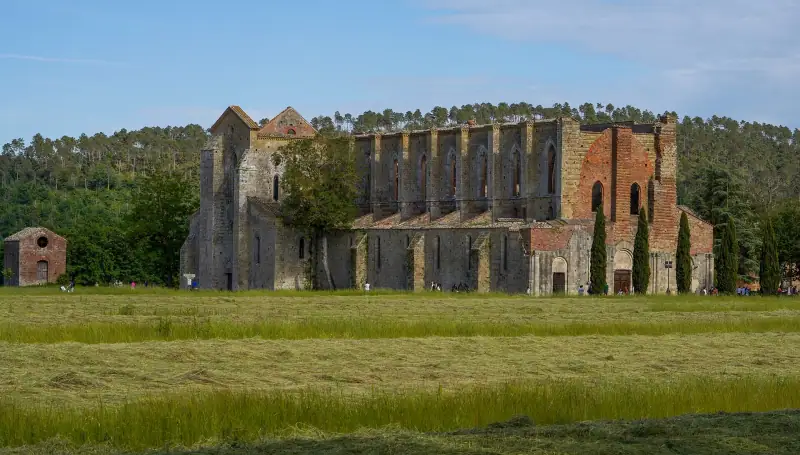
San Galgano Abbey and the Sword in the Stone: Hours, Prices and Access from Siena
Roofless abbey and Montesiepi hermitage near Siena: hours, 2026 rates, getting there without a car, visit length and what you really see.
Ready-made
Tuscany itineraries
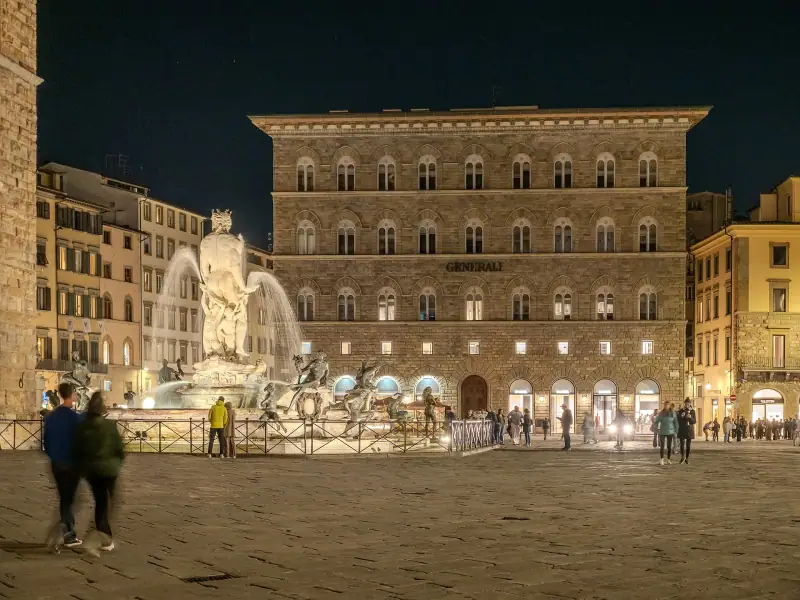
2 days
Florence in 2 Days: A Walking Itinerary, Day by Day
Florence in 2 days: Duomo, Uffizi, Accademia, Ponte Vecchio, Oltrarno and Piazzale Michelangelo. A realistic walking itinerary without rushing.
1 day
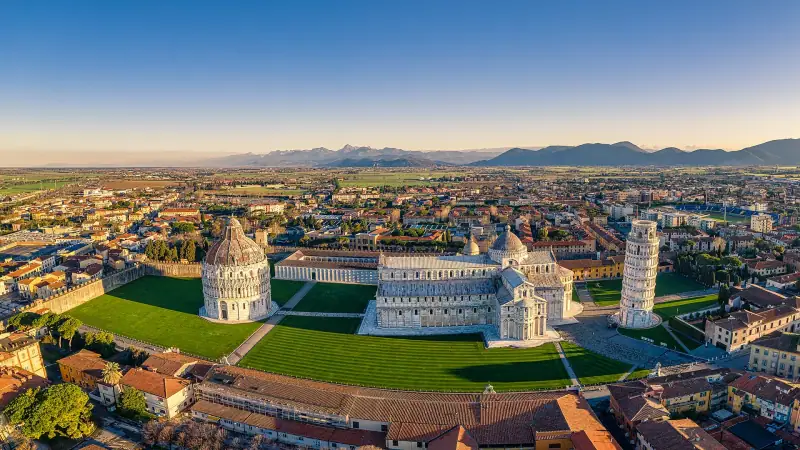
Pisa and Lucca in One Day from Florence: A Train Itinerary
Pisa and Lucca in one day from Florence: train itinerary, travel times, top sights and tips for enjoying both cities.
7 days
Tuscany in 7 Days: A Road Trip from Florence to the Val d'Orcia
A 7-day Tuscany itinerary: Florence, Pisa, Lucca, Chianti, Siena, San Gimignano and the Val d'Orcia, with realistic drives and practical tips.