What to see
San Gimignano in One Day: Towers, Vernaccia and Tips
We may earn a commission when you book through links on this page, at no extra cost to you. We don't visit or try the places we cover: we summarize published sources. How we work
In short
- Half a day covers the essentials: Piazza della Cisterna, the Collegiata, Torre Grossa and the walls; a full day adds a vernaccia tasting and a relaxed lunch.
- By car, allow about an hour and a quarter from Florence and a little under an hour from Siena. The center is a limited traffic zone, so park outside the walls.
- Without a car, the classic route is train or bus to Poggibonsi, then a local bus to San Gimignano.
- Come early or stay late: the village is much quieter before 10 am and after 5 pm.
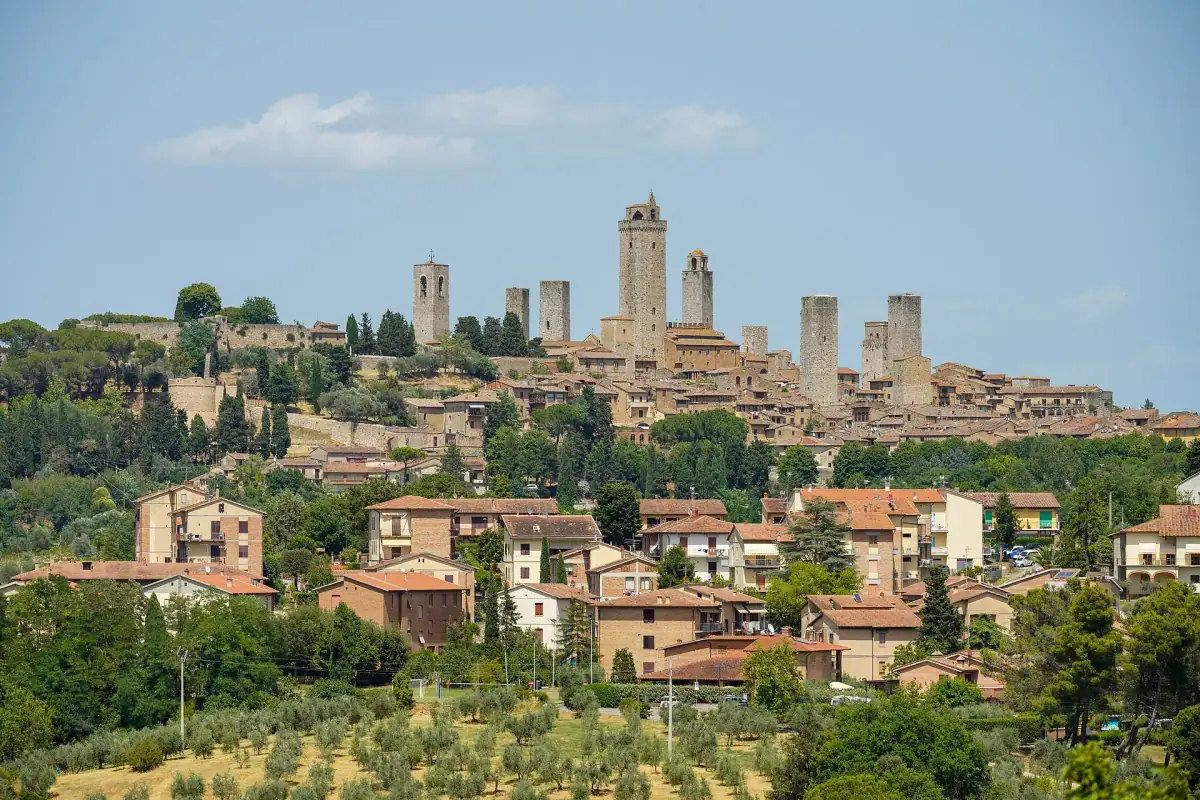
Seen from afar, San Gimignano looks like an illustration from a history book: a crown of stone towers rising from a hill among vineyards and cypress trees. It is one of the most photographed villages in Tuscany, and its historic center is a UNESCO World Heritage Site. It is also very busy, so you need to prepare your visit well.
Here is how to organize a day in San Gimignano: what to see, what time to go, where to taste the famous vernaccia, and how to fit it into a trip that passes through Florence or Siena.
Why San Gimignano is unique
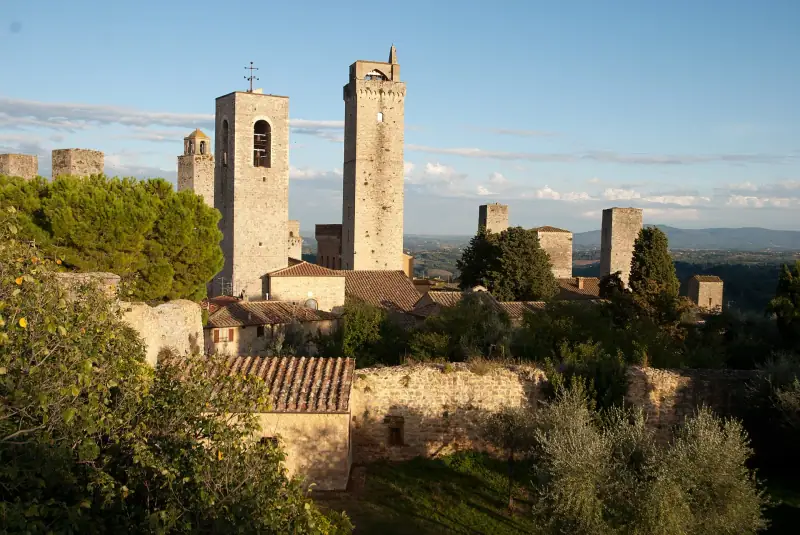
In the Middle Ages, the town’s wealthiest families competed by building towers, symbols of their power. There are said to have been more than seventy at their peak; about fifteen remain today, which is enough to give the village its distinctive silhouette. It is sometimes nicknamed the “Medieval Manhattan,” and the comparison is not unfair when you arrive by road and the towers appear above the vines.
The village has kept its medieval look so well because its economic decline froze time: people stopped transforming it, and its streets, squares and palaces have come down to us almost intact. Today it is an essential stop on Tuscan itineraries, easy to fit into our 7-day Tuscany itinerary.
Be realistic about one thing: between late March and October, and especially at midday, the main streets are packed. The key is to come early or stay late, and to step off the central axis to find the quieter lanes.
Getting there and where to park
San Gimignano is northwest of Siena, in the hills between Florence and Siena. Allow about an hour and a quarter by road from Florence and a little under an hour from Siena, depending on traffic. The roads are pleasant and pass through landscapes of vines and olive trees.
By car, the historic center is a limited traffic zone (ZTL): do not venture in. Use the paid lots around the walls, then enter on foot through one of the gates. The climb to the central square is steep but short. In high season, arrive before 9:30 am for a wider choice of spaces.
Without a car, the simplest way is to reach Poggibonsi by train or bus, then take a local bus to the village. It is doable but slower: check return times before you leave, as they are less frequent in the evening. Our guide to getting around Tuscany details the transport options.
Excursion from Florence
Without a car, an organized excursion to San Gimignano and Siena avoids connections and parking.
Piazza della Cisterna and Piazza del Duomo
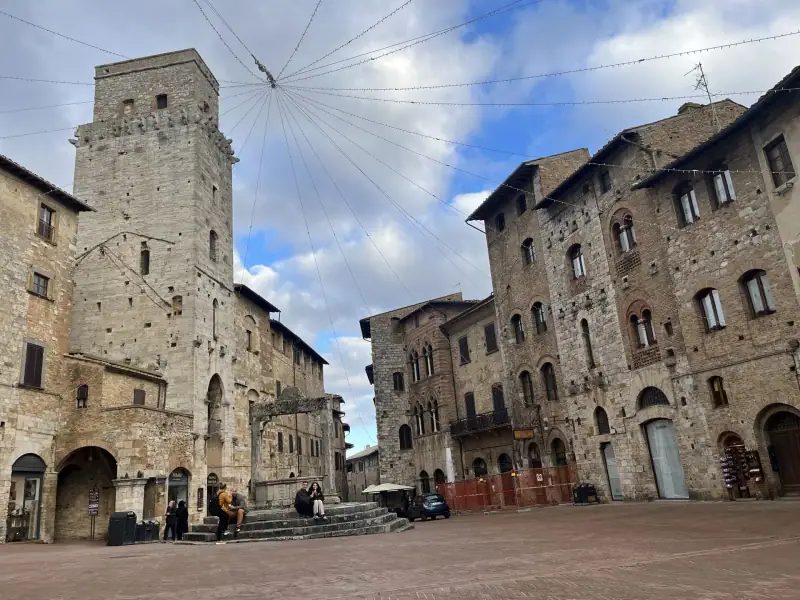
The heart of the village is made up of two squares that touch. Piazza della Cisterna, triangular in shape, is paved with brick and surrounded by tower-houses and palaces. It owes its name to the 13th-century cistern at its center. It is a good place to sit for a moment and watch village life. Several ice cream shops and cafés line it; the square is also known for Sergio Dondoli’s gelateria, renowned for its award-winning ice cream.
Right next to it, Piazza del Duomo gathers the main monuments: the Collegiata (collegiate church), the Palazzo del Podestà, the Palazzo del Popolo and several towers, including Torre Grossa. Together they form an impressively coherent medieval setting, easily covered on foot in a few minutes.
Take the time to look up: the architectural details, arched windows and coats of arms on the facades deserve as much attention as the big monuments.
The Collegiata and its frescoes
The Collegiata, also called the Cathedral of Santa Maria Assunta, is the village’s most precious building. Its exterior is plain, but the interior is entirely covered in medieval and Renaissance frescoes. The nave walls tell scenes from the Old and New Testaments, which once made it a picture book for worshippers who could not read.
In a side chapel, you can admire frescoes by Domenico Ghirlandaio devoted to Saint Fina, a young woman of the village who became a figure of local devotion. The work is a fine example of late 15th-century Florentine painting, which you find in many museums in Florence.
Allow about thirty to forty-five minutes there. Admission is charged, and access may be restricted during services: check hours on arrival. Proper dress (covered shoulders and knees) is required in the church.
Torre Grossa and the view over the hills
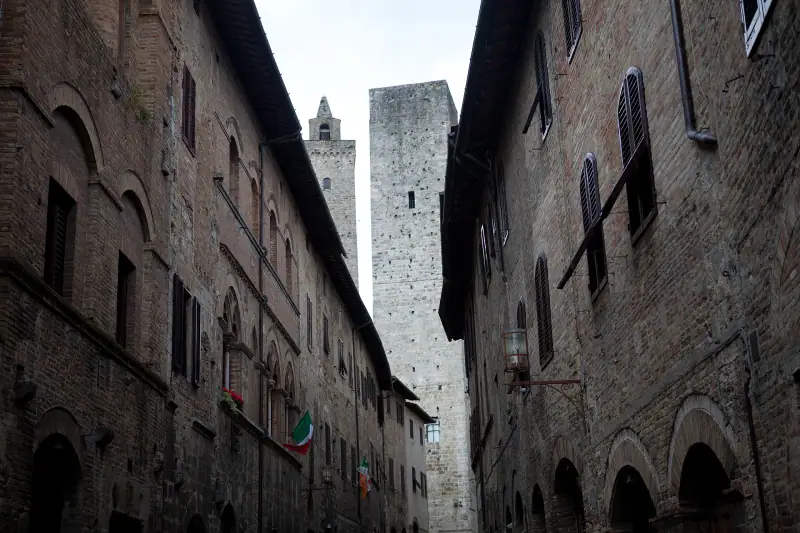
Torre Grossa, built against the Palazzo del Popolo, is the tallest in the village. You can climb it by a steep staircase, and the view over the tiled roofs, the other towers and the surrounding hills is magnificent, especially at the end of the day when the light turns the stone golden. It is probably the best reward of the visit.
If the climb tempts you less, the Palazzo del Popolo houses the civic museum, with its fresco-decorated rooms and its collection of Sienese-school paintings. This visit complements the Collegiata well and helps you understand Siena’s influence on the village. To go further, our guide to visiting Siena in one day will help you compare the two rival cities.
Wine tasting in San Gimignano
Cellar visit, vernaccia and Chianti tasting: several experiences are available around the village, with or without lunch.
Vernaccia, saffron and local specialties
San Gimignano is known for a white wine, vernaccia, rare in a region dominated by reds. Dry, fresh and slightly mineral, it pairs very well with cured meats, young cheeses and fish dishes. Many wine shops (enoteche) in the center offer tastings by the glass: a simple way to discover it without leaving the village. To place this wine among other Tuscan appellations, see our guide to Tuscan wines.
The village is also associated with saffron, grown in the area for a long time, which you find in some shops as threads, salts or condiments. Other products to taste: pecorino, Tuscan cured meats, olive oil and dry biscuits to dip in sweet wine.
At lunch, choose a trattoria a little away from the main squares: prices are lower and the plates more authentic. Book ahead in high season, especially on weekends.
The walls and the quiet lanes
Many visitors concentrate on the main axis between Porta San Giovanni and the two squares, and miss the rest of the village. Yet it is by stepping off this axis that you find the most pleasant atmosphere: cobbled lanes, arcades, gardens and small viewpoints over the countryside.
Take a walk along the walls, or through the streets that descend toward the secondary gates: calm returns quickly, and the view over the vines and olive groves is superb. It is also a good way to enjoy the sunset, when the village empties.
If you have time, a short trip into the countryside around the village lets you appreciate the towers from outside, as on postcards. Many wine estates welcome visitors, and the Chianti road is not far to extend the experience.
A one-day plan
Here is a simple schedule, to adapt to your starting point.
Morning (9:30 am to 12:30 pm). Early arrival, parking near the walls, then the climb to Piazza della Cisterna. Visit the Collegiata at opening, then climb Torre Grossa before the groups arrive.
Midday (12:30 to 2:30 pm). Lunch in a trattoria in the center, with a glass of vernaccia. Avoid restaurants displaying tourist menus in several languages on the main square.
Afternoon (2:30 to 6 pm). Visit the civic museum, walk along the walls and in the quiet lanes. Tasting in a cellar if you have not already had wine at lunch.
End of the day. If you stay overnight in the village, enjoy the almost empty square at dusk. Otherwise, take the road back to Siena or Florence before nightfall.
Staying in San Gimignano
Spending a night in the village lets you enjoy the lanes in the evening and early morning, when day-trippers have left.
Practical tips
- Come early or stay late: the village is much more pleasant before 10 am and after 5 pm.
- Comfortable shoes: the streets are cobbled and steep.
- Keep some coins for parking lots and small shops.
- Choose the right season: spring and fall offer soft light and fewer people. Our article on the best time to visit Tuscany will help you choose.
- Plan a night in the village if possible: see our guide where to stay in Siena and San Gimignano.
- Combine with Siena or Chianti to make the most of your driving day.
San Gimignano is no secret, but it remains one of the most beautiful villages in Tuscany. With a little organization, you can avoid the crowds and fully enjoy its towers, its frescoes and its white wine.
Frequently asked questions
How long does it take to visit San Gimignano?
Half a day is enough to see the essentials: Piazza della Cisterna, the Collegiata, Torre Grossa and the walls. A full day lets you add a vernaccia tasting, a relaxed lunch and a walk around the walls.
How do you get to San Gimignano from Florence or Siena?
By car, allow about an hour and a quarter from Florence and a little under an hour from Siena. Without a car, the classic solution is to take the train or bus to Poggibonsi, then a local bus to San Gimignano. Check timetables before you go.
Can you drive into the center of San Gimignano?
No, the historic center is a limited traffic zone. Park in one of the lots near the walls, then finish on foot through the city gates.
Should you climb to the top of Torre Grossa?
Yes if you are comfortable with narrow stairs: it is the tallest tower in town open to the public, and the view over the rooftops and hills is one of the best viewpoints of the visit. Access conditions and hours vary by season.
What is the best time to avoid the crowds?
Early in the morning and at the end of the day, when the groups of day-trippers have left. Staying overnight in the village lets you enjoy it almost empty in the evening. Spring and fall are quieter than summer.
What is Vernaccia di San Gimignano?
It is a dry white wine produced around the village from the vernaccia grape. It has protected appellation status and pairs very well with antipasti, cured meats and fish dishes.
More Tuscany guides
Keep reading
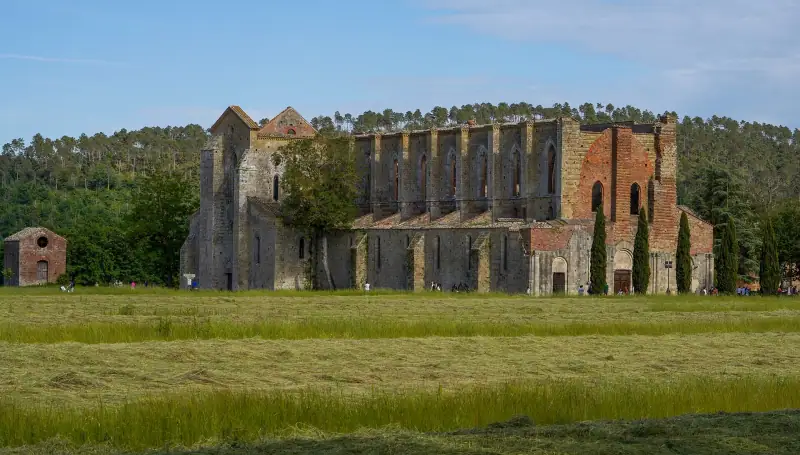
San Galgano Abbey and the Sword in the Stone: Hours, Prices and Access from Siena
Roofless abbey and Montesiepi hermitage near Siena: hours, 2026 rates, getting there without a car, visit length and what you really see.
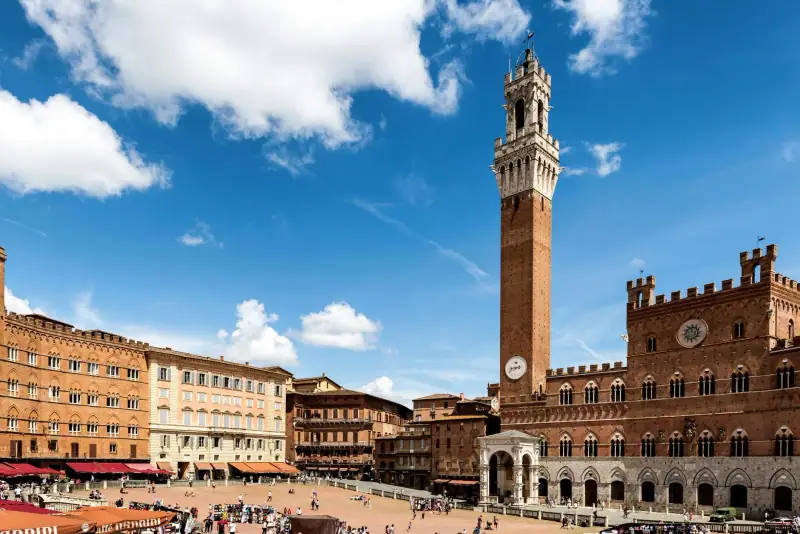
Siena in One Day: Itinerary, Highlights and Tips
What to see in Siena in one day? Piazza del Campo, the cathedral, Palazzo Pubblico, Torre del Mangia and local sweets: a realistic plan and practical tips.
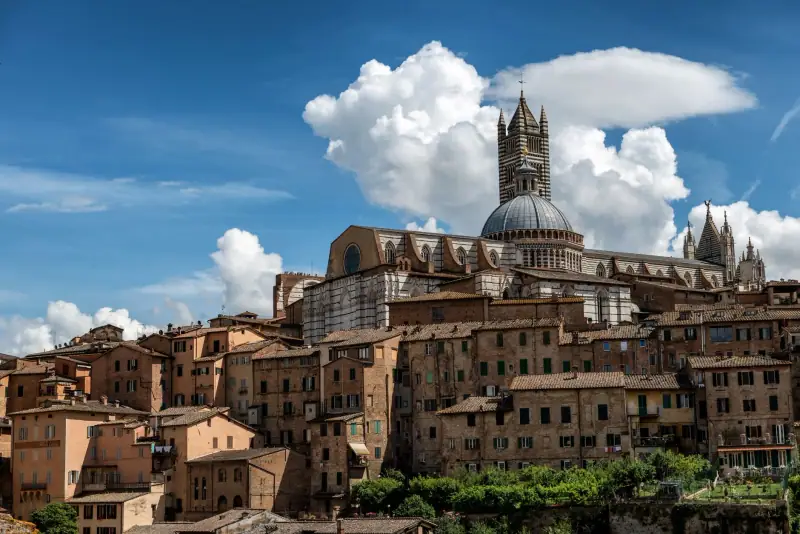
Complete Guide to Visiting Tuscany: Cities, Highlights and Tips
Everything to plan your Tuscany trip: regions, cities, highlights, best time, transport, accommodation and budget, with our detailed guides.
Ready-made
Tuscany itineraries
2 days
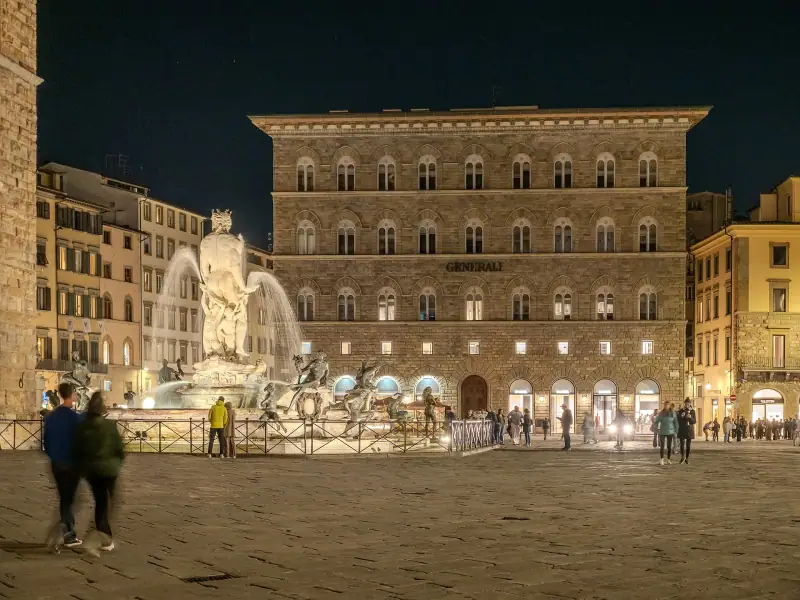
Florence in 2 Days: A Walking Itinerary, Day by Day
Florence in 2 days: Duomo, Uffizi, Accademia, Ponte Vecchio, Oltrarno and Piazzale Michelangelo. A realistic walking itinerary without rushing.
1 day
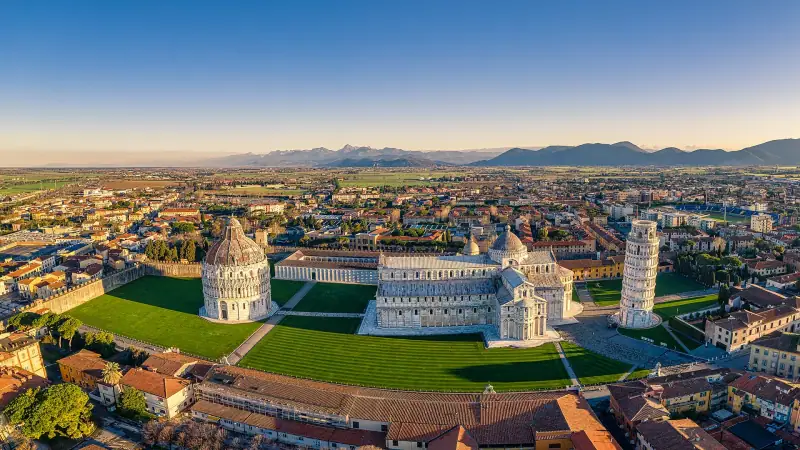
Pisa and Lucca in One Day from Florence: A Train Itinerary
Pisa and Lucca in one day from Florence: train itinerary, travel times, top sights and tips for enjoying both cities.
7 days
Tuscany in 7 Days: A Road Trip from Florence to the Val d'Orcia
A 7-day Tuscany itinerary: Florence, Pisa, Lucca, Chianti, Siena, San Gimignano and the Val d'Orcia, with realistic drives and practical tips.