Plan your trip
Tuscany Budget: What a Trip Costs, Item by Item (3 Profiles)
We may earn a commission when you book through links on this page, at no extra cost to you. We don't visit or try the places we cover: we summarize published sources. How we work
In short
- Excluding flights, a week for a couple sharing a room comes to about €560 (~$650) per person on a thrifty budget, €1,120 (~$1,300) for comfort and €2,030 (~$2,355) for premium.
- Accommodation is the biggest cost, then meals, transport and sights; the main levers are location and season.
- Florence's tourist tax is €6 (~$7) per person per night in a 3-star hotel and €7 (~$8) in a 4-star, for up to seven consecutive nights, paid locally.
- Trains and buses are cheap between big cities; a rental car pays off for two or more people exploring the countryside.
How much should you really plan for a stay in Tuscany? The answer depends less on the destination than on three choices: where you stay, how you get around and in which season you travel. A room in a Florence hostel in the middle of October can cost as much as a night in a farm stay deep in the countryside, and a trattoria lunch stays very reasonable if you avoid the terraces facing the monuments.
This article breaks the budget down item by item, with prices collected from public sources in 2026 (official websites, booking platforms, price guides). It then offers three costed profiles, followed by a series of concrete tips to spend less without sacrificing the essentials. Prices change: take them as benchmarks and always check the current rate before booking.
The main expenses at a glance
A trip to Tuscany is almost always split the same way: accommodation is the biggest share of the budget, followed by meals, then transport and sights. The flight is extra and depends on your departure city; fares fluctuate a lot depending on the airline and period.
To plan, it is better to think in terms of a budget per person per day, assuming two travelers sharing a double room. That is what we do in the profiles below. If you travel alone, accommodation weighs more, because the price of a room is rarely divided by two.
Flights to Tuscany
Compare fares to Pisa and Florence: a few days' shift can change the ticket price.
Accommodation: the item that moves the whole budget
This is where the gaps are widest. The surveys consulted give the following orders of magnitude:
- Hostel, private room in Florence: about €60 to €100 (~$70 to $115) a night for the room, depending on the season.
- Central 3-star hotel in Florence: about €140 to €210 (~$165 to $245) a night for a double room in October, which is part of the high season.
- Farm stay (agriturismo) with breakfast: an average price of about €97 (~$113) a night for a double room, with the simplest offers starting around €55 (~$64). Rates peak in August and ease in April, October and November.
On top of these amounts comes the tourist tax. In Florence it is €6 (~$7) per person per night in a 3-star hotel and €7 (~$8) in a 4-star, and it is charged for a maximum of seven consecutive nights. For a couple, that makes for example €84 (~$97) over a week in a 3-star.
Two levers weigh heavily. The first is location: staying in Lucca, Pisa or a Chianti village is often cheaper than at the foot of the Duomo, and the train or car makes it easy to reach Florence. The second is length of booking: many farm stays apply a minimum number of nights in season, but grant better rates to longer stays. To choose a neighborhood, our guide where to stay in Florence compares the areas, taking into account noise, proximity to the station and prices.
Stays in Tuscany
Compare hotels, guesthouses and farm stays for your dates and budget.
Transport: train, bus or rental car
Budget-wise, transport in Tuscany works in two ways. For the big cities, public transport is very cheap. For the countryside, a car is almost essential, and its real cost far exceeds the advertised rental price.
Train and bus. A regional train from Florence to Siena shows about €10 (~$12) for a trip of about 1 h 30, and Florence to Lucca falls in a range of about €8 to €12 (~$9 to $14) depending on the schedule. An urban bus ticket costs about €1.50 (~$1.75). A few trips during the week therefore add up to only a few tens of euros. For timetables, pitfalls (ticket to validate, strikes) and the train plus bus combination, see our guide getting around Tuscany.
Rental car. Comparison sites give an average price of about €39 (~$45) a day for a small economy category, with a few low-price offers around €16 to €30 (~$19 to $35) a day off-season and higher averages (about €70 / ~$81) for a mid-size category in high season. Then add:
- fuel, which was around €1.7 (~$2.0) a liter at self-service in Florence and Siena according to recent surveys, with a national average close to €2 (~$2.3) in late August 2026;
- parking, essential near historic centers since traffic there is limited (ZTL zones);
- possible admin fees, extra insurance and tolls.
For a couple, a realistic car budget is €55 to €70 (~$64 to $81) a day all-in, or about €28 to €35 (~$32 to $41) per person. It is the best option if you want to drive the Chianti road or the Val d’Orcia, since the hilltop villages are poorly served there. For a simple getaway, the train or an organized excursion will cost less.
Meals: eating well without breaking the bank
Tuscan cooking suits small budgets well: bread, cured meats, vegetable and bread soups, pasta, grilled meats. The price surveys consulted give the following benchmarks:
- about €10 (~$12) for a quick lunch;
- about €15 (~$17) for a two-course meal, and about €25 (~$29) for three courses;
- about €3.50 (~$4) for a 33 cl beer, and about €1 (~$1.20) for a one-liter bottle of water in a shop;
- beyond €35 (~$41) per person, you enter the range of upscale restaurants.
These averages mostly apply outside the most touristy areas. Around Florence’s cathedral or on Piazza del Campo in Siena, expect to pay more. Also beware of the coperto, a small per-person cover charge very common in Italy, listed at the bottom of the menu. Once there, the cheapest is still lunch: many restaurants offer a dish of the day more affordable than at dinner. To know what to order and avoid tourist traps, read our article on what to eat in Tuscany.
Wine tastings and cooking classes
Cellar tastings in Chianti, Tuscan cooking classes and food tours to book in advance.
Activities and visits: admissions that add up quickly
Major monuments are the easiest item to anticipate, because rates are public. Here are benchmarks collected in 2026:
- Uffizi Gallery (Florence): about €25 (~$29) at the ticket office and about €29 (~$34) booked online for a full-price ticket, with reduced rates for young people from the European Union and free entry for under-18s.
- Brunelleschi Pass (Florence Duomo): about €30 (~$35), valid three days, with access to the dome, the bell tower, the baptistery, the Opera del Duomo museum and Santa Reparata. The dome climb is by booked time slot.
- Leaning Tower of Pisa: about €18 (~$21) for the climb, to be booked online in advance, and about €33 (~$38) for a combined ticket including the baptistery, the Camposanto and two museums. Our guide Pisa and Lucca in one day shows how to organize this visit.
- Wine tasting in a Chianti cellar: about €23 to €30 (~$27 to $35) per person for a classic tasting, about €90 (~$105) for a half day with two cellars from Florence, and €100 (~$115) or more with lunch.
If you want to see the main sites of Florence, add the Uffizi and the Duomo: that already comes to about €55 (~$64) per person. In that spirit, Florence in two days lets you prioritize paid visits and free walks. Conversely, many Tuscan pleasures cost nothing: wandering medieval streets, climbing the lanes of Siena, watching the sunset over the hills or bathing in the natural hot springs of the coast.
Three costed budget profiles
Here are three profiles, calculated per person per day for two travelers sharing a double room. They are estimates built from the ranges above, excluding flights and personal purchases.
| Item (per person per day) | Thrifty | Comfort | Premium |
|---|---|---|---|
| Accommodation (half a double room) | about €35 (~$41) | about €60 (~$70) | about €110 (~$130) |
| Meals and drinks | about €25 (~$29) | about €45 (~$52) | about €85 (~$100) |
| Transport | about €8 (~$9) (train, bus) | about €28 (~$32) (shared car) | about €45 (~$52) (car and parking) |
| Sights and activities | about €10 (~$12) | about €25 (~$29) | about €50 (~$58) |
| Total per day | about €80 (~$93) | about €160 (~$185) | about €290 (~$335) |
| Total for 7 days | about €560 (~$650) | about €1,120 (~$1,300) | about €2,030 (~$2,355) |
Thrifty profile (about €80 / ~$93 a day). Private room in a hostel or simple small lodging, outside high season, meals based on panini, dishes of the day and market groceries, travel by train and bus between Florence, Pisa, Lucca and Siena, and one or two well-chosen paid visits. It is doable mostly in low season, since room prices climb fast in October.
Comfort profile (about €160 / ~$185 a day). Farm stay or 3-star hotel outside the center, one restaurant a day, rental car to explore the countryside, a wine tasting in Chianti and the big monuments of Florence. It is the most common profile for a first week in Tuscany.
Premium profile (about €290 / ~$335 a day). 4-star hotel or charming farm stay, dinners at good tables, rental car, parking, tastings with lunch and guided tours. At this level, the budget varies mainly with your appetite for fine dining and nice rooms.
Do not forget to add the flight, travel insurance and a margin of about 10% for the unexpected: tourist tax, tips (not required but common), purchases of wine or olive oil.
Ten tips to spend less in Tuscany
- Choose the right season. October and spring are very requested. November, January and February lower prices, notably those of rental cars. See our guide on the best time to go to Tuscany.
- Stay outside the center of Florence. Lodging in Lucca, Pisa or near a regional rail station often lowers the bill.
- Choose a farm stay. Breakfast is generally included and some offer a host-table dinner at a reasonable price.
- Eat a big lunch, a light dinner. Midday dishes of the day are better value than a dinner à la carte.
- Avoid terraces facing monuments. Walk two streets farther: prices and quality show it.
- Book admissions ahead. It is useful for slots (Duomo dome, Tower of Pisa), but not always cheaper: compare the ticket office and online sales.
- Use the train between big cities. It avoids the car, parking and ZTL fines.
- Share the car. The cost per person divides quickly among two, three or four travelers.
- Fill up off the highway. Surveys show higher prices at highway service areas, and self-service is cheaper than assisted service.
- Refill your water bottle. Tap water is drinkable in Italy in the vast majority of municipalities and many public fountains exist.
Day excursions from Florence
Siena, San Gimignano, Pisa or Chianti by minibus: handy if you do not rent a car.
Money, cards and small fees to know
Bank cards are accepted almost everywhere in cities, but a few small village businesses still prefer cash. Withdrawing a little cash for markets, cafés and parking lots remains useful. For card purchases, prefer a card without foreign transaction fees and check your bank’s conditions before you go.
A few discreet lines of spending deserve to be anticipated: the coperto at restaurants, the tourist tax paid at the accommodation, luggage storage near stations, the car’s extra insurance and ZTL fines, which arrive by mail several months after the stay and can cost far more than the savings sought.
Key takeaways
For a first week-long stay, aim for about €560 (~$650) per person on a thrifty budget, about €1,120 (~$1,300) for comfort and about €2,030 (~$2,355) for premium, excluding flights. The main lever remains accommodation and season, followed by the choice between public transport and a car. Start by setting your dates, then compare accommodation outside the heart of Florence, then book ahead only the visits that require a slot. Once the budget is set, our 7-day Tuscany itinerary gives you a route ready to follow.
Sources
- Uffizi Galleries: prices checked November 2026
- Comune di Firenze: prices checked November 2026
Frequently asked questions
What budget should you plan for a week in Tuscany?
Excluding flights, plan on about €550 to €650 (~$640 to $755) per person on a thrifty budget, €1,100 to €1,300 (~$1,275 to $1,510) for comfort with a rental car, and €2,000 (~$2,320) or more for premium. These totals are estimates built from the price ranges detailed in this article, for a couple sharing a room.
Is Tuscany expensive compared with the rest of Italy?
Florence and the most famous villages are more expensive than the Italian average, especially in high season. By staying in a farm stay or a secondary city like Lucca or Siena and eating the set lunch, the budget stays reasonable.
What is the cheapest time to go?
Winter, outside the year-end holidays, and early spring are the most affordable. April-June and September-October are the most requested months and accommodation is clearly more expensive then. Our guide to the best time to go to Tuscany details the seasons.
Do you need to rent a car to save money?
Not necessarily. Between Florence, Pisa, Lucca and Siena, trains and buses cost a few euros per trip. A car becomes worthwhile if you are two or more and visit the countryside, where public transport is rare. Think about fuel, parking and the risk of fines in ZTL zones.
How much does a meal cost in Tuscany?
The price surveys consulted show about €15 (~$17) for a two-course meal and €25 (~$29) for three courses in an ordinary restaurant. A quick lunch (panini, pizza by the slice) is around €10 (~$12). In touristy places in central Florence, the bill is higher, and a cover charge (coperto) may be added.
Is the tourist tax included in the hotel price?
No, it is almost always paid locally. In Florence, the city charges €6 (~$7) per person per night in a 3-star hotel and €7 (~$8) in a 4-star, for a maximum of seven consecutive nights. Amounts vary by municipality, so check with your host.
More Tuscany guides
Keep reading
Best Time to Visit Tuscany: Month by Month
When to go to Tuscany? Climate, crowds, prices, grape harvest and blooms: our month-by-month guide to choosing the right time for you.
Getting Around Tuscany: Train, Bus or Rental Car?
Train, bus or car to visit Tuscany? Transport comparison, ZTL zones, parking and tips for organizing your trips between cities and villages.
San Galgano Abbey and the Sword in the Stone: Hours, Prices and Access from Siena
Roofless abbey and Montesiepi hermitage near Siena: hours, 2026 rates, getting there without a car, visit length and what you really see.
Ready-made
Tuscany itineraries
2 days
Florence in 2 Days: A Walking Itinerary, Day by Day
Florence in 2 days: Duomo, Uffizi, Accademia, Ponte Vecchio, Oltrarno and Piazzale Michelangelo. A realistic walking itinerary without rushing.
1 day
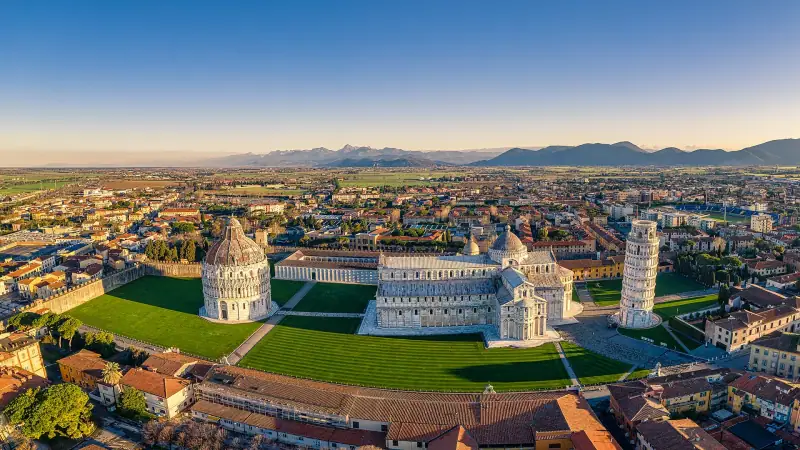
Pisa and Lucca in One Day from Florence: A Train Itinerary
Pisa and Lucca in one day from Florence: train itinerary, travel times, top sights and tips for enjoying both cities.
7 days
Tuscany in 7 Days: A Road Trip from Florence to the Val d'Orcia
A 7-day Tuscany itinerary: Florence, Pisa, Lucca, Chianti, Siena, San Gimignano and the Val d'Orcia, with realistic drives and practical tips.