Where to stay
Where to stay in Barcelona: neighborhoods and types of accommodation
We may earn a commission when you book through links on this page, at no extra cost to you. We don't visit or try the places we cover: we summarize published sources. How we work
In short
- Barcelona is spread out, from the Sagrada Família to Barceloneta beach, but the metro is dense and the center is largely walkable.
- For a first visit, the Eixample (around the Passeig de Gràcia) is calmer and well served by metro; the Barri Gòtic and El Born are livelier, noisier and often pricier.
- El Raval, Sant Antoni, Poble-Sec and Sants usually have gentler rates; Barceloneta and Vila Olímpica suit beach stays.
- A tourist tax is added to the room price and often paid at the property; check the amount when you book.
Barcelona is a city of sea, mountain and architecture, but it is also a sprawling metropolis: from the Sagrada Família to Barceloneta beach, it is several kilometers. Fortunately, the metro is dense and the center is largely explored on foot. Choosing a neighborhood is therefore not a question of distance at all costs, but of atmosphere, noise, style of accommodation and budget.
The local rhythm matters too: people dine late, terraces stay full until midnight in summer, and the most festive streets of the historic center only calm down late at night. Here is an overview of the main neighborhoods, the types of accommodation and our booking tips. Once you have chosen your neighborhood, our 3-day Barcelona itinerary will help you organize your visits.
Barri Gòtic and Las Ramblas: the historic heart
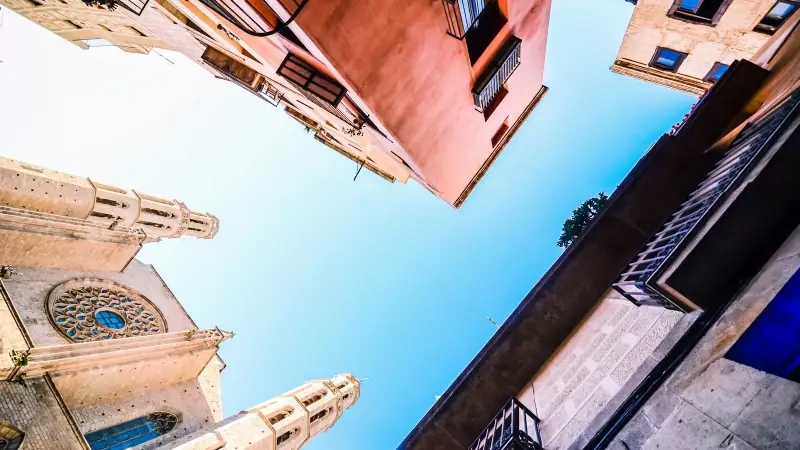
The Barri Gòtic is the medieval core of the city: narrow lanes, the cathedral, shaded squares, Roman remains. Las Ramblas, the great promenade running down to the port, borders the district. Sleeping here means having the cathedral, the Plaça Reial and the Boqueria market a few minutes’ walk away, and being able to return to the hotel after dinner without taking the metro.
The drawback is the flip side of the advantage. The area is very touristy, sometimes noisy late in the evening, and pickpockets are common, especially on the Ramblas and around the Plaça Reial. Restaurants on the busiest axes mainly target passing trade; it is better to walk a few streets away to eat more authentically. Room prices there are generally among the highest in the city for a small floor area.
Tip: in old buildings, ask for a courtyard room or a high floor, and read recent reviews about noise before booking.
Where to stay in Barcelona
Compare hotels and apartments in the historic center for your dates.
El Born: chic lanes and small places
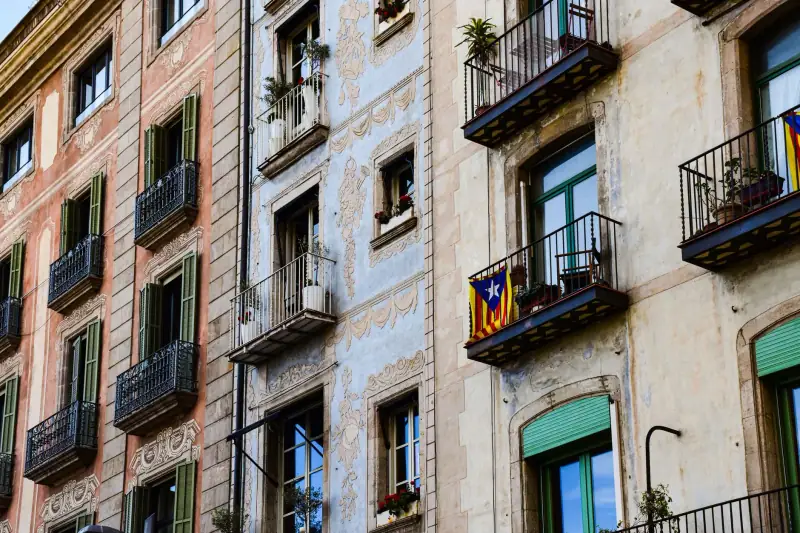
On the other side of the Via Laietana, El Born is often considered the most pleasant district of the historic center. It holds the Palau de la Música Catalana, the Basilica of Santa Maria del Mar, the Picasso Museum and many designer shops, galleries and wine bars. The medieval lanes are a bit airier than in the Gòtic, and the atmosphere trendier.
It is an excellent choice for a couple, a getaway of a few nights or anyone who likes to stroll in the evening. Accommodation there is mostly small charming hotels and apartments, at fairly high prices. The streets around the Passeig del Born stay lively late, which can bother light sleepers: a room set slightly back from the main axis is preferable.
El Raval: cosmopolitan, cultural and more affordable
Between the Ramblas and the Avinguda del Paral·lel, El Raval is the most contrasting district of the center. It is home to the MACBA (contemporary art museum), the CCCB, galleries, alternative cafés and a great variety of restaurants from around the world. The upper part, toward the MACBA and Sant Antoni, has become very trendy; the lower part, closer to the port, remains rawer.
Rooms there are often cheaper than in the Gòtic or El Born, and the district remains a few minutes’ walk from the Ramblas and the metro. In return, some streets are unwelcoming after dark: favor busy streets for the walk back and accommodation well rated by recent travelers. It is a good compromise for budget travelers who accept a marked urban atmosphere.
The Eixample: elegance, Gaudí and comfort
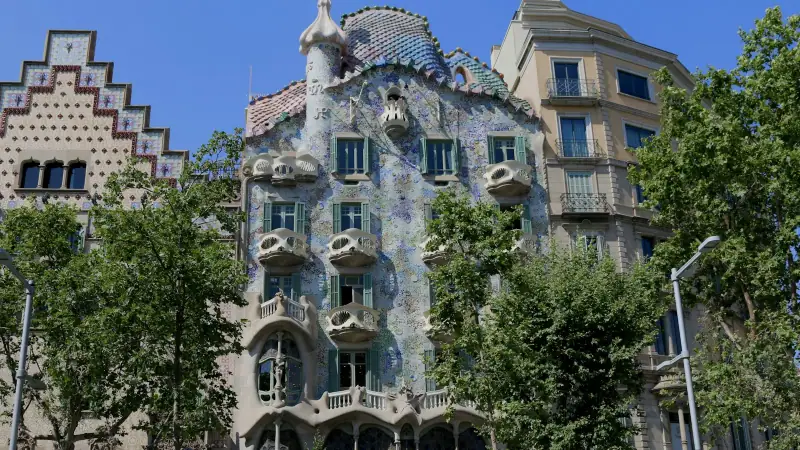
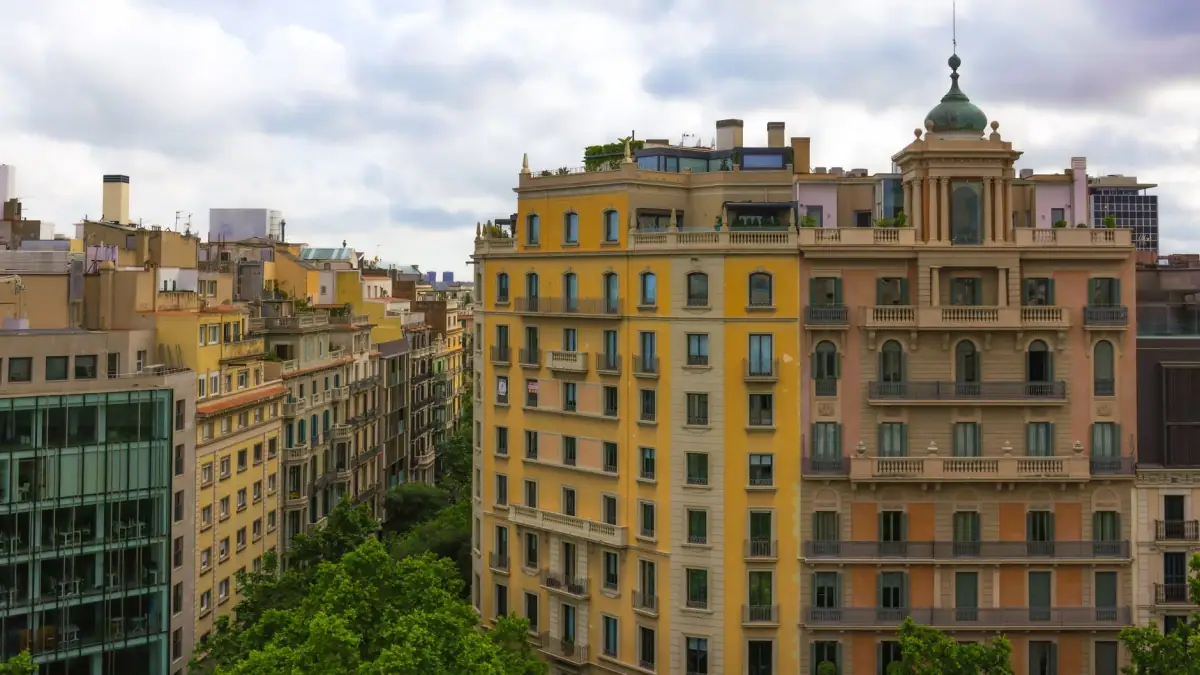
The Eixample is the big 19th-century district, designed on a grid with its blocks with cut corners. It holds several major works by Gaudí and Catalan Modernisme, including Casa Batlló and Casa Milà (La Pedrera) on the Passeig de Gràcia, as well as the Sagrada Família. It is divided into two big parts: the “right” Eixample (Dreta) and the “left” Eixample (Esquerra), on either side of the Rambla de Catalunya.
It is probably the best choice for a first visit: calmer than the historic center, very well served by metro, rich in restaurants, hotels of all categories and shops. The Passeig de Gràcia concentrates the big luxury names, while the neighboring streets offer more accessible places. On foot, Plaça de Catalunya and the Barri Gòtic are not far from the lower Eixample.
The flip side: it is a fairly urban district, with a lot of traffic on the big avenues. Check the room’s orientation if you are sensitive to noise.
Gràcia: village spirit
North of the Diagonal, Gràcia was an independent village before being absorbed by Barcelona. It has kept the spirit: small pedestrian squares (Plaça del Sol, Plaça de la Vila de Gràcia), independent shops, bars and restaurants frequented as much by residents as by visitors. Park Güell is a reasonable distance away, on foot with some elevation or by bus.
Gràcia is ideal for stays of several nights, for travelers returning to Barcelona and for those who prefer a local atmosphere. Nightlife is concentrated around the squares and generally stays friendly rather than rowdy. In August, the neighborhood is known for its street festivals, with streets decorated by residents: it is magnificent, but very busy and noisy.
The offer is mostly apartments, small guesthouses and a few hotels. The historic center is about 15 to 25 minutes away by metro and on foot depending on the spot.
Barceloneta and the waterfront
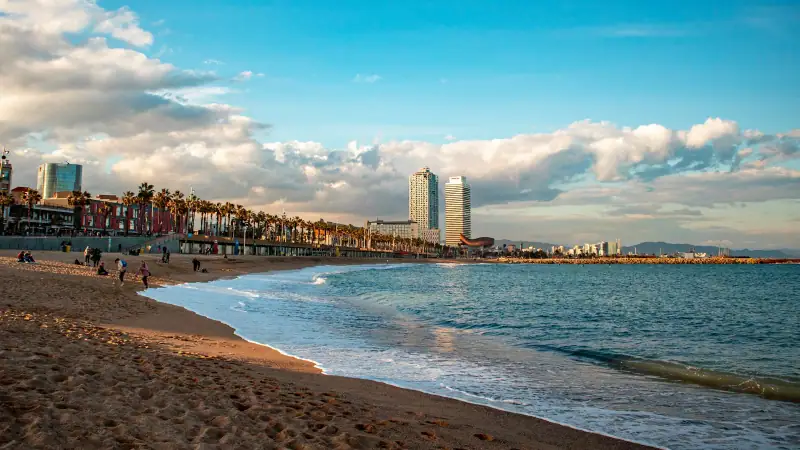
A former fishermen’s district, Barceloneta is a grid of narrow lanes and tapas bars, just behind the beach. You eat seafood, swim a step from the hotel and reach the Barri Gòtic or El Born on foot in 15 to 20 minutes. Farther east, Vila Olímpica and Poblenou offer wide beaches, promenades and large hotels.
This area suits travelers who come mainly in summer to enjoy the sea, families who appreciate flat walks and those who want a modern hotel with a pool or a view. The drawbacks: summer crowds, some noise near the beaches and a less “urban” atmosphere once you move away from the seafront. Keep an eye on your belongings on the sand.
Poble-Sec, Sant Antoni and Montjuïc: the smart pick
At the foot of Montjuïc hill, Poble-Sec is known for Carrer de Blai, a very lively line of pintxos and tapas bars. Neighboring Sant Antoni has been renovated with a large covered market and a book market on Sundays. These two districts, less touristy than the center, are liked by Barcelonans for their neighborhood atmosphere, their restaurants and their generally gentler room prices.
The center is reachable on foot in 15 to 25 minutes or in a few metro stops, and Montjuïc (gardens, museums, city view) is very close. It is a very good base for a stay of three nights or more, without paying the price of the historic heart.
Tours and activities in Barcelona
Guided tours, Gaudí discovery, tapas tours and excursions from Barcelona.
Sants and the station: practical for trips
The Sants district, around Barcelona-Sants station, lacks the charm of the center, but has two assets: the station is the main arrival point for high-speed trains, and prices there are often more moderate. The metro quickly links Plaça d’Espanya, Plaça de Catalunya and the center. It is a good choice for a stopover night, before or after a train, or for a trip combined with another city.
If you are coming from Madrid or Andalusia, our guide on where to stay in Madrid and the one for Seville follow the same neighborhood-by-neighborhood logic.
Which type of accommodation to choose in Barcelona?
Beyond the neighborhood, the type of accommodation clearly changes the experience. Here are the main options.
Hotels: the safe bet
Barcelona has a wide range of hotels, from the big chains of the Eixample to the small charming places of the Born. Rooms in old buildings in the center are often compact; what matters then is location, air conditioning and an elevator. Air conditioning is an important criterion from June to September.
Hostales and guesthouses: Spanish-style economy
A “hostal” is not a youth hostel but a small guesthouse, often set on one floor of a building, with simple private rooms, sometimes with a shared bathroom. It is generally the cheapest option for having a room of your own in the center. Read the reviews on cleanliness and noise carefully.
Hostels: traveling solo or with friends
Barcelona has many hostels, notably in the Raval, the Gòtic, Gràcia and the Eixample. They offer dorms and private rooms, friendly common areas and organized activities. Check for individual lockers and the rules on nighttime quiet.
Tourist apartments: space and a kitchen
Apartments suit families and groups, for a stay of more than three nights. Note: the city has announced a strong tightening of the regulation of tourist rentals, with the gradual removal of tourist apartment licenses in the coming years. So check that the lodging is properly registered and has a valid registration number, and read the cancellation conditions.
Boutique and charm hotels
For a romantic getaway, Barcelona offers charming hotels in Modernista buildings or former palaces, notably in El Born, the Eixample and the Gòtic. Book well ahead for weekends and event periods, and compare cancellation conditions.
Accommodation in Barcelona
Hotels, hostales and apartments: filter by neighborhood, budget and free cancellation.
Which neighborhood to choose for your profile?
- First stay, 2 to 3 nights: Eixample (around the Passeig de Gràcia) or El Born.
- Historic atmosphere, everything on foot: Barri Gòtic and El Born.
- Architecture and Gaudí: Eixample.
- Local atmosphere and squares: Gràcia.
- Beach and families: Barceloneta, Vila Olímpica.
- Small budget: El Raval, Sant Antoni, Poble-Sec.
- Train departures: Sants.
Tips for booking well in Barcelona
Spring, summer and early fall are the most in demand. Book early, especially for long weekends and big events. Our guide to when to go to Spain helps you choose your dates, and the article on the budget for Spain helps you estimate your overall budget. A tourist tax is generally added to the room price and often paid at the property: check the amount when you book.
A few simple habits:
- Read the reviews of recent months, especially on noise, cleanliness and air conditioning.
- Check the real distance to the nearest metro station.
- If you arrive late, make sure the front desk stays open or that self check-in is clearly explained.
- Compare cancellation conditions, which vary a lot.
- Keep valuables in the safe and leave nothing visible on a café table.
Combining Barcelona with other stops
Barcelona is a good base for exploring Catalonia: Girona, the Costa Brava or Montserrat are generally visited as day trips. To continue south, high-speed trains link Barcelona to Valencia, Madrid and beyond. See our complete guide to Spain to build the rest of the trip.
Frequently asked questions
What is the best neighborhood to stay in on a first visit to Barcelona?
The Eixample, around the Passeig de Gràcia, or the Barri Gòtic and El Born area if you want to do everything on foot. The Eixample is calmer and better served by metro; the historic center is livelier, noisier and often pricier for a comparable room.
Where to stay in Barcelona on a small budget?
El Raval, Sant Antoni, Poble-Sec or farther-out areas like Sants generally offer gentler rates than the historic center, with the metro nearby. Hostels and small guesthouses remain the cheapest options.
Is Barcelona a safe city for tourists?
Generally yes, but pickpockets are very active in busy areas: Las Ramblas, the Barri Gòtic, the metro, Barceloneta beach. Keep your belongings in front of you, avoid putting your phone on a café table and use the safe in your accommodation.
Do you need to rent a car to stay in Barcelona?
No, it is unnecessary and costly in the city: the metro, buses and walking are enough, and parking is complicated. A car only becomes useful for exploring the Costa Brava or the hinterland, and is then rented for those days only.
Should you choose a hotel near the beach in Barcelona?
Only if swimming is a priority. Barceloneta and Vila Olímpica are practical for the sea, but farther from the major sites. The metro ride from the center stays short: most travelers prefer to sleep in the center and go to the beach for the day.
How do you get to the center of Barcelona from the airport?
Barcelona-El Prat Airport is linked to the center by an express bus, by metro and by commuter train, as well as by taxi. Check the official transport websites for current lines, fares and hours before you leave.
When should you book accommodation in Barcelona?
As early as possible for spring, summer, long weekends and big trade fairs, when rooms become scarce and prices rise. Favor free-cancellation rates to keep flexibility.
More Spain guides
Keep reading
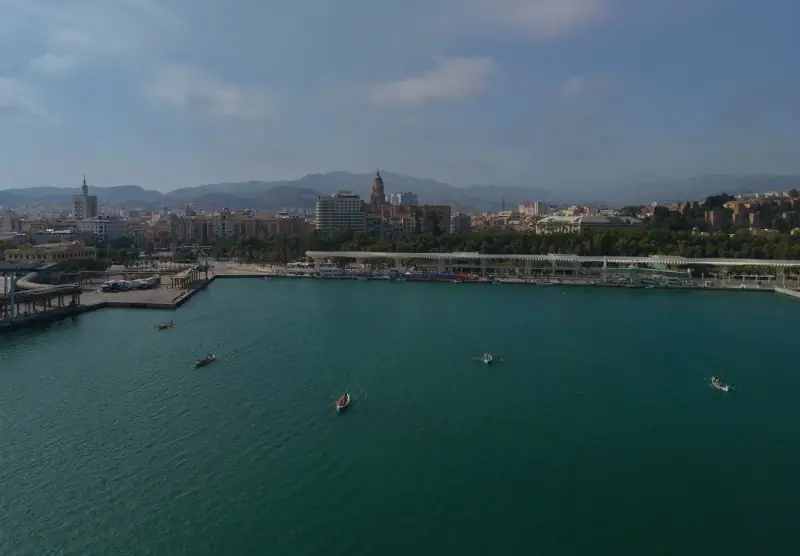
Where to stay in Málaga: neighborhoods and types of accommodation
Historic center, Soho, La Malagueta, Pedregalejo or Perchel: compare Málaga's neighborhoods and types of accommodation to choose where to stay.
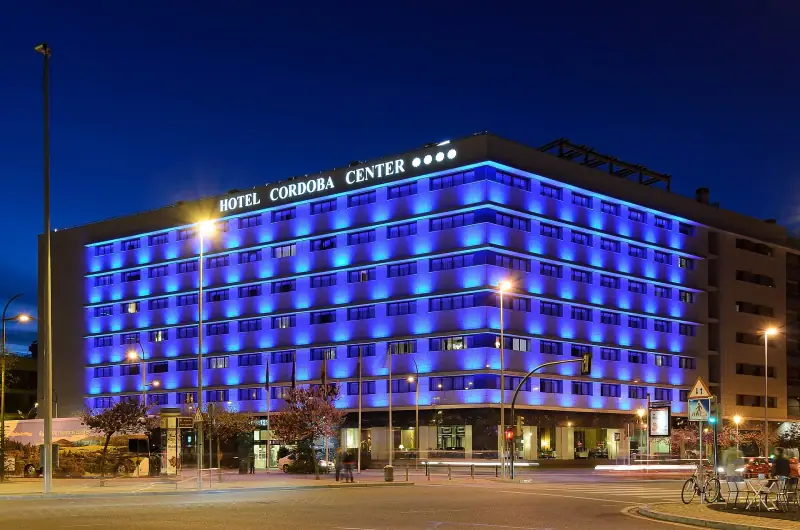
Where to stay in Córdoba: neighborhoods and types of accommodation
Judería, San Basilio, Santa Marina, Centro or near the station: compare Córdoba's neighborhoods and types of accommodation to choose where to stay.
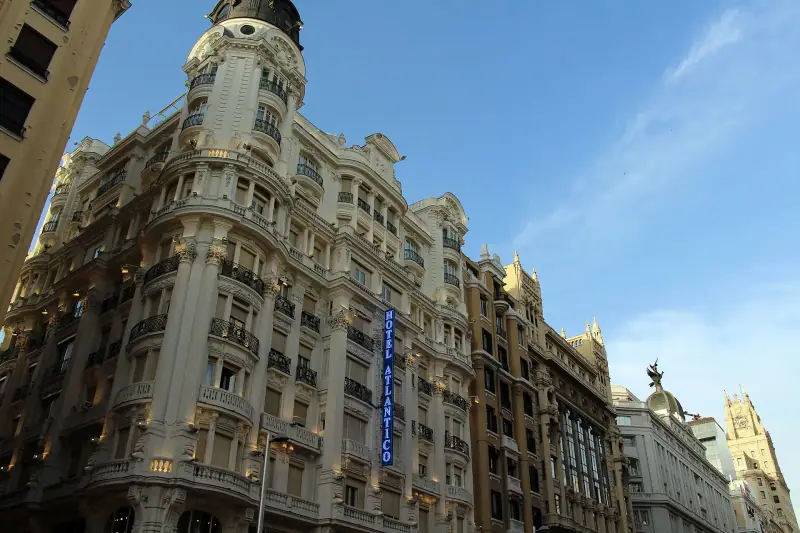
Where to stay in Madrid: neighborhoods and types of accommodation
Sol, Malasaña, La Latina, Salamanca, Chamberí: compare Madrid's neighborhoods and types of accommodation to choose where to stay for your budget and trip.
Ready-made
Spain itineraries
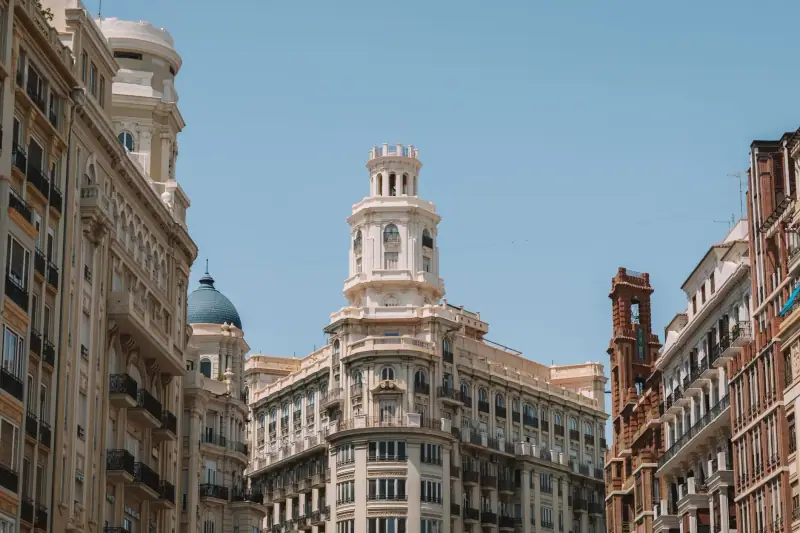
2 days
Valencia in 2 days: an itinerary through the old town, the Turia and the beach
What to do in Valencia in 2 days? Historic center, market, City of Arts and Sciences, Turia Gardens, paella and beach: our day-by-day itinerary.
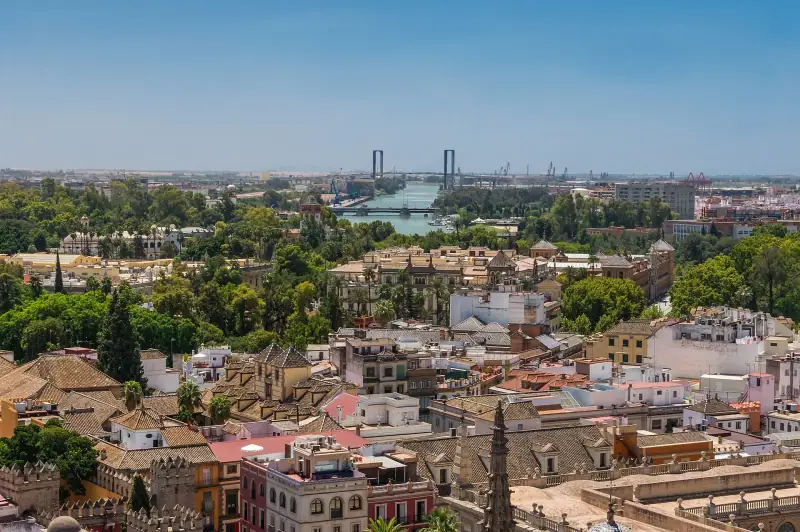
7 days
Andalusia in 7 days: Seville, Córdoba, Granada and Málaga
A 7-day Andalusia route: Seville, Córdoba, Granada and Málaga, with travel times, a day-by-day pace, useful reservations and pitfalls to avoid.
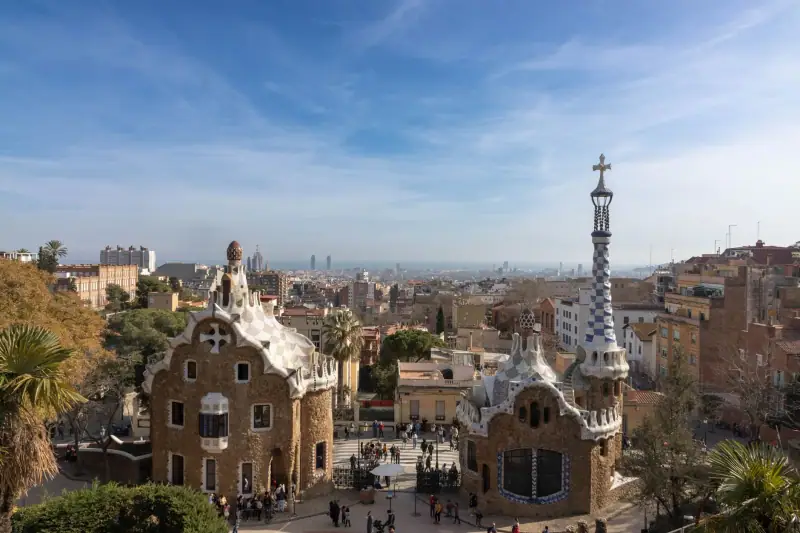
3 days
Barcelona in 3 days: a day-by-day itinerary for a first stay
Sagrada Família, Park Güell, Barri Gòtic, Montjuïc and Barceloneta: a 3-day Barcelona itinerary with the best order of visits, transport and tips.