What to see
What to see in Spain's Basque Country and the North: 12 stops from San Sebastián to Galicia
We may earn a commission when you book through links on this page, at no extra cost to you. We don't visit or try the places we cover: we summarize published sources. How we work
In short
- The Cantabrian coast links the Spanish Basque Country, Cantabria, Asturias and Galicia; allow 4 to 5 days for San Sebastián and Bilbao alone, 10 to 14 days for the whole North.
- San Sebastián and Bilbao are about 100 km (62 mi) apart and easy to link by bus or car; a car is very useful for coastal villages, the Picos de Europa and rural Galicia.
- June to September is the most pleasant, but the North is the rainiest part of Spain: always pack a waterproof jacket, even in summer.
- Gaztelugatxe and the Beach of the Cathedrals have regulated access: check booking and tide times ahead.
In the north of Spain, the Mediterranean and its sun-baked beaches give way to another country: one of green hills, cliffs beaten by the Atlantic, stone towns and renowned restaurants. From the French border to the tip of Galicia, the Cantabrian coast stretches over several hundred kilometers and brings together the Spanish Basque Country, Cantabria, Asturias and Galicia. This guide presents twelve stops not to miss, from the best known to the most discreet, with pointers to build a stay of a few days or two weeks. A useful note: we cover here only the Spanish side of the Basque Country.
San Sebastián, the pearl of La Concha bay
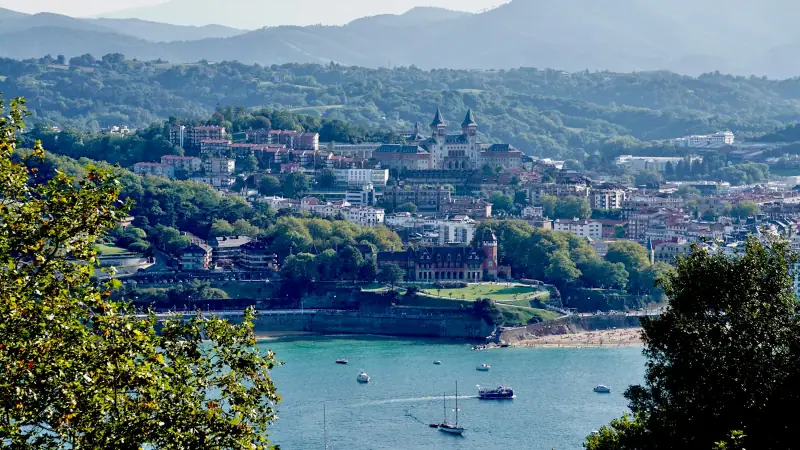
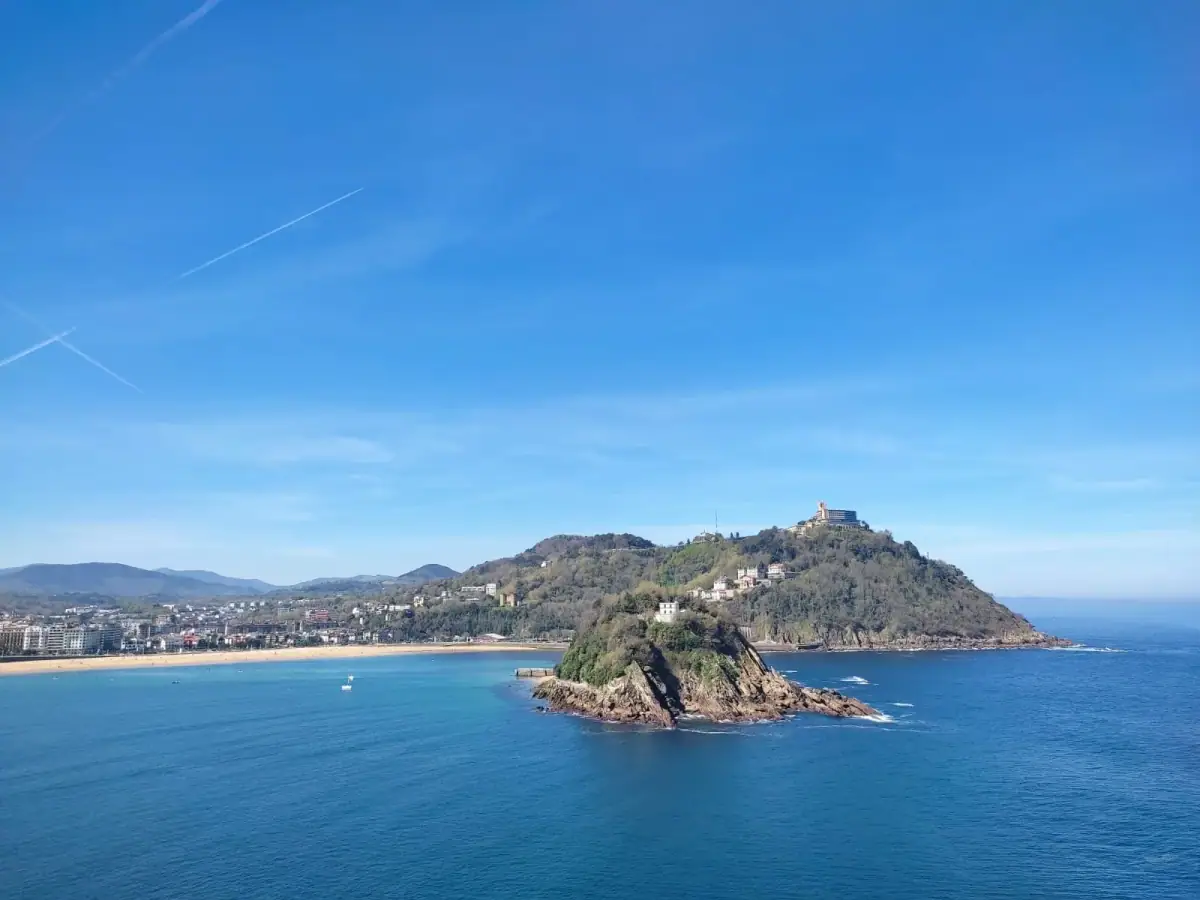
San Sebastián, Donostia in Basque, is often the first stop of a trip to the North, a short distance from the French border. Its shell-shaped bay, La Concha, is lined with a long promenade and an urban beach that is very busy as soon as the weather turns fine. On each side, two hills offer viewpoints: Mount Urgull, covered in greenery and topped by a fortress, and Mount Igueldo, reached by a small old funicular and overlooking the whole bay.
The heart of the city is the Parte Vieja, the old town, whose lanes are full of pintxos bars, those small bites placed on bread or skewered on a toothpick, ordered at the counter with a glass of cider or txakoli, the region’s light white wine. The principle is simple: you go from bar to bar, try one or two specialties, then move on. In fall, the city also hosts a well-known international film festival. Allow at least two days to stroll, taste and enjoy the beach, and more if you like walking the neighboring coastal trails.
To understand the place of these specialties across the country, our article on what to eat in Spain gives an overview of the dishes to know region by region.
Bilbao, from industrial past to the Guggenheim Museum
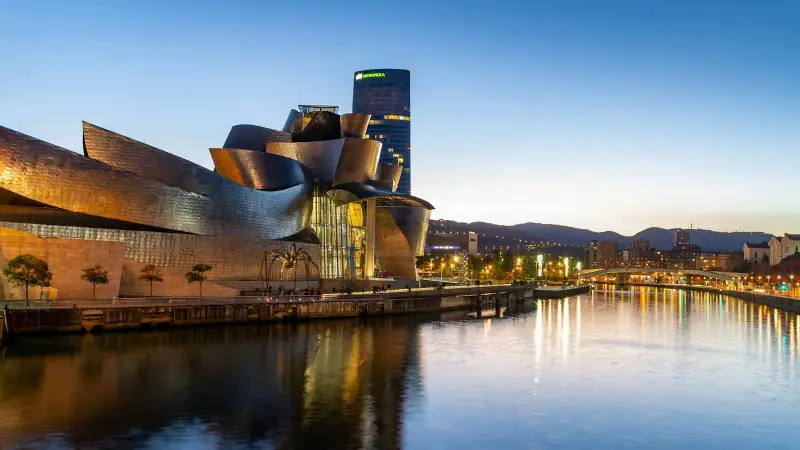
Bilbao, capital of Biscay, has undergone a spectacular transformation. A former industrial and port city, it reinvented itself after the opening of the Guggenheim Museum in 1997. The building, by architect Frank Gehry, is all titanium curves and sculptural volumes, and it has become the symbol of the city. In front, monumental outdoor works, including a large flowered dog, welcome visitors. Even without going into the galleries, the building is worth the detour.
The rest of the city is discovered on foot. The Casco Viejo, the old town, is a district of lanes, squares and bars, organized around the famous Siete Calles. The Ribera market, set near the river, is one of the largest covered markets in Europe according to local guides, and it is a good place to feel the rhythm of daily life. The walk along the ría links the different districts, between contemporary architecture and old buildings. Allow two days for a first discovery.
Where to stay in the Spanish Basque Country
San Sebastián, Bilbao or a small coastal town: compare accommodation for your dates, booking early for July, August and the film festival period.
Gaztelugatxe and the Biscay coast
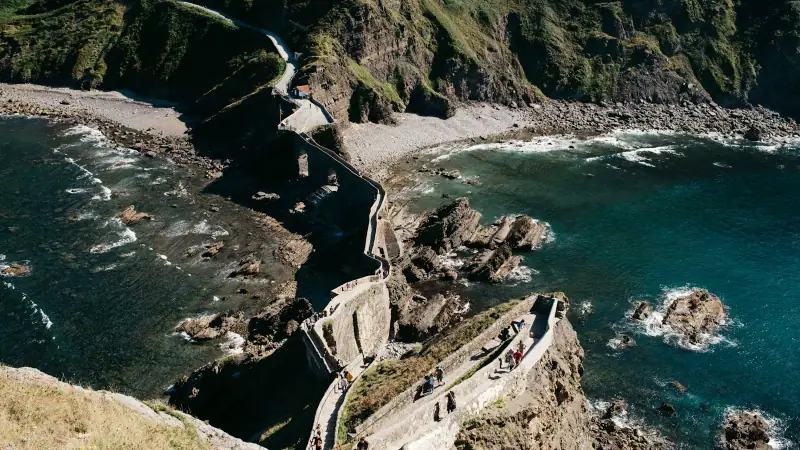
Between Bilbao and the sea, the Biscay coast offers some of the most photographed landscapes of the Basque Country. The most famous is the islet of San Juan de Gaztelugatxe, linked to the land by a stone bridge and crowned by a small hermitage reached by a long staircase. The site, now very busy, has regulated access: find out ahead about online booking and hours before planning your visit.
In the same area, you will find small fishing ports, beaches popular with surfers and cliffs with paths running along them. The coast is easily explored by car from Bilbao, stopping in a coastal village for a grilled-fish lunch. This excursion takes half a day to a full day.
Guernica and the inland Basque landscape
Guernica, or Gernika in Basque, is a small town heavy with history. It is known worldwide for having been bombed in 1937 during the Spanish Civil War, an episode that inspired Picasso’s famous painting, now kept at the Reina Sofía Museum in Madrid. The town also holds the Casa de Juntas, a symbolic place of Basque institutions, surrounded by gardens where a tree that has become an emblem of the region stands.
Visiting Guernica is done well in half a day, with a rather memorial and cultural approach. It combines easily with a day on the Biscay coast. The inland Basque Country also offers green valleys and villages to explore at your own pace, by car or in stages by local transport.
Vitoria-Gasteiz and Rioja Alavesa
Vitoria-Gasteiz, administrative capital of the Spanish Basque Country, is a less touristy city than San Sebastián or Bilbao, and that is precisely one of its assets. Its medieval center, its Santa María Cathedral under restoration for many years and its green spaces make it a pleasant, quiet city. It received the title of European Green Capital in 2012, which reflects its attachment to parks and gentle ways of getting around.
In the south of the province of Álava, Rioja Alavesa brings together vineyards, fortified villages like Laguardia and wineries, sometimes spectacular, where you can taste the region’s wines. This excursion is for those who like wine, winery architecture and vineyard landscapes. Since tasting involves driving, consider booking a visit with transport or designating a driver.
The Basque Pyrenees and the Camino de Santiago
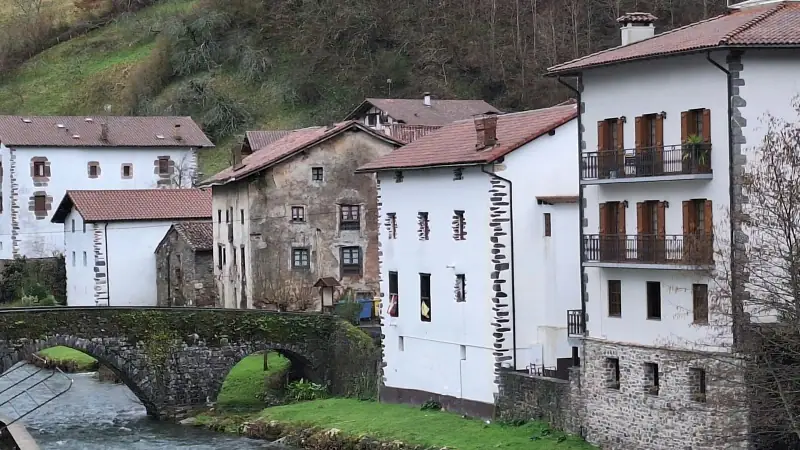
Farther east, the Basque and Navarrese hinterland is crossed by several stretches of the Camino de Santiago, in particular the Northern Way that runs along the Cantabrian coast and the French Way that passes through Pamplona. Even if you do not plan a full pilgrimage, walking a half-day stretch lets you grasp the spirit of the Camino, with its scallop shells painted on the markers and its pilgrims from every country.
The mid-mountain trails, stone villages and beech forests make up a setting very different from the coast. If you go walking, bring good shoes, water and a waterproof layer: the weather changes quickly in the reliefs near the Atlantic.
Cantabria: Santander, Santillana del Mar and Comillas
Leaving the Basque Country westward, you enter Cantabria. Santander, its capital, is an elegant seaside city facing a wide bay and lined with urban beaches. The Sardinero district, with its big beaches, is the most sought-after in summer. The center is visited at a leisurely pace, with a lively port and terraces.
Inland, Santillana del Mar is a stone village with cobbled streets and manor houses that has kept its medieval look. Very close, the Altamira site, famous for its prehistoric cave paintings, is protected: the original cave is not regularly open to the public, but a replica gives an idea of the works. Farther west, Comillas charms with its architecture, notably a building designed by Gaudí, the Capricho. This region combines well with a rental car to link villages and beaches.
Rent a car in northern Spain
Coastal villages, Picos de Europa, rural Galicia: to get around at your own pace, compare rental companies.
The Picos de Europa, the great mountain of the North
The Picos de Europa form a spectacular limestone massif, shared between Cantabria, Asturias and the province of León. Their summits exceed 2,500 meters (8,200 ft), which is considerable for a mountain so close to the sea, and their valleys hold shepherd villages, gorges and high-altitude lakes. Picos de Europa National Park is one of the oldest in Spain.
Among the best-known hikes, the Cares Route follows a deep gorge between two mountain villages, on a developed trail. It is accessible to many walkers, but still requires good shoes, water and particular attention on exposed sections. The Covadonga lakes, reached by a winding road in season, also offer an impressive setting. Traffic conditions there are regulated in high season: check access arrangements before leaving.
Asturias: Oviedo, Gijón and the cider coast
Asturias forms the heart of “Green Spain.” Oviedo, the capital, has a pleasant old center, a Gothic cathedral and several pre-Romanesque churches listed by UNESCO, dating from the early Middle Ages and among the region’s lesser-known assets. Gijón, the big city of the coast, mixes a fishermen’s quarter, an urban beach and a port atmosphere.
Asturias is also cider country. It is served spectacularly: the waiter pours it from high above, holding the bottle far from the glass, to aerate it. Try it in a sidrería, with local specialties, including fabada, a white bean stew, and Cabrales cheese, a blue cheese with a powerful smell. The small ports of the coast, like Lastres or Cudillero, can be visited in a few hours and are popular for their colorful houses clinging to the slope.
Santiago de Compostela, at the end of the Camino
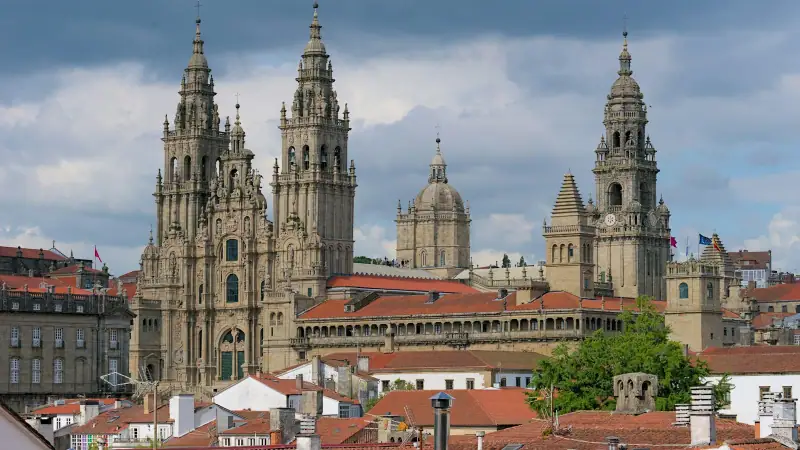
Santiago de Compostela is the capital of Galicia and one of the great Christian pilgrimage sites. Its cathedral, completed over several centuries, dominates the Praza do Obradoiro, where pilgrims who have reached the end of their walk often stop to contemplate the facade. The old center, a UNESCO World Heritage Site, is a succession of granite lanes, arcades and squares, very pleasant to explore on foot, especially when fine rain gives the stone a dark, shiny color.
The city is studious, lively and food-loving. You will eat seafood there, including Galician-style octopus, and perhaps taste albariño, a fresh white wine closely tied to the region. Allow at least one full day, more if you want to visit the museums and markets. To prepare the budget for such a stop, see our guide to the budget for Spain.
The Galician coast: A Coruña, Rías Baixas and the Beach of the Cathedrals
Galicia has a rugged, wild coast. A Coruña, a big port city, is known for its Tower of Hercules, a lighthouse of Roman origin still in service, listed by UNESCO, and for its seaside promenade that circles the peninsula. Farther south, the Rías Baixas are deep bays lined with fishing villages and beaches, renowned for their seafood.
On the north coast, near Ribadeo, the Beach of the Cathedrals is famous for its rock arches carved by the sea. It can only be visited at low tide: access is regulated, especially in high season, and you must check tide times and booking arrangements before going. The Cíes Islands, off Vigo, are another renowned site, within a national park: access is by boat in season and may be limited in the number of visitors.
Tours and tastings in northern Spain
Pintxos tours in San Sebastián, guided visits of Bilbao, wine tastings or boat excursions: compare offers and book ahead.
How to organize your trip to northern Spain
The North lends itself to several formulas, depending on the time you have:
- 4 to 5 days: San Sebastián (2 days), Bilbao (2 days) and, if time allows, half a day on the Biscay coast. The two cities are about 100 km (62 mi) apart and are easily linked by bus or car.
- 7 to 8 days: add Rioja Alavesa or Vitoria-Gasteiz, then Cantabria with Santander and Santillana del Mar.
- 10 to 14 days: continue with the Picos de Europa, Asturias, then Galicia, up to Santiago de Compostela and the Atlantic coast.
- Food-focused stay: concentrate on San Sebastián, Bilbao and Rioja Alavesa, booking the most in-demand tables ahead.
Distances look short on the map, but mountain and coast roads are slower than highways. Avoid multiplying one-night stops: two nights per base let you enjoy the places without spending your days behind the wheel. To choose the right time, our guide to when to go to Spain compares the seasons. If you then look for a more Mediterranean trip, the article what to see in Catalonia or the one devoted to Madrid and Castile will give you other ideas, and the complete guide to Spain helps link the major regions.
Practical tips
- Getting there: Bilbao Airport and San Sebastián-Hondarribia Airport serve the Spanish Basque Country; Santiago de Compostela, Santander and Asturias also have airports.
- Entry rules: entry rules depend on your passport. Check the official travel advice of your government before you book: travel.state.gov (US), GOV.UK (UK), travel.gc.ca (Canada), Smartraveller (Australia) (checked November 2026). We detail the points to check in our article on formalities for Spain.
- Weather: the climate is oceanic, with mild summers and frequent rain outside summer. Plan on layers that are easy to remove and shoes that handle dampness.
- Meal times: as in the rest of the country, lunch is late and dinner after 9 pm. Pintxos bars, on the other hand, run at aperitif time.
- Reservations: in-demand tables, winery visits, and regulated access such as Gaztelugatxe and the Beach of the Cathedrals often require a slot booked ahead.
- Insurance: to travel with more peace of mind, travel insurance can cover medical costs and cancellations.
Spain, differently
Northern Spain does not look like the usual image of the country. The cities face the ocean, food is a serious matter, mountains rise a few kilometers from the beaches, and you can go from a fishing village to a city of contemporary architecture in one morning. Choose one or two bases rather than multiplying stops, leave room for weather surprises, and keep time for pintxos, cider and walks on the coast: they are often what you remember best.
Frequently asked questions
What to see first in the Spanish Basque Country?
San Sebastián and its La Concha bay, and Bilbao with its Guggenheim Museum, are the two most famous stops. If you have time, add Vitoria-Gasteiz, Guernica, the Gaztelugatxe coast and the vineyards of Rioja Alavesa.
How many days do you need to visit northern Spain?
Allow 4 to 5 days for the Spanish Basque Country alone (San Sebastián and Bilbao). To link Cantabria, Asturias and Galicia, you need more like 10 to 14 days, because coastal and mountain roads slow the trip.
What is the best time to visit northern Spain?
From June to September, temperatures are pleasant and rain less frequent. The North nonetheless remains the rainiest part of the country, hence its nickname "Green Spain": always pack a waterproof jacket, even in summer.
Do you need to rent a car to visit northern Spain?
For San Sebastián and Bilbao, trains, buses and local transport are enough. A car becomes very useful for coastal villages, the Picos de Europa and rural Galicia, where connections are less frequent.
What is the difference between the Spanish and French Basque Country?
The Spanish Basque Country, or Euskadi, groups three provinces: Gipuzkoa, Biscay and Álava. It has its own administration and larger cities, such as Bilbao. The French side is smaller.
What languages are spoken in northern Spain?
The official languages are Spanish, Basque in Euskadi and Galician in Galicia. In tourist offices and busy places, you will often find people who speak English, sometimes French near the border.
Are the beaches of northern Spain suitable for swimming?
Yes, but the Atlantic stays cool even in summer and some beaches are subject to tides or currents. Respect the supervision flags and favor lifeguarded beaches.
More Spain guides
Keep reading
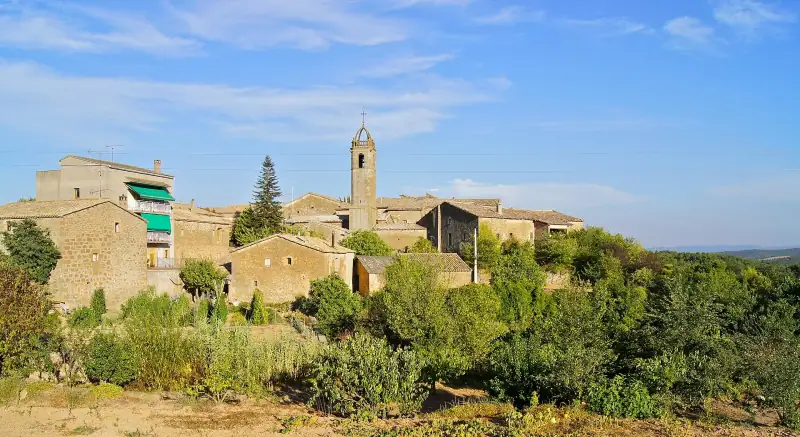
What to see in Catalonia: the region's 12 must-sees
What to see in Catalonia? Barcelona, Girona, Costa Brava, Figueres, Montserrat, Tarragona, Pyrenees: our selection to plan a stay in the region.
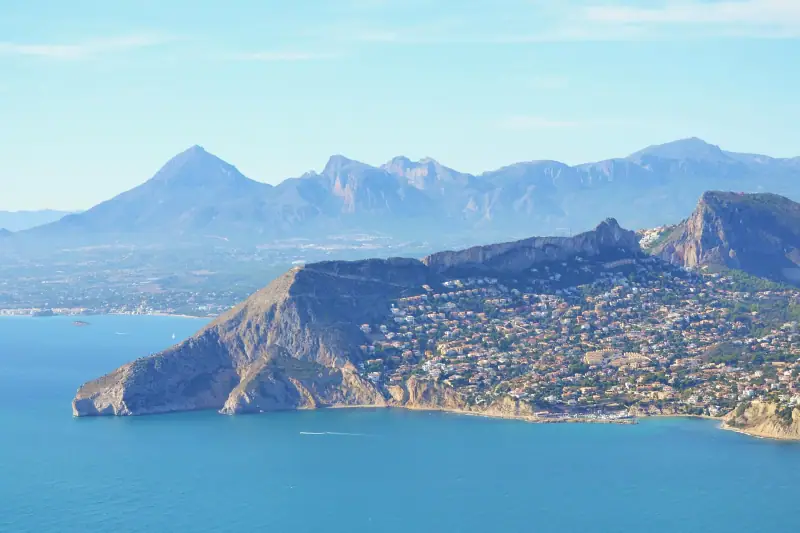
What to see in Valencia and on the Costa Blanca: 10 must-sees
What to see in Valencia and on the Costa Blanca? City of Arts, Albufera, Alicante, Calpe, Altea, Elche, Tabarca: our selection to plan your stay.
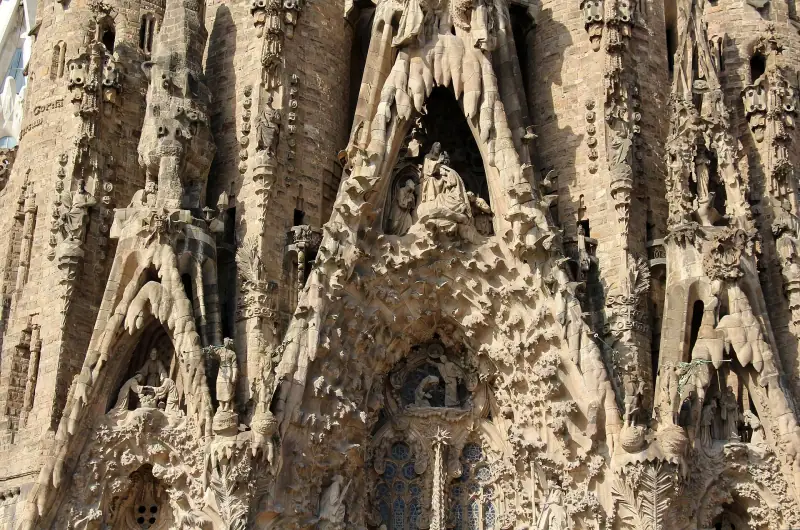
Complete guide to visiting Spain: regions, cities, budget and tips
Visiting Spain: must-see regions and cities, best time to go, transport, accommodation and budget. The pillar guide to prepare your trip from A to Z.
Ready-made
Spain itineraries
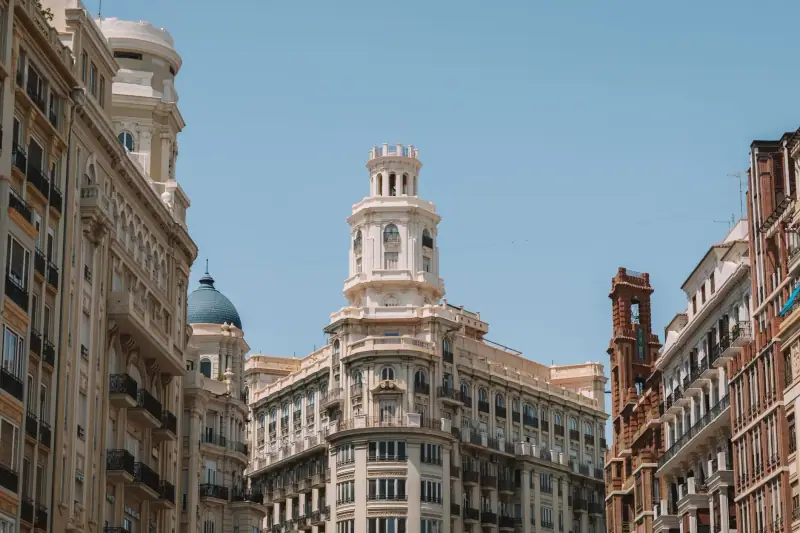
2 days
Valencia in 2 days: an itinerary through the old town, the Turia and the beach
What to do in Valencia in 2 days? Historic center, market, City of Arts and Sciences, Turia Gardens, paella and beach: our day-by-day itinerary.
7 days
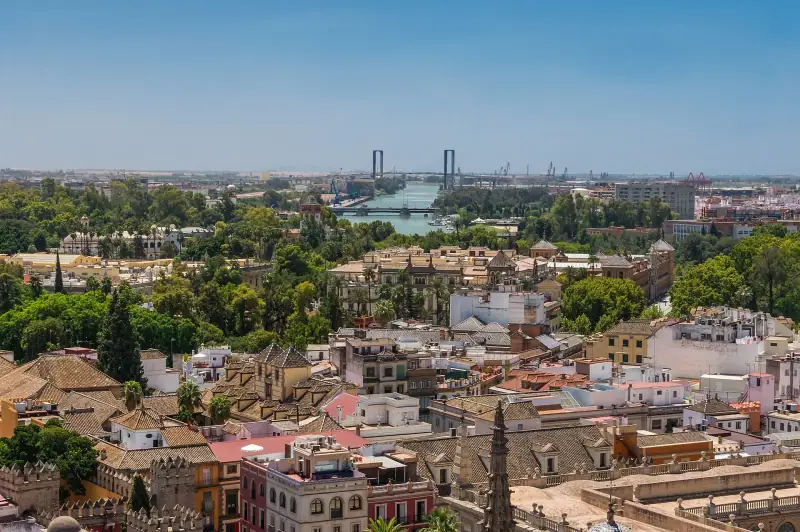
Andalusia in 7 days: Seville, Córdoba, Granada and Málaga
A 7-day Andalusia route: Seville, Córdoba, Granada and Málaga, with travel times, a day-by-day pace, useful reservations and pitfalls to avoid.
3 days
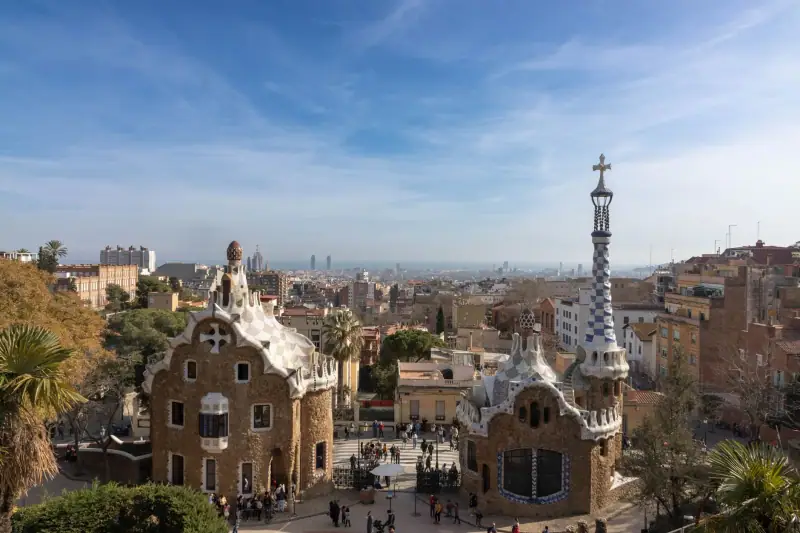
Barcelona in 3 days: a day-by-day itinerary for a first stay
Sagrada Família, Park Güell, Barri Gòtic, Montjuïc and Barceloneta: a 3-day Barcelona itinerary with the best order of visits, transport and tips.