What to see
Complete guide to visiting South Africa: regions, budget, tips
We may earn a commission when you book through links on this page, at no extra cost to you. We don't visit or try the places we cover: we summarize published sources. How we work
In short
- Two weeks is a comfortable minimum for Cape Town, the Winelands, part of the Garden Route and a safari; with one week, focus on Cape Town and the Winelands.
- March-April and September-November are often the best compromise; the dry season (about May to September) is best for wildlife in Kruger.
- A rental car is the most flexible option, with driving on the left; distances are long and public transport is limited outside the big cities.
- The currency is the South African rand (ZAR); cards are widely accepted in cities and tourist areas.
Visiting South Africa means first accepting that you have to choose. The country is vast and brings together, in a single trip, landscapes you usually find on several continents: a metropolis set between a mountain and two oceans, European-inspired vineyards, a wild coast lined with forests, savanna plains where Africa’s big animals live, and mountains that recall the Alps by their summits, but not by their colors.
This guide is the pillar article of the site. It presents the country as a whole, its regions and cities, the highlights, the best season, how to get there and around, lodging options and the budget to plan. At each step, it points to a detailed guide so you can go deeper into what interests you.
South Africa in brief
Located at the southern tip of the African continent, the country is bordered by the Atlantic Ocean to the west and the Indian Ocean to the east. It completely surrounds a small landlocked kingdom, Lesotho, and shares borders with Namibia, Botswana, Zimbabwe, Mozambique and Eswatini.
A few basics before you go:
- Languages: the country has eleven official languages. English is the common language of communication in tourism, which makes getting around much easier.
- Currency: the South African rand (ZAR). Bank cards are widely accepted in tourist areas.
- Time: South Africa is on UTC+2 all year.
- Seasons: the southern hemisphere reverses the calendar. The southern summer runs from December to February, winter from June to August.
- Driving: on the left.
The country is also known for its “rainbow nation”, a very diverse society born of a complex history, marked by apartheid and by the democratic transition of the 1990s. This history is not a backdrop: it can be read in the museums, the neighborhoods and the conversations, and it gives depth to a trip that would otherwise be just a tour of landscapes.
The main regions to know
To avoid getting lost, it helps to think in terms of main regions. Each has its character, its best season and its rhythm.
The Cape Peninsula
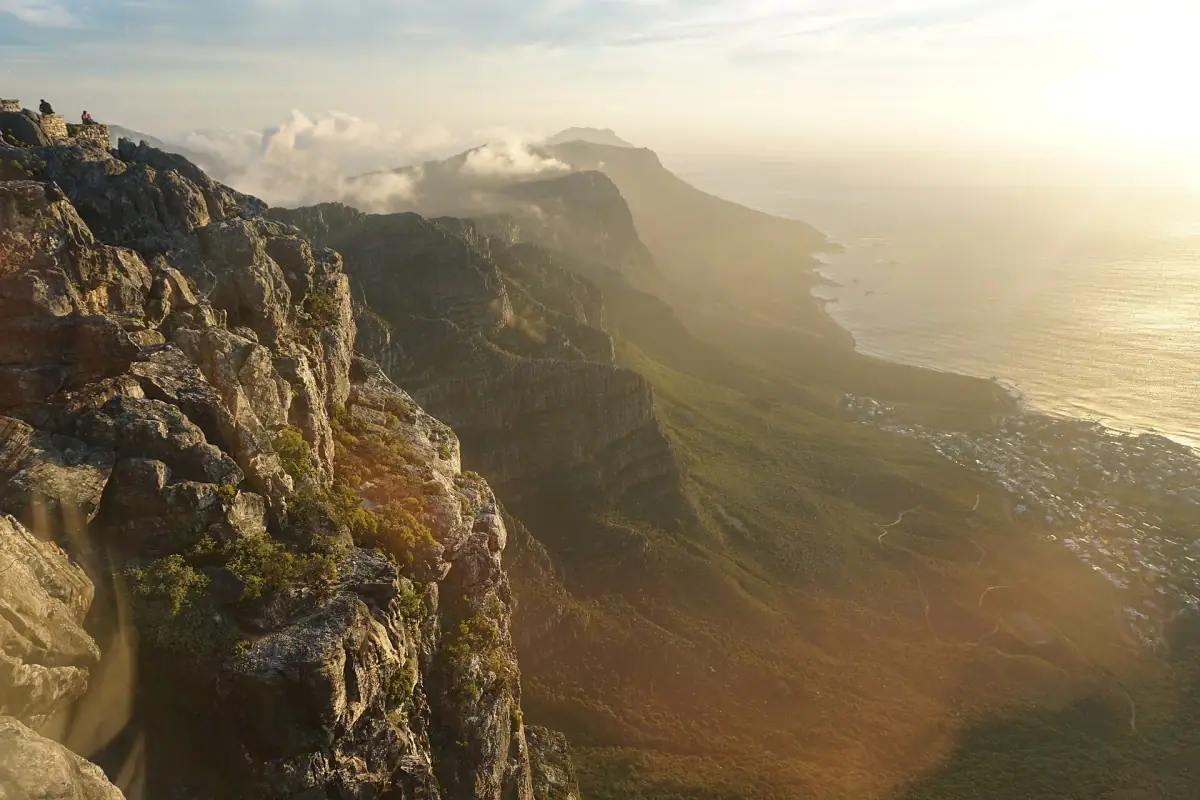
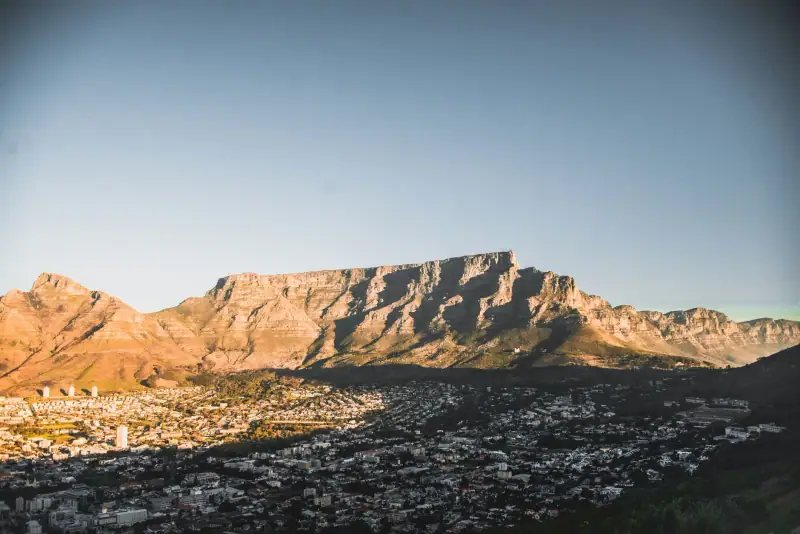
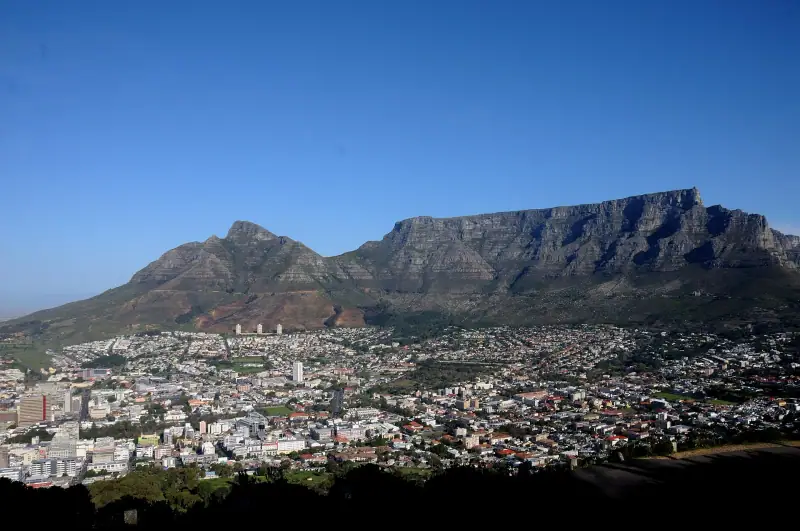
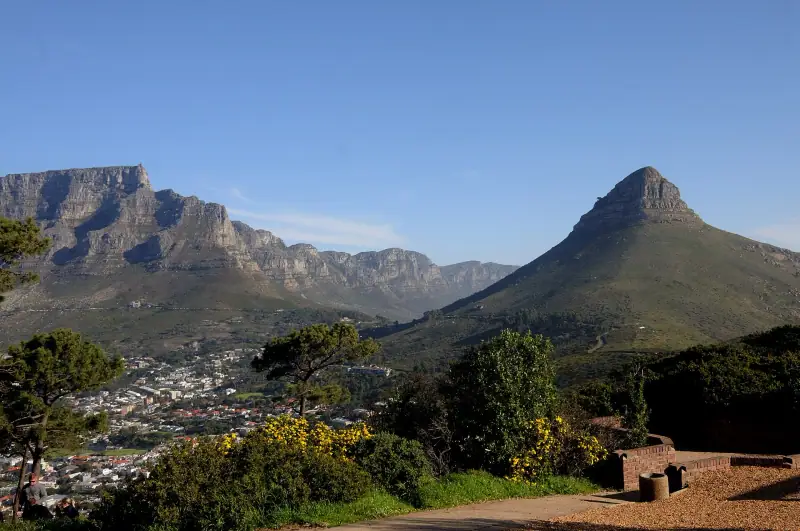
This is the most common entry point. Cape Town is dominated by Table Mountain, a flat-topped mountain that serves as a landmark for the whole city. Around it, the peninsula unrolls beaches, coastal villages, nature reserves and the Cape of Good Hope, at the southwestern tip.
It is the easiest region to visit for a first stay: there is a vast choice of lodging, distances are short and activities are many. Our guide to what to see in Cape Town and the peninsula covers the ten top sights.
The Winelands
About an hour’s drive from Cape Town, the Winelands bring together towns like Stellenbosch, Franschhoek and Paarl. There are wine estates, valleys framed by mountains, Dutch-inspired architecture and a renowned food scene. The subject is covered in detail in our article on the Stellenbosch and Franschhoek wine route.
The Overberg coast and the Garden Route
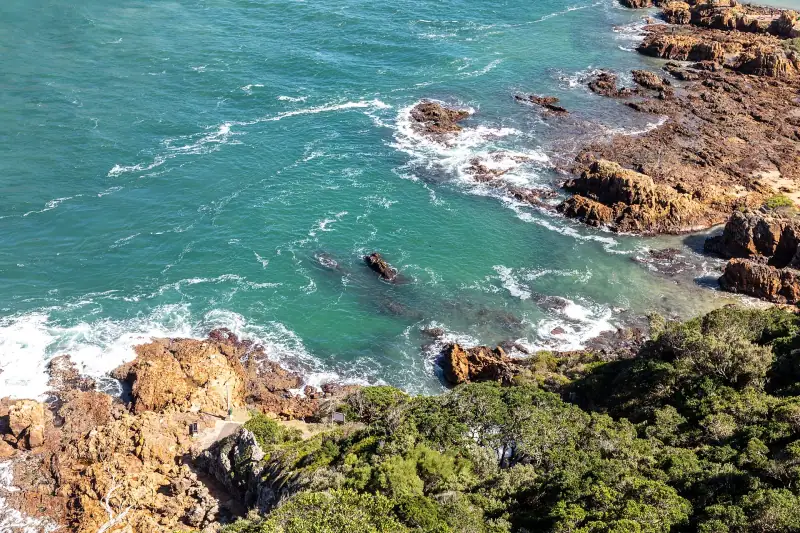
East of Cape Town, the south coast stretches in a succession of small towns, beaches, lagoons, forests and cliffs. Hermanus is famous for whale watching. Farther on, the Garden Route links notably Mossel Bay, Knysna and Plettenberg Bay as far as the Gqeberha (Port Elizabeth) region, over about 750 km (466 mi) from Cape Town. It is best driven slowly. See our 8-day Garden Route road trip.
Kruger and the Lowveld
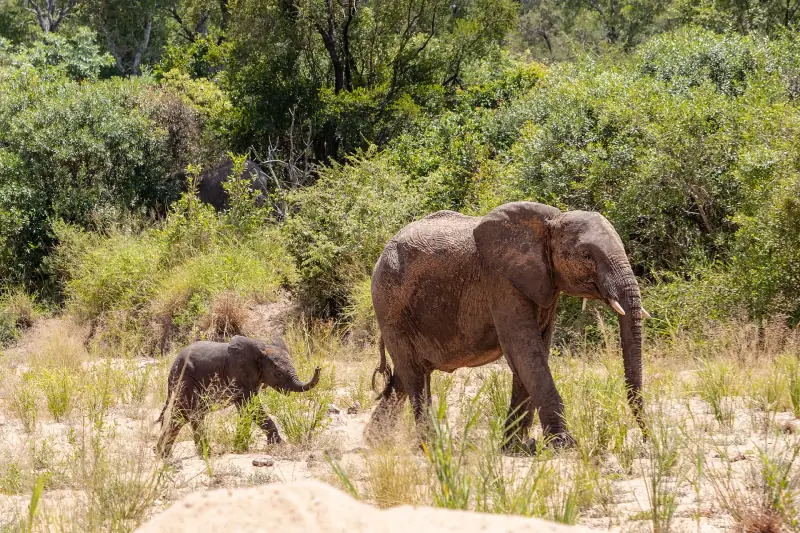
In the northeast, Kruger National Park is one of Africa’s great national parks and the most accessible safari destination in the country. You can visit it on your own, by car, or opt for a guided safari in a neighboring private reserve. To decide, see our guide on organizing your first safari in Kruger.
The Drakensberg and KwaZulu-Natal
On the east coast, KwaZulu-Natal offers a subtropical climate, beaches bordered by the Indian Ocean, the city of Durban and a strong Indian influence in food and culture. Inland, the Drakensberg range offers long hikes, cliffs and green valleys, with cold winters at altitude.
The Karoo
The Karoo is a vast semi-arid plateau, with austere landscapes and star-filled skies. It is often crossed on the way from Cape Town inland, or you stop in small towns for a break far from the classic circuits.
The cities to know
Cities are the starting point of almost every trip. Here are the main ones, in the order they most often appear in itineraries.
Cape Town is the most pleasant city to start with: a mountain, beaches, historic neighborhoods like Bo-Kaap, a lively waterfront and a very good dining scene. It also serves as a base for the Winelands and the peninsula.
Stellenbosch is the second oldest town in the country, surrounded by vineyards. Its modest size makes it easy to stroll on foot, and it is a practical base for tastings.
Hermanus is a small resort on the south coast, appreciated in whale season. Our guide on whale watching in Hermanus explains how to organize the day.
Knysna is on the Garden Route, around a large lagoon, with forests and beaches nearby. It is a classic stop for a road trip.
Gqeberha, also still called Port Elizabeth, is the usual start or end point of the Garden Route, and a gateway to wildlife reserves in the region.
Durban is the big city of the east coast, known for its warm climate, beaches and Indian-influenced food.
Johannesburg is the country’s economic metropolis and one of its main international airports. It is mostly a transit point to Kruger, although some museums, such as those that trace the history of apartheid, deserve a visit.
The highlights of a South Africa trip
If you could remember only a few experiences, these are the ones that come up most often in travelers’ accounts.
Table Mountain and the Cape Peninsula
Going up Table Mountain, on foot or by cable car, gives an overview of the city and the ocean. The cable car can close in strong wind: it is better to keep flexibility in your schedule. The peninsula is then covered in one or two days, with the Cape of Good Hope, the Cape Point nature reserve and the penguins of Boulders Beach. Everything is detailed in the article on the highlights of Cape Town.
Tours and excursions in Cape Town
Table Mountain, the peninsula, the Winelands, Robben Island: compare guided tours and day excursions from Cape Town.
A safari in Kruger
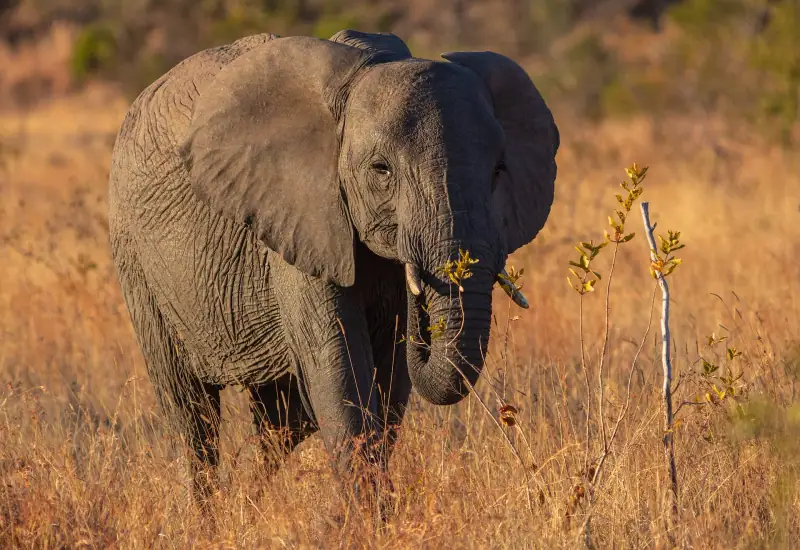
Seeing elephants, giraffes, lions or rhinos in the wild remains the highlight of many trips. Kruger Park suits several formats: self-drive in the national park, guided safaris at dawn or dusk, or a stay in a private reserve. The dry season, from about May to September, is generally the best for viewing, because the vegetation is less dense and the animals gather around waterholes.
The vineyards of the Winelands
One day in the Winelands is enough to taste the quality of South African wines, but two or three days let you vary the estates, sit down in good restaurants and explore the villages. Remember to choose a designated driver or book a chauffeur: tastings follow one another quickly, and driving is on the left.
The Garden Route
It is not a single site but a succession of landscapes: beaches, lagoons, forests, cliffs, small towns and natural sites. The appeal lies in the progression: it takes a little time, but very few kilometers a day to enjoy the trip. An eight-day road trip is a reasonable base.
The whales of the south coast
From June-July to about November, southern right whales visit the southwest coast, notably around Hermanus. The cliffs sometimes let you watch them from dry land, without a boat.
The Drakensberg
For hiking lovers, the Drakensberg offers trails of varying difficulty, valleys and spectacular cliffs. It is a quieter destination than Kruger or Cape Town, suited to a stay of a few days between two stops.
When to go to South Africa
The question of season is central, because the country covers several climates:
- Cape Town and the peninsula: Mediterranean-type climate, with dry, hot and often windy summers, and cooler, rainy winters.
- Kruger and Johannesburg: hot summers with afternoon thunderstorms, dry winters with mild days and cool nights.
- The east coast: subtropical climate, hot and humid in summer, milder in winter.
- The Garden Route: rain possible all year, hence very green vegetation.
- The Drakensberg and the interior: big temperature swings and cold winters at altitude.
As a general rule, March-April and September-November are good compromises to combine cities, coast and safari, with fewer people than during the year-end holidays. For a pure safari, favor the dry season. For whales, aim for late winter and the southern spring. The month-by-month detail is in our guide to the best time to visit South Africa.
Flights to South Africa
Fares vary with the season and the departure city. Compare flights as soon as your dates are roughly set.
How to get to South Africa
The two main air gateways are Johannesburg and Cape Town. The journey is long, and it is better to plan a quiet first day on arrival.
An important choice is the route: arriving in Johannesburg and leaving from Cape Town (or the reverse) avoids retracing the same path, but some airlines apply surcharges for multi-destination tickets. Compare before you decide.
Entry requirements
Before booking, check the entry conditions: passport validity, blank pages, any requirements for minors and health formalities. Rules change, so it is wise to check them with official sources. Entry rules depend on your passport. Check the official travel advice of your government before you book: travel.state.gov (US), GOV.UK (UK), travel.gc.ca (Canada), Smartraveller (Australia) (checked November 2026). For health, ask your doctor or a travel clinic, and see the official travel health pages (CDC in the US, TravelHealthPro in the UK).
Getting around South Africa
By car
This is the most common way for travelers to get around. The main roads are generally in good condition, distances are long, and a car offers a freedom that public transport does not, particularly on the Garden Route and in the Winelands. You have to get used to driving on the left, spot the toll roads, plan for gas stations in isolated areas and avoid driving at night away from the main roads. Our article on driving and car rental in South Africa answers the most common practical questions.
By plane
Domestic flights link the big cities and are often the best option for a trip like Cape Town to Johannesburg, too long to do by road in a stay of a few weeks. They also let you reach the Kruger region or the east coast without spending several days on the road.
By public transport and organized excursions
In cities, ride-hailing apps are widely used by travelers, as they avoid walking in the evening. Long-distance trains and buses exist, but they are less practical for a tourist trip. For the Cape Peninsula, day excursions are a simple alternative if you do not want to drive.
Safety on the road and in town
A few simple habits greatly limit risks: leave nothing visible in the car, keep doors locked in town, avoid walking alone after dark, and choose suitable neighborhoods to sleep in. These tips are detailed in our guide on safety in South Africa.
Where to stay in South Africa
There is a very wide choice of lodging: city hotels, guesthouses, wine estates, lodges on the edge of parks, apartments, campsites and hostels. Guesthouses, very common, often offer good value and a personal welcome.
In Cape Town, the choice of neighborhood matters more than the property itself. The Waterfront, the City Bowl, Camps Bay or Sea Point are not alike: some are better for getting around on foot, others for the beach or nightlife. Our guide on where to stay in Cape Town compares the main neighborhoods.
In the Winelands, sleeping on an estate or in a village like Stellenbosch or Franschhoek lets you enjoy the restaurants without getting back in the car in the evening.
On the Garden Route, guesthouses and small hotels in Knysna, Plettenberg Bay or Mossel Bay make comfortable stops for a road trip; to decide between the first two, read Knysna or Plettenberg Bay: where to stay?.
Near Kruger, the choice is between national park camps, cheaper, and lodges in private reserves, often all-inclusive and more expensive, but generally including guided safaris. Remember to book early for high season.
Hotels and guesthouses in South Africa
Compare the lodging available for your dates, from Cape Town to the Winelands, including the Garden Route.
Eating and drinking in South Africa
South African cooking reflects the diversity of the country. The braai, the national barbecue, is a social institution as much as a meal. There is also boerewors (spiced sausage), biltong (dried meat), Malay-influenced bobotie, and in Durban the bunny chow, from the local Indian cooking. Seafood and fish from the coast are also very popular.
As for drinks, wine holds a major place. The Winelands are the best-known region, but other wine-growing areas exist in the country. To choose your dishes and addresses, our guide to South African cuisine presents the specialties to try, and the one on the Winelands will help you organize tastings.
What budget to plan
The budget depends mostly on four items: the flight, lodging, car rental and activities. On the ground, South Africa is often considered good value, particularly for dining and mid-range lodging, but this varies with the exchange rate, the season and the type of stay.
Here is how to think about it, without fixed figures that would quickly become wrong:
- The flight is generally the heaviest expense. Prices change a lot between high season (year end) and quieter periods.
- Lodging can range from a hostel to a charming guesthouse, including the safari lodge, which is often the biggest expense of the stay.
- The car is the second item for a road trip. Compare rental companies and check the insurance deductible, included kilometers and drop-off fees in another city.
- Activities like a safari, boat trips, guided excursions and tastings at wine estates add up quickly. Check current rates before you go.
- Dining often remains moderate, especially outside the big restaurants of Cape Town and the wine estates.
To keep control of the budget, book lodging early in high season, avoid last-minute domestic flights, and keep a small cash reserve for occasional expenses. Also consider taking out travel insurance covering medical costs and repatriation.
Sample itineraries to organize your trip
Here are a few possible frameworks, to adjust by duration.
One week: Cape Town and surroundings. Three days in Cape Town, a day on the peninsula, a day in the Winelands, and if it is the right season, a day in Hermanus. A compact stay, without changing lodging too often.
Ten to twelve days: Cape Town and the Garden Route. A few days in Cape Town and the Winelands, then the east coast to Knysna and Plettenberg Bay. You can take inspiration from our 8-day road trip.
Two weeks: cities, coast and safari. The most classic pattern: Cape Town, the Winelands, part of the Garden Route, then a domestic flight to Kruger for a few days of safari. If you add Kruger, plan at least three to four days there, and watch the travel times.
Three weeks or more: a grand tour. With more time, add the KwaZulu-Natal coast, Durban or the Drakensberg, and take the time to slow down on the coast.
Whatever the formula, one simple principle avoids many disappointments: fewer, longer stops. Distances are significant, and changing hotels every night wears you out quickly.
Practical tips before you go
- Health: ask your doctor or a travel clinic well in advance, and see the official travel health pages (CDC in the US, TravelHealthPro in the UK).
- Electricity: South Africa uses its own plug type. Bring a suitable adapter (see our guide to the electrical outlet in South Africa).
- Water: in the big cities and most tourist areas, tap water is generally considered drinkable. If in doubt, ask your host.
- Tipping: it is customary in restaurants and for many services. Check local customs before you go.
- Electricity and load shedding: the country has experienced scheduled power cuts. Tourist lodging often has backup solutions, but keep a charged phone and a flashlight.
- Clothing: bring layers, as temperature swings between morning and afternoon are frequent, even in summer. A windbreaker is useful in Cape Town.
- Respect for wildlife: follow the rangers’ instructions, do not get out of the car in the parks except in authorized areas, and never feed wild animals.
Why South Africa is worth the trip
Many destinations offer a single big landscape, a single type of trip. South Africa offers several, reachable without crossing from one border to another, with a developed tourist infrastructure. In one week you can taste wines at the foot of mountains, walk by the ocean and watch wild animals, then leave wanting to come back for the other half of the country.
The best advice is to choose two or three regions rather than wanting to see everything. Start with Cape Town if it is your first trip, add the Garden Route or Kruger as you like, and leave the rest for next time. The guides on this site support you for each of these steps.
Frequently asked questions
How long do you need to visit South Africa?
Two weeks is a comfortable minimum to combine Cape Town, the Winelands, part of the Garden Route and a safari. With three weeks, you can add the Drakensberg or the Indian Ocean coast without rushing. For a one-week stay, focus on Cape Town, its peninsula and the Winelands.
What is the best time to visit South Africa?
It depends on your plans. March-April and September-November often offer the best compromise for a trip combining cities, coast and safari. The dry season (roughly May to September) is the best for wildlife viewing in Kruger, while the southern summer suits beaches and Cape Town better.
Do you need a visa for South Africa?
Entry rules depend on your passport, and passport validity and blank-page requirements apply. Rules change, so check the official travel advice of your government before you book: travel.state.gov (US), GOV.UK (UK), travel.gc.ca (Canada), Smartraveller (Australia) (checked November 2026).
Is it dangerous to travel in South Africa?
The country has a high level of crime, concentrated mostly in certain urban neighborhoods. The great majority of travelers who adopt a few simple habits (no visible valuables, no walking alone at night, well-located lodging) travel without incident.
Do you need to rent a car to visit South Africa?
It is the most flexible solution for the Cape Peninsula, the Winelands, the Garden Route and Kruger on your own. Distances are long and public transport is limited outside the big cities. You do have to get used to driving on the left and avoid driving at night.
What currency is used in South Africa?
The currency is the South African rand (ZAR). Bank cards are widely accepted in cities and tourist areas. Keep some cash for small purchases, car guards and rural areas.
Can you combine Cape Town and Kruger in one trip?
Yes, it is the classic pattern: you take a domestic flight between Cape Town and Johannesburg (or a city near the park), then reach Kruger by road or a regional flight. Allow at least a week for Cape Town and its surroundings and three to four days for the safari.
More South Africa guides
Keep reading
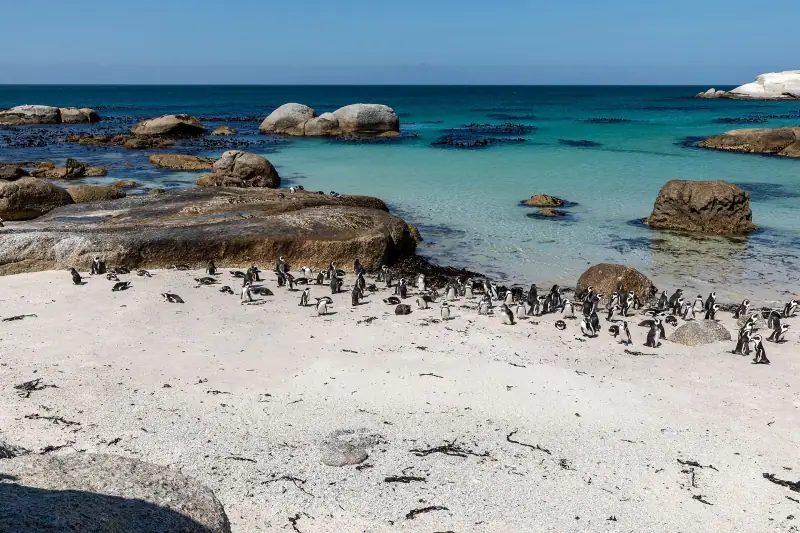
Boulders Beach: seeing the penguins, access, fees and how to avoid the crowd
Boulders Beach in Simon's Town: how to get there from Cape Town, free boardwalks or paid beach, hours, best time of day and season to avoid the crowd.
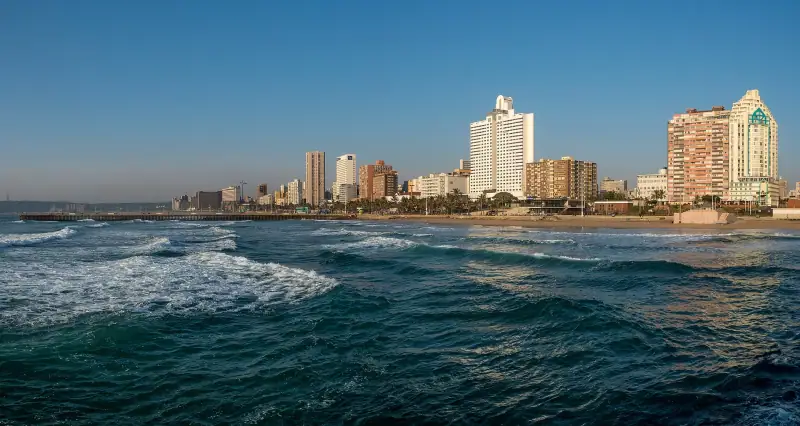
Visiting Durban: beaches, Indian food and Zulu culture
What to do in Durban: Golden Mile, uShaka Marine World, Victoria Street market, bunny chow, Umhlanga and Zulu culture. Practical tips for your stay.
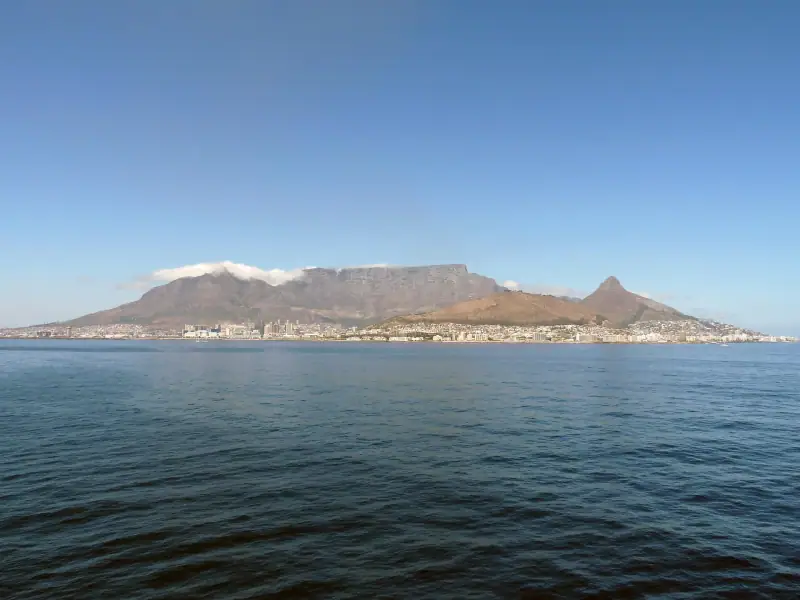
What to see in Cape Town and the Peninsula: 10 highlights
What to see in Cape Town? Table Mountain, Robben Island, Cape Point, Boulders penguins, Bo-Kaap, Kirstenbosch: 10 highlights and tips to combine them.
Ready-made
South Africa itineraries
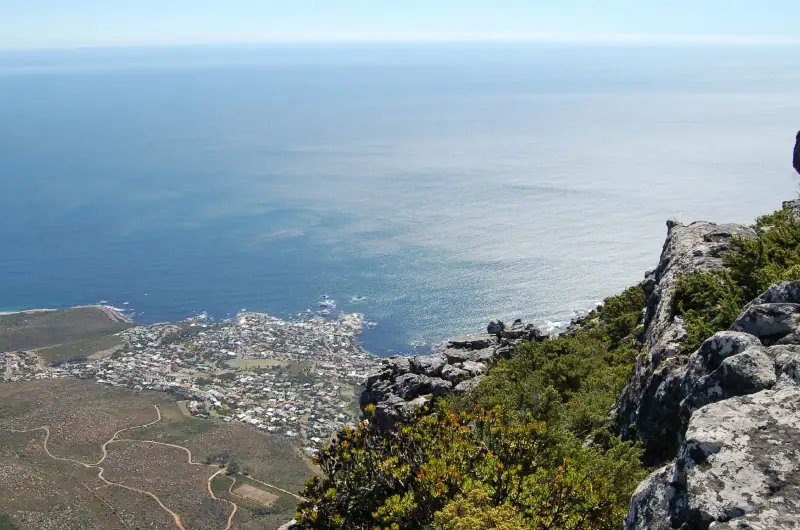
8 days
Garden Route road trip: 8 days from Cape Town to Gqeberha
An 8-day Garden Route road trip: Hermanus, Swellendam, Mossel Bay, Knysna, Plettenberg Bay and Tsitsikamma, with realistic stages and distances.
14 days
South Africa in 2 weeks: Kruger, Cape Town and Garden Route itinerary
A 14-day South Africa itinerary: Kruger safari, Cape Town, Winelands and the Garden Route, with domestic flights, drives and practical tips.
5 days
Cape Town in 5 days: day-by-day itinerary, peninsula and Winelands
A 5-day Cape Town itinerary: Table Mountain, Waterfront, Bo-Kaap, the Cape of Good Hope peninsula, Winelands and Hermanus, with distances and tips.