Itineraries
Cape Town in 5 days: day-by-day itinerary, peninsula and Winelands
We may earn a commission when you book through links on this page, at no extra cost to you. We don't visit or try the places we cover: we summarize published sources. How we work
Day by day
- Day 1Table Mountain, city center and V&A Waterfront
- Day 2Bo-Kaap, Kirstenbosch, Atlantic coast sunset
- Day 3Cape Peninsula: Chapman's Peak, Cape Point, Boulders Beach
- Day 4Winelands: Stellenbosch and Franschhoek
- Day 5Hermanus whale excursion or free day in Cape Town
Estimated budget
$300 – $390 per person (ZAR 5,100–6,500)
For 2 travelers sharing a double room and a rental car, with mid-range lodging. Total without car rental, fuel and tolls: no checked price yet.
| Item | Per person |
|---|---|
| Lodging | $160 – $210 |
| Paid visits | $140 – $180 |
Not included: international flights, meals and insurance.
Weather through the year on this route
| Jan | Feb | Mar | Apr | May | Jun | Jul | Aug | Sep | Oct | Nov | Dec | |
|---|---|---|---|---|---|---|---|---|---|---|---|---|
| High °F (°C) | 8027 | 8127 | 7826 | 7323 | 6921 | 6418 | 6317 | 6418 | 6619 | 7122 | 7323 | 7725 |
| Low °F (°C) | 6217 | 6418 | 6217 | 5815 | 5513 | 5111 | 4910 | 5010 | 5211 | 5513 | 5614 | 6016 |
| Rain in (mm) | 1.130 | 1.025 | 1.435 | 1.845 | 2.050 | 3.180 | 3.180 | 3.075 | 1.950 | 1.845 | 1.845 | 1.335 |
Normals 1991–2020 at Stellenbosch and Wilderness: averages over 30 years, not a forecast. Source: NASA POWER (MERRA-2), grid of about 50 km. Figures computed by us in November 2026.
In short
- Five days cover Table Mountain, the center and Waterfront, the Cape of Good Hope peninsula, a day in the Winelands and a coastal excursion to Hermanus.
- A rental car helps for days 3 to 5: Cape Point is 60 km (37 mi) away, the Winelands 50-75 km (31-47 mi), Hermanus 120 km (75 mi).
- Do Table Mountain early in the stay: wind and cloud can close the cable car.
- Whales can be seen at Hermanus from about June to November.
Cape Town is one of the few cities in the world where, in a single day, you go from a flat-topped mountain overlooking the ocean to a vineyard, then to a penguin beach. This 5-day itinerary puts these highlights in a logical order, with realistic days, short drives and room for weather surprises. The distances given are approximate and start from the city center.
If you are looking for a more detailed list of places to see, our article on what to see in Cape Town and the peninsula complements this program. To choose your base, also see where to stay in Cape Town by neighborhood.
Itinerary overview
- Day 1: Table Mountain, city center and Waterfront
- Day 2: Bo-Kaap, Kirstenbosch and sunsets on the Atlantic coast
- Day 3: Cape of Good Hope peninsula (about 60 km / 37 mi to Cape Point)
- Day 4: Winelands, Stellenbosch and Franschhoek (about 50 to 75 km / 31 to 47 mi)
- Day 5: excursion to Hermanus (about 120 km / 75 mi) or a free day in town
Before you go: a few things to know
Cape Town is in the southern hemisphere: the seasons are reversed compared with the northern hemisphere. The weather is changeable, especially in spring and autumn, and the wind can change your plans from one day to the next. Our guide to the best time to visit South Africa details the seasons.
For getting around, a rental car is useful for days 3, 4 and 5. For days 1 and 2, ride-hailing and taxis are enough, and parking in the city center is sometimes complicated. Read our article on driving and car rental before booking. For everyday safety, see our safety tips.
Day 1: Table Mountain, city center and Waterfront
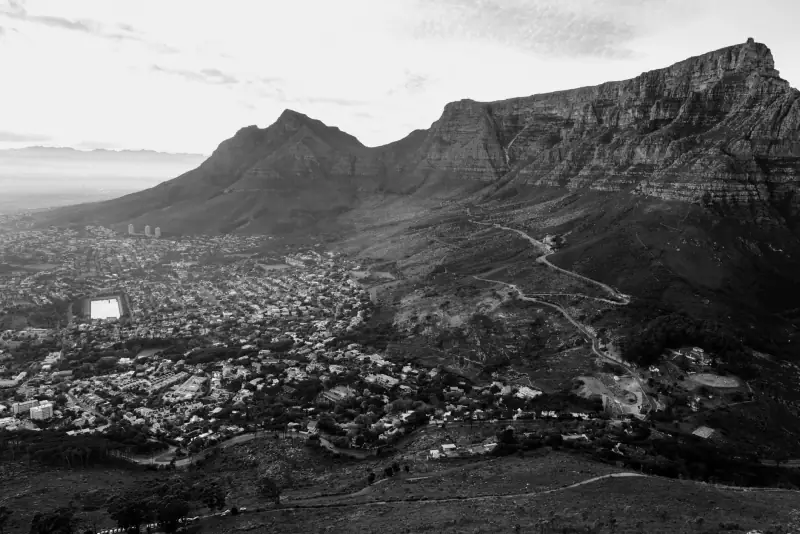
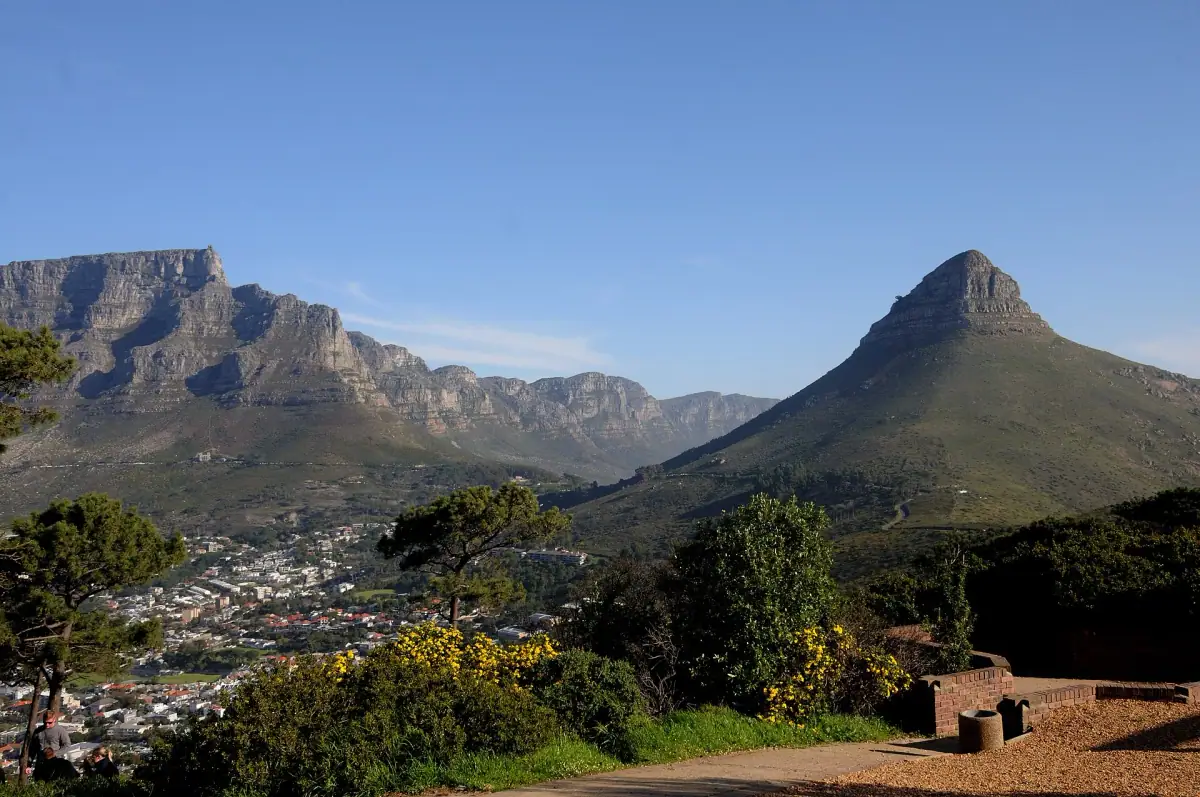
Table Mountain is the symbol of the city, and it is best to see it first: if wind or cloud prevents the ascent, you still have a few days to try again. There are two options. The rotating cable car reaches the summit in a few minutes; it closes in strong wind, so check its operating status the same morning. The hike is more demanding and requires good shoes, water, clear weather and an early start.
At the top, several marked trails let you go around the plateau and admire the view over the city, Robben Island and the Atlantic coast. Bring a jacket, as the wind is often cool there even in fine weather. The vegetation of the plateau, the fynbos, is unique to this part of the world.
In the afternoon, head down to the center. The Company’s Garden area is a pleasant park in the heart of the city, surrounded by several museums. You can then continue to the V&A Waterfront, a redeveloped former port district: shops, restaurants, views of the mountain and the boats. It is also the departure point for boats to Robben Island, which can be booked ahead in high season.
Sleeping in Cape Town
Compare hotels and apartments in Cape Town by neighborhood, view and budget before fixing your program.
Day 2: Bo-Kaap, Kirstenbosch and the Atlantic coast
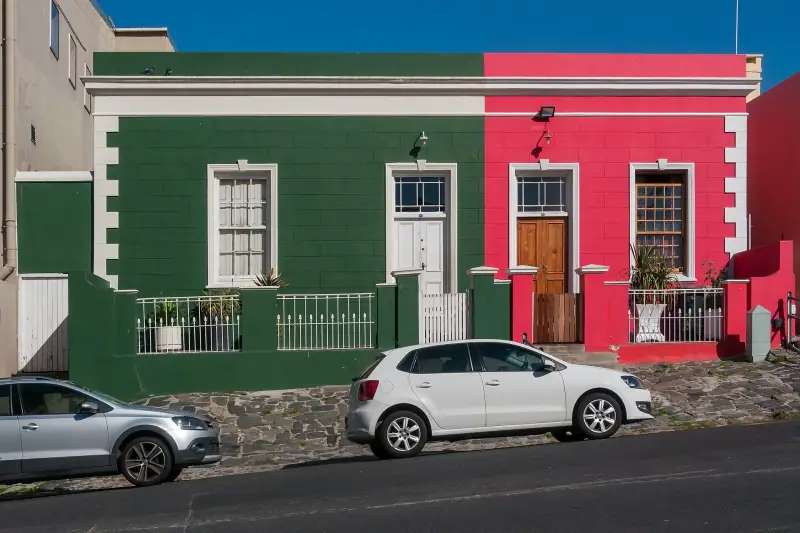
Start the morning in Bo-Kaap, a neighborhood known for its colorful houses on the slopes of Signal Hill. It is historically tied to the Cape Malay community, and you can still discover mosques and local culinary traditions there. Stroll on foot during the day, with respect for residents: many facades are private homes, and you should ask before photographing people.
Then head to the Kirstenbosch National Botanical Garden, on the east slope of Table Mountain. It is appreciated for its collection of southern African plants and its trails, including an elevated walkway in the canopy. Allow at least two hours. Picnics on the lawns are common when the weather allows.
In the afternoon, go to the Atlantic coast, toward Camps Bay and Clifton, known for white beaches and cold water: the ocean temperature is generally low, as the current comes from Antarctica. End the day with a sunset, from the beach or from the heights of Signal Hill, and check safety conditions for the way back.
For those in good physical shape with clear weather, Lion’s Head is a popular hike at sunrise or sunset. It requires suitable shoes and a headlamp if you come back after dark, and it is better not to go alone.
Guided tours in Cape Town
Discover Robben Island, Table Mountain and the city's neighborhoods with guided tours, depending on the offers.
Day 3: the Cape of Good Hope peninsula
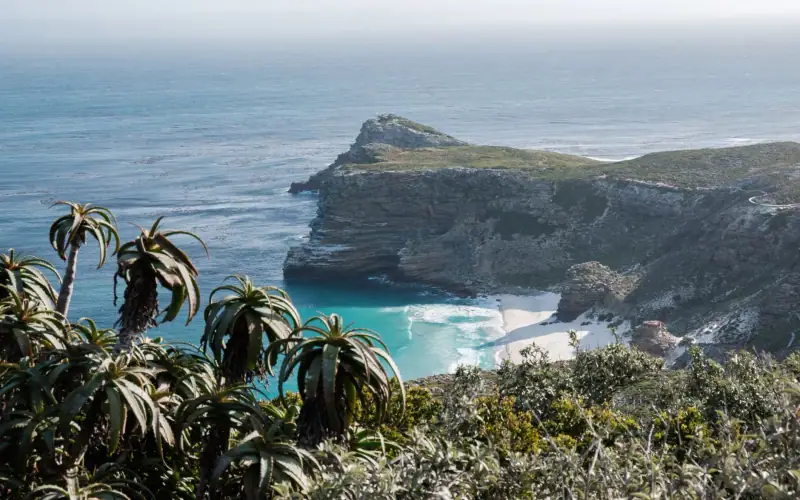
This is the day richest in scenery, and the one that demands the most driving: allow about 60 km (37 mi) from the center to Cape Point, at least 1 h 30 without stops. Leave early, as there are many stops and parking lots fill up in high season.
Two routes are possible: out along the Atlantic coast, with the scenic road of Chapman’s Peak (a road cut into the cliff, sometimes closed after a rockfall or in strong wind, so check before leaving), and back along the False Bay coast, or the reverse. Fishing villages like Hout Bay offer a pleasant break for a fish lunch.
Table Mountain National Park covers the tip of the peninsula, with the Cape of Good Hope and Cape Point. You reach it by car, then climb to the lighthouse on foot or by funicular. The view over the ocean is spectacular, and you often come across baboons and ostriches in the reserve: do not feed them, and keep your bags closed.
On the way back, along False Bay, stop at Boulders beach, home to a colony of African penguins. Boardwalks let you watch them without disturbing them. End by driving through Simon’s Town and Kalk Bay, charming small ports with their cafés and shops.
Excursion to the Cape Peninsula
Don't feel like driving? Compare guided day excursions to Cape Point, Boulders and the coastal road.
Day 4: Winelands, Stellenbosch and Franschhoek
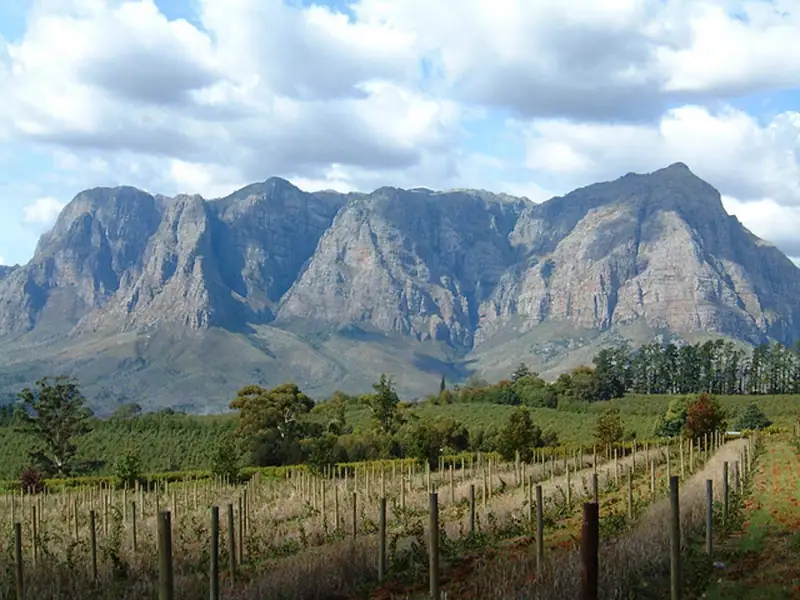
The Winelands are about 50 km (31 mi) from Cape Town for Stellenbosch and about 75 km (47 mi) for Franschhoek, less than an hour’s drive in good conditions. It is an easy day that changes completely from the peninsula: valleys, vines, mountains and Cape Dutch-style architecture.
Stellenbosch, the second oldest town in the country, is a university town that is pleasant to explore on foot, with its oak-lined streets and historic buildings. The surrounding wine estates generally offer tastings; some ask you to book ahead, especially on weekends and in high season. The region is known for its reds, notably pinotage, South Africa’s emblematic grape, but also for its whites, such as chenin blanc.
Franschhoek, founded by French Huguenots, has kept French-sounding estate names and a reputation for food. The valley is very pleasant for lunch, then a stroll between estates.
Important reminder: if you drive, do not multiply tastings. The alcohol limit is strictly enforced, and many visitors choose a designated driver, ride-hailing or an organized excursion. Our article on the Stellenbosch and Franschhoek wine route details the grapes, the estates and how to organize a day.
Tastings in the Winelands
A guided excursion avoids driving after tastings: compare wine days from Cape Town.
Day 5: Hermanus or a free day in Cape Town
The last day can take two forms depending on the season and your wishes. If you travel roughly between June and November, an excursion to Hermanus, about 120 km (75 mi) from Cape Town, lets you watch southern right whales from the town’s cliffs, sometimes only a few dozen meters from the shore. The coastal road between Gordon’s Bay and Hermanus is a highlight in itself. We detail the periods and options in our guide to whale watching in Hermanus.
Outside whale season, you can keep this day for Cape Town itself: a visit to Robben Island, where Nelson Mandela was imprisoned, is a highlight of the stay, but requires booking early and can be canceled in rough seas. You can also take the time to visit a museum in the city center, wander the markets or return to the places you liked most.
On the way back, allow a comfortable margin before your flight: traffic can be heavy at rush hour, and airport formalities take time. Entry rules depend on your passport: check the official travel advice of your government before you book (travel.state.gov in the US, GOV.UK in the UK, travel.gc.ca in Canada, Smartraveller in Australia; checked November 2026).
Flights to Cape Town
Fares vary greatly with the season: compare several dates before booking your flight.
Adapting the itinerary to your stay
With only 3 days, keep Table Mountain and the center (day 1), the peninsula (day 3) and choose between the Winelands and Bo-Kaap. You will lose a few stops, but keep most of the scenery.
With 7 days, add a second day in the Winelands, or continue east: our 8-day Garden Route road trip starts in Cape Town. You can also add a safari stop: see our guide to a first safari in Kruger.
With family, keep days shorter: Boulders beach, Kirstenbosch and Cape Point suit children well, while the Table Mountain hike should be chosen with care.
In bad weather, replace viewpoints with indoor activities: museums in the center, tastings in the Winelands, the Waterfront, or cafés in Kalk Bay. On days of strong wind, Table Mountain may be closed: move it rather than drop it.
Practical tips for these five days
- Lodging: staying in the center or near the Waterfront makes the first two days easier; a base near the Atlantic coast is nicer in the evening but needs a car.
- Gear: bring layers (cool wind at the summit), a hat, sunscreen and good shoes. Our article on useful accessories for South Africa has a complete list.
- Budget: see our guide to the budget for South Africa to estimate daily spending.
- Electricity and connection: South Africa uses its own plug type, so bring an adapter. For your phone, check your carrier’s international plan or use a travel eSIM.
- Insurance: travel insurance covering health and cancellation is strongly recommended.
Frequently asked questions
The answers to the most common questions about this itinerary are above. If your stay is longer, combine this itinerary with the Garden Route or a safari to discover other sides of the country.
Five days in Cape Town give a complete overview of the region, without rushing. Keep flexibility in the order of the days, watch the weather, and you will leave with varied scenery: mountain, ocean, vineyards and wildlife.
Sources
- Hermanus Tourism: figures checked November 2026
Frequently asked questions
Is five days enough to visit Cape Town?
Yes, it is a good format to see the classics: Table Mountain, the center and the Waterfront, the Cape of Good Hope peninsula, a day in the Winelands and a coastal excursion. With three days, you have to give up the Winelands or Hermanus.
Do you need to rent a car in Cape Town?
It is very practical for the peninsula and the Winelands, where distances are significant and public transport is limited. In town, ride-hailing and taxis are often used for evening trips. Remember to drive on the left.
What is the best time to follow this itinerary?
The southern summer (roughly November to March) offers the longest days and the most sun, but also more people. Spring and autumn are often a good compromise. Whales are visible at Hermanus from about June to November.
Is Table Mountain always accessible?
No. Wind and cloud can close the cable car and make hiking inadvisable. Keep flexibility: schedule Table Mountain early in the stay to have a second chance if the weather turns.
Is Cape Town safe for a tourist stay?
The tourist areas are very busy, but vigilance is still needed: avoid showing valuables, leave nothing visible in the car and favor car or ride-hailing trips in the evening. Our dedicated guide details the precautions.
Can you see penguins near Cape Town?
Yes, a colony of African penguins lives on Boulders Beach, on the False Bay coast of the peninsula. Keep your distance and use the boardwalks: the birds must not be touched.
More South Africa guides
Keep reading
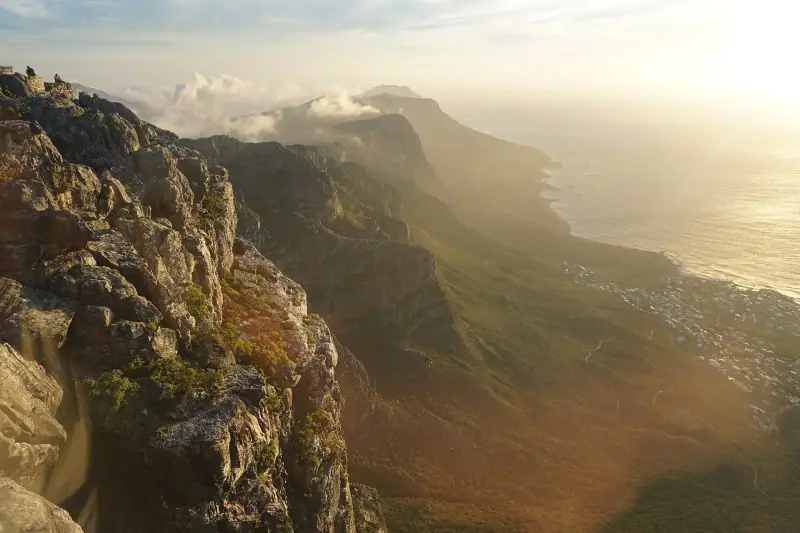
Complete guide to visiting South Africa: regions, budget, tips
Visiting South Africa: regions, cities, highlights, when to go, transport, lodging and budget. The pillar guide to prepare your trip.
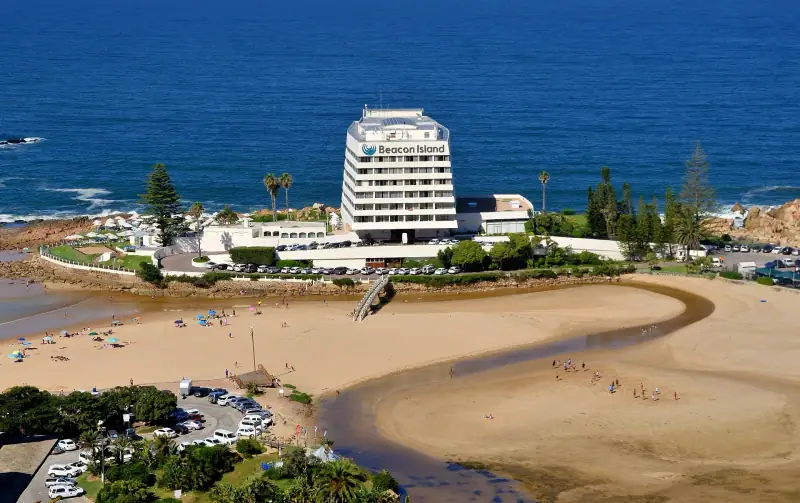
Knysna or Plettenberg Bay: where to stay on the Garden Route
Knysna or Plettenberg Bay for sleeping on the Garden Route? Lagoon or beaches, neighborhoods, number of nights, car and tips to choose without regrets.
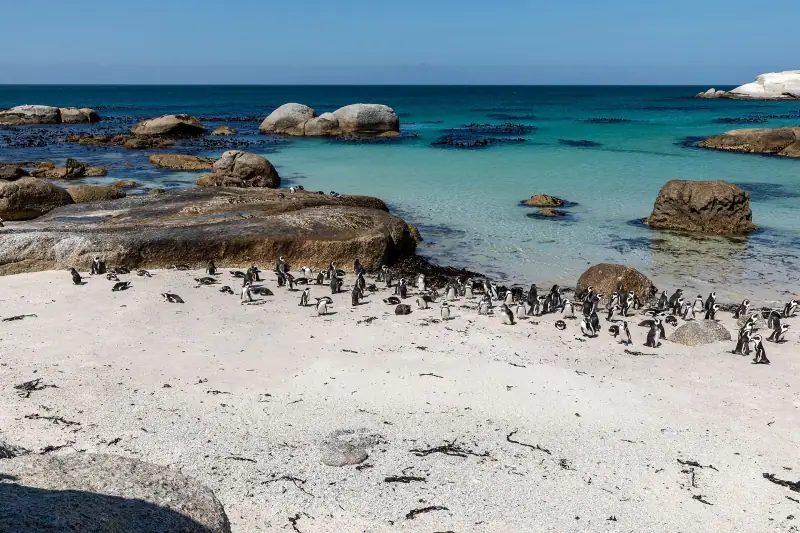
Boulders Beach: seeing the penguins, access, fees and how to avoid the crowd
Boulders Beach in Simon's Town: how to get there from Cape Town, free boardwalks or paid beach, hours, best time of day and season to avoid the crowd.
Ready-made
South Africa itineraries
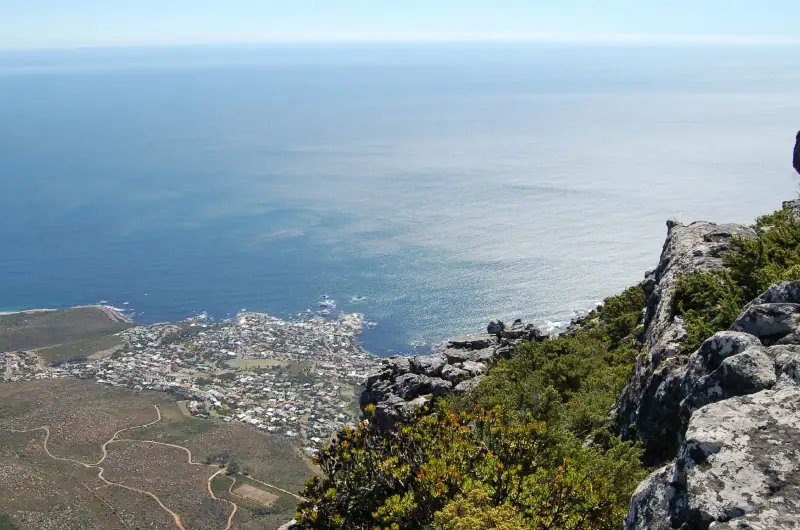
8 days
Garden Route road trip: 8 days from Cape Town to Gqeberha
An 8-day Garden Route road trip: Hermanus, Swellendam, Mossel Bay, Knysna, Plettenberg Bay and Tsitsikamma, with realistic stages and distances.
14 days
South Africa in 2 weeks: Kruger, Cape Town and Garden Route itinerary
A 14-day South Africa itinerary: Kruger safari, Cape Town, Winelands and the Garden Route, with domestic flights, drives and practical tips.