Things to do
Safari in Kruger National Park: planning your first safari
We may earn a commission when you book through links on this page, at no extra cost to you. We don't visit or try the places we cover: we summarize published sources. How we work
In short
- Kruger covers about 20,000 km² (7,700 sq mi); a self-drive plus two or three guided dawn or dusk outings balances freedom, budget and viewing.
- The dry season, roughly May to September, is generally best; mornings in an open vehicle can be cold.
- Plan at least 2 to 3 nights, ideally 3 to 5 for a first trip; the southern gates are about 5 to 6 hours by road from Johannesburg.
- Never leave your vehicle outside authorized areas, never feed animals, and return before the gates close.
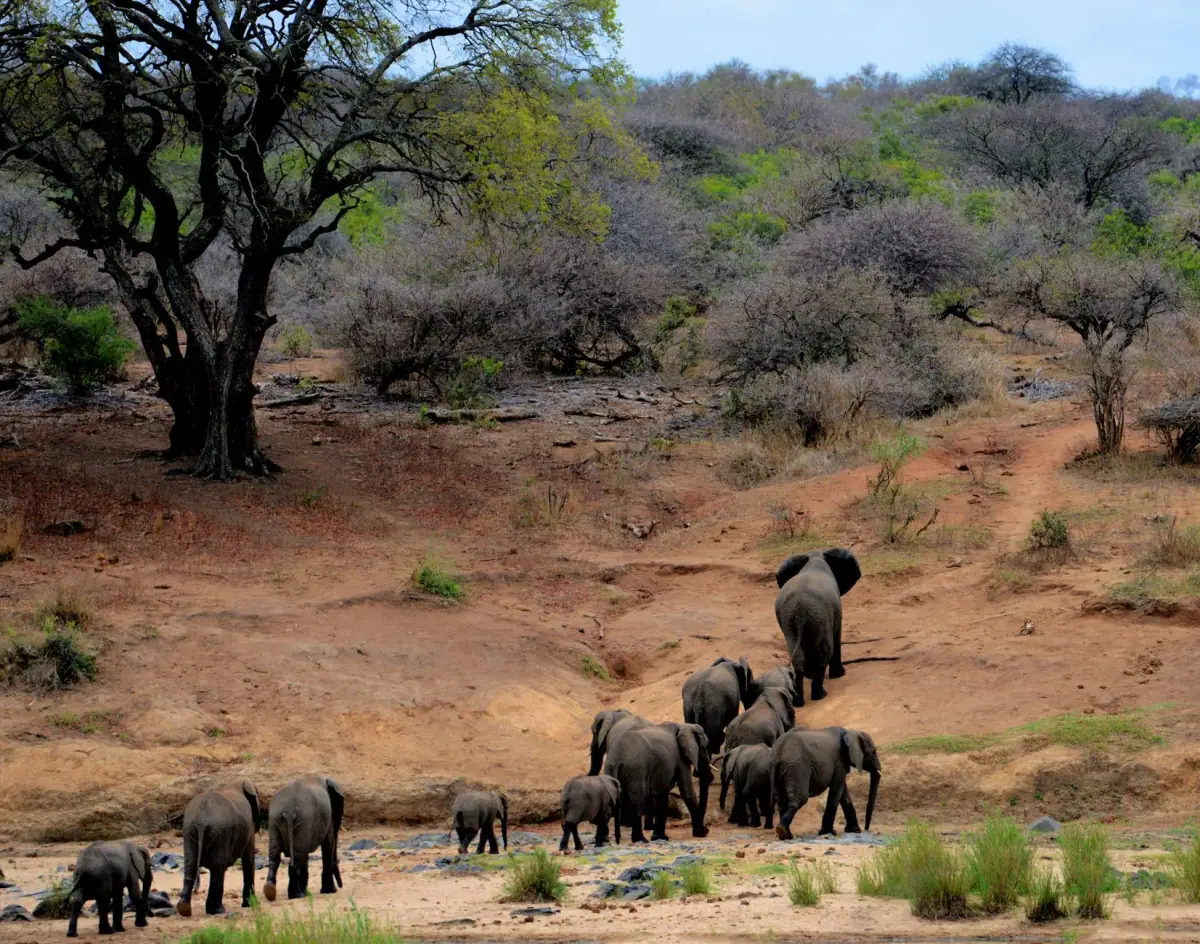
Watching an elephant cross the track a few meters from your car, hearing a lion roar at nightfall: a safari in Kruger National Park remains for many travelers the highlight of a trip to South Africa. Kruger National Park, in the northeast of the country, on the Mozambique border, is one of the largest protected areas in Africa. It covers about 20,000 km² (7,700 sq mi), an area comparable to that of Slovenia.
The next step is choosing how to visit it. Private car, guided safari, private reserve, public camp or lodge: this guide helps you organize a first safari with no bad surprises. To refine your dates, also see our guide to the best time to visit South Africa.
Kruger Park in a few words
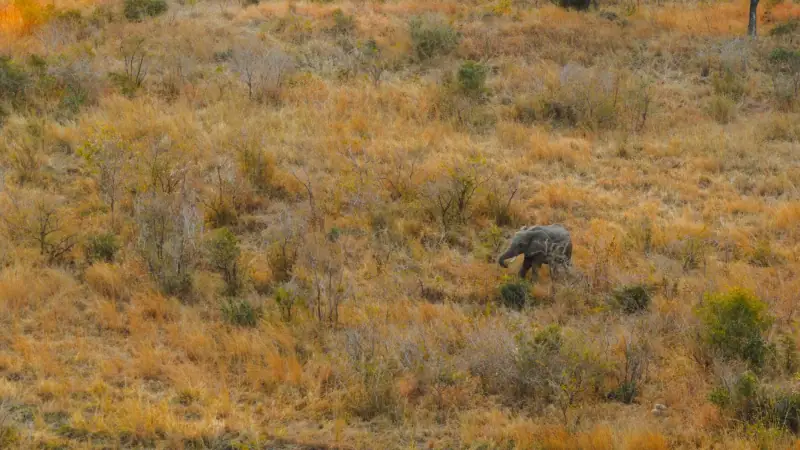
The park stretches about 350 km (217 mi) from north to south. This length matters: landscapes and wildlife vary noticeably by area.
- The south: the busiest and most accessible from Johannesburg. Animal density is reported to be very good, and it is the area where you have the best chances of seeing the Big Five.
- The center: vast open plains, good for watching big herds and their predators.
- The north: wilder and less visited, with different vegetation and a more isolated feel.
The Big Five (lion, leopard, elephant, buffalo, rhino) are all present. The park is also home to giraffes, zebras, hippos, crocodiles, cheetahs and many species of antelope and birds. Sightings always depend on luck, time of day and season: a safari is not a zoo.
Self-drive or guided safari: which to choose?
This is the first decision to make, and the answer is not exclusive.
The self-drive. You drive at your own pace in your own vehicle, with a map of the park, binoculars and a lot of patience. It is the cheapest and freest option, suiting independent travelers and families well. An ordinary rental vehicle is enough on paved roads and on many tracks in good condition. The downside: you spot animals alone, without the trained eye of a ranger, and you stay inside your vehicle.
The guided safari. A qualified ranger drives an open, raised vehicle, and knows how to read tracks, behavior and the alarm calls of other animals. Dawn and dusk outings, even at night, are only possible with a guide. It is the best way to understand what you see.
Our recommendation for a first safari: combine the two. A few days of self-drive, topped up with two or three guided outings at dawn or nightfall, give the best balance of freedom, budget and viewing quality.
Kruger Park safaris
Compare guided safaris at dawn, dusk or for the day, with free cancellation on many offers.
National park or private reserve?
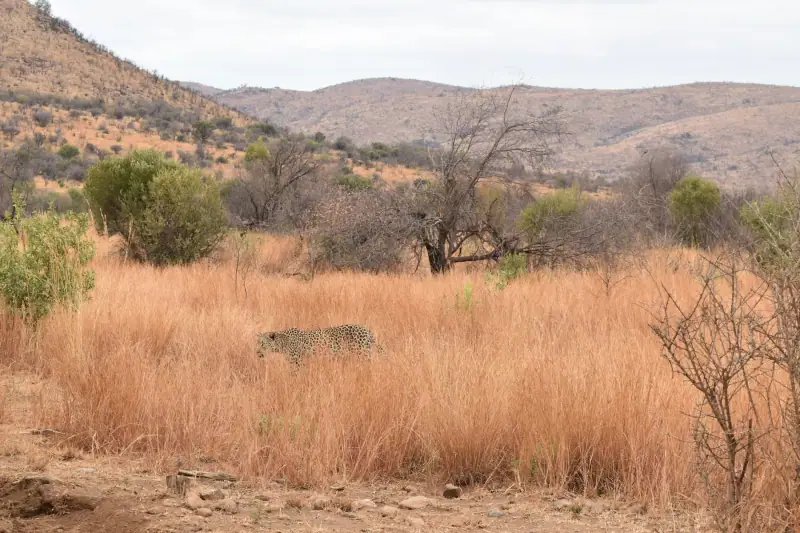
Kruger Park is bordered on the west by several private reserves, such as Sabi Sand, Timbavati or Manyeleti, whose fences with the park have been removed: animals move freely from one space to the other.
In the national park:
- Entry and lodging rates are clearly more affordable.
- Public camps (bungalows, tents, camping sites) spread throughout the park.
- Self-drive travel allowed, but no driving off the open roads and tracks.
In a private reserve:
- Safaris in an open vehicle with a ranger, including off-road in many reserves, which lets you get closer to the animals.
- Night outings allowed, and a limited number of vehicles at each sighting.
- Lodge lodging, often all-inclusive (meals, outings), but at a much higher budget.
For a first trip, a mixed option works well: a few nights in a public camp for the adventure side and the budget, then one or two nights in a private reserve for a more comfortable immersion. Prices vary greatly with the season and the type of lodge: compare several offers before booking.
Where to sleep for a Kruger safari
Three main options are open to you.
Park camps. Run by the public body SANParks, they offer bungalows, furnished tents and camping sites, often with a restaurant, shop and, for the largest, a pool. The most popular fill up long in advance, especially during school holidays: book very early. Staying in a camp has an advantage: you sleep inside the park and start outings as soon as the gates open.
Private lodges. Located in the neighboring reserves or on the edge of the park, they generally include lodging, meals and guided outings. This is the most expensive, but also the most comfortable.
Lodging at the park gates. Towns and villages near the entrances offer guesthouses, hotels and more affordable lodges. It is an interesting option for a first or last night, or to limit the budget, at the price of a daily drive to the gate.
Lodging near Kruger Park
Lodges, guesthouses and hotels around the park: compare availability for your dates.
Getting to Kruger Park
The park has several entry gates spread along its length, and two main approaches exist.
By road from Johannesburg. The southern gates are several hours’ drive from Johannesburg (generally allow between 5 and 6 hours depending on the gate and traffic). The main roads are good, but the route crosses areas where potholes, trucks and animals on the road call for caution. Avoid driving at night.
By plane. Regional airports, notably those of Mpumalanga (near Mbombela), Hoedspruit and Skukuza, serve the region. They let you cut the trip noticeably from Johannesburg or Cape Town. Check airlines and frequencies when booking, as connections change.
In South Africa, you drive on the left: allow time to adjust before getting on the main routes.
Flights to Johannesburg
Johannesburg is the main gateway to Kruger: compare flights for your dates.
When to go for a Kruger safari
The dry season, from about May to September, is generally the most recommended. The vegetation is less dense, waterholes become scarce and animals gather at them: viewing is easier. In return, mornings are cold in an open vehicle, with temperatures near 0 °C (32 °F) possible in the first hours of the day. Bring a hat, gloves and a fleece.
The wet season, from about November to March, is hot, with frequent afternoon thunderstorms. The vegetation is dense and viewing harder, but the landscapes are green, migratory birds are present and it is also the birthing season for many antelope. Rates can be lower.
The transition months (April-May and September-October) are often an excellent compromise. Our guide to the best time to visit South Africa details the climate region by region.
Making the most of your sightings: field tips
A few habits noticeably increase your chances of fine encounters.
- Set out early. Animals are more active at dawn and at the end of the day. The park gates generally open at daybreak: as hours vary by season, check them before each day.
- Go slowly and stop often. Turn off the engine at each sighting and let your eyes adjust. Many animals are spotted by a movement or an ear.
- Watch other vehicles. Several cars stopped at the side of the track almost always signal an animal.
- Visit waterholes and watercourses. Elephants, hippos and antelope gather there, especially in the dry season.
- Bring binoculars. It is the most useful safari accessory, clearly ahead of the camera.
- Be patient. The leopard, in particular, is rarely seen: a successful sighting is as much luck as preparation.
Safety rules and respect for wildlife
Kruger is a wilderness park, not an amusement park. A few basic rules apply.
- Never get out of your vehicle outside expressly authorized areas (picnic areas, camps, marked viewpoints).
- Respect the speed limits posted in the park, clearly lower than those of ordinary roads, for your safety and that of the animals.
- Never feed animals, including baboons and vervet monkeys, which are very good at stealing food from a vehicle or a terrace.
- Keep your distance from elephants, particularly groups with young, and never cut across their path. If an elephant shows signs of agitation, back away calmly.
- Return before the gates close. Latecomers are penalized, and driving in the park at night is forbidden.
- Do not leave valuables visible in the vehicle on trips to and from the park.
On health, the park is in a region where malaria is present: ask your doctor or a travel clinic several weeks before departure, and see the official travel health pages (CDC in the US, TravelHealthPro in the UK). Also use a repellent and wear covering clothes at nightfall.
How much time to plan?
Two nights on site let you taste the safari, but you may want more: wildlife is earned, and several outings at dawn and at the end of the day multiply the chances of sightings. Three to four nights offer a good balance for a first trip. Beyond that, five to seven nights let you explore several areas of the park and change camps.
The safari fits well in a wider trip: the Garden Route road trip along the south coast, or a stay in Cape Town, in the far southwest of the country, make fine stops before or after Kruger. Plan on a domestic flight to link Cape Town to the northeast of the country, however: distances are very large.
Our verdict
For a first safari in Kruger Park, we recommend a simple formula:
- Period: May to September to maximize viewing, or September-October for a good compromise.
- Length: 3 to 5 nights in the park or on its edge.
- Format: self-drive in the park, topped up with at least two guided safaris (dawn and late day).
- Lodging: a public camp for the atmosphere, possibly a night in a private reserve for a more comfortable experience.
- Health: ask your doctor or a travel clinic ahead of time (see the official travel health pages above).
One last tip: do not try to see everything. The best memories of a safari often come from a long wait at a waterhole, when the savanna starts to move.
Frequently asked questions
Can you visit Kruger Park on your own?
Yes. The park is one of the few big parks in Africa where you can drive yourself in a rental car on a network of paved roads and tracks, following park rules (speed limit, no leaving the vehicle outside authorized areas). Guided safaris in open vehicles are a useful complement.
What is the best time for a safari in Kruger?
The dry season, from about May to September, is generally the most favorable: the vegetation is less dense and animals gather near waterholes. Mornings are then cool, even cold.
Can you see the Big Five in Kruger?
Yes, lion, leopard, elephant, buffalo and rhino are present in the park and in the neighboring private reserves. No sighting is guaranteed: the leopard and the rhino are the hardest to spot.
Do you need malaria medication?
Kruger is in an area where malaria is present, with a risk that varies by season. Ask your doctor or a travel clinic several weeks before departure, and see the official travel health pages (CDC in the US, TravelHealthPro in the UK).
How many days should you plan for a Kruger safari?
Plan at least 2 to 3 nights there to enjoy several dawn and late-day outings. To explore the north and south of the park, 5 to 7 nights let you vary the landscapes without rushing.
More South Africa guides
Keep reading
Hiking in Cape Town: Table Mountain, Lion's Head and peninsula trails
Where to hike in Cape Town? Platteklip Gorge, Skeleton Gorge, Lion's Head, Cape Point: difficulty, duration, weather and safety to prepare your walks.
Whale watching in Hermanus: watching from the coast, season and tips
Whale watching in Hermanus: best time, cliff path, boat trips, Gansbaai, getting there from Cape Town and tips to prepare your day.
Complete guide to visiting South Africa: regions, budget, tips
Visiting South Africa: regions, cities, highlights, when to go, transport, lodging and budget. The pillar guide to prepare your trip.
Ready-made
South Africa itineraries
8 days
Garden Route road trip: 8 days from Cape Town to Gqeberha
An 8-day Garden Route road trip: Hermanus, Swellendam, Mossel Bay, Knysna, Plettenberg Bay and Tsitsikamma, with realistic stages and distances.
14 days
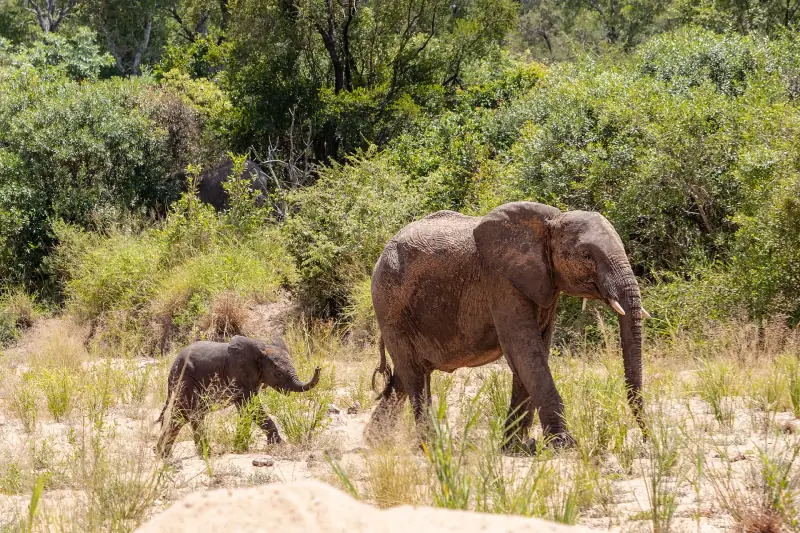
South Africa in 2 weeks: Kruger, Cape Town and Garden Route itinerary
A 14-day South Africa itinerary: Kruger safari, Cape Town, Winelands and the Garden Route, with domestic flights, drives and practical tips.
5 days
Cape Town in 5 days: day-by-day itinerary, peninsula and Winelands
A 5-day Cape Town itinerary: Table Mountain, Waterfront, Bo-Kaap, the Cape of Good Hope peninsula, Winelands and Hermanus, with distances and tips.