Plan your trip
Quebec trip budget: real costs and 3 profiles
We may earn a commission when you book through links on this page, at no extra cost to you. We don't visit or try the places we cover: we summarize published sources. How we work
In short
- Prices exclude tax: add GST (5%) and QST (9.975%), about 15%, plus a 15% to 20% tip at restaurants. A C$20 dish ends up around C$26 to 27.
- Lodging is the first item, about 35% to 45% of the budget excluding flights. A thrifty week without flights is roughly €700 to 900 (about $810 to 1,045).
- A rental car costs on average C$50 to 90 per day plus insurance, taxes and fuel; between Montreal and Quebec City, coach or train is cheaper.
- The cheapest period is generally April-May and November; July-August, fall colors and the year-end holidays are the most expensive.
Many travelers underestimate their budget for Quebec. In practice, a stay in Quebec holds a few surprises: prices displayed before tax, an almost mandatory tip at restaurants, distances that make a car nearly unavoidable once you leave the big cities, and considerable price gaps between summer and the rest of the year.
This guide details the real costs item by item, offers three costed budget profiles (thrifty, comfort, higher comfort) and ends with the tips that really lower the bill. All amounts are rough figures to check when you book: rates change every season. To convert, note that one euro is worth about 1.6 Canadian dollars (CAD), a rate that fluctuates.
The basic rules: taxes, tips and currency
Before costing anything, you need to understand three mechanisms that change the final bill.
Prices before tax
In Quebec, the price displayed on a shelf, a menu or a booking generally does not include taxes. You need to add the federal GST (TPS, 5%) and the provincial QST (TVQ, 9.975%), close to 15% in total. A C$20 dish will therefore cost about C$23 on the bill, before tip. At hotels, a lodging tax is added on top of these two taxes.
The tip is part of the price
At a restaurant, bar or patio, you usually leave 15 to 20% of the amount before tax. In practice, a meal listed at C$20 comes to around C$26 to 27 once taxes and tip are included, 30% more than the menu price. It is the first cause of budget overruns.
Payment and exchange
Bank cards are accepted almost everywhere, including for small amounts. Bring a card with no foreign fees rather than exchanging a lot of cash, and keep a little cash for markets, some campgrounds or tips. Entry rules depend on your passport. Check the official travel advice of your government before you book: travel.state.gov (US), GOV.UK (UK), travel.gc.ca (Canada), Smartraveller (Australia) (checked November 2026).
Lodging: the first item of spending
Lodging generally weighs between 35 and 45% of the budget excluding flights. It is also the item where the season matters most.
Ranges by type of lodging
Here are indicative benchmarks per night, before tax, outside the summer peaks:
- Youth hostel (dorm): about C$35 to 60 per person, more in Montreal and Quebec City in July-August.
- Budget hotel room or motel: about C$110 to 170 for two.
- Mid-range hotel: about C$180 to 300 for two, up to much more in Old Quebec or Old Montreal in peak season.
- Upscale or boutique hotel: from about C$350, with a very high ceiling.
- Gîte (“B&B”) and apartment-type rental: often between the budget hotel and the mid-range hotel, with a hearty breakfast included in gîtes.
Comparison sites show that prices in Montreal are lowest in November and highest around June. To choose your neighborhood better, read our guide where to stay in Montreal.
Are the regions cheaper?
Not systematically. In Charlevoix, Tadoussac or Gaspésie, supply is limited and prices climb quickly in July-August: you need to book far ahead. On the other hand, campgrounds, cabins and national parks offer cheaper solutions, especially with several people.
Compare lodging in Quebec
Hostels, hotels and gîtes: filter by price and free cancellation to lock in the lowest rate.
Transport: flights, car, bus and train
The flight
It is often the biggest single item. Fares vary strongly by season and departure city, and are clearly higher in July-August or during school holidays, with good promotions sometimes possible. Compare several dates and departure airports, and watch price alerts. The budgets below exclude the flight to stay comparable.
Renting a car
Outside the big cities, a car gives real freedom. For an economy-class vehicle, expect to pay on average C$50 to 90 per day depending on the season, to which you add insurance, taxes, any extra driver or drop-off fees in another city, and fuel. Distances are long: see the 9-day road trip to estimate your kilometers. A useful reminder: winter tires are mandatory from December 1 to March 15, which can affect the rental rate.
If you are alone, the car weighs heavily on the budget; with two or four people, the cost per person drops quickly.
Bus, train and city transit
Between Montreal and Quebec City, the coach (Orléans Express) and the train (VIA Rail) are economical options. The companies apply variable pricing: the earlier you book and the further from rush hours, the lower the ticket. You now have to choose a specific date at purchase. In the cities, a day or week pass in Montreal costs far less than single trips, and downtown Quebec City is visited entirely on foot.
Meals: knowing where to spend
Dining is a very flexible item, but tricky because of taxes and tips.
Price benchmarks
- Breakfast in a café or a Quebec “déjeuner”: about C$12 to 20.
- Main dish in a mid-range restaurant: about C$20 to 35, before taxes and tip.
- Dinner with starter, main and drink: about C$50 to 80 per person, all included.
- Alcohol: expensive, especially at restaurants, and sold in supermarkets and specialty stores under rules specific to Quebec.
- Supermarket groceries: a base of C$15 to 25 per person per day for picnics and preparing some meals.
Our article on what to eat in Quebec helps you spot the specialties to taste, and those better enjoyed at lunchtime, when set menus are more affordable.
Tips that matter
Many restaurants offer a “table d’hôte” lunch menu, clearly cheaper than dinner. Another option: bring-your-own-wine restaurants, common in the province, which avoid the markup on bottles. Public markets, snack bars and local fast food let you eat well at lower cost.
Activities and visits: choosing priorities
Quebec appeals through its nature, which is good news: many activities are free or low-cost.
Parks and nature
Access to a Sépaq national park is paid by the day, with an adult rate of about C$10 depending on the park and the season, to be bought in advance online as spaces are limited. A seasonal or multi-park pass becomes interesting if you visit several. Trails, riverbanks and urban parks are free.
Paid excursions
The big classics cost more. A whale-watching cruise in Tadoussac is, depending on the operator and the formula, around C$135 per adult for the base rate, more for an option with a premium upper deck or on a zodiac. Find all the details in our guide to whale watching in Tadoussac. Also budget for winter activities (skiing, snowmobiling), often charged by the day with equipment rental.
Excursions and guided tours in Quebec
Cruises, guided tours and outdoor activities: compare rates and cancel for free depending on the offer.
What you can do for free
Strolling through Old Quebec, wandering Old Montreal, walking along the river, climbing Mount Royal or enjoying a street festival costs nothing. In summer, many outdoor events are free; check each city’s program before you go.
Three costed budget profiles
Here are three profiles for one traveler, one week, excluding flights, based on two travelers sharing a room and a car. These are estimates in euros, converted at a rate of about 1.6 CAD per €1, taxes and tips included.
Profile 1: thrifty (about €100 to 130 a day, or about $115 to 150)
- Lodging: youth hostels, shared rooms or camping, about €35 to 50 (about $41 to 58) per night.
- Transport: bus, train booked early, city transit, and perhaps a shared rental for a few days.
- Meals: breakfasts and picnics made yourself, one simple meal a day.
- Activities: free sites, hikes, one or two national parks.
- Total for 7 days: about €700 to 900 (about $810 to 1,045) per person.
Profile 2: comfort (about €190 to 260 a day, or about $220 to 300)
- Lodging: mid-range hotels or gîtes, for two, about €70 to 110 (about $81 to 130) per person per night.
- Transport: rental car shared by two, fuel included.
- Meals: restaurant in the evening, simple meals at lunch.
- Activities: one or two paid excursions (whales, cruise, museum).
- Total for 7 days: about €1,300 to 1,800 (about $1,510 to 2,090) per person.
Profile 3: higher comfort (from €350 a day, or about $405)
- Lodging: charming hotels or quality inns, often more than €150 (about $175) per person per night in high season.
- Transport: a larger car or a driver for some days.
- Meals: fine dining, wines and specialties.
- Activities: private excursions, scenic flights, spa, stays at outfitters (pourvoiries).
- Total for 7 days: from €2,500 (about $2,900) per person.
These profiles serve as a starting point: adjust them according to the number of travelers, the season and your wishes.
How much budget by season?
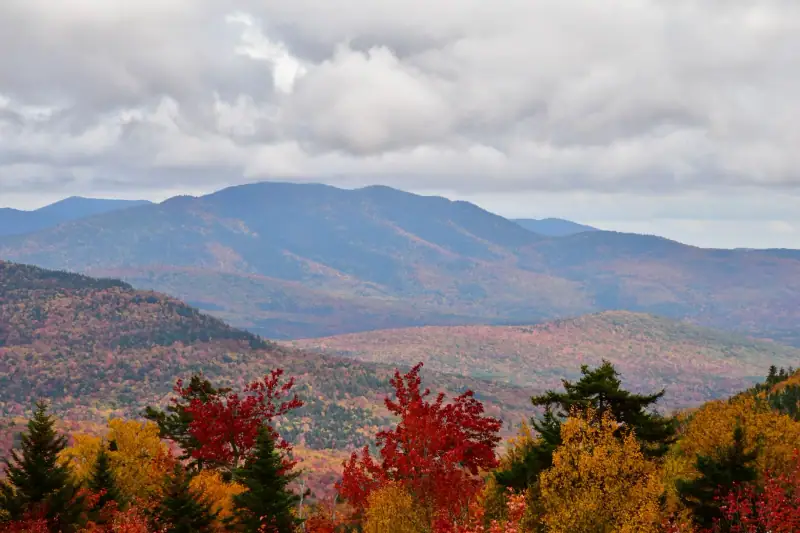
Quebec is one of the destinations where the date matters as much as the level of comfort. In summer, during the fall colors period and around Christmas, hotels and car rentals rise clearly, while spring and November are the most affordable. As a rough guide, comparison sites find that a night in Montreal can cost twice as much in June as in November.
To choose your dates, read our guide when to visit Quebec: September is a good compromise, with pleasant weather, whales still present and prices that have not yet reached the foliage peak.
12 tips to spend less in Quebec
- Go outside high season: April-May, early September and November.
- Book early regional lodging and the summer car: supply dries up fast.
- Choose free cancellation to benefit from price drops.
- Share a room and a car: the cost per person falls as soon as there are two travelers.
- Eat at lunch rather than dinner: lunch menus are much cheaper.
- Have a picnic: supermarkets offer good local products.
- Cook if you stay in an apartment or a cabin.
- Consider gîtes: the hearty breakfast saves you a meal.
- Book your park entries online, and consider a pass if you visit several.
- Use public transit in Montreal and Quebec City rather than taxis.
- Pay by card with no fees and avoid frequent withdrawals.
- Always calculate taxes and tip before choosing a restaurant.
Sleeping in Quebec City without breaking the bank
Compare hotels and gîtes in Quebec City for your dates and budget.
Hidden costs to remember
Beyond the main items, a few expenses tend to add up without you thinking about them.
- Entry requirements and any related fees: these depend on your passport; check the official sources above.
- Travel insurance, strongly advised: health care is very expensive for non-residents.
- Phone plans: check your carrier’s international plan or use a local SIM card or travel eSIM.
- Parking in cities, sometimes paid and costly downtown.
- Car drop-off fees in a different city from the starting one.
- Baggage surcharges on flights and low-cost airlines.
Building your budget in 4 steps
To build a realistic budget without getting lost in the numbers, proceed in steps:
- Set your dates and the number of travelers, as they are the two most powerful levers.
- Choose your zone: cities only (little transport) or a road trip (car and distances).
- Estimate each item with the ranges in this guide, adding 15% for taxes and a 15 to 20% tip on meals.
- Plan a 10 to 15% margin for the unexpected: an improvised excursion, a detour, a favorite restaurant.
If you are still unsure about the whole trip, our complete guide to Quebec will help you set your itinerary before you run the numbers.
Frequently asked questions
What budget should you plan for a week in Quebec?
For a week excluding flights, expect roughly €700 to 900 (about $810 to 1,045) per person on a thrifty budget (hostels, public transit, simple meals), €1,300 to 1,800 (about $1,510 to 2,090) at mid-range comfort and €2,500 (about $2,900) or more at higher comfort. These are rough figures: the season, the region and the number of travelers make the bill vary a lot.
Do displayed prices in Quebec include taxes?
No. Prices in shops, restaurants and hotels are generally displayed before tax. You need to add GST (5%) and QST (9.975%), about 15% in total. At hotels, a lodging tax of a few percent is added on top.
How much should you tip in Quebec?
At restaurants, the usual tip is between 15% and 20% of the amount before tax, and it is not optional by local custom. You also tip in bars, taxis and for some guided tours. Many payment terminals offer preset percentages.
Is Quebec expensive?
It depends on the item. Restaurants (taxes and tip included), alcohol and lodging in high season often weigh the most. A tourist stay costs more in summer and during the fall colors.
Do you need to rent a car to limit costs?
Between Montreal and Quebec City, coach or train is enough and costs less than a rental. As soon as you visit Charlevoix, Tadoussac or Gaspésie, a car becomes almost indispensable. With several people, it often costs less than adding up buses, shuttles and excursions.
When should you go to pay less?
Low season (April-May and November, outside holidays) offers the best lodging and flight rates. September, before the foliage peaks, is a good compromise. July-August, the fall colors period and the year-end holidays are the most expensive.
More Quebec guides
Keep reading

When to visit Quebec? Season by season
When to visit Quebec: fall colors, whales, skiing, festivals and budget. A season-by-season comparison to choose the best time.
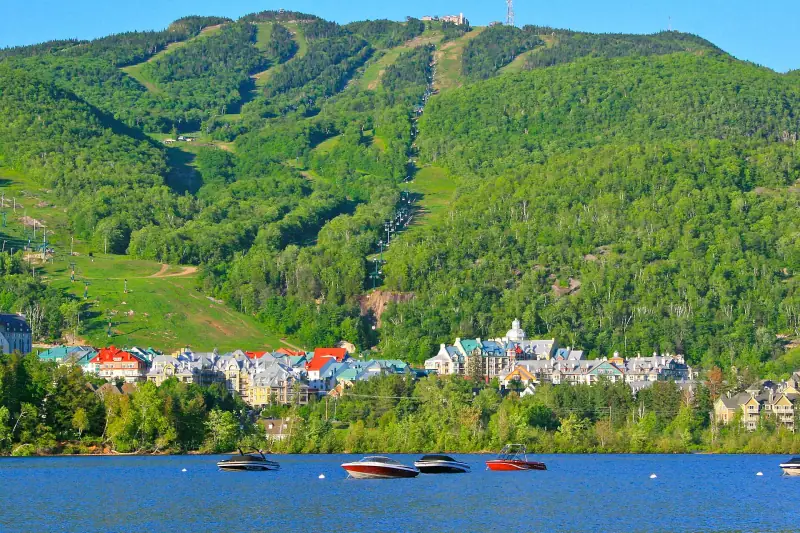
Mont-Tremblant and the Laurentians: things to do in summer, fall and winter
Mont-Tremblant and the Laurentians: hiking, P'tit Train du Nord, fall colors, skiing and winter activities. Seasons, length of stay and tips.
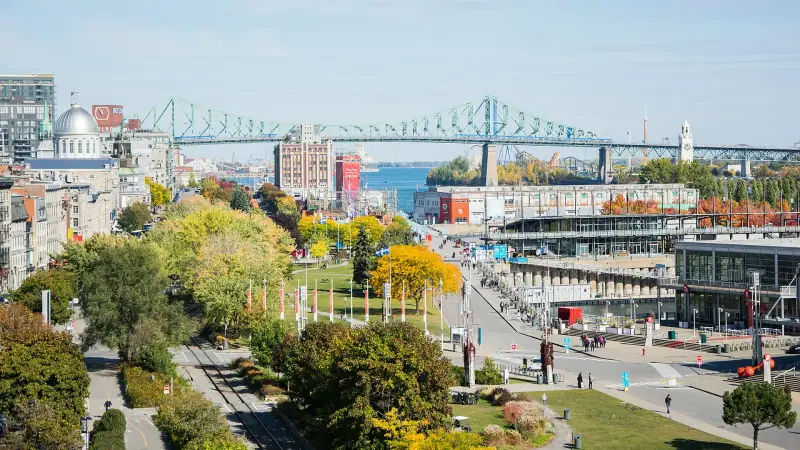
What to see in Montreal in 3 days: Old Montreal, Mount Royal and neighborhoods
What to see in Montreal in 3 days? Old Montreal, Mount Royal, the Plateau, Mile End, markets and the Underground City: day-by-day plan and practical tips.
Ready-made
Quebec itineraries
5 days

5 days
Eastern Townships in 5 days: Magog, Orford, Sherbrooke and wine country itinerary
MagogSherbrooke or North HatleySutton or Dunham area
8 days
Quebec with kids: an 8-day itinerary (Montreal, Quebec City, Charlevoix)
8-day Quebec itinerary with children: Montreal, Quebec City, Montmorency Falls, Charlevoix and whales. Stops, pace, distances and tips.