What to see
What to see in Quebec City in 2 days: Old Quebec, Montmorency Falls and the Plains of Abraham
We may earn a commission when you book through links on this page, at no extra cost to you. We don't visit or try the places we cover: we summarize published sources. How we work
In short
- Two days cover Old Quebec, the Upper and Lower Town on day 1, then the Plains of Abraham and Montmorency Falls on day 2.
- Old Quebec is explored on foot and has been a UNESCO World Heritage site since 1985; the Upper and Lower Towns are linked by stairs and a funicular.
- Montmorency Falls are about 10 km (6 mi) from downtown and about 83 m (272 ft) high, a little taller than Niagara Falls.
- Parking in the old town is limited and paid; a car is useful only for Île d'Orléans, the Côte-de-Beaupré or Charlevoix.
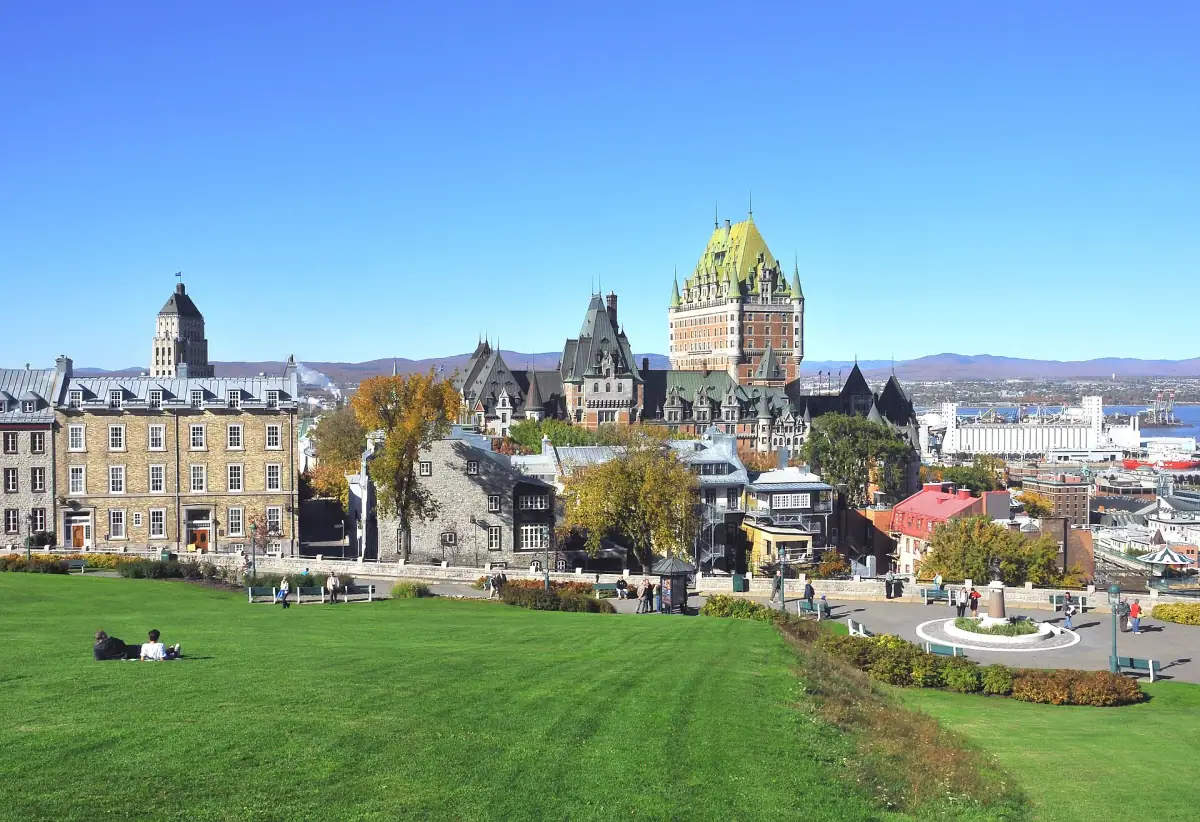
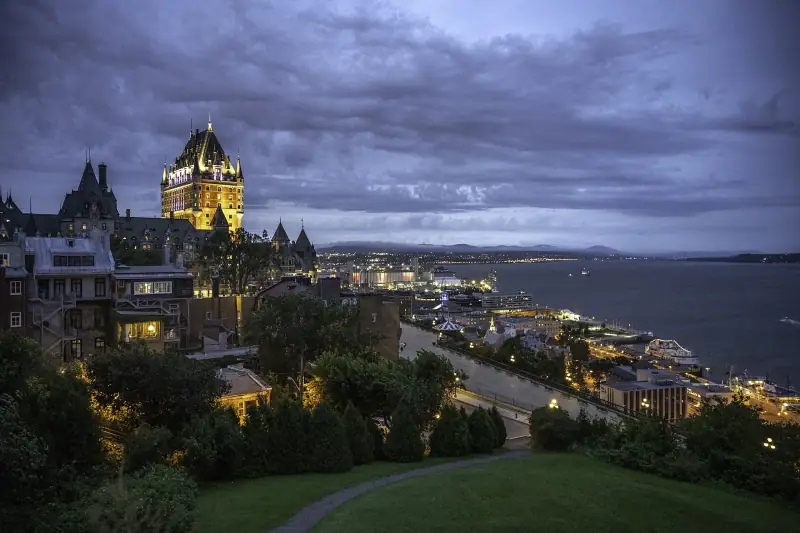
Quebec City is the most European of North American cities, and yet it looks like no city in Europe. Perched on a promontory above the St. Lawrence, surrounded by ramparts, crowned by the famous Château Frontenac, it concentrates four centuries of New France history in a few square kilometers. It is also a city where you walk a lot, stop often for a coffee or a crêpe, and where every lane opens onto a view.
This guide offers a two-day itinerary, designed to be done almost entirely on foot, with tips to avoid the classic mistakes: too much climbing in unsuitable shoes, visits at the wrong time, or a stay too short to enjoy the atmosphere. If Quebec City is only one stage of your trip, you can fit it into our 9-day road trip.
Understanding the city: Upper Town and Lower Town
Before setting off to explore, you need to grasp the geography. Old Quebec is divided into two levels, separated by a cliff.
- The Upper Town occupies the top of the promontory: Château Frontenac, the Citadelle, the ramparts, shopping streets and major institutions.
- The Lower Town spreads along the river: the Petit Champlain district, Place Royale, the Old Port.
You go from one to the other by stairs, by Côte de la Montagne or by the funicular, which links Dufferin Terrace to the Petit Champlain district. Keep this difference in level in mind: it explains why sightseeing days are more tiring than expected, especially in winter when the streets are slippery.
Old Quebec has been a UNESCO World Heritage site since 1985, which explains the remarkable preservation of its old buildings and fortifications.
Day 1: Old Quebec on foot
Morning: the Upper Town and the Château Frontenac
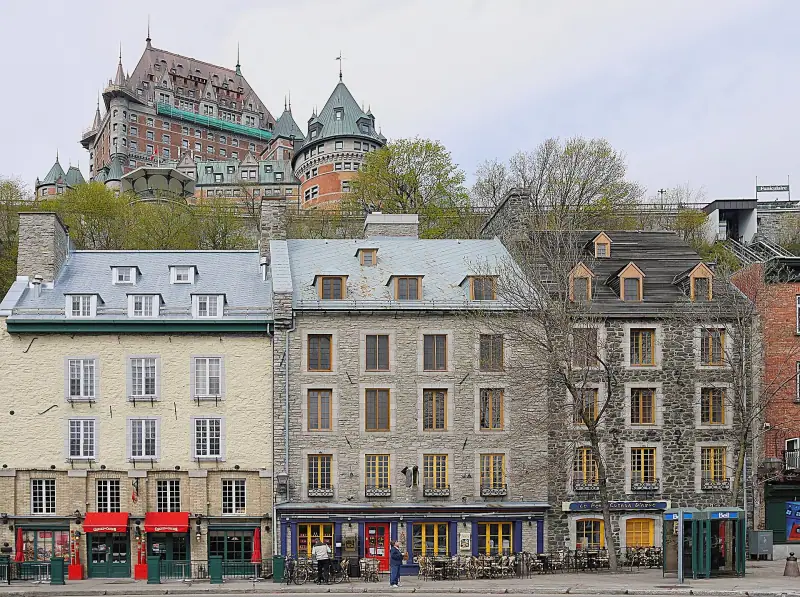
Start with Dufferin Terrace, a long wooden promenade running along the river at the foot of the Château Frontenac. It is the best starting point: the view over the St. Lawrence, Île d’Orléans in the distance and the south shore at Lévis sets the tone right away. The Château Frontenac, built in the late 19th century, is one of the most photographed hotels in the world. Even if you do not sleep there, it is worth the detour for its castle-style architecture and its silhouette that dominates the whole city.
Continue to Place d’Armes, then Saint-Louis Street and the Notre-Dame de Québec Basilica-Cathedral, whose richly decorated interior contrasts with its plain exterior. The nearby streets, such as Rue du Trésor, host artists who display their work outdoors in the warm season.
End the morning by walking along the ramparts. Quebec City is the only city in North America, north of Mexico, to have kept its fortifications. One stretch can be walked and offers fine views over the old city.
Where to stay in Old Quebec?
Compare hotels and inns in Old Quebec and its surroundings for your dates.
Afternoon: the Citadelle and the Lower Town
After a lunch break (for local specialties, see our guide to Quebec cuisine), head to the Citadelle of Quebec, a star-shaped fortification that still houses a regiment of the Canadian army. Guided tours help you understand its role in the defense of the city. Check visiting hours and whether the changing of the guard is held before you come, as they vary with the season.
Then head back down to the Lower Town, by the funicular or by the Breakneck Stairs (Escalier Casse-Cou), which plunge toward the Petit Champlain district. This narrow street, lined with craftspeople’s shops, galleries and small cafés, is one of the oldest in North America, and one of the most pleasant to wander without a set goal.
Close by, Place Royale is considered the cradle of the French presence in North America: it is where Samuel de Champlain founded the settlement of Quebec in 1608. The Notre-Dame-des-Victoires church and the stone houses lining the square make the place particularly photogenic.
At the end of the day, walk to the Old Port, where the river takes on its full scale. Depending on the season, patios and promenades liven the neighborhood into the evening.
Day 2: Plains of Abraham and Montmorency Falls
Morning: the Plains of Abraham and Battlefields Park
The second day opens on a big green space. The Plains of Abraham, part of Battlefields Park, were the scene of the 1759 battle between the British and French armies, which marked a turning point in the history of New France. Today it is an immense urban park overlooking the river, where residents come to run, picnic, ski in winter or attend summer events.
Allow one to two hours of quiet walking, enjoying the viewpoints over the St. Lawrence. If you like history, the park’s museum, on the site, helps you understand the context of the battle. You can also take a look at the Quebec National Assembly building, which stands near the Upper Town, outside the ramparts.
Guided tours in Quebec City
Walking tours of Old Quebec, river cruises and day excursions.
Afternoon: Montmorency Falls
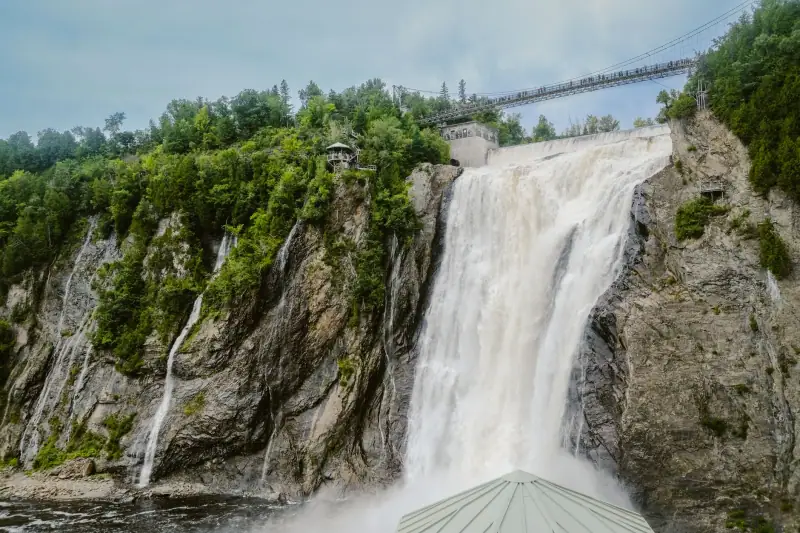
Montmorency Falls are about ten kilometers (6 mi) from downtown, on the Côte-de-Beaupré. They are about 83 meters (272 ft) high, a little taller than Niagara Falls, which makes them one of the most spectacular natural sites around the city. A cable car links the foot of the falls to the top, and stairs and walkways let you walk alongside or over them.
Allow about 15 to 20 minutes by car from downtown, or a slightly longer trip by public transit. In winter, the falls form an ice cone at their base, called the “sugar loaf”, which gives a very different sight from summer.
On the way back, you can stop at Île d’Orléans, very close, if your schedule allows. Orchards, farms and local producers set the rhythm of the visit, and the island road offers fine views of the river. It is described in more detail in our 9-day road trip.
Good ideas to round out your stay
If you have an extra half day, several options are open to you:
- The Quebec-Lévis ferry: the ferry offers a spectacular view of the city’s silhouette from the river, for a modest price. A good idea at sunset.
- The Saint-Roch neighborhood: a former working-class district turned creative area, with cafés, independent shops and restaurants. It offers a more contemporary side of the city.
- The Musée de la civilisation: in the Lower Town, it offers exhibitions on Quebec history and society.
- A hike in the surroundings: the region has several natural parks reachable by car, very popular in fall.
Practical tips for visiting Quebec City
When to come
Quebec City can be visited all year, but the atmosphere changes radically from one season to another. Summer is lively, with its patios and festivals, fall offers foliage colors, and winter provides a postcard setting, with its snow and its famous carnival. To choose, see our guide on the best time to visit Quebec.
Getting around
Old Quebec is explored on foot, and this is by far the best way to discover it. For farther sights, such as Montmorency Falls, use public transit, a taxi, ride-hailing or a rental car. Parking in the old town is limited: if you sleep in the historic center, check your lodging’s parking conditions before booking.
Packing well
Cobbled streets and slopes are hard on fragile shoes: favor comfortable walking shoes. Outside summer, bring layers, a windbreaker and, in winter, shoes with non-slip soles and truly warm clothing.
Currency, taxes and tips
The local currency is the Canadian dollar. As in the rest of Canada, displayed prices are generally before tax, and tipping is common practice in restaurants. Always check the final amount before paying.
Where to stay in Quebec City
For a first visit, sleeping in or near Old Quebec lets you do everything on foot and enjoy the streets in the evening, when the tour groups have left. Neighboring areas, such as Saint-Jean-Baptiste or Saint-Roch, often offer more choice and slightly lower rates, while remaining reachable on foot or by bus. Book early for summer and the fall foliage period, and favor rates with free cancellation.
For the method of choosing neighborhoods, our guide to lodging in Montreal details a similar logic, transferable to Quebec City: atmosphere, transport and budget.
In short
Two days are enough to fall under the spell of Quebec City: a first day devoted to Old Quebec, from Dufferin Terrace to Petit Champlain, and a second turned toward open spaces, from the Plains of Abraham to Montmorency Falls. If you can add a day, Île d’Orléans and the villages of Charlevoix extend the stay naturally. For a fuller trip, find Quebec City in our 9-day itinerary.
Frequently asked questions
How long do you need to visit Quebec City?
Two days let you see the essentials: Old Quebec, the Upper Town and the Lower Town on the first day, then the Plains of Abraham and Montmorency Falls on the second. With one more day, you can add Île d'Orléans or a neighborhood like Saint-Roch.
Do you need a car to visit Quebec City?
No, not for the center. Old Quebec is explored on foot, and local buses serve the main sights. A car becomes useful for Île d'Orléans, the Côte-de-Beaupré or Charlevoix, and parking in the old town is limited and paid.
Is Old Quebec a UNESCO site?
Yes. The historic district of Old Quebec has been a UNESCO World Heritage site since 1985. It includes the Upper Town, the Lower Town and the fortifications, the only ones of their kind still standing north of Mexico.
Can you visit the inside of the Château Frontenac?
The Château Frontenac is a working hotel. Access to some parts is possible, notably through guided tours offered there. Conditions and hours change: ask the property directly before you come.
What is the best time to visit Quebec City?
Summer is pleasant for patios and festivals, fall for foliage colors, and winter for the postcard atmosphere, as long as you dress well. See our guide to choose the best season for you.
More Quebec guides
Keep reading
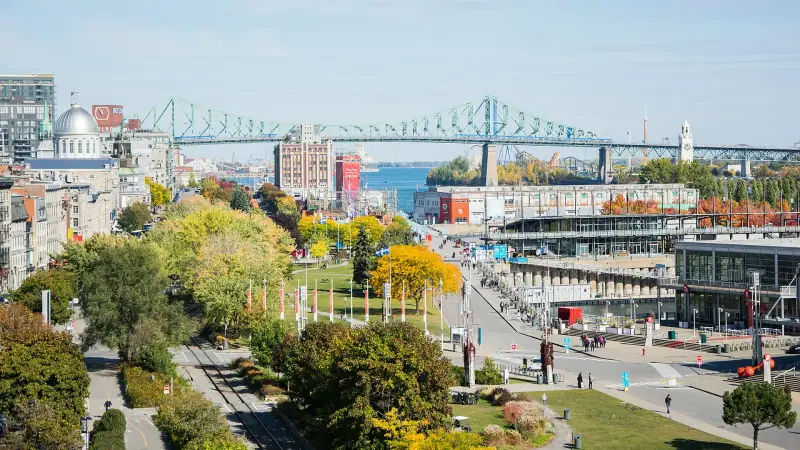
What to see in Montreal in 3 days: Old Montreal, Mount Royal and neighborhoods
What to see in Montreal in 3 days? Old Montreal, Mount Royal, the Plateau, Mile End, markets and the Underground City: day-by-day plan and practical tips.

Complete guide to visiting Quebec: regions, cities, budget and tips
Visiting Quebec: cities, regions, highlights, when to go, transport, lodging and budget. The pillar guide to prepare your trip from A to Z.
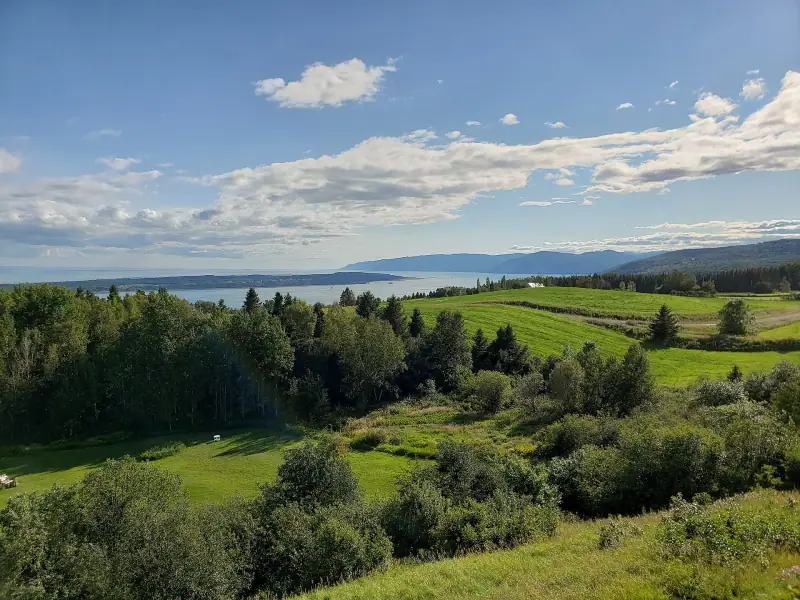
Visiting Charlevoix: Baie-Saint-Paul, La Malbaie and Île-aux-Coudres
Visiting Charlevoix, Quebec: Baie-Saint-Paul, Île-aux-Coudres, La Malbaie, national parks and the river road. Itinerary, ideal length, seasons and tips.
Ready-made
Quebec itineraries
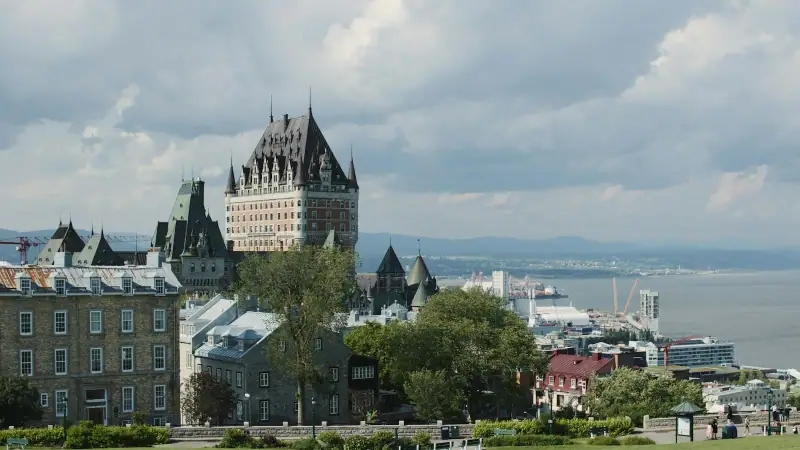
5 days
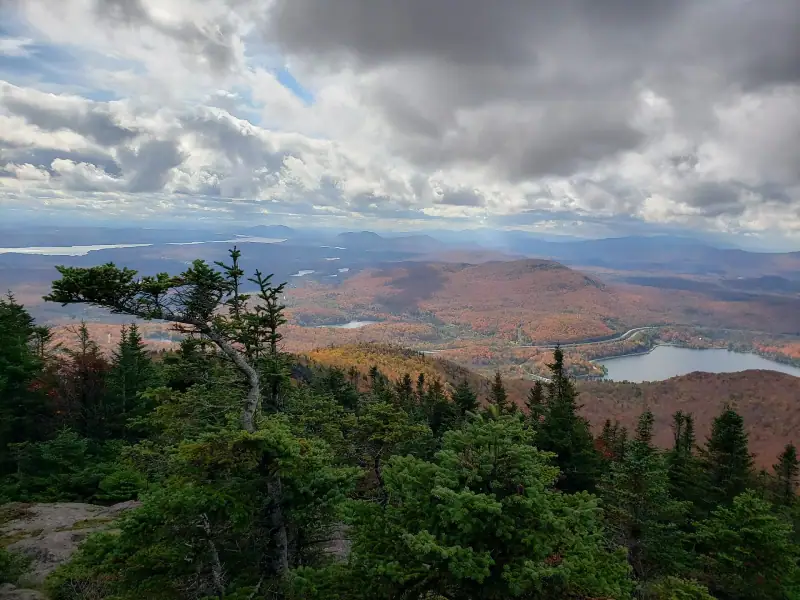
5 days
Eastern Townships in 5 days: Magog, Orford, Sherbrooke and wine country itinerary
MagogSherbrooke or North HatleySutton or Dunham area
8 days
Quebec with kids: an 8-day itinerary (Montreal, Quebec City, Charlevoix)
8-day Quebec itinerary with children: Montreal, Quebec City, Montmorency Falls, Charlevoix and whales. Stops, pace, distances and tips.