What to see
What to see in Montreal in 3 days: Old Montreal, Mount Royal and neighborhoods
We may earn a commission when you book through links on this page, at no extra cost to you. We don't visit or try the places we cover: we summarize published sources. How we work
In short
- Three days cover Old Montreal and the Old Port, Mount Royal, the Plateau and Mile End, then a market and the Underground City or Olympic Park.
- You do not need a car in the city: the metro, buses, bikes and walking are enough, and downtown parking is expensive and complicated.
- Quebec City is about three hours away by road, an obvious next stop; a car becomes useful for the Laurentians, Charlevoix or Gaspésie.
- The currency is the Canadian dollar, listed prices usually exclude taxes, and tipping 15% to 20% before tax is common in restaurants and bars.
Montreal is the largest city in Quebec and one of the largest French-speaking cities in the world, yet it has almost nothing of a classic North American metropolis. The cobbled lanes of Old Montreal, the outdoor staircases of the residential neighborhoods, patios that open as soon as the sun returns and a thriving cultural life give it a character of its own, halfway between Europe and North America.
This three-day itinerary is designed for a first stay. It mixes the big classics with more everyday neighborhoods, and you can do almost all of it on foot, by metro or by bike. For logistics, the season and the rest of the province, see also our guide to choosing where to stay in Montreal and the one on the best time to visit Quebec.
Understanding Montreal before you go
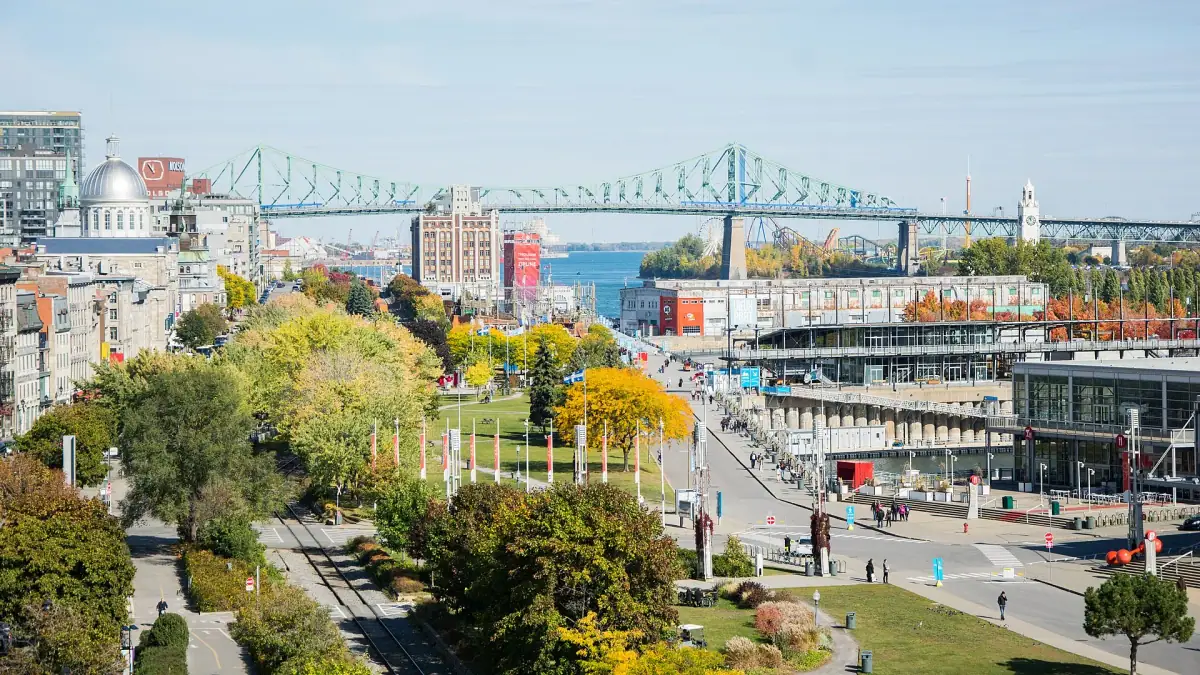
Montreal is built on an island in the St. Lawrence, dominated at its center by Mount Royal, the hill that gave the city its name. The modern downtown spreads at the foot of the mountain, while Old Montreal, the historic cradle, runs along the river. Farther north, the Plateau-Mont-Royal and Mile End neighborhoods concentrate cafés, independent shops and street art. Mile End is also home to the two most famous bagel bakeries: see our guide St-Viateur or Fairmount.
Finding your way simply
To get your bearings, remember that Saint-Laurent Boulevard, nicknamed “la Main”, traditionally separates the east and west of the city. The metro network serves all the neighborhoods covered in this article, and the numbered or named streets are easy to read on a map. Many streets are one-way and road construction is frequent: on foot or by public transit, you will save time.
A bilingual city, but French first
French is the language of public life and signage. English is widely understood, especially in tourist areas. You will notice some amusing Quebec expressions (“magasiner” for shopping, “dépanneur” for the neighborhood convenience store) that add to the sense of being somewhere different.
Day 1: Old Montreal and the Old Port
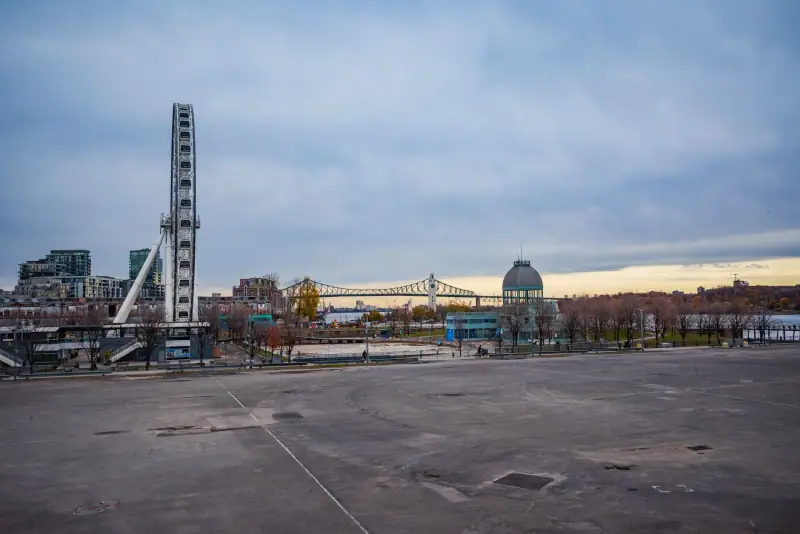
Devote the first day to the oldest district of the city. It is the most touristy, but also the one that best tells the story of Montreal, founded in the 17th century under the name Ville-Marie.
Morning: Place d’Armes and cobbled lanes
Start at Place d’Armes, surrounded by historic buildings and dominated by Notre-Dame Basilica, one of the most visited monuments in the city. Its interior, a deep blue scattered with gold ornaments, surprises even those who are not fans of churches. Allow a good hour for the visit and check opening hours and access conditions before you come, as they vary with services and the season.
Then take the time to wander the neighboring streets, including Saint-Paul Street, one of the oldest in the city, lined with gray stone facades, art galleries and shops. Place Jacques-Cartier, very lively in summer with its street performers, slopes down toward the river. City Hall, close by, deserves a look for its Second Empire architecture.
Where to stay in Montreal?
Compare hotels and hostels in Old Montreal, downtown and the Plateau for your dates.
Afternoon: the Old Port
The Old Port is a vast public space laid out along the St. Lawrence. You stroll there, rent bikes, and in season find various water and family activities. It is also a good starting point for river cruises. At the end of the day, the light on the water and on the stone facades makes the walk particularly pleasant.
For dinner, Old Montreal has many restaurants. Prices there are generally higher than elsewhere: if you are looking for more affordable places, head the next day to the residential neighborhoods. Our article on what to eat in Quebec will give you ideas for specialties to try.
Day 2: Mount Royal, the Plateau and Mile End
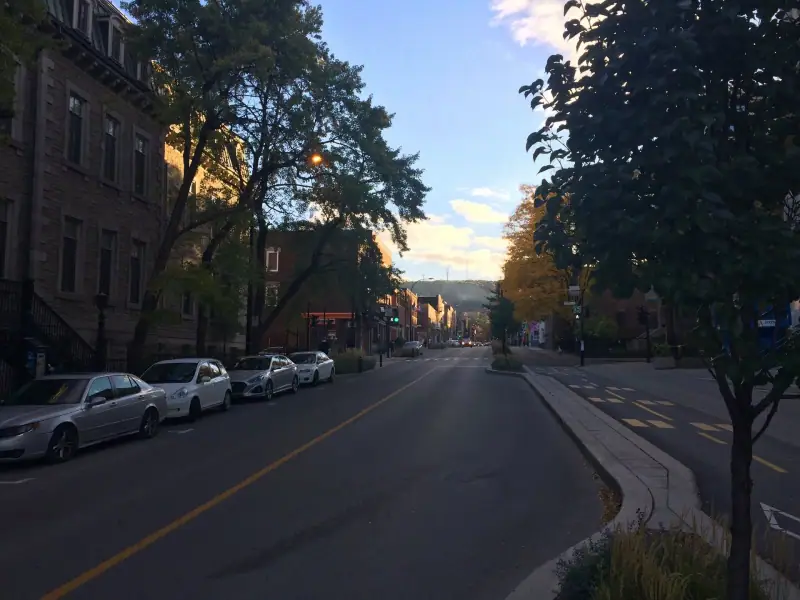
The second day mixes urban nature and neighborhood life. It is more active than the first, but within reach of everyone.
Morning: climbing Mount Royal
Mount Royal is Montreal’s green lung. The park was designed in the 19th century by Frederick Law Olmsted, the landscape architect behind Central Park in New York. You reach it on foot by trails or stairs from several sides, or by public transit to a point nearby.
Aim for the Kondiaronk Belvedere, which offers one of the best panoramas of downtown and the river. Arrive early in the morning to avoid the crowds and enjoy soft light. In fall, the maples on the mountain turn spectacular colors, which makes it a must-do outing during foliage season. Bring good walking shoes: the trails are dirt and can be slippery after rain.
Afternoon: the Plateau-Mont-Royal
Then head back down to the Plateau-Mont-Royal, a neighborhood known for its houses with wrought-iron outdoor staircases, green alleys and patios. Stroll along Mont-Royal Avenue and Saint-Denis Street, where cafés, bookstores and independent boutiques follow one another. It is an excellent place to watch everyday life in Montreal.
End of the day: Mile End
Mile End, north of the Plateau, has a reputation as the city’s creative district. You find cafés, murals and a lively arts scene. The neighborhood is also known for its Montreal-style bagels, smaller and sweeter than their New York cousins, baked in wood-fired ovens. Trying a local bagel is almost a rite of passage.
Guided tours in Montreal
Walking tours, food tours, cruises and excursions from Montreal.
Day 3: markets, the Underground City and Olympic Park
For the last day, choose according to the weather and your tastes: a food-filled morning at a market, then either the Underground City if the weather is bad, or Olympic Park if you like big sites.
Morning: a public market
Montreal has several public markets where people come to buy local products. Jean-Talon Market, in the Little Italy neighborhood, is the best known: you find seasonal fruit and vegetables, Quebec cheeses, maple products and many counters for a quick lunch. It is the ideal place to bring back typical products. Opening days and hours vary with the season: check them before your visit.
Afternoon: the Underground City or Olympic Park
Downtown is linked by a network of underground pedestrian passages, often called the “Underground City”, which connects shopping centers, metro stations and office buildings. It is not an attraction in itself, but in the middle of winter or in the rain, it lets you get around dry and warm, which explains its local reputation.
If the weather allows, head to Olympic Park, built for the 1976 Olympic Games. It includes a stadium topped by an inclined tower, natural science facilities such as the Biodôme and a renowned botanical garden nearby. Allow at least half a day if you want to visit these places without rushing, and check hours and prices on the official websites.
Going further: one more day or a side trip
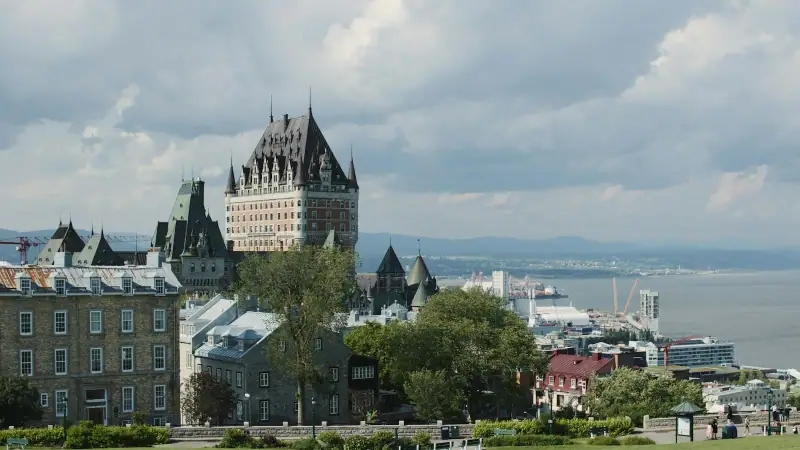
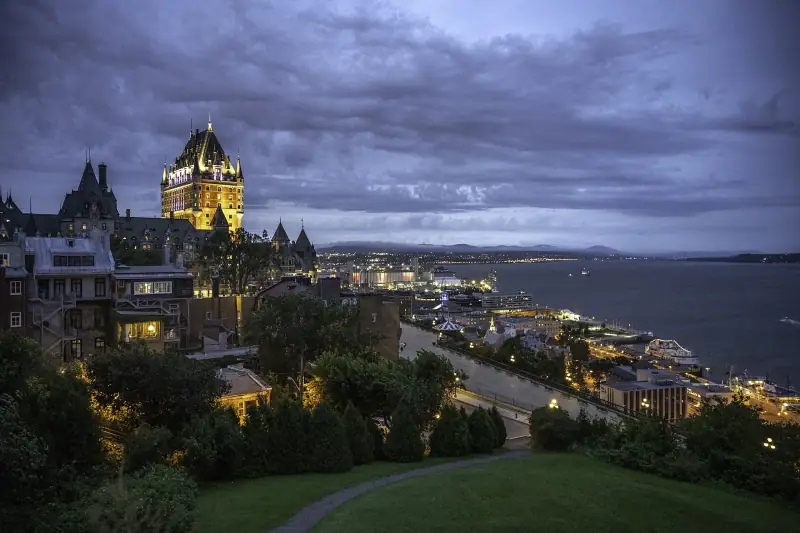
If you have an extra day, several options are open to you. Quebec City, with its listed historic district, is the natural extension of a stay in Montreal: discover it in our guide to seeing Quebec City in 2 days. The trip between the two cities takes about three hours by road.
For a longer trip, our 9-day road trip in Quebec links Montreal, Quebec City and other regions of the province.
Practical tips for visiting Montreal
When to come
Summer is the season of festivals and patios, with pleasant temperatures, sometimes hot and humid. Fall is superb for colors, and spring is quieter. Winter is cold and snowy: if you choose it, equip yourself seriously (warm coat, good shoes, thermal layers). More details in our article on the best season to visit.
Getting around
The metro, supplemented by buses, covers most tourist needs. Ask the Montreal transit authority about day passes or multi-day passes: fares change regularly. Bike sharing is also very handy in season, and the city has many bike paths. A car is not needed to visit the city.
Currency, taxes and tips
The currency is the Canadian dollar. Listed prices generally exclude taxes, and the restaurant bill or the price in a shop is increased at the time of payment. Tipping is common practice in restaurants and bars (often around 15% to 20% of the amount before tax). Include it in your budget.
Packing well
Whatever the season, bring good walking shoes: you will cover a lot of distance on foot. In summer, add insect repellent and sunscreen for outdoor outings. In winter, warm, waterproof clothing is essential.
Where to stay in Montreal
For a three-day stay, Old Montreal or downtown are the most practical: you can get around on foot or by metro. The Plateau-Mont-Royal suits you if you prefer a neighborhood atmosphere and more local places. We have detailed the options, neighborhood by neighborhood, in our guide on where to stay in Montreal. Book early for summer and during the fall foliage period.
In short
In three days, Montreal can be discovered at a pleasant pace: Old Montreal and its river on the first day, the mountain and the lively Plateau and Mile End neighborhoods on the second, then the markets and, depending on the weather, the Underground City or Olympic Park. Add a side trip to Quebec City if you have a little more time, and you will have seen the two most striking faces of the province.
Frequently asked questions
How long do you need to visit Montreal?
Three days let you see the essentials: Old Montreal, Mount Royal, the Plateau and Mile End neighborhoods and a market. With one more day, you can add the big Olympic Park attractions (Biodôme, Botanical Garden) or a trip outside the city.
Do you need to rent a car in Montreal?
No, not to visit the city. The metro, buses, bikes and walking are enough for the main sights, and downtown parking is expensive and complicated. A car becomes useful if you continue to the Laurentians, Charlevoix or Gaspésie.
Which neighborhood should you stay in for a first visit to Montreal?
Old Montreal and downtown are the most practical for a short stay: everything is reachable on foot or by metro. The Plateau-Mont-Royal is more residential and lively, ideal if you prefer a neighborhood feel. Our detailed lodging comparison helps you choose.
What is the best time to visit Montreal?
From late spring to early fall, the city lives on its patios and at festivals. September and October bring beautiful foliage on Mount Royal. Winter is very cold, but the Underground City lets you get around in the warm, and winter activities have their charm.
Do people speak French in Montreal?
Yes, French is the official language of Quebec and the majority language in Montreal. English is widely understood, and many businesses greet you in both languages. A simple "bonjour" in French is always appreciated.
How do you get from Montreal to Quebec City?
By car, coach or train: the link between the two cities is heavily used, and the trip takes about three hours by road. It is an obvious stage of a road trip in the province.
More Quebec guides
Keep reading
Complete guide to visiting Quebec: regions, cities, budget and tips
Visiting Quebec: cities, regions, highlights, when to go, transport, lodging and budget. The pillar guide to prepare your trip from A to Z.
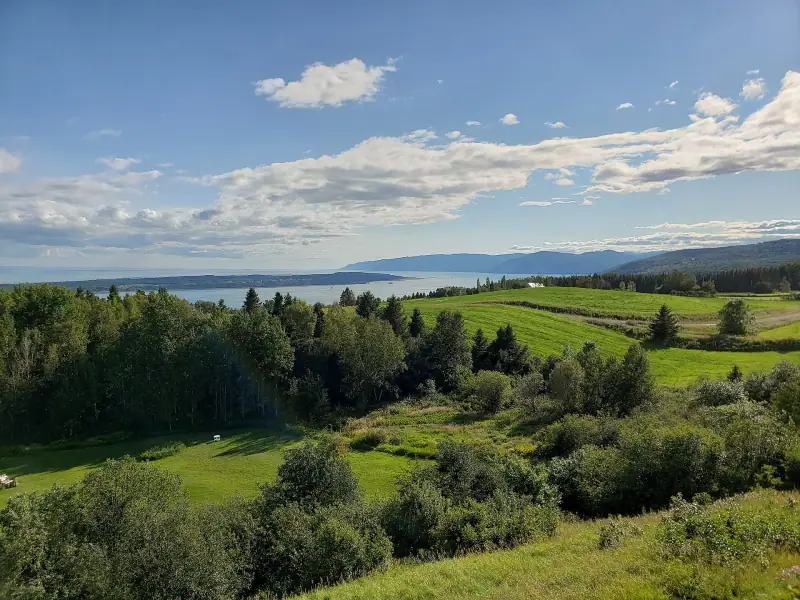
Visiting Charlevoix: Baie-Saint-Paul, La Malbaie and Île-aux-Coudres
Visiting Charlevoix, Quebec: Baie-Saint-Paul, Île-aux-Coudres, La Malbaie, national parks and the river road. Itinerary, ideal length, seasons and tips.
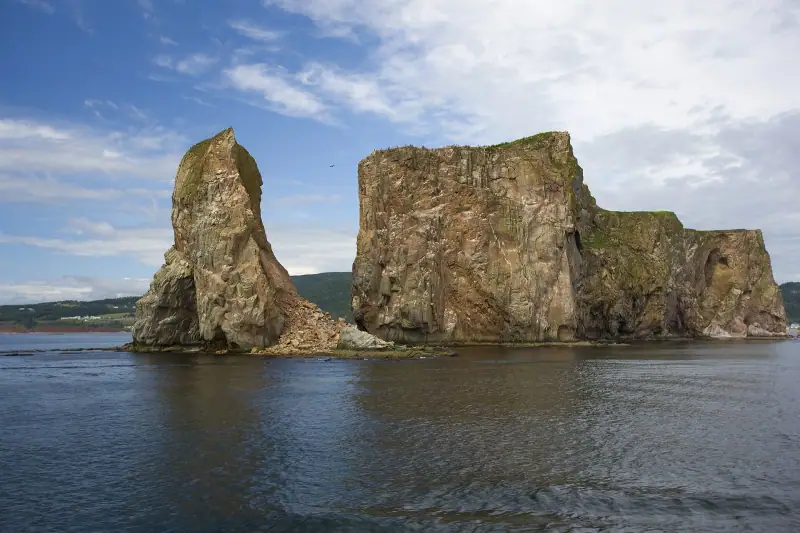
Visiting Gaspésie: Percé, Forillon and Route 132
Visiting Gaspésie: Percé Rock, Bonaventure Island, Forillon Park, the Chic-Chocs and Route 132. Length, season, budget and tips for your road trip.
Ready-made
Quebec itineraries
5 days
5 days
Eastern Townships in 5 days: Magog, Orford, Sherbrooke and wine country itinerary
MagogSherbrooke or North HatleySutton or Dunham area
8 days
Quebec with kids: an 8-day itinerary (Montreal, Quebec City, Charlevoix)
8-day Quebec itinerary with children: Montreal, Quebec City, Montmorency Falls, Charlevoix and whales. Stops, pace, distances and tips.